分类: sports

  • After Asia’s World Cup stumble, resignations pile up from Seoul to Riyadh

    After Asia’s World Cup stumble, resignations pile up from Seoul to Riyadh

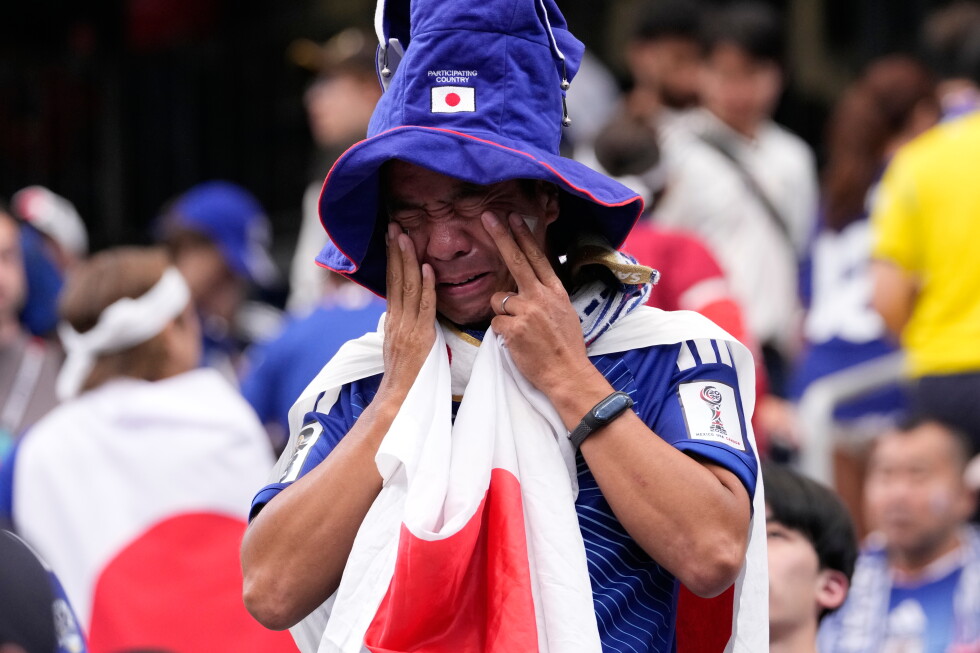
    The 48-team expanded men’s World Cup has left Asian football grappling with widespread fallout and introspection following a historically underwhelming continental performance, which has already triggered high-profile leadership resignations across multiple national federations.

    South Korea became the first major federation to see top-level changes after the Taegeuk Warriors suffered an early group-stage exit, capped by a 1-0 defeat to South Korea that ended their tournament. Just one week after head coach Hong Myung-bo stepped down in the wake of the elimination, South Korean Football Association president Chung Mong-gyu — who had held his post since 2013 — announced his resignation on Monday. His departure came after sharp public criticism from South Korea’s president over the team’s performance. In a statement acknowledging his responsibility, Chung noted, “There were moments when I lived up to expectations and moments when I left you deeply disappointed. All the success is thanks to our players and fans, and all the mistakes are my responsibility.” He added that he remains confident Korean football will rebound from the setback, as it has done in the past. South Korean superstar Son Heung-min echoed this accountability, sharing a lengthy emotional post on social media where he said he felt “indescribably hurt” by the early exit and was determined to win back the support of the Korean public.

    The wave of resignations quickly spread to West Asia: just 24 hours after Hong stepped down in Seoul, Yasser Al-Misehal announced his resignation as president of the Saudi Arabia Football Federation. The Green Falcons fell at the group stage in their seventh World Cup appearance, a result Al-Misehal admitted fell far short of the nation’s ambitions. “I bear full responsibility for it, apologizing to everyone who hoped to see our team in a better position,” he wrote on his official social media channels.

    A broader look at the tournament results underscores the depth of Asian football’s challenges this cycle. Across nine Asian Football Confederation (AFC) representatives, AFC teams secured only three total wins from 29 matches, with just two nations — Australia and Japan — advancing past the group stage. Iran, who finished the group stage unbeaten with three draws, narrowly missed out on a knockout spot, while debutants Jordan, Qatar, Iraq and Uzbekistan all failed to progress, with Uzbekistan failing to pick up a single point. Jordan, making its first ever World Cup appearance, already parted ways with head coach Jamal Sellami on Sunday, just days after the team finished its campaign with three straight losses. Sellami had only taken the role in 2024, but guided the nation to its first ever World Cup qualification in June 2025. Speculation continues to swirl around the futures of the head coaches of Qatar and Iraq, who both finished bottom of their respective groups, while Uzbekistan confirmed its coach, 2006 World Cup-winning Italian captain Fabio Cannavaro, will remain in his post. Cannavaro framed the debut campaign as a valuable learning experience for his young side. “All my players realized just how difficult it is to play at this level,” he said. “We gained valuable experience — not just the players, but myself, our staff and the federation as well. I hope this experience will give us more motivation for the future.”

    Both Australia and Japan’s knockout runs ended at the first knockout stage (the round of 32). Australia, the last remaining AFC side in the tournament, was eliminated by Egypt in a penalty shootout. Notably, Socceroos head coach Tony Popovic had already secured his job before the World Cup, signing a contract extension immediately after his side’s opening win over Turkey. Japan turned in the strongest performance of any AFC side: after beating Tunisia 4-0 and earning draws with the Netherlands and Sweden to finish second in their group, the Samurai Blue took a 1-0 lead over five-time champions Brazil at halftime, before conceding a late 96th-minute winner to exit the tournament. Japanese head coach Hajime Moriyasu said the near-upset gave him confidence in the nation’s long-term trajectory. “Through the three group-stage matches and the hard-fought game against Brazil, I sensed that what we have built can compete on the world stage,” he said. “If we continue this growth steadily, a day will come when we can be the best in the world.”

    AFC president Sheikh Salman bin Ibrahim Al Khalifa acknowledged the incremental progress made by the continent’s leading sides while calling for targeted work to lift the standard of AFC football overall. “While we celebrate our two qualified teams, we must also look realistically at the overall outcomes,” he said. “Our teams are making strides and displaying great fighting spirit, the gap at the absolute top tier remains tight, and we must continue to work hard to bridge it.”

    For context, Asian football’s highest benchmark at the men’s World Cup remains South Korea’s historic semifinal run in 2002 as co-host. Japan has now fallen in four consecutive World Cup knockout stage matches, while Australia has never won a knockout fixture at the tournament, falling to 0-3 in knockout matches after this year’s exit.
  • Neymar says Brazil career over after Norway defeat

    Neymar says Brazil career over after Norway defeat

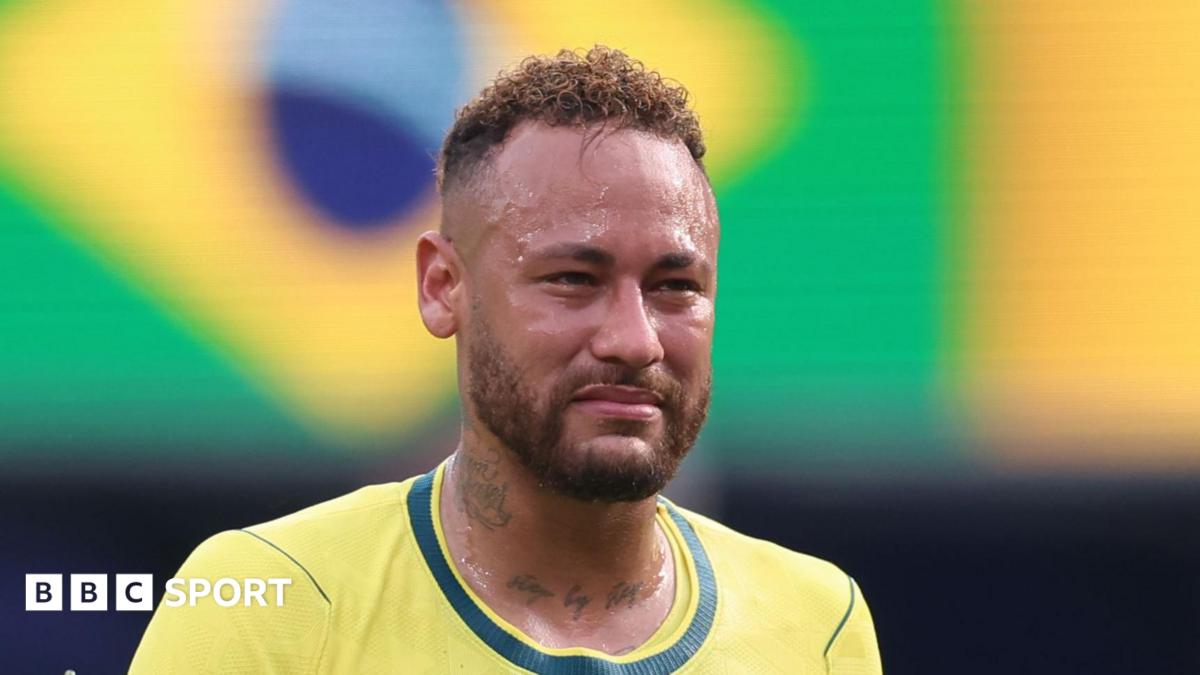
    Four World Cups, 16 years of national team service, and a record-breaking goal tally came to a bittersweet close Saturday for Brazilian football superstar Neymar, who confirmed his international career is finished following Brazil’s knockout-stage elimination at the hands of Norway at the 2026 FIFA World Cup.

    The 34-year-old attacking icon entered the last-16 clash at New Jersey’s MetLife Stadium in the 67th minute, with Brazil already trailing 2-0 to a Norwegian side led by red-hot striker Erling Haaland. Despite being brought on to turn the tide of the match, Neymar could not reverse the Selecao’s fortunes, though he slotted home a late penalty deep into second-half stoppage time to grab one final international goal. The strike only served as a consolation, however, as Norway held on to advance to the tournament’s quarter-finals, ending Brazil’s 2026 campaign.

    In an emotional post-match interview with Brazil’s TV Globo, Neymar reflected on the full-circle nature of his final international appearance, which came on the same pitch where he made his Brazil debut 16 years earlier. “I tried, I tried. Now it’s over. I started here, I finished here,” the forward said.

    Neymar’s first cap for Brazil came at MetLife Stadium back in August 2010, in a friendly fixture against the United States where he even marked his debut with a goal in a 2-0 Brazilian win. Over 16 years of national team duty, Neymar rewrote the record books: he leaves the international set-up as Brazil’s all-time leading men’s goalscorer with 80 goals, and his 130 senior caps rank second in the nation’s history behind only Cafu, who recorded 142 appearances between 1990 and 2008.

    This World Cup run marked Neymar’s fourth consecutive appearance at the global tournament, having also featured for Brazil in the 2014, 2018, and 2022 editions. Injuries had kept him sidelined from international action for more than two years before his selection to the 2026 squad, and he only featured twice across the entire tournament: a late substitute appearance in Brazil’s final group-stage win over Scotland, and his final bow against Norway.

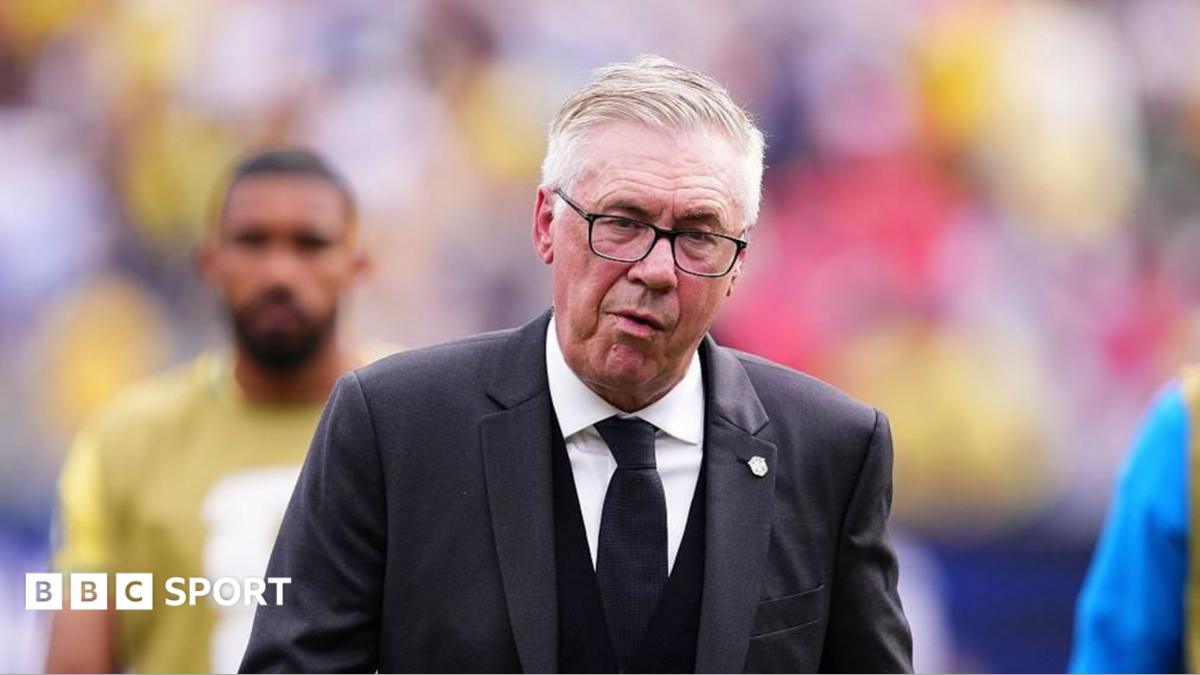
    The early exit has sparked widespread discussion about the future of the Brazilian national team, with analysts arguing that the ageing squad requires widespread restructuring ahead of the next cycle of international competition. Questions are already circulating about whether newly appointed head coach Carlo Ancelotti is the right leader to overhaul the side and return Brazil to trophy contention in coming years.

  • How Mexico’s World Cup run brought joy after a year of fear

    How Mexico’s World Cup run brought joy after a year of fear

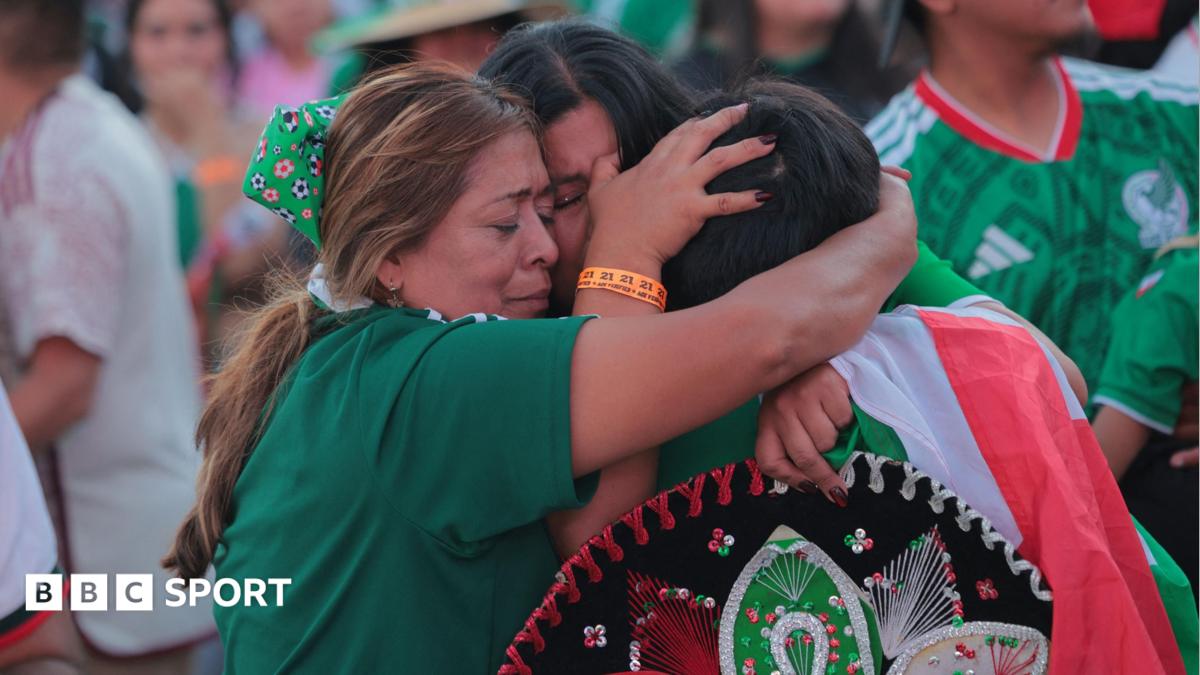
    When the final whistle blew on Mexico’s 2026 FIFA World Cup campaign at the Round of 16, a 3-2 thriller against England that sent El Tri packing, despair did not take over a packed Santa Ana bistro in Orange County, California. Instead, the crowd rose to their feet: some waved vibrant green Mexican flags, others sang through their disappointment, and soon the room swelled with the beloved folk anthem *Cielito Lindo*, its iconic lyric “Canta y no llores” (Sing, don’t cry) hanging in the air.

    Louie Leyla, a Mexican-American who has called California home since 1990, summed up the collective mood: “This is sad. But we’re going to keep rooting for our people, no matter what.”

    While England’s victory ended Mexico’s tournament in Arizona’s Azteca Stadium – a match that broke Mexico’s 15-match World Cup streak of going into halftime without conceding, after the Three Lions netted two first-half goals – for the tight-knit Mexican-American community of Southern California, the run was far from a failure. This region hosts one of the largest concentrations of Mexican diaspora outside of Mexico itself, and for weeks, the World Cup became far more than a series of football matches: it was a community unifying triumph that exceeded every expectation.

    “It’s a loss,” said local resident Alicia Rojas. “But it’s a win for our community in Santa Ana.” Nearby, Cynthia Rebolledo smiled as she gestured to her young son, decked from head to toe in Mexico’s national green, white and red. “He keeps asking if we’re still going to the parade. He thought we won. He’s been rooting for Mexico – and for his community.”

    As trumpets blared and fans danced between tables, holding their flags high, long-time local observer Leigh Slater put the moment in perspective. “Football is like life. You lose, you win. But what we’ve seen throughout this World Cup is the unbreakable spirit of immigrants in this country.”

    Throughout the 2026 tournament, co-hosted by the U.S. alongside Mexico and Canada, Mexican supporters emerged as some of the most visible, passionate fans across the country. Stadiums from coast to coast were awash in bright green El Tri jerseys, echoing with chants and the roar of thousands of voices – and nowhere was that energy more palpable than in Orange County’s Santa Ana, the historic cultural heart of Southern California’s Latino community.

    The current joy and collective gathering stand in stark contrast to the tension that gripped these same neighborhoods just 12 months prior. In June last year, at the height of a wave of ICE immigration raids, Latino communities across the region stayed indoors, public spaces emptied out, local businesses lost nearly all their customers, and residents avoided large public gatherings out of fear. National Guard vehicles were stationed just blocks from local businesses, and the only activity on downtown Santa Ana’s usually busy streets came from immigration rights protests.

    “What a difference a year makes,” noted Los Angeles Times columnist Gustavo Arellano, speaking over the roar of maracas, horns and crowd chants in the packed bistro. “They were occupying the same streets that a year earlier were completely, completely and utterly dead. This was June last year. That was really the height of this. These streets were empty unless you were protesting.”

    For Arellano, the sudden shift from fear to unbridled public celebration is nothing short of emotional release. “Fast forward a year later… this is catharsis – for Mexicans especially, but for Latinos in general.”

    Mexico’s status as a 2026 World Cup co-host, paired with the team’s successful run to the knockout stage, created a rare opening for the community: a chance to celebrate their cultural identity openly, after a year marked by anxiety and uncertainty around immigration enforcement. Supporters who had hidden their cultural ties in public just months earlier were now singing the Mexican national anthem at packed, family-friendly fan zones, waving flags and wearing their team’s colors with pride. For many of these Mexican-Americans, expressing their Mexican identity has never been incompatible with their American identity – a far cry from the 1990s, when Mexican football fans were frequently labeled “unpatriotic” for displaying Mexican flags amid a wave of anti-immigration political rhetoric.

    “The expression of these fan bases has gotten bigger as America has gotten more diverse,” Arellano observed. Like millions of fans, he had held out hope that Mexico could pull off a shocking upset against England. “The cynic in me says this is what always happens to Mexico. We’re good, but we just can never truly compete against the elite of the world. But you know what? We never give up. So I’m proud of what they did. We didn’t give up until the very, very end. England was just a superior team.”

    As the United States marks its 250th anniversary, a moment defined by renewed national debate over immigration and identity, the 2026 World Cup has laid bare a different, more diverse reality of modern American life. Diaspora communities across the country turned out in droves not just for Mexico, but for dozens of other nations: Scotland, Argentina, Colombia, Ecuador, Morocco, Egypt and more, revealing an America where millions of people maintain deep, proud cultural ties to two homes.

    For Mexican-Americans in Southern California and beyond, that dual identity was the real story of this tournament. At a moment of intense difficulty for Latino communities across the country, the 2026 World Cup gave them something they had been missing for a long time: “an opportunity to express joy,” Arellano said.

  • Ageing Brazil need major surgery – but is Ancelotti the man to do it?

    Ageing Brazil need major surgery – but is Ancelotti the man to do it?

    For two consecutive World Cups, Brazil exited at the quarter-final stage, each time leaving with a hint of bad luck. But their 2026 campaign ended far earlier – and there is no misfortune to blame for their comprehensive defeat at the hands of a clinical Norway side, who booked their spot in the tournament’s quarter-finals courtesy of Erling Haaland’s match-winning influence.

    This early elimination stands as an unmitigated disaster for Brazilian football, a far cry from the standards the five-time world champions have set for decades. The pressure was already high when Carlo Ancelotti took the reins 16 games ago, tasked with digging Brazil out of a qualifying crisis that saw them lose four of five matches prior to his appointment. The Italian coach made an immediate impact, notching 10 wins, three draws and just three losses to steady the ship and secure their place in the 2026 tournament. But that turnaround was ultimately not enough to avoid a shocking early exit.

    Brazil now faces the need for deep-rooted systemic change, starting with the position that was once their greatest source of magic and creativity: central midfield. The shift away from imaginative, playmaking midfield work has eroded Brazil’s style of play – and their results. The fact that Norway dominated possession and outpassed Brazil comfortably on a warm summer matchday is a statistic that would have seemed unthinkable a generation ago, but it is a direct consequence of the current squad’s unbalanced makeup.

    Ancelotti’s decision to recall Casemiro from 18 months out of international selection shaped the entire dynamic of Brazil’s midfield. While the veteran brought much-needed structure to the side and allowed Bruno Guimarães to thrive – a performance only undermined by an early penalty miss that could have changed the entire game – his well-documented vulnerability in open space was a persistent flaw. This was exposed as early as the second minute, when Norway had a goal ruled out, and forced Brazil to drop deep into a defensive block, letting Norway build rhythm and confidence through consistent passing.

    Compounding midfield issues was the pre-match loss of Lucas Paquetá to injury in the previous round against Japan. Ancelotti openly admitted he had no replacement with the same skill set, forcing a tactical reshuffle that brought Arsenal’s Gabriel Martinelli into the side and left Brazil’s attack almost entirely reliant on rapid counter-attacks. The coach’s initial squad selection also raised questions: including only five central midfielders was a major oversight. When right-back Wesley picked up an injury in the final warm-up match, Ancelotti used the replacement spot to bring in Ederson, the prospective Manchester United signing, rather than adding cover in the critical midfield area. Yet while the coach carries his share of the blame, the systemic issue runs deeper: the country’s youth development system is currently flooded with talented wide forwards, but failing to produce enough top-quality central midfielders to fill the pipeline.

    The most controversial call Ancelotti made, however, surrounded the selection of Neymar. Facing public pressure from a star-struck Brazilian fanbase desperate to see the legendary forward included, the coach broke his own rules. He had previously stated Neymar would only earn a call-up if he was in form and fully fit, and that he would not select injured players – but he bent every rule to include the veteran, despite clear evidence that Neymar was nowhere near the match-sharpness of his prime.

    Neymar’s brief cameo against Scotland prior to the match showed exactly how far off form he was, looking like a retired player guesting in a charity exhibition match. Even so, Ancelotti gave him a start against Norway, forcing a complete reshuffle of Brazil’s attacking line. Lacking the mobility to track back and contribute defensively, Neymar was shifted to centre-forward, pushing in-form stars Vinícius Júnior and Endrick out wide and deeper – moving them further from goal, exactly where they are least dangerous. This reshuffle opened up space in Brazil’s half, finally giving Haaland the quality service he needed to punish the Samba Boys.

    Neymar did score a late penalty, but not before escaping a red card for a wild, petulant foul that many observers argued should have seen him sent off. After the match, the 34-year-old indicated his time with the Brazilian national team has come to an end, 16 years after he made his debut at the same New Jersey stadium in a friendly against the United States. “I tried, I tried… now it’s over! I started here, I finished here,” he told Brazilian broadcaster ge tv. The defeat left Neymar in tears, bringing a potential close to one of the most iconic international careers in modern football – and it also signals the end of the line for a number of other aging players in Brazil’s squad.

    Post-match, Ancelotti remained defiant, framing the defeat as the starting point for a new era for Brazilian football. “I don’t think this is the end. I think this is the start of a new cycle,” he insisted. “What I can say, what we can do and what we are going to do, is keep working hard for the national team, keep trying to improve and find new ideas. I think we have done a good job, but this is football and this is sport. You just have to deal with it, deal with the sadness and the taste of defeat. I am very much used to this and we will handle this. We will use it as fuel going forward.”

    With the 2030 World Cup co-hosted by Argentina, Paraguay and Uruguay set to be the next major tournament, the rebuilding process begins right now. Conmebol’s qualification process will be far simpler for Brazil this cycle, as the three co-hosts already have automatic spots. Ancelotti holds a long-term contract with the Brazilian FA, but the big question remains: is he the man to lead the massive generational and tactical overhaul Brazilian football desperately needs? Or is he best suited to being a short-term fixer, the manager who picks apart small problems to pick up trophies across Europe? This time, the fix did not hold for Brazil, and the country is left waiting to see if there will be another chance under his leadership.

  • Red card system in disarray over Trump, Fifa and Balogun decision

    Red card system in disarray over Trump, Fifa and Balogun decision

    For decades, one of the most unshakable rules in FIFA World Cup football has stood firm: any player shown a red card will automatically miss their team’s next match. No exceptions, no appeals, no room for negotiation. That long-standing certainty has now been thrown into chaos, after FIFA granted an unprecedented reprieve to United States star forward Folarin Balogun, leaving the sport grappling with urgent questions about fairness, consistency and political interference.

  • Dodgers’ Eliézer Alfonzo makes MLB debut with sister, stepmother still missing in Venezuela quakes

    Dodgers’ Eliézer Alfonzo makes MLB debut with sister, stepmother still missing in Venezuela quakes

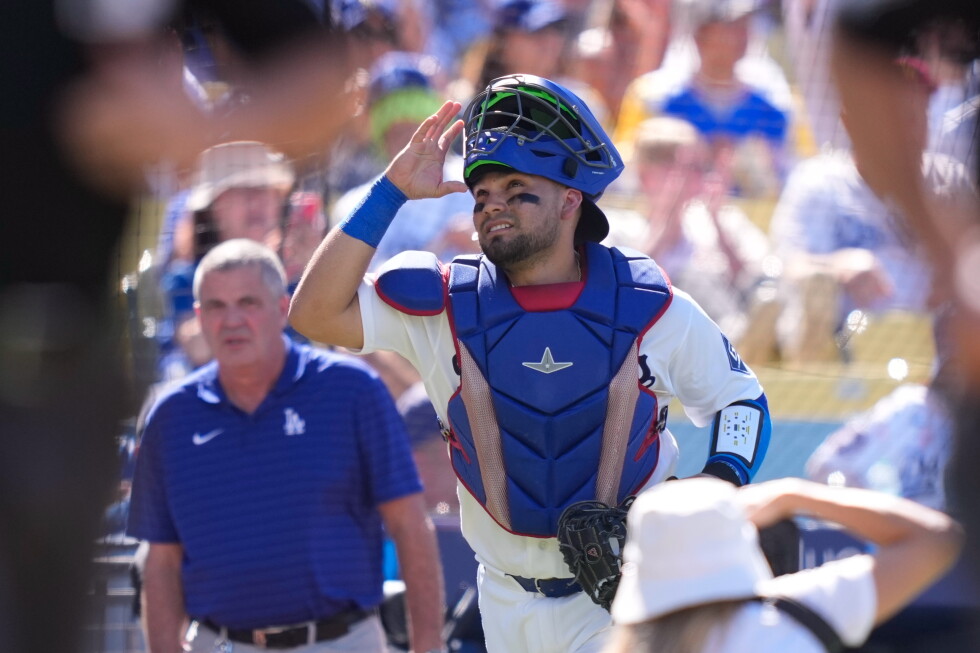
    LOS ANGELES – In an emotionally charged opening day at the highest level of professional baseball, catcher Eliézer Alfonzo made his long-awaited Major League Baseball debut for the Los Angeles Dodgers on Sunday, a milestone clouded by uncertainty over his stepmother and sister, who remain missing following the catastrophic earthquakes that struck his native Venezuela. The 26-year-old prospect took the ninth spot in the Dodgers’ starting lineup, handling catching duties for starting pitcher Emmet Sheehan during the team’s home interleague clash against the San Diego Padres. Alfonzo’s 16-year-old sister Eliana and stepmother Patricia have been unaccounted for since a series of powerful quakes devastated coastal Venezuela on June 24. Multiple Latin American media outlets published reports Sunday claiming that the pair’s bodies had been recovered from the rubble of the La Guaira hotel where they were staying when the disaster struck. As of first pitch, the Los Angeles Dodgers organization confirmed that no official verification of these reports has been received, leaving Alfonzo in limbo as he stepped onto the major league diamond for the first time. Speaking roughly two hours before game time at Dodger Stadium, Dodgers manager Dave Roberts shared that he had not yet spoken directly with Alfonzo about the developing situation, and struggled to put the catcher’s ordeal into words. “Outside of my heart goes out to him and his entire family, I don’t really know what to say about it,” Roberts told reporters. “He is with the team today, and he’s going to play, but obviously calling this a heavy heart doesn’t even begin to cover it. I don’t want to go too deep into this, because I’ll get emotional. I know it’s unbelievably tough for him right now.” Alfonzo’s path to the majors has been nearly a decade in the making. After logging 581 appearances across nine seasons of minor league play, the Dodgers called him up to the active roster Saturday, marking his first ever opportunity to compete at baseball’s top tier. He spent the majority of his professional career in the Detroit Tigers’ farm system, climbing as high as the team’s Triple-A affiliate in Toledo last year. Last November, Alfonzo signed a minor league free agent contract with the Dodgers, and turned in an impressive performance at Triple-A Oklahoma City to earn his call-up, posting a .313 batting average with 17 runs batted in through his play this season. The Dodgers’ roster move came amid a growing need behind the plate: veteran starting catcher Will Smith has been out of commission for nearly a month with a nagging neck injury. Dalton Rushing has stepped in as the team’s primary starter at catcher, with veteran Chuckie Robinson serving as his backup, but the Dodgers elected to hand Alfonzo a shot in the starting lineup this weekend. Alfonzo is following a family legacy of professional catching: his father, Eliézer Alfonzo Sr., appeared across parts of six MLB seasons between 2006 and 2011, suiting up as a catcher for four different major league clubs, and even spent one season in the Dodgers’ minor league system early in the former backstop’s career.

  • Queiroz leaves Ghana following World Cup exit

    Queiroz leaves Ghana following World Cup exit

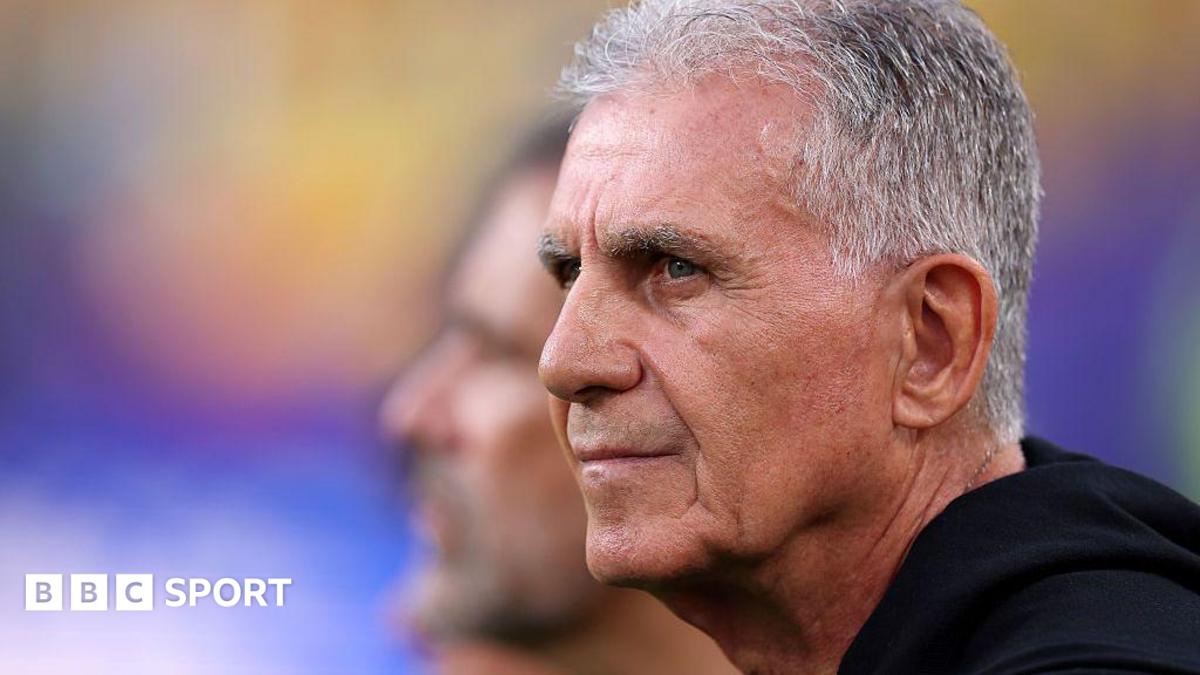
    Veteran football manager Carlos Queiroz has ended his tenure as head coach of Ghana’s men’s national team, stepping down just three months after accepting the role following the Black Stars’ early elimination from the 2026 FIFA World Cup at the round of 32 stage.

    The 73-year-old coach was appointed to lead Ghana back in April this year, and steered the side to a third-place finish in their Group L during the group stage, which earned them a spot in the knockout round. Their run in the tournament was cut short, however, after a narrow 1-0 defeat to Colombia in the first knockout fixture, which saw the Ghanaian side exit the competition.

    Queiroz boasts an extensive resume in elite football management, including a notable spell as assistant manager to Sir Alex Ferguson at English Premier League giants Manchester United. He held the assistant position at Old Trafford across two stints: first from 2002 to 2003, before returning to the club from 2004 to 2008, where he contributed to multiple major trophy wins during his time at the club. This World Cup marks the fifth consecutive major tournament where Queiroz has held a head coaching position at the competition; he previously led the national teams of Iran, Portugal, and Egypt at World Cup finals.

    Queiroz was not the only head coach to part ways with his national team on the day of the announcement. Following his departure, it was also confirmed that the Jordan Football Association had split with head coach Jamal Sellami, after Jordan finished the tournament in fourth place in their Group J bracket. The dual departures add to the wave of post-tournament coaching changes that typically follow early elimination from the FIFA World Cup.

  • World Cup what to know: US faces Belgium after Balogun’s suspension rescinded

    World Cup what to know: US faces Belgium after Balogun’s suspension rescinded

    As the World Cup’s knockout round heats up, the most highly anticipated match-up of Monday’s slate is not the iconic Iberian rivalry between Spain and Portugal, but the high-stakes Round of 16 clash between the host United States and Belgium in Seattle – a game that already carries off-field drama and could literally move the Richter scale.

    Seattle’s Lumen Field, already known as one of the loudest venues in North American professional sports, made waves during the U.S. men’s national team’s group stage win over Australia, where crowd roars were intense enough to register as detectable seismic activity. With a quarterfinal spot on the line and a home crowd of more than 80,000 raucous fans expected, that shaking could reach new levels when the two sides kick off Monday evening.

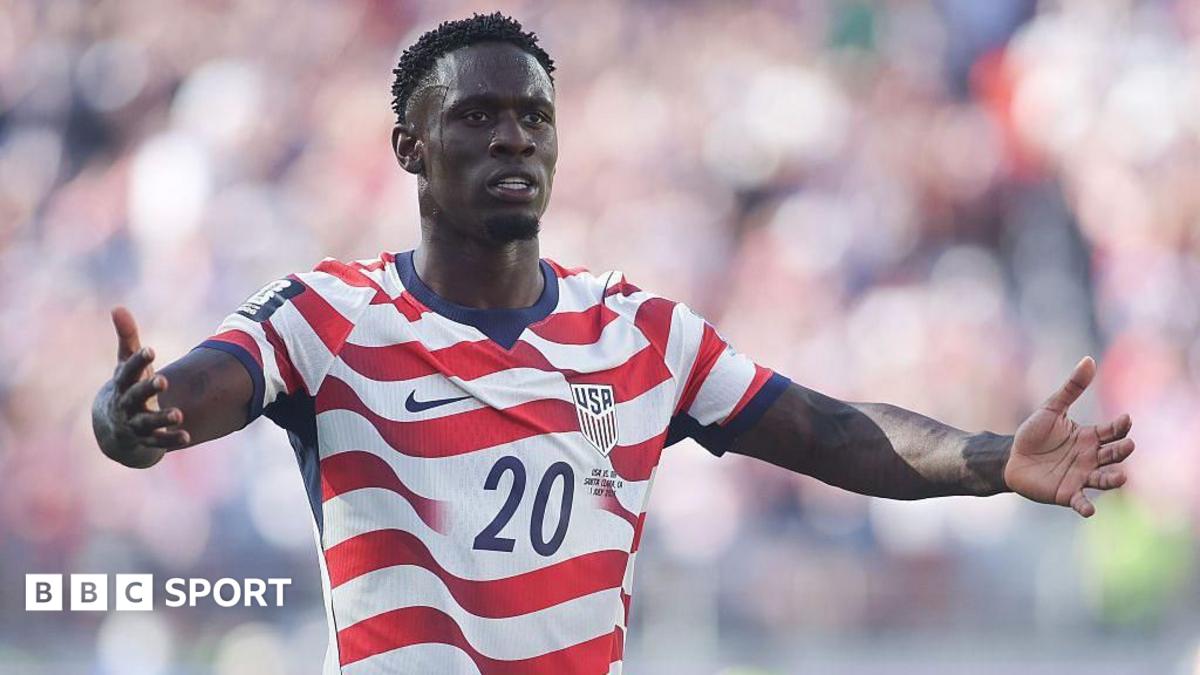
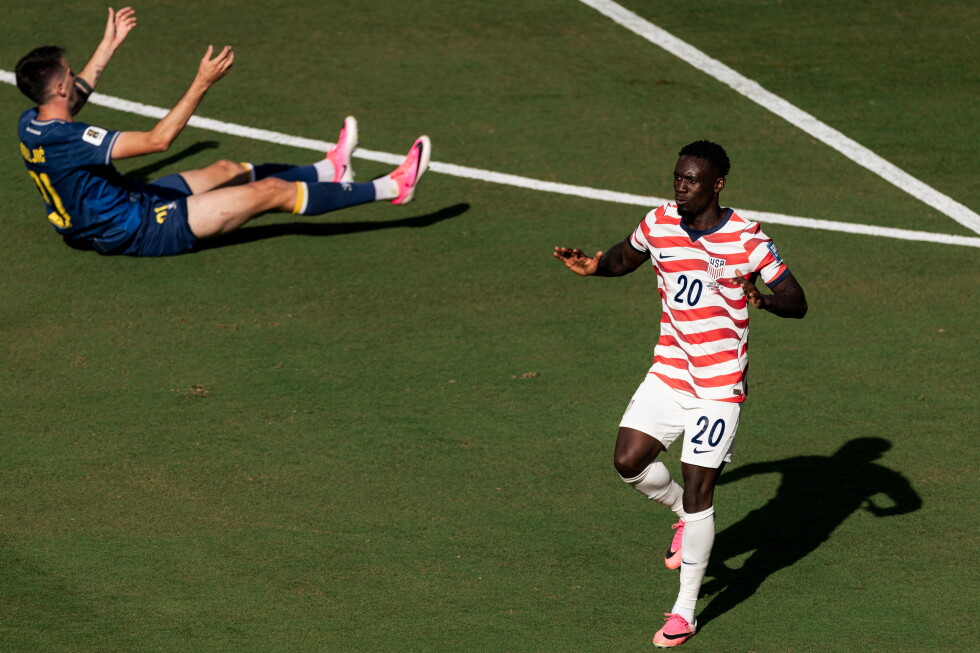
    The biggest pre-match shake-up came in an unexpected reversal from FIFA, which overturned American star forward Folarin Balogun’s automatic one-game suspension for a red card picked up in the team’s final group stage win over Bosnia-Herzegovina. Balogun, who leads the U.S. with three tournament goals – tying Landon Donovan’s 2010 total for the second-most by an American man at a single World Cup, trailing only Bert Patenaude’s four goals at the inaugural 1930 tournament – was suspended after stepping awkwardly on Bosnia’s Tarik Muharemović late in the match, which the U.S. played 30 minutes down a man. The reversal, which came after U.S. President Donald Trump placed a direct call to FIFA President Gianni Infantino, has left the Royal Belgian Football Association publicly “astonished” but delivered a massive boost to the American side ahead of their biggest match in modern history.

    U.S. captain Christian Pulisic emphasized that the Seattle fanbase has already delivered unmatched energy throughout the tournament, and their support will only grow with Balogun’s return. “(Seattle) fans are going to bring it, no matter what,” Pulisic said. “I think that’s what they’ve shown this trip, this tournament so far. I’m sure when (Balogun) walks out, they’re going to give that much more of a roar.”

    For the U.S., a win on Monday would mark two historic milestones: it would be the first time the men’s side has won two consecutive knockout matches at a World Cup, and push them into the quarterfinals for the first time since 2002. Though Belgium hammered the U.S. 5-2 in a March warm-up friendly, the Americans enter the clash on a hot streak, having opened the tournament with a rousing 4-1 win over Paraguay before topping their group.

    Belgium, for their part, calls Seattle a home away from home: the side has been based at the Seattle Sounders’ training facility since June 13, and has already played two matches at Lumen Field, earning a 1-1 group stage draw with Egypt before a 3-2 extra-time win over Senegal in the Round of 32. Belgian midfielder Dodi Lukébakio said that dramatic win has given the side extra confidence heading into Monday’s match, while defender Maxim De Cuyper noted the team is prepared to block out the hostile home crowd. “If you play against 80,000 supporters or with 80,000, you have to try to do the same,” De Cuyper said. “And I think that’s what we’re going to try (to do).”

    Though the U.S.-Belgium clash has stolen the day’s headlines, the earlier match between Iberian neighbors Spain and Portugal carries its own historic weight, as 41-year-old Portuguese icon Cristiano Ronaldo confirms this tournament will be his final World Cup appearance. “Regardless of what happens tomorrow, Cristiano is going to be leaving with a clear conscience, not a hundred percent but a thousand,” Ronaldo said in translated remarks. “I gave everything to football. I didn’t do it out of need. It’s because of the passion that I play on this national team because I love to play football.”

    The two sides have a 105-year rivalry full of memorable matches: nearly a year ago, Portugal beat Spain in a penalty shootout to claim the UEFA Nations League title, and eight years ago in Russia, Ronaldo notched his only World Cup hat trick to secure a 3-3 group stage draw against La Roja. Portugal is aiming for back-to-back quarterfinal appearances, and has only advanced past that stage once, in 2006, when they reached the semifinals.

    Spain, by contrast, enters the match as the only team yet to concede a goal in the tournament. The 2010 World Cup champions, who have not reached the quarterfinals since their title win, opened their campaign with a scoreless draw against underdog Cape Verde (who captured the world’s attention by advancing to the knockout round before pushing defending champion Argentina to extra time in a 3-2 loss), then went on to beat South Korea, Uruguay and Austria by a combined 8-0. “We know that every game is a final and it’s difficult,” Spain midfielder Rodri said in translated remarks. “We’re going game by game. We don’t think much further. We have a very tough rival, and if we’re able to beat Portugal, then we’ll be one step closer.”

    Monday’s doubleheader kicks off the Round of 16, with two more matches scheduled for Tuesday: Argentina faces Egypt in Atlanta at noon EDT, while Switzerland takes on Colombia in Vancouver at 4 p.m. EDT.

  • Australia give improved England plenty to ponder one year out from Ashes

    Australia give improved England plenty to ponder one year out from Ashes

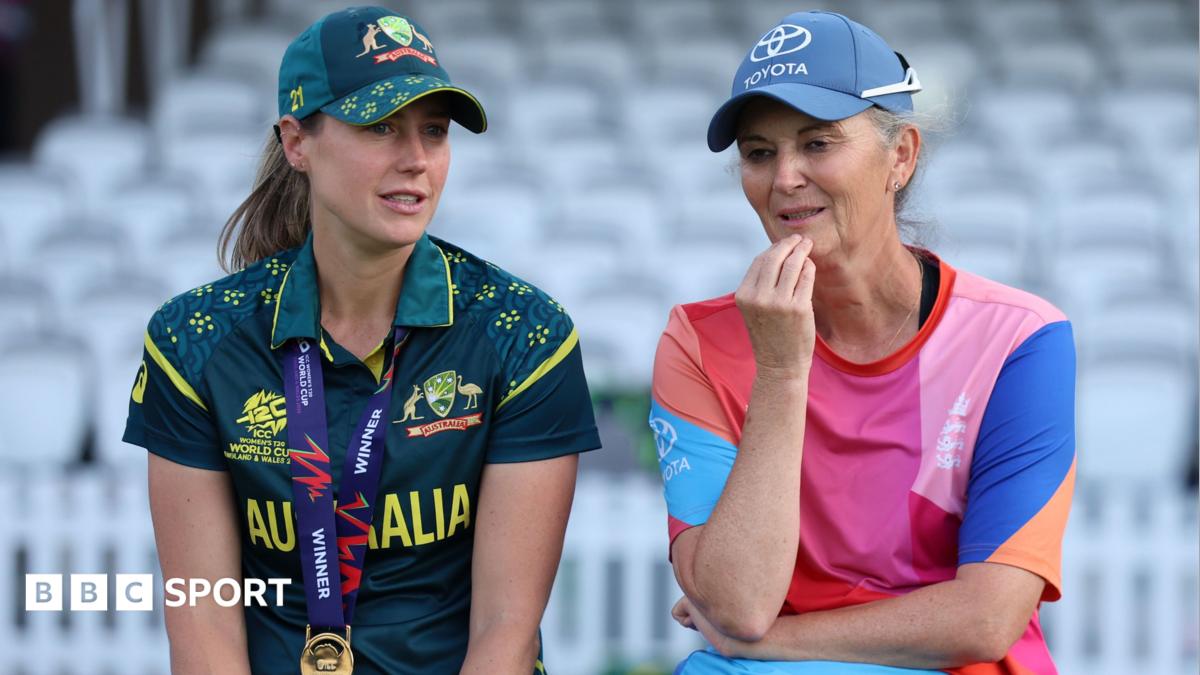
    The historic Lord’s Cricket Ground did not add another iconic English sporting triumph to London’s recent legacy, following in the footsteps of nearby Wembley and Twickenham. Instead, Australia women’s cricket team reclaimed the T20 World Cup title with a dominant seven-wicket win over the host side in the 2026 final, leaving England confronting questions about squad strategy and personnel just one year out from the next Ashes series.

    England entered the final with high hopes, framed as a chance to replicate the recent international success of England’s other women’s national teams, the soccer Lionesses and rugby Red Roses. The home side advanced to the decider but crumbled at the decisive moment, producing their most underwhelming batting and bowling performance of the entire tournament. Batting lacked variation in tempo, while bowling displays were uncharacteristically loose, falling well short of the ‘perfect performance’ England admitted they needed to topple the Australian side.

    For Australia, the win marked a long-awaited redemption after exiting the previous two World Cups empty-handed. Captain Sophie Molineux, whose laid-back, approachable leadership style has drawn sharp contrast to her more decorated predecessors Meg Lanning and Alyssa Healy, noted after the match that her experienced squad has not yet hit its peak, signaling Australia will remain a dominant force in global women’s cricket for years to come.

    The defeat leaves England head coach Charlotte Edwards facing a defining moment analogous to that of Michael Vaughan ahead of the iconic 2005 men’s Ashes series. Vaughan opted for a full squad reset to shake off the baggage of repeated losses to Australia, and Edwards has now opened the door to potential major personnel changes ahead of next summer’s home Ashes. Appointed just 15 months ago in April 2025, Edwards stressed that a full review of the squad will take place at the end of the summer, acknowledging the team stuck with experienced core players for this tournament who had delivered consistent results throughout the group stage.

    Despite the lopsided final score, the tournament marked clear progress for an England side that has climbed back from rock-bottom in recent years. Just 20 months ago, England crashed out of the T20 World Cup in the group stage, followed by a humiliating 16-0 clean sweep defeat in the 2024-25 Ashes and a rocky group-stage exit at the 2025 50-over World Cup. This run to the final has re-established England as the second-ranked team in global women’s cricket, a status that had slipped away after three underwhelming World Cup campaigns.

    Several emerging and existing players have proven their value to the squad during the tournament. Young talents Freya Kemp and Dani Gibson have added much-needed power to England’s middle order, while Alice Capsey has transitioned from promising prodigy to reliable top-order batter. Star spinner Sophie Ecclestone also returned to near her best form after inconsistent outings in recent seasons, while 35-year-old Heather Knight silenced critics who argued her international career was winding down. Captain Nat Sciver-Brunt also shrugged off concerns over a recent two-week calf injury to produce consistent performances throughout the event.

    The tournament also highlighted growing leadership depth within the squad, a promising sign for the future. When Sciver-Brunt was sidelined with her calf injury earlier in the campaign, vice-captain Charlie Dean stepped up seamlessly to lead the side, proving she is a ready replacement when Sciver-Brunt eventually steps down. Gibson also got a valuable leadership trial during an intra-squad camp in South Africa earlier this year, and will lead Sunrisers Leeds in the upcoming Hundred season, with many tipping her as a future international captain.

    That said, clear weaknesses were exposed in the final that cannot be ignored. The most pressing issue is the form of veteran wicketkeeper-batter Amy Jones, who notched five single-figure scores in seven innings at the tournament. While Jones’s glovework has never been questioned, she has failed to deliver consistently with the bat in her role as an opening batter, managing just two centuries in 260 international matches. England currently lack clear established replacements, with domestic keepers Kira Chathli and Ellie Threlk yet to force their way into contention, leading to calls for a bold shake-up: moving current back-up keeper Alice Capsey into the full-time wicketkeeper role, which would open up a spot for exciting 18-year-old talent Davina Perrin to come into the side as opening batter alongside tournament leading run-scorer Danni Wyatt-Hodge. Uncapped squad member Tilly Corteen-Coleman is also expected to get opportunities in the coming international windows.

    Edwards has pushed back against calls for an immediate overhaul, saying she remains excited to work with the current squad over the next 12 months to build on their progress. She also noted that the team has already won back public support after the heavy backlash following the 2024-25 Ashes defeat, and has successfully re-established England as a legitimate contender in global women’s cricket. Now, her biggest challenge remains: closing the gap with a dominant Australian side and pulling off an Ashes upset on home soil next summer.

  • Cristiano Ronaldo says it again: His 6th World Cup with Portugal will be his last

    Cristiano Ronaldo says it again: His 6th World Cup with Portugal will be his last

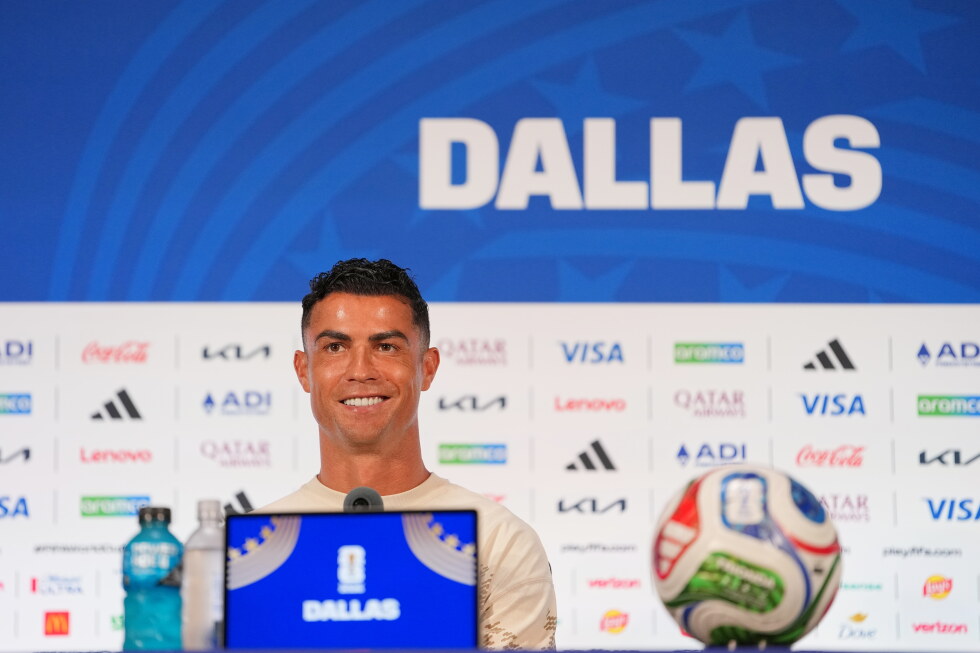
    ARLINGTON, Texas — Ahead of Portugal’s highly anticipated round-of-16 World Cup clash against neighboring rival Spain, Portuguese football legend Cristiano Ronaldo opened up in a rare Sunday press conference, confirming that this sixth World Cup appearance of his decorated career will be his last. What began as a lighthearted press interaction eventually turned thoughtful, as the 41-year-old global superstar reflected on his legacy, his journey in international football, and what he expects from the knockout stage matchup.

    The event kicked off with playful banter between Ronaldo and an Argentine reporter, with the five-time Ballon d’Or winner recalling a lighthearted exchange with an Argentine flight attendant on his team’s trip to the United States. “Yesterday on the flight, there was an Argentine flight attendant,” Ronaldo shared through an interpreter with a grin. “I knew she was Argentine by the way she looked at me… If you look away quickly, it means you don’t like Cristiano.”

    Setting aside the humor, Ronaldo made clear that this tournament marks the final chapter of his decades-long World Cup career, a comment he first made publicly in a television interview late last year, just months after Portugal lifted the UEFA Nations League trophy in a thrilling penalty shootout victory over Spain.

    “ I want to enjoy what will be my last World Cup to the fullest,” he said. “Hopefully, tomorrow won’t be my last match. That way, you can keep bashing me some more.”

    Over the 25-minute press conference held at the home of the NFL’s Dallas Cowboys, nearly every question from the packed room of reporters circled back to one widely assumed reality: this tournament is Ronaldo’s final run on football’s biggest global stage. When pressed on retirement, he joked that reporters were eager to push him out the door, but quickly shifted to philosophical reflection on everything he has achieved in the sport.

    “There’s nothing missing,” Ronaldo said. “God was so generous toward me. He gave me everything I never expected to win, especially at the national team. And personally, the same thing. So it’s enjoying every moment. I’m not going to be more Cristiano or less Cristiano because I win the World Cup. Of course, we all have hopes, myself especially, and we all want all the conditions to win. But we know that only one is going to win.”

    Ronaldo’s World Cup farewell comes eight years after he made history as the oldest player to record a World Cup hat trick, a feat he achieved at age 33 in a dramatic 3-3 group stage draw against Spain. Notably, that 2018 matchup ended with neither powerhouse advancing past the group stage, adding extra stakes to their 2022 knockout encounter.

    Heading into the round-of-16, Portugal is aiming to reach the quarterfinals for the second consecutive World Cup. The furthest the nation has ever advanced in the tournament was a semifinal run during Ronaldo’s World Cup debut in 2006.

    Ronaldo has already made his mark on this tournament, notching the tying goal in Portugal’s 2-1 round-of-32 win over Croatia, bringing his total World Cup goal count to 11, with three of those coming in 2022. That match pitted two of football’s most iconic veteran stars against each other: Ronaldo, 41, against Croatian playmaker Luka Modric, 40, who was competing in his fifth World Cup.

    Acknowledging the natural changes that come with age, Ronaldo noted he has adapted his game over the years. “What I have done throughout my career is to adjust to the nuances of age, knowing that I’m not the player I used to be,” he said. “But one thing I can understand very clearly is nothing has changed because I can still score a goal. I hope I do that tomorrow, and if I don’t, I hope others on the team do.”

    A correction was issued following the initial publication of this report, fixing an erroneous reference that incorrectly listed Manchester City as one of Ronaldo’s former club sides.