分类: sports

  • World Cup 2026: Did hydration breaks foil the campaigns of Arab teams?

    World Cup 2026: Did hydration breaks foil the campaigns of Arab teams?

    The 2026 FIFA World Cup has introduced a rule change that is upending one of football’s most fundamental truths: that match momentum is the key to securing victory. In a sport where sustained dominance from opening whistle to final blow is rare, capitalizing on hot streaks against less favored opponents is non-negotiable for teams looking to advance. But this year’s mandatory mid-half hydration breaks, implemented to protect players from extreme heat, have repeatedly stopped those game-changing runs dead in their tracks — and disproportionately benefited top-ranked favorites by handing them critical time to regroup, rethink tactics, and seize back control.

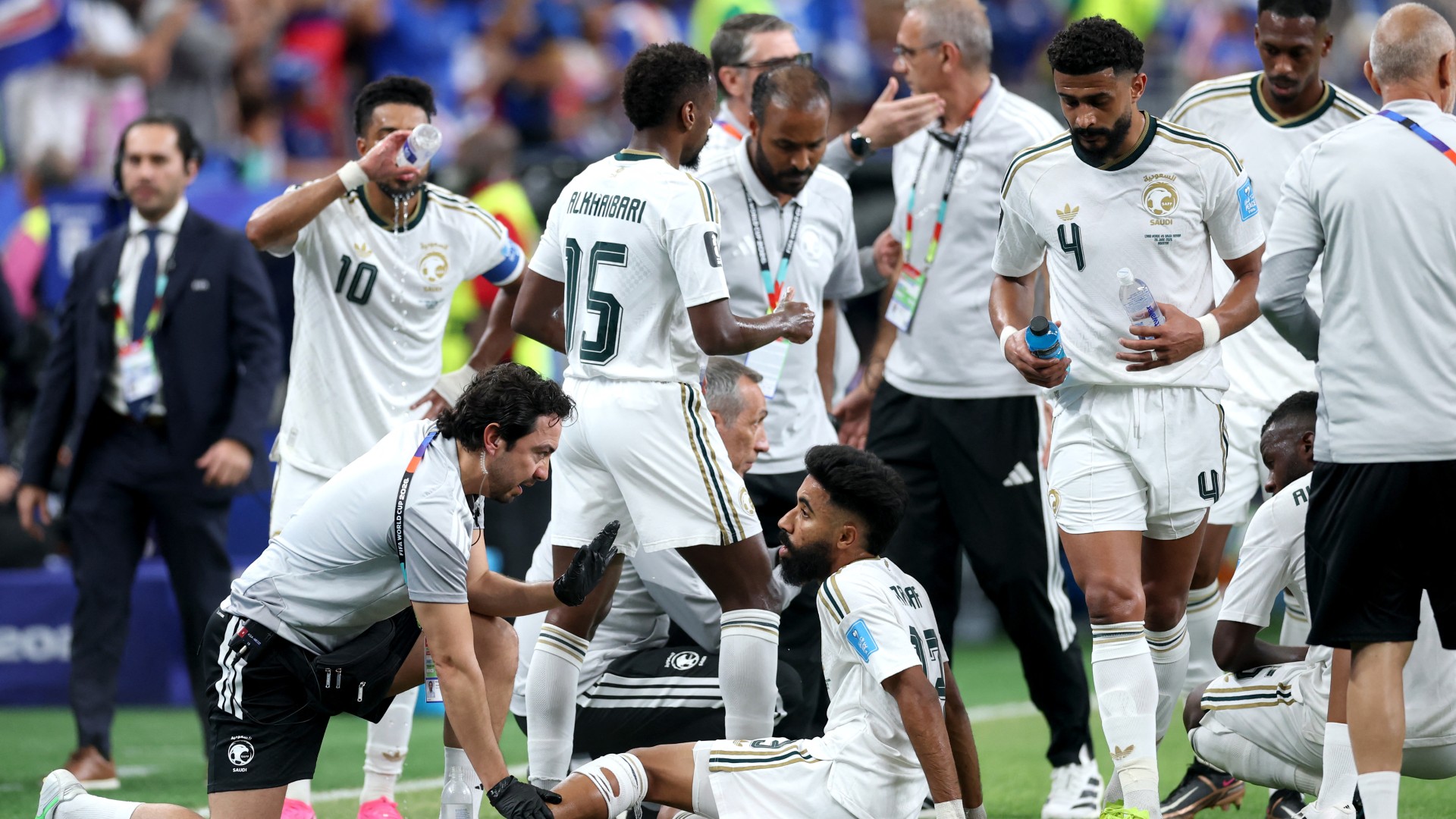
    FIFA rolled out the rule ahead of the tournament, mandating two-minute stoppages at the 22nd and 67th minutes for every one of the event’s 104 matches, even those held in cooled indoor venues across host cities including Atlanta, Dallas, Houston, Los Angeles and Vancouver. Beyond giving players a chance to rehydrate and broadcasters an slot for extra commercial airtime, the breaks have fundamentally altered the rhythm and outcome of matches, repeatedly shifting momentum toward more established, tournament-proven sides.

    Long before the tournament kicked off, hints of this dynamic emerged during a pre-tournament friendly between the United States and Senegal, when then-USMNT coach Mauricio Pochettino went viral for pulling out a laptop to walk through tactical clips with his squad during a stoppage. The same pattern has played out across the World Cup: at nearly every hydration break, players are absorbing just as many tactical instructions as they are drinking water.

    The impact has already played out in high-stakes group stage and knockout matches. Curacao, for example, saw its momentum evaporate after scoring a shock equalizer to level the score at 1-1 against Germany, just before a scheduled hydration break. After the stoppage, Germany refocused and netted two more goals before halftime, effectively putting the game out of reach for the underdog.

    In years past, managers were limited to scribbling quick notes on paper and passing them to players along the touchline, crossing their fingers that the message would be understood correctly. These pre-scheduled breaks eliminate that uncertainty, giving coaches time to assess playcalling and adjust tactics mid-half. The advantage for top teams has hit multiple Arab and North African sides particularly hard.

    A analysis from *The Times* found the second-half hydration break in the Uruguay-Saudi Arabia group stage match caused the largest momentum shift of any group stage game. The two-time World Cup champions scored an 80th-minute equalizer after the break; had Saudi Arabia held onto their 1-0 lead, they would have advanced to the Round of 32 to face Argentina in a dramatic rematch.

    Jordan, making its World Cup debut, also saw bids for historic upset results derailed by hydration breaks, holding 1-1 draws against both Austria and Algeria before second-half stoppages allowed the more favored sides to reset. Morocco similarly saw a dominant first-half performance against Brazil halted by a first-half hydration break, which gave Brazil’s coaching staff time to reorganize; the five-time champions equalized soon after and held on for a 1-1 draw.

    The mandatory breaks have not just upset underdog teams — they have drawn intense anger from fans in attendance at the 2026 tournament. The referee’s whistle calling players to the sidelines midway through each half is regularly met with loud boos from the stands. Many fans have accused FIFA of using player heat safety as a cover to pull in more commercial revenue, though FIFA President Gianni Infantino has insisted the governing body “does not make one dollar off the hydration breaks.”

    That claim has been met with widespread skepticism, however, as the breaks are officially branded as a “Powerade Hydration Break.” Even if FIFA’s assertion holds, the breaks open clear pathways to greater commercial revenue in future tournaments. As global television rights come up for renegotiation, FIFA can point to the extra stoppages created by the expanded 104-match format as justification for higher rights fees. The organization has already announced a new title sponsorship deal with ADI Predictstreet, a sports betting prediction platform launched just months before the World Cup; extra in-game breaks create natural slots for branded betting graphics and promotional content that encourage in-match wagers.

    Critics have also pushed back on growing calls from former star players to make hydration breaks a permanent rule. On social platform X, journalist Leyla Hamed pointed out that many of the former players pushing for institutionalized breaks have ties to betting companies. Her post included screenshots of World Cup winners Roberto Carlos and Iker Casillas advocating for the change, with Casillas even floating a radical restructuring of the sport: “Don’t you think four periods of 25 minutes would be a good idea for football matches?”

    Even top coaches from favored nations have openly criticized how the breaks alter the core identity of football. England manager Thomas Tuchel, whose side benefited from the breaks in their Round of 32 win over DR Congo, shared his frustration ahead of the match: “I think that it interrupts and changes the identity of a football match much more than I thought. It breaks the match almost into four quarters. And I think it changes the characteristic of the match more than I thought.”

    In that very England-DR Congo match, the impact of the breaks was impossible to miss. DR Congo, the underdog, scored in the 7th minute, and before the first hydration break, England had not recorded a single touch in the opposition penalty area or a single shot on goal. After the stoppage, England registered eight shots and 20 touches in DR Congo’s box before halftime. The second break proved even more costly for the African side: after play resumed, England managed three times as many shots on goal and twice as many penalty area touches as before. Tuchel used the break to adjust his tactics, shifting midfielder Declan Rice to right-back, and the change paid off: Harry Kane scored two second-half goals to send England through to the Round of 16. After the match, Tuchel softened his tone, saying “I make the most of it. You know I don’t really love them.”

    For the coming final week of the tournament, the breaks will likely remain in place regardless of controversy: a major heatwave is forecast to hit the U.S. Eastern Seaboard, where multiple knockout matches will be held, making player hydration a legitimate concern. But the debate over the rule’s impact on the sport, and its commercial implications, is only just beginning.
  • The wrong man (of the match) – De Allende picks up Willemse’s award

    The wrong man (of the match) – De Allende picks up Willemse’s award

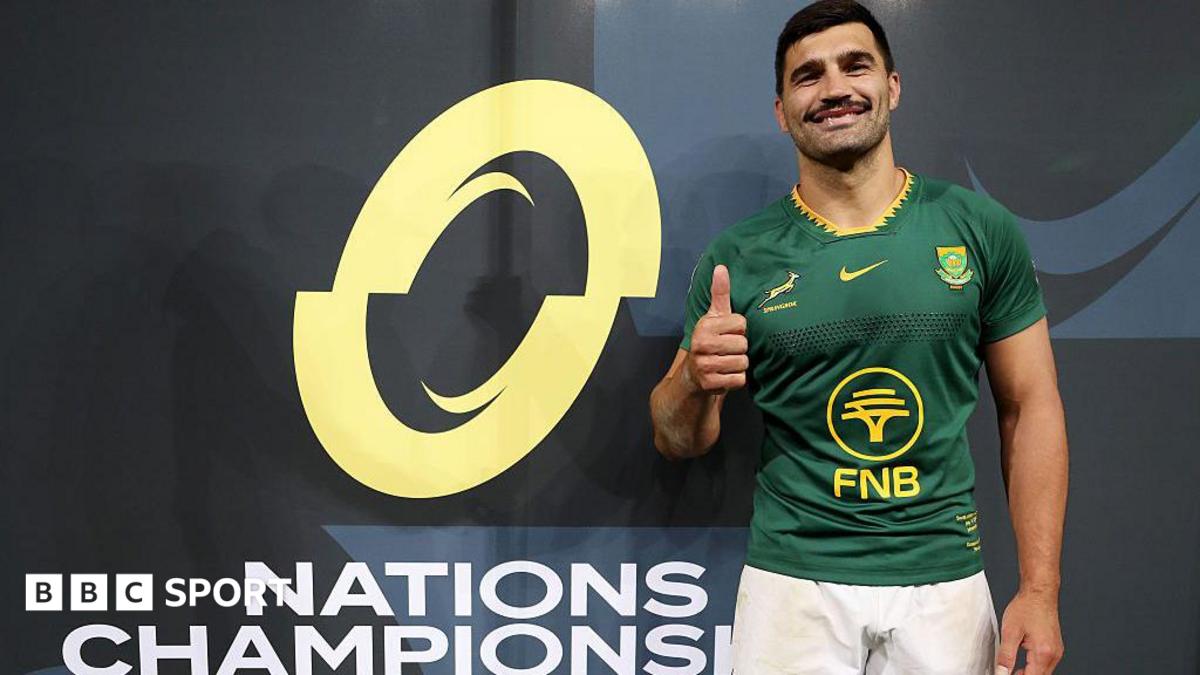
    An awkward administrative mix-up overshadowed an otherwise landmark day for South African rugby in Johannesburg, as two-time world champions the Springboks claimed a victory over England at Ellis Park, and the wrong player was incorrectly awarded the man of the match honor.

    The standout performance of the match belonged to Damian Willemse, who was marking his 50th test cap appearance for the Springboks. Playing at full-back, Willemse delivered a masterclass for the home crowd: he dominated aerial battles, landed a clinical, game-changing 50:22 kick, gained more attacking meters than any other South African player on the pitch, and consistently anchored the world champions’ offensive structure to great effect.

    Supersport, South Africa’s leading local sports broadcaster, had internally selected Willemse as the rightful recipient of the player of the match award. But a critical breakdown in communication between the commentary team and on-pitch presentation staff at Ellis Park led to the honor being mistakenly awarded to his teammate, Damian de Allende – himself a double Rugby World Cup winner with the Springboks, who went on to pose for the official presentation photos and completed the required post-award interviews before the error came to light.

    Remarkably, the mix-up did little to dampen the Springboks’ post-victory celebrations, with the two Damians posing together for photos to formally celebrate Willemse’s 50th cap milestone, a lighthearted moment that softened the impact of the on-field mistake.

    Looking ahead to the next round of the international rugby series, South Africa is set to host Scotland in Pretoria this coming Saturday. For that fixture, Willemse will shift position to take over de Allende’s spot at inside centre, after the double world cup winner was rested for the match. BBC Sport has confirmed it reached out to Supersport for official comment on the award error, with no response published as of yet.

  • Injured Penaud to miss France games against Australia and Japan in Nations Championship

    Injured Penaud to miss France games against Australia and Japan in Nations Championship

    BRISBANE, Australia — The French national men’s rugby team has confirmed that star winger Damian Penaud will not compete in the country’s two remaining matches on the 2024 Nations Championship schedule, after he picked up a damaging calf injury during France’s narrow opening-round 34-32 defeat to New Zealand over the weekend.

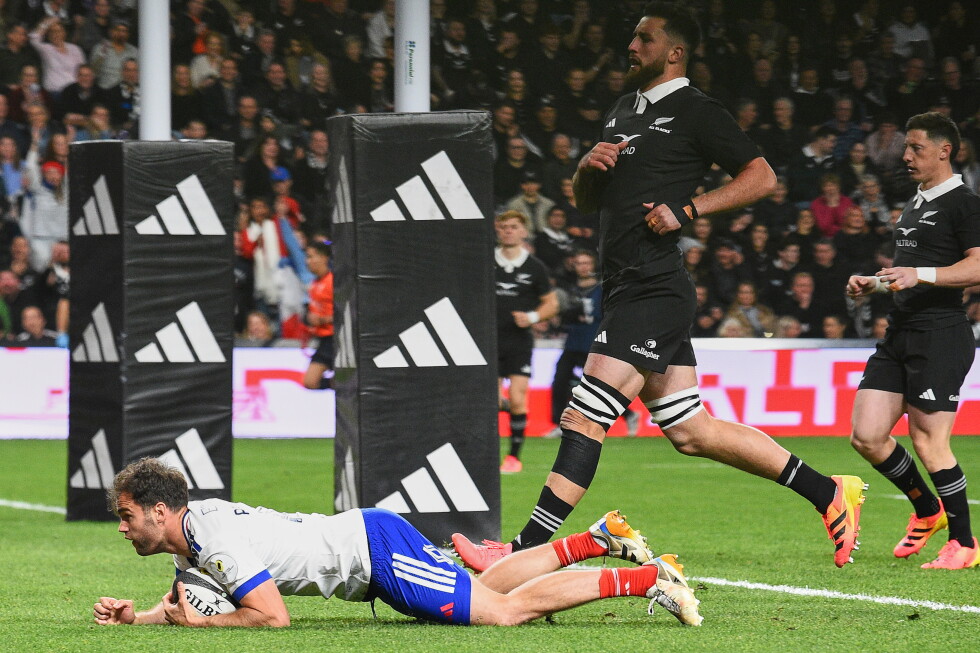
    Penaud turned in an unforgettable individual performance to open the match in Christchurch on Saturday, crossing the try line just two minutes after kickoff to score his 41st international try. The try pushed Penaud further ahead as the all-time leading try scorer in French men’s rugby history, a record he already held entering the tournament. Despite the electric start, the winger was pulled from the game at halftime as trainers noticed discomfort in his calf, and further assessments confirmed the injury would require extended rest.

    On Monday, French rugby officials officially confirmed Penaud’s withdrawal from the tournament squad. The injury rules him out of France’s upcoming match against host Australia in Brisbane this Saturday, as well as a July 18 test against Japan in Tokyo. As of Monday’s announcement, Les Tricolores have not yet named a replacement player to fill Penaud’s spot on the roster for the remaining two matches.

    The injury marks another unexpected turn in Penaud’s 2024 international campaign: the winger had only just returned to the French squad ahead of the Nations Championship, after being dropped from the team’s roster for the 2024 Six Nations tournament earlier this year.

  • ‘That wasn’t a foul’ – Trump on Fifa overturning red card ban

    ‘That wasn’t a foul’ – Trump on Fifa overturning red card ban

    A surprising political intervention has upended a disciplinary ruling in men’s international soccer, after former U.S. president Donald Trump publicly pushed back against a one-game suspension handed to American striker Folarin Balogun. Following Trump’s comments disputing the foul that led to Balogun’s red card, FIFA has overturned the ban, clearing the way for the in-form forward to take the field for the United States in their next critical match.

    The controversy began when Balogun received a red card during a recent competitive fixture, with match officials ruling his physical challenge met the threshold for a sending-off. That ruling would have forced him to miss the United States’ next matchup, a high-stakes contest with major tournament implications for the American squad. Before the final disciplinary process concluded, Trump broke with typical political non-interference in sports outcomes to publicly share his take on the call.

    “That wasn’t a foul,” Trump stated publicly, echoing the frustration of many American soccer fans who felt the initial red card was overly harsh. His intervention drew immediate attention from global soccer governing body FIFA, which launched a review of the original disciplinary decision. In an unexpected outcome, the organization opted to reverse the one-game ban, allowing Balogun to remain in the starting lineup conversation for the upcoming fixture.

    The moment has sparked conversation across global sports about the intersection of politics and athletic governance, with some observers questioning whether external political pressure influenced FIFA’s ruling, while others argue the review simply corrected a clear on-field officiating error. For the United States men’s national team, the reversal is a significant boost, retaining one of their most promising attacking talents for a match that could shape their progress in ongoing competition.

  • Trump confirms he asked Fifa to review Balogun ban

    Trump confirms he asked Fifa to review Balogun ban

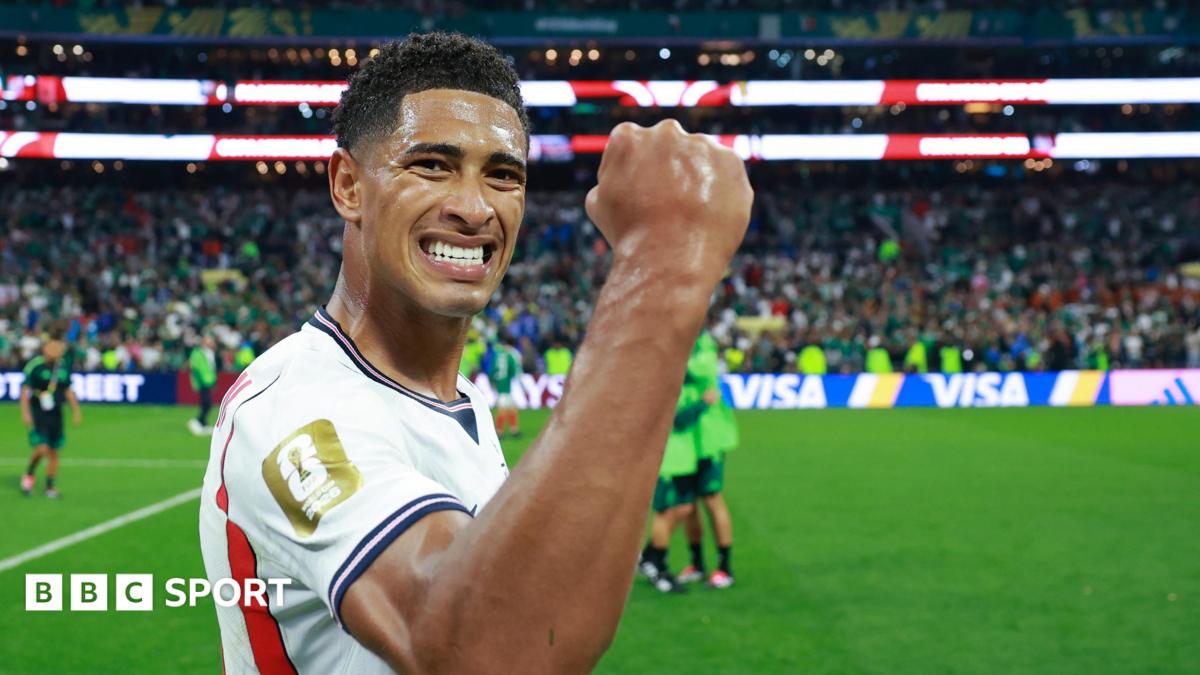
    A major controversy has rocked the 2026 FIFA World Cup after global football’s governing body took the unprecedented step of suspending a mandatory one-match suspension for United States striker Folarin Balogun, a decision that came after former U.S. President Donald Trump confirmed he personally requested a formal review of the red card ruling.

    The 25-year-old American forward, who has notched three goals for the host nation through the early knockout stage, was initially set to miss the USA’s high-stakes round of 16 clash against Belgium after receiving a straight red card for a foul on Bosnia and Herzegovina defender Tarik Muharemovic in the final group stage match. Under standard FIFA rules, an automatic one-match ban would have immediately barred Balogun from the next fixture.

    In a move that has drawn widespread condemnation from football governing bodies and coaches across the globe, FIFA instead opted to suspend the ban for a 12-month probationary period, clearing Balogun to be selected for the Seattle match, which is scheduled to kick off at 17:00 local time on Monday (01:00 BST Tuesday).

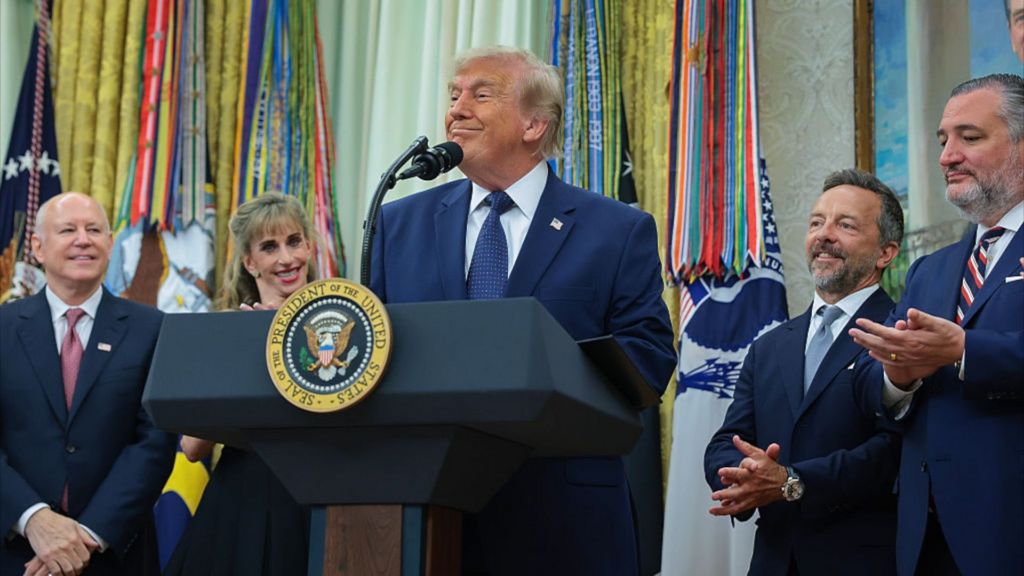
    Speaking from the White House on Monday, Trump confirmed he had reached out to FIFA to review the original red card decision, arguing the foul did not merit a sending off. “I didn’t think it was a foul,” Trump told reporters. “If they had put through the ban, it would have left a big stain on this entire tournament. They made the right decision.” The former president also confirmed he spoke directly to FIFA President Gianni Infantino, but claimed he only requested a review and did not pressure the governing body to overturn the ban. “I can’t tell them what to do,” Trump said. “I believe it was the independent commission that made the final call, and it was the right decision.” Trump also lashed out at referee Raphael Claus, a Brazilian official who issued the red card, calling Claus’s decision “horrible” and claiming the referee was “a little bit suspect.”

    The Brazilian Football Confederation (CBF) quickly issued a formal defense of Claus’s professional integrity, pushing back against Trump’s claims. “There is nothing in his professional record that discredits him or gives any grounds for suspicion,” the CBF said in a statement. “He is an exemplary professional.”

    Infantino released his own statement following the call, clarifying that when he received Trump’s request, he informed the U.S. President that the matter would be handled by FIFA’s independent judicial bodies through established legal processes, and that a ruling would be issued in due course by the competent authorities. Later, the FIFA chief emphasized the autonomy of the governing body’s judicial bodies, noting that regardless of personal agreement with a ruling, decisions must be respected. “Respect for independent institutions and the rule of law is what protects the integrity of our competitions and the credibility of FIFA at all times,” Infantino said. When asked by BBC Sport to respond to Trump’s comments about Claus, FIFA declined to add any further comment.

    The decision has sparked fierce backlash from across international football. The Royal Belgian Football Association (RBFA) said it was “astonished” by the ruling, while European football governing body UEFA warned that the decision puts the fundamental integrity of the sport at risk. Belgium filed an official appeal against FIFA’s decision to allow Balogun to play, but the appeal was dismissed by FIFA’s appeal committee, which ruled Belgium had no legal standing to challenge the ruling as the team was not a party to the original disciplinary proceedings against Balogun, only the USA’s next opponent.

    RBFA reiterated its commitment to challenging the outcome regardless of the match’s result, saying in a statement: “Regardless of the sporting outcome of this match, the RBFA is deeply concerned by the course of events and will continue to fight in the coming hours, days and months in defence of the fundamental principles of ethics, fair competition, and the interests of football as a whole.”

    England head coach Thomas Tuchel, who recently had defender Jarell Quansah sent off in England’s dramatic 3-2 group stage win over Mexico, warned the ruling sets a dangerous precedent for future competitions. “Where to draw the line is the question that I ask,” Tuchel said. “Do we appeal if a yellow card is not a yellow card? Do we think it is not a red card or who thinks it? Where does this start and where does this end? It’s my question. I don’t have an answer.”

    UEFA went further, saying that political intervention to effectively cancel a mandatory suspension mid-tournament “crossed a red line.” Historical context adds to the controversy: out of the 189 red cards issued in men’s World Cup history prior to this match, only one other player has avoided an automatic suspension. That case, involving Brazil’s Garrincha at the 1962 World Cup, occurred before automatic suspensions were formally codified, and the decision to waive the ban was long dogged by allegations of political interference.

    FIFA has cited Article 27 of its disciplinary code, which grants the governing body authority to partially suspend disciplinary measures for a probationary period, as the legal basis for its decision. However, the organization has yet to release a specific public explanation for why it chose to apply this rule to Balogun’s case, further fueling criticism over transparency and fair play.

  • ‘Here to stay’ – Fans react to the rise of soccer in the US

    ‘Here to stay’ – Fans react to the rise of soccer in the US

    For decades, soccer has often been labeled a “second-tier sport” in the United States, overshadowed by legacy giants like American football, basketball, and baseball. But a shifting landscape over the past decade has carved out a permanent, growing space for the beautiful game on American soil — and fans are adamant that this rise is not a passing fad.

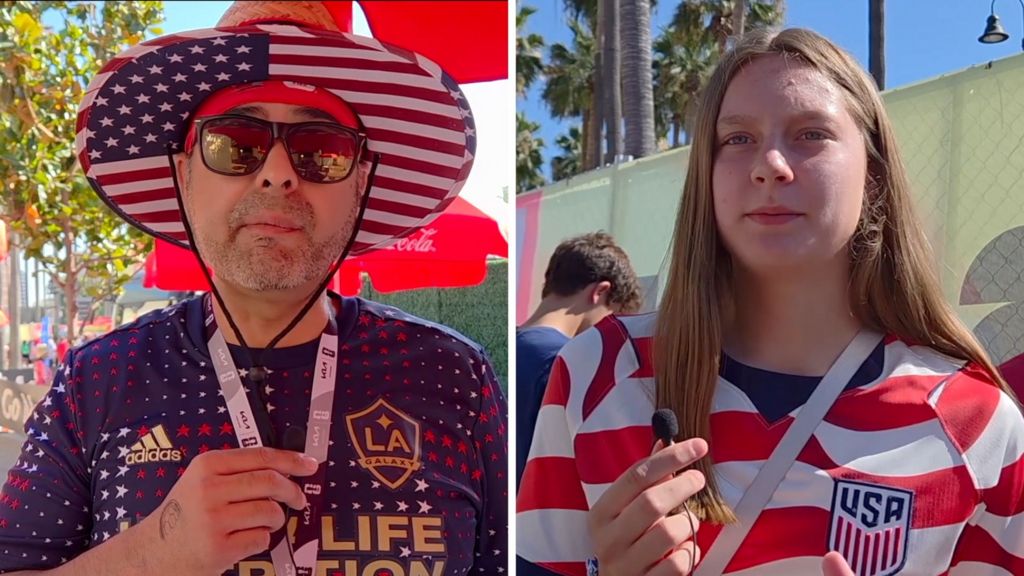
    In a series of on-the-ground conversations with soccer supporters across the country, BBC correspondent Nardine Saad captured the widespread conviction that the sport’s growing popularity is here to stay. From packed youth soccer academies in suburban communities to sell-out crowds for Major League Soccer (MLS) matches and international friendlies, the signs of growth are impossible to miss.

    Interviews with long-time fans and new converts alike highlight the multiple forces driving this momentum. Generational shift plays a key role: millions of American children now grow up playing recreational and competitive soccer, creating a built-in fan base that carries that passion into adulthood. The influx of global soccer stars moving to MLS in recent years — from David Beckham’s groundbreaking move to LA Galaxy that opened the door to Lionel Messi’s blockbuster transfer to Inter Miami in 2023 — has also catapulted the sport into mainstream American media attention, drawing casual viewers and new diehard fans.

    Fans also point to changing viewing habits, with more American sports audiences seeking out fast-paced, continuous-action sports that differ from the stop-start structure of American football. For many young fans, soccer’s global connectivity also offers a way to engage with international culture, with many following both European top leagues and their local MLS teams.

    Across all conversations, a consistent theme emerged: this is not a temporary spike in interest. Supporters say the infrastructure, fan base, and cultural traction are all in place to cement soccer as a core part of the American sports landscape for generations to come.

  • Cobolli performs Ronaldo celebration as Paolini wins before Federer on Italy’s big day at Wimbledon

    Cobolli performs Ronaldo celebration as Paolini wins before Federer on Italy’s big day at Wimbledon

    Wimbledon’s iconic grass courts played host to a breakout day for Italian tennis on Monday, as rising star Flavio Cobolli booked his quarterfinal spot with a dramatic straight-sets upset of fifth seed Alex de Minaur — capped off by a viral celebration that had the Centre Court crowd roaring in unison.

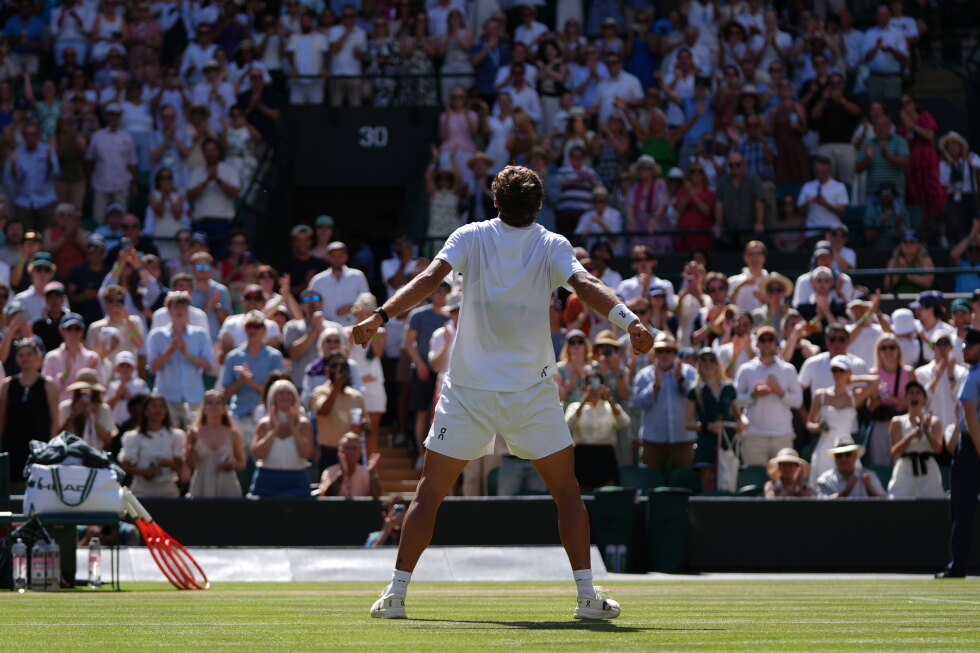
    Closing out his 7-5, 7-6(4), 6-3 victory on No.1 Court, Cobolli fired a blistering 135 mph first serve straight down the T that landed perfectly on the line, leaving the Australian de Minaur with a limp return that never cleared his own service box. The 20-something Italian immediately leaped into the air, pumped his fist, and hit a celebratory ball into the stands before turning to shake hands with his defeated opponent. What came next, though, was the moment that cemented the win in tournament lore: dropping his racket, Cobolli moved back to the center of the court and recreated Cristiano Ronaldo’s world-famous soccer goal celebration — spinning mid-air before landing with his feet spread wide and jerking his arms down to his sides. The largely British crowd recognized the celebration instantly, joining in to shout the iconic “Siuuu” along with him.

    For Cobolli, the tribute was far more than a viral stunt: the Italian was once a promising youth soccer prospect in AS Roma’s academy, and he remains a diehard fan of Ronaldo. “I love his celebration. I love him,” Cobolli told reporters after the match, adding that he would be cheering for Portugal against Spain in that night’s World Cup match. This is not the first time the rising tennis star has leaned on soccer for his post-win routines: after his previous round victory, he celebrated with a surfing-themed tribute borrowed from Brazilian striker Matheus Cunha.

    Cobolli’s breakthrough win marks another career milestone for the Italian, who turned heads earlier this year by pushing all the way to the French Open final, where he took Alexander Zverev to five tight sets. Against de Minaur — widely regarded as one of the most consistent top-10 players on tour this season — Cobolli defied the odds: de Minaur held a 5-2 lead in the second set and earned two separate service breaks in the third, but Cobolli clawed his way back to claim the straight-sets upset. “Alex is a stratospheric player. So beating him three sets to none makes me feel like I’m ready,” Cobolli said. “This gave me a lot of answers, and I think it provided a lot of answers to my opponents, too.”

    The win also forced a last-minute change of plans for his support team: Cobolli’s family had only booked accommodation through the tournament’s first week, so his grandfather scrambled to find a new rental in Wimbledon village after the upset. A local Italian family stepped in to offer a home, allowing Cobolli to keep his beloved pre-World Cup nightly routine intact: a home-cooked dinner prepared by his father and coach Stefano, shared with best friend Edoardo Bove (Watford’s Italian midfielder), followed by a tub of his tournament go-to gelato — pear and white chocolate. Next up, Cobolli will face Britain’s home hope Arthur Fery, a 23-year-old who grew up just five minutes from the All England Club, for a spot in the semifinals.

    Cobolli was not the only Italian to advance to the quarterfinals on Monday. Over on Centre Court, Jasmine Paolini fought past rising Filipino star Alexandra Eala 6-4, 4-6, 6-3 to secure her first Grand Slam quarterfinal berth since her back-to-back runs to the finals of Roland Garros and Wimbledon two years ago. Eala entered the match riding a wave of momentum after upsetting defending champion Iga Swiatek in the previous round, but Paolini held firm through a grueling third set to claim the win.

    Paolini had no shortage of star power watching from the stands: 19-year-old Italian Formula 1 rising star Kimi Antonelli, who currently leads the drivers’ standings for Mercedes, watched from the Royal Box, seated right next to eight-time Wimbledon champion Roger Federer. Paolini admitted after the match that Federer’s presence almost threw her off her game. “He is my idol,” Paolini said in an on-court interview. “I was like during the match, ‘Please stay focused, stay focused. Don’t think about he’s here.’ I was watching all the finals and all the tournaments he was playing here.” She later added that she had met Antonelli after the win, saying “I’ve been following him a lot lately. I’m becoming an F1 fan. He seems like a real nice kid and very down to earth.”

    Paolini will next face Ukraine’s Marta Kostyuk, who beat American qualifier Ashlyn Krueger 6-4, 6-4 to reach her first Wimbledon quarterfinal. The day’s play unfolded on the hottest day of the 2024 tournament so far, with temperatures hitting 32 degrees Celsius (90 degrees Fahrenheit), forcing players to cool down with ice bags around their necks during changeovers.

    The strong showing from Italian tennis at Wimbledon comes on the heels of a similar breakout run at this year’s French Open, where three Italian men reached the quarterfinals despite defending champion Jannik Sinner’s early second-round exit in Paris’ record heat. Notably, Italy’s men’s national soccer team has failed to qualify for three consecutive World Cups, a long drought for the four-time champions, but a new generation of Italian athletes across tennis, Formula 1, and other sports have stepped into the spotlight to carry the country’s sporting legacy. Alongside Sinner (who will compete for a semifinal spot on Tuesday against Jan-Lennard Struff) and Antonelli, Cobolli and Paolini’s deep runs at Wimbledon have cemented this new wave of Italian sporting stardom.

  • How England used five mini games to beat Mexico

    How England used five mini games to beat Mexico

    At a raucous, high-altitude Azteca Stadium in Mexico City, England delivered a masterclass in adaptive knockout football to secure a dramatic victory over Mexico and advance to the 2026 FIFA World Cup quarter-finals. From the opening whistle, the Three Lions faced a perfect storm of challenges: a partisan sell-out crowd, Mexico City’s thin mountain air, and a ferocious early pressing game from the host nation that left many pre-match analysts predicting an upset. What unfolded over 90 minutes proved why manager Thomas Tuchel holds a reputation as one of the world’s sharpest tactical minds, as England navigated five distinct phases of play to claim a win that will go down as one of their most impressive knockout tournament results.

    Pre-match, Tuchel had adjusted his core philosophy of relentless high pressing to suit the conditions, urging his side to pick their moments carefully rather than expending valuable energy chasing every pass. That game plan was confirmed by assistant coach Anthony Barry at halftime, who explained the squad had prepared to absorb Mexico’s fast start. “We told the players the opening stretch up to the first water break would be difficult,” Barry said. “We knew we’d have to suffer, and that a 0-0 halftime score would be a great result.”

    England stuck to the script, muting much of Mexico’s early momentum with a far more measured defensive shape than they had shown in their previous round win over DR Congo. When Mexico built play from their own defensive third, England added an extra man to their pressing line – one more than against DR Congo – with Harry Kane and Jude Bellingham leading the effort to cut off passing lanes. Midfielder Elliot Anderson adapted his role specifically to plug gaps, holding a deeper position close to England’s centre-backs rather than pushing high, to stop Mexico from playing quick outlet passes to open attackers. This adjustment would prove pivotal as the match unfolded.

    When Mexico did manage to establish higher possession, England dropped into a disciplined mid-block, prioritizing protecting dangerous spaces over immediate ball recovery. Data highlighted this dramatic tactical shift: over England’s first four tournament games, they recovered possession in an average of 12.1 seconds after losing it. In the first half against Mexico, that average jumped to 37 seconds, with wingers Bukayo Saka, Anderson and Anthony Gordon regularly dropping back to form a compact five or six-man defensive line.

    The closing minutes of the first half brought the first defining turning point of the game. As Mexico rotated their attack to stretch England, 17-year-old Gilberto Mora, playing out of his usual position on the left flank, failed to close down England goalkeeper Jordan Pickford as he prepared to clear. Pickford quickly found Declan Rice, who drove forward with the ball before playing a wide pass to Saka. Saka delivered a pinpoint cross to the far post, where the late-arriving Bellingham nodded home the opening goal.

    Things went from bad to worse for Mexico immediately after the restart. England pressed hard from kick-off, and this time Anderson pushed forward to fill the space behind the pressing line, winning back possession to launch a second attack that ended with Bellingham scoring his second goal of the night, putting England 2-0 up ahead of halftime.

    England emerged for the second half on the front foot, shifting to a higher pressing block with Saka and Gordon taking turns acting as the third forward in the high line. The bold tactical change opened the game up into an end-to-end thriller, but it also brought a major setback: when Bellingham chased down Mexico goalkeeper Raul Rangel out of position, he left England outnumbered at the back. Mexico left winger Julian Quinones dragged England right-back Jarell Quansah out of position, creating a gap that Mexico exploited. Quansah slid in late to challenge Jesus Gallardo, and was shown a red card, leaving England down to 10 men for the final hour of the contest.

    Down a man, England navigated two more distinct phases of the match, first shifting to a 4-4-1 shape after John Stones replaced Saka, with Ezri Konsa moving to right-back. Sticking to a core Tuchel principle of drawing pressure deep before playing long balls into attacking runners, England created another chance when pacey forward Gordon won a penalty after running onto a long clearance.

    But Mexico remained dangerous down their left flank, where Quinones’ constant movement dragged England defenders out of position, creating space for left-back Gallardo to deliver dangerous crosses. The hosts built dangerous passing triangles on their left side – a tactic mirroring England’s own approach through the tournament – that created space for Quinones to shoot, switch play, and deliver crosses, one of which led to Mexico being awarded a penalty of their own.

    Tuchel once again adjusted his tactics during a second-half hydration break, bringing on Dan Burn and Djed Spence to form a five-man back line in a 5-3-1 shape. The three-man midfield of Bellingham, Rice and Gordon was picked for its relentless work rate and ability to cover large swathes of the pitch, while Burn, standing at 6-foot-7, provided the dominant aerial presence at the back post that England needed to deal with Mexico’s incoming crosses.

    In the closing stages, Mexico manager Javier Aguirre made a substitution that played directly into England’s hands, replacing the versatile, dynamic Quinones with 6-foot-3 striker Guillermo Martinez, shifting the hosts to an entirely cross-heavy game plan. With England defending deep and well-equipped to clear incoming aerial balls, Mexico lost the varied attacking threat that had troubled them earlier, with every attack funnelled wide into hopeful crosses that England’s defence cleared comfortably.

    The result capped off a masterclass in knockout football adaptability, a core requirement for tournament success. Playing with 10 men on hostile foreign soil, England’s carefully prepared tactics and ability to adjust mid-match saw them through to the final eight, proving the value of their squad depth and tactical flexibility ahead of their quarter-final tie.

  • Raging wildfire in southern France forces Tour de France to bar fans from stage 3 finish

    Raging wildfire in southern France forces Tour de France to bar fans from stage 3 finish

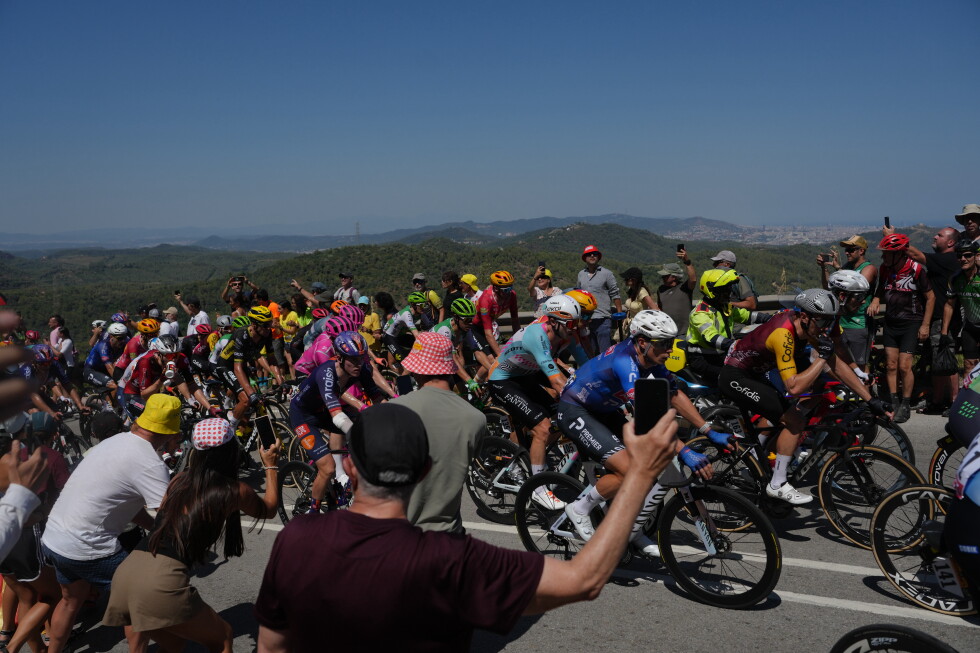
    LES ANGLES, France — An out-of-control large-scale wildfire burning across southern France has forced Tour de France organizers to implement unprecedented restrictions for the third stage of the world’s most prestigious cycling race, barring all spectators from the final segment of Monday’s route. After opening the 2024 edition with two stages in Spain, the Tour crossed into France for Stage 3, which concludes in the Pyrenees mountain town of Les Angles. The blaze is located roughly 60 kilometers from the finish line, after charring thousands of hectares of forest and brushland over the past two days.

    In an official statement, Tour organizers outlined that the extraordinary size of the wildfire, burning across the Pyrénées-Orientales region, has demanded a full-scale emergency mobilization of firefighting teams, law enforcement units, and national government agencies. “The top priority remains the protection of people, property, and natural areas, as well as bringing the fire under control,” the statement read. That overriding safety commitment led to the sweeping restrictions for the stage’s final 40 kilometers, once the peloton enters French territory.

    Under the new rules, the iconic 10-kilometer publicity caravan — the fan-favorite procession of branded sponsor vehicles that precedes the peloton, distributing merchandise and promotional items to crowds — will be canceled for the finale. Only competing riders and race-essential official vehicles will be permitted on the route, and spectators have been formally instructed not to gather along the roadside or at the Les Angles finish area.

    Pierre Regnault de la Mothe, the local prefect overseeing the emergency response, clarified that the ban on roadside gatherings is a legally enforced order, not a request, and anyone who violates the restriction could face official penalties. The fire ignited Saturday evening near the small town of Trévillach, and by Sunday night, it had spread to scorch 4,500 hectares of land. So far, five people have sustained minor injuries linked to the blaze, and more than 20 local villages have been evacuated as a precautionary measure. Roughly 700 firefighters are currently deployed to contain the inferno.

    The third stage itself kicked off from the Spanish town of Granollers, where local meteorological data recorded temperatures climbing to around 35 degrees Celsius, adding another layer of physical challenge for competing riders. The route’s standout climb is a 9.3-kilometer ascent up Col de Toses, with an average gradient of 6.5% — ranked a Category 1 climb, the second-most difficult classification just below the legendary “beyond category” Hors Categorie climbs that define the Tour’s most grueling mountain stages.

    Heading into Monday’s stage, Jonas Vingegaard of the Visma-Lease a Bike team retained the overall leader’s yellow jersey after Sunday’s second stage, holding a narrow six-second lead over four-time Tour champion Tadej Pogačar of UAE Emirates-XRG, the pre-race favorite chasing a record-tying fifth Tour de France title.

  • Is this a breakthrough moment for soccer in the US?

    Is this a breakthrough moment for soccer in the US?

    For billions of fans across the globe, soccer is far more than a pastime—it is a generations-deep cultural obsession woven into the fabric of national identity. But as the United States serves as co-host of the 2026 men’s FIFA World Cup, the sport still fights for space in a domestic landscape long dominated by homegrown favorites: American football, basketball, baseball and ice hockey, which claim the lion’s share of media attention, sponsorship revenue and public discourse.

    While men’s soccer has made notable gains since the U.S. last hosted the World Cup in 1994, it still trails the wildly successful U.S. women’s national team, a global powerhouse that has long secured a higher standing in the nation’s sports pecking order. Now, with the men’s national team (USMNT) on the cusp of a quarter-final berth facing Belgium on Monday, fans and analysts alike are asking whether this high-profile home tournament can finally push soccer to new heights of popularity, challenging the stranglehold of America’s top domestic leagues.

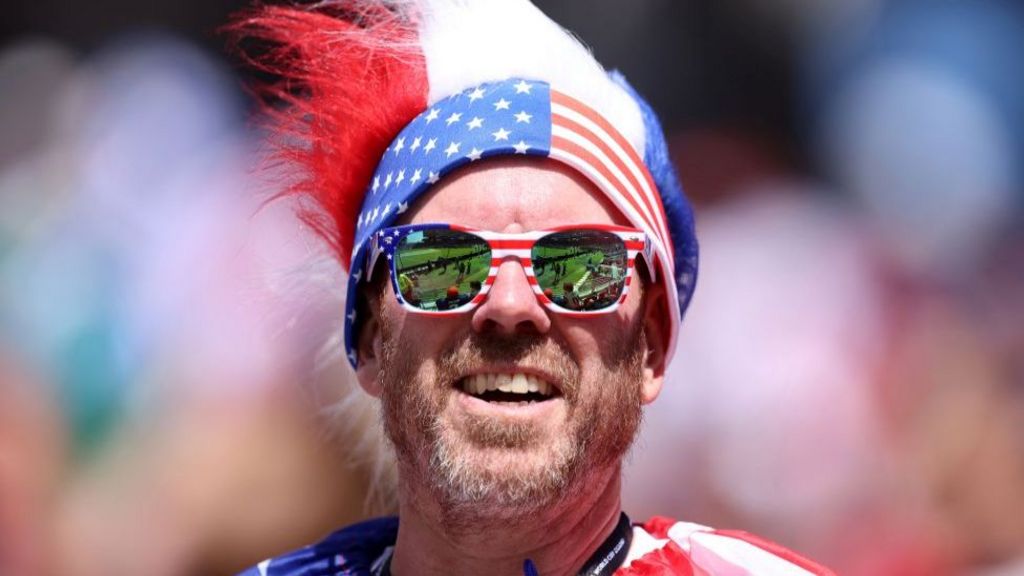
    Across every corner of the U.S., fans are turning out in droves for World Cup action. A-list celebrities and die-hard supporters alike don the red, white and blue of the USMNT, pop-up merchandise stores sell out of team gear, and public watch parties pack parks, shopping malls and even museums. In host cities, streets are lined with fans in vibrant team jerseys, and every bar and restaurant with a screen draws crowds transfixed by matchday drama. Many long-time fans are convinced this tournament marks a long-awaited turning point for the sport, regardless of the USMNT’s final result.

    Erik Olsen, a documentary filmmaker and lifelong World Cup viewer who spoke to the BBC while waiting for food ahead of the U.S.-Turkey match in downtown Los Angeles, described the 2026 tournament as a rare unifying force for Americans. “To have all these different people come together to cheer on the US team, and maybe even their own team if you’re from Mexico or Argentina or someplace else—we need that kind of global spirit right now,” he said.

    Steve Salcedo, a lifelong fan who has supported both the U.S. and Mexican teams during the tournament, noted that younger generations are embracing soccer more enthusiastically than his own. He predicted that the current surge in interest would outlast the final match. “The hype is definitely here for the World Cup, it’ll be here until the World Cup ends. Of course it’s going to die down, but in general I think soccer is here to stay,” he said. For 16-year-old Keenah Pacheco, who visited a Seattle fan zone with her family, the excitement has already rekindled a personal passion: after quitting the sport at age 8, she now plans to pick up play again.

    Early data already confirms a historic surge in U.S. interest: the 2026 World Cup has already notched record-breaking TV ratings and unprecedented ticket demand, with packed fan events across all three host nations. Broadcasters reported that a combined 25 million American viewers tuned into the USMNT’s opening match against Paraguay—18 million across Fox’s broadcast platforms, and an additional 7 million on Spanish-language network Telemundo. While co-host Mexico has long had deep-rooted cultural ties to soccer, the U.S.’s co-hosting status and the fact that the majority of matches are played on American soil has driven more domestic engagement than ever before.

    Even global and U.S. political leaders have highlighted the tournament’s success: U.S. President Donald Trump, who has not yet attended a match, called the record attendance numbers “a great tribute to the United States”, while FIFA President Gianni Infantino has already named it the “most successful event in history”. The expanded 48-team format means more matches than any prior men’s World Cup, and North America’s large-capacity stadiums have accommodated unprecedented crowds: FIFA announced last month that total attendance surpassed 3.6 million in the tournament’s first two weeks, beating the previous record of 3.58 million set at the 1994 U.S. World Cup. A large share of those attendees are American fans, including both those rooting for ancestral home nations and supporters who have adopted competing teams out of sheer love for the sport.

    Despite soaring attendance and TV ratings that now rival the NBA Finals and MLB World Series, industry analysts remain divided over whether this moment will mark a permanent breakthrough for soccer in the U.S. Jeff Schneider, executive director of the Center for Sports, Entertainment, Media & Technology Law at the University of Southern California, explained that while soccer has moved from the cultural fringes to the mainstream as a beloved sport for a large, loyal minority, it is unlikely to ever displace American football or basketball in national popular culture. Those sports developed deep roots during an era when media was less pervasive, when leisure time centered on in-person participation rather than passive consumption, and have been cemented as American cultural institutions over more than a century.

    Still, Schneider acknowledged that soccer has built a solid, growing base of loyal fans who both play and watch the sport—a shift driven largely by changes in youth sports participation. Steve Bank, a sports law expert at the UCLA School of Law, explained that soccer has filled the gap left by declining youth American football participation, as parents increasingly avoid the contact sport due to widespread concerns about concussion-related brain injuries.

    The USMNT’s performance against Belgium on Monday will do much to shape the sport’s trajectory: a deep tournament run would significantly boost momentum for domestic growth. The match already carries extra scrutiny following the controversial reversal of striker Folarin Balogun’s red card, which came after a reported phone call between President Trump and FIFA President Infantino.

    The groundwork for today’s growth was laid 30 years ago, when the U.S. launched Major League Soccer (MLS) as a requirement of its agreement to host the 1994 World Cup. Today, MLS has expanded to 30 teams across the U.S. and Canada, and has attracted global superstars including Lionel Messi, raising the league’s domestic profile. Even so, the biggest draw for American viewers remains top European leagues: England’s Premier League and Spain’s La Liga have driven a sharp rise in soccer media rights spending, according to research from Ampere Analysis, and the U.S. is now the largest foreign market for the world’s top four European leagues. A recent Ampere survey found that soccer has now narrowly overtaken baseball as the third most popular sport in the U.S., with 10% of Americans naming it their favorite.

    Significant structural barriers remain, however. Sports law expert Steve Bank noted that attempts to transplant European-style league structures to the U.S. market have long been unrealistic. Other analysts point to cultural differences in how Americans engage with sports: domestic leagues are structured to deliver high-scoring, definitive outcomes that often allow for sustained dominance by top franchises, a dynamic that does not exist in global soccer.

    “You have to be okay with not winning [in football], and Americans are not okay with not winning,” Schneider said. “One of the main reasons why Americans have never adopted soccer is because it’s impossible to dominate. You can’t win year after year after year after year, like the Patriots or the Yankees. They’re bandwagon hoppers, they love to get on the bandwagon for a good team, and that’s not soccer.”

    Despite these challenges, a confluence of cultural and technological shifts are pushing soccer further into the American mainstream. Widespread streaming access and expanded sports programming have made international matches far more accessible to casual fans, while hit scripted shows like Ted Lasso and Welcome to Wrexham have introduced the culture of soccer to new American audiences in approachable, humorous ways. Mass immigration from soccer-mad nations across Latin America, Africa and Europe has also grown the fan base, alongside the enduring popularity of FIFA-branded soccer video games that introduce the sport to generations of young American children.

    For long-time fans like Olsen, the energy around the 2026 World Cup feels like a true shift. “There’s something about the fact this team is young and hungry and doing well that makes me feel there could be kind of a sea change about soccer in the U.S,” he said. With the hashtag “Why Not Us?” already a viral rallying cry for USMNT supporters, the nation waits to see whether this home World Cup will finally cement soccer’s place among America’s top sports.