分类: sports

  • ‘Forgotten’ host Canada’s unforgettable World Cup

    ‘Forgotten’ host Canada’s unforgettable World Cup

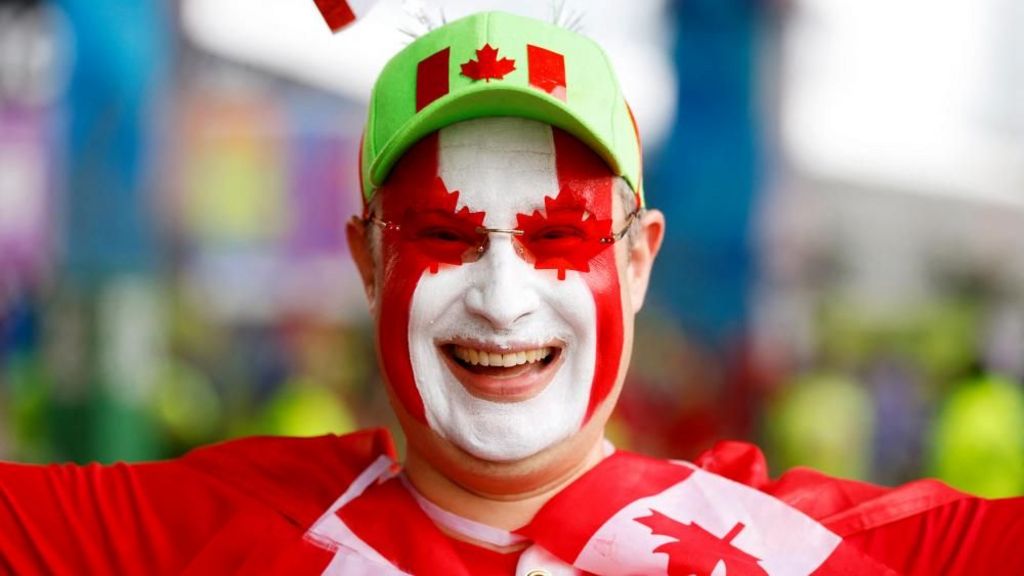
    Long labeled the ‘forgotten co-host’ of the 2026 FIFA World Cup shared with the United States and Mexico, Canada has emerged from the tournament with a historic legacy that extends far beyond its 13 hosted matches, transforming domestic soccer culture and uniting the nation behind its men’s national team.

    Heading into the tournament, few outside the country expected Canada to make waves on the pitch. Long overshadowed by the nation’s obsession with ice hockey, and competing with the already established popularities of Major League Baseball and the National Basketball Association, men’s soccer has long lived as a largely recreational pastime in Canada, even as the country’s women’s national team has climbed to ninth in the global FIFA rankings. This year, however, the underdog Les Rouges defied every projection to deliver the best men’s World Cup run in Canadian history.

    Led by outspoken American head coach Jesse Marsch, Canada captured its first ever World Cup group stage point, claimed its first tournament win, and fought all the way to the knockout round of 16 – a milestone no Canadian men’s side had ever reached before – before bowing out to Morocco. For long-suffering Canadian fans, the historic run has already cemented itself as an unforgettable cultural touchstone. ‘They shocked everyone by making it as far they did,’ Calgary-based fan Matt Lorincz told reporters, echoing a widely shared sentiment across the country.

    The co-hosting tenure for Canada wrapped up in early July with a round-of-16 match in Vancouver that saw Switzerland defeat Colombia. Over the tournament’s run, host cities Toronto and Vancouver delivered vibrant, fan-first experiences that earned praise from international visitors and football leaders alike. Portugal manager Roberto Martinez praised Toronto’s compact, temporary-seated stadium, comparing its electric atmosphere to classic old-school Premier League grounds, while Norwegian visitor Gudmund Agotnes noted the unbeatable vantage point that offered views of both the pitch and the city’s iconic skyline.

    Beyond the on-pitch magic, the World Cup delivered tangible economic and cultural shifts across Canada. In British Columbia, local food service and hospitality industries saw an approximate 5% jump in alcohol sales compared to 2025, with widespread foot traffic injecting much-needed momentum into a Canadian economy facing ongoing stagnation. ‘It raised the spirits of the entire province. I think the whole conversation for the last four weeks had been about soccer,’ said Ian Tostenson, head of the British Columbia Restaurant and Foodservices Association, adding that the event proved Canadians would spend on shared, high-quality experiences even during economic slowdowns.

    Domestic viewership numbers also underscore the growing pull of soccer in Canada: Bell Media, the official host broadcaster, reported the round-of-16 match against Morocco peaked at 11.7 million unique Canadian viewers, making it the most-watched non-final World Cup match in Canadian history. That figure outpaced the 9.8 million total viewers for the 2025 National Hockey League season opener, and average viewership for Canada’s round-of-32 matches beat the typical audience for the long-running iconic broadcast *Hockey Night in Canada*.

    This growing momentum has already translated to tangible investment in the future of Canadian soccer. Canada Soccer, the sport’s national governing body, wrapped up a C$25 million fundraising campaign months ahead of schedule, with the windfall earmarked for expanded youth access, coaching development, national team programming, and the creation of a new national training centre.

    Canadian political leadership has also leaned into the moment, embracing the opportunity to showcase the country on the world’s biggest sporting stage. Prime Minister Mark Carney, an avowed sports fan who made headlines as the only leader among the three co-host nations to attend multiple in-stadium matches, delivered a rousing pep talk to the Canadian team in the Vancouver locker room following their 6-0 group stage win over Qatar. ‘You showed a level of character that some people never achieve in their life,’ Carney told the squad. ‘And you showed it when a good part of the country and the world is watching.’ Sports Minister Adam van Koeverden framed the hosting opportunity as a meaningful milestone for Canada as a mid-sized global power, calling the experience a ‘sincere privilege’ that the nation did not take lightly.

    Still, the 2026 World Cup has not been without controversy for Canadian co-hosts. Critics have pushed back on the C$1.1 billion in taxpayer funding allocated to prepare Canadian stadiums and infrastructure for the tournament, with Toronto alone spending an estimated C$380 million amid ongoing municipal budget pressures. ‘I don’t think that hosting the games made the city’s situation any better,’ Toronto City Councillor Josh Matlow said of the spending. Van Koeverden countered that public spending was prudent, arguing that the widespread economic activity generated by full stadiums, hotels, and restaurants more than recouped the initial investment.

    Sports industry observers note that Canada was always set to play a less prominent role than its co-host the United States, which hosted the majority of matches and dominated international media attention amid heightened political attention around the Trump administration. Even so, industry analyst John Kristick, a former executive director of the tri-nation United Bid Committee, said the tournament has still fostered widespread national pride across Canada. ‘Every Canadian knows Canada is hosting it, and I think there’s been a great deal of national pride,’ Kristick said.

    For Canadian fans, the biggest win extends far beyond economic numbers or historic match results. In a deeply divided era, the team’s run has drawn diverse communities together around a shared passion. ‘It brought a lot of people together in a very kind of segregated world that we’re living in,’ said Zeileen Reardon, a fan watching the Morocco match at a Calgary bar. ‘So, I think it actually showed the world that we can come together, even for a game.’

    The question hanging over Canadian soccer now is whether this World Cup momentum will prove a one-time high or a permanent turning point. For the millions of new fans drawn to the sport over the past month, the ‘forgotten host’ has already secured its place in Canadian sports history.
  • World Cup quarterfinals feature soccer powerhouses from Argentina and Spain to France and England

    World Cup quarterfinals feature soccer powerhouses from Argentina and Spain to France and England

    With the 2026 FIFA Men’s World Cup down to its final eight competitors, the quarterfinal round has shaped up to be one of the most competitive in modern tournament history. Every side advancing to this stage ranks among the top 12 in FIFA’s pre-tournament global rankings, with six of the eight placing inside the top 10, setting the stage for a series of high-stakes matches across the United States.

    Pre-tournament odds heavily favor defending World Cup champion France, which enters the quarterfinals as the clear title favorite with betting odds sitting just below 2-1. Spain and 2022 champion Argentina trail closely behind at 7-2, followed by England at 9-2. Underdog Norway enters at 14-1, while long shots Belgium, Switzerland and Morocco all hold 28-1 odds to lift the trophy. For fans in the U.S., all quarterfinal matches will be broadcast in English on Fox and Peacock, with Spanish-language coverage available through Telemundo.

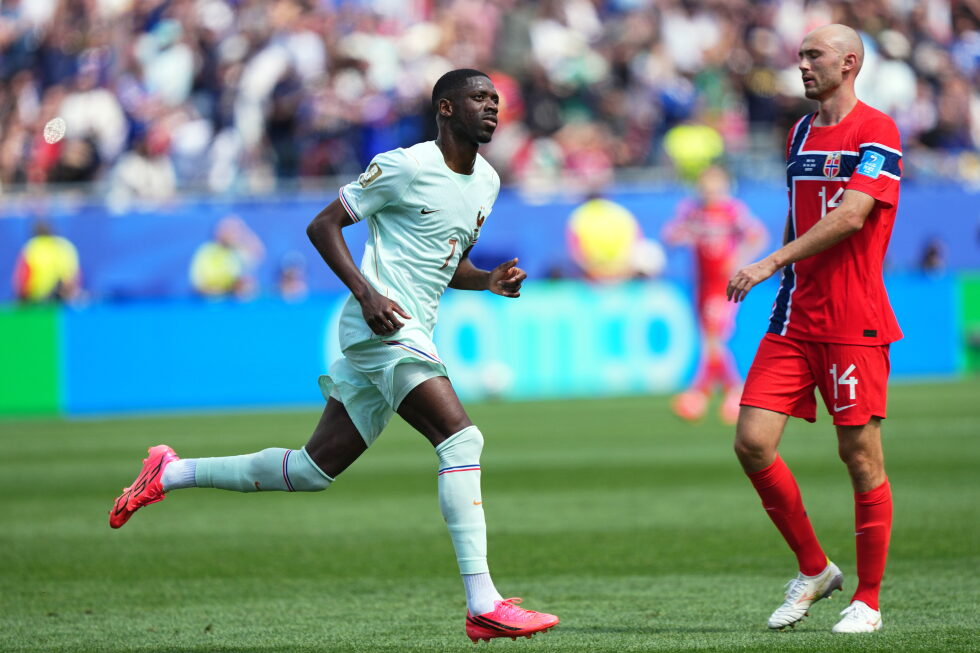
    The first quarterfinal matchup kicks off Thursday at 4 p.m. EDT at Gillette Stadium in Foxborough, Massachusetts, pitting powerhouse France against Cinderella side Morocco. France has looked unstoppable through the tournament so far, netting 10 goals while conceding just two across group play. The side’s dominant form continued into the knockout round with a 3-0 blowout of Sweden, though their most recent win was a hard-fought 1-0 edge over Paraguay that saw Kylian Mbappé score his 19th career World Cup goal. Even with Norway resting star Erling Haaland and nearly all their first-string starters in group play, France’s lopsided results have cemented their status as the team to beat. Standing in their way is Morocco, which has defied all expectations to reach its second World Cup semifinal berth since 2022. The side opened with a surprising draw against powerhouse Brazil, knocked out the Netherlands in a tense penalty shootout, and recovered from a slow start to defeat co-host Canada, earning a spot in the final eight. Oddsmakers widely expect France to advance to the semis.

    The second quarterfinal takes place Friday at 3 p.m. EDT at SoFi Stadium in Inglewood, California, between Spain and Belgium. Spain stumbled into the tournament with an unexpected draw against underdog Cape Verde in their opening match, but that early test appears to have sharpened the side for high-pressure knockout play. After cruising past Austria 3-0 in the round of 32, Spain eliminated Uruguay 1-0, then pulled off a dramatic late win over Cristiano Ronaldo’s Portugal, with Mikel Merino netting the game-winner in second-half stoppage time to send the side through. For Belgium, a dramatic late comeback set the tone for their knockout run: the side rallied from a two-goal deficit with just five minutes left in regulation to beat Senegal, then earned a controversial blowout win over the host United States in Seattle. The result was marred by a FIFA ruling that allowed American-born striker Folarin Balogun to suit up despite an automatic red card suspension from the previous round. Spain enters the match as the favorite to advance.

    Saturday brings two quarterfinal matchups, starting with a showdown between Norway and England at Hard Rock Stadium in Miami Gardens, Florida at 5 p.m. EDT. Norway has delivered the biggest underdog story of this year’s tournament, with star striker Erling Haaland leading the previously underrated side to its first ever World Cup quarterfinal appearance. Haaland has led the charge, scoring two goals in a stunning upset over five-time World Cup champion Brazil to punch Norway’s ticket to the final eight, sparking wild celebrations from fans both in Norway and across host venues in the U.S., where the team’s iconic “Viking Row” celebration has become a fan favorite. England, meanwhile, earned a tense round-of-16 win over Mexico in front of a raucous pro-Mexico crowd at Estadio Azteca, but will be without veteran midfielder Jordan Henderson, who suffered a wrist injury during a post-match celebration. England enters the match as a narrow favorite.

    The final quarterfinal closes out Saturday at 9 p.m. EDT at Arrowhead Stadium in Kansas City, Missouri, where Lionel Messi’s Argentina faces a defensively solid Switzerland side. Messi continues to rewrite World Cup history at this tournament, currently leading all players with eight goals in 2026 and extending his all-time career World Cup scoring record to 21 goals and counting. His most recent iconic performance came in an instant-classic round-of-16 match against Egypt, where he scored the game-winning goal to complete a comeback from a 2-0 deficit and secure a 3-2 win for Argentina. Switzerland, by contrast, has relied on a tight, defensive style to reach the quarterfinals for the first time since 1954, having scored just nine goals across five matches. The side advanced past Colombia in the round of 16 via penalty kicks after 120 minutes of scoreless play. Argentina enters as the heavy favorite to move on.

    Looking ahead, the winner of the France-Morocco quarterfinal will face the winner of Spain-Belgium in the first semifinal on Tuesday, July 14 at 3 p.m. EDT at AT&T Stadium in Arlington, Texas. The second semifinal will pit the winner of Norway-England against the winner of Argentina-Switzerland on Wednesday, July 15 at 3 p.m. EDT in Atlanta, Georgia. The 2026 World Cup final is scheduled for the same kickoff time on Sunday, July 19 at MetLife Stadium in East Rutherford, New Jersey.

  • ‘Robbed’: Egypt-Argentina match sparks accusations of World Cup bias

    ‘Robbed’: Egypt-Argentina match sparks accusations of World Cup bias

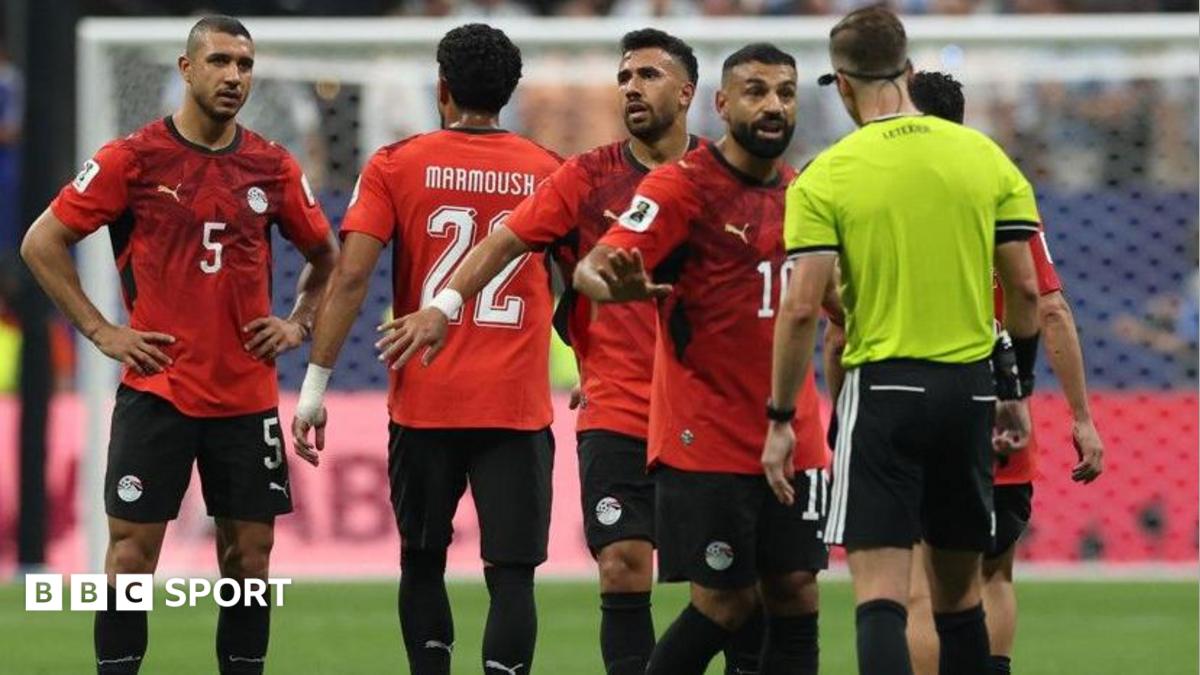
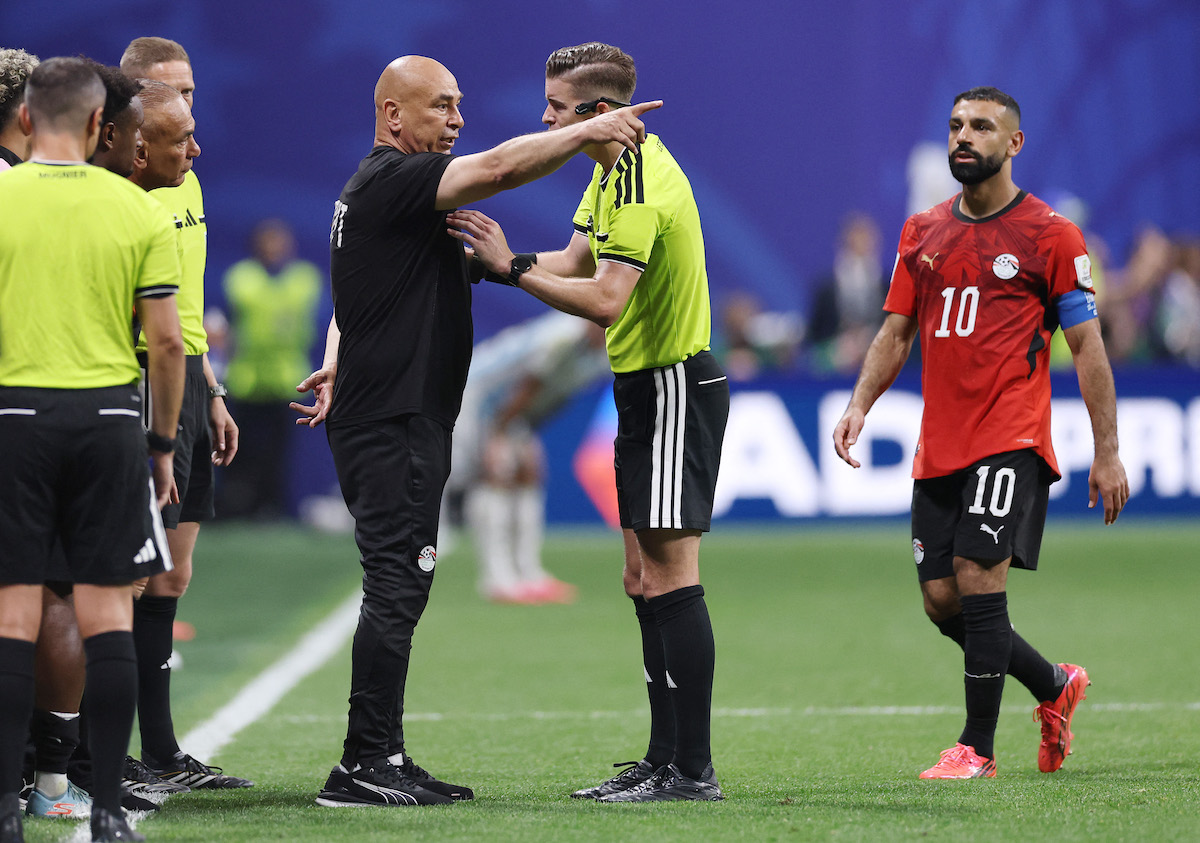
    A dramatic late comeback victory for Argentina against Egypt in the World Cup round of 16 has been drowned out by widespread controversy, with Egyptian players, coaching staff, fans, and high-profile public figures calling out a series of lopsided key refereeing decisions that they claim cost Egypt a historic quarter-final spot. Egypt looked set to secure a stunning upset after jumping out to a 2-0 lead early in the second half, holding the advantage deep into the closing stages of the match. But Argentina flipped the script with three unanswered late goals, snatching a stoppage-time winner to seal a 3-2 win and advance to the final eight. What should have been a celebration of one of the most dramatic knockout-stage comebacks in recent World Cup history quickly turned into a national outcry for Egypt, with multiple questionable calls at critical junctures sparking fury over biased officiating. The most high-profile dispute came over a disallowed Egypt goal that would have put the North African side 3-1 up, a call that Egyptian camp says changed the entire trajectory of the match. The Egyptian side also had repeated late penalty appeals turned down by officials, and protests from the Egyptian bench were ignored in the moments before Argentina’s match-winning stoppage-time goal. Scenes of anger played out on the touchline immediately after key calls, with members of Egypt’s coaching staff surrounding officials to contest decisions, and players confronting match referees over the rulings. The frustration spilled over onto social media platform X, where thousands of fans and dozens of high-profile figures weighed in to condemn the inconsistent officiating, with many arguing the lopsided calls robbed Egypt of a fair shot at advancing. In his post-match press conference, Egypt head coach Hossam Hassan did not hold back in his criticism, insisting his side was the better team on the pitch and that the final result was fundamentally unfair. He questioned the logic behind the disallowed Egypt goal, and raised eyebrows by suggesting that tournament organizers had implicit “marketing” incentives to keep the previous World Cup champions in the competition. Despite the disappointment, Hassan praised his players’ effort, saying they had delivered everything the nation asked of them. Egyptian winger Mustafa Ziko was visibly overcome with emotion in his post-match interview, breaking down in tears as he accused the referee of unfair officiating. He said the incorrect calls had wasted the hard work and hope of an entire nation, and labelled the entire tournament’s officiating in the match as biased. The criticism extended far beyond the Egyptian camp, with prominent global figures from sports, politics, and other fields adding their voices to the outcry. Former world chess champion and political commentator Garry Kasparov highlighted the clear inconsistency in rulings: he pointed out that Egypt’s goal was disallowed for a minor foul far from the goalmouth, but an identical scenario just minutes later that led to an Argentina goal was allowed to stand. He went further, calling FIFA a “corrupt joke” and accusing the governing body of favoring high-profile star teams. Former England captain and legendary striker Alan Shearer, now a leading football pundit, echoed the criticism of inconsistent decision-making, writing on X that “Either both are fouls or neither is a foul. But they’re not going to re-referee they told us.” BBC Sport football correspondent Dale Johnson also argued that the ruling to disallow Egypt’s goal ran completely counter to the officiating standard used throughout the entire tournament. He noted that match officials had adopted a “light touch” approach to minor contact for the entirety of the competition, making it inexplicable that they would overturn a goal for a very minor shirt-tugging incident via VAR. Football analyst Geronimo Morgans added another layer of criticism, pointing out that VAR failed to review two clear fouls against Egyptian players inside the Argentina penalty area in the build-up to Argentina’s equalizing goal scored by Enzo Fernandez, while a far less significant foul was used to overturn Egypt’s valid second goal. “Why does the treatment have to be so one-sided?” he asked, concluding that “Egypt have been robbed.” Even Egyptian Nobel Peace Prize laureate and former International Atomic Energy Agency head Mohamed ElBaradei waded into the debate, writing on X that FIFA had “lost a lot of credibility and trust” for reasons “known to everyone.” Former British ambassador and political commentator Craig Murray summed up the widespread sentiment of foul play with a viral quip: “Not my invention, but FIFA = Fixing It For Argentina has been blatant.” For Argentina, the controversial win moves them forward to the World Cup quarter-finals, where they will turn their focus to their next matchup. For Egypt, the tournament ends far earlier than the team and its supporters hoped, bringing an end to an impressive unbeaten campaign that captured the imagination of the football world. The early exit leaves a bitter taste for the Egyptian camp, who remain united in their belief that they were denied a fair opportunity to continue their historic World Cup run through lopsided officiating.

  • AFL 2026: Melbourne coach Steven King downplays Demons’ finals talk

    AFL 2026: Melbourne coach Steven King downplays Demons’ finals talk

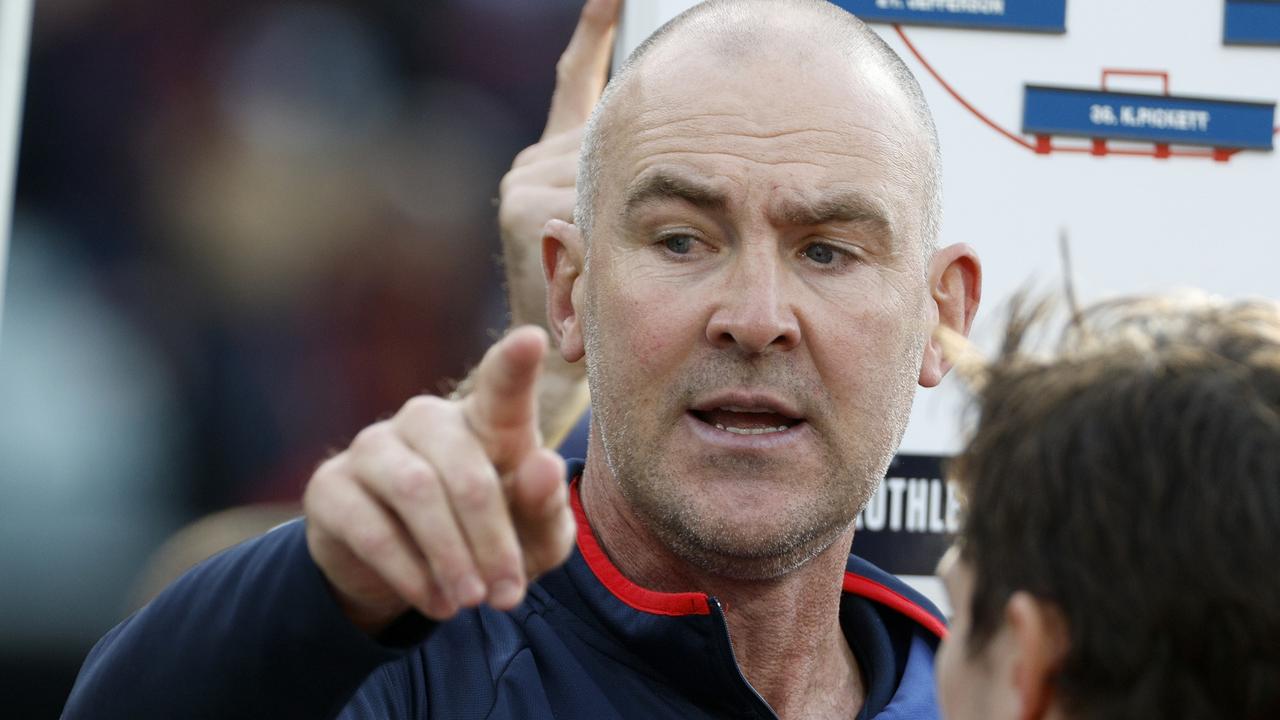
    As the Melbourne Demons continue their steady climb up the AFL ladder and speculation around a 2024 finals berth grows louder, first-year senior coach Steven King is refusing to get caught up in the hype, urging his side to stay focused on the immediate task at hand rather than looking ahead to September football.

    The Demons currently sit sixth on the premiership ladder after a dominant first-half blitz against Hawthorn kept their hopes of a top-four finish well and truly alive. Entering the run home to the finals, Melbourne has just one side currently ranked above them — Fremantle — left on their schedule, with a clash against 17th-placed Richmond at the MCG this Sunday as their next challenge. But King is acutely aware of how quickly fortunes can shift in the hyper-competitive modern AFL, where small margins separate ladder leaders from battlers and results can swing wildly week to week.

    When asked directly if it was too early to start discussing the so-called “F-word” — finals — King did not hesitate to shut down the premature speculation. “Yeah, it is, absolutely,” he told reporters. King, who took over the top coaching role at the club this off-season amid a major roster and leadership overhaul, said the uncertainty of the competition makes long-term forecasting pointless. “I know how marginal this competition is,” he explained. “One week you’re spoken about really highly and you slip up or come up against a really good team, and you can’t control what other clubs are doing around you.”

    Rather than looking ahead to a potential finals spot, King said his full attention is fixed on how his side will bounce back from a underwhelming fourth quarter in their previous win in Tasmania. While the line has become a common talking point for coaches across the league, King said it remains the unvarnished reality for his emerging side. “I think it’s too early for us to mention that word. I am really just keen to see how we respond from that fourth quarter in Tassie this week. That’s a bit of a cliche for a coach to say, but that’s pretty much the reality.”

    King added that Sunday’s opposition Richmond, fighting to avoid the wooden spoon this season, will be hungry to pull off an upset against the in-form Demons. “I think on the weekend Richmond will be looking at our game going that’s them at their best, and there’s a patch there that looks like an opportunity to get up,” he said. “We have to keep controlling what we can and therein lies a great opportunity for us as a club.”

    Off the field, the Demons have received positive injury news on key attacking targets, even as key forward Brody Mihocek remains sidelined in the short term. Mihocek returned to the club for a scheduled training appearance this Wednesday, just weeks after suffering a neck injury on King’s Birthday, providing a boost to the club’s long-term outlook. For this weekend, Melbourne remains quietly optimistic that star forward Bayley Fritsch will be fit to take the field despite a painful early injury against Hawthorn.

    Fritsch dislocated his finger in the opening stages of the win over the Hawks, but returned to the field to boot four goals in what King called an incredibly brave showing. “Yeah, good. He had that dislocation and had to go off, I think it broke a bit of skin,” King said. “He’s had that out so he will be a test this week, but we’re hopeful, he got through and kicked another four goals with it. It was a really brave effort from him and hopefully he can recover in time. Luckily, this Sunday gives us an extra day. (We’re) optimistic he’ll be right.” Fritsch is expected to wear a protective glove on the injured finger if he is cleared to take the field against Richmond.

  • AFL 2026: St Kilda coach Ross Lyon’s positive update on Max King

    AFL 2026: St Kilda coach Ross Lyon’s positive update on Max King

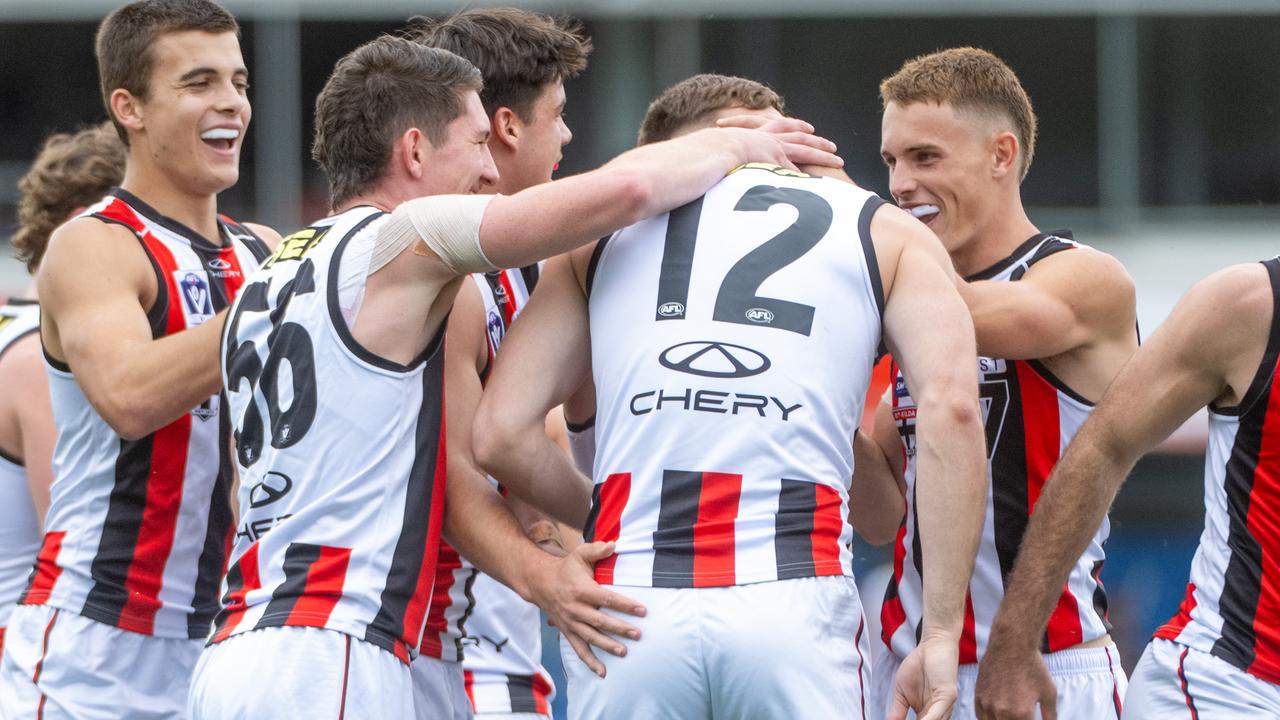
    After more than two years on the sidelines with repeated injury setbacks, St Kilda forward Max King is finally closing in on a return to competitive Australian Rules Football, with an official comeback timeline expected to be finalized by club leadership later this week. St Kilda head coach Ross Lyon announced Wednesday that he will meet with the club’s high-performance team ahead of the Saints’ upcoming match to map out a clear path for King’s return, a milestone that has eluded the talented young key forward since his last AFL appearance.

  • ‘It is not normal’ – but extraordinary Djokovic defies odds once again

    ‘It is not normal’ – but extraordinary Djokovic defies odds once again

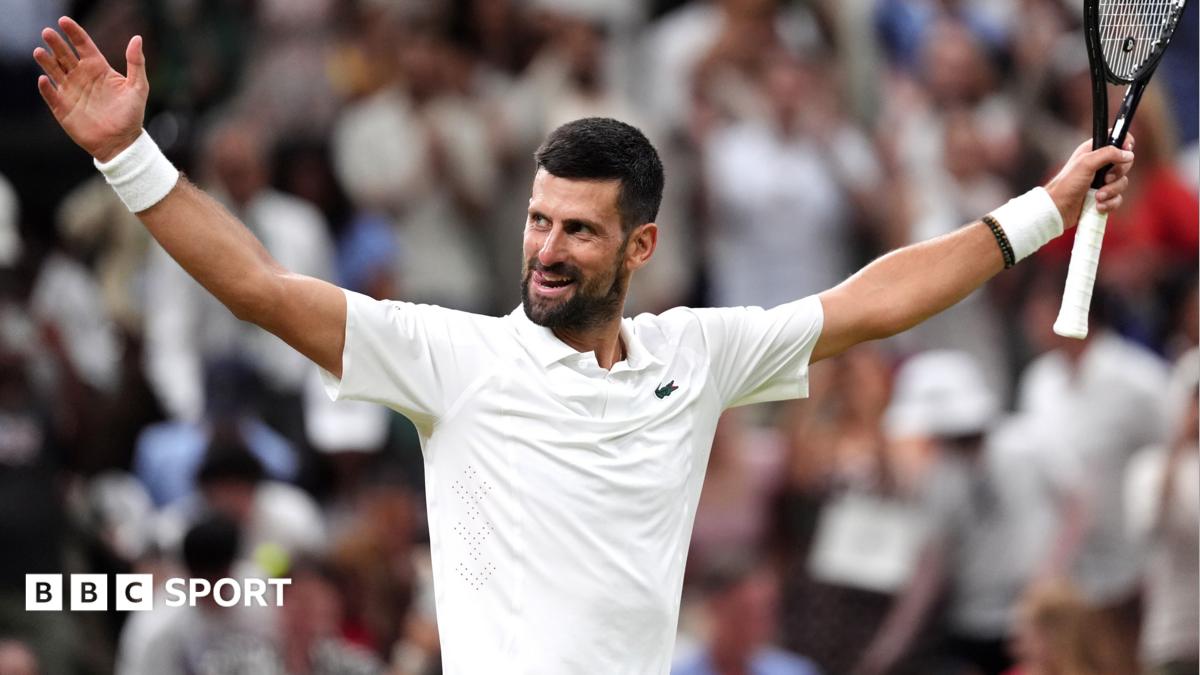
    On a tense, electric Centre Court under Wimbledon’s famous floodlights, tennis history unfolded once more on Tuesday, as 39-year-old Novak Djokovic delivered a performance that defies every convention of elite sports and aging to defeat 25-year-old Felix Auger-Aliassime in a five-set thriller that secured his spot in the 2024 Wimbledon semifinals. The epic clash stretched to five hours and 15 minutes – the longest match of this year’s tournament to date – so gripping that it forced a delay to the BBC’s flagship 10 PM news bulletin, as a sold-out crowd remained transfixed by every exchange.

    What makes Djokovic’s victory so extraordinary is how it pushes every boundary of what is considered normal for a player of his age. Across more than five hours of high-intensity baseline rallies, desperate net rushes to counter drop shots, and blistering second serves clocked at 122 mph, the 24-time Grand Slam champion never let up on his chase of every ball hit toward him. He slid across the grass, glided from corner to corner, and outcompeted a opponent 14 years his junior in sheer stamina to claim the win.

    This is the Djokovic legacy: a competitor who has built his career on silencing doubters, and who stands one Grand Slam title away from breaking the all-time record for most major men’s singles titles. In the match, even a mid-match left calf tweak that forced a medical timeout and hampered his movement in the first set could not derail him. Auger-Aliassime, the tournament’s young underdog, drew early support from the crowd, but after dropping the third set, Djokovic drew a roaring cheer from the stands that carried him through to a decisive fifth-set tiebreak. When Auger-Aliassime sent a backhand long to end the match, the crowd rose as one, chanting Djokovic’s name in celebration.

    Tennis legends and analysts were quick to praise the historic performance. Britain’s Davis Cup captain Leon Smith told BBC 5 Live: “To be able to come out and play this level of tennis at that age… it’s not normal. It’s really not normal. I know he spent a lifetime on his body, but to do this, the amount of work that we don’t see must be astonishing. It is amazing. He deserves all the respect that he gets.” Former British number one Tim Henman echoed that sentiment on BBC TV, noting: “I’ve been watching this guy for 20 years and time and time again, in the biggest moments, he delivers. This is the response we have all come to expect from Novak Djokovic.”

    Speaking after the match, an exhausted but elated Djokovic said he “won that match with a racquet and a lot of heart” – a summary that encapsulates the latter stages of his iconic career. As the last remaining active member of tennis’s legendary “Big Three” era following the retirements of Roger Federer and Rafael Nadal, many fans have only recently come to fully appreciate how irreplaceable Djokovic’s dominance is. While the sport’s next generation is led by the exciting rivalry between Jannik Sinner and Carlos Alcaraz, Djokovic remains the only player who has consistently beaten both rising stars in major tournaments in recent years, outperforming the younger pair despite their theoretical advantages in youth, power, and speed.

    When asked if his current performance level surprises him, Djokovic acknowledged the uniqueness of his run: “Yes and no. I guess yes, at this stage that I’m still able to battle these young guys that have 15 years less than me, that I’m able to beat them at the tightest possible scoreline. In a sense, it is really a nice surprise. But at the same time, I always have the highest expectations for myself. I can be very self-critical, very hard on myself. But I try to enjoy the moments like this.”

    All eyes now turn to Djokovic’s upcoming semifinal against Jannik Sinner, where questions remain about how his grueling quarterfinal will impact his performance. Last year, a late, exhausting quarterfinal match left Djokovic hampered throughout the rest of the tournament, allowing Sinner to claim a straight-sets upset. Djokovic has also dealt with consistent minor niggles over the last 18 months, with age-related physical wear becoming a new challenge he has had to adapt to. At this year’s Australian Open, a late five-set win over Sinner left Djokovic fatigued in the final against Alcaraz, where he faded after a dominant opening set.

    Djokovic will have two full days to recover before his semifinal clash, but the gap in preparation remains stark: while Djokovic went the full five sets in his quarterfinal, Sinner has not dropped a single set across his four tournament matches so far. Unfazed by the challenge, Djokovic made clear his focus remains on adding another milestone to his career: “I don’t know what tomorrow brings. I still want to go at least one more step further. But this was as good as a final for me. I gave it all that I had.”

  • ‘Let Palestinians live’: Egypt coach wins global praise after emotional speech

    ‘Let Palestinians live’: Egypt coach wins global praise after emotional speech

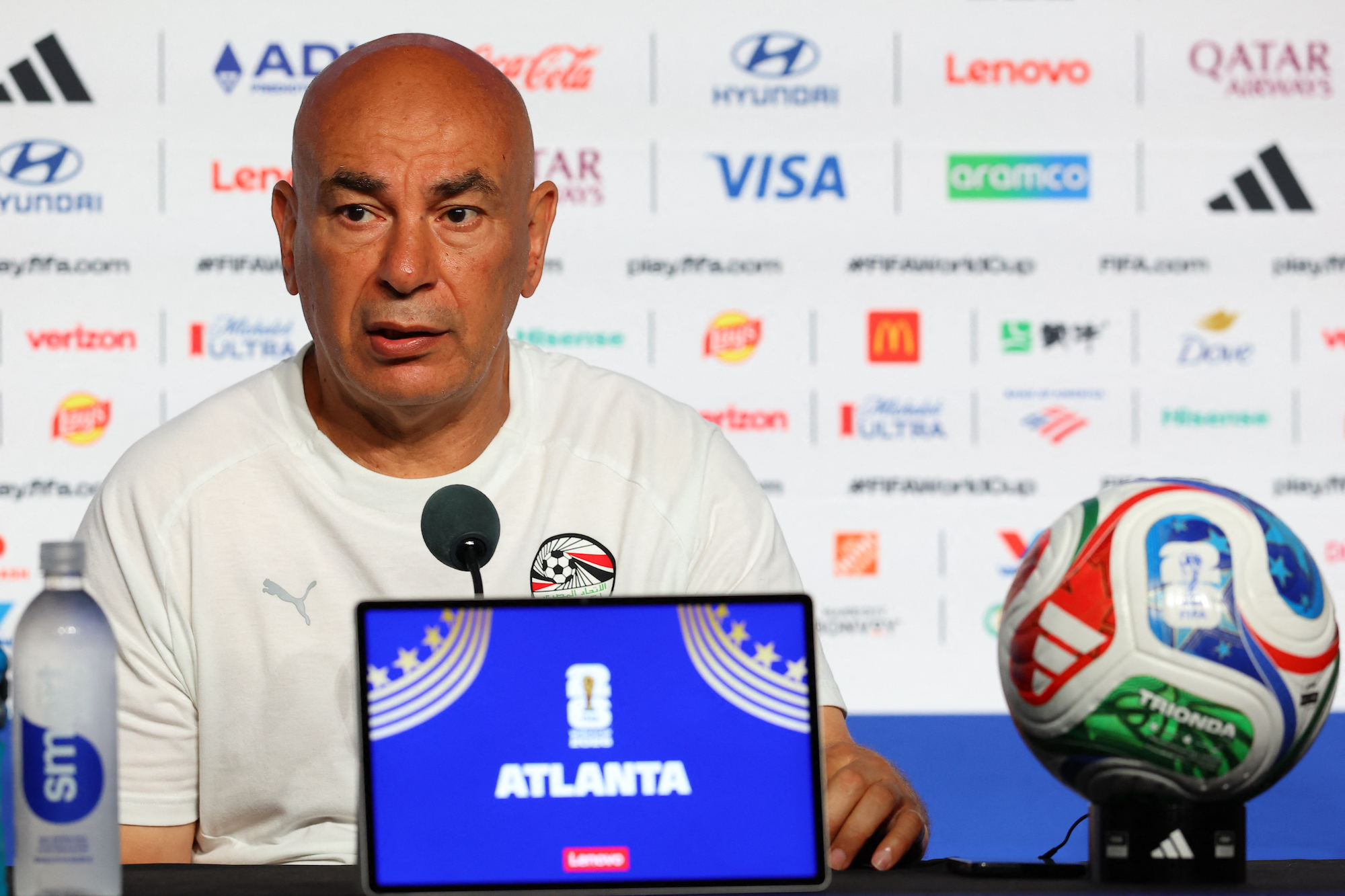
    Ahead of Egypt’s highly anticipated 2026 FIFA World Cup matchup against Argentina, Egyptian national team head coach Hossam Hassan has captured global attention and widespread praise for an impassioned speech standing in solidarity with the Palestinian people, delivered during an official pre-match press conference. The remarks came just days after Hassan made headlines for celebrating Egypt’s tournament victory over Australia while holding the Palestinian flag, a gesture that quickly spread across social media to cement his public stance on the ongoing crisis.

    Speaking in Arabic during the Monday press briefing, Hassan opened with a stark, unflinching message that resonated across borders: “If there is one person in the world who does not feel for the Palestinian people, then he is not a human being.” He emphasized that this standard holds for every person, regardless of nationality, religion, or regional identity, whether they are Arab, European, American, or from any other corner of the globe.

    Hossam went on to condemn what he framed as widespread global indifference to the escalating humanitarian catastrophe facing Palestinians. He highlighted the jarring double standard in global public reaction, noting that communities often mobilize rapidly to protest harm to a single animal, yet thousands of Palestinian civilians — including women and children — are killed daily with little meaningful outcry from the international community.

    Appealing directly to the global football community, which commands a massive international audience during the World Cup, Hassan urged athletes, sports organizations, and media professionals across all backgrounds to leverage the sport’s unmatched soft power to amplify Palestinian calls for dignity and survival. “Please, please, all athletes and media professionals, regardless of their religions and countries, maybe through the World Cup, we can send a message: please let the Palestinian people live. They do not want anything, just to live,” he said.

    Drawing a connection between football’s core values and the broader fight for human dignity, Hassan tied his remarks to FIFA’s official motto of “respect and fair play.” “Just as FIFA’s slogan says, ‘respect and fair play’, we want fairness in life,” he stated. “We want respect for human beings. We want respect for the fact that a human being should live.”

    Since the speech was shared on social media by multiple outlets and public figures, it has sparked an outpouring of support from across the Middle East and beyond. The president of the Palestinian Football Association, Jibril Rajoub, released an official statement thanking Hassan for his “humanitarian and noble” stance, his decision to raise the Palestinian flag, and his “sincere solidarity” with the Palestinian people.

    Prominent Egyptian sports journalist Ahmed el-Erian also praised the remarks on social media, noting that he never imagined hearing such a clear, unapologetic statement of support from a leader of the Egyptian national team at a global event of the World Cup’s scale. Erian described Hassan’s words as historic, emphasizing that the coach’s pro-Palestinian stance is long-standing and rooted in genuine emotion, rather than performative activism. Regardless of how Egypt’s match against Argentina unfolds, Erian wrote, the speech has already secured its place as a point of national pride in Egypt’s 2026 World Cup story.
    Palestinian writer Yasser Zaatreh echoed that sentiment, writing that Hassan has already earned a glory far greater than any World Cup trophy. Zaatreh argued that by taking a public stand, Hassan won “the match of humanity and principles,” and has been awarded the most meaningful honor: the gratitude of the Palestinian people and all people who support freedom and justice globally.

    Turkey’s ambassador to Cairo, Salih Mutlu Sen, also publicly praised Hassan’s remarks on social media, affirming shared solidarity with the Palestinian people. Former Egypt and Al Ahly goalkeeper Ahmed Shobeir similarly applauded Hassan’s performance at the press conference, noting that the coach spoke with the clarity and conviction of a leading thinker, while defending the Palestinian right to a dignified life. “The Palestinian flag is in the heart of every Egyptian and Arab,” Shobeir wrote, adding that Hassan gave voice to shared feelings across the region.

    Most notably, Al Jazeera shared footage from Gaza showing local residents gathering to honor Hassan and thank him for his public support. Residents of the besieged enclave sent personal messages of appreciation to the coach for his willingness to use the global platform of the World Cup to amplify their struggle.

    The wave of positive reactions to Hassan’s speech has underscored a growing demand for sports figures to extend the values of respect and inclusion that define football beyond the boundaries of the pitch, into the most pressing global humanitarian issues of our time.

  • Egypt fume at ‘injustice’ and make Messi favouritism claims after exit

    Egypt fume at ‘injustice’ and make Messi favouritism claims after exit

    In a World Cup round of 16 clash that will be etched into football history for decades, three-time defending champions Argentina pulled off one of the most dramatic late comebacks in tournament history to defeat Egypt 3-2, eliminating the African underdogs and sparking fierce controversy over video assistant referee (VAR) calls that changed the course of the game.

  • Dallas Cowboys player who died by suicide diagnosed with brain disease

    Dallas Cowboys player who died by suicide diagnosed with brain disease

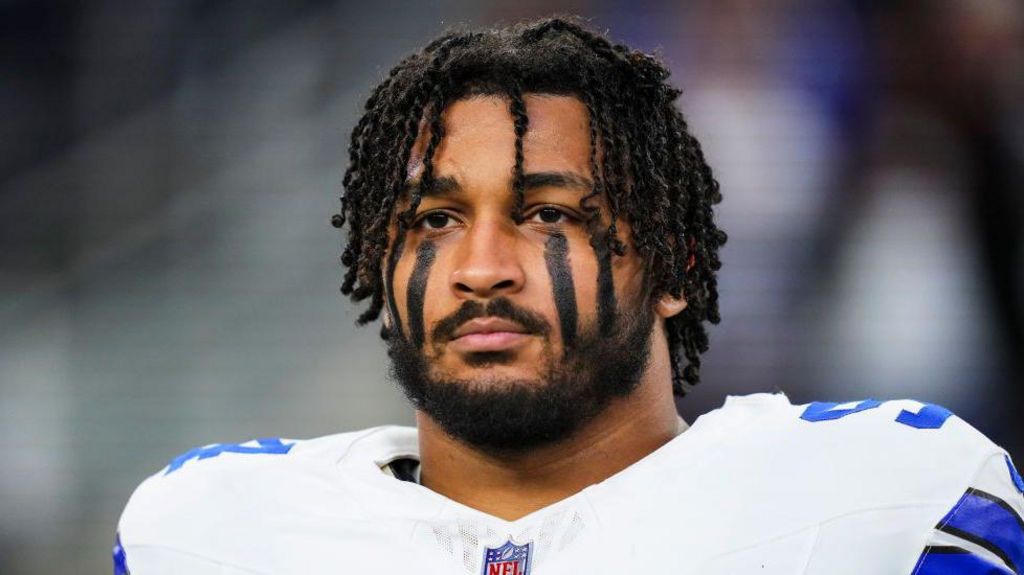
    The promising young career of Dallas Cowboys defensive lineman Marshawn Kneeland, who died by suicide at age 24 last November, has prompted urgent new discussions about brain health risks in professional contact sports after scientists confirmed he had developed stage 1 chronic traumatic encephalopathy (CTE) at the time of his death.

    The diagnosis was completed by researchers at Boston University’s CTE Center, who conducted a full postmortem analysis of Kneeland’s brain tissue following his passing. Ann McKee, the center’s director, explained that the finding did not come as a surprise to her team. “We have found this progressive brain disease in nearly half of the athletes we’ve studied who have died before the age of 30,” McKee noted in a statement accompanying the research results.

    CTE is a progressive neurodegenerative disease caused by repeated blows to the head that are common in contact sports such as football, rugby, and boxing. The condition develops in four stages, with stage 1 classified as the mildest form. Common early-stage symptoms include persistent headaches and difficulty with focus and concentration. As the disease progresses to its final stage, patients can experience severe cognitive impairment, profound memory loss, and dementia. Currently, CTE can only be definitively diagnosed through postmortem examination of brain tissue.

    Decades of research have consistently shown that athletes who participate in high-impact contact sports face a dramatically higher risk of developing CTE over their lifetimes compared to the general public. Dozens of former National Football League (NFL) players have been diagnosed with the disease posthumously in previous studies.

    In a public statement released after the diagnosis was confirmed, Kneeland’s family said that the finding provides important context for the personal challenges their son faced in the months before his death. “We share this information to help people understand what NFL and other high-contact sport athletes might be struggling with,” the family wrote, adding that they choose to remember Kneeland for who he was as a person, rather than defining him by the circumstances of his death.

    The events leading up to Kneeland’s death unfolded in November 2025 in Texas, when state troopers attempted to pull him over for a traffic violation. The stop escalated into a car chase, which ended when Kneeland crashed his vehicle and fled on foot. He was later found dead from a self-inflicted gunshot wound in the early hours of the following morning.

    Kneeland’s path to the NFL began when he started playing tackle football at just 7 years old. He went on to play collegiate football at Western Michigan University, where he drew the attention of NFL scouts. He was drafted by the Dallas Cowboys in the second round of the 2024 NFL Draft, and went on to play 18 games in his rookie season, including four starts as a defensive end.

    Boston University’s CTE Center emphasized that the causes of suicide are multifaceted, and a posthumous CTE diagnosis is not currently established as a direct risk factor for suicide. Even so, leading CTE researchers say Kneeland’s case makes clear that current safety protocols have not done enough to reduce athletes’ risk of developing the disease.

    Dr. Chris Nowinski, co-founder and CEO of the Concussion & CTE Foundation, pointed out that Kneeland competed during an era of modern NFL safety rules, including updated concussion protocols and improved helmet design, yet still developed CTE at a young age. “We have no reason to believe the current generation is at a lower risk of CTE than previous generations,” Nowinski said, echoing growing calls for more investment in prevention and treatment for the condition.

  • Switzerland and Colombia scoreless at the half as both teams vie for spot in World Cup quarterfinals

    Switzerland and Colombia scoreless at the half as both teams vie for spot in World Cup quarterfinals

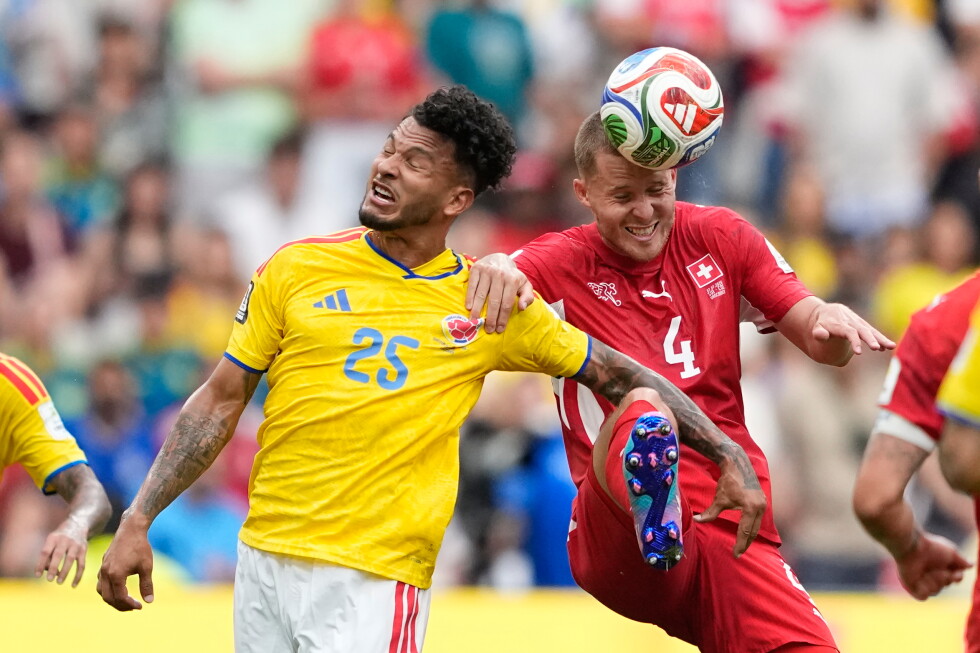
    In a tightly contested World Cup round of 16 clash at Vancouver’s British Columbia venue on Tuesday, Switzerland and Colombia headed into the halftime break deadlocked at 0-0, with a coveted quarterfinal berth hanging in the balance for both sides. The winner of this knockout matchup is set to take on tournament defending champions Argentina this coming Saturday at Kansas City, Missouri’s Arrowhead Stadium, setting the stage for a potential high-stakes clash with the reigning titleholders. For Switzerland, the occasion carries significant historical weight: the European side has not advanced to a World Cup quarterfinal since they hosted the global tournament back in 1954, marking a nearly 70-year drought for the nation. Compounding their challenge on Tuesday, the Swiss were forced to play down a key player, starting midfielder Johan Manzambi, who suffered an injury during a training session the day prior and was sidelined for the knockout fixture. Colombia, by comparison, has more recent experience in the late stages of men’s World Cup competition: the South American side advanced to the quarterfinals during the 2014 tournament hosted by Brazil, before ultimately falling to the host nation in their knockout clash. The first genuine scoring opportunity of the opening half went Colombia’s way in the 21st minute, when midfielder Gustavo Puerta uncorked a long-range effort that was parried away by Swiss goalkeeper Gregor Kobel to keep the match scoreless. Switzerland responded with their own dangerous chance nine minutes later, when Fabian Reider fired a powerful strike on goal, which Colombia goalkeeper Camilo Vargas punched down to prevent a breakthrough. Just minutes after that stop, Vargas was called into action again, smothering a close-range attempt from Swiss winger Dan Ndoye to preserve the stalemate heading into the halftime locker room. With 45 minutes of regulation (plus extra time and penalties if needed) still to play, both sides remain locked in a battle to keep their World Cup title hopes alive and advance to face Argentina.