分类: society

  • How the ‘Netflix effect’ is hampering a generation’s Australian dream

    How the ‘Netflix effect’ is hampering a generation’s Australian dream

    For generations, the Great Australian Dream – owning a fully paid-off home by retirement – stood as a defining life goal for working people across the country. Once widely achievable for most households, this long-held ambition has grown increasingly out of reach for younger generations today, driven by a toxic mix of skyrocketing property values and a shifting cultural attitude toward consumption and instant access that financial experts have dubbed the “Netflix effect.”

    Unlike the structural economic pressure of housing costs that have outstripped real wage growth for decades, the Netflix effect describes a broader cultural shift away from delayed gratification, a core value that allowed previous generations to slowly build wealth and save for a down payment on a home. Today’s young people, raised in an on-demand economy defined by streaming services like Netflix, ride-hailing apps such as Uber, and constant instant digital access, have grown accustomed to getting what they want immediately – a mindset that financial industry leaders argue is spilling over into long-term financial planning.

    Adelaide-based mortgage expert Marissa Schulze, founder of High Rise Financial Solutions, explains that the generational gap in expectation traces directly to this cultural shift. “When older generations were growing up, they had to wait for things – whether that was waiting until next week for the next episode of their favourite sitcom. They come to learn that good things come to those who wait,” Schulze said. “But nowadays, people are so much more use to having things now and at their convenience, through things like Uber and Netflix.”

    This constant access to instant satisfaction, she added, has eroded young people’s intuitive understanding of the value of long-term saving, making it far harder for many to set aside the funds needed for a property down payment. Even so, Schulze stressed that the Australian dream is not dead – just harder to reach than it was for previous generations. “It certainly is a lot harder for young people to save for a deposit, that is the big part, but it is still possible,” she noted. “I think maybe young people as a result of changing ideas and values do perhaps have less realistic expectations for what they want in a first home and so are less prepared to have a home as a first step then trade up. But I do also think there is a greater need to be more disciplined about saving, and lots of young people are.”

    That assessment is echoed by Sean Lee, director of Finance Quarter, who argues that the “want it now” mindset that defines modern culture comes with a tangible long-term cost. Lee points to social media as a key amplifier of this attitude, encouraging young people to take on debt for discretionary purchases ranging from new cars to international vacations just because they can qualify for borrowing. Small recurring costs, from multiple streaming subscriptions to monthly gym memberships, also add up over time, eating into funds that could otherwise go toward a housing deposit.

    “Social media in particular has created a culture where we want things now – so people may borrow for a new car or a holiday just because they can,” Lee explained. “This type of lifestyle makes it far more difficult to save up for a deposit. Things like subscription services and gym memberships do not sound a lot, but it does all add up. We have a ‘want it now’ society, but that does come at a price.”

    Like Schulze, Lee confirms that the dream remains achievable, but it looks different today than it did for older generations. It requires far more intentional financial planning, and is particularly challenging for single buyers, he said, adding that improved financial literacy education would go a long way to helping young people reach their goals. He also acknowledged that structural economic factors play a major role: in many parts of Australia, property prices have jumped 50% to 100% over just the past five years, a surge that average wage growth has nowhere near kept up with.

    Veteran financial advisor Peter White of the Financial Brokers Association of Australia, who has worked with first-time home buyers for 47 years, said saving for a deposit has always been challenging, even for previous generations. The biggest difference today, he argues, is the soaring cost of everyday living that leaves less disposable income for saving. To make the dream work, modern first-time buyers must be willing to compromise on location and size, he said.

    “It may be that you have to come to terms with not being able to buy in the same area as your mum and dad – you may have to move to a different suburb or something smaller,” White said. “Saving in the modern world is quite different to what it once was and it is a lot harder to do – and there’s always something that makes it harder. I do think we’ve become a bit more relaxed and prefer to have things the easy way than the hard.”

    His top advice for aspiring homeowners? Set realistic expectations, start saving immediately, and be prepared to make short-term sacrifices, such as taking on extra work to build up funds. He also reminds buyers to account for extra closing costs that can add up to roughly 5% of a home’s purchase price on top of the down payment.

    Ben Kingsley, managing director of Empower Wealth, echoes the call for adjusted expectations, emphasizing that younger buyers should not expect to purchase their ideal forever home as their first property. Instead, he encourages buyers to get on the property ladder with a more affordable entry-level home, then build equity to trade up to a larger or more desirable property later in life. That first step is particularly challenging for buyers who want to settle in major Australian capital cities, where prices have risen fastest, he noted.

    “Getting that deposit is definitely getting harder and harder,” Kingsley said. “However, if you trade down your expectations, you also trade down the size of the deposit you need and then have your first step. What you are finding is that people are coming into home ownership later in life. A big question is whether there is any sense of delayed gratification nowadays? The truth is, if you want the dream to become a reality, you are going to have to be prepared to buckle down.”

  • Quiet Chinese county hit by deadly coal mine disaster

    Quiet Chinese county hit by deadly coal mine disaster

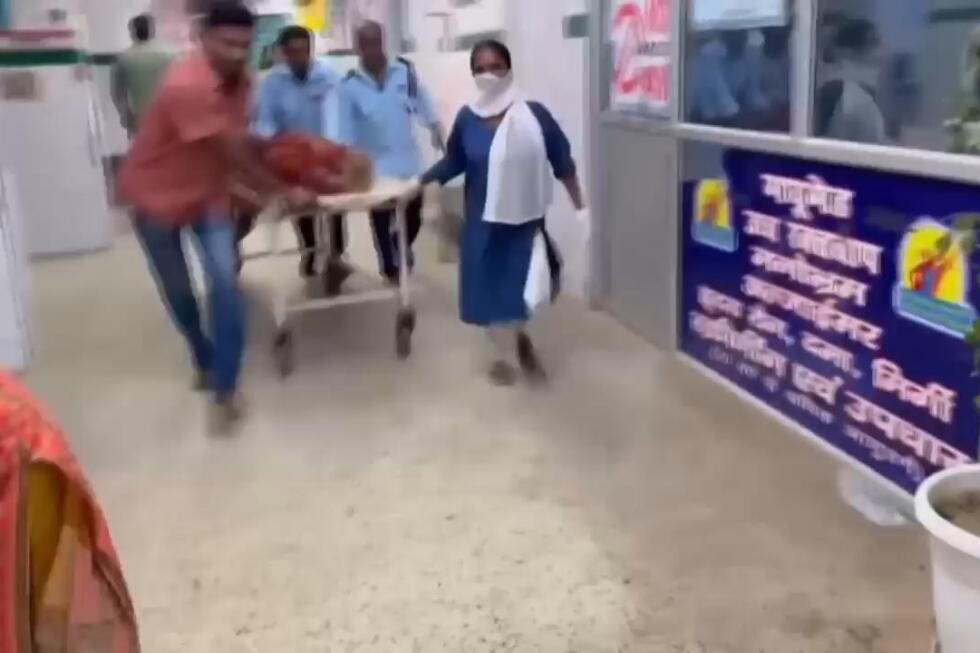
    The quiet rural county of Qinyuan in northern China’s Shanxi province, a region dotted with underground coal mines that have long been the economic backbone of the area, has been shattered by one of the deadliest industrial accidents in the country’s recent history. On the evening of Friday, May 22, 2026, a violent gas explosion ripped through the Liushenyu coal mine at 7:29 pm local time, when 247 miners were working deep below the surface. As of Saturday, official state media reports confirm at least 82 workers have been killed, with two miners still unaccounted for and search and rescue operations ongoing. A total of 128 injured workers have been transported to local hospitals for treatment, making this the deadliest coal mining disaster China has seen in 17 years.

    Preliminary investigations released by state outlets have already flagged severe regulatory violations by the company that operates the mine, raising urgent new questions about workplace safety enforcement in China’s $2 trillion coal industry. For residents of Qinyuan, a quiet county where mining is the primary source of employment for most working-age men, the grief of the disaster is deeply personal.

    Zhang, a local restaurant owner who runs a popular grilled meat skewer shop frequently visited by off-duty miners, especially on payday, told AFP the tragedy has left the tight-knit community reeling. “This is the first time such a big accident has happened here,” she said, speaking on condition of only releasing her surname. Most of the killed miners were the sole breadwinners for their families, she explained, balancing the financial burden of aging parents and young children. “He works in the coal mine, goes down the shaft and never comes back up. How are they supposed to go on living?” Zhang asked.

    When AFP journalists visited the area Saturday, access to the mine site was tightly restricted. Local law enforcement blocked all public roads leading to the Liushenyu facility, with security personnel posted at major road intersections only allowing authorized emergency and official vehicles to pass. Though the lit signage for the mine was visible from a distance, on-site security staff declined to comment on the status of rescue operations, saying they were not authorized to release information. One guard did confirm he had worked through the entire night without sleep, responding to the steady stream of emergency personnel responding to the blast.

    Local business owners near the mine site expressed a mix of grief, resignation, and caution when speaking to reporters. At a nearby gas station, staff declined to comment on the disaster, saying they were not aware of the full details and could not speak on the record. One worker did, however, share his quiet hope that the final death toll would not climb higher. At a neighboring Sichuan restaurant popular with miners, a staff member named Li said he had watched dozens of ambulances rush past his shop in the hours after the blast, and while he was shocked by the scale of the accident, he echoed a common sentiment among locals who have grown up around mining work. “Working in a coal mine, this kind of accident is inevitable,” he said, adding that he still holds out hope the two missing miners will be found alive.

    Hospitals that received injured survivors were also cordoned off with police tape, with multiple law enforcement vehicles stationed around their perimeters to control access. In a grim irony, an electronic display outside one local Qinyuan mine greets entering workers with the slogan: “Go to work happy, go home safely.”

    Zhang, who continues to run her small restaurant as the community grapples with loss, holds the same simple wish for the missing: that they will be brought out alive. Even though mining work pays better than most local jobs, she lamented, miners are essentially “earning money with their lives at risk.” Each life lost leaves a hole across multiple generations, she pointed out: “He is also someone’s son, someone’s father, someone’s husband.” Zhang called on national and local authorities to ramp up safety inspections, enforce existing regulations, and do everything possible to prevent similar tragedies from devastating other mining communities in the future.

  • French pair held until trial after boys abandoned by road in Portugal

    French pair held until trial after boys abandoned by road in Portugal

    A Portuguese court has ruled that a French woman and her partner will continue to be held in pre-trial custody following allegations that they abandoned the woman’s two young sons along a rural roadside in the country’s south. The disturbing case unfolded earlier this month, drawing cross-border attention from both French and Portuguese authorities and media outlets.

    The two boys, aged four and five, were discovered on the evening of Tuesday last week, huddled and crying beside a highway near the town of Alcacer do Sal, located roughly 100 kilometers south of Portugal’s capital Lisbon. According to accounts shared with local media by the mother of the motorist who found the children, one of the boys told rescuers their mother had blindfolded them, luring them to search for a hidden toy. When the children removed their blindfolds, she had already disappeared.

    Two days after the boys were found, law enforcement apprehended the pair — identified by official sources as 41-year-old Marine R, the children’s mother, and her 55-year-old partner Marc B — in the central Portuguese pilgrimage town of Fatima. Under Portuguese legal regulations, all criminal suspects must be brought before a judge within 48 hours of arrest to determine whether they will remain in custody or be released pending trial.

    When the pair arrived at the Setubal District Courthouse on Saturday morning, observers documented unusual public behavior: Marc B shouted “I love you” to onlookers in French, while Marine R sang aloud to herself. After closed-door proceedings, the judge issued an order remanding both suspects to pre-trial detention, as confirmed by reports from both French and Portuguese media. The couple face a trio of criminal charges: aggravated assault, child endangerment, and willful abandonment of minors.

    Prior to their disappearance, the boys had been living full-time with their mother in Colmar, a city in northeastern France, according to local media reports shared with the court. The children’s biological father only held limited, supervised visitation rights, and he officially reported the boys and their mother missing to French authorities on May 11. That missing person report triggered a cross-border search, which led to a European arrest warrant being issued for the mother before the children were found in Portugal. Investigators have noted that the couple appears to have no pre-existing ties or connections to Portugal, leaving their motive for traveling to the country with the children still unclear.

    The couple’s professional backgrounds have sparked particular public interest in both countries. Marine R’s public LinkedIn profile lists her as a sexologist specializing in body-focused therapy, psychotrauma treatment, and developmental dynamics. Marc B, meanwhile, is a former officer with the French national gendarmerie who left the force in 2010. Local Portuguese newspaper Correio da Manhã has also reported that prison staff have overheard the pair shouting at each other through the walls of their separate holding cells. Since their arrest, both suspects have undergone several hours of questioning by investigating officers.

    For the time being, the two young boys have been placed in the care of a French foster family based in Lisbon, and authorities are arranging for them to return to France in the coming days to be reunited with their biological father, according to official updates.

  • Two traffic accidents in Cambodia kill 14 garment factory workers and injure 93 others

    Two traffic accidents in Cambodia kill 14 garment factory workers and injure 93 others

    Cambodia is confronting renewed scrutiny of its chronic road safety failures after two separate fatal traffic collisions on Saturday left at least 14 garment factory workers dead and 93 more injured, most of the victims being women who make up the majority of the country’s garment workforce.

    The garment manufacturing sector stands as Cambodia’s single largest source of export revenue, drawing global investment and orders thanks to its low labor cost structure. Most full-time garment workers earn between $200 and $300 per month including overtime pay, making the sector the backbone of the country’s industrial employment landscape. It supports between 800,000 and 1 million workers across roughly 1,900 factories that produced more than $15.5 billion in exports of clothing, footwear and travel goods in 2024, according to official data from Cambodia’s Ministry of Commerce.

    The first of Saturday’s crashes took place in Kampong Chhnang Province, a location roughly 37 miles north of the capital Phnom Penh. A heavy-duty cargo truck collided head-on with an open flatbed truck that was carrying garment workers en route to their morning shift, the Cambodian Labor Ministry confirmed in an official statement. This incident alone left nine people dead and another 53 with injuries ranging from minor to critical.

    The second fatal collision occurred just hours later in Svay Rieng Province, a southeastern region that is one of Cambodia’s major concentrations of garment manufacturing facilities. A passenger bus transporting workers to their shifts veered off the paved roadway and overturned, killing five people and hospitalizing 40 injured passengers.

    For thousands of Cambodian garment workers, open-top flatbed trucks are the most common form of transportation arranged or utilized to get to and from factory shifts. These vehicles are rarely fitted with proper seating or safety benches, forcing most passengers to stand for the duration of their commute—a practice that drastically elevates the risk of severe injury or death even in minor collisions.

    In the wake of Saturday’s back-to-back tragedies, the Labor Ministry released a statement saying it was “deeply shocked by two horrific traffic accidents that occurred simultaneously,” and issued a formal appeal for strict compliance with national traffic laws to prevent similar deadly incidents in the future. Current data from the Cambodian Transport Ministry shows that traffic accidents killed 1,467 people across the country in 2025, cementing road crashes as the leading cause of accidental death in this Southeast Asian developing nation, a crisis that has persisted for decades without comprehensive systemic reform.

  • Here are some of China’s major coal mining disasters this century

    Here are some of China’s major coal mining disasters this century

    A devastating gas explosion at the Liushenyu coal mine in Changzhi, Shanxi Province – China’s largest coal-producing region – has left at least 90 miners dead, according to official state media reports released Saturday. The fatal incident unfolded Friday evening while 247 workers were on shift underground, authorities confirmed.

    As China’s core coal heartland, Shanxi holds outsized importance for the country’s energy-dependent economy: spanning an area larger than Greece and home to roughly 34 million residents, the province produced nearly 1.3 billion tons of coal last year alone, accounting for close to one-third of China’s total national coal output. Hundreds of thousands of miners work across its thousands of operating mines to feed the country’s rapid industrial growth.

    This latest disaster brings renewed attention to the persistent safety crisis plaguing China’s coal mining sector. For decades, the country’s breakneck industrial expansion has relied on aggressive resource extraction, which has often come at the cost of worker welfare: poor working conditions, insufficient safety infrastructure, and loose regulatory oversight have created a landscape where major mining accidents are a recurring tragedy. Industry observers and regulators alike have repeatedly noted that many mine operators and local officials prioritize profit margins over worker safety, with most underground gas explosions traced to inadequate ventilation systems that fail to clear flammable methane that seeps naturally from coal seams.

    While the Chinese national government has implemented widespread reforms over the past 20 years – including upgrading safety standards across the sector and shuttering thousands of unregulated small-scale mines – deadly disasters continue to occur. This incident adds to a grim list of major mining fatalities across China over the past two decades:
    – In 2023, a collapse at an open-pit mine in Inner Mongolia killed 53 workers
    – In 2009, a gas explosion at the state-run Xinxing mine in northern Heilongjiang Province near the Russian border claimed 108 lives, leaving dozens of miners trapped more than a third of a mile underground as rescue teams fought to reach them through blocked access tunnels
    – In 2005, two separate major accidents killed hundreds: a blast at the Dongfeng coal mine in Heilongjiang’s Qitaihe killed 171, while a gas explosion at Liaoning’s Sunjiawan mine claimed 214 lives
    – In 2004, two gas explosions killed 166 at Shaanxi’s Chenjiashan mine and 148 at Henan’s Daping mine respectively
    – In 2000, an explosion at Guizhou’s Muchonggou mine left 162 miners dead

    The latest fatal explosion in Shanxi is expected to reignite calls for stronger safety enforcement and more rapid investment in protective infrastructure to protect mining workers across the country.

  • Man dies and three injured after horrific ute crash on dirt road

    Man dies and three injured after horrific ute crash on dirt road

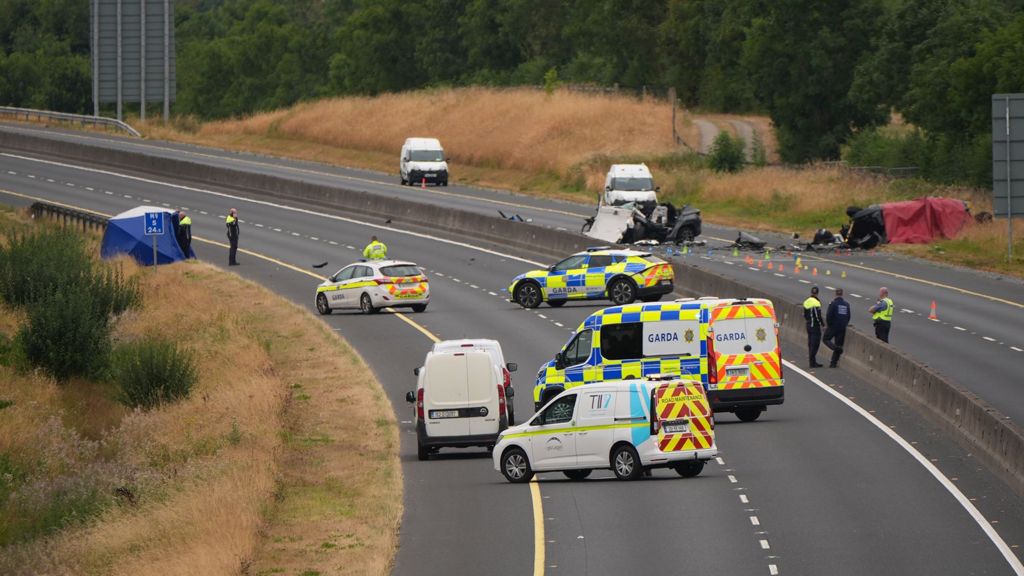
    A devastating road accident in rural Western Australia has claimed one life and left four other people with severe injuries, after a utility vehicle veered off an unpaved roadway and rolled over early Saturday morning.

    The collision unfolded at approximately 12:30 a.m. along Samson Road in Jingalup, a small community located in the state’s Great Southern region. According to initial police reports, a 24-year-old man was operating a Toyota HiLux ute traveling southwest when he lost control of the vehicle, resulting in it rolling off the unpaved thoroughfare.

    The 30-year-old man seated in the front passenger seat sustained catastrophic traumatic injuries in the crash. Despite emergency response efforts, he was pronounced dead at the scene of the incident.

    The driver and three additional passengers – a 20-year-old man, a 19-year-old woman, and an 18-year-old man – all suffered serious but non-life-threatening harm in the rollover. All four injured survivors were transported by emergency medical personnel to Kojonup Hospital to receive urgent medical care and further treatment for their injuries.

    Multiple emergency services agencies responded to the incident, including St John Ambulance paramedics, local firefighting crews, and Western Australia Police, who secured the crash site to begin the official investigation.

    In the wake of the fatal tragedy, WA Police have issued a public appeal for any member of the community who may hold information relevant to the crash to step forward. Investigators are specifically asking for any available dashcam recordings, closed-circuit television footage, or mobile phone video that could document the moments before or after the collision, to assist with reconstructing how the incident occurred.

    Witnesses or people holding relevant evidence also have the option to submit information anonymously through Crime Stoppers, either via the organization’s official website or by calling the toll-free hotline at 1800 333 000. As of the latest update, official investigations into the exact cause and circumstances of the crash remain ongoing.

  • At least 90 dead in Chinese coal mine explosion, state media reports

    At least 90 dead in Chinese coal mine explosion, state media reports

    A devastating gas explosion at a major coal mine in northern China’s Shanxi Province has left at least 90 people dead, triggering a large-scale emergency response that has brought hundreds of rescuers to the remote mining site, according to official Chinese state media. The incident occurred at the Liushenyu Coal Mine, a facility operated by Tongzhou Group, at 19:29 local time (11:29 GMT) on Friday, when 247 mining personnel were on shift across the site. In the immediate aftermath of the blast, more than 100 injured workers were transported to local medical facilities for urgent treatment, and search and rescue operations remained active as authorities worked to locate any unaccounted for personnel. Footage released by state broadcasters shows emergency medical teams carrying stretchers through the mine entry, with a fleet of ambulances staged nearby to support evacuation efforts. Chinese President Xi Jinping has issued explicit orders directing emergency teams to spare no resource in treating the injured and searching for any remaining survivors. He has also called for a full, transparent investigation into the root causes of the explosion and formal accountability for any parties found responsible for the incident. Per state media updates, senior on-site management of the Liushenyu Coal Mine have already been taken into custody as investigators work to piece together what led to the blast. While a definitive cause has not yet been announced, preliminary monitoring detected carbon monoxide levels in the mine far exceeding official safety limits; the toxic, odorless gas is one of the most common hazards in underground coal mining operations. China’s national Ministry of Emergency Management deployed 345 trained rescue personnel across six specialized teams to reinforce the local response effort, boosting the scale of the on-site search and recovery operation. Shanxi, one of China’s inland provinces with a historically coal-dependent economy, is widely recognized as the country’s coal mining heartland, supplying a significant share of the fossil fuel that powers China’s industrial and energy sectors. For decades, the region’s mining industry struggled with chronically poor safety standards that led to frequent deadly accidents through the early 2000s. In recent years, national regulators have enacted sweeping reforms to tighten safety protocols, shutter small unregulated mines, and improve working conditions, which has cut the overall frequency of fatal incidents dramatically. Even with these improvements, serious accidents still occur across the sector: in 2023, an open-pit coal mine collapse in northern China’s Inner Mongolia Autonomous Region claimed 53 lives, and a 2009 explosion at a Heilongjiang Province mine killed more than 100 workers. As the world’s largest consumer of coal and top greenhouse gas emitter, China continues to rely heavily on the fossil fuel for energy and industrial production even as it invests in renewable energy capacity at a global record pace. The current disaster underscores the persistent safety challenges that remain even as the country works to modernize its mining sector and transition its energy system.

  • Stowaway fox leaves quarantine in New York

    Stowaway fox leaves quarantine in New York

    An unlikely transatlantic traveler, a young male red fox that snuck onto a cargo ship leaving Southampton, U.K. for New York, has pulled off a full recovery after weeks of specialized treatment for a rare European parasite at New York’s Bronx Zoo.

    The stowaway, now affectionately named Basil and estimated to be two years old, was discovered hidden in the ship’s cargo by U.S. customs officers when the vessel docked at the Port of New York and New Jersey back in February. He was quickly transferred to the Bronx Zoo, operated by the Wildlife Conservation Society, for examination and care.

    Upon initial assessment, veterinary teams identified that Basil was carrying French heartworm, a parasitic infection far more common in Europe than in the United States. The parasite attacks blood vessels in the lungs, and if left untreated, can trigger severe respiratory illness that is often fatal. With this rare diagnosis in hand, the zoo launched a targeted, month-long treatment plan that combined three different deworming medications to eliminate the infection.

    Over the course of his treatment, the veterinary team observed what they described as a dramatic and encouraging improvement in Basil’s condition. When he first arrived at the zoo in mid-February, the young fox weighed just 11 pounds (5.1 kilograms), undernourished from his weeks-long ocean crossing. As his treatment progressed, he gained weight steadily, growing to nearly 14 pounds (6.2 kilograms). His coat also transformed from dull and patchy to thick, full and glossy, a visible sign of his returning health. After completing the treatment regimen, veterinarians ran repeated diagnostic tests to confirm the parasite had been completely cleared from his system.

    “Basil has done exceptionally well since arriving at the Bronx Zoo,” said Craig Piper, the zoo’s interim director. “We are very pleased with his recovery and continued progress since his long journey across the Atlantic.”

    This unexpected transatlantic journey has sparked lighthearted amusement on both sides of the ocean. A spokesperson for Associated British Ports Southampton previously joked that the adventurous fox had “booked itself a transatlantic crossing” to reach the United States.

    Basil’s story, however, comes on the heels of a far grimmer outcome for another stowaway wild animal. Just weeks before Basil was discovered in New York, a raccoon stowaway found on a cargo ship docked in Southampton was euthanized over public health concerns that it could carry dangerous diseases including rabies.

    Today, Basil is in stable good health, but his future long-term home is still being evaluated by zoo teams, who are working to find a suitable permanent arrangement that meets the young fox’s needs.

  • Teen biker in fight for life after crash near Queensland’s main highway

    Teen biker in fight for life after crash near Queensland’s main highway

    A serious traffic collision in central coastal Queensland on Saturday afternoon has left a teenage male motorcyclist fighting for his life, prompting emergency services to close a local road to facilitate an emergency airlift to advanced medical care.

    Emergency dispatch centers received the first report of the crash just after 2 p.m. local time, with responders directed to Lindeman Drive in the town of Bloomsbury, a quiet suburban corridor located just off major regional arterial routes between the Bruce Highway and Midge Point.

    Initial emergency teams including paramedics and firefighters arrived on scene within minutes to assess the incident, which involved a collision between the teen’s motorcycle and a passenger car. Confirming initial reports, a Queensland Police spokesperson stated that the young rider suffered severe, life-threatening injuries in the crash, and required urgent transfer to a major tertiary hospital beyond the capabilities of local ground transport.

    To allow the air ambulance to land and evacuate the patient safely, a section of Lindeman Drive was temporarily closed to all through traffic, with local motorists advised to take alternative routes during the response. Paramedics from the Queensland Ambulance Service provided critical, life-saving care to the teen at the crash site before he was loaded onto the emergency aircraft, according to a service spokesperson who spoke to local outlet the *Courier Mail*.

    As of the latest update one hour after the incident, no further details on the teen’s condition, the identity of the other driver, or the cause of the collision have been released by police, who remain on site conducting an initial investigation into the circumstances of the crash.

  • State coroner Liberty Sanger to begin inquests into Dezi Freeman and slain police officers on Monday

    State coroner Liberty Sanger to begin inquests into Dezi Freeman and slain police officers on Monday

    Next week will mark the formal start of long-awaited coronial inquests examining three linked deaths: two police officers gunned down while executing a warrant, and their killer, Dezi Freeman, who was shot dead by officers following a seven-month manhunt across the Victoria-New South Wales border region.

    The deadly incident unfolded on August 26 last year, when a team of Victoria Police officers arrived at Freeman’s rural property in Porepunkah, north-eastern Victoria, to serve an arrest warrant over historical sexual offence allegations. The 56-year-old, a self-identified “sovereign citizen” previously known under the name Desmond Filby, had a long record of open hostility toward law enforcement and the Australian judicial system. When officers entered the property, he opened fire, killing 59-year-old Detective Leading Constable Neal Thompson and 35-year-old Senior Constable Vadim de Waart-Hottart. A third member of the police team was left with life-threatening injuries.

    In the immediate aftermath of the shooting, Freeman fled the scene into the dense bushland of Mount Buffalo. An experienced outdoorsman with extensive knowledge of the local terrain, he evaded the massive manhunt launched by Victoria Police for seven months. Authorities offered a AU$1 million reward for any information that would lead to his capture on September 6, as the search expanded across state borders.

    It was not until March 30 this year that Freeman was located, hiding in an abandoned shipping container on a rural property in Thologolong, roughly 200 kilometres northeast of his original Porepunkah home and just kilometres from the NSW border. After a multi-hour standoff with tactical police, Freeman was shot dead by officers.

    Since Freeman’s death, Victoria Police has launched an additional line of inquiry into whether the fugitive received outside assistance from any sympathizers during his seven months on the run, a question the coronial inquest is expected to explore in depth.

    The Coroners Court of Victoria has scheduled separate initial hearings for Monday, with a morning session dedicated to the two slain officers and an afternoon hearing held for Freeman’s death. State Coroner Liberty Sanger will oversee the proceedings, and a court spokesperson confirmed that the first session will lay out the foundational framework for the independent investigations.

    “Judge Liberty Sanger will confirm the Victoria Police member assigned to be the coroner’s investigator in each respective coronial investigation and establish a timeline for delivery of the coronial briefs of evidence,” the spokesperson said.

    Under Victorian law, coroners are tasked with independently examining all circumstances surrounding a death, and can make formal recommendations to change policies or practices if they identify gaps that contributed to the fatal outcome, in order to prevent similar tragedies in the future.

    Speaking shortly after Freeman was shot dead in March, Victoria’s Chief Police Commissioner Mike Bush defended the tactical response, saying that officers had gone to great lengths to avoid a fatal outcome. “We tried everything possible, every tactical option that we have, to encourage the deceased to end this in a safe and peaceful manner,” Bush said. “He was given every opportunity to resolve this peacefully, and those opportunities weren’t taken.”