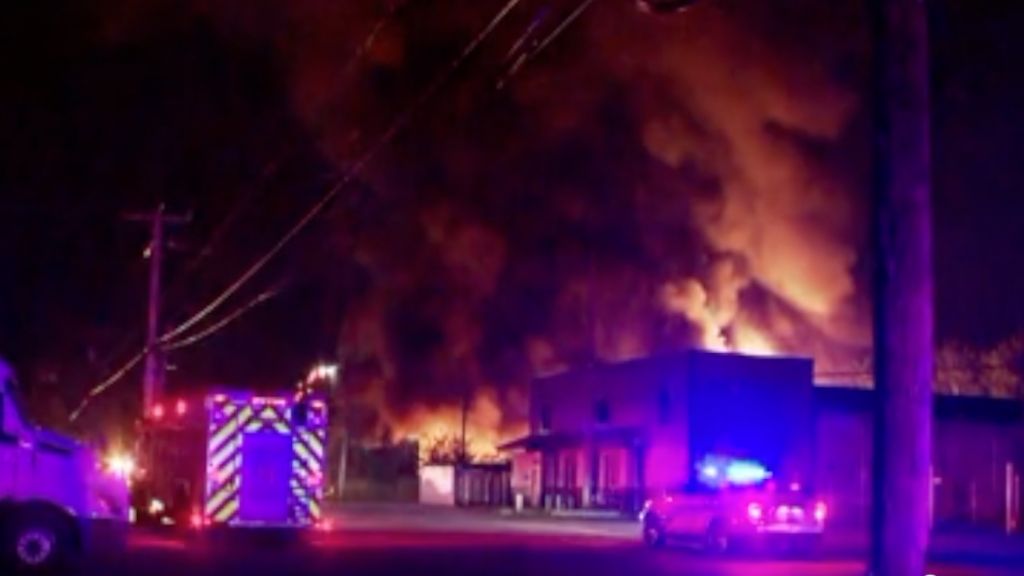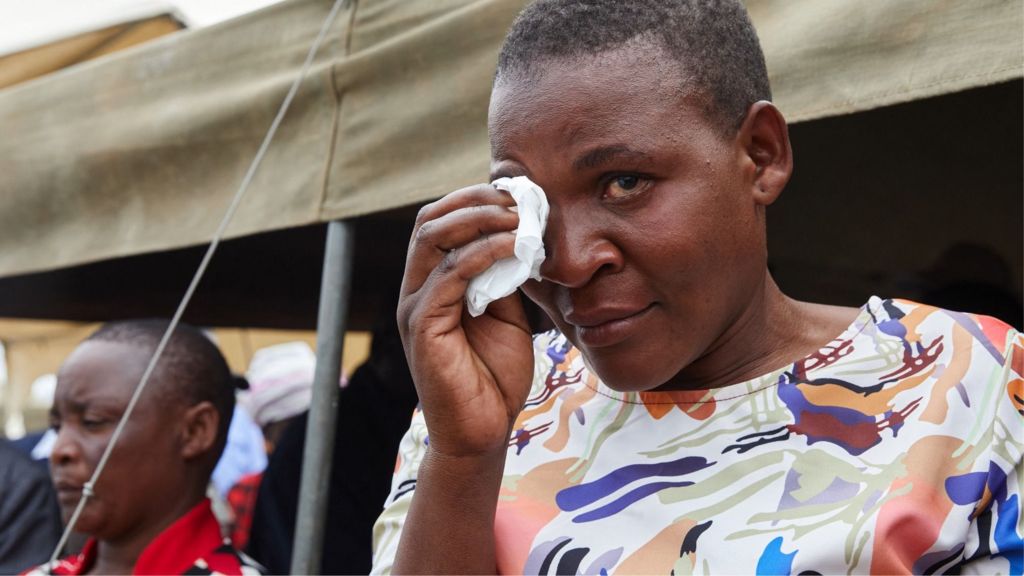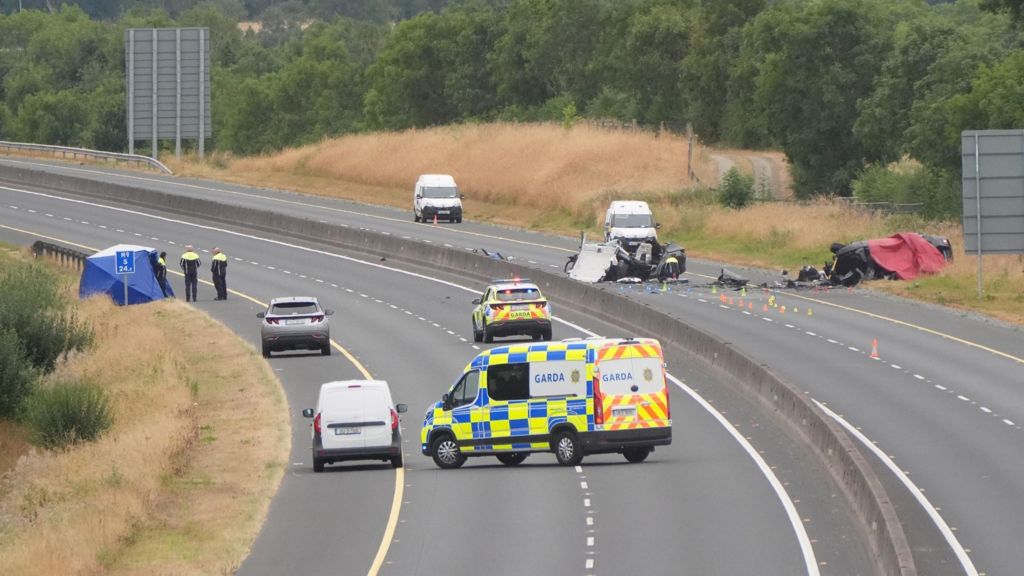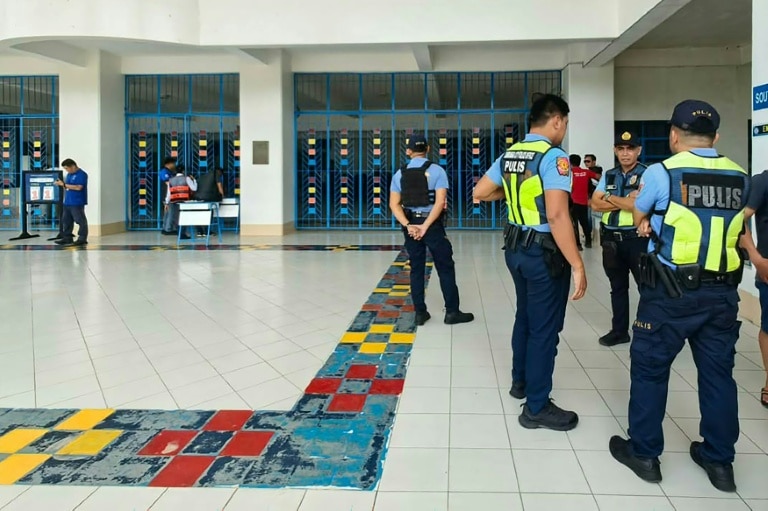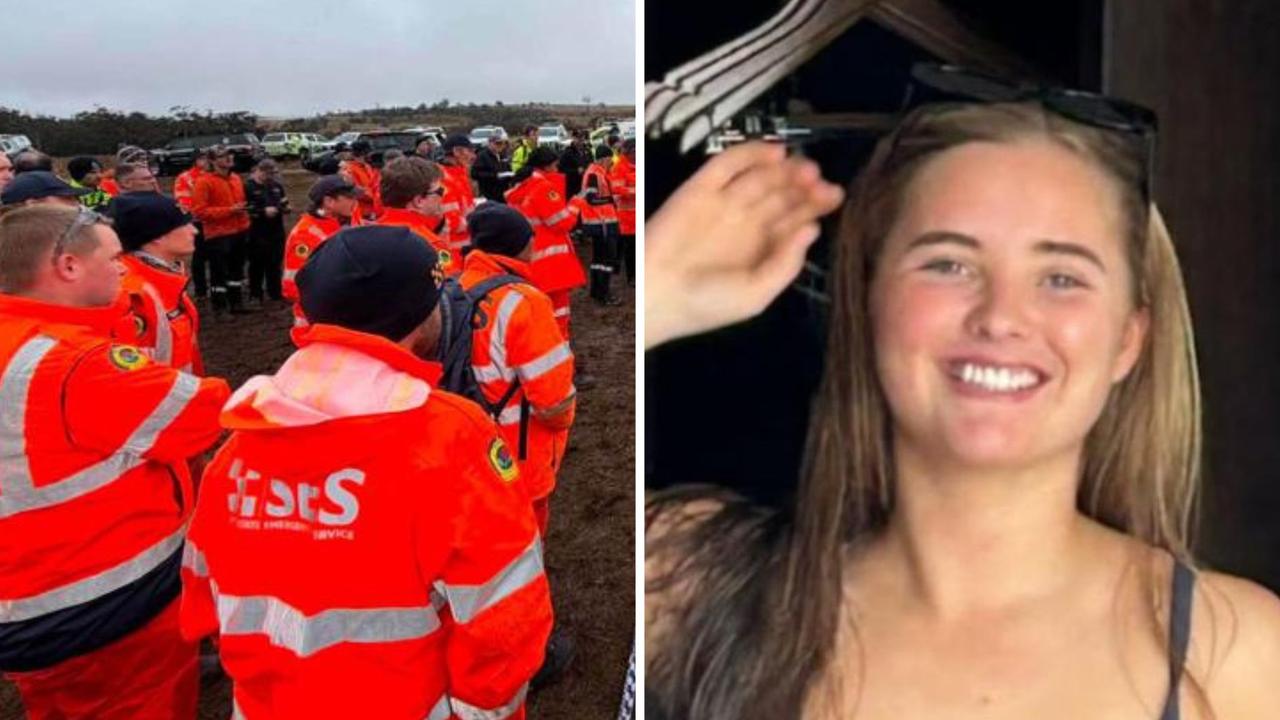
A massive explosion at the Liushenyu coal mine in northern China’s Shanxi Province, the core of the country’s massive coal mining sector, has left at least 82 people dead and more than 120 injured, marking the deadliest mining disaster China has seen since 2009. What makes this tragedy particularly jarring for the Chinese public is that it harks back to the deadly epidemic of mining disasters that plagued China’s coal sector in the 2000s — a dark chapter that many believed had been permanently closed through years of regulatory reform.
分类: society
-

‘You are not alone’: Prince Harry issues powerful fatherhood message while backing Movember mental health report
During a recent official visit to Australia, the Duke of Sussex has delivered a raw, personal address on the ups and downs of modern fatherhood, throwing his support behind a landmark new study that will soon spark parliamentary debate over systemic gaps in support for first-time fathers. Prince Harry, the youngest son of Britain’s King Charles III, helped launch the Movember Foundation’s new report titled *More than a Provider* — an in-depth study of new fatherhood experiences from the global men’s mental health charity. The report pulls back the curtain on widespread neglect of paternal mental health that has long flown under the public and policy radar.
Opening up about his own journey into parenthood, Prince Harry shared a vulnerable, reassuring message for any new father grappling with the seismic life shift of welcoming a child: “You are not alone.” He warned against the dangerous cultural expectation that men should suppress their struggles, explaining that bottling up emotions does not make them disappear — instead, stress and uncertainty snowball over time, leaving fathers in a place where they cannot show up for their families, a position no one wants to reach. “To simply be seen, acknowledged and asked how you’re doing as a dad — that can be transformational,” he said. “Too many men go through this period without anyone checking in, even though it is such a big moment in their lives.”
Reflecting on his own transition to fatherhood, the Duke noted that the emotional and practical shift of becoming a parent begins the moment a pregnancy is announced, not nine months later when the child arrives. He emphasized that self-doubt and turbulence during this transition are normal: “It is messy, it’s a rollercoaster, and there are moments where you question yourself. We shouldn’t judge ourselves for that.”
The *More than a Provider* report draws on survey responses from 1,216 Australian first-time fathers to build its evidence base. While the vast majority of respondents — 84 percent — agreed that becoming a father gave their life deeper meaning, the study also laid bare critical shortcomings in the mental health and practical support available to new dads. The most staggering finding: three out of five new fathers reported that no one ever asked about their mental health, either during their partner’s pregnancy or in the first 12 months after their child’s birth. One in four respondents rated their overall physical and mental health as poor or fair in their first year of fatherhood, and 20 percent said they had experienced increased isolation and loneliness since welcoming their child.
Zac Seidler, global research director at Movember, explained that investing in paternal support during the transition to fatherhood benefits entire families: “Dads want to be present, involved and healthy for their families. The opportunity now is to keep building practical support around them, including routine check-ins, confident health workers and community programs that help dads stay connected.” Seidler added that fatherhood is one of the rare moments when men actively engage with the health system and reflect on their own well-being — yet systemic gaps leave this window of opportunity untapped, as few providers or loved ones think to ask how fathers are actually coping.
Moving forward, the report will be formally tabled in the Australian Parliament by a cross-party group of lawmakers, led by Dan Repacholi, Australia’s special envoy for men’s health. Repacholi echoed the report’s call for greater action, noting: “Becoming a dad is one of the proudest moments in a bloke’s life, but it can also be one of the hardest. This report shows that Aussie dads are stepping up for their kids and families in ways that are really positive. It also shows there is a real opportunity to make it easier for dads to talk about their health, get support early and stay connected during one of the biggest transitions of their lives.”
-

Dramatic footage captures moment rescue crews winch rock climber to safety after horror 8m fall from Mount Buffalo in Victoria
Footage of a high-stakes mountain rescue operation that unfolded earlier this year has been made public, detailing the nerve-wracking extraction of a rock climber who survived a devastating 8-meter fall after his climbing gear malfunctioned at a popular Victorian alpine destination.
The incident took place on the Horn, a well-known climbing spot located on Mount Buffalo, roughly 325 kilometers northeast of Melbourne. Standing at 1,723 meters above sea level at its highest plateau, Mount Buffalo draws hundreds of hikers and climbers annually for its challenging rock faces and scenic alpine views. On the day of the accident, a failure in the climber’s protective equipment sent him tumbling off the route he was ascending, leaving him stranded on a narrow, unstable ledge hundreds of meters above the valley floor.
A spokesperson for Ambulance Victoria confirmed that the climber suffered severe trauma from the fall, including suspected broken ribs. The impact of the fall left him briefly unconscious before emergency responders were called to the remote site. Multiple specialized emergency teams were deployed to the incident: a Helicopter Emergency Medical Service (HEMS) air crew, paired with ground teams from Mobile Intensive Care Ambulance (MICA) with advanced life support capabilities.
Before the extraction could begin, the HEMS crew first completed a low-altitude reconnaissance flight over the ledge to evaluate whether a winch rescue could be carried out without putting responders at unacceptable risk. After confirming the operation was feasible, MICA Flight Paramedic Shaun Whitemore was lowered down onto the narrow ledge to treat the injured climber. Working in what emergency officials described as “extremely tight conditions,” Whitemore stabilized the climber’s injuries, administered potent pain relief, and applied splints to fractured ribs to prepare the patient for air extraction.
Once the climber was stabilized, he was successfully winched back up to the waiting rescue helicopter. He was then flown directly to Royal Melbourne Hospital, a major tertiary trauma center, to receive ongoing specialized medical care. Months after the successful operation, Ambulance Victoria has released on-the-scene footage and photos from the March rescue, shining a light on the extraordinary work of high-altitude emergency responders who carry out these risky missions to save lives.
-

3 dead, 17 mostly workers still missing in collapse of unfinished hotel in Philippines
A devastating building collapse at a nine-story hotel under construction in Angeles City, Pampanga province, has left three people dead and 17 more missing after rescuers pulled two trapped workers from a massive concrete and steel rubble pile early Monday, Philippine officials have confirmed. \n\nHundreds of emergency responders led by local fire departments and police spent hours working to extract the two construction workers, who were trapped alive beneath fallen concrete slabs and twisted rebar when the structure fell early Sunday. A small group of journalists, including Associated Press reporters, witnessed the harrowing scene: one worker was pulled from the rubble deceased, while emergency crews attempted to resuscitate the second inside an ambulance parked at the edge of the debris field, which is made up of crumpled concrete, mangled iron and buckled aluminum scaffolding. After prolonged resuscitation efforts, crews ultimately declared the second worker dead and departed the site. \n\nRegional Philippine Police Chief Brigadier General Jess Mendez told the AP that in a final attempt to keep one trapped worker alive through the sweltering summer heat, rescuers were able to administer water and intravenous medication before the man succumbed to his entrapment. \”He never made it despite all the efforts,\” Mendez said.\n\nThe third fatality was identified as a Malaysian tourist staying at a neighboring small budget inn, which was partially crushed by falling debris from the collapsed hotel. Another guest at the inn escaped with minor injuries and fled the site immediately after the collapse, officials confirmed.\n\nThe unfinished structure collapsed with a loud crash shortly after a severe thunderstorm hit the area before dawn on Sunday. Twenty-six construction workers, who were sleeping on plywood sheets on the building’s ground floor, either escaped on their own or were pulled out alive in the immediate aftermath of the incident. As of Monday, 17 workers remain unaccounted for, with one already located by rescuers but not yet extracted from the rubble, officials said.\n\nA full day after the disaster, Angeles City Mayor Carmelo Lazatin announced that search and rescue operations would continue, with no transition to body recovery planned for the time being. \”My best hope is that we can rescue more people alive,\” Lazatin told the AP. \”We don’t want to give the families of the trapped workers any bad news.\” \n\nBut the prolonged wait has deepened anxiety and fear among family members gathered in temporary shelters near the collapse site. Lea Mendoza Casilao, a 47-year-old sardine factory worker whose mason boyfriend is among the missing, said she has lost faith in a timely rescue. \”I’m losing hope because of what I see— slow rescue work,\” she said. Casilao had brought a week’s supply of rice and sardines to the site for her boyfriend, after the pair planned to meet over the weekend, a meeting that never happened after the building crumbled where he was sleeping.\n\nLazatin defended the pace of the operation, noting that massive concrete slabs are still held in unstable positions by tangled aluminum scaffolding, and any rushed movement could trigger secondary collapses that would put rescue crews at fatal risk.\n\nPhilippine National Police Chief General Jose Melencio Nartatez Jr. confirmed that law enforcement will launch a full investigation into the collapse to identify its root cause and any potential violations of national building codes and construction safety regulations.\n\nAngeles City, located roughly 80 kilometers north of the Philippine capital Manila, has a unique modern history: it was once home to one of the largest U.S. Air Force bases outside the U.S. mainland, Clark Air Base, which closed in the early 1990s. The former base has since been redeveloped into the Clark Freeport Zone, a busy industrial and tourism hub that has turned Angeles City and surrounding Luzon communities into major commercial and leisure centers. The collapsed hotel was located in an area dotted by budget inns, leisure businesses and other commercial developments that grew up around the former base.
-

‘Thought the plane was going down’: Chaotic scenes as Cathay Airlines flight from Brisbane rocked by turbulence, eight hospitalised
A routine international flight departing Australia turned into a terrifying ordeal this week, when sudden, unanticipated severe turbulence threw the cabin into chaos and left multiple passengers and crew members injured, airline and medical authorities have confirmed. The incident unfolded on Cathay Pacific Flight CX156, roughly two hours ahead of its scheduled landing at Hong Kong International Airport, catching crew and travelers completely off guard as breakfast service was just getting underway. Without any prior warning from the cockpit or activation of the seatbelt sign, two successive waves of violent turbulence hit the aircraft just 15 to 20 seconds apart, sending loose objects—from smartphones and breakfast trays to hot coffee and food items—flying throughout the cabin. Unbelted passengers and crew members, who were moving through the aisles to serve meals, were thrown violently upward, with many striking the overhead cabin panels before falling back into seats or the aisle floor. When the turbulence subsided, the cabin was left in disarray: food splattered across seats, walls and floors, spilled drinks soaked through passenger belongings, and injured people waited for assistance. Among those on board the flight were four traveling doctors, who immediately stepped in to provide urgent first aid to the injured before landing. Cathay Pacific later confirmed official injury counts: 10 people total, including six cabin crew members and four passengers, were hurt during the event. Eight of those injured required inpatient hospital care after the aircraft landed safely at approximately 6:45 a.m. local time in Hong Kong. Nicholas Stevenson, a Cairns-based businessman who was a passenger on the flight, described the harrowing experience to Australian Broadcasting Corporation (ABC), recalling that the sudden drop and jolting left many travelers convinced the plane would crash. “I thought the plane was going down. There were phones flying, coffees smashed into the roof, food absolutely everywhere,” Stevenson said. “People were screaming. There was a lot of people really freaking out.” He added that the turbulence struck at the moment the cabin crew had just woken passengers, turned on the cabin lights, and began distributing breakfast meals, leaving no time for people to return to their seats and fasten their belts. “There was no seatbelt sign or warning before hand,” Stevenson explained. “The first one [episode of turbulence] caught everyone completely off guard… Anyone that didn’t have their belts on hit the roof.” Speaking after landing, the pilot told passengers the turbulence was caused by an overnight thunderstorm cell that evaded early detection, according to Stevenson. Because of the darkness covering the region at the time, the storm system did not appear on the aircraft’s weather radar until it was too late to avoid the turbulence. With the plane already close to its destination and no immediate alternate landing site available to divert to, the crew continued the flight to Hong Kong. After landing, all able passengers were asked to remain in their seats while first responders escorted injured passengers and crew off the aircraft first for immediate medical care. Representatives for Cathay Pacific confirmed the details of the incident to ABC, and media outlets have since reached out to the airline for further comment on safety protocols and potential changes to procedures. The incident has renewed casual conversation among travel experts about the persistent risk of unexpected clear-air or thunderstorm-related turbulence, even on routine long-haul flights, and the importance of keeping seatbelts fastened whenever seated during flight.
-

Philippine construction collapse toll hits four, over dozen missing
Eight minutes ago, AFP updated the death toll from a catastrophic building collapse at a construction site north of the Philippine capital, confirming four fatalities with approximately 17 people still unaccounted for nearly 36 hours after the disaster struck.
The nine-story under-construction structure gave way in pre-dawn hours Sunday in Angeles City, roughly 80 kilometers north of Manila. As the building collapsed, it crashed into an adjacent adjacent hotel, killing one Malaysian guest staying at the property. Immediately after the disaster, two construction workers were pulled alive from the tangled wreckage, but both succumbed to their injuries overnight despite desperate efforts by medical teams to save them.
Regional fire bureau spokesperson Maria Leah Sajili explained to AFP the grim circumstances of the two workers’ deaths: “The first of the two was pulled out alive, but unfortunately, his body gave out and he did not survive. Doctors could not resuscitate him. The other one suffered a cardiac arrest around 3:00 am (1900 GMT Sunday). Doctors could not attend to him as he was still pinned down.”
On Monday morning, rescue crews recovered a fourth unidentified body from the rubble, though officials have not yet confirmed whether this victim was already counted among the missing. As of Monday afternoon, 17 people remain listed as missing, the vast majority of whom are construction workers who were sleeping on the construction site when the collapse occurred.
Families of the missing have flocked to the area, waiting anxiously for any update on their loved ones amid agonizing uncertainty. Lea Casilao, 47, whose boyfriend is among the unaccounted for, traveled from her home in northern Manila to Angeles City on Sunday, bringing rice and canned goods for her partner unaware the accident had already happened. She spent Sunday night sleeping in a local government building near the site, sharing her heartbreak with reporters: “It’s very difficult, it is breaking my heart to wait for something uncertain.”
In Bulacan province, not far from Angeles City, Stephanie Batar and her mother only learned of the disaster Monday morning via social media, and have been unable to reach Batar’s 64-year-old father, who had just started a six-month contract at the site weeks earlier. “I couldn’t breathe. I couldn’t stand. It’s very painful and we did not know what to do,” Batar told AFP.
Alfredo Albis, a 55-year-old worker who survived the collapse because he was sleeping in a worker barracks just five meters from the fallen building, lost two cousins who are still trapped in the rubble. “They were working here to earn for their families and (they) are missing,” he said, adding he fears the worst for his relatives.
Investigations into the exact cause of the collapse are still ongoing, but regulatory records reveal the construction project was already flagged for serious safety violations just months earlier. Geraldine Panlilio, regional director of the Philippine labor department, told Manila radio station DZMM her office ordered a temporary shutdown of the project in September 2024 after inspectors documented multiple violations of national occupational safety standards.
“Our labor inspectors had monitored poor working conditions, a violation that would put our workers at risk,” Panlilio said. She added that the construction crew lacked basic required safety equipment including hard hats, work boots, safety belts and lifelines, and also worked in poorly lit sites with no mandatory safety warning signage. Construction resumed one month after the shutdown after the project’s contractor reportedly corrected the cited violations and met minimum regulatory requirements.
Officials confirmed that while up to 70 workers were employed at the site, most had left for the weekend to return to their homes, which likely reduced the final death toll. Rescue operations continue at the site, but Sajili noted that search efforts for trapped survivors face extraordinary logistical challenges: “rescue in (a) building collapse is very challenging since any sudden shift triggered by the movements of our rescuers can cause areas to move and people under can get crushed.”
She added that if thermal scanners fail to detect any more signs of life in the rubble, heavy mechanical equipment including excavators will be brought in to clear debris and recover remaining victims. No official timeline has been announced for the transition to recovery operations.
-

Truck overturns in central Bangladesh, killing at least 15 people
A devastating early-morning road accident in central Bangladesh has claimed the lives of at least 15 people and left 10 more injured, local law enforcement confirmed, striking as families across the country prepared for the major Islamic festival Eid al-Adha. The crash unfolded around 5 a.m. Monday in the Soratoil area of Tangail district, a region located roughly 52 miles northwest of Bangladesh’s capital city Dhaka, according to Fuad Hossain, chief of local police. The truck, which was transporting iron rods along the country’s major highway, was traveling from Dhaka to the nation’s northern region when its driver lost control, causing the vehicle to flip. Tragically, the truck was carrying far more people than it was legally permitted to hold, with dozens of extra hitchhiking passengers seeking travel to their hometowns for the holiday. Hossain confirmed that 15 passengers died instantly at the scene of the crash. Most of those killed were day laborers, who were making the journey to reunite with their family members for the four-day festival, a time marked by feasting, prayer and community gatherings in Muslim-majority Bangladesh. Immediately after the crash, local residents who heard the sound of the accident rushed to the site to begin rescue efforts, pulling trapped survivors out of the wreckage before emergency services arrived. Injured victims were quickly transported to nearby medical facilities for treatment. This latest fatal crash highlights a long-running and deadly public safety crisis in Bangladesh, a densely populated nation of more than 170 million people. Thousands of people die in road accidents across the country each year, a crisis fueled by systemic issues including lax enforcement of traffic safety regulations, poorly maintained highway infrastructure, and large numbers of unqualified or under-trained drivers operating heavy commercial vehicles. As the country enters one of its busiest travel seasons of the year, safety advocates have repeatedly called for urgent government action to address these gaps and prevent preventable deaths on Bangladesh’s roads.
-

Thai beer heir sexual abuse allegations ignite rare public reckoning
In a conservative Southeast Asian nation where discussions of sexual violence have long been locked behind closed doors, explosive allegations of familial sexual abuse from a Thai beer billionaire heir have unlocked a tidal wave of survivor testimonials, marking an unprecedented cultural reckoning for Thailand.
Siranudh Scott, a 29-year-old fourth-generation member of the Bhirombhakdi family — founders of the globally recognized Singha beer brand, ranked Thailand’s 15th wealthiest clan by Forbes with an estimated $1.75 billion net worth — took to social media this month to share a harrowing emotional account accusing his older brother Sunit of repeated childhood sexual abuse. Siranudh, known locally as Psi, told Agence France-Presse the abuse occurred every summer between the ages of 9 and 13, when Sunit returned home from boarding school.
For nearly two decades, Siranudh stayed silent. He first disclosed the abuse to other family members three years ago, and accepted a financial settlement to keep the allegations private. But a 2024 property dispute, in which his mother sued him under Thailand’s controversial “ungrateful child” law that allows parents to reclaim gifted assets from children deemed unappreciative, became his breaking point. “I felt I needed to speak out, otherwise I would have been dead inside,” Siranudh told AFP. “I’ve been in a family, in a system, in an institution that’s kept my voice silent.” He is now preparing to pursue formal legal action against his brother.
Sunit, in his 30s, has publicly denied the allegations via an online video, acknowledging only rough childhood horseplay between brothers. Despite his denial, Singha’s parent company Boonrawd Brewery removed Sunit from his executive position on Tuesday of this week. The brewery has issued a statement confirming the termination and saying it will cooperate fully with any official investigations, though it declined further comment to AFP.
Singha is one of Thailand’s most iconic beer brands, recognizable worldwide for its golden lion logo and high-profile sponsorships with global sports entities including Premier League club Chelsea FC and the Haas Formula One Team. But it is not the brand’s partnerships that have made headlines around the world — it is the ripple effect of Siranudh’s allegations that has shaken Thai society.
In the weeks since Siranudh went public, the #PsiScott hashtag has gone viral in Thailand, with celebrities, influencers, and ordinary citizens coming forward to share their own previously untold stories of sexual abuse and misconduct, topics long classified as taboo in the country’s conservative culture. Patinya Kuantrakul, heir to one of Thailand’s most famous golf course dynasties, shared that she was raped by her family driver at age 11, resulting in a pregnancy and forced abortion. Prominent Thai podcaster and influencer Taylor Srirat revealed he was sexually assaulted by his 50-year-old employer when he was just 19 years old. Many survivors have said Siranudh’s testimony gave them the courage to speak publicly for the first time, sharing messages of gratitude and solidarity with the beer heir.
Siranudh said the outpouring of support from Thai and international social media users has left him overwhelmed by love, noting that this push for accountability from a powerful, well-connected conglomerate family is unprecedented in Thailand. “I don’t think I’ve ever seen this kind of push for accountability before from a huge conglomerate family,” he said.
Analysts and rights activists agree that the public reckoning is a rare and significant shift for Thailand, a country that has never before had a national #MeToo movement. Cultural norms around hierarchy, family reputation, and aversion to public shame have long forced sexual abuse survivors into silence, particularly when abuse occurs within families or involves powerful, respected community figures. “Thai society places strong emphasis on hierarchy, family reputation and avoiding public shame or conflict,” explained Busayapa Srisompong, a human rights lawyer and founder of Shero, an organization that provides free legal aid to sexual violence survivors in Thailand. “This can make disclosure especially difficult when abuse happens within families or involves respected figures.”
Survivor-blaming culture further discourages survivors from coming forward, according to influencer Taylor. But he and other experts note that attitudes are already beginning to shift, in large part because social media has created safe, supportive spaces where survivors no longer have to feel isolated. Younger generations of Thais, explained social psychology lecturer Apitchaya Chaiwutikornwanich, have grown up learning about human rights and bodily autonomy, creating new demand for transparency and accountability.
Siranudh’s high social status, paired with the voice recordings he publicly released confronting his brother about the abuse, have also helped his allegations gain widespread public trust in a way that claims from less privileged survivors often do not.
An environmental activist who has long distanced himself from his family’s business empire, Siranudh said the ocean became his refuge when no one in his family supported him after the alleged abuse. Even with widespread online solidarity, he said he still feels failed by Thailand’s outdated legal framework, pointing to the “ungrateful child” law used against him in the family property dispute as evidence of systemic inequity.
Siranudh said going public has already accelerated his own healing process, and he hopes his actions will set a lasting precedent for other survivors across Thailand to come forward. Busayapa, the human rights lawyer, added that meaningful change will require broader societal shift: creating a safe culture means acknowledging there is no “perfect victim” and committing to genuine zero tolerance for sexual violence in all forms.
“I hope this will set a precedent for other people in Thailand to follow suit,” Siranudh said. -

Major update in brutal Newcastle double murder cold case as cops offer $1m reward
A quarter of a century after two women were brutally murdered in a quiet Newcastle suburb, Australian law enforcement have reignited their search for justice by dramatically increasing the reward for case-breaking information to $1 million.
The case dates back to May 17, 2000, when local residents made the grim discovery of 37-year-old Joanne Teterin and 32-year-old Susan Kay inside a residential home on Doran Street in Carrington. Both victims had been bludgeoned to death, and police investigations at the time confirmed the pair were murdered, with investigators concluding they were last seen alive six days before their bodies were found, on May 11, 2000.
Despite the initial investigation, no suspects have been arrested and no convictions have ever been secured in the 26 years since the killings. An official coroner’s inquest held three years after the deaths called for the case to be transferred to the New South Wales Police Force’s unsolved homicide unit for deeper review, a process that wrapped up last year.
That recent review turned up a critical breakthrough: new forensic leads that were not accessible to investigators decades earlier, thanks to advances in forensic technology and investigative practices. These fresh opportunities have now become the central focus of the reopened investigation.
As part of the renewed push for information from the public, NSW Police have upped the original reward amount from $100,000 to $1 million – a tenfold increase designed to encourage anyone with critical details about the double homicide to come forward and finally solve one of the state’s longest-running unsolved murder mysteries.
-

Rescuers search for 20 missing after Philippine building collapse
In the early hours of Sunday, a catastrophic nine-story building still under construction collapsed in Angeles City, located roughly 80 kilometers north of the Philippine capital Manila, leaving one person dead, 20 unaccounted for, and triggering a urgent large-scale rescue operation that stretched into the night.
Initial official updates confirm that 26 people trapped in the wreckage have been pulled out alive, but two construction workers remain pinned deep beneath the rubble, still conscious as rescuers work frantically to reach them. The only confirmed fatality is 65-year-old Mohd Rezal bin Abdullah, a Malaysian tourist staying at a nearby hotel that suffered collateral damage in the collapse. Acting Philippine fire chief Rico Kwan Tiu told reporters that Abdullah managed to contact rescuers by phone shortly after the structure fell at 3:00 a.m. local time (19:00 GMT Saturday), but his body was recovered without signs of life hours later.
Angeles City Mayor Carmelo Lazatin noted that the timing of the disaster amplified its human toll: almost everyone inside the under-construction building was asleep when the collapse occurred, catching many off guard. Footage posted to the regional fire service’s Facebook page captures the intensity of ongoing rescue efforts: one clip shows a firefighter using a power cutting tool to reach a moaning worker in a blue shirt, trapped under a tangled mass of steel scaffolding and plywood, with the rescuer calmly urging the victim to stay calm. Other footage shows teams of rescuers in orange safety gear squeezing through narrow gaps in the debris to search for signs of other trapped people.
Eyewitness accounts paint a chaotic picture of the moments after the collapse. Thirty-year-old delivery rider James Bernardo told AFP he had just finished dropping off a food order on the same street when disaster struck. “A few seconds later, there was suddenly a loud noise in the area, and when I looked, I realised that (the building) had already collapsed,” Bernardo recalled, adding that at first witnesses assumed the shaking and noise was an earthquake. A video he captured, verified by AFP, shows the entire street blocked by a massive pile of twisted steel, fractured concrete slabs and downed power infrastructure, as bystanders documented the scene on their mobile phones.
City information officer Jay Pelayo explained the unique challenges rescuers are facing: the building’s outer walls and supporting scaffolding buckled inward during the collapse, piling massive concrete chunks on top of anyone trapped. “There are big chunks of concrete and we need heavy equipment to lift them up. That is what’s challenging for the rescue right now,” Pelayo said. AFP journalists on site also confirmed that rescue teams lack powerful floodlights to illuminate the rubble field as operations continue overnight, forcing crews to rely on small handheld lights to search for signs of life.
In response to the crisis, the Metropolitan Manila Development Authority has dispatched additional support to the site, including heavy rescue equipment, police search dogs, life detection monitors, listening devices, and hydraulic spreaders to cut and lift heavy debris. Investigations into the root cause of the collapse are still in their early stages, and no official conclusions have been released about what triggered the structural failure.