
In a landmark ruling, a Chinese court in Guangdong province has sentenced 21 members of a family-run criminal syndicate based in northern Myanmar for a series of grave offenses, including the deaths of six Chinese nationals. The Shenzhen Intermediate People’s Court delivered the verdict on Tuesday, finding the defendants guilty of 12 charges, ranging from telecom fraud to intentional homicide and kidnapping. Among the convicted, five individuals, including ringleaders Bay Saw Chain and Bay Yin Chin, were handed the death penalty. Two others received a death sentence with a two-year reprieve, while five were sentenced to life imprisonment. The remaining defendants faced prison terms ranging from three to 20 years, alongside fines, asset confiscation, and deportation orders. The court revealed that the syndicate had established 41 scam compounds in Myanmar’s Kokang region, leveraging armed force and financial backing to carry out extensive criminal activities. These included telecom fraud, casino operations, illegal border crossings, and forced prostitution. The group’s actions resulted in significant harm, including six deaths, one suicide, and multiple injuries, with financial losses exceeding 29 billion yuan ($4.06 billion). Additionally, Bay Yin Chin was implicated in the smuggling and manufacturing of approximately 11 tons of methamphetamine. The sentencing was attended by Chinese legislators, political advisers, and families of the defendants, marking a significant step in addressing cross-border organized crime.
分类: society
-
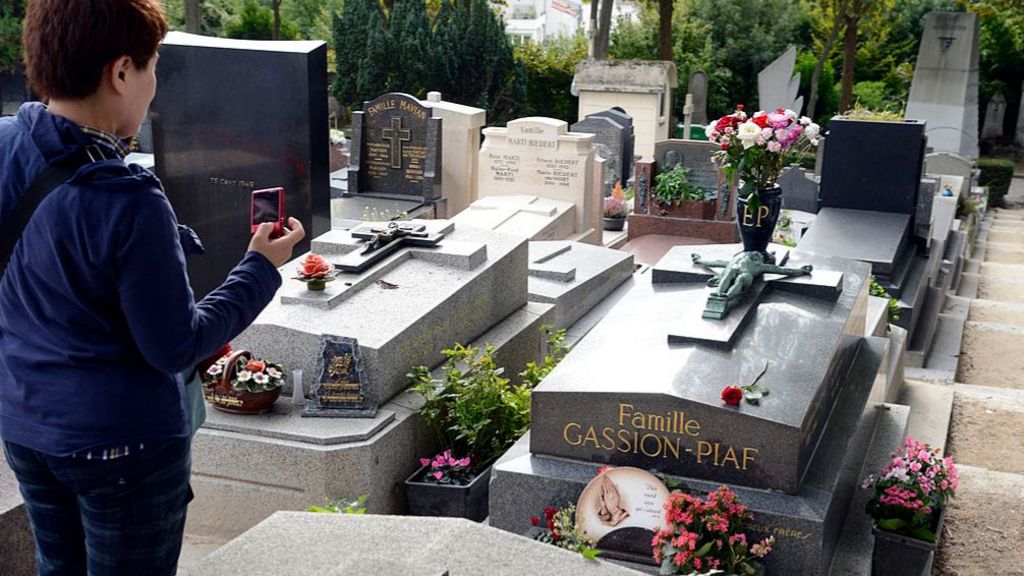
Paris launches lottery for burial plots among famous artists
Paris is offering its residents a unique opportunity to secure a burial plot alongside some of history’s most celebrated figures, including Jim Morrison, Oscar Wilde, and Edith Piaf. The city has initiated a lottery to restore deteriorating funerary monuments in its iconic cemeteries—Père-Lachaise, Montparnasse, and Montmartre. Ten gravestones in each cemetery, many dating back to the 19th century and now barely legible, are available for €4,000 each. However, the purchase comes with strict conditions: buyers must restore the monuments within six months and acquire a nearby burial plot within a specified timeframe. Failure to meet these requirements will result in the cancellation of the sale and forfeiture of the payment. The initiative, unanimously approved by the Paris council in April, aims to balance the preservation of heritage with the growing demand for burial spaces within the city. Parisian cemeteries, classified as protected heritage sites, have limited available plots, with most being fully occupied since the early 20th century. Maintenance of graves is typically the responsibility of families, leading to some monuments falling into disrepair over time. The cemeteries, already popular tourist destinations due to their famous residents, house the remains of luminaries such as Marcel Proust, Frederic Chopin, Jean-Paul Sartre, and Edgar Degas. The lottery, open exclusively to Paris residents, will be drawn in January. Winners face significant costs, including restoration expenses and burial plot leases ranging from €976 for 10 years to €17,668 for perpetuity.
-

UAE weather: Dubai temperatures to dip to 24ºC; humidity by night
The National Centre of Meteorology (NCM) has forecasted a shift in weather conditions across the UAE, with temperatures in Dubai expected to drop to 24ºC on Tuesday, November 4. Sharjah and Abu Dhabi will experience slightly cooler lows of 23ºC. The day will be characterized by partly cloudy to cloudy skies, particularly in western and coastal regions, with occasional dust in northern and eastern areas. Humidity levels are predicted to rise by night and into Wednesday morning, affecting both coastal and internal regions. Winds will be light to moderate, shifting from southeasterly to northwesterly, with speeds ranging from 10-25 km/hr, occasionally reaching 40 km/hr. Sea conditions in the Arabian Gulf and Oman Sea will remain slight to moderate. Residents are advised to stay updated on weather developments as these changes could impact daily activities.
-
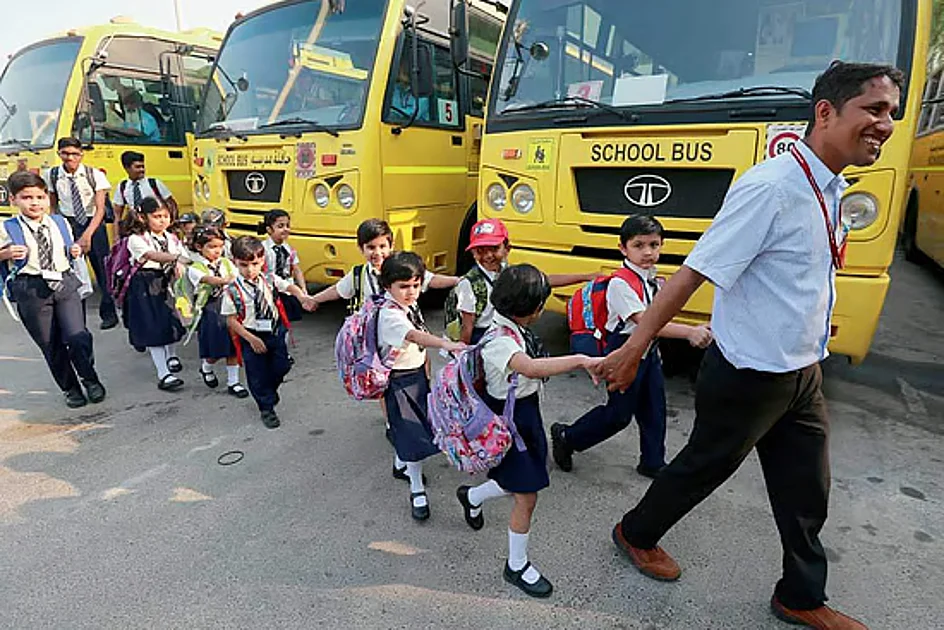
Month-long holiday in UAE: Schools wrap up exams, field trips before winter break
As the UAE prepares for an extended winter break, schools across the nation are bustling with activity to conclude the academic term. This year, international curriculum schools will enjoy a nearly four-week holiday, longer than the usual three-week break. The holiday period begins with National Day celebrations on December 2 and 3, followed by the main break from December 8, 2025, to January 4, 2026. Classes are set to resume on January 5, providing students with ample time to rest, travel, and engage in community and national festivities. The Ministry of Education (MoE) had earlier approved a unified academic calendar for the 2025–2026 school year, which began on August 25. Asian curriculum schools, which started in April, have slightly different schedules to align with home-country board exam requirements. Schools are now focused on wrapping up lessons, assessments, and parent-teacher meetings (PTMs) while preparing for upcoming events. At Woodlem American School in Ajman, Principal Marah Kaddoura emphasized the importance of clear communication and a well-structured calendar to manage the heavy workload. Preparations are also underway for National Day celebrations at the end of November. Meanwhile, Credence High School in Dubai is organizing enriching field trips, annual concerts, and sports days to bring the school community together. Senior students, particularly those in Grades 10 and 12, are maintaining their academic momentum as they approach pre-board examinations. At Ambassador School in Dubai, Principal Sheela Menon described the period as ‘an active and dynamic time for the entire school community,’ with summative assessments, inter- and intra-school events, and training sessions happening concurrently. Preparations for Term 3 mega events are also in full swing, adding to the excitement on campus.
-
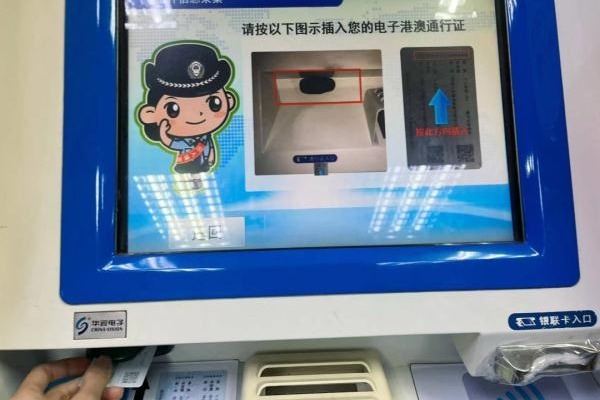
Mainland talent get easier access to SARs
In a significant move to bolster cross-border collaboration and talent mobility, China’s National Immigration Administration has unveiled a series of streamlined measures aimed at facilitating easier access for mainland professionals to Hong Kong and Macao. Effective from November 6, 2025, eligible individuals—spanning high-level talent, researchers, educators, healthcare professionals, and legal experts—can now apply for multiple-entry permits valid for up to five years, allowing stays of up to 30 days per visit. These permits are contingent on official talent certification, ensuring a merit-based approach.
The policy, initially piloted in Beijing, Shanghai, and the Guangdong-Hong Kong-Macao Greater Bay Area, will now extend to the Yangtze River Delta, the Beijing-Tianjin-Hebei region, and all national pilot free trade zones. Additionally, professionals working in the Shenzhen Park of the Hetao Shenzhen-Hong Kong Science and Technology Innovation Cooperation Zone will benefit from expedited three-year multiple-entry permits, bypassing the need for additional talent credentials.
High-tech and advanced manufacturing firms will receive preferential quotas for these permits, while emerging startups within the zone will be exempt from first-year tax revenue requirements when applying for business travel permits. To further enhance efficiency, dedicated lanes and streamlined arrangements will be established at key ports, including Huanggang and Futian, to provide fast-track clearance for frequent travelers. A green channel will also expedite customs clearance for vehicles transporting research supplies.
In a parallel development, facial recognition technology will be expanded to major land crossings in Shenzhen and Zhuhai, including Huanggang, Luohu, and the Hong Kong-Zhuhai-Macao Bridge port. Eligible travelers aged 14 and above, including mainland residents with valid multi-entry endorsements and Hong Kong and Macao residents with mainland travel permits, can utilize these channels, provided they consent to facial and fingerprint data verification.
Starting November 20, mainland residents on family visit visas in Hong Kong or Macao can apply to extend their stay directly within the SARs, provided applications are submitted at least seven working days before the current stay period expires.
Jesse Shang Hailong, founder of the Hong Kong Top Talent Services Association, anticipates that these measures will attract tens of thousands of mainland professionals to Hong Kong, leveraging its unique position as an international connectivity hub. The policy is expected to significantly enhance researcher mobility and cross-border collaboration, particularly as the Hong Kong park of the Hetao zone prepares for its official opening by year-end.
-

Revitalized river the source of success
Longli County in Guizhou Province has pioneered an innovative model that harmonizes ecological river management, water tourism, and community involvement, setting a benchmark for sustainable development. The Sanyuan River, the county’s largest waterway, has undergone a remarkable transformation since 2020, evolving from a narrow, farmland-bordered channel to a vibrant hub of tourism and recreation.
-

Treasure from the mountain
Under the golden autumn sun of Changbai Mountain, 70-year-old Cui Chang’an, a fourth-generation ginseng master, carefully uncovers a ginseng root that has grown for over three decades. ‘We never just dig ginseng,’ Cui explains. ‘We lift it, leave the small ones, and replant the seeds. That’s how the mountain keeps giving.’ This ancient practice is the cornerstone of Fusong county, known as China’s hometown of ginseng, where the tradition of gathering ginseng, called Fangshan, has been recognized as a national intangible cultural heritage since 2008. Fusong boasts over 460 years of documented cultivation history, with wild collection in the Changbai Mountain region dating back more than 1,500 years. Today, about 45,000 people in Fusong are employed in the ginseng industry, managing 14,000 hectares of wild-simulated ginseng, producing nine metric tons valued at 135 million yuan ($18.9 million). Ginseng is cultivated in two main ways: garden ginseng, grown on flat land like ordinary crops, and wild-simulated ginseng, which grows naturally under forest canopy and is considered equivalent to wild ginseng, a national first-class protected plant. At the heart of Fusong lies Wanliang, home to the world’s largest national-level ginseng market, where 80 percent of China’s ginseng is traded. Products from this small town are exported globally, particularly to Japan, South Korea, and Southeast Asian countries, with items like ginsenosides soaps exceeding 100,000 pieces annually. Fusong now produces five major categories of ginseng goods — food, health supplements, cosmetics, medicines, and bioproducts — totaling more than 600 varieties. Fusong County Natural Biotechnology Co, a provincial high-tech leader, is at the forefront of innovation, being the only firm in China capable of extracting individual ginsenosides like RH2 and RG3. With rising global wellness awareness, demand for ginseng continues to grow. Experts like Wang Defu, honorary president of the Fusong Ginseng Culture Research Association, see a promising future for Chinese ginseng, emphasizing the need for a stronger international brand and greater global recognition. Supported by government initiatives focusing on standardization, brand development, market expansion, and technology integration, the ginseng industry in Fusong is thriving, ensuring its position as a global ginseng hub. For Cui Chang’an, the legacy of ginseng is timeless. ‘I may never find the ginseng my grandfather planted,’ he reflects. ‘But someone will, and the mountains will keep giving.’
-
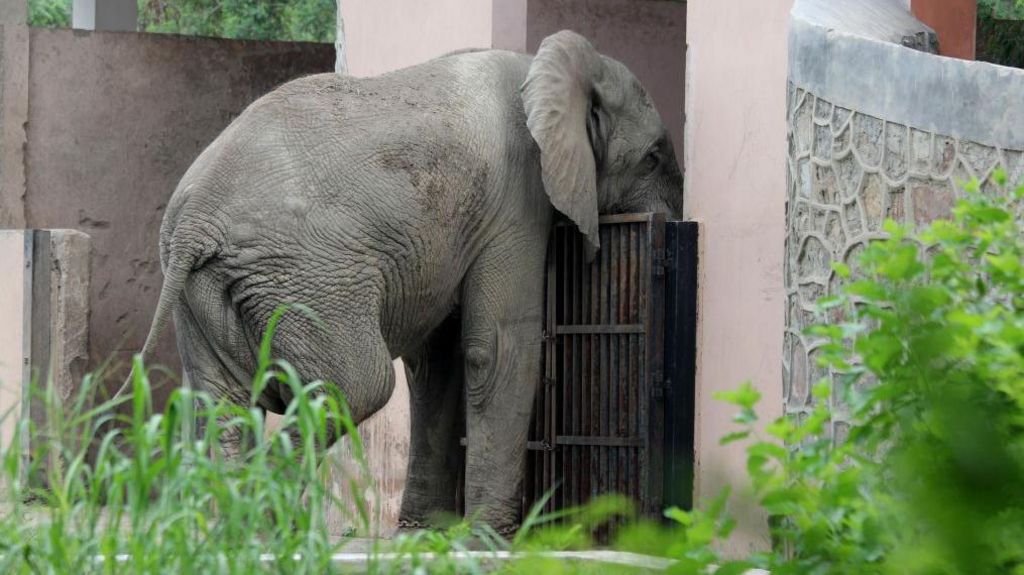
Delhi’s lonely African elephant was killed by rare rodent-borne virus
Shankar, the only African elephant at Delhi Zoo, passed away on September 17, 2023, after a life marked by isolation and loneliness. The 29-year-old male elephant’s death was initially shrouded in mystery, but an autopsy has now revealed the cause: encephalomyocarditis virus (EMCV), a rare rodent-borne pathogen. The virus, which causes fatal inflammation of the heart and sometimes brain fever in mammals, is transmitted through rodent feces and urine. According to Delhi Zoo director Sanjeet Kumar, this is the first recorded death in India attributed to EMCV, though unreported cases may exist. The virus, first isolated in 1945, has been documented in various mammals, including pigs, rodents, big cats, and African elephants. Outbreaks have occurred globally, with captive African elephants particularly affected in the US and South Africa. Shankar’s death has reignited concerns about the welfare of captive animals in India. He was one of two African elephants gifted to India by Zimbabwe in 1998 as a diplomatic gesture. After his companion died in 2001, Shankar lived in isolation, despite a 2009 federal ban on keeping elephants alone for more than six months. Activists had long campaigned for his relocation to a wildlife sanctuary, but a 2021 petition to Delhi’s High Court was dismissed. With Shankar’s passing, only one African elephant remains in India—a solitary male at Mysore Zoo. His death underscores the need for improved animal welfare standards and the risks posed by rare diseases in captive environments.
-
Flexibility expected to lift tourism industry
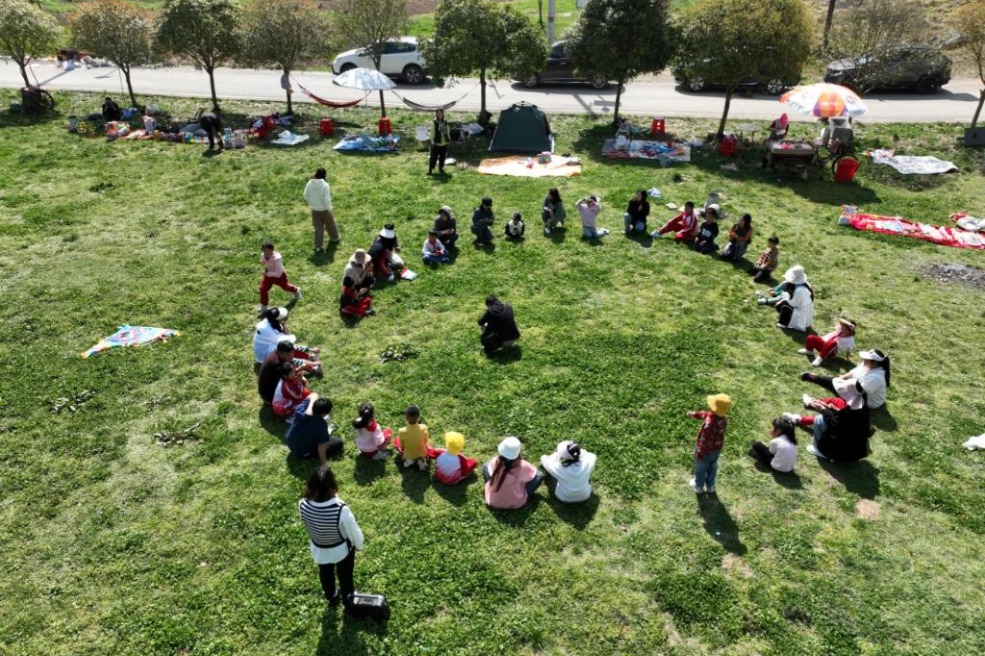
The introduction of autumn breaks for students in several Chinese provinces is set to invigorate the tourism industry while enhancing the paid vacation system for parents. Provinces such as Zhejiang and Guangdong have announced three-day autumn vacations for primary and junior high school students, running from November 12 to 14, with the option to extend to five days by including the weekend. Cities like Ningbo, Huzhou, Jiaxing, and Foshan are leading this initiative, with other regions like Jinhua also scheduling breaks in November. This move has already spurred a significant surge in flight and hotel bookings. According to Qunar, flight bookings from Ningbo between November 12 and 16 have increased by 2.18 times compared to last year, with Beijing, Xi’an, and Changsha emerging as top destinations. Foshan has seen an even greater rise, with flight bookings up 2.76 times. Online travel agency Tuniu reported a spike in tour reservations for Ningbo, Taizhou, and Foshan during the same period. Families are predominantly opting for two- to three-day domestic trips, though some are planning longer independent vacations to destinations like Sanya or international locations such as Japan. Wei Changren, founder of btiii.com, highlighted the benefits of this initiative, noting that it helps balance travel peaks during summer and public holidays, improving the overall experience for families. The flexibility allows parents to align their paid vacations with the autumn break, potentially refining the paid vacation system. With northern China transitioning to winter, milder destinations in the east and south are gaining popularity, along with nearby international locations like South Korea and Japan. This development follows a September notice from nine central departments, including the Ministry of Commerce and the Ministry of Education, encouraging local governments to optimize student vacation schedules by introducing spring and autumn breaks, potentially shortening summer and winter holidays.
-
Autumn school holidays a welcome break with tradition
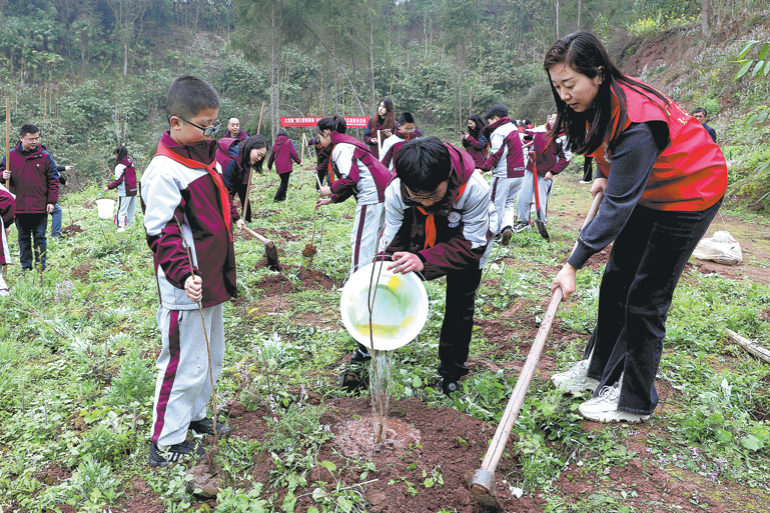
In a significant shift aimed at reducing academic pressure and promoting well-rounded growth, China has introduced autumn breaks for primary and secondary school students. This initiative, part of the nation’s ongoing education reforms, seeks to balance classroom learning with practical, real-world experiences. Chen Mingshan, a 10-year-old fifth-grader from Lichuan, Hubei province, is among the first to experience this new holiday. ‘My parents are taking me to the countryside to pick tangerines and dig up sweet potatoes,’ he said excitedly. ‘The best part is there’s no homework—just free time to enjoy.’ The Lichuan Education Bureau announced a nine-day autumn break from November 3 to November 7, extending the holiday by including two weekends. Schools are mandated to implement the break uniformly, with no written homework or mandatory tasks assigned. Teachers and parents alike have welcomed the initiative. Xiao Junling, a teacher at Lichuan Second Ethnic Experimental Primary School, noted that families are planning meaningful activities, such as learning tea processing, recording Tujia folk songs, or exploring nature reserves. Huang Jie, a parent, praised the opportunity for relaxed, off-peak travel, allowing children to truly unwind. This innovative approach integrates local culture and hands-on learning, transforming abstract knowledge into tangible experiences.