The quiet rural county of Qinyuan in northern China’s Shanxi province, a region dotted with underground coal mines that have long been the economic backbone of the area, has been shattered by one of the deadliest industrial accidents in the country’s recent history. On the evening of Friday, May 22, 2026, a violent gas explosion ripped through the Liushenyu coal mine at 7:29 pm local time, when 247 miners were working deep below the surface. As of Saturday, official state media reports confirm at least 82 workers have been killed, with two miners still unaccounted for and search and rescue operations ongoing. A total of 128 injured workers have been transported to local hospitals for treatment, making this the deadliest coal mining disaster China has seen in 17 years.
Preliminary investigations released by state outlets have already flagged severe regulatory violations by the company that operates the mine, raising urgent new questions about workplace safety enforcement in China’s $2 trillion coal industry. For residents of Qinyuan, a quiet county where mining is the primary source of employment for most working-age men, the grief of the disaster is deeply personal.
Zhang, a local restaurant owner who runs a popular grilled meat skewer shop frequently visited by off-duty miners, especially on payday, told AFP the tragedy has left the tight-knit community reeling. “This is the first time such a big accident has happened here,” she said, speaking on condition of only releasing her surname. Most of the killed miners were the sole breadwinners for their families, she explained, balancing the financial burden of aging parents and young children. “He works in the coal mine, goes down the shaft and never comes back up. How are they supposed to go on living?” Zhang asked.
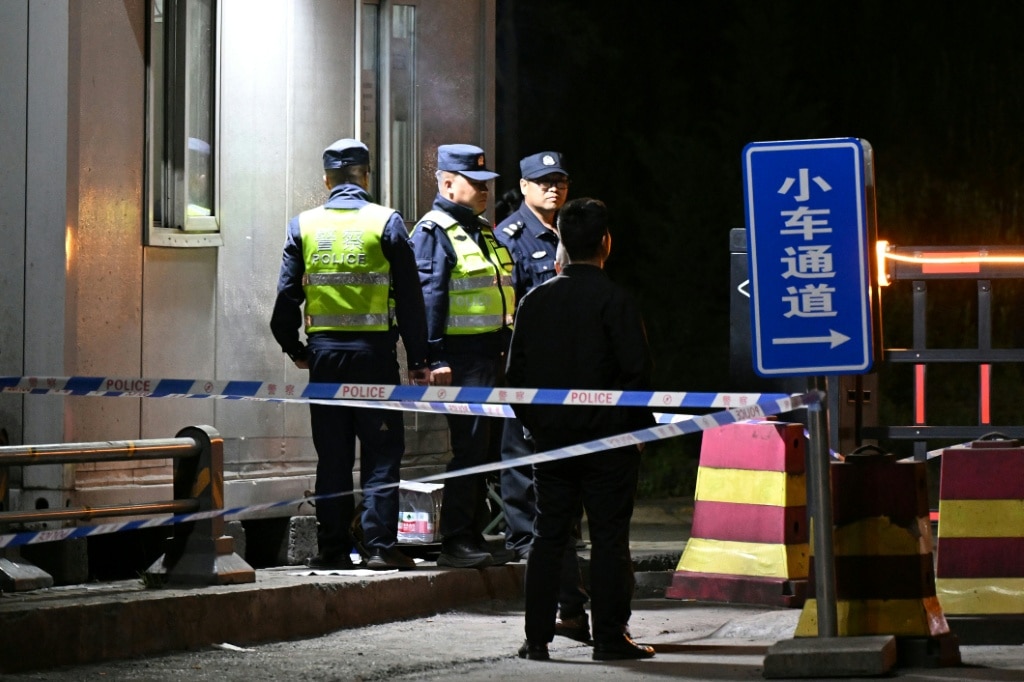
When AFP journalists visited the area Saturday, access to the mine site was tightly restricted. Local law enforcement blocked all public roads leading to the Liushenyu facility, with security personnel posted at major road intersections only allowing authorized emergency and official vehicles to pass. Though the lit signage for the mine was visible from a distance, on-site security staff declined to comment on the status of rescue operations, saying they were not authorized to release information. One guard did confirm he had worked through the entire night without sleep, responding to the steady stream of emergency personnel responding to the blast.
Local business owners near the mine site expressed a mix of grief, resignation, and caution when speaking to reporters. At a nearby gas station, staff declined to comment on the disaster, saying they were not aware of the full details and could not speak on the record. One worker did, however, share his quiet hope that the final death toll would not climb higher. At a neighboring Sichuan restaurant popular with miners, a staff member named Li said he had watched dozens of ambulances rush past his shop in the hours after the blast, and while he was shocked by the scale of the accident, he echoed a common sentiment among locals who have grown up around mining work. “Working in a coal mine, this kind of accident is inevitable,” he said, adding that he still holds out hope the two missing miners will be found alive.
Hospitals that received injured survivors were also cordoned off with police tape, with multiple law enforcement vehicles stationed around their perimeters to control access. In a grim irony, an electronic display outside one local Qinyuan mine greets entering workers with the slogan: “Go to work happy, go home safely.”
Zhang, who continues to run her small restaurant as the community grapples with loss, holds the same simple wish for the missing: that they will be brought out alive. Even though mining work pays better than most local jobs, she lamented, miners are essentially “earning money with their lives at risk.” Each life lost leaves a hole across multiple generations, she pointed out: “He is also someone’s son, someone’s father, someone’s husband.” Zhang called on national and local authorities to ramp up safety inspections, enforce existing regulations, and do everything possible to prevent similar tragedies from devastating other mining communities in the future.