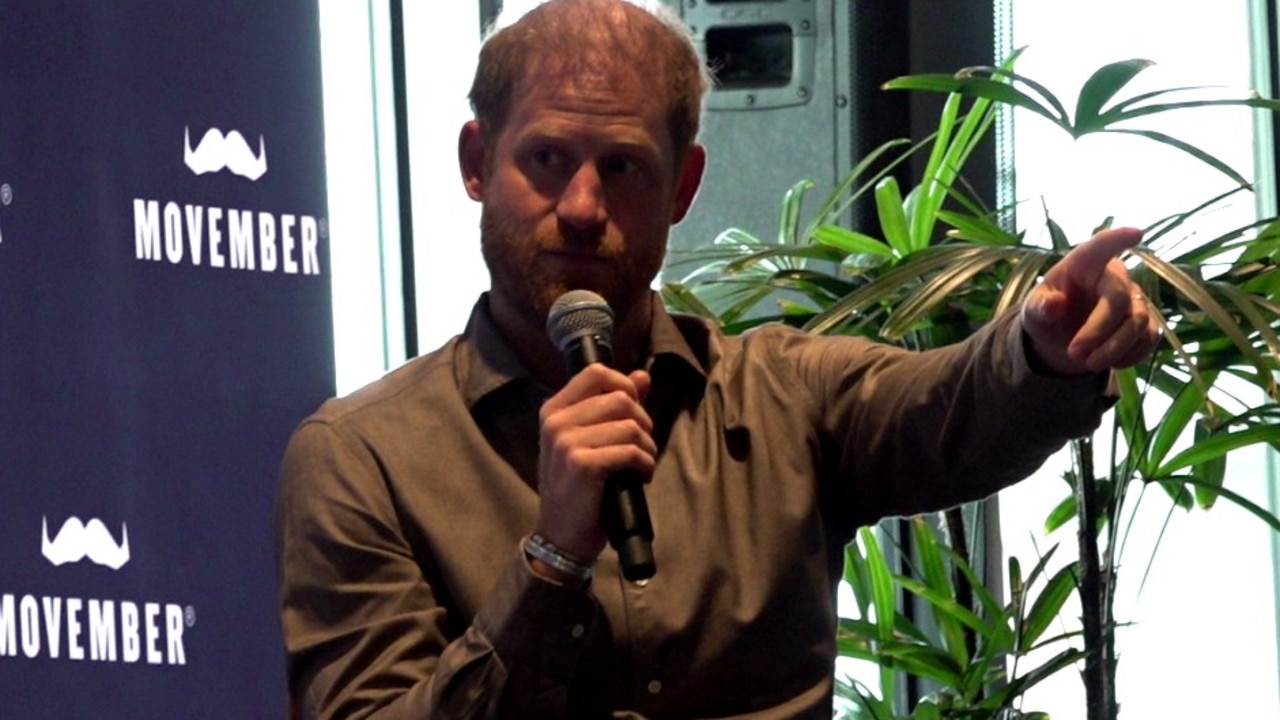
During a recent official visit to Australia, the Duke of Sussex has delivered a raw, personal address on the ups and downs of modern fatherhood, throwing his support behind a landmark new study that will soon spark parliamentary debate over systemic gaps in support for first-time fathers. Prince Harry, the youngest son of Britain’s King Charles III, helped launch the Movember Foundation’s new report titled *More than a Provider* — an in-depth study of new fatherhood experiences from the global men’s mental health charity. The report pulls back the curtain on widespread neglect of paternal mental health that has long flown under the public and policy radar.
Opening up about his own journey into parenthood, Prince Harry shared a vulnerable, reassuring message for any new father grappling with the seismic life shift of welcoming a child: “You are not alone.” He warned against the dangerous cultural expectation that men should suppress their struggles, explaining that bottling up emotions does not make them disappear — instead, stress and uncertainty snowball over time, leaving fathers in a place where they cannot show up for their families, a position no one wants to reach. “To simply be seen, acknowledged and asked how you’re doing as a dad — that can be transformational,” he said. “Too many men go through this period without anyone checking in, even though it is such a big moment in their lives.”
Reflecting on his own transition to fatherhood, the Duke noted that the emotional and practical shift of becoming a parent begins the moment a pregnancy is announced, not nine months later when the child arrives. He emphasized that self-doubt and turbulence during this transition are normal: “It is messy, it’s a rollercoaster, and there are moments where you question yourself. We shouldn’t judge ourselves for that.”
The *More than a Provider* report draws on survey responses from 1,216 Australian first-time fathers to build its evidence base. While the vast majority of respondents — 84 percent — agreed that becoming a father gave their life deeper meaning, the study also laid bare critical shortcomings in the mental health and practical support available to new dads. The most staggering finding: three out of five new fathers reported that no one ever asked about their mental health, either during their partner’s pregnancy or in the first 12 months after their child’s birth. One in four respondents rated their overall physical and mental health as poor or fair in their first year of fatherhood, and 20 percent said they had experienced increased isolation and loneliness since welcoming their child.
Zac Seidler, global research director at Movember, explained that investing in paternal support during the transition to fatherhood benefits entire families: “Dads want to be present, involved and healthy for their families. The opportunity now is to keep building practical support around them, including routine check-ins, confident health workers and community programs that help dads stay connected.” Seidler added that fatherhood is one of the rare moments when men actively engage with the health system and reflect on their own well-being — yet systemic gaps leave this window of opportunity untapped, as few providers or loved ones think to ask how fathers are actually coping.
Moving forward, the report will be formally tabled in the Australian Parliament by a cross-party group of lawmakers, led by Dan Repacholi, Australia’s special envoy for men’s health. Repacholi echoed the report’s call for greater action, noting: “Becoming a dad is one of the proudest moments in a bloke’s life, but it can also be one of the hardest. This report shows that Aussie dads are stepping up for their kids and families in ways that are really positive. It also shows there is a real opportunity to make it easier for dads to talk about their health, get support early and stay connected during one of the biggest transitions of their lives.”