分类: politics

  • US believes its power matters more than international law, UN chief tells BBC

    US believes its power matters more than international law, UN chief tells BBC

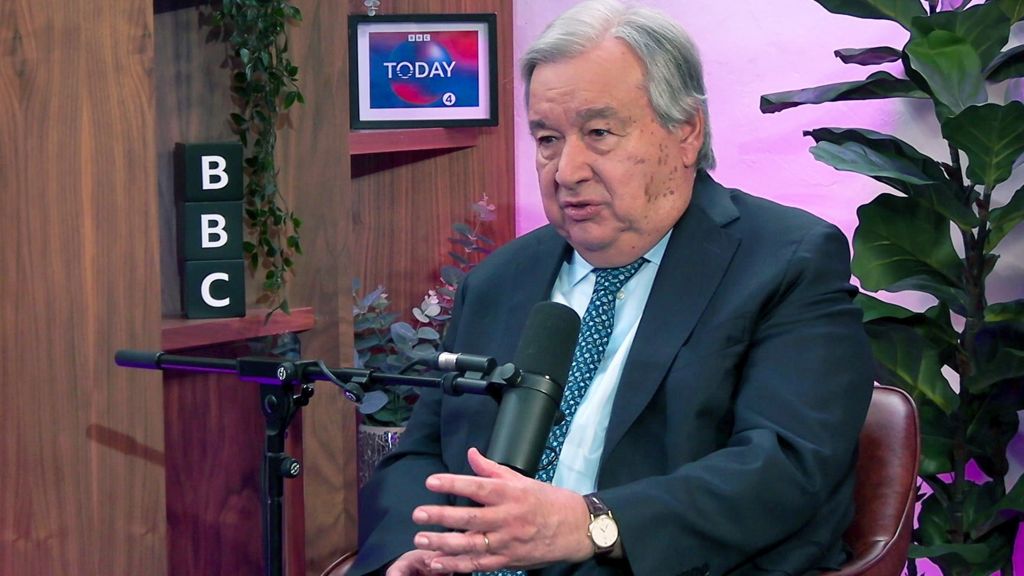
    In a striking critique of American foreign policy, United Nations Secretary-General António Guterres has declared that the United States is operating with impunity while prioritizing its own power over established international legal frameworks. During an exclusive interview with BBC Radio 4’s Today programme, Guterres expressed profound concern that Washington’s “clear conviction” now dismisses multilateral solutions as irrelevant, favoring instead the unilateral “exercise of U.S. power and influence, sometimes at the expense of international law norms.”

    The Secretary-General’s remarks arrive amidst escalating global tensions, including recent U.S. military actions in Venezuela and former President Donald Trump’s repeated threats to annex Greenland. Guterres identified these developments as symptomatic of a broader crisis threatening the foundational UN principle of member state equality.

    Guterres directly addressed Trump’s previous criticisms of the United Nations, acknowledging the organization’s struggle to enforce compliance with the UN Charter among member states. While insisting the UN remains “extremely engaged” in resolving major conflicts, Guterres conceded that the institution lacks leverage compared to powerful nations. He questioned whether this influence is being utilized to achieve lasting solutions or merely temporary fixes to complex international problems.

    The UN leader highlighted urgent need for institutional reform to address “dramatic problems and challenges” facing its 193 member states. He particularly criticized the UN Security Council’s structure, noting its ineffective representation of the modern world and the problematic veto power exercised by permanent members (France, China, Russia, the UK, and US), which has repeatedly obstructed resolutions on conflicts in Ukraine and Gaza.

    Guterres called for compositional changes to the Security Council to “regain legitimacy” and “give voice to the whole world,” including limitations on veto powers to prevent unacceptable “blockages” of international action. He specifically questioned why “three European countries” held permanent seats while other regions remained underrepresented.

    Regarding Gaza, Guterres countered allegations of UN ineffectiveness, explaining that aid distribution was impossible during periods when Israel blocked access to the territory. “Whenever Israel would not allow us to move into Gaza, we couldn’t move into Gaza,” he stated, adding that the UN was prepared to deliver aid “provided we had the conditions.”

    Despite acknowledging a world “brimming with conflict, impunity, inequality and unpredictability,” Guterres maintained an optimistic outlook. He emphasized the necessity of confronting powerful nations to create a better world, even as questions multiply about the decline of multilateralism and some leaders’ failure to defend international law.
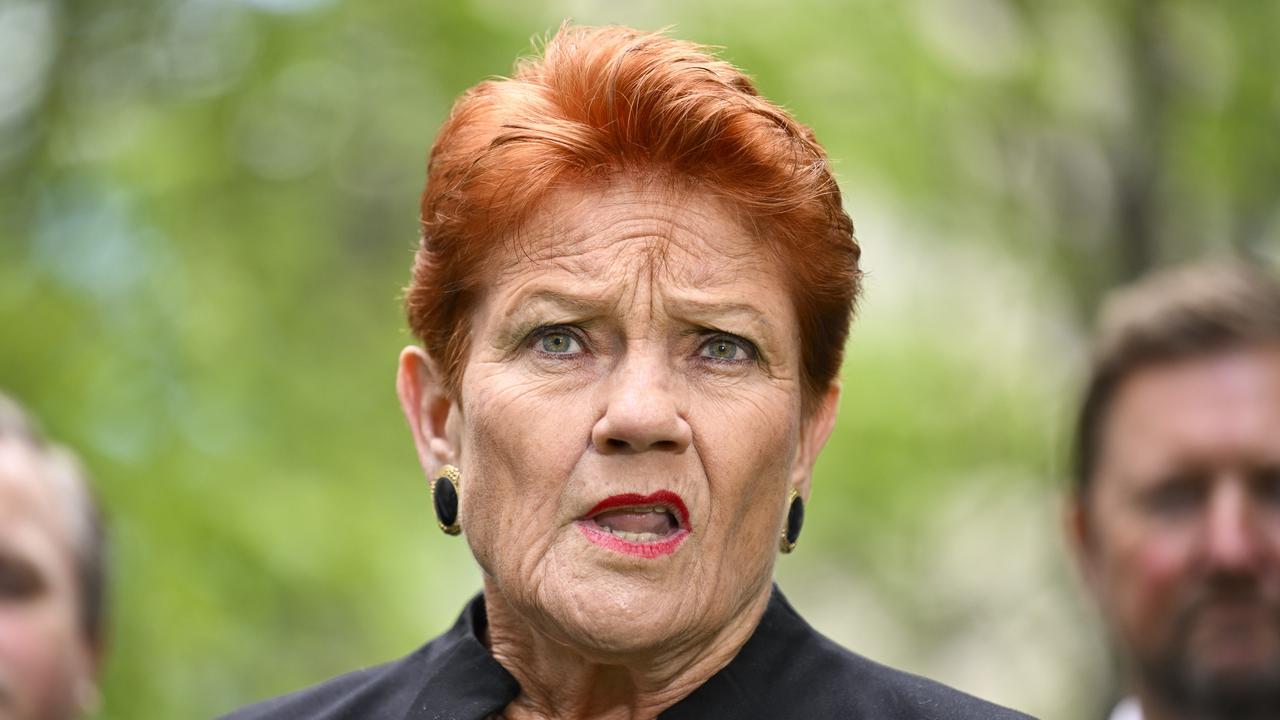
  • ‘Set the record’: Pauline Hanson claims Trump, Farage ‘followed’ her as One Nation vote surges to 22 per cent

    ‘Set the record’: Pauline Hanson claims Trump, Farage ‘followed’ her as One Nation vote surges to 22 per cent

    In a stunning political realignment, Pauline Hanson’s One Nation party has eclipsed the Coalition in the latest Newspoll, capturing an unprecedented 22% of the primary vote following a seven-point surge over two months. The controversial leader framed this seismic shift as public endorsement of her longstanding nationalist agenda while pointing to recent violent incidents as catalysts for awakening Australian consciousness.

    Addressing media at Parliament House, Senator Hanson positioned herself as the original architect of global right-wing populism, asserting her ideological precedence over figures like Nigel Farage and Donald Trump. ‘I’ve set the record—I stand up for what I believe in and don’t back away from anything,’ she declared, characterizing her consistency as the cornerstone of her appeal.

    The One Nation leader specifically referenced the alleged assassination attempt on American commentator Charlie Kirk and the Bondi Beach terror attack as pivotal moments that galvanized public support. She described these events as ‘wake-up calls’ that exposed systemic failures in national security and immigration policy. ‘Mass migration has been a huge issue for Australians calling out to government,’ Hanson stated, linking housing shortages, job insecurity, and cost-of-living pressures to uncontrolled immigration.

    Her commentary extended to defending her notorious 2017 burqa stunt in Parliament, which resulted in her exclusion from recent Senate condolence proceedings. ‘It wasn’t a stunt—I was standing my ground,’ she insisted, maintaining that the gesture highlighted security concerns about full-face coverings in public spaces.

    The party’s momentum was further amplified by defector Barnaby Joyce, who joined One Nation after fracturing with the Nationals. The former deputy prime minister rejected characterization of the party as radical, asserting ‘It is not radical if it’s the truth.’ Joyce criticized performative political empathy without substantive action, questioning the value of ’empathetic self-aggrandisement.’

    As Liberal Senator Jonathon Duniam acknowledged the polling indicates ‘we’ve got our work cut out for us,’ Hanson revealed ambitions beyond protest politics. ‘You bet I want to form government,’ she stated, confirming active recruitment strategies for Queensland lower house seats while recognizing the formidable challenge of maintaining record polling numbers.

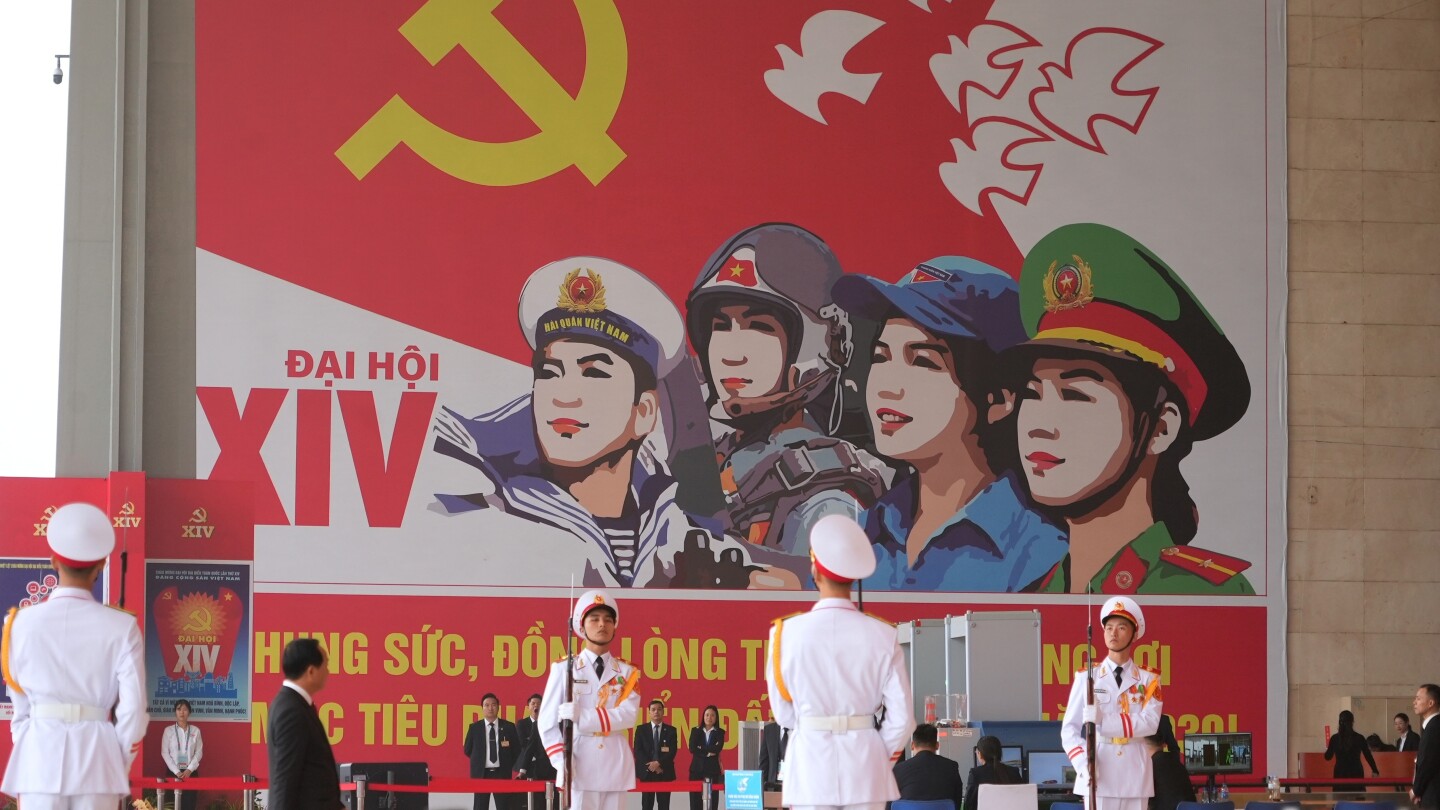
  • Vietnam party meeting opens with leadership and economic growth on the line

    Vietnam party meeting opens with leadership and economic growth on the line

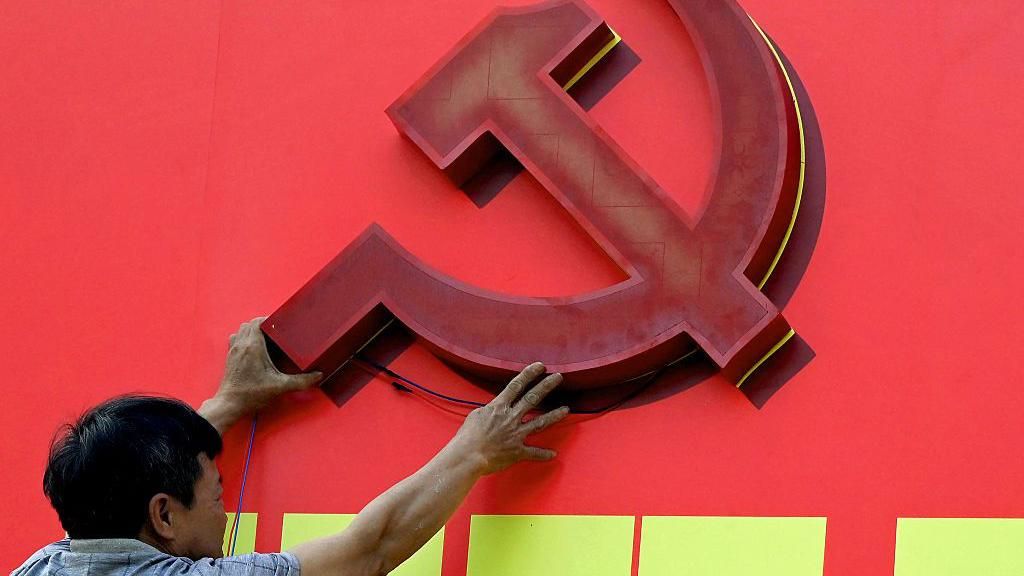
    HANOI, Vietnam — Vietnam’s political landscape enters a pivotal phase as the ruling Communist Party commenced its five-year National Congress on Monday. This critical gathering brings together 1,588 delegates in Hanoi to determine the nation’s leadership structure and policy trajectory through 2031.

    The conclave represents the party’s supreme decision-making authority, convening every five years to elect approximately 200 Central Committee members. This body subsequently appoints 17-19 individuals to the influential Politburo through a meticulously orchestrated selection process.

    At the forefront of deliberations is Communist Party General Secretary To Lam, anticipated to secure a full five-year term. Significant attention focuses on whether Lam will consolidate power by assuming both party leadership and state presidency roles—a potential departure from Vietnam’s traditional ‘four pillars’ governance model that maintains balance between party chief, president, prime minister, and National Assembly chair. Such consolidation would mirror political structures in China under Xi Jinping and neighboring Laos.

    Lam’s political ascent stems from his tenure as Minister of Public Security since 2016, where he spearheaded the extensive anti-corruption initiative championed by predecessor Nguyen Phu Trong. His administration has implemented the most substantial bureaucratic and economic reforms since Vietnam’s late-1980s economic liberalization, including significant public-sector workforce reduction, administrative boundary restructuring, and initiation of major infrastructure projects.

    Analysts note internal party dynamics between Lam’s security-aligned faction and more conservative military-associated elements. According to Nguyen Khac Giang of Singapore’s ISEAS–Yusof Ishak Institute, conservatives express concern about potential deviation from socialist principles and advocate for maintaining checks on concentrated power.

    The Congress simultaneously addresses Vietnam’s ambitious development agenda, particularly its goal of achieving high-income economy status by 2045. Delegates are finalizing a resolution targeting unprecedented 10% average annual GDP growth from 2026-2030, building upon 2025’s 8% expansion despite previous shortfalls in growth targets.

    This economic vision emphasizes industrial upgrading, production modernization, and technology-driven growth, exemplified by military-run Viettel’s inaugural semiconductor chipmaking plant launched in January. The project aims for trial production by 2027, representing Hanoi’s strategic push for technological self-reliance.

    Notably, draft documents recognize the private sector as ‘one of the most important driving forces of the economy,’ signaling a potential shift from state-owned enterprise dominance. The resolution equally prioritizes foreign relations with national security, acknowledging Vietnam’s export economy’s global interdependence, while elevating environmental protection to central status alongside economic and social development.

  • Syria: SDF left weakened, short of territory and oil after ceasefire, experts say

    Syria: SDF left weakened, short of territory and oil after ceasefire, experts say

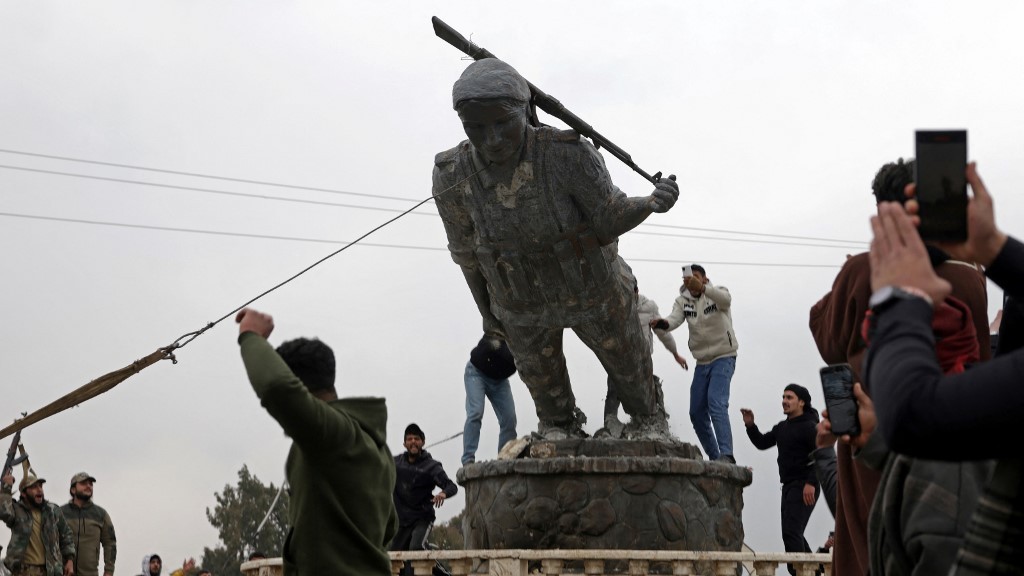
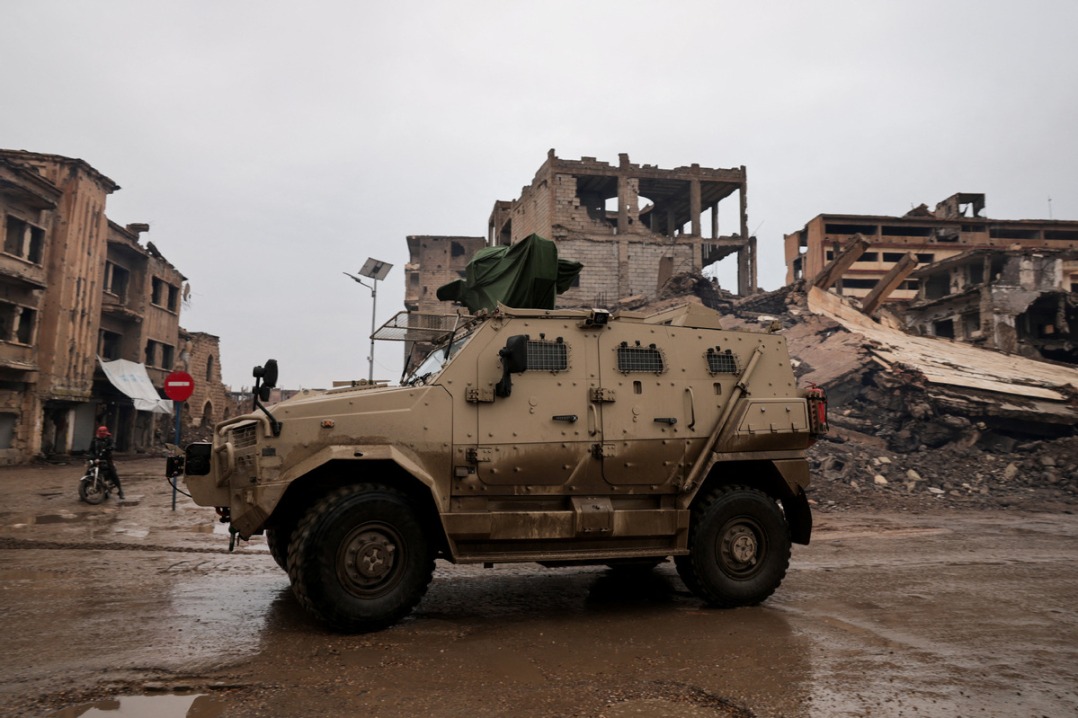
    In a significant geopolitical shift, the Syrian government has achieved a decisive military and political victory over the Kurdish-led Syrian Democratic Forces (SDF) through a comprehensive ceasefire agreement signed on Sunday. The accord follows weeks of intense fighting that saw government forces capture strategic territories and critical economic assets previously under SDF control.

    The 14-point agreement, formally released by Syria’s information ministry, represents a substantial reversal of fortunes for the SDF. Government forces made rapid advances in the preceding days, capturing the country’s largest oil field and numerous Arab-majority districts where SDF control had shown signs of fragility. These battlefield successes fundamentally altered the negotiation dynamics, stripping the SDF of both economic leverage and territorial advantages before talks commenced.

    Under the terms of the agreement, the SDF will execute a complete military and administrative handover of Raqqa and Deir Ezzor regions, retaining only limited presence in northeastern Hasakah. The accord mandates that SDF fighters integrate into Syrian state forces as individuals rather than organized units, while all border crossings and energy resources return to Damascus control.

    The agreement specifically addresses international security concerns by transferring full responsibility for ISIS detainees to the Syrian government. Additionally, foreign elements linked to the Kurdistan Workers’ Party (PKK) must depart Syria, with remaining fighters undergoing security vetting before integration into state forces.

    Analysts note the striking resemblance between this agreement and terms offered to the SDF a year ago. Fadil Hanci, Syria analyst, observed that ‘Damascus has the upper hand now and wants to transform the military success into a political gain. The agreement is meant to achieve that.’ The document reflects Damascus’s interpretation of previous frameworks while leaving minimal room for SDF reinterpretation.

    The political implications extend to leadership changes, with SDF leader Mazlum Abdi reportedly assuming the governorship of Hasakah province—a position subordinate to Syria’s foreign minister rather than the senior national role some had anticipated.

    This strategic realignment also reveals deeper vulnerabilities in SDF support structures. Arab tribes in previously SDF-controlled areas, dissatisfied with Kurdish dominance and limited economic development, largely supported the government’s advance. From Turkey’s perspective, the agreement represents a significant security achievement, rolling back what Ankara had long perceived as a threat to its national security.

  • Why India’s approach makes sense in the Gulf today

    Why India’s approach makes sense in the Gulf today

    In the volatile landscape of West Asian geopolitics, India has cultivated a distinctive diplomatic approach characterized by strategic patience and principled engagement. Rather than resorting to public posturing or reactive measures, New Delhi’s foreign policy operates on the foundational belief that sustainable peace represents a collective responsibility rather than a concession between powers.

    This philosophy finds expression in India’s consistent advocacy for dialogue and de-escalation during regional tensions. Recent developments involving Iran have demonstrated the practical application of this methodology, with India prioritizing measured communication over condemnation and maintaining open channels across political divides. Prime Minister Narendra Modi’s explicit statement that “this is not the time for war” encapsulates this consistent warning against escalation in an interconnected world where conflicts rapidly transcend local boundaries.

    India’s credibility in advocating restraint stems from its demonstrated refusal to advance interests through proxy relationships or zero-sum diplomacy. The nation has maintained multifaceted ties with key regional players including the United Arab Emirates and Saudi Arabia, with partnerships spanning energy security, trade networks, defense cooperation, and technological exchange. These relationships are strengthened by substantial people-to-connections, with millions of Indian expatriates contributing to Gulf economies while Gulf investments fuel India’s own growth trajectory.

    The conceptual framework of Vasudeva Kutumbakam—the ancient Indian principle envisioning the world as one family—informs this diplomatic paradigm. Far from abstract idealism, this worldview promotes practical bridge-building where others establish hardened camps. India’s conflict resolution approach emphasizes inclusion over humiliation, believing sustainable peace emerges when local stakeholders claim ownership of solutions rather than having outcomes externally imposed.

    While some critics misinterpret this consistent posture as ambiguity, it actually reflects strategic clarity refined through historical experience. India’s role may not generate sensational headlines, but its steady emphasis on dialogue, sovereignty respect, and shared prosperity provides stabilizing reassurance during periods of uncertainty. In an increasingly transactional global environment, India’s commitment to diplomacy rooted in mutual respect and long-term vision offers a compelling alternative model for international engagement.

  • Vietnam’s Communist Party congress meets to pick new leaders​

    Vietnam’s Communist Party congress meets to pick new leaders​

    Vietnam’s political landscape enters a pivotal phase as the ruling Communist Party commences its quintennial congress, a decisive gathering that will determine the nation’s leadership structure and establish critical economic objectives for the coming years. This high-stakes assembly brings together approximately 1,600 delegates tasked with approving comprehensive policy frameworks and electing key governing bodies.

    At the forefront of leadership considerations stands General Secretary Tô Lâm, widely regarded as the predominant candidate for continuation in the party’s most influential position. The 68-year-old leader, who assumed office in August 2024 following the passing of his predecessor Nguyễn Phú Trọng, has championed an ambitious reform agenda during his tenure. Lam’s background as a former police official within the secretive public security ministry has shaped his governance approach, characterized by both economic modernization initiatives and consolidation of institutional power.

    The political proceedings follow a meticulously orchestrated sequence: delegates will first elect a new Central Committee of approximately 200 members, who in turn will select the 17-19 member Politburo—the party’s supreme decision-making authority. This body ultimately determines the general secretary position through a closed-door process devoid of electoral competition, typically resulting in near-unanimous approvals. The Vietnamese public maintains no direct involvement in selecting national leadership.

    Economically, Vietnam confronts both remarkable opportunities and significant challenges. While boasting Southeast Asia’s most rapidly expanding economy with consistent growth exceeding 6% annually, the administration has established an ambitious 10% growth target for 2026. This objective emerges amidst complex global trade dynamics, particularly concerning U.S. tariff policies that initially threatened 46% levies before settling at 20% on Vietnamese exports. Remarkably, official statistics indicate a 28% increase in exports to the United States despite these trade barriers.

    The nation’s single-party socialist system has fostered policy continuity that attracts substantial foreign investment, especially as multinational corporations diversify supply chains away from China. However, maintaining this economic momentum requires navigating persistent challenges including institutional corruption—which precipitated the resignation of two previous presidents—and the looming uncertainty of international trade relations.

    Lam’s vision for national development extends beyond immediate economic targets, envisioning transformation into an upper-income, knowledge-driven technological economy by 2045. His administration has prioritized administrative reforms, private sector expansion, and national development initiatives while simultaneously centralizing authority and enhancing the police ministry’s influence.

    Leadership transitions may extend beyond the congress’s January 25 conclusion, with legislative elections scheduled for March 15 and the new National Assembly convening in April to formally appoint senior government officials. Reports suggest potential constitutional modifications regarding leadership structure, including possible consolidation of the general secretary and presidential roles—a arrangement Lam experienced temporarily between May and August 2024.

    The congress outcomes will fundamentally shape Vietnam’s political and economic direction, testing the Communist Party’s capacity to deliver prosperity and maintain legitimacy through fulfilling its ambitious developmental promises.

  • India gets Trump’s invite to join Board of Peace on Gaza, source says

    India gets Trump’s invite to join Board of Peace on Gaza, source says

    The Trump administration has formally invited India to participate in its newly proposed “Board of Peace” initiative targeting global conflict resolution, with initial focus on the Gaza situation, according to a senior Indian government official speaking on Sunday, January 18, 2026.

    The invitation arrives during a period of diplomatic strain between New Delhi and Washington, primarily driven by the collapse of bilateral trade negotiations. The failed trade deal would have reduced substantial tariffs currently imposed on Indian exports to the United States, which stand among the world’s highest at approximately 50 percent.

    President Trump has reportedly extended similar invitations to nearly 60 nations worldwide, including Pakistan—India’s regional neighbor and strategic rival. The Pakistani government has already indicated its willingness to engage with international peace and security efforts concerning the Palestinian territory.

    India’s Ministry of External Affairs has not yet issued an official response regarding its potential participation in the initiative. The silence leaves observers questioning whether New Delhi will commit to the multinational diplomatic effort.

    The proposed Board of Peace represents the Trump administration’s latest attempt to address protracted global conflicts through a coalition of willing nations. Its formation and operational framework remain undefined, though the Gaza conflict appears to be its initial testing ground.

  • Surging billionaire wealth a political threat, Oxfam warns as Davos opens

    Surging billionaire wealth a political threat, Oxfam warns as Davos opens

    As global elites convened for the World Economic Forum in Davos, Oxfam issued a stark warning about the unprecedented concentration of wealth among billionaires, describing it as a grave political danger. The charity’s annual report revealed that billionaire fortunes surged to a record $18.3 trillion in 2025, marking a 16.2% increase during the first year of Donald Trump’s second presidential term.

    The analysis specifically highlighted Trump’s policy initiatives—including deregulation efforts and undermining international corporate tax agreements—as significant drivers of this wealth accumulation among the ultra-wealthy. For the first time in history, the world now counts more than 3,000 billionaires, with the top 12 individuals, led by Tesla’s Elon Musk, possessing more collective wealth than the poorest four billion people globally.

    Oxfam emphasized that this economic disparity is increasingly translating into political influence, citing billionaires’ acquisitions of major media outlets such as Musk’s takeover of X (formerly Twitter) and Jeff Bezos’ purchase of The Washington Post. Amitabh Behar, Oxfam’s executive director, characterized the situation as ‘highly dangerous and unsustainable,’ noting that the wealth gap is creating a parallel ‘political deficit’ that undermines democratic processes.

    The report specifically criticized Washington’s decision to exempt U.S. multinationals from the internationally agreed minimum tax rate of 15%, calling it a clear example of how economic inequality is being institutionalized. ‘The super-rich have not only accumulated more wealth than could ever be spent,’ Oxfam stated, ‘but have also used this wealth to secure the political power to shape the rules that define our economies and govern nations.’

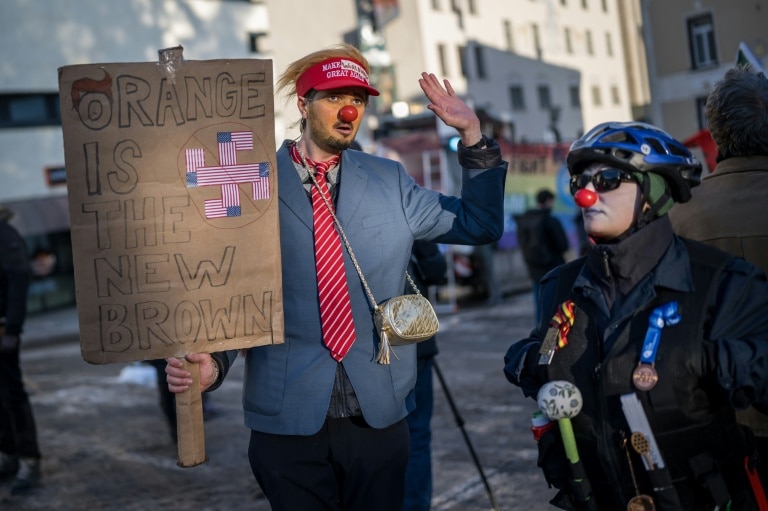
    Trump’s participation at Davos drew approximately 300 protesters to the Swiss resort town on Sunday, many wearing masks of Musk and Vice President JD Vance while holding symbolic fistfuls of euros. Nathalie Ruoss of the Swiss Young Socialists told AFP that the World Economic Forum lacks democratic legitimacy, particularly criticizing its inclusion of figures like Trump whom she described as ‘fascists.’

    The gathering occurs amid heightened tensions regarding the political influence of extreme wealth, with Oxfam concluding that billionaire power ‘undermines political freedom and erodes the rights of the many’ while giving the ultra-wealthy disproportionate control over global futures.

  • Syrian interim leader signs agreement with SDF to integrate institutions, restore state authority

    Syrian interim leader signs agreement with SDF to integrate institutions, restore state authority

    In a landmark development for Syria’s protracted conflict, interim leader Ahmad al-Sharaa announced on Sunday a comprehensive ceasefire and integration agreement with the Kurdish-led Syrian Democratic Forces (SDF). The accord, brokered after weeks of intensified clashes, marks the most significant step toward reunifying government control over the strategically vital northeast region since previous arrangements collapsed in 2025.

    The immediate ceasefire covers all active fronts, with SDF forces commencing withdrawal from positions east of the Euphrates River to facilitate redeployment. The agreement stipulates full transfer of administrative and military authority in Deir al-Zour and Raqqa provinces to Damascus, including civil institutions and public facilities. Notably, the government has committed to retaining current employees in their positions and granting amnesty to SDF members and local administrators.

    Further provisions include the integration of Hasakah province’s civil institutions into state governance, with al-Sharaa issuing a decree to appoint a new governor. All SDF military and security personnel will undergo individual security vetting before incorporation into government ministries, with guaranteed ranks, salaries, and benefits according to established regulations.

    The breakthrough follows recent escalation in Aleppo’s eastern countryside, Raqqa, and Deir al-Zour that resulted in competing military advances and civilian displacement. Damascus authorities characterized the agreement as essential for restoring stability, preserving national unity, and bringing all armed formations under state authority. Implementation begins immediately, signaling a potential turning point in Syria’s complex geopolitical landscape.

  • Iran’s president warns strikes on Khamenei would lead to ‘all-out war’

    Iran’s president warns strikes on Khamenei would lead to ‘all-out war’

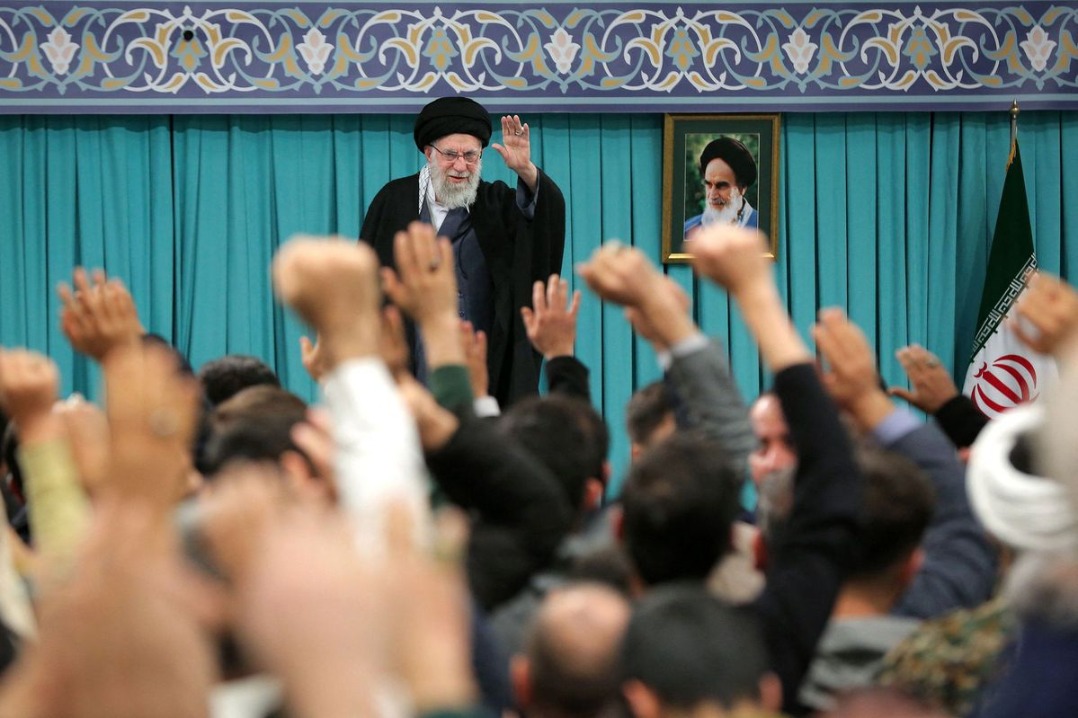
    Iranian President Masoud Pezeshkian has issued a grave warning that any military strike targeting Supreme Leader Ayatollah Ali Khamenei would be interpreted as a declaration of comprehensive warfare against the Iranian nation. This stern pronouncement emerged amidst escalating diplomatic hostilities between Tehran and Washington.

    The presidential statement, disseminated via social media platform X on Sunday, constitutes a direct response to provocative remarks from US President Donald Trump. In an interview with Politico published Saturday, Trump explicitly called for regime change in Iran, asserting that ‘the time has arrived to seek new leadership in Iran.’

    President Pezeshkian’s communiqué further attributed Iran’s economic challenges to what he characterized as ‘persistent antagonism’ and ‘cruel sanctions’ enforced by the United States and allied nations. He maintained these measures have principally instigated the hardships confronting ordinary Iranian citizens.

    The diplomatic confrontation intensified earlier when Supreme Leader Khamenei personally denounced Trump as a ‘criminal,’ alleging his responsibility for casualties and destruction during recent domestic turmoil in Iran. Bilateral relations have remained profoundly strained since Trump’s return to executive power, marked by the perpetuation of maximum pressure tactics and recurrent verbal clashes between the two administrations.

    This exchange represents the most severe rhetorical escalation since the renewal of tensions, highlighting the fragile state of US-Iran relations and raising concerns about potential miscalculation that could precipitate open conflict.