分类: politics

  • White House expands power, raises concern

    White House expands power, raises concern

    Political analysts are raising alarms about the substantial expansion of presidential authority in the United States, warning that the current administration’s unprecedented use of executive actions threatens the foundational system of checks and balances. With 228 executive orders issued within the first year—a significant increase over previous administrations—concerns are mounting about the long-term implications for American democracy.

    The American Presidency Project database reveals that many of these orders invoke national emergency declarations or national security justifications to implement sweeping policies across immigration, trade, and foreign affairs. Notably, the administration declared a national emergency at the southern border on its first day in office, followed by April’s invocation of the International Emergency Economic Powers Act to impose comprehensive ‘reciprocal tariffs’ on all trading partners without congressional consultation.

    According to Zhang Guoqing, associate researcher at the Chinese Academy of Social Sciences’ Institute of American Studies, ‘This explosion of orders and routine use of national emergency declarations have significantly expanded executive power beyond traditional boundaries.’

    Experts identify multiple factors enabling this power shift, including legislative gridlock and heightened partisan polarization. Diao Daming, professor of US studies at Renmin University of China, notes that ‘executive orders allow the administration to bypass legislative constraints on controversial policies’ when congressional cooperation proves unattainable.

    Zhang Tengjun, deputy director of the China Institute of International Studies’ Department for American Studies, observes that the current administration operates within legal gray areas where constitutional boundaries remain ambiguous. ‘The power to levy taxes is constitutionally granted to Congress, not the president. Yet massive tariffs were imposed without congressional consultation through emergency powers,’ he noted.

    The legislative branch’s weakened response reflects both partisan alignment and institutional limitations. With Republicans controlling both chambers, few party members challenge presidential actions from their own party. Meanwhile, the judicial system shows increasing signs of politicization, with appellate judges appointed by Democratic presidents ruling against administration policies 73% of the time compared to 32% for Republican-appointed judges.

    Diao warns that ‘the independence of the US judicial system has clearly been significantly eroded,’ as evidenced by divergent rulings on identical legal questions along partisan lines. This erosion of traditional safeguards creates long-term risks for institutional stability and social cohesion.

    Experts conclude that while executive power expansion offers short-term policy implementation efficiency, it potentially inflicts profound damage on constitutional separation of powers. The precedent established could enable future presidents—regardless of party—to govern through executive action rather than legislative process, potentially triggering systemic crisis in America’s constitutional order.
  • US-led Gaza board triggers backlash

    US-led Gaza board triggers backlash

    The Trump administration’s newly announced “Board of Peace” for Gaza has ignited significant criticism from multiple stakeholders, raising questions about its legitimacy and operational transparency. President Donald Trump unveiled the initiative as part of his comprehensive 20-point plan to resolve the ongoing conflict in the Palestinian territory, establishing both a broader Board of Peace that he will personally chair and a specialized “Gaza Executive Board” to implement specific stabilization measures.

    The White House revealed that the executive board includes prominent figures such as US Secretary of State Marco Rubio, Special Envoy Steve Witkoff, former British Prime Minister Tony Blair, Trump’s son-in-law Jared Kushner, World Bank Group President Ajay Banga, Apollo Global Management CEO Marc Rowan, and Deputy National Security Adviser Robert Gabriel. According to official statements, these members will oversee critical portfolios including governance capacity-building, regional relations, reconstruction efforts, investment attraction, and large-scale funding mobilization.

    However, the announcement encountered immediate resistance. Israeli Prime Minister Benjamin Netanyahu’s office stated that the board membership “was not coordinated with Israel and runs contrary to its policy,” with instructions given for the Foreign Affairs Minister to contact the US Secretary of State regarding the matter.

    Palestinian factions expressed stronger objections. The Islamic Jihad Movement condemned the initiative as serving “Israeli interests” and aligning with “occupation specifications,” viewing it as indicative of negative intentions regarding ceasefire implementation. Meanwhile, the parallel formation of a 15-member Palestinian technocrat committee led by Ali Shaath, hailed by the US as a “vital step forward,” failed to alleviate concerns.

    Critics highlighted fundamental flaws in the approach. Ashish Prashar, former aide to Tony Blair, criticized board members for having a “strong track record of endorsing and arming Israel’s project of genocide” and emphasized that “the future of Palestine should only be decided by Palestinians.” Academic expert Abdul Wahed Jalal Nori of the International Islamic University Malaysia questioned the mechanism’s credibility, legitimacy, and intent, stating that any peace initiative “while excluding Palestinians from meaningful consultation is fundamentally flawed.”

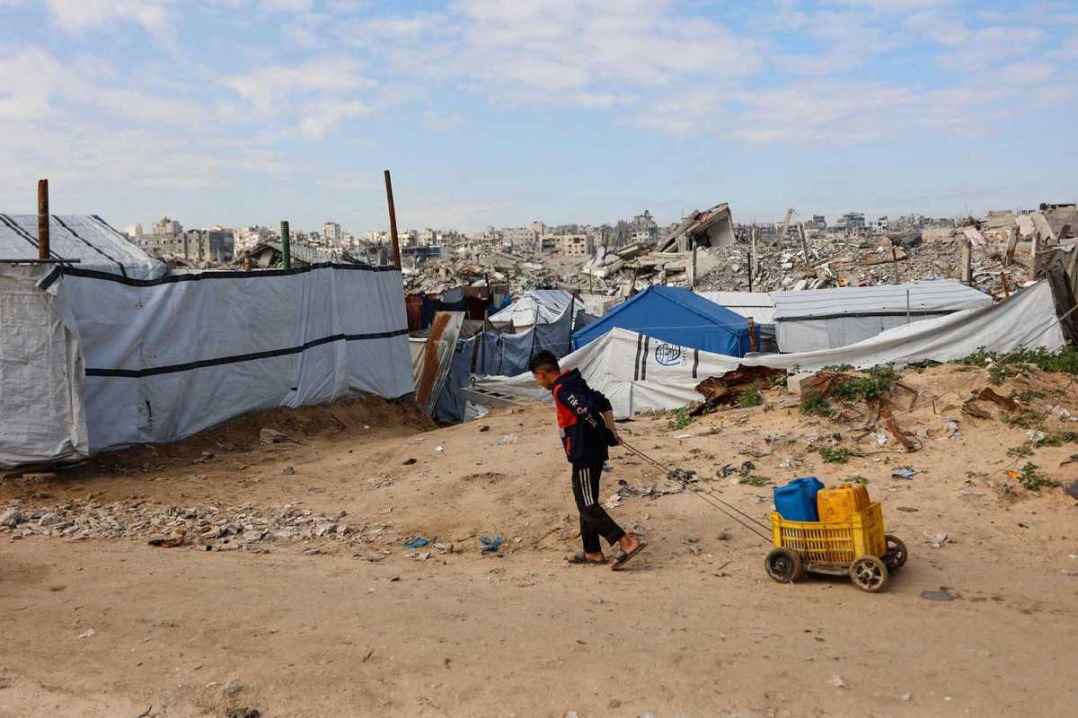
    The emerging consensus among critics suggests the board is perceived less as a genuine peace mechanism and more as an administrative tool designed to manage the consequences of destruction rather than address root causes of the conflict, with particular concern about the documented history of military intervention and political cover for Israel’s actions among proposed board members.

  • Starmer says Trump’s Greenland tariff threat ‘completely wrong’ and a trade war in no one’s interest

    Starmer says Trump’s Greenland tariff threat ‘completely wrong’ and a trade war in no one’s interest

    LONDON — British Prime Minister Keir Starmer has publicly denounced former U.S. President Donald Trump’s proposed tariff measures against European allies as “completely wrong,” warning that such protectionist policies would harm global economic interests. The diplomatic friction emerged following Trump’s announcement of impending 10% import duties on goods from eight European nations, including the United Kingdom, scheduled to take effect in February.

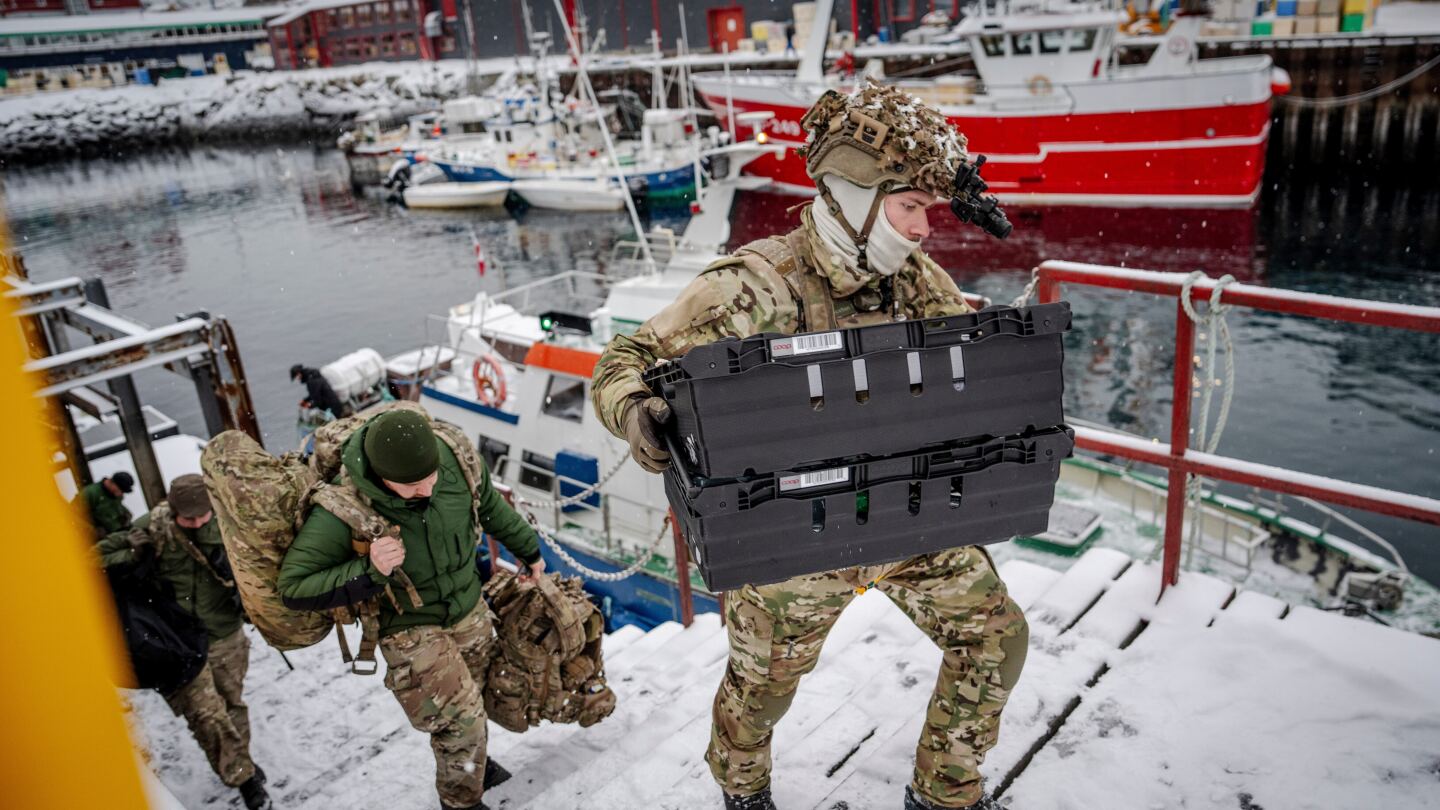
    The controversial tariff threat represents retaliation against European countries’ symbolic military deployment to Greenland, a semi-autonomous territory under Denmark’s administration. Trump characterized these troop movements as essential for maintaining the U.S. “Golden Dome” missile defense infrastructure while expressing concerns about potential territorial ambitions from Russia and China regarding the strategic Arctic island.

    During a London press conference, Starmer emphasized Britain’s unwavering support for Greenland and Denmark’s sovereign rights to determine the island’s future. While acknowledging the critical importance of maintaining strong U.K.-U.S. relations, the British leader clarified that “being pragmatic does not mean being passive and partnership does not mean abandoning principles.”

    The Prime Minister indicated that Britain currently has no plans for retaliatory trade measures, stating his administration’s priority is preventing further escalation through continued dialogue with European partners, NATO allies, and American officials. Starmer characterized the transatlantic relationship as vital but noted that strength comes from acknowledging differences rather than ignoring them.

  • Ukrainian team arrives in Miami for peace talks

    Ukrainian team arrives in Miami for peace talks

    A high-level Ukrainian delegation has arrived in Miami, Florida, for crucial peace negotiations with representatives of the Trump administration, aiming to find a resolution to the four-year conflict with Russia. The talks, scheduled for this weekend, will center on security assurances and postwar reconstruction efforts.

    Leading the Ukrainian contingent is Kyrylo Budanov, recently appointed Chief of Staff to President Volodymyr Zelensky. The delegation includes Security Chief Rustem Umerov and lead negotiator David Arakhamia. They are set to meet with key US figures including Jared Kushner, special envoy Steve Witkoff, and US Army Secretary Daniel Driscoll.

    The negotiations occur against a backdrop of severe humanitarian challenges in Ukraine. President Zelensky reported that approximately 400,000 residents in Kharkiv, Ukraine’s second-largest city, are experiencing significant electricity shortages following nighttime Russian strikes. Additionally, 56,000 families in the Bucha region near Kyiv remain without power, prompting authorities to extend school closures until next month due to health concerns.

    Ukraine’s Energy Ministry has declared a state of emergency across the nation’s energy sector, implementing power restrictions in most regions due to sustained infrastructure attacks. Zelensky has ordered the accelerated import of electricity and additional power equipment to address the crisis.

    The peace process faces significant challenges as President Trump has expressed frustration with both conflict parties and has advocated for peace terms that Kyiv considers tantamount to surrender. Meanwhile, Russia’s Defense Ministry reported continued territorial advances, claiming control of five populated settlements in the past week, including two additional locations in the Donetsk and Zaporizhzhia regions captured on Saturday.

    Zelensky emphasized the importance of providing accurate information about Ukraine’s current situation, noting that the ongoing attacks have undermined public faith in diplomatic solutions. The Miami talks represent a critical effort to bridge differences between Washington and Kyiv on security guarantees, with Zelensky hoping to finalize relevant documents with the US next week.

  • Aggressive actions of ICE deepen cracks in US society

    Aggressive actions of ICE deepen cracks in US society

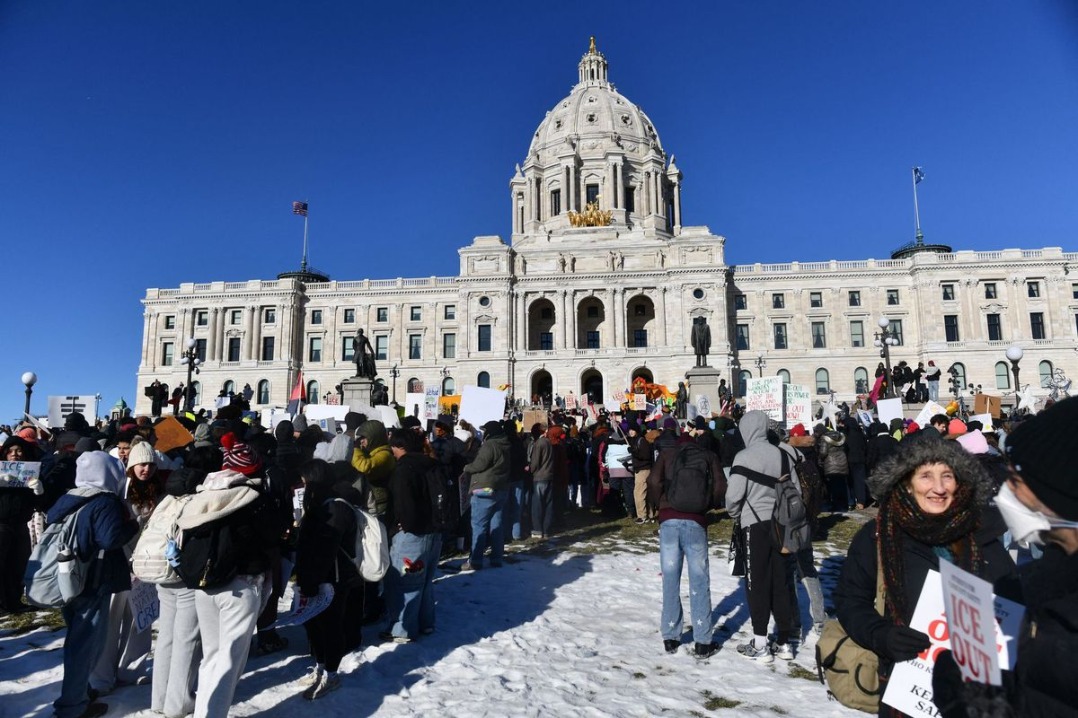
    The United States faces deepening societal fractures as Immigration and Customs Enforcement (ICE) operations intensify under the current administration. Recent military-style tactics employed by masked agents in unmarked vehicles have ignited nationwide debate about enforcement methods and their implications for civil liberties.

    The controversy reached a critical point on January 7 when ICE agents in Minneapolis, Minnesota, shot and killed 37-year-old Renee Good during a neighborhood monitoring operation. Video evidence captured the moment when Officer Jonathan Ross discharged multiple rounds into Good’s vehicle as it began moving away, resulting in her death.

    Official responses revealed starkly contrasting narratives. Homeland Security Secretary Kristi Noem characterized Good’s actions as ‘domestic terrorism,’ alleging she used her vehicle as a weapon against officers. President Donald Trump subsequently described Good as ‘a professional agitator’ who acted ‘violently, willfully, and viciously’ against law enforcement.

    These characterizations faced immediate challenge from local and federal officials. Minneapolis Mayor Jacob Frey condemned the shooting as federal overreach, while Democratic Representative Steve Cohen declared the incident ‘clearly unjustified homicide’ during Senate proceedings. The incident has transcended typical political discourse, with prominent podcaster Joe Rogan—formerly a Trump supporter—expressing horror at the footage.

    Recent polling indicates significant national division: approximately 53% of Americans view the shooting as unjustified, while 35% support the officers’ actions. This polarization follows stark partisan lines, with 77% of Republicans justifying the shooting compared to 92% of Democrats condemning it.

    The Minneapolis operation has expanded dramatically since its inception over two weeks ago. What began as a 2,000-agent enforcement initiative targeting alleged fraud within Somali communities has grown to nearly 3,000 federal personnel—outnumbering local law enforcement in the region and raising questions about jurisdictional boundaries and proportional response.

  • Japan PM Takaichi set to call snap election

    Japan PM Takaichi set to call snap election

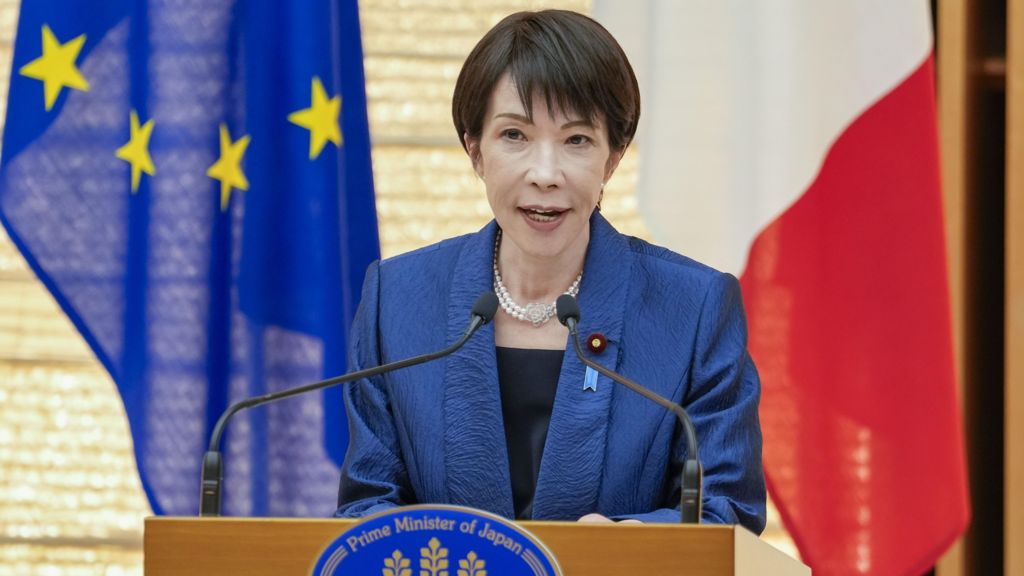
    Japanese Prime Minister Sanae Takaichi is poised to announce a snap parliamentary election less than three months after assuming office, according to government officials speaking anonymously to local media outlets. The anticipated announcement, scheduled for Monday afternoon, would set in motion the process for electing all 465 members of Japan’s powerful House of Representatives.

    Takaichi, Japan’s first female prime minister and a protégée of the late Shinzo Abe, has maintained remarkably high approval ratings between 60-80% since her October inauguration. Her conservative Liberal Democratic Party (LDP) currently holds 199 seats in the lower house, with its coalition partner Japan Innovation Party providing just enough additional seats to maintain a slim majority.

    The prime minister, often compared to Margaret Thatcher for her staunch conservative stance, has pursued an assertive foreign policy agenda that has significantly strained relations with China. Her November remarks suggesting Japan could deploy self-defense forces in response to potential Chinese aggression toward Taiwan triggered a diplomatic crisis, sending bilateral ties to their lowest point in over a decade.

    Concurrently, Takaichi has strengthened Japan’s alliance with the United States, culminating in a rare earths agreement and a joint declaration heralding a new ‘golden age’ in US-Japan relations during President Donald Trump’s October visit. Domestically, she has championed substantial government-led spending initiatives reminiscent of Abe’s economic stimulus policies, while securing a record ¥9 trillion defense budget amid growing regional security concerns.

    Despite her personal popularity, Takaichi’s electoral gamble carries significant risks. The LDP has experienced considerable instability, with Takaichi representing Japan’s fourth prime minister in five years. Her immediate predecessor, Shigeru Ishiba, suffered one of the LDP’s worst electoral performances after calling a snap election that cost the party its parliamentary majority.

    Adding to the challenge, Japan’s opposition forces have recently consolidated with the formation of the Centrist Reform Alliance, a merger between the Constitutional Democratic Party of Japan and Komeito, the LDP’s former coalition partner. This new political entity poses a substantial threat to the ruling coalition’s majority in the upcoming election.

  • Blueprint seen as a boon for entire world

    Blueprint seen as a boon for entire world

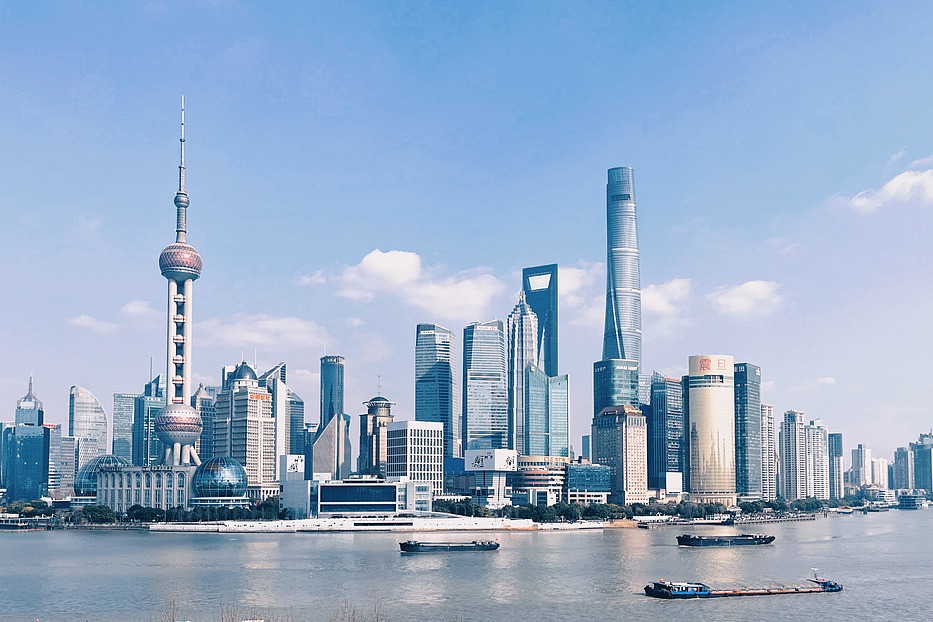
    China’s forthcoming 15th Five-Year Plan (2026-2030) has become a cornerstone of President Xi Jinping’s diplomatic engagements, positioning the development blueprint as a stabilizing force in an increasingly volatile global economy. During multiple high-level meetings with international leaders, including recent discussions with Irish Taoiseach Micheál Martin and newly appointed ambassadors to China, President Xi has consistently emphasized China’s commitment to deepened reforms and elevated opening-up policies.

    The strategic document, adopted during the fourth plenary session of the 20th Central Committee of the Communist Party of China, transcends domestic planning to address global economic challenges. President Xi has articulated that China’s modernization drive will generate substantial opportunities for international partners through enhanced trade cooperation, synchronized development strategies, and mutual prosperity initiatives.

    China’s recent economic performance underscores its global economic influence: maintaining position as the world’s largest trader in goods and second largest in services, attracting over $700 billion in foreign investment, and achieving consistent annual outbound investment growth exceeding 5%. The Belt and Road Initiative has evolved into a comprehensive international public good, establishing itself as a premier platform for global cooperation.

    Analysts highlight that China’s commitment to institutional opening-up arrives at a critical juncture for global economic governance. Zheng Haizhen of the China Institute of International Studies notes that China’s stable development provides crucial certainty amid rising global uncertainties, offering both economic stability and enhanced development governance.

    The Ministry of Commerce confirms that high-standard opening-up represents a strategic response to complex global changes, leveraging China’s substantial economic advantages including a massive consumer market of 1.4 billion people with over 400 million middle-income consumers. Concrete policy measures include streamlined foreign investment negative lists, expanded visa-free arrangements, and comprehensive zero-tariff treatment for least-developed nations.

    International observers recognize China’s approach as transformative rather than merely transactional. Nik Mohammad Nikmal, editor-in-chief of The Kabul Times, characterizes China’s stance as “an anchor of stability” against protectionist trends, while Professor Kong Qingjiang notes China’s evolution toward comprehensive institutional alignment with international economic norms, creating a new development paradigm that benefits global stakeholders.

  • US believes its power matters more than international law, UN chief tells BBC

    US believes its power matters more than international law, UN chief tells BBC

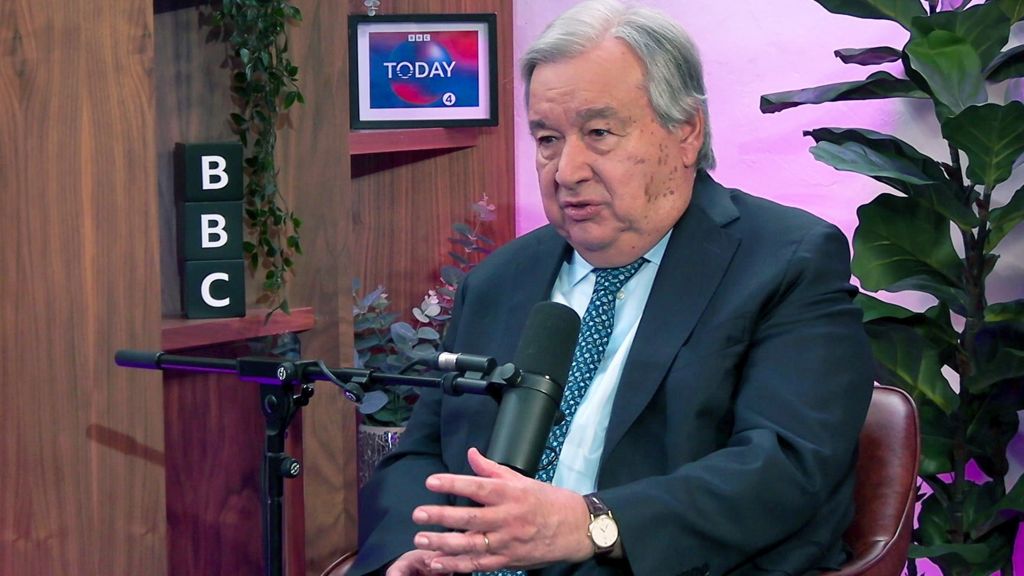
    In a striking critique of American foreign policy, United Nations Secretary-General António Guterres has declared that the United States is operating with impunity while prioritizing its own power over established international legal frameworks. During an exclusive interview with BBC Radio 4’s Today programme, Guterres expressed profound concern that Washington’s “clear conviction” now dismisses multilateral solutions as irrelevant, favoring instead the unilateral “exercise of U.S. power and influence, sometimes at the expense of international law norms.”

    The Secretary-General’s remarks arrive amidst escalating global tensions, including recent U.S. military actions in Venezuela and former President Donald Trump’s repeated threats to annex Greenland. Guterres identified these developments as symptomatic of a broader crisis threatening the foundational UN principle of member state equality.

    Guterres directly addressed Trump’s previous criticisms of the United Nations, acknowledging the organization’s struggle to enforce compliance with the UN Charter among member states. While insisting the UN remains “extremely engaged” in resolving major conflicts, Guterres conceded that the institution lacks leverage compared to powerful nations. He questioned whether this influence is being utilized to achieve lasting solutions or merely temporary fixes to complex international problems.

    The UN leader highlighted urgent need for institutional reform to address “dramatic problems and challenges” facing its 193 member states. He particularly criticized the UN Security Council’s structure, noting its ineffective representation of the modern world and the problematic veto power exercised by permanent members (France, China, Russia, the UK, and US), which has repeatedly obstructed resolutions on conflicts in Ukraine and Gaza.

    Guterres called for compositional changes to the Security Council to “regain legitimacy” and “give voice to the whole world,” including limitations on veto powers to prevent unacceptable “blockages” of international action. He specifically questioned why “three European countries” held permanent seats while other regions remained underrepresented.

    Regarding Gaza, Guterres countered allegations of UN ineffectiveness, explaining that aid distribution was impossible during periods when Israel blocked access to the territory. “Whenever Israel would not allow us to move into Gaza, we couldn’t move into Gaza,” he stated, adding that the UN was prepared to deliver aid “provided we had the conditions.”

    Despite acknowledging a world “brimming with conflict, impunity, inequality and unpredictability,” Guterres maintained an optimistic outlook. He emphasized the necessity of confronting powerful nations to create a better world, even as questions multiply about the decline of multilateralism and some leaders’ failure to defend international law.

  • ‘Set the record’: Pauline Hanson claims Trump, Farage ‘followed’ her as One Nation vote surges to 22 per cent

    ‘Set the record’: Pauline Hanson claims Trump, Farage ‘followed’ her as One Nation vote surges to 22 per cent

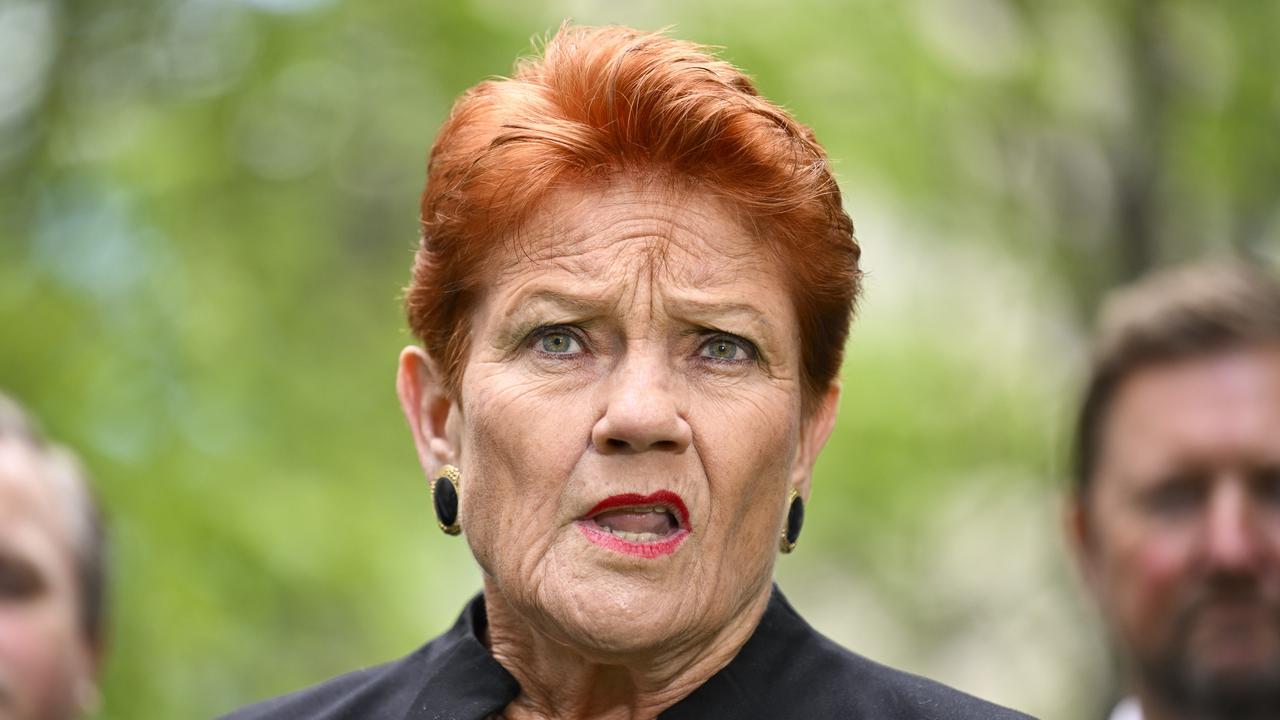
    In a stunning political realignment, Pauline Hanson’s One Nation party has eclipsed the Coalition in the latest Newspoll, capturing an unprecedented 22% of the primary vote following a seven-point surge over two months. The controversial leader framed this seismic shift as public endorsement of her longstanding nationalist agenda while pointing to recent violent incidents as catalysts for awakening Australian consciousness.

    Addressing media at Parliament House, Senator Hanson positioned herself as the original architect of global right-wing populism, asserting her ideological precedence over figures like Nigel Farage and Donald Trump. ‘I’ve set the record—I stand up for what I believe in and don’t back away from anything,’ she declared, characterizing her consistency as the cornerstone of her appeal.

    The One Nation leader specifically referenced the alleged assassination attempt on American commentator Charlie Kirk and the Bondi Beach terror attack as pivotal moments that galvanized public support. She described these events as ‘wake-up calls’ that exposed systemic failures in national security and immigration policy. ‘Mass migration has been a huge issue for Australians calling out to government,’ Hanson stated, linking housing shortages, job insecurity, and cost-of-living pressures to uncontrolled immigration.

    Her commentary extended to defending her notorious 2017 burqa stunt in Parliament, which resulted in her exclusion from recent Senate condolence proceedings. ‘It wasn’t a stunt—I was standing my ground,’ she insisted, maintaining that the gesture highlighted security concerns about full-face coverings in public spaces.

    The party’s momentum was further amplified by defector Barnaby Joyce, who joined One Nation after fracturing with the Nationals. The former deputy prime minister rejected characterization of the party as radical, asserting ‘It is not radical if it’s the truth.’ Joyce criticized performative political empathy without substantive action, questioning the value of ’empathetic self-aggrandisement.’

    As Liberal Senator Jonathon Duniam acknowledged the polling indicates ‘we’ve got our work cut out for us,’ Hanson revealed ambitions beyond protest politics. ‘You bet I want to form government,’ she stated, confirming active recruitment strategies for Queensland lower house seats while recognizing the formidable challenge of maintaining record polling numbers.

  • Vietnam party meeting opens with leadership and economic growth on the line

    Vietnam party meeting opens with leadership and economic growth on the line

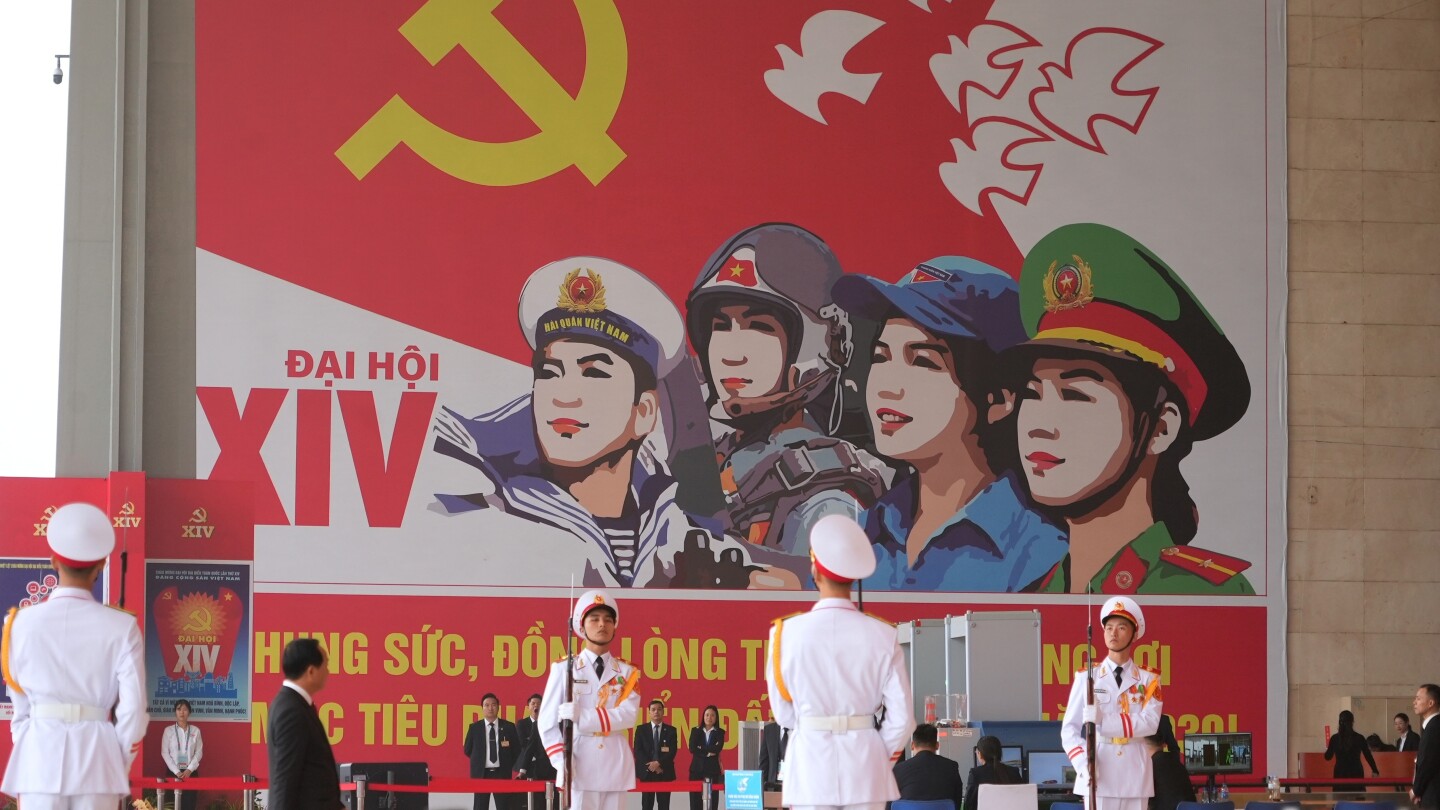
    HANOI, Vietnam — Vietnam’s political landscape enters a pivotal phase as the ruling Communist Party commenced its five-year National Congress on Monday. This critical gathering brings together 1,588 delegates in Hanoi to determine the nation’s leadership structure and policy trajectory through 2031.

    The conclave represents the party’s supreme decision-making authority, convening every five years to elect approximately 200 Central Committee members. This body subsequently appoints 17-19 individuals to the influential Politburo through a meticulously orchestrated selection process.

    At the forefront of deliberations is Communist Party General Secretary To Lam, anticipated to secure a full five-year term. Significant attention focuses on whether Lam will consolidate power by assuming both party leadership and state presidency roles—a potential departure from Vietnam’s traditional ‘four pillars’ governance model that maintains balance between party chief, president, prime minister, and National Assembly chair. Such consolidation would mirror political structures in China under Xi Jinping and neighboring Laos.

    Lam’s political ascent stems from his tenure as Minister of Public Security since 2016, where he spearheaded the extensive anti-corruption initiative championed by predecessor Nguyen Phu Trong. His administration has implemented the most substantial bureaucratic and economic reforms since Vietnam’s late-1980s economic liberalization, including significant public-sector workforce reduction, administrative boundary restructuring, and initiation of major infrastructure projects.

    Analysts note internal party dynamics between Lam’s security-aligned faction and more conservative military-associated elements. According to Nguyen Khac Giang of Singapore’s ISEAS–Yusof Ishak Institute, conservatives express concern about potential deviation from socialist principles and advocate for maintaining checks on concentrated power.

    The Congress simultaneously addresses Vietnam’s ambitious development agenda, particularly its goal of achieving high-income economy status by 2045. Delegates are finalizing a resolution targeting unprecedented 10% average annual GDP growth from 2026-2030, building upon 2025’s 8% expansion despite previous shortfalls in growth targets.

    This economic vision emphasizes industrial upgrading, production modernization, and technology-driven growth, exemplified by military-run Viettel’s inaugural semiconductor chipmaking plant launched in January. The project aims for trial production by 2027, representing Hanoi’s strategic push for technological self-reliance.

    Notably, draft documents recognize the private sector as ‘one of the most important driving forces of the economy,’ signaling a potential shift from state-owned enterprise dominance. The resolution equally prioritizes foreign relations with national security, acknowledging Vietnam’s export economy’s global interdependence, while elevating environmental protection to central status alongside economic and social development.