分类: politics

  • Japan PM Sanae Takaichi calls snap election on February 8

    Japan PM Sanae Takaichi calls snap election on February 8

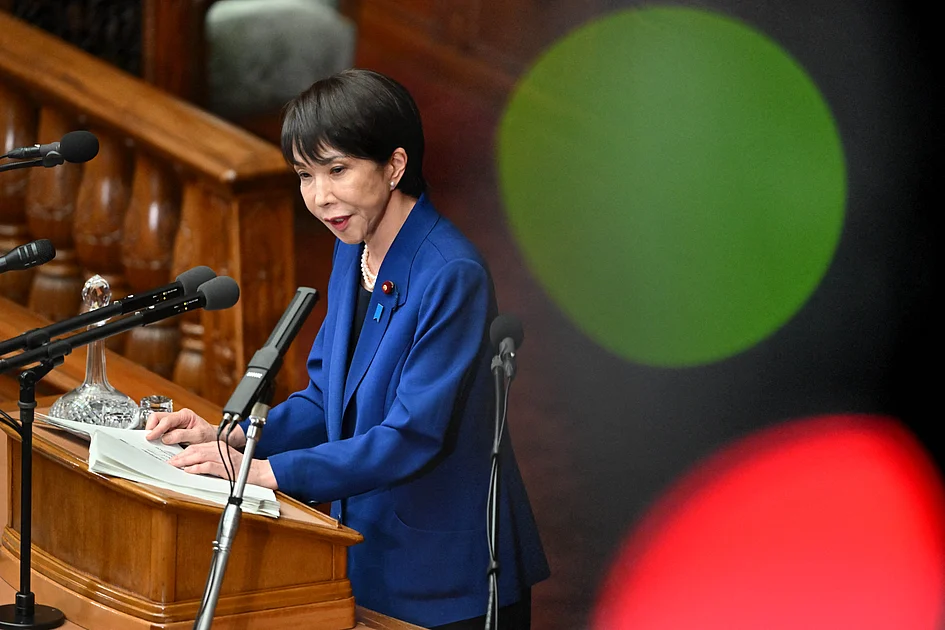
    In a strategic political maneuver, Japanese Prime Minister Sanae Takaichi has announced a snap general election scheduled for February 8, marking a pivotal moment for both her leadership and the nation’s political trajectory. The lower house of parliament will officially dissolve on January 23, with campaigning commencing January 27 ahead of the February vote.

    Japan’s first female leader, riding remarkably high approval ratings for her cabinet despite her Liberal Democratic Party’s declining popularity, aims to secure a stronger mandate for her policy agenda. The ruling coalition—comprising the LDP and junior partner Japan Innovation Party—currently maintains only a slender majority in the powerful lower chamber, creating legislative obstacles for Takaichi’s ambitious plans regarding substantial fiscal stimulus and defense budget enhancements.

    Political analysts suggest the election timing serves multiple strategic purposes. Domestically, a stronger majority would empower Takaichi to advance her record 122.3-trillion-yen ($768 billion) budget proposal for fiscal year 2026 without requiring significant concessions to opposition parties. The budget, designed to combat persistent inflation and stabilize the world’s fourth-largest economy, faces potential delays due to the election timeline, drawing criticism from opposition figures who argue the government is prioritizing political maneuvering over economic stability.

    Internationally, the snap election provides Takaichi with increased leverage in ongoing tensions with China. Relations between Tokyo and Beijing have deteriorated significantly since November, when Takaichi suggested potential Japanese military intervention should China attack Taiwan. China has responded with trade restrictions, including bans on dual-use goods with military applications and reported constraints on rare-earth exports vital to Japanese manufacturing.

    The election landscape features an unusual alliance between the main opposition Constitutional Democratic Party and Komeito (the LDP’s former coalition partner), who have joined forces to challenge Takaichi’s administration. Meanwhile, populist parties like Sanseito have gained traction with anti-immigration rhetoric despite Japan’s minimal foreign-born population.

    Professor Emeritus Sadafumi Kawato of the University of Tokyo noted that an independent LDP majority would significantly enhance Takaichi’s policy implementation capabilities. However, National Graduate Institute for Policy Studies Dean Mikitaka Masuyama warned that electoral success could provoke intensified pressure from Beijing, potentially through additional trade measures designed to demonstrate the costs of supporting hawkish leadership.
  • Bulgaria’s left-leaning president Rumen Radev says he is stepping down

    Bulgaria’s left-leaning president Rumen Radev says he is stepping down

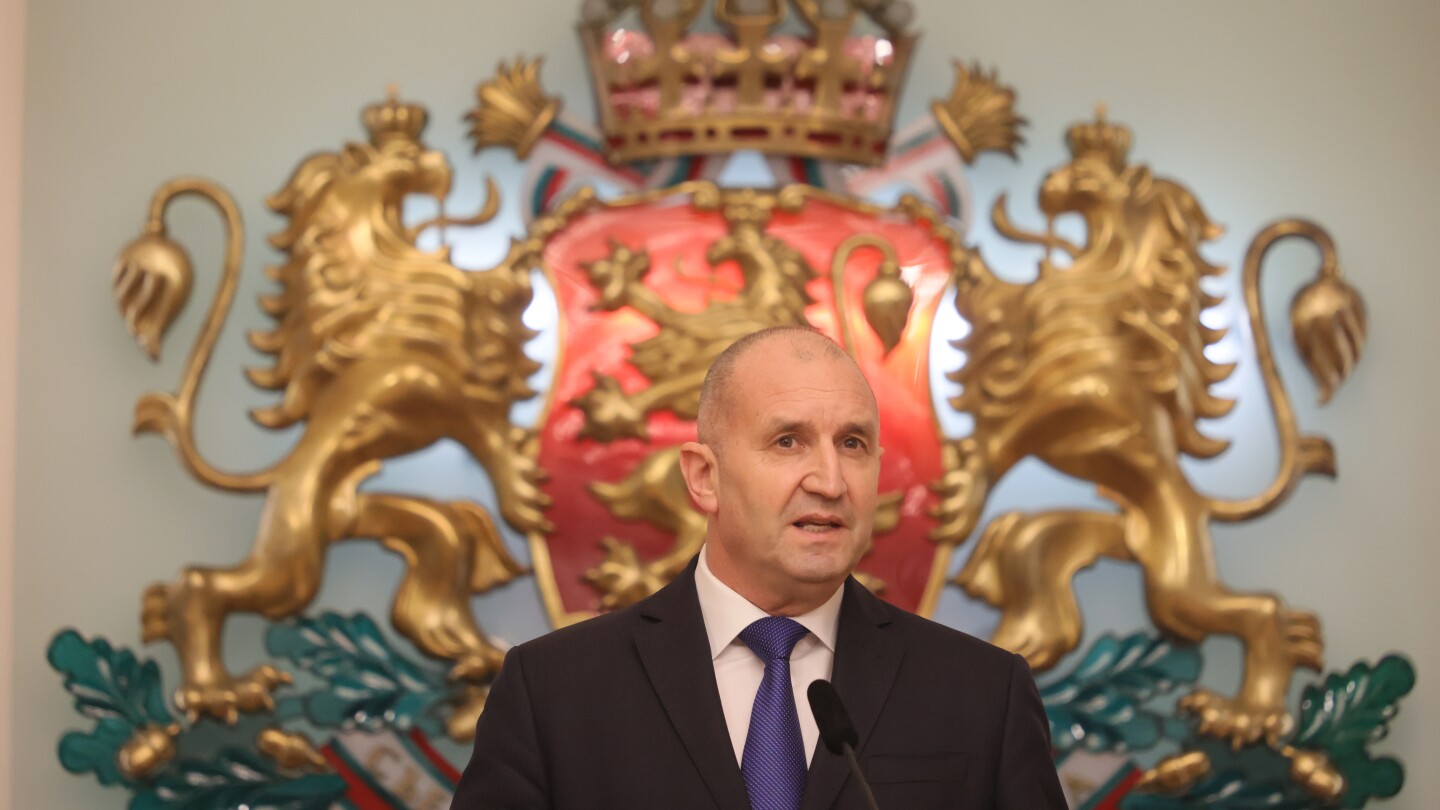
    In an unprecedented move that reshapes Bulgaria’s political landscape, President Rumen Radev declared his resignation during a nationally televised address on Monday. The left-leaning head of state announced his intention to formally submit his resignation to the Constitutional Court on Tuesday, marking the first presidential resignation in Bulgaria’s post-communist history.

    Under constitutional provisions, Vice President Iliana Yotova is poised to assume presidential duties following parliamentary confirmation, serving through the remainder of the government’s mandate. Radev’s dramatic departure occurs against the backdrop of escalating political instability within the European Union and NATO member nation, which has been grappling with persistent governance challenges.

    The resignation follows massive anti-corruption demonstrations that recently toppled the governing coalition led by the center-right GERB party. Subsequent attempts to establish a new administration within the existing parliament have proven unsuccessful, pushing the country toward its eighth parliamentary election since 2021.

    Radev, a 62-year-old former Air Force general whose second term was scheduled through 2026, has consistently positioned himself as a vocal adversary of GERB leader Boyko Borissov and sanctioned oligarch Delyan Peevski. While not explicitly detailing his future plans during Monday’s address, Radev has previously hinted at potential electoral participation and advocated for a new political entity that would ‘unite all democrats—left and right’ in pursuit of fair elections and democratic development.

    In his emotionally charged farewell, Radev proclaimed: ‘The battle for the future of our homeland lies ahead, and I believe we will face it together with all of you—the worthy, the inspired, and the unyielding! We are ready. We can, and we will succeed!’

  • Japan’s Takaichi calls Feb 8 snap election

    Japan’s Takaichi calls Feb 8 snap election

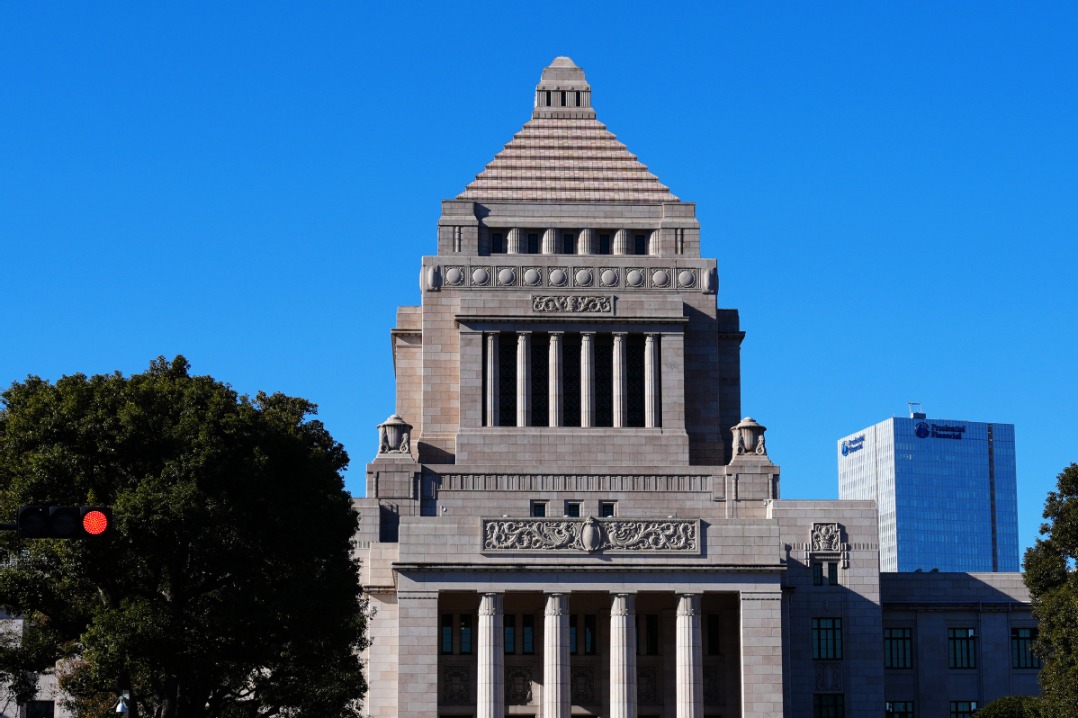
    TOKYO – Japanese Prime Minister Sanae Takaichi has declared her intention to dissolve the House of Representatives this Friday, setting the stage for an unexpected general election scheduled for February 8, 2026. The announcement, made during a Monday evening press conference, marks a significant political maneuver that will test Takaichi’s leadership just months after assuming office.

    The electoral process will follow Japan’s established system where voters will select representatives from 289 single-member constituencies alongside 176 proportional representation seats. Media reports indicate the official campaign period will commence on January 27, creating a condensed two-week window for political mobilization.

    This snap election arrives despite the current parliamentary term having approximately two years remaining. Japan’s constitution permits such dissolution of the lower house before the completion of the standard four-year legislative term, providing sitting prime ministers with strategic flexibility.

    The political landscape has shifted notably since Takaichi’s October 21 inauguration. In response to the conservative ruling coalition, the Constitutional Democratic Party of Japan has joined forces with Komeito, previously a long-standing ally of the ruling Liberal Democratic Party (LDP). This newly formed Centrist Reform Alliance positions itself as the primary opposition force challenging the established power structure.

    Takaichi’s decision follows her consultation with senior LDP members and coalition partners last week, indicating a calculated political strategy to capitalize on current circumstances. The February election will serve as the first national referendum on Takaichi’s administration and could significantly reshape Japan’s political alignment.

  • ‘Europe is at a total loss’: Russia gloats over Greenland tensions

    ‘Europe is at a total loss’: Russia gloats over Greenland tensions

    In a remarkable geopolitical alignment, Russian state media has emerged as an unexpected champion of former President Donald Trump’s controversial pursuit of Greenland. The official government newspaper Rossiyskaya Gazeta has published extensive praise for Trump’s territorial ambitions while simultaneously criticizing European allies who oppose the potential annexation.

    The publication characterizes Trump’s push for Greenland as a “historic breakthrough” that would cement American greatness. The article suggests that acquiring the autonomous Danish territory would represent Trump’s “greatest deal” and elevate him to the status of historic figures like Abraham Lincoln. According to their analysis, US control of Greenland would expand American territory to become the world’s second-largest nation after Russia, surpassing Canada in total area.

    Russian commentary explicitly encourages Trump to pursue rapid annexation before the 2026 midterm elections, warning that backtracking would weaken Republican political standing. This endorsement comes despite Trump’s own rhetoric portraying Russia and China as aggressive actors in the Arctic region, claiming their military presence necessitates US control of Greenland.

    Analysts observe that Moscow’s support stems from strategic calculations rather than genuine admiration. The Greenland controversy has created significant strain within NATO and the transatlantic alliance, with Trump threatening tariffs against European nations that oppose his territorial ambitions. Russian tabloid Moskovsky Komsomolets openly expressed satisfaction with European disarray, noting “it’s a pleasure to watch this” development.

    Furthermore, pro-Kremlin commentators are leveraging the Greenland situation to justify Russia’s ongoing war in Ukraine. Moscow perceives that maintaining positive relations with the Trump administration supports its primary objective of achieving victory in Ukraine. This calculated endorsement reflects Russia’s broader strategy of exploiting divisions within Western alliances to advance its geopolitical interests.

  • As faith in the US fades a year into Trump 2.0, Europe breaks with reliance on American security

    As faith in the US fades a year into Trump 2.0, Europe breaks with reliance on American security

    BRUSSELS — European leaders are confronting an unprecedented crisis in transatlantic relations as the Trump administration’s second term accelerates a dramatic recalibration of NATO alliances. The diplomatic rupture has intensified following President Trump’s threat to impose tariffs against nations opposing U.S. control over Greenland, with EU officials characterizing the move as “intimidation,” “threats,” and “blackmail.”

    The geopolitical landscape has fundamentally shifted since Trump’s return to power twelve months ago, with European confidence in American partnership deteriorating rapidly. The previously inconceivable notion that NATO’s most powerful member would threaten territorial seizure from an ally has triggered profound strategic reassessments across European capitals.

    Former NATO Secretary-General Jens Stoltenberg’s memoir reveals the alliance nearly reached collapse during Trump’s first term, noting: “I feared that NATO was about to stop functioning” after the 2018 summit crisis. This fragility has resurfaced with greater intensity, as Danish Prime Minister Mette Frederiksen explicitly warned that any attempted annexation of semiautonomous Greenland would terminate bilateral relations, including NATO cooperation.

    Maria Martisiute, European Policy Centre analyst, states: “We are at the very early stage of a rather deep political-military crisis. There is greater realization, even though political leaders will not like to admit it, that America has abandoned NATO.”

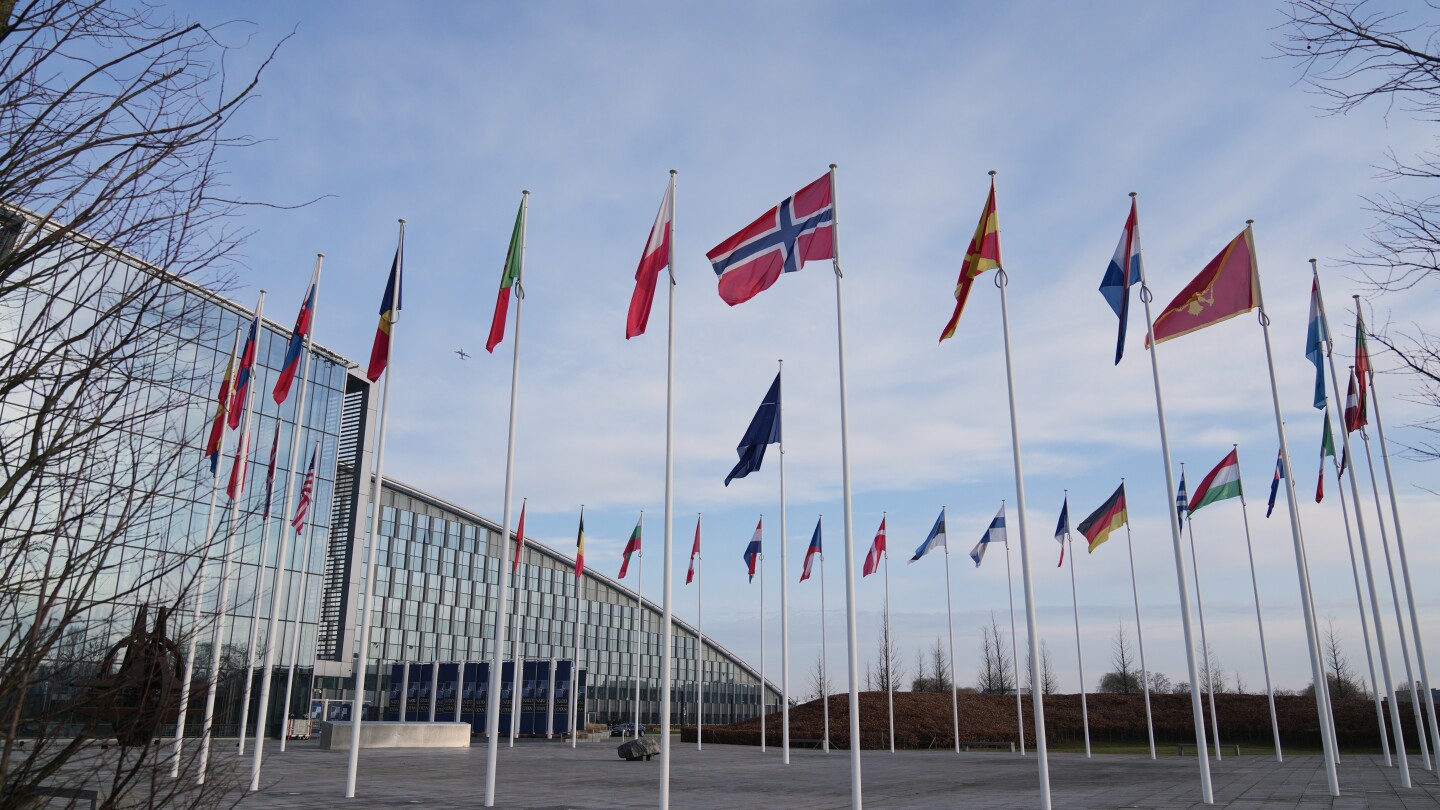
    The transformation became evident in early 2025 when U.S. Defense Secretary Pete Hegseth delivered a stark ultimatum at NATO headquarters: European allies must assume primary responsibility for regional security without expecting American assistance. The policy shift included halting Ukraine’s NATO membership prospects, accepting Russian territorial gains, and withdrawing security guarantees for European forces operating in Ukraine.

    Concurrently, the Trump administration has embraced a new national security strategy that characterizes European allies as weak, offers tacit support to far-right political movements, and criticizes European policies on free speech and migration. This approach has accelerated European moves toward strategic autonomy.

    The EU has established a multibillion-euro defense fund prioritizing European arms manufacturers, relaxed debt constraints for security spending, and committed to funding Ukraine’s military and economic needs for the next two years. Last week’s deployment of French, German, British, Norwegian, Swedish, and Dutch troops to Greenland—though small in scale—carried significant symbolic weight as a demonstration of European resolve.

    French President Emmanuel Macron articulated the shifting paradigm: “Europe is being shaken from some of its certainties. It sometimes has allies that we thought were predictable, fearless, always by our side, who are now causing us to doubt a lot, or are even turning against those who expected it the least.”

    As European leaders work to develop an independent security strategy, German Chancellor Friedrich Merz acknowledges the necessity for Europe to become “much more independent” from the United States in response to escalating global threats. This strategic decoupling, driven by American unpredictability and renewed Russian hostility, marks the most significant transformation in transatlantic relations since NATO’s founding.

  • What is Trump’s ‘Board of Peace’ and who will govern Gaza?

    What is Trump’s ‘Board of Peace’ and who will govern Gaza?

    A newly revealed charter for former President Donald Trump’s proposed ‘Board of Peace’ outlines an ambitious international organization with potential to rival the United Nations in conflict mediation. Originally conceived as part of Trump’s post-war governance framework for Gaza following Israel’s two-year military campaign, the initiative appears to have expanded into a broader peace-building entity with global aspirations.

    The charter, obtained by Middle East Eye, describes the Board as seeking to ‘promote stability, restore dependable and lawful governance, and secure enduring peace in areas affected or threatened by conflict.’ It explicitly calls for a ‘more nimble and effective international peace-building body’ than existing institutions, suggesting a fundamental challenge to current diplomatic frameworks.

    The document grants Trump extensive authority as chair, including unilateral power to appoint and remove member states—a decision reversible only by a two-thirds majority vote. Membership terms reveal a financial threshold for extended participation: countries serving three-year terms unless contributing over $1 billion within the first year of operations.

    Simultaneously, the White House unveiled a hierarchical structure beneath the Board featuring a ‘founding executive board’ specifically for Gaza stabilization. This seven-member body includes prominent figures such as Secretary of State Marco Rubio, former presidential adviser Jared Kushner, billionaire real estate developer Steve Witkoff, former UK Prime Minister Tony Blair, World Bank President Ajay Banga, and Apollo Global Management CEO Marc Rowan.

    The appointments have drawn immediate criticism from Palestinian analysts and rights groups who note the absence of Palestinian representation in senior roles. Islamic Jihad, Gaza’s second-largest militant group, condemned the board’s composition as aligning with ‘Israeli specifications.’

    The complex governance architecture extends to include a High Representative for Gaza (former UN envoy Nikolay Mladenov), an 11-member Gaza Executive Board with regional representatives, and a technocratic National Committee for the Administration of Gaza led by former Palestinian deputy minister Ali Shaath.

    This sweeping initiative represents Trump’s most ambitious attempt to reshape international conflict resolution mechanisms, though its implementation faces significant geopolitical challenges and widespread skepticism from affected communities.

  • Diplomacy or retaliation? The EU mulls its options as tensions with U.S. rise over Greenland

    Diplomacy or retaliation? The EU mulls its options as tensions with U.S. rise over Greenland

    European leaders are coordinating emergency response strategies following President Donald Trump’s unexpected announcement of punitive tariffs targeting eight European nations. The unprecedented measure, tied explicitly to U.S. ambitions to acquire Greenland, has triggered the most significant transatlantic trade crisis in recent years.

    During a weekend statement from his Florida golf club, President Trump declared impending 10% tariffs on imports from Denmark, Norway, Sweden, France, Germany, the United Kingdom, Netherlands, and Finland. These tariffs would escalate to 25% by June 1st absent a negotiated agreement for the “Complete and Total purchase of Greenland” by the United States.

    The European Commission convened emergency diplomatic sessions in Brussels, with representatives condemning the move as economic coercion. European Commission spokesperson Olof Gill stated while emphasizing restraint: “Our priority is to engage, not escalate. The EU has tools at its disposal and is prepared to respond should the threatened tariffs be imposed.”

    Analysts identify three primary countermeasures available to the EU: symmetrical tariff implementation, suspension of the nascent EU-U.S. trade agreement framework, and deployment of the recently established Anti-Coercion Instrument (ACI) – a mechanism designed specifically to address economic pressure campaigns. The ACI, created following China’s trade restrictions against Lithuania, represents the bloc’s most powerful trade defense capability, though its implementation remains contentious among member states.

    The timing coincides with critical diplomatic gatherings, including the World Economic Forum in Davos and an emergency EU summit on transatlantic relations scheduled for Thursday. European leaders have unanimously declared that tariff implementation would violate existing trade agreements and undermine diplomatic relations.

    Concurrently, the EU is accelerating trade diversification efforts, finalizing agreements with Mercosur nations, Indonesia, and Japan while advancing negotiations with the United Arab Emirates and India. Commission officials characterize these developments as strategic victories amid global economic uncertainty, with the India agreement alone potentially encompassing nearly two billion people.

    French President Emmanuel Macron captured the European consensus, stating: “Tariff threats are unacceptable and have no place in this context. Europeans will respond in a united and coordinated manner should they be confirmed. We will ensure that European sovereignty is upheld.”

  • India agrees to boost trade and strategic ties with UAE amid regional tensions

    India agrees to boost trade and strategic ties with UAE amid regional tensions

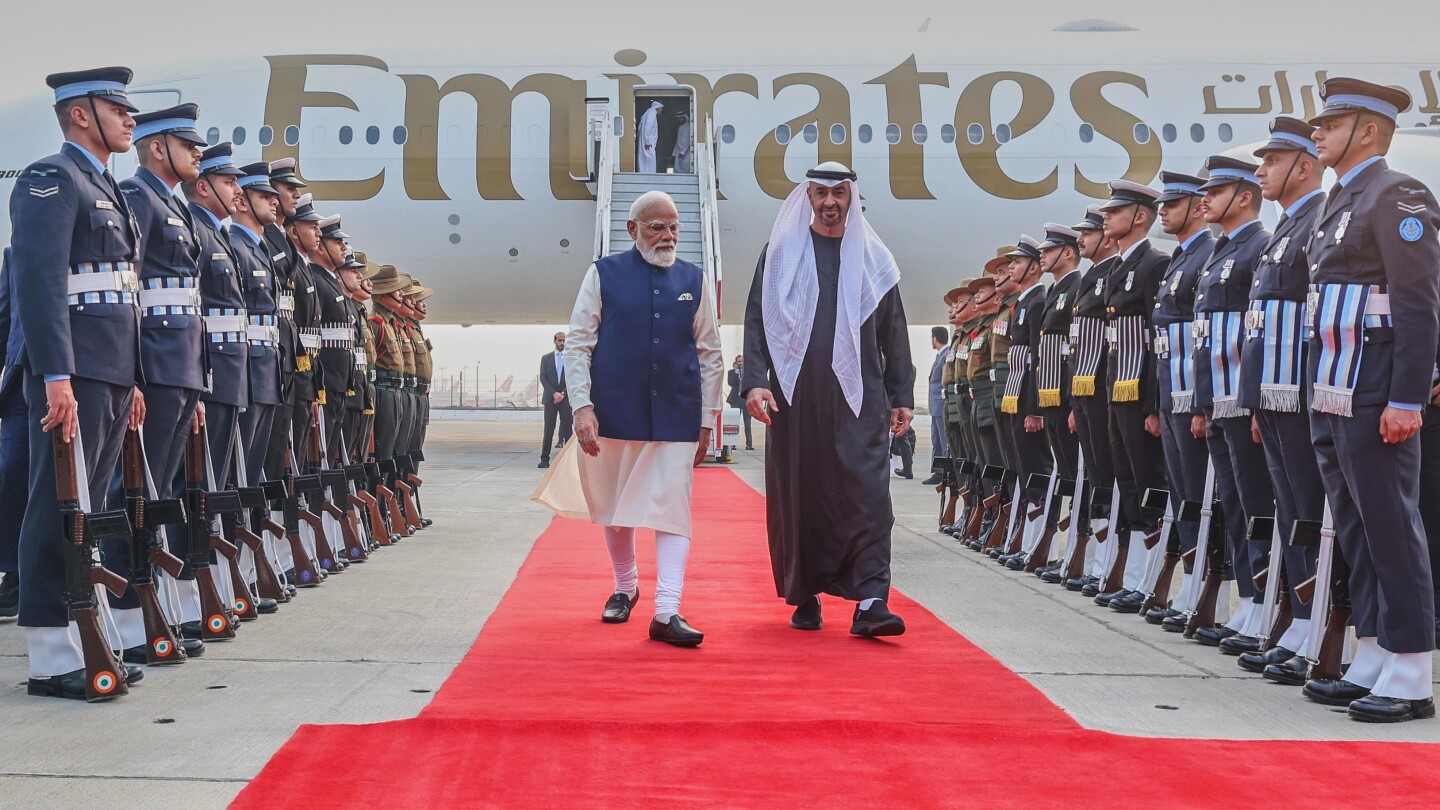
    NEW DELHI — In a significant diplomatic engagement, Indian Prime Minister Narendra Modi hosted United Arab Emirates President Sheikh Mohamed bin Zayed Al Nahyan in New Delhi on Monday, culminating in a comprehensive set of agreements designed to substantially enhance bilateral cooperation. The high-level discussions yielded ambitious economic targets and strategic alignments against the backdrop of escalating regional instability in West Asia.

    The centerpiece of the renewed partnership is a commitment to double bilateral trade to $200 billion by 2032, building upon the remarkable momentum established since the implementation of the Comprehensive Economic Partnership Agreement in February 2022. This foundational pact has already propelled trade volumes beyond the $100 billion threshold through tariff reductions and expanded market access.

    Beyond commercial expansion, the nations finalized several pivotal arrangements including a decade-long liquefied natural gas contract committing India to import 500,000 metric tons annually beginning in 2028. The defense sector received substantial attention with both parties agreeing to establish a strategic framework agreement, while additional collaborations were announced in space exploration and food security initiatives.

    The UAE further demonstrated its investment confidence through commitments to develop specialized economic zones in Gujarat, Modi’s home state, featuring advanced infrastructure including modern ports, airports, and smart urban developments.

    This strengthened partnership assumes heightened geopolitical significance amid escalating tensions throughout West Asia, particularly involving Iran, Yemen, and the ongoing crisis in Gaza. Analysts observe that both nations are strategically positioning themselves as stabilizing forces during this period of regional uncertainty and global realignment.

    Harsh Pant of the Observer Research Foundation noted: ‘The India-UAE relationship continues to evolve across multiple dimensions. Current regional turmoil creates both challenges and opportunities for these partners to coordinate their approaches to maintaining stability.’

    India maintains substantial economic interests and diaspora connections throughout West Asia, making continued engagement with key regional partners like the UAE essential to navigating the complex geopolitical landscape.

  • Chinese courts see surge in foreign-related cases

    Chinese courts see surge in foreign-related cases

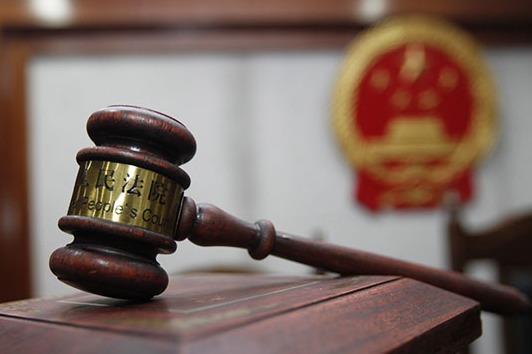
    China’s judicial authorities reported a substantial increase in international legal disputes during 2025, with approximately 40,000 first-instance civil and commercial cases involving foreign parties processed throughout the year. This represents a remarkable 50 percent surge compared to previous year’s figures, according to official data released by the Supreme People’s Court on January 19, 2026.

    The dramatic rise in cross-border litigation reflects China’s expanding global economic engagement and the judicial system’s evolving capacity to handle complex international legal matters. The Supreme People’s Court emphasized that these developments demonstrate the nation’s continued commitment to enhancing foreign-related adjudication capabilities while ensuring equal protection for both domestic and international litigants.

    Beyond international cases, Chinese courts managed an overwhelming volume of over 20 million first-instance civil and commercial disputes nationwide, marking an 11 percent annual increase. Intellectual property litigation showed significant growth with more than 470,000 cases processed, representing a five percent year-on-year increase that underscores China’s evolving innovation landscape.

    Environmental justice also saw substantial developments, with courts processing over 160,000 first-instance civil environmental cases—an 11 percent increase that demonstrates strengthened judicial support for ecological protection initiatives.

    In criminal justice, authorities intensified efforts against criminal offenses, processing more than 1 million first-instance criminal cases while sentencing over 1.4 million defendants. Notably, both case numbers and conviction rates demonstrated a year-on-year decline, suggesting potential improvements in crime prevention strategies.

    The comprehensive judicial data reveals a nation undergoing rapid legal transformation across multiple domains, with particular significance for international businesses and investors engaged with China’s expanding economy.

  • Iran warns attack on Khamenei would mean full-scale war

    Iran warns attack on Khamenei would mean full-scale war

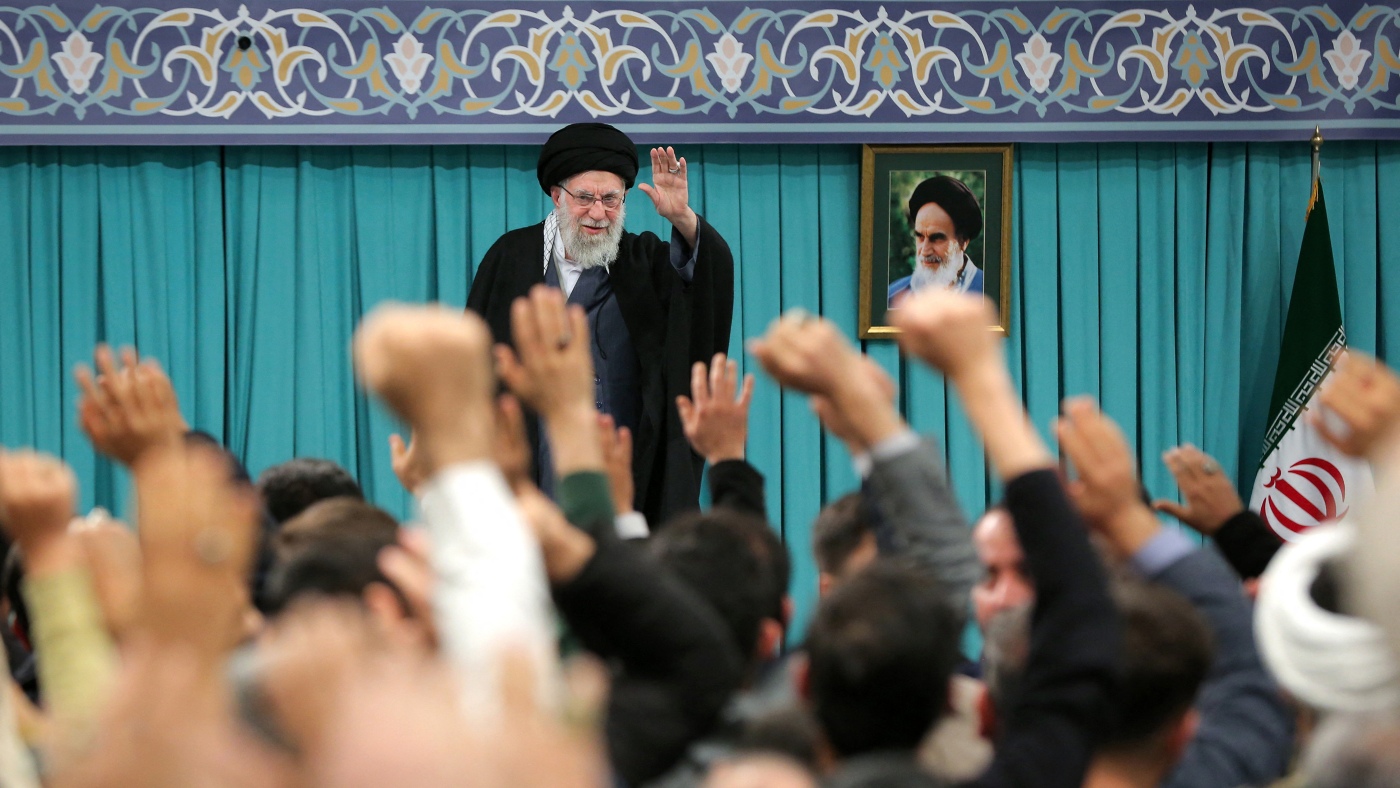
    Iranian President Masoud Pezeshkian has issued a stark warning that any military action targeting Supreme Leader Ali Khamenei would constitute a declaration of “full-scale war against the Iranian nation.” The statement, delivered via social media platform X on Sunday, represents the most direct response yet to provocative comments from former US President Donald Trump, who recently characterized Khamenei as “a sick man” and called for new leadership in Iran during an interview with Politico.

    President Pezeshkian directly linked Iran’s economic hardships to “the longstanding enmity and inhumane sanctions imposed by the United States government and its allies.” His warning follows Trump’s claim on Friday that he had received assurances from “very important sources” in Tehran regarding the planned executions of protesters, which reportedly led to a pause in potential US military action.

    The escalating diplomatic crisis unfolds against the backdrop of significant civil unrest within Iran. In a rare official acknowledgment, Supreme Leader Khamenei confirmed that “several thousand” people died during recent protests, while simultaneously blaming the United States and President Trump personally for the violence and casualties. Khamenei’s social media account stated unequivocally that Iran holds “the US President guilty due to the casualties, damages and slander he inflicted upon the Iranian nation.”

    Despite earlier statements from Iranian officials suggesting executions might not proceed, authorities indicated on Sunday they might still carry out death sentences for detained protesters. An anonymous Iranian official provided a significantly higher death toll than previously acknowledged, confirming at least 5,000 fatalities since anti-government demonstrations began on December 28th. The official attributed these deaths to “terrorists and armed rioters” allegedly supported by “Israel and armed groups abroad.”

    Recent developments suggest the government’s severe crackdown, which included a near-total internet blackout beginning January 8th, has substantially quelled the protests. Internet monitoring group NetBlocks reported a “very slight rise in internet connectivity” to approximately 2% of normal levels, with some services gradually being restored. Meanwhile, in a symbolic challenge to authorities, Iranian state television was reportedly hacked on Sunday, broadcasting messages from Reza Pahlavi and showing protest footage that encouraged security forces to support demonstrators.