分类: politics

  • Indonesian President nominates nephew as central bank deputy governor

    Indonesian President nominates nephew as central bank deputy governor

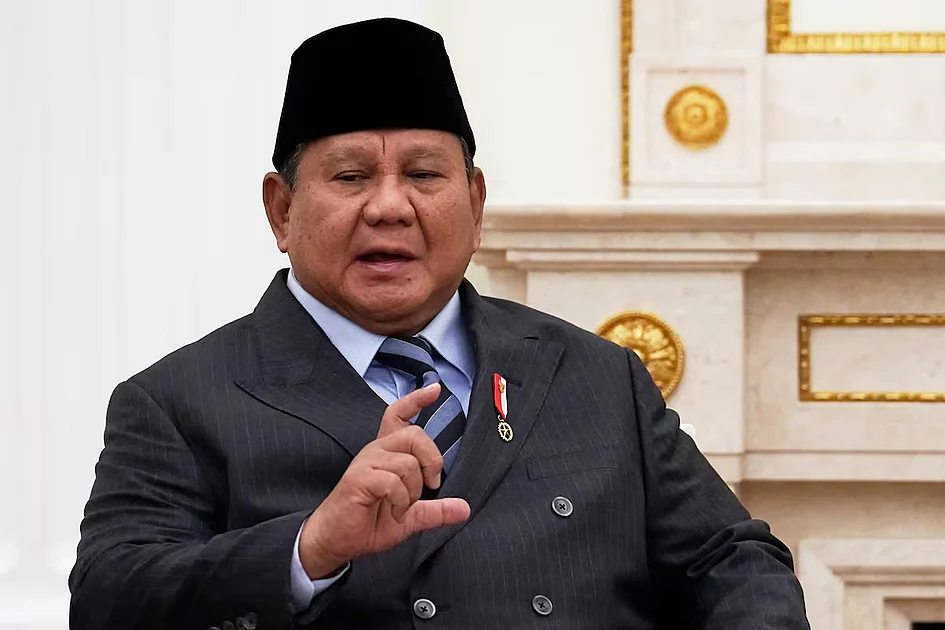
    Indonesian President Prabowo Subianto has formally nominated his nephew, Thomas Djiwandono, for a position on the central bank’s board of governors, triggering immediate concerns about the financial institution’s independence. The announcement was confirmed by State Secretariat Minister Prasetyo Hadi during a Monday press conference, revealing that multiple candidates had been submitted to parliament for consideration following the resignation of incumbent deputy governor Juda Agung.

    Djiwandono, who currently serves as deputy finance minister—a position he assumed in July 2024 under previous president Joko Widodo—now faces parliamentary scrutiny through a mandatory ‘fit-and-proper’ hearing process. The nomination comes at a critical juncture for Indonesia’s economic policy, with the central bank preparing to announce its latest benchmark interest rates this week.

    The development has reignited longstanding concerns about governance transparency in Southeast Asia’s largest economy, which has historically struggled with corruption and concentration of power among political elites. Bank Indonesia, tasked with maintaining monetary stability and overseeing the financial system, now faces questions about its operational independence from executive influence.

    Central bank spokesman Ramdan Denny Prakoso emphasized that ‘Bank Indonesia remains focused on its core mandates of currency stability, payment system integrity, and financial system security to support sustainable economic growth.’ The statement came as President Prabowo pushes an ambitious economic agenda aiming to accelerate growth from approximately 5% to 8% by 2029, adding significance to the central bank’s leadership composition.
  • Trump says he will ‘100%’ carry out Greenland tariffs threat, as EU vows to protect its interests

    Trump says he will ‘100%’ carry out Greenland tariffs threat, as EU vows to protect its interests

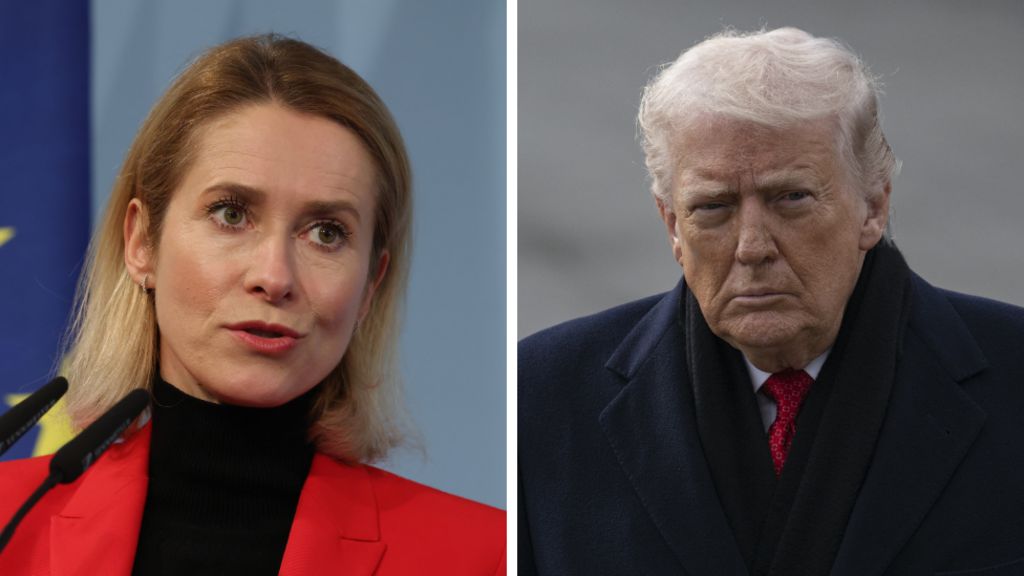
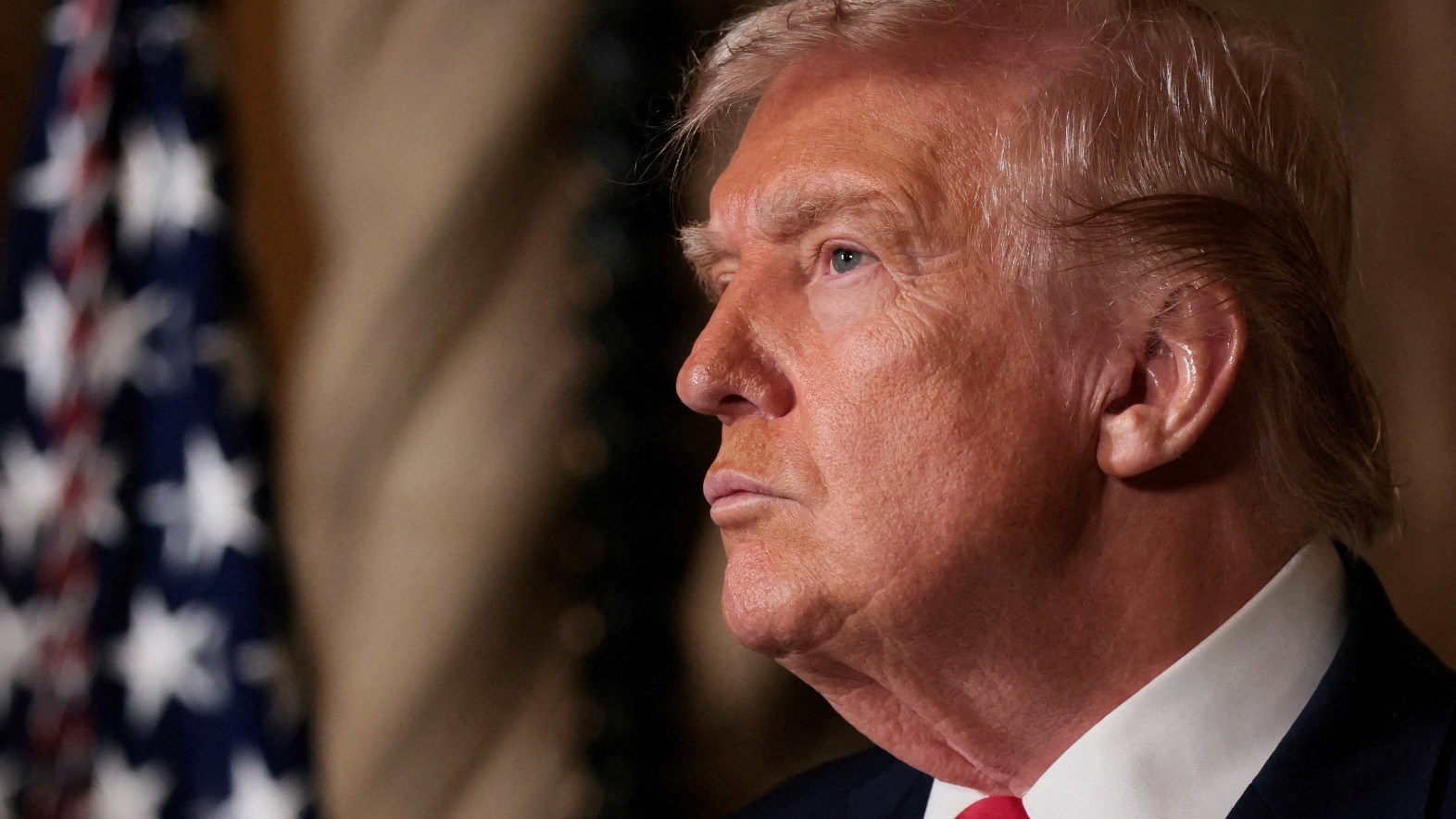
    A severe diplomatic crisis has erupted across the Atlantic following former U.S. President Donald Trump’s renewed threats to impose punitive tariffs on European NATO allies unless they acquiesce to his demand for Washington to purchase Greenland. The extraordinary proposition, treating sovereignty as a transactional asset, has drawn unified and fierce condemnation from European capitals.

    In a recent interview, Trump explicitly declined to rule out the use of military force to acquire the semi-autonomous Danish territory, responding to a direct question with a terse ‘No comment.’ He instead detailed a plan for escalating tariffs, starting with a 10% levy on all goods from the United Kingdom beginning February 1st, potentially rising to 25% by June. This same economic pressure would be applied to seven other NATO members: Denmark, Norway, Sweden, France, Germany, the Netherlands, and Finland.

    European leaders have mounted a staunch defense of Greenland’s sovereignty and international law. Danish Foreign Minister Lars Løkke Rasmussen asserted that one cannot ‘threaten your way to ownership of Greenland,’ emphasizing the existence of uncrossable ‘red lines.’ UK Foreign Secretary Yvette Cooper reinforced that Greenland’s future is a matter solely for ‘Greenlanders and for the Danes.’

    The collective European response has extended beyond rhetoric. In a significant symbolic gesture, several European nations deployed a small contingent of troops to Greenland last week, a move interpreted as a show of solidarity and a deterrence signal. Trump’s subsequent tariff announcement is widely seen as a direct retaliation for this deployment.

    Further complicating the diplomatic fray, a separate text message exchange between Trump and Norwegian Prime Minister Jonas Gahr Støre was revealed. In the messages, Trump complained that Norway was responsible for him not receiving the Nobel Peace Prize, a claim Støre refuted by explaining the prize’s independence from government control.

    In response to the escalating situation, the European Union has scheduled an emergency summit in Brussels. EU foreign policy chief Kaja Kallas stated the bloc has ‘no interest to pick a fight, but we will hold our ground,’ firmly declaring that ‘sovereignty is not for trade.’ Meanwhile, NATO Secretary General Mark Rutte affirmed the alliance’s commitment to continue working with Denmark and Greenland on Arctic security, attempting to navigate the unprecedented rift.

  • The full text of Trump’s ‘Board of Peace’ charter

    The full text of Trump’s ‘Board of Peace’ charter

    A newly obtained charter document reveals former US President Donald Trump’s proposed “Board of Peace” represents a direct challenge to established international institutions, particularly the United Nations. Middle East Eye has acquired the comprehensive charter outlining an alternative global governance framework that significantly centralizes power within its leadership structure.

    The initiative, originally conceptualized during Trump’s response to the Gaza conflict, has evolved into a broader institutional framework that pointedly criticizes existing peacebuilding approaches. The charter explicitly states that durable peace requires “the courage to depart from… institutions that have too often failed,” while advocating for a “more nimble and effective international peace-building body.”

    Notably, the charter establishes Donald J. Trump as the inaugural Chairman with extensive authority, treating the position as a personal role rather than one tied to the U.S. presidency. The document specifies that Trump “shall serve as inaugural Chairman” without reference to the presidential office or fixed term limits, while granting him exclusive authority to create, modify, or dissolve subsidiary entities.

    The governance structure establishes a two-tier system: a general assembly of Member States represented by their Heads of State or Government, and an Executive Board selected by the Chairman consisting of “leaders of global stature.” Decision-making power ultimately rests with the Chairman, who maintains veto authority over Executive Board decisions and final interpretation of the charter.

    Membership requires invitation from the Chairman and features unusual provisions, including three-year terms for most states except those contributing over $1 billion within the first year. The Chairman retains authority to remove member states subject to a two-thirds majority veto, while states can withdraw immediately with written notice.

    As of January 19th, dozens of countries including Turkey, Egypt, India, Pakistan, and Saudi Arabia have received invitations, though most governments have responded cautiously. Only Hungarian Prime Minister Viktor Orbán, a known Trump ally, has confirmed acceptance of membership.

    The charter establishes English as the official language and designates the United States as depositary for all official documents. Financial provisions rely on voluntary funding from member states and other sources, while granting the organization international legal personality with capacity to enter contracts, acquire property, and institute legal proceedings.

    The Board of Peace would continue indefinitely unless dissolved by the Chairman, with automatic dissolution at the end of every odd-numbered year unless renewed by November 21st. This structure creates a potentially parallel international system with significantly different governance principles from existing multilateral institutions.

  • ‘I’m coming after you’ Hanson’s warning to the PM

    ‘I’m coming after you’ Hanson’s warning to the PM

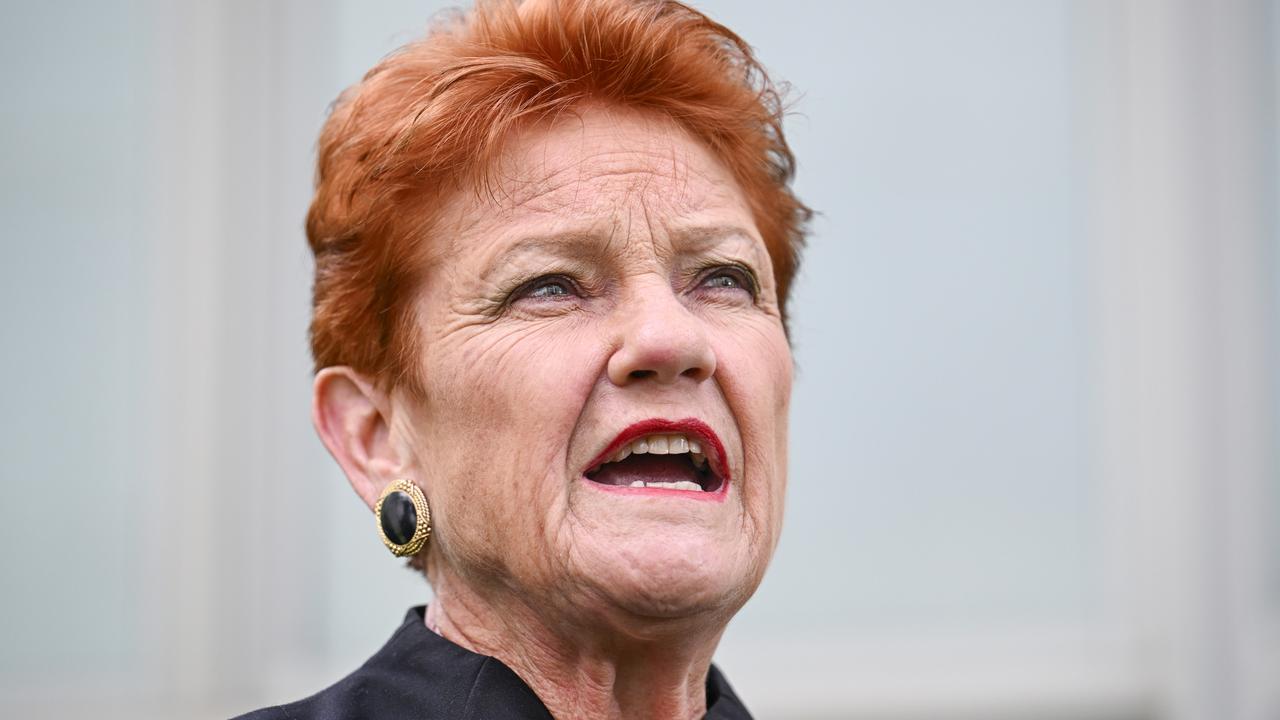
    Australian political discourse has intensified dramatically as One Nation leader Pauline Hanson launched a fierce counterattack against Prime Minister Anthony Albanese, responding to his characterization of her party’s growing influence as concerning. The exchange marks a significant escalation in political rhetoric amid unprecedented polling numbers for the minority party.

    Prime Minister Albanese initially expressed apprehension about One Nation’s surge during a radio interview on KIIS FM’s Kyle and Jackie O show, describing the party as a divisive force capitalizing on public grievances. He specifically highlighted concerns about right-wing populism gaining traction and creating societal divisions.

    The political climate shifted considerably when recent Newspoll data revealed extraordinary developments in voter preferences. One Nation achieved a historic breakthrough, securing 22% of the primary vote according to The Australian’s survey. This remarkable 8-point increase since the May 3 election represents the first instance in Australian political history where a minor party has surpassed a major party in polling, with the Coalition trailing at 21% while Labor maintained 32%.

    Hanson delivered her rebuttal during a Sky News appearance, employing strong language to condemn the Prime Minister. She labeled Albanese the worst prime minister in Australia’s history and accused him of hypocrisy regarding divisive leadership. The One Nation leader specifically referenced the failed Voice to parliament initiative and alleged insufficient action against antisemitism as evidence of Albanese’s own divisive governance.

    The political confrontation concluded with Hanson issuing dual warnings—first directly challenging Albanese’s position by vowing to campaign vigorously for his removal in the next election, and second cautioning Opposition Leader Sussan Ley against collaborating with Labor on proposed hate speech legislation currently before parliament, which Hanson characterized as fundamentally flawed.

  • Arab League delegation visits China-Arab Research Center on Reform and Development for 10th anniversary

    Arab League delegation visits China-Arab Research Center on Reform and Development for 10th anniversary

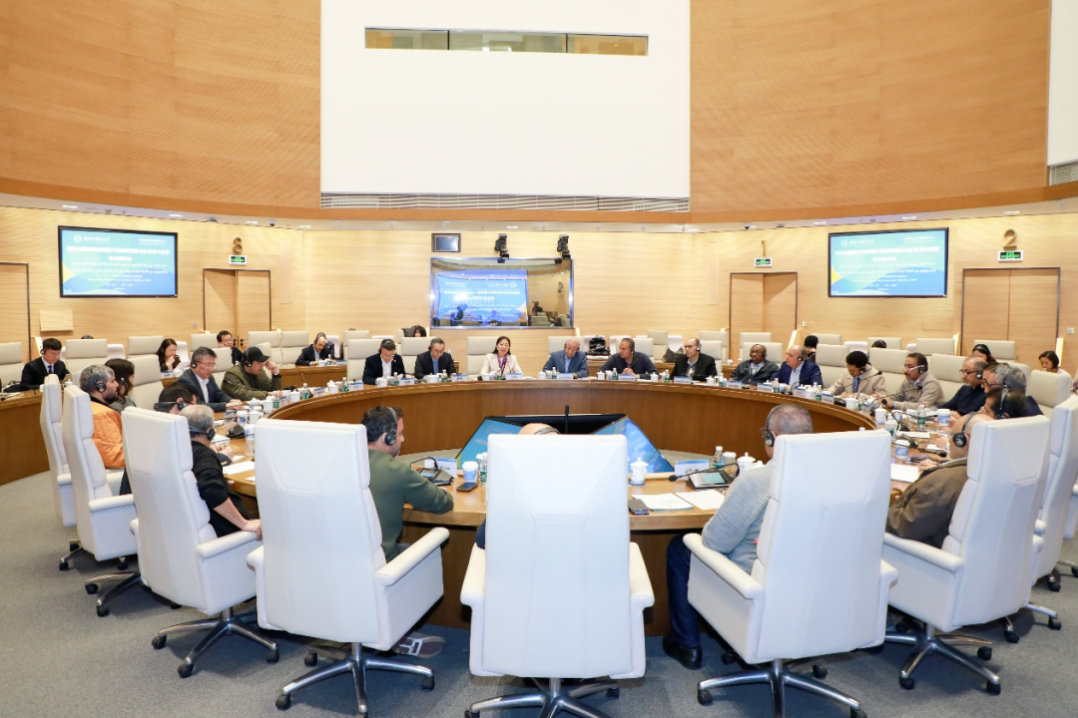
    A high-level Arab League delegation commemorated the 10th anniversary of the China-Arab Research Center on Reform and Development during a landmark visit to its Shanghai headquarters on January 15th. The delegation comprised permanent representatives from Arab nations to the League of Arab States alongside senior officials from the organization’s general secretariat.

    Established in 2017 and administered by Shanghai International Studies University (SISU), the center has emerged as a pivotal institution in Sino-Arab relations. During the anniversary proceedings, Yin Dongmei, SISU Party Secretary and Center Chairperson, emphasized the university’s deep-rooted expertise in Arabic language education and regional studies, highlighting its sustained commitment to advancing China-Arab cooperation through multiple channels.

    ‘Over the past decade, SISU has maintained robust exchange mechanisms with the Arab League, yielding significant achievements in professional training, talent development, think tank research, and cultural diplomacy,’ Yin stated. She expressed optimism that the current visit would catalyze more substantive collaboration, thereby reinforcing the stability and long-term progression of China-Arab relations.

    Leading the delegation, Kahtan Taha Khalaf, Ambassador of Iraq to Egypt and Permanent Representative to the Arab League, acknowledged the center’s critical function as a platform for bilateral exchange. ‘This institution provides indispensable support for deepening mutual understanding between our nations,’ Khalaf remarked, noting that Arab countries attach great importance to their relationship with China. He referenced the upcoming second China-Arab Summit in China as evidence of the relationship’s solid foundation and positive trajectory, pledging Arab support for the center’s continued development.

    Vice-President of SISU and Center Director Yi Yonggang outlined ambitious plans for 2026, including the completion of a dedicated facility that will serve as a permanent venue for governance experience sharing. The new building will feature a thematic exhibition hall documenting the history and accomplishments of China-Arab interactions, creating an important window for cultural exchange and public diplomacy.

    Additionally, SISU is accelerating the development of specialized Arab studies programs and constructing a comprehensive research model that integrates talent, academic, and technological resources. These initiatives aim to establish a high-level think tank and digital platform supporting the qualitative advancement of China-Arab relations. Arab representatives unanimously stressed the priority they place on relations with China and expressed eagerness to deepen practical cooperation in academic research, policy dialogue, and capacity building.

  • Ex-CNNC general manager faces disciplinary probe

    Ex-CNNC general manager faces disciplinary probe

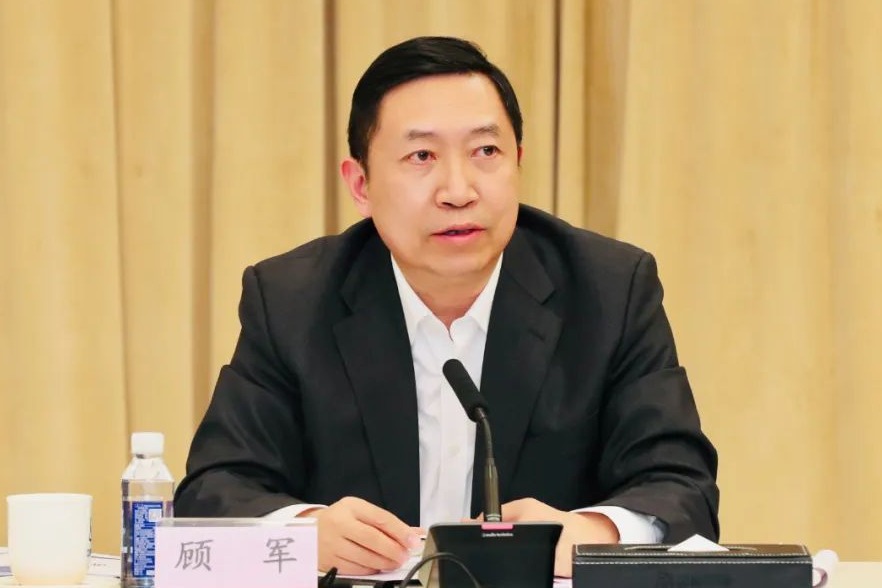
    China’s top anti-corruption authorities have launched a disciplinary probe against Gu Jun, former senior executive of the state-owned China National Nuclear Corporation (CNNC). The Central Commission for Discipline Inspection (CCDI) and National Supervisory Commission disclosed on Monday that Gu is suspected of serious breaches of Party discipline and national laws, currently undergoing comprehensive review and investigation.

    Gu Jun, 62, from Jiangsu province, concluded his extensive career in China’s nuclear power sector with his retirement in 2024 after serving as CNNC’s general manager since 2018. His professional journey began in 1983, with Party membership commencing in 1989. His career trajectory included significant leadership roles at Sanmen Nuclear Power Company and the former State Nuclear Power Technology Corporation, which underwent restructuring and merger into State Power Investment Corporation in 2015.

    Prior to his CNNC appointment, Gu held the general manager position at China Nuclear Engineering and Construction Corporation starting April 2015. His case represents the latest in China’s ongoing anti-corruption campaign within state-owned enterprises and strategic industries, particularly those involving critical national infrastructure and advanced technological development.

  • Look: UAE President touches down in India, welcomed by PM Narendra Modi during visit

    Look: UAE President touches down in India, welcomed by PM Narendra Modi during visit

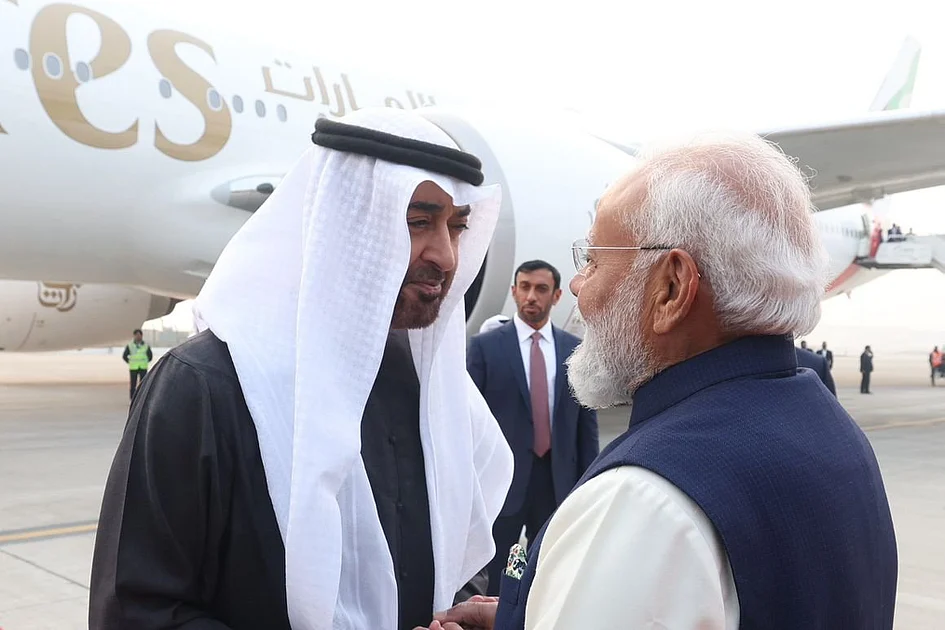
    In a significant diplomatic engagement, UAE President Sheikh Mohamed bin Zayed Al Nahyan arrived in New Delhi on January 19, 2026, marking a pivotal moment in bilateral relations between the two nations. The distinguished leader was received with full state honors by Indian Prime Minister Narendra Modi at Palam Air Force Station, where ceremonial guards flanked the red carpet in a display of mutual respect and diplomatic protocol.

    The high-level delegation accompanying the UAE President includes prominent figures such as Dubai’s Crown Prince Sheikh Hamdan bin Mohammed bin Rashid Al Maktoum, alongside key government ministers and senior officials. This composition underscores the strategic importance both nations place on this diplomatic exchange.

    Prime Minister Modi characterized the visit as emblematic of the robust friendship and growing strategic partnership between India and the UAE. The leaders are scheduled to engage in comprehensive discussions covering bilateral cooperation, economic partnerships, and regional security matters. This meeting follows previous successful summits that have substantially strengthened economic and security ties between the two nations.

    The timing of this state visit holds particular significance as both countries continue to expand their collaboration in energy security, digital infrastructure, and technological innovation. Recent years have witnessed substantial Emirati investment in Indian infrastructure projects, while India remains a crucial partner for the UAE’s food security initiatives and technological development.

  • Syria deal with Kurdish forces hands Turkey a strategic win

    Syria deal with Kurdish forces hands Turkey a strategic win

    A significant geopolitical realignment is unfolding in Syria following a pivotal understanding reached between Turkish and American officials, culminating in a ceasefire accord that substantially addresses Ankara’s longstanding security concerns. The shift began in November when Turkish Foreign Minister Hakan Fidan engaged in comprehensive discussions with senior US officials including Vice President JD Vance and Secretary of State Marco Rubio, establishing what Fidan described as being “fully on the same page” regarding Syria policy.

    This diplomatic breakthrough has manifested dramatically on the ground. Earlier this month, the Syrian military launched operations in Aleppo’s al-Ashrafiyah and Sheikh Maqsoud neighborhoods—territories long held by the US-backed Syrian Democratic Forces (SDF). Despite the SDF’s role as a key American partner in combating the Islamic State, US officials quietly endorsed Damascus’s advance, signaling growing frustration with the Kurdish-led group’s resistance to compromise.

    The subsequent ceasefire agreement, negotiated through US envoy Tom Barrack’s mediation with Syrian President Ahmed al-Sharaa, represents a strategic victory for Turkey. Under its terms, the SDF will be effectively dissolved as an autonomous armed entity, with fighters integrated individually into Syria’s state security apparatus after vetting procedures. The accord transfers control of critical oil and gas fields in eastern Syria to Damascus, eliminating the SDF’s primary revenue source while promising local infrastructure investment.

    Crucially, the agreement places Deir Ezzor and Raqqa under direct government control and returns all state institutions in Hasakah to central authority. The SDF will retain only limited internal security functions within Hasakah while handing border crossings to Syria’s military, positioning government troops along the Turkish border to address Ankara’s smuggling and infiltration concerns. The deal further requires the expulsion of all non-Syrian PKK members from SDF ranks.

    The development has notably weakened Israeli influence over the SDF while creating potential momentum for restarting Turkey’s stalled peace process with the PKK. Turkish officials have already distinguished between SDF pragmatism and what they characterize as “maximalist” positions from PKK leadership in Iraq’s Qandil mountains. With the Syrian file largely resolved, sources indicate renewed negotiations over disarmament and reintegration may follow, potentially strengthening the hand of conciliatory voices within the Kurdish movement.

  • US officials probing Minnesota ICE protest that disrupted church service

    US officials probing Minnesota ICE protest that disrupted church service

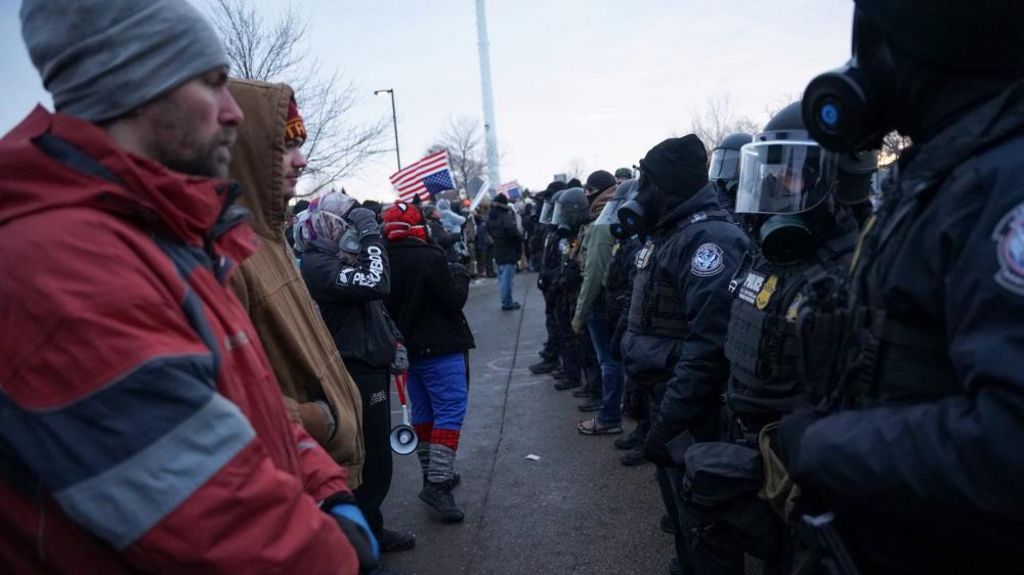
    Minneapolis remains embroiled in escalating tensions as anti-ICE demonstrations intensify following the January 7th fatal shooting of 37-year-old mother Renee Good by an Immigration and Customs Enforcement agent. The situation reached a new threshold when protesters disrupted a Sunday service at St. Paul’s Cities Church, chanting “ICE out” and demanding “Justice for Renee Good” while alleging one of the church’s pastors serves as a local ICE official.

    The U.S. Justice Department has initiated an investigation into the incident, with Attorney General Pam Bondi vowing to exercise the “full force of federal law” against demonstrators accused of “desecrating a house of worship.” Assistant Attorney General Harmeet Dhillon confirmed via social media that federal charges would be pursued in the case.

    According to Associated Press and Minnesota Star Tribune reports, a person identified as David Easterwood—matching the name of one of the church’s pastors—appears in ACLU court filings as acting director of ICE’s St. Paul field office. Easterwood was not present during the disrupted service, and the Department of Homeland Security maintains its policy of neither confirming nor denying agent identities for security reasons.

    The protests represent broader opposition to President Trump’s immigration crackdown, which has brought thousands of ICE agents to Minnesota following campaign promises of historic deportation operations. Monique Cullars-Doty, Black Lives Matter Minnesota co-founder and protest organizer, stated to CBS News that activists “can’t sit back idly and watch people go and be led astray.

    In a significant escalation, the Pentagon has placed 1,500 active-duty soldiers on standby for potential deployment after President Trump suggested invoking the Insurrection Act—a 19th-century law last used during the 1992 Los Angeles riots—to address the protests. Meanwhile, a federal judge has limited crowd control tactics ICE agents can use against peaceful demonstrators.

    Separately, the Justice Department has opened investigations into Minneapolis Mayor Jacob Frey and Minnesota Governor Tim Walz, both Democrats, for allegedly impeding federal immigration operations. The DHS reports approximately 3,000 arrests in Minneapolis since deployments began.

    The controversy stems from the death of Renee Good, a U.S. citizen and mother of three who was shot while observing ICE activities from her vehicle. While city officials maintain she was legally documenting operations, the Trump administration has labeled her a “domestic terrorist” and claims the agent acted in self-defense.

  • Kurdish autonomy falls, redrawing Syria’s geopolitical map

    Kurdish autonomy falls, redrawing Syria’s geopolitical map

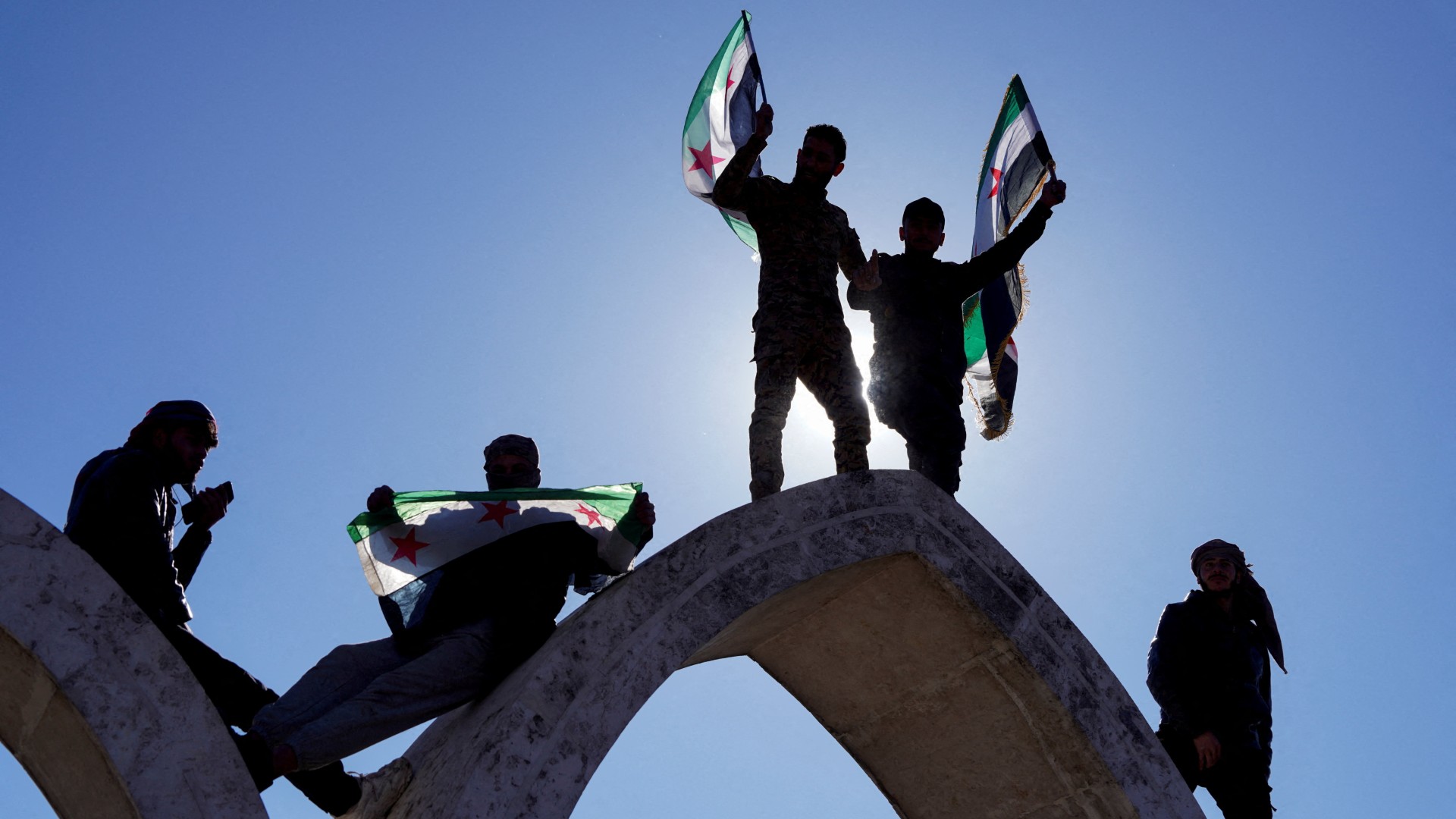
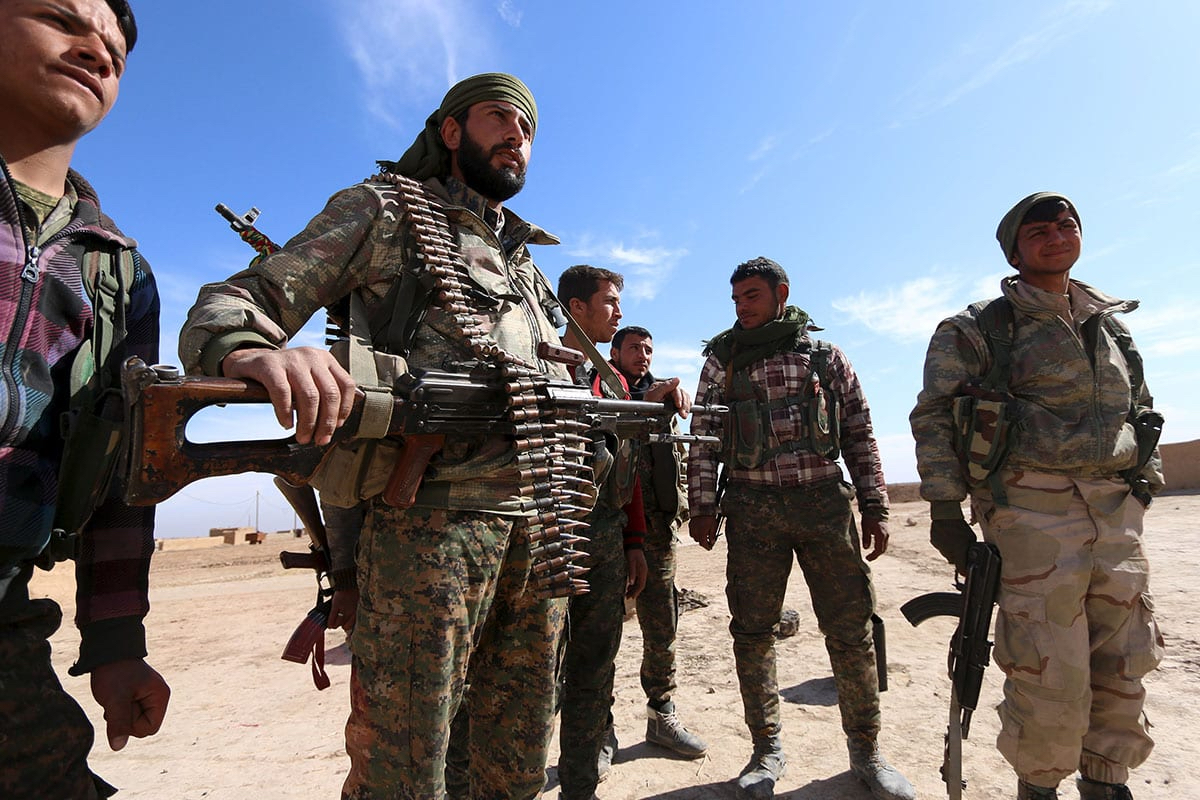
    A dramatic geopolitical realignment unfolded in Syria over the weekend as the U.S.-backed Syrian Democratic Forces (SDF) experienced a rapid collapse. The coalition, predominantly composed of Kurdish YPG units with alleged ties to the PKK (designated as a terrorist organization by Turkey), disintegrated following coordinated defections among its Arab tribal partners.

    This development marks the effective termination of the SDF’s ambitious project to establish an autonomous region based on Abdullah Ocalan’s ‘democratic confederalist’ ideology—a socialist-liberal governance model that the United States had previously leveraged as a strategic wedge in the region. The group’s sudden reversal from controlling Syria’s vital agricultural, energy, and water resources to accepting a lopsided ceasefire that restores central state authority stems from three primary factors.

    First, the SDF’s governance model proved fundamentally incompatible with the authoritarian-Islamist tribal society of local Arab communities, creating enduring tensions that undermined its stability. Second, the withdrawal of U.S. military patronage under the Trump administration’s new National Security Strategy, which deprioritizes West Asian engagements, removed critical support that had previously prevented mass defections. Third, the Kurdish leadership miscalculated American reliability, failing to negotiate with the Assad government before abandonment.

    The collapse represents a significant geostrategic victory for Turkey, which eliminates a longstanding security threat from PKK-aligned forces. This development enables Ankara to advance its ambitions of expanding influence eastward into Central Asia while strengthening its position in Syria. The realignment also threatens Israeli interests and challenges Russian influence in the region.

    Emerging consequences include the potential formation of an ‘Islamic NATO’—a security alliance involving Turkey, Pakistan, Saudi Arabia, and possibly Egypt—that could extend military cooperation across the Levant and into Central Asia. The United States appears to tacitly endorse this development as a mechanism to maintain divisions within the Eastern Hemisphere, leveraging inherent frictions with Russia, India, Israel, and the European Union.