分类: politics

  • In their words: What France’s Macron and head of NATO wrote to Trump

    In their words: What France’s Macron and head of NATO wrote to Trump

    In an unprecedented diplomatic disclosure, U.S. President Donald Trump publicly shared private text messages from French President Emmanuel Macron and NATO Secretary General Mark Rutte on Tuesday. The messages reveal behind-the-scenes coordination efforts regarding Syria policy and ongoing discussions about Greenland’s status.

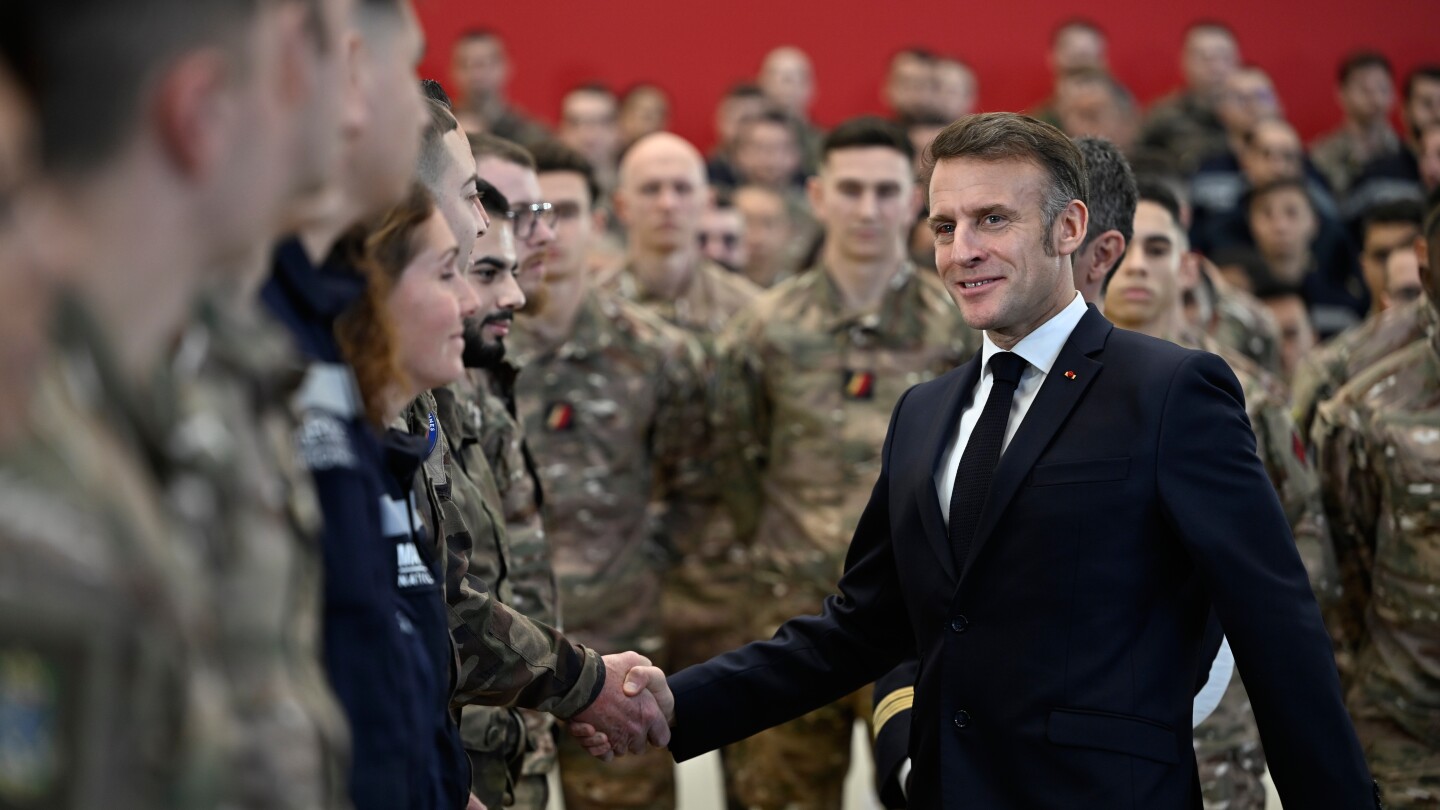
    President Macron’s message demonstrated strong alignment with Trump on Syrian affairs while expressing confusion about U.S. interest in Greenland. The French leader proposed concrete diplomatic initiatives, including organizing a special G7 meeting in Paris following the Davos summit. Macron suggested inviting Ukrainian, Danish, Syrian, and Russian representatives for marginal discussions and offered to host a private dinner with Trump before his return to the United States.

    NATO chief Mark Rutte’s communication struck a notably congratulatory tone, praising Trump’s accomplishments in Syria as “incredible” and committing to highlight these achievements during his media appearances at Davos. Rutte specifically mentioned Trump’s work in Gaza and Ukraine alongside the Syrian developments. The NATO leader also referenced continued discussions about Greenland, indicating his dedication to “finding a way forward” on the matter while expressing anticipation for their upcoming meeting.

    The publication of these private diplomatic exchanges provides rare insight into the personal dynamics between world leaders and their behind-the-scenes negotiation styles. The messages reveal both cooperation and tension points within international alliances, particularly regarding European concerns about U.S. interests in Arctic territories.

  • Read what France’s Macron and the head of NATO are saying to Trump behind the scenes

    Read what France’s Macron and the head of NATO are saying to Trump behind the scenes

    In a remarkable breach of diplomatic protocol, former U.S. President Donald Trump has publicly disclosed private text messages from French President Emmanuel Macron and NATO Secretary General Mark Rutte, revealing a stark contrast between their public criticism and private deference regarding his controversial interest in acquiring Greenland.

    The authenticated message from Macron, opened with the familiar address “My friend,” demonstrated a notably conciliatory tone compared to France’s public stance against Trump’s proposition to wrest Greenland from NATO ally Denmark. The French leader strategically framed his communication by first emphasizing alignment on significant geopolitical matters, stating “We are totally in line on Syria. We can do great things on Iran” before cautiously addressing the Greenland issue with the measured query: “I do not understand what you are doing on Greenland,” immediately followed by the constructive suggestion “Let us try to build great things.”

    This unprecedented public exposure of typically confidential diplomatic correspondence offers rare insight into the dual-track nature of international relations, where leaders frequently maintain divergent public and private personas. Trump’s disclosure tradition, established during his presidency, continues to challenge established diplomatic norms and transparency boundaries.

    The messages further revealed Macron’s unexpected proposal to host representatives from both Ukraine and Russia during Paris meetings, a initiative not previously disclosed publicly. This suggestion carried particular diplomatic sensitivity given France’s ongoing military support for Ukraine against Russian aggression, with Macron noting Russian representatives could be accommodated “in the margins” to mitigate potential awkwardness.

    An anonymous official from Macron’s administration asserted that the disclosed message demonstrates consistency between the French president’s public and private positions, emphasizing that France considers respect for national sovereignty “non-negotiable” regarding the Greenland matter. Meanwhile, Rutte’s published message expressed commitment to “finding a way forward on Greenland” despite his public refusal to comment on the sensitive territorial issue.

    This extraordinary glimpse into behind-the-scenes diplomacy highlights the complex interplay between public posturing and private negotiation that characterizes modern international relations, particularly during the Trump administration’s unconventional approach to foreign policy.

  • Australia stiffens hate crime, gun laws after Bondi attack

    Australia stiffens hate crime, gun laws after Bondi attack

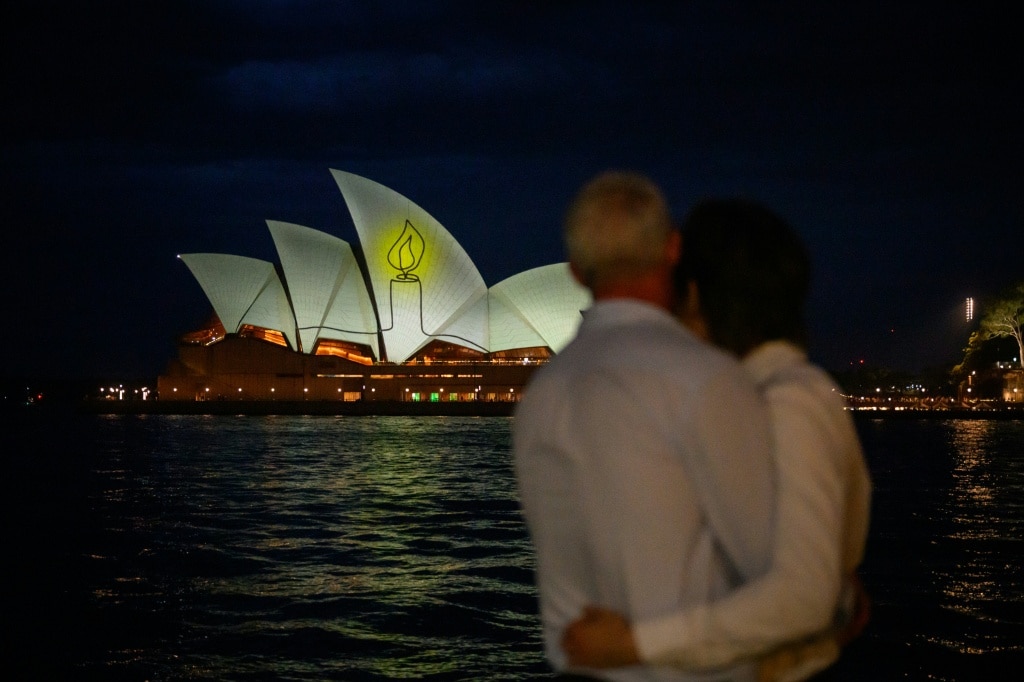
    In a decisive legislative response to the devastating Bondi Beach shooting that claimed 15 lives, Australia’s parliament has unanimously approved comprehensive reforms targeting hate crimes and firearm regulations. Both parliamentary chambers endorsed the twin security packages on Tuesday, addressing critical vulnerabilities exposed during the December 14th attack on a Jewish Hanukkah celebration.

    Prime Minister Anthony Albanese framed the legislative action as addressing dual threats: ‘The terrorists had hate in their hearts, but they also had high-powered rifles in their hands. We’re taking action on both—tackling antisemitism, tackling hate, and getting dangerous guns off our streets.’

    The hate crime legislation establishes enhanced penalties for individuals promoting radicalization and violence, particularly targeting religious leaders and adults who radicalize minors. It introduces a formal framework for designating prohibited hate organizations and strengthens immigration authorities’ power to deny or revoke visas based on terrorism suspicions or hate speech advocacy.

    Concurrently, firearm reforms initiate a national gun buyback program, tighten import restrictions, and expand background checks to include intelligence agency input. This comes amid record firearm ownership levels, with official estimates indicating 4.1 million guns currently in circulation—surpassing numbers recorded during the 1996 Port Arthur massacre that previously triggered Australia’s landmark gun control measures.

    Despite broad parliamentary support, the Australian Greens party expressed reservations about potential unintended consequences for free expression. Senator Larissa Waters advocated expanding hate speech protections to include sexual orientation and disability-based targeting.

    The legislative passage precedes Thursday’s national day of mourning for the victims. Meanwhile, investigations continue regarding the perpetrators—50-year-old Sajid Akram, who was killed by police during the attack, and his 24-year-old son Naveed, now facing terrorism and murder charges. Security agencies face scrutiny after revelations that Naveed had been flagged by intelligence services in 2019 but was deemed not an imminent threat.

  • Trump unloads on allies as Davos showdown looms

    Trump unloads on allies as Davos showdown looms

    In an extraordinary prelude to the World Economic Forum in Davos, U.S. President Donald Trump has unleashed a barrage of diplomatic provocations targeting key Western allies, potentially destabilizing transatlantic relations to their most precarious state since the Second World War.

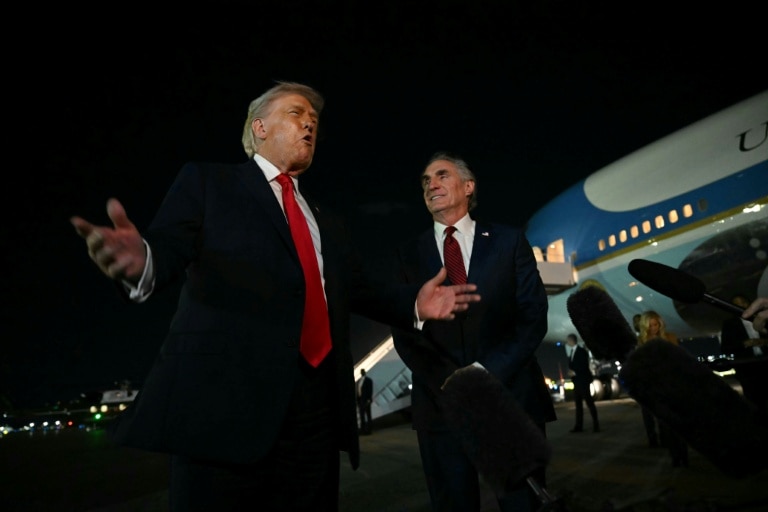
    The presidential offensive unfolded through a combination of social media revelations and inflammatory remarks to journalists just hours before his scheduled departure for the elite Swiss gathering. In a remarkable breach of diplomatic protocol, Trump publicly disclosed purportedly private text exchanges with French President Emmanuel Macron and NATO Secretary General Mark Rutte.

    The confrontation with France escalated dramatically when Trump responded to Macron’s refusal to participate in the proposed ‘Board of Peace’ conflict resolution body by threatening to impose 200% tariffs on French wine and champagne. ‘Nobody wants him because he’s going to be out of office very soon,’ Trump declared to reporters at Florida’s Palm Beach International Airport.

    The administration’s persistent campaign to acquire Greenland has emerged as the central flashpoint, with Trump sharing an digitally altered image aboard Air Force One depicting the Oval Office with American flags superimposed over maps of not only the United States but Canada and Greenland as well. This visual provocation was accompanied by a fabricated territorial sign reading ‘Greenland. US Territory, Est 2026’ featuring Vice President JD Vance and Secretary of State Marco Rubio.

    Britain subsequently became the next target of presidential ire, with Trump condemning what he termed London’s ‘great stupidity’ in its agreement to transfer the Chagos Islands to Mauritius—a strategically significant archipelago housing the critical Diego Garcia military installation. The president explicitly connected this criticism to his Greenland ambitions, citing it as justification for acquisition on national security grounds.

    Amid the diplomatic onslaught, a singular conciliatory note emerged through the revelation of NATO chief Rutte’s message, which expressed commitment to ‘finding a way forward on Greenland’ and anticipation for their Davos meeting. This contrasted sharply with Macron’s leaked text questioning Trump’s Greenland strategy while proposing a Paris-based G7 summit with Russian participation.

    The cumulative effect of these developments suggests a deliberate strategy to assert American dominance ahead of the international forum, leaving European leaders scrambling to preserve alliance structures that have underpinned Western security for eight decades.

  • South Sudan president fires interior minister in a move threatening peace agreement

    South Sudan president fires interior minister in a move threatening peace agreement

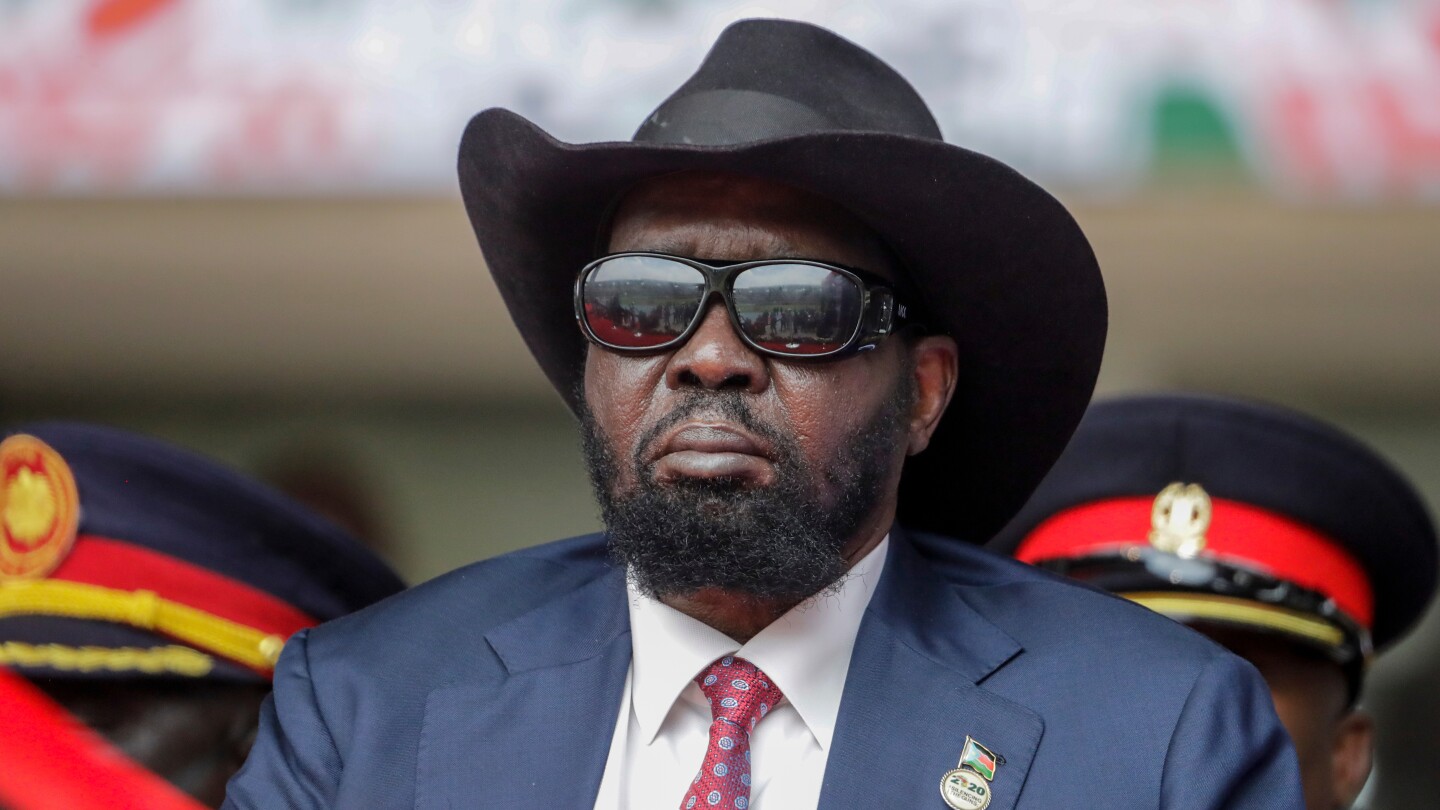
    In a move that significantly undermines South Sudan’s fragile peace agreement, President Salva Kiir has abruptly dismissed Interior Minister Angelina Teny, a prominent opposition figure and wife of detained First Vice President Riek Machar. The Monday evening dismissal, executed without public explanation, represents a serious breach of the 2018 power-sharing arrangement that had allocated the Interior Ministry portfolio to the opposition.

    President Kiir immediately appointed Aleu Ayieny Aleu, a veteran loyalist who previously held the interior minister position from 2013 to 2015, signaling a consolidation of power within the presidential circle. This political maneuver occurs against a backdrop of escalating military tensions across multiple regions, including Jonglei state where Machar-aligned forces alongside White Army fighters have captured strategic territories including Pajut town in Duk County, threatening the approach to the state capital Bor.

    The dismissal further exacerbates the already precarious security situation, with fresh clashes reported in Unity, Upper Nile, and parts of Central and Eastern Equatoria states. International observers and regional peace guarantors have expressed growing alarm at the systematic unraveling of key provisions from the 2018 peace accord, particularly regarding security sector reforms and the unification of forces which remain largely unimplemented.

    Teny’s removal follows her effective marginalization from the Interior Ministry since March 2025, when security agents confiscated her communication devices and her husband was placed under house arrest on treason charges related to violence in Upper Nile state. Opposition spokesperson Pal Mai Deng characterized the dismissal as ‘a clear sign of desperation’ from a government ‘crumbling under pressure’ as security conditions deteriorate nationwide.

  • Trump administration appeals limits on agents’ tactics toward Minnesota protesters

    Trump administration appeals limits on agents’ tactics toward Minnesota protesters

    The Trump administration has formally initiated an appeal against a federal court order that imposed significant restrictions on the tactics employed by immigration enforcement officers during protests in Minneapolis. This legal maneuver comes in response to a judicial ruling that explicitly prohibited federal agents from arresting or using chemical munitions against peaceful demonstrators and observers.

    The contentious court order, issued on Friday, emerged from a lawsuit filed against the Department of Homeland Security and related federal agencies on December 17. The litigation gained urgency following the fatal shooting of 37-year-old Renee Good by an immigration agent approximately three weeks after the initial filing, an incident that triggered widespread public demonstrations across Minneapolis.

    In recent weeks, the administration has deployed thousands of Immigration and Customs Enforcement (ICE) personnel to the Minneapolis region as part of an intensified campaign to identify and deport individuals residing in the country without legal authorization. This substantial deployment has significantly heightened tensions between federal authorities and local communities.

    The plaintiffs in the case comprised six protesters and observers who alleged constitutional rights violations through the aggressive tactics employed by ICE agents during enforcement operations. The judicial order specifically forbids federal officers from detaining individuals engaged in peaceful protest or documentation activities unless there exists reasonable suspicion of criminal activity or direct interference with law enforcement operations.

    Additionally, the ruling expressly bans the deployment of pepper spray, tear gas, and other crowd-control munitions against non-violent demonstrators and bystanders who are merely observing or recording immigration enforcement actions. This legal development represents a significant check on federal immigration enforcement practices amid ongoing debates about appropriate law enforcement conduct during public demonstrations.

  • UK approves a ‘mega’ Chinese Embassy in London despite criticism of security risks

    UK approves a ‘mega’ Chinese Embassy in London despite criticism of security risks

    LONDON — In a decisive move that has ignited substantial political controversy, the British government has granted formal approval for China’s massive new embassy complex in central London. The decision comes after years of delays, legal challenges, and mounting security concerns from lawmakers and intelligence experts.

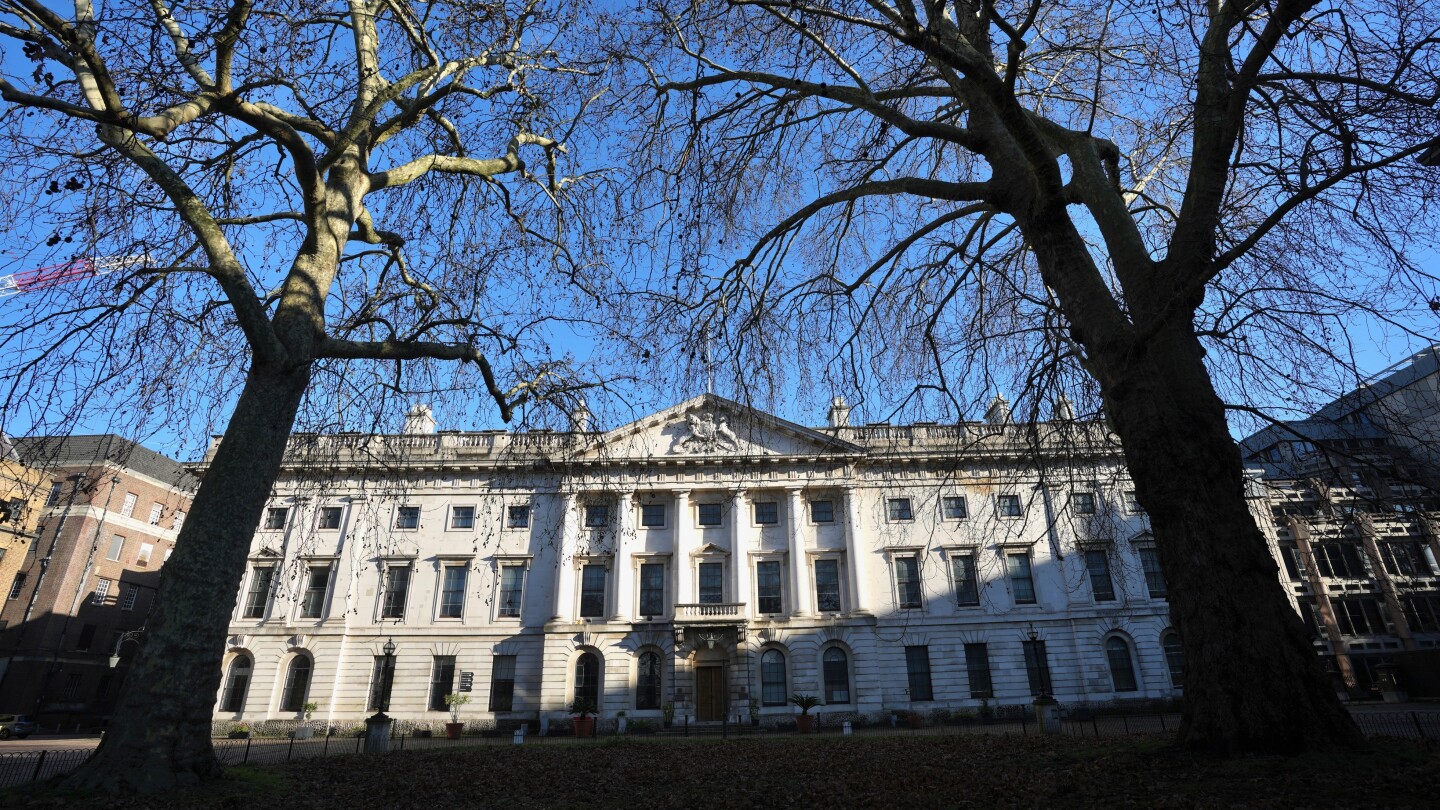
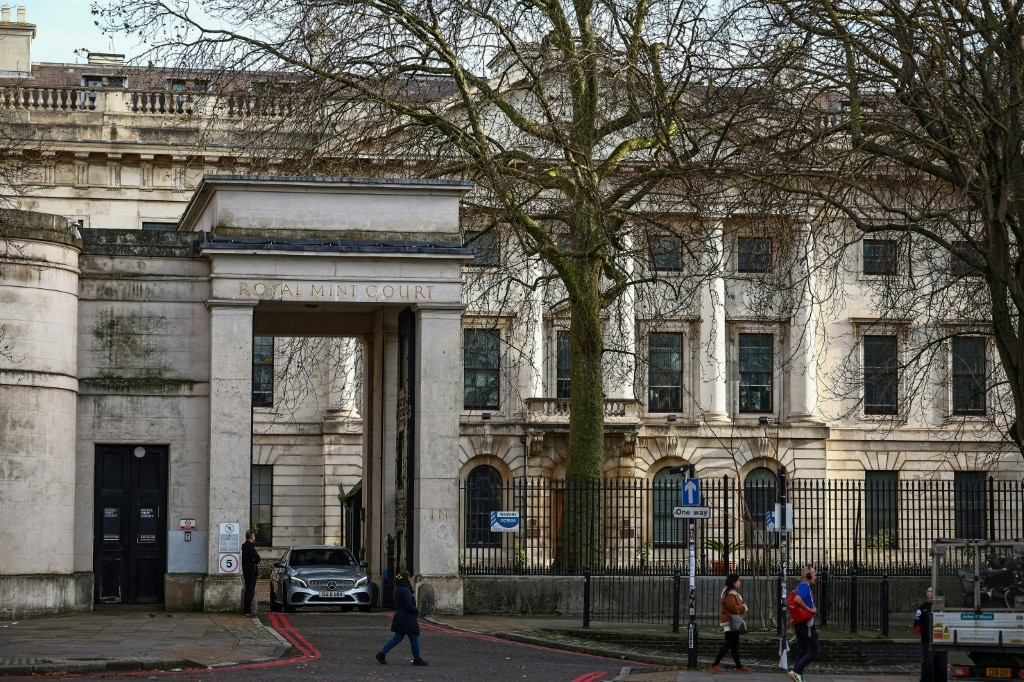
    Local Government Secretary Steve Reed officially sanctioned the construction plans for the diplomatic compound near the Tower of London, despite vigorous opposition from security officials and conservative politicians. The proposed facility, which will become China’s largest diplomatic mission in Europe, has been at the center of intense debate since Beijing acquired the Royal Mint Court site for £225 million ($301 million) in 2018.

    Security analysts and opposition members have repeatedly warned that the supersized embassy could serve as a base for espionage operations, potentially enabling increased surveillance of Chinese dissidents in exile and compromising sensitive financial infrastructure. The site’s proximity to underground fiber optic cables transmitting critical financial data between London’s primary financial districts has particularly alarmed security experts. British media reports indicate the complex would include 208 concealed basement rooms adjacent to these vital data conduits.

    The approval process had been repeatedly postponed by Prime Minister Keir Starmer’s administration amid growing concerns about Chinese espionage and political interference activities in the UK. The decision has nevertheless been finalized, with the government emphasizing the necessity of maintaining diplomatic engagement with China while ensuring robust security measures are implemented.

    The new 20,000-square-meter facility will consolidate several existing Chinese diplomatic properties across London, significantly expanding China’s diplomatic footprint in the British capital. The approval is anticipated to facilitate Prime Minister Starmer’s long-awaited official visit to China, which would mark the first such trip by a British leader since 2018, and potentially enable reciprocal expansion of UK diplomatic facilities in Beijing.

    China had previously expressed frustration over the seven-year delay, characterizing the prolonged approval process as an unnecessary politicization of routine diplomatic matters. The Chinese government maintains that the new embassy will serve legitimate diplomatic purposes and enhance bilateral relations between the two nations.

  • Long-delayed decision due on Chinese mega-embassy in London

    Long-delayed decision due on Chinese mega-embassy in London

    The UK government is poised to deliver a long-awaited verdict regarding China’s proposed expansive embassy complex in central London, a decision carrying significant implications for bilateral relations and national security concerns. The controversial project, situated on the historic former Royal Mint site adjacent to the Tower of London, has encountered substantial delays since China’s acquisition of the property in 2018.

    If approved, the new diplomatic compound would become Britain’s largest embassy by area and rank among the most substantial embassy installations within any Western capital. The proposed relocation from China’s current mission in Marylebone has sparked intense opposition from local residents, human rights organizations, and critics of China’s Communist Party leadership, who express apprehension that the facility could facilitate surveillance activities and harassment of dissidents.

    The embassy decision emerges as a particularly sensitive issue in UK-China relations, coinciding with Prime Minister Keir Starmer’s anticipated visit to China later this month—the first by a British premier since 2018. This diplomatic engagement aims to reset relations that deteriorated under the previous Conservative administration, though the embassy controversy complicates these efforts alongside other bilateral tensions.

    Security concerns have been amplified by revelations from The Daily Telegraph regarding unredacted plans showing 208 underground rooms, including a concealed chamber, and the embassy’s proximity to critical internet infrastructure serving London’s financial district. Hundreds of protesters, including Hong Kong expatriates fearing transnational repression, demonstrated against the project over the weekend.

    The British government must balance these security apprehensions against diplomatic consequences, as China has previously expressed ‘strong dissatisfaction’ with decision delays. Opposition leader Kemi Badenoch has characterized the proposed facility as a ‘spy embassy,’ while legal challenges threaten to follow if approval is granted.

  • Bobi Wine tells the BBC from hiding he will not contest Uganda election results in court

    Bobi Wine tells the BBC from hiding he will not contest Uganda election results in court

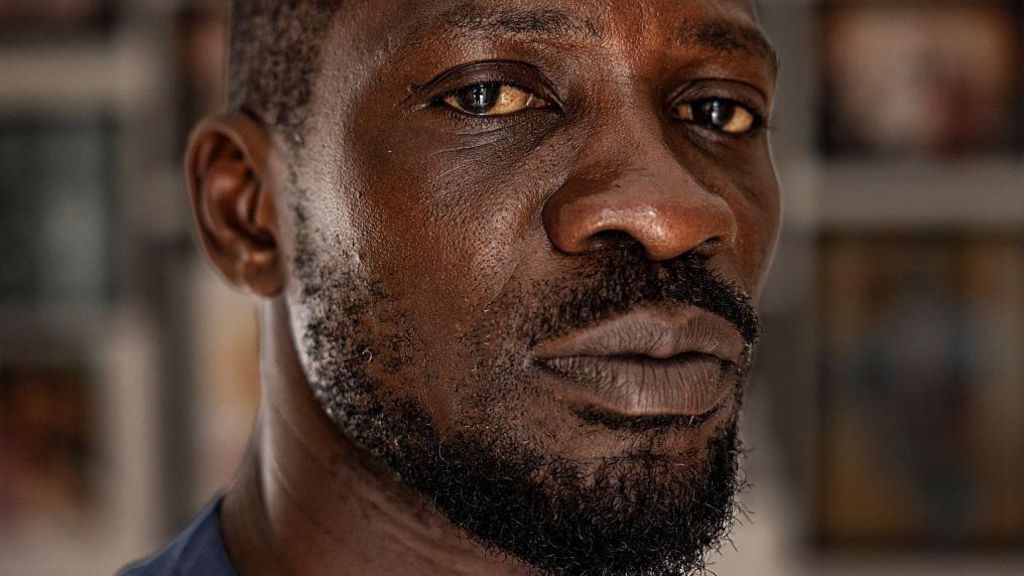
    Ugandan opposition leader Bobi Wine has declared he will not pursue legal avenues to contest the results of last Thursday’s presidential election, citing a compromised judiciary. Instead, the 43-year-old former pop star, whose real name is Robert Kyagulanyi, is urging his supporters to engage in peaceful street protests to defend their democracy.

    Speaking to the BBC from an undisclosed location while in hiding, Wine dismissed the official election results as ‘fake,’ alleging widespread ‘ballot stuffing’ without providing specific evidence. Official results gave President Yoweri Museveni a landslide victory with 72% of the vote, while Wine trailed with 25%.

    The political tension has escalated significantly since the election. Wine claims he was forced to flee his home in a Kampala suburb during a security forces raid on Friday night, leaving behind his wife and relatives who he says are effectively under house arrest. He alleges security personnel have blocked food deliveries to his property and installed signal jammers preventing communication.

    Uganda’s army leadership has intensified the confrontation. General Muhoozi Kainerugaba, who is both the country’s army chief and President Museveni’s son, publicly threatened Wine on social media, giving him ‘exactly 48 hours to surrender himself to the police’ or face treatment as ‘an outlaw/rebel.’

    International observers from the African Union reported seeing ‘no evidence of ballot stuffing’ but condemned the days-long internet shutdown that persisted until hours after Museveni was declared winner on Saturday. Meanwhile, the Uganda Human Rights Commission acknowledged ‘technical and procedural’ challenges but maintained they didn’t undermine the overall fairness of the vote.

    The human cost continues to mount. Wine alleges a ‘silent massacre’ of political activists, claiming more than 100 people have been killed in election violence, though he provided no evidence. Local media reports indicate over 100 youths have been remanded in prison on various election-related charges across Kampala.

    This marks Wine’s second failed presidential challenge against Museveni, who first came to power in 1986 and has now won seven elections. Uganda has never witnessed a peaceful transfer of presidential power since gaining independence.

  • UAE denies claims of secret prisons in Yemen’s Hadramout province

    UAE denies claims of secret prisons in Yemen’s Hadramout province

    The United Arab Emirates Ministry of Defence has issued a formal rebuttal against allegations made by the Yemeni government regarding purported secret detention facilities in Yemen’s Hadramout province. The claims, presented during a recent press conference in Yemen, suggested Emirati forces maintained covert prisons and stored weapons at Riyan Airport in Mukalla.

    In an official statement, the UAE defense establishment characterized these accusations as “deliberate fabrications and misinformation” designed to construct false narratives lacking both accuracy and professional integrity. The ministry emphasized that the referenced facilities constitute standard military infrastructure—including operational accommodations, command centers, and reinforced shelters—with some underground components typical of military installations worldwide.

    Further complicating the diplomatic situation, the UAE referenced its complete military withdrawal from Yemen on January 2, 2026, asserting that all equipment, weapons, and assets were transferred according to established military protocols. This withdrawal, the ministry stated, eliminates any possibility of continued Emirati military, logistical, or technical presence on Yemeni territory.

    The defense ministry expressed concern that these allegations represent a coordinated effort to advance political agendas while undermining the UAE’s decade-long security contributions to Yemen. The statement concluded with strong language condemning what it characterized as an unacceptable attempt to distort facts, mislead public opinion, and tarnish the reputation of the UAE Armed Forces and their documented military commitments.