分类: politics

  • UAE President accepts Trump’s invitation to join Gaza ‘Board of Peace’

    UAE President accepts Trump’s invitation to join Gaza ‘Board of Peace’

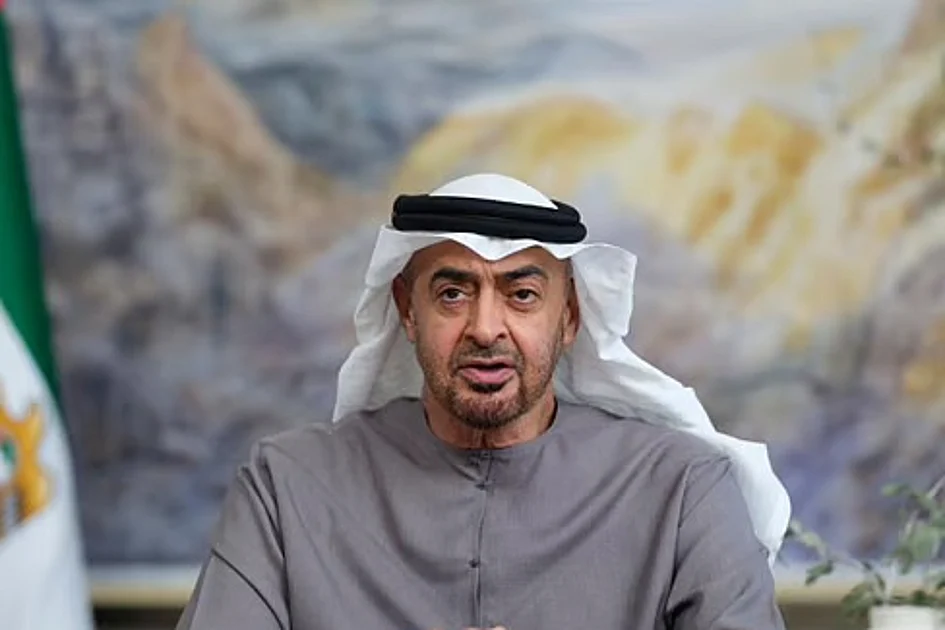
    In a significant diplomatic development, UAE President Sheikh Mohamed bin Zayed Al Nahyan has formally accepted an invitation from the United States to participate in the newly established ‘Board of Peace’ for Gaza. The Ministry of Foreign Affairs (Mofa) confirmed the nation’s involvement on January 20, framing the decision as a strategic move to advance regional stability and Palestinian rights.

    The UAE’s participation aligns with its endorsement of President Donald Trump’s comprehensive 20-point peace framework for Gaza. According to official statements, the Board will operate under Trump’s chairmanship with a mandate to provide strategic oversight, mobilize international resources, and ensure accountability throughout Gaza’s reconstruction process.

    This commitment follows the recent appointment of Reem Al Hashimy, Minister of State for International Cooperation, to the Gaza Executive Board. This subsidiary body functions as a critical liaison between the National Committee for the Administration of Gaza (NCAG) and the broader Peace Board structure.

    The White House has outlined that the initiative’s second phase will involve comprehensive demilitarization efforts and the reconstruction of Gaza’s infrastructure. Special Envoy Steve Witkoff emphasized that these measures include “the disarmament of all unauthorized personnel” as a fundamental component of the peace process.

    The UAE joins several Arab nations recruited by the US administration to contribute to this multilateral effort, reflecting Abu Dhabi’s growing influence in Middle Eastern diplomacy and conflict resolution initiatives.
  • UK approves plans for contentious Chinese mega-embassy in London

    UK approves plans for contentious Chinese mega-embassy in London

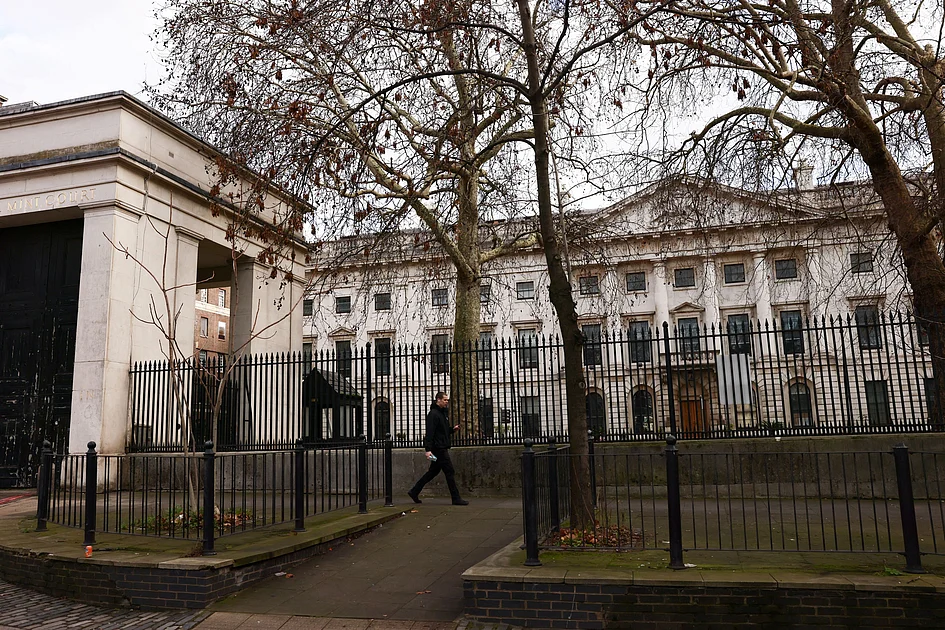
    The UK government has granted final approval for China’s expansive new embassy complex in central London, concluding an eight-year deliberation process marked by intense security debates and public opposition. Housing Minister Steve Reed formally authorized the contentious project on Tuesday, permitting Beijing to consolidate its seven current London diplomatic sites into a single 20,000-square-meter compound that will become Britain’s largest embassy by area.

    The decision follows protracted negotiations addressing national security considerations, with British intelligence agencies implementing what a government spokesperson characterized as ‘an extensive range of measures to manage any risks.’ The Chinese government has agreed to centralize its diplomatic operations, a move officials claim provides ‘clear security advantages’ through consolidated oversight.

    Despite government assurances, the project faces potential legal challenges from local residents and human rights advocates. The Royal Mint Court Residents’ Association has declared its intention to contest the approval in court, while Conservative MP Iain Duncan Smith condemned the decision as ignoring ‘the appalling brutality of the Chinese Communist Party.’

    Critics have raised alarms about potential surveillance capabilities and harassment of dissidents, with The Daily Telegraph reporting unredacted plans indicating 208 underground rooms including a ‘hidden chamber.’ The project has become a delicate diplomatic issue for Prime Minister Keir Starmer, who seeks to reset relations with China while acknowledging the ‘real national security threats’ it poses. Starmer is reportedly planning the first UK prime ministerial visit to China since 2018, though Downing Street has not confirmed the trip.

    Hong Kong exiles in London have expressed particular concern about transnational repression, with protesters describing genuine fear of Chinese government overreach. The embassy approval represents both a practical consolidation of diplomatic facilities and a symbolic gesture in UK-China relations, which deteriorated under the previous Conservative administration before Labour’s 2024 election victory.

  • Syria government agrees new truce with Kurdish forces

    Syria government agrees new truce with Kurdish forces

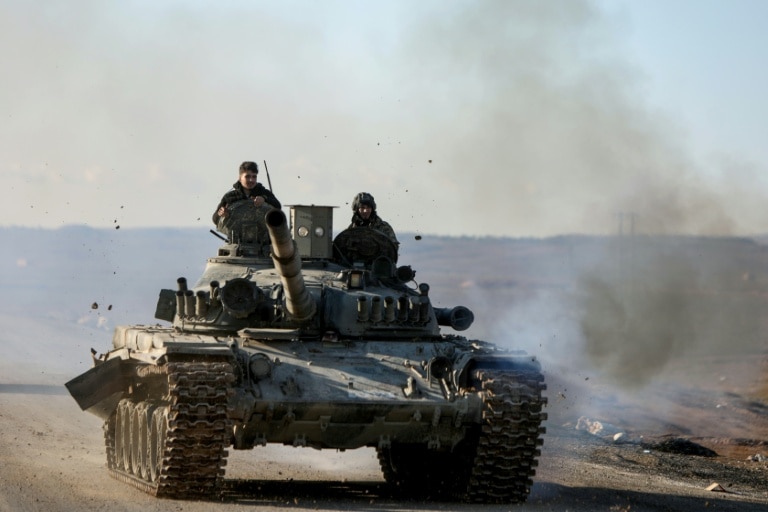
    In a significant development for Syria’s protracted conflict, the Damascus government and the Kurdish-led Syrian Democratic Forces (SDF) have solidified a new ceasefire agreement. The truce, which commenced on Tuesday evening for an initial four-day period, follows a major military escalation and paves the way for implementing a broader political accord.

    The agreement emerges amidst substantial Syrian army reinforcements advancing towards the strategic northeastern Hasakeh province, a traditional SDF stronghold. Concurrently, Kurdish forces executed a tactical withdrawal from the contentious Al-Hol camp, a facility housing thousands of individuals with alleged affiliations to the Islamic State (IS), including foreign nationals.

    This military de-escalation directly facilitates a political deal brokered on Sunday between President Ahmed al-Sharaa and SDF commander Mazloum Abdi. The core of this agreement involves the integration of the Kurdish autonomous administration into the central Syrian state, marking a potential end to the de facto self-rule established by the Kurds in northeastern regions.

    The SDF, which once governed vast territories across north and east Syria with critical backing from a U.S.-led coalition against IS, has recently ceded control of Arab-majority areas like Raqa and Deir Ezzor. This shift follows a sustained military push by government forces that began earlier this month in Aleppo.

    The U.S. stance appears to be adapting to this new reality. American envoy Tom Barrack stated that the SDF’s primary purpose as the main ground force against ISIS has ‘largely expired,’ asserting that Damascus is now both willing and positioned to assume full security responsibilities, including management of ISIS detention facilities.

    On the ground, the atmosphere remains tense. In Hasakeh city, AFP correspondents reported Kurdish civilians, including women and the elderly, taking up arms in support of SDF patrols. Meanwhile, SDF Chief Abdi delineated the defense of predominantly Kurdish areas as a ‘red line’ and called upon the international coalition to uphold its responsibilities regarding IS detainee facilities.

    The situation has triggered international reactions, including protests on the Syria-Turkey border and condemnations from figures like Nadia Murad, who decried the perceived abandonment of Syria’s Kurds. The outcome of this four-day ceasefire and the subsequent negotiations will critically determine the future balance of power and security architecture in northeastern Syria.

  • US justice department subpoenas Minnesota officials in alleged immigration obstruction probe

    US justice department subpoenas Minnesota officials in alleged immigration obstruction probe

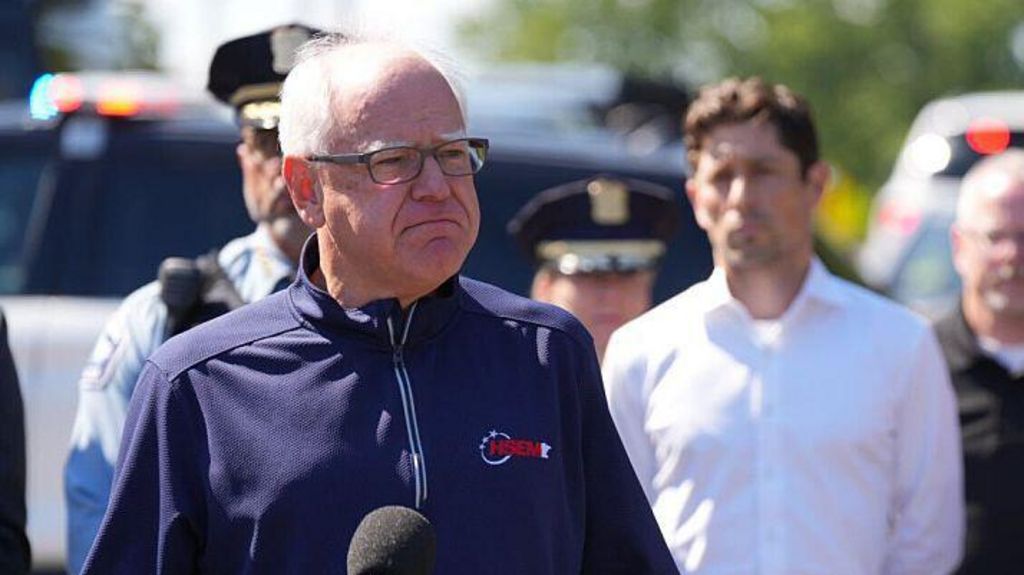
    The U.S. Department of Justice has initiated a significant legal confrontation with Democratic leadership in Minnesota, issuing federal subpoenas alleging coordinated obstruction of immigration enforcement operations. Governor Tim Walz, Attorney General Keith Ellison, and Minneapolis Mayor Jacob Frey were among the officials served with legal documents during Tuesday’s developments.

    The enforcement action coincided with a visit by U.S. Attorney General Pam Bondi to Minnesota, where recent protests have created a tense political atmosphere. The subpoenas represent the latest escalation in the ongoing conflict between federal authorities and state officials over immigration enforcement priorities.

    In response to the legal action, Mayor Frey characterized the Justice Department’s move as political retaliation, stating to CBS that he was being targeted specifically for his opposition to Trump administration policies. Attorney General Ellison delivered more pointed criticism, accusing President Trump of systematically weaponizing federal justice institutions for political purposes.

    Governor Walz dismissed the investigation as a ‘partisan distraction’ that undermines legitimate law enforcement priorities. He specifically noted that the Justice Department had failed to pursue justice in the case of Renee Good, a 37-year-old protester whose killing remains unresolved.

    This developing situation highlights the deepening rift between federal and state authorities regarding immigration policy implementation and raises significant questions about the appropriate boundaries between law enforcement and political disagreement.

  • Lyse Doucet: Trump is shaking the world order more than any president since WW2

    Lyse Doucet: Trump is shaking the world order more than any president since WW2

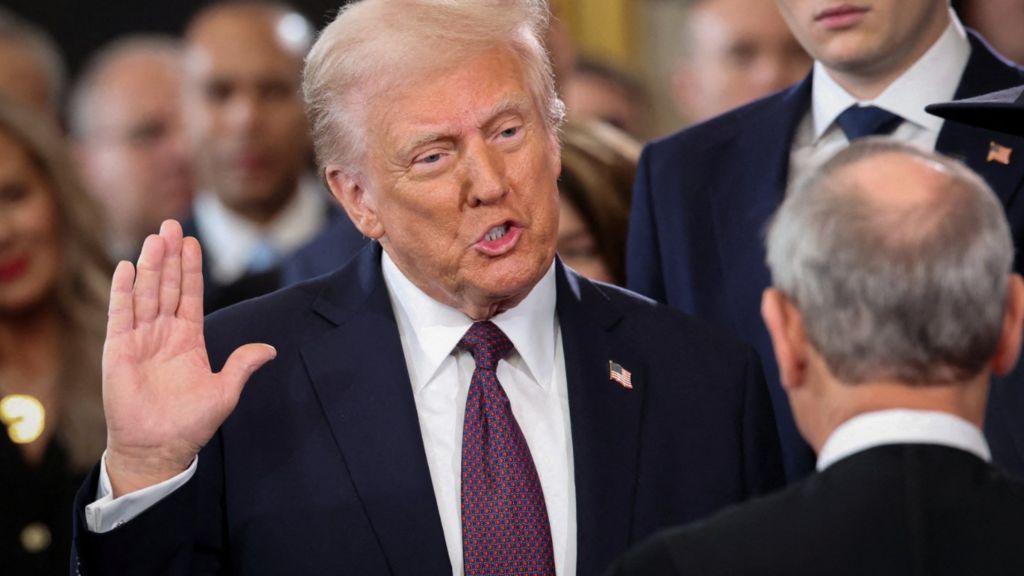
    As President Donald Trump marks the first anniversary of his unprecedented second inauguration, the international community faces a paradigm shift in global governance. The administration’s aggressive territorial ambitions, particularly regarding Greenland, have triggered widespread diplomatic consternation and raised fundamental questions about the future of international law.

    The Trump presidency has resurrected 19th century expansionist doctrines, with the Commander-in-Chief openly declaring intentions to acquire the world’s largest island through either purchase or coercion. This stance represents a radical departure from post-World War II norms, where allied nations respected territorial sovereignty. The administration’s justification centers on strategic necessity to counter Chinese and Russian influence in the Arctic, though methodology has drawn sharp criticism from traditional allies.

    European leaders exhibit divergent responses to this geopolitical challenge. French President Emmanuel Macron has threatened comprehensive trade countermeasures, while British Prime Minister Keir Starmer attempts balanced diplomacy between supporting Greenland’s territorial integrity and maintaining bilateral relations. Italian Premier Giorgia Meloni attributes tensions to communication breakdowns rather than fundamental policy differences.

    The administration’s foreign policy approach blends transactional diplomacy with overt power projection. Secretary of State Marco Rubio characterizes Trump’s methodology as action-oriented leadership, contrasting it with traditional political discourse. However, critics including Economist editor Zanny Minton Beddoes describe the approach as ‘mafia-style power politics’ that disregards multilateral frameworks.

    This unilateralism has produced some tangible results, particularly in defense spending increases among NATO members and Middle East ceasefire agreements. Yet these achievements occur alongside concerning developments, including public threats against longstanding allies and fluctuating positions on international conflicts. The administration’s recent circulation of private diplomatic communications further undermines conventional statecraft.

    As world leaders gather at Davos, Canadian Prime Minister Mark Carney articulated growing concerns about the erosion of international stability, noting that the world faces ‘a rupture, not a transition’ in global governance. With Trump scheduled to address the forum, allies continue employing persuasion, flattery, and pressure to moderate presidential ambitions—though success remains uncertain in this new era of geopolitical calculation.

  • Families of Venezuelan prisoners demand their release after weeks of waiting outside prisons

    Families of Venezuelan prisoners demand their release after weeks of waiting outside prisons

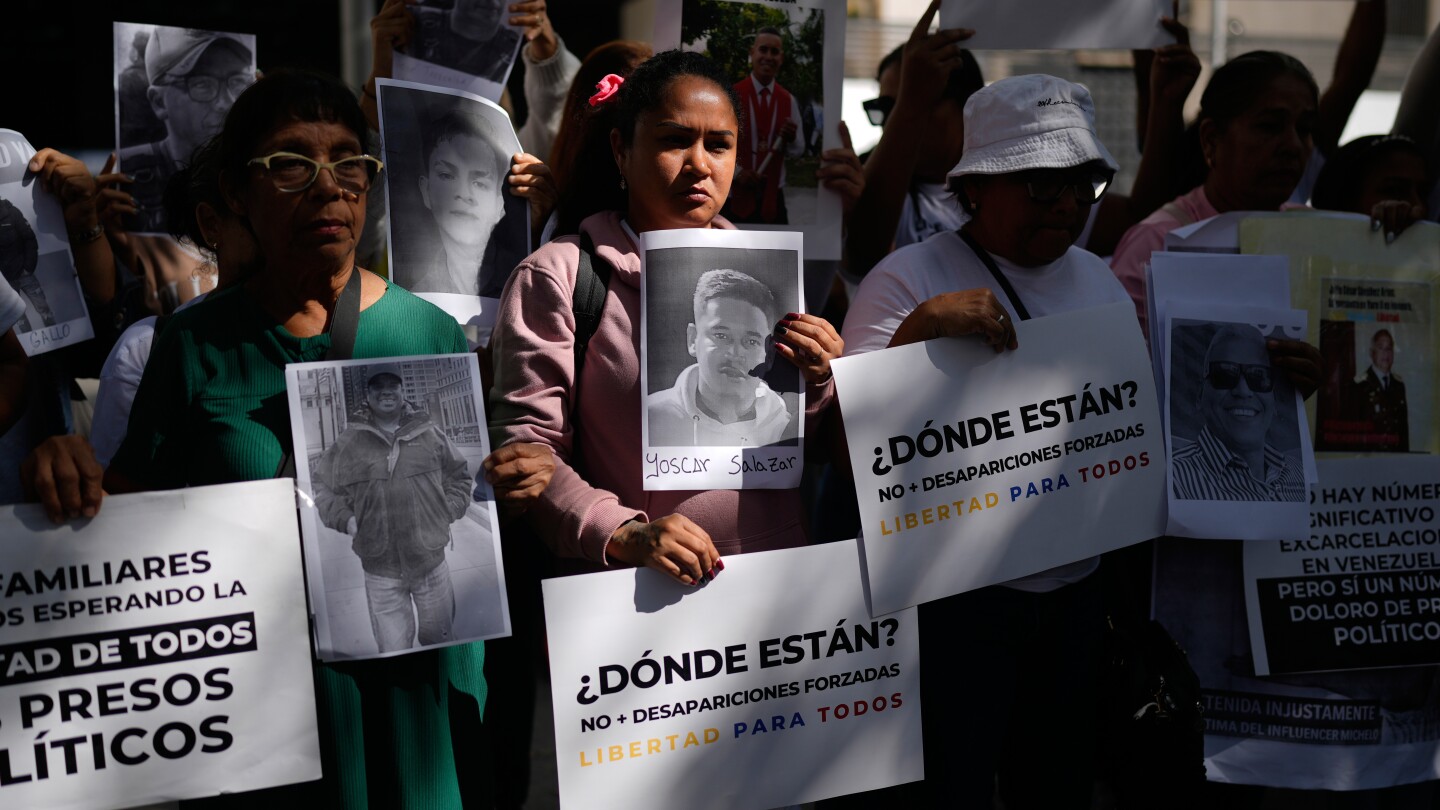
    CARACAS, Venezuela — Relatives of detained Venezuelan activists, journalists, and opposition figures have intensified their demands for the liberation of approximately 800 individuals still imprisoned under President Nicolás Maduro’s administration. The protests follow two weeks of vigil outside Caracas’ notorious Helicoide prison, where families gathered in anticipation of promised releases that have largely failed to materialize.

    The government’s pledge to free a “significant number” of detainees came after Maduro’s deposition during a U.S. military operation in early January. However, the actual number of released prisoners remains minimal, with only 145 verified cases documented by Venezuela’s leading prisoner rights organization, Foro Penal.

    Acting President Delcy Rodríguez characterized the situation as “a new political moment” for Venezuela and committed to continuing prisoner releases. Yet for families like that of Francis Quiñones, whose son has been detained for over five years without communication for six months, these assurances ring hollow amid ongoing psychological torment.

    Alfredo Romero, director of Foro Penal, revealed that even those who have been released face severe restrictions including media gag orders, mandatory check-ins with authorities, and travel bans. “These people are not free,” Romero stated. “They are subjected to constant, latent persecution.”

    The emotional toll on families remains profound as they maintain their vigil outside Helicoide prison, displaying posters of missing loved ones and holding candlelight vigils while awaiting genuine justice and family reunification.

  • Iran protest crackdown latest developments

    Iran protest crackdown latest developments

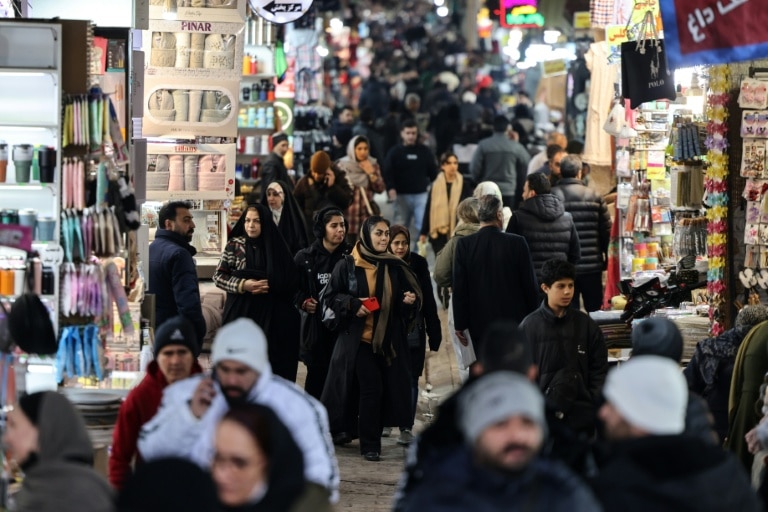
    Iranian authorities are intensifying arrests while maintaining severe internet restrictions following recent nationwide protests, despite signs of surface-level normalcy returning to commercial centers like Tehran’s Grand Bazaar. Security forces maintain heavy visibility in the capital as shops reopen, creating an atmosphere of controlled calm.

    Judicial authorities have initiated legal proceedings against 25 prominent figures including athletes and actors, alongside 60 coffee shops accused of supporting what state media describes as ‘American-Zionist sedition.’ Properties have been seized in what appears to be a systematic campaign against perceived dissent. Official arrest figures remain contested, with state media reporting 3,000 detainees while international rights organizations estimate approximately 25,000 arrests nationwide.

    The government faces mounting international isolation over its response. The World Economic Forum abruptly cancelled Iranian Foreign Minister Abbas Araghchi’s scheduled appearance at Davos, citing appropriateness concerns. Simultaneously, European Commission President Ursula von der Leyen announced proposed bans on EU drone and missile technology exports to Iran. Germany’s Lufthansa and Austrian Airlines have suspended flights to Tehran through February and March respectively.

    United Nations human rights bodies have scheduled an emergency session to address what they term ‘alarming violence’ and violations of international law. This occurs alongside disputed casualty counts, with independent organizations reporting over 4,000 confirmed deaths and suggesting actual numbers might approach 20,000. Iranian officials dismiss these figures as ‘lies’ while acknowledging 3,709 security personnel wounded.

    Reza Pahlavi, US-based son of the former Shah, has emerged as an opposition figurehead, urging continued resistance through social media channels. Despite calls for renewed demonstrations, protest activity has significantly diminished under the dual pressure of security crackdowns and ongoing communication blackouts.

    Internet monitoring organization Netblocks reports the government has implemented ‘whitelisting’ strategies, allowing selective access to approved platforms while maintaining broad restrictions. Most Iranians remain unable to receive international communications despite limited outgoing capability, creating information vacuums particularly concerning provincial violence reports.

  • Carney says old world order ‘is not coming back’

    Carney says old world order ‘is not coming back’

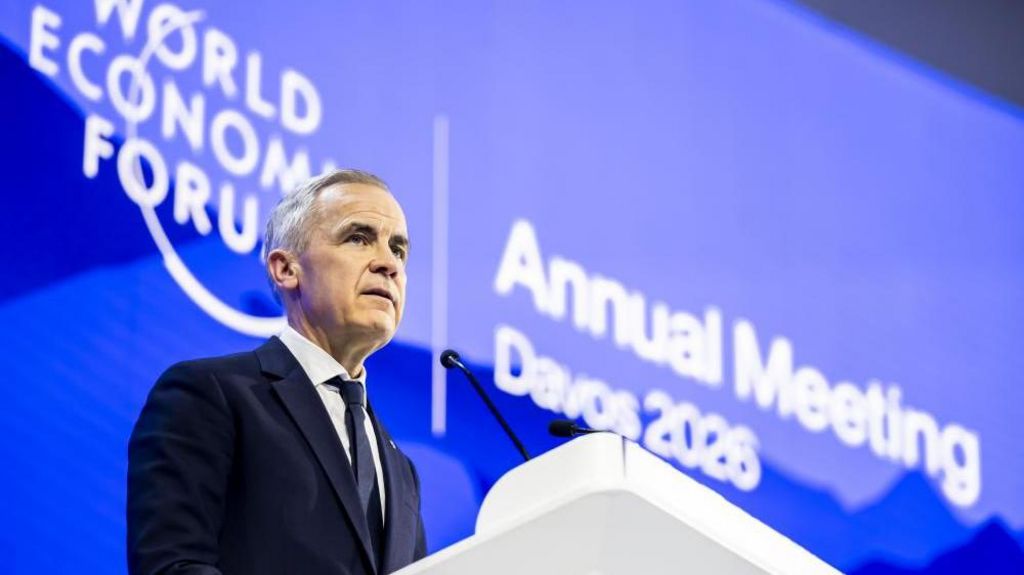
    Canadian Prime Minister Mark Carney delivered a forceful address at the World Economic Forum in Davos, Switzerland, declaring that the “old order is not coming back” and calling for middle power nations to collectively resist economic coercion by global superpowers.

    In his Tuesday speech, Carney warned that “middle powers must act together because if we’re not at the table, we’re on the menu,” directly criticizing what he characterized as powerful nations weaponizing economic integration and using tariffs as leverage. While not mentioning Donald Trump by name, several remarks appeared directed at the U.S. president’s recent threats to impose tariffs on allies unless Greenland was surrendered to American control.

    The prime minister explicitly affirmed Canada’s support for Greenland, Denmark, and the NATO alliance, drawing applause from attendees. He emphasized Canada’s “unwavering” commitment to Article Five, the NATO clause stating that an attack on one member constitutes an attack on all.

    Carney described the current global situation as “a rupture, not a transition,” noting that great powers—typically defined as permanent UN Security Council members China, France, Russia, the UK, and US—are increasingly using “financial infrastructure as coercion” and exploiting supply chain vulnerabilities.

    The speech came amid reports that Canada is considering sending troops to Greenland for joint military exercises with Danish and European forces. When questioned about potential deployments, Canadian Foreign Minister Anita Anand stated that participation in NATO exercises is routine, with decisions made by defense officials.

    Carney outlined Canada’s strategy of building “different coalitions for different issues based on common values and interests,” positioning the country as a “stable and reliable” partner. He highlighted recent trade agreements with China and Qatar, plus a defense procurement pact with the EU, as evidence of Canada’s adaptive approach to shifting geopolitics.

    The prime minister’s appearance preceded Trump’s scheduled Wednesday address at the same forum, setting the stage for contrasting visions of international relations.

  • Turkey challenges Netanyahu on Gaza force role

    Turkey challenges Netanyahu on Gaza force role

    A significant diplomatic divergence has emerged between Turkey and Israel regarding post-war governance in Gaza, with Ankara directly contradicting Israeli Prime Minister Benjamin Netanyahu’s assertions about Turkish exclusion from security arrangements.

    On Tuesday, a high-ranking Turkish official disclosed that no definitive decision had been reached concerning Turkey’s potential involvement in the Gaza international stabilization force. This statement directly challenges Netanyahu’s parliamentary declaration on Monday that Turkish and Qatari forces would play no role in the Palestinian territory’s administration.

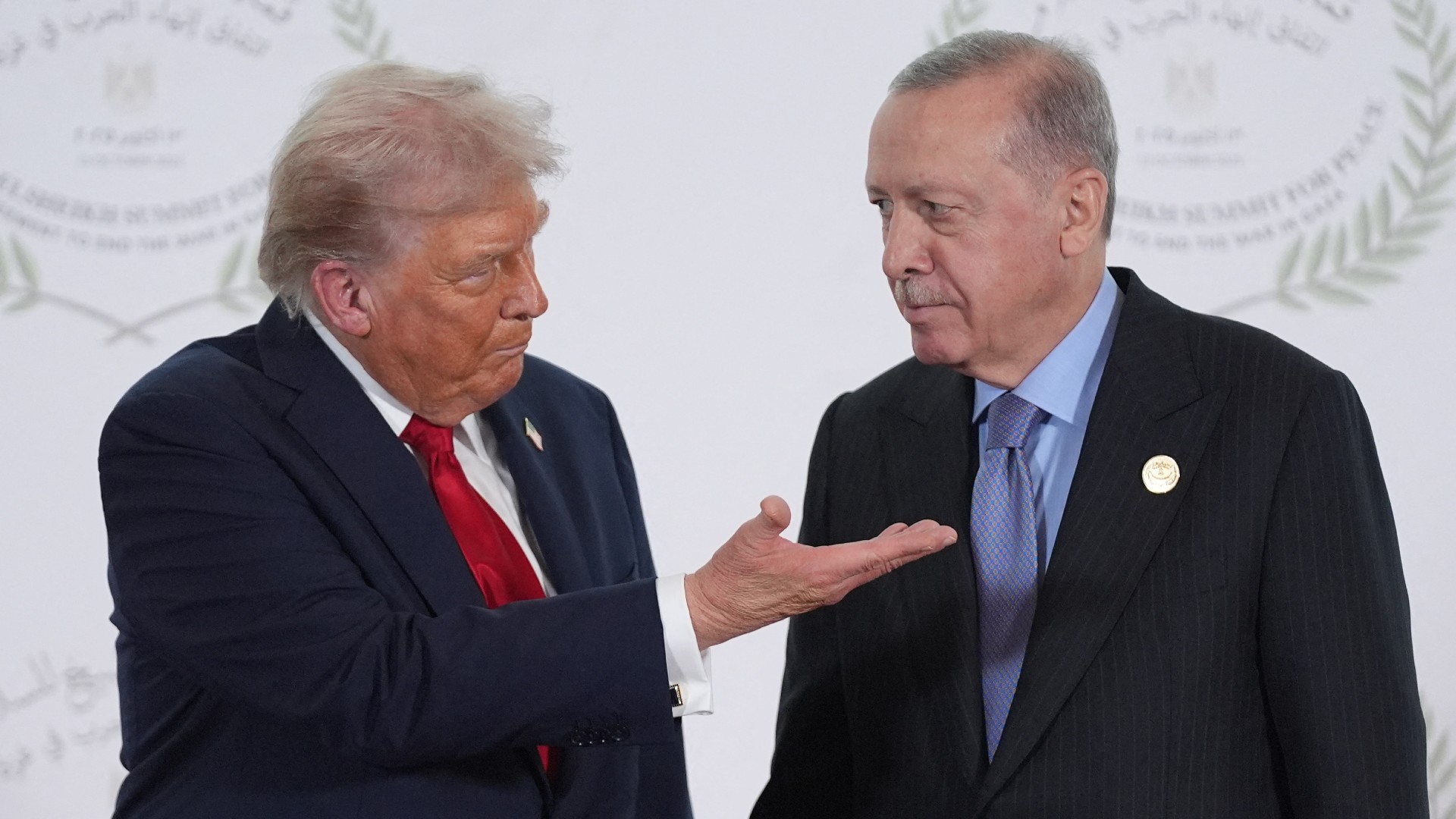
    The Turkish official, speaking to Middle East Eye on condition of anonymity, confirmed that Turkey remains actively engaged in discussions about contributing troops to the proposed international force outlined in October’s US-brokered peace initiative. “We are working on it,” the official stated, adding sarcastically: “Netanyahu also said Turkey wouldn’t be part of the Board of Peace, what happened there?”

    This reference concerns the recent invitation extended by US President Donald Trump to Turkish President Recep Tayyip Erdogan to join the newly formed Board of Peace. This high-level governance body, which will be chaired by Trump himself, is tasked with overseeing Gaza’s administration and reconstruction following the ceasefire agreement negotiated alongside mediator nations including Egypt, Turkey, and Qatar.

    Despite Israeli objections to Erdogan’s inclusion, diplomatic sources indicate that all parties involved in the Sharm el-Sheikh negotiations will maintain representation on the Board of Peace. Additionally, Turkish Foreign Minister Hakan Fidan has been appointed to the Gaza Executive Board, which will support the National Committee for the Administration of Gaza in addressing daily operational challenges.

    President Erdogan has previously emphasized Turkey’s indispensable role, stating that any governance mechanism excluding Turkey would struggle to gain trust among Palestinians. “The countries party to the Sharm el-Sheikh Declaration, including Turkey, are the most legitimate actors in this process,” Erdogan asserted earlier this month, highlighting Turkey’s unique positioning through its historical ties with Palestinians, maintained security channels with Israel, and regional influence as a NATO member nation.

    The emerging governance structure—comprising the NCAG, Board of Peace, and Gaza Executive Board—appears to ensure Turkish and Qatari involvement in reconstruction efforts despite Netanyahu’s attempts to minimize their roles, revealing ongoing disagreements between Israel and the United States regarding Gaza’s post-conflict management.

  • Israel’s Ben Gvir leads demolition of Unrwa headquarters in Jerusalem

    Israel’s Ben Gvir leads demolition of Unrwa headquarters in Jerusalem

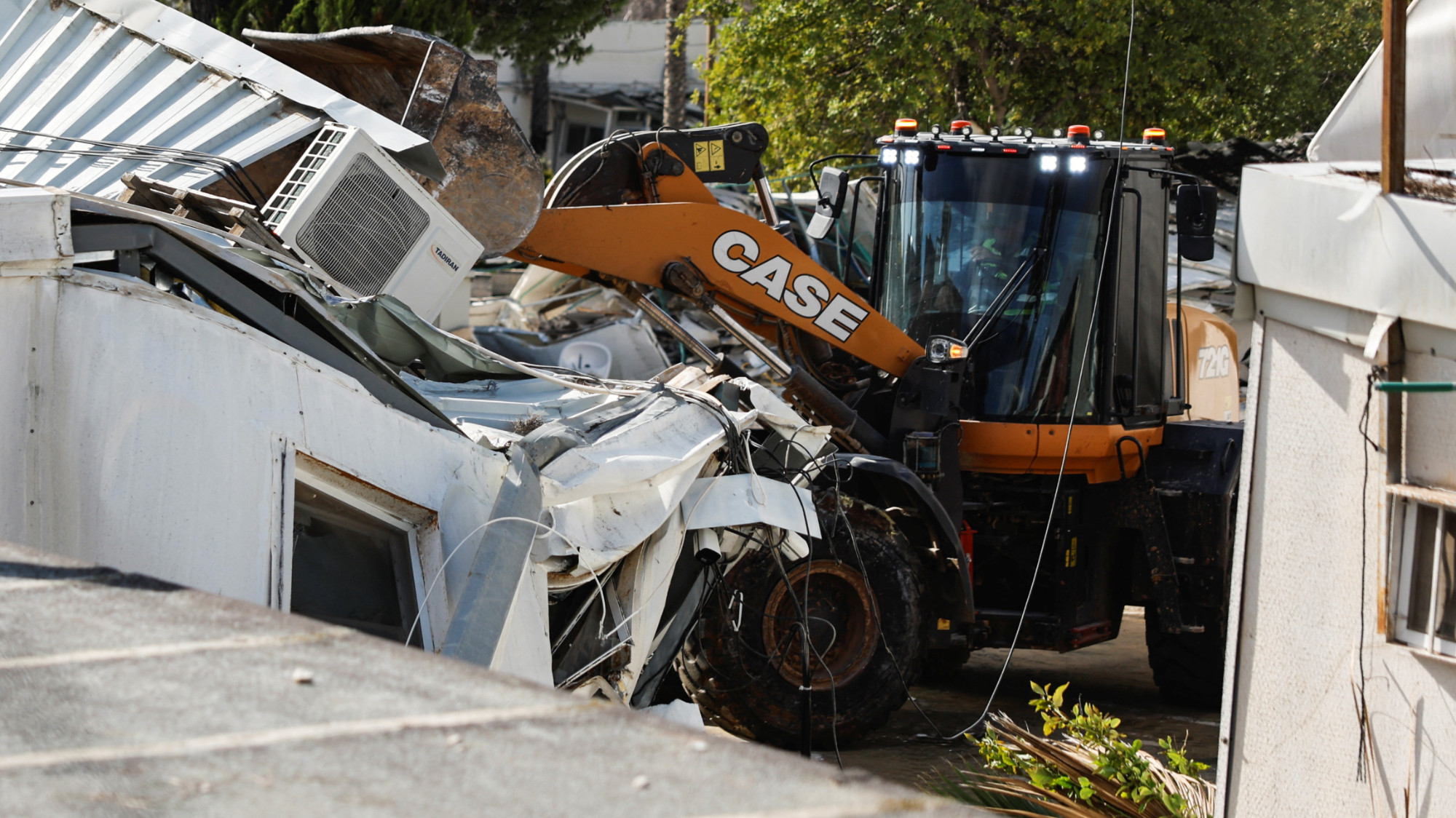
    Israeli security forces conducted a controversial demolition of the United Nations Relief and Works Agency (UNRWA) headquarters in occupied East Jerusalem on Tuesday, marking an unprecedented escalation in tensions between Israel and the international organization. The operation, personally overseen by National Security Minister Itamar Ben Gvir, commenced at approximately 7:00 AM local time with armed personnel raising Israeli flags over the main administrative building.

    UNRWA officials condemned the action as a severe breach of international protocols. Spokesperson Jonathan Fowler characterized the demolition as “an unprecedented attack” that violates both international law and the United Nations’ privileges and immunities. Arabic language spokesperson Adnan Abu Hasna emphasized the historical significance of the event, noting that no nation had previously removed the UN flag from agency offices in such manner.

    The Israeli government justified its actions by alleging institutional connections between UNRWA and Hamas. Israel’s Foreign Ministry asserted that the compound no longer enjoyed diplomatic immunity since the agency had allegedly ceased operations at the location. Minister Ben Gvir celebrated the demolition as “a historic day for sovereignty in Jerusalem,” vowing similar treatment for what he termed “terror supporters.”

    This confrontation follows Israel’s parliamentary passage of legislation in 2024 that revoked the 1967 agreement permitting UNRWA operations within Israeli-controlled territories. Humanitarian experts warn that the agency’s exclusion could severely impact approximately 5.9 million Palestinian refugees across Gaza, the West Bank, Jordan, Syria, and Lebanon who depend on UNRWA for essential services including food distribution, healthcare, education, and shelter infrastructure.

    The Palestinian Jerusalem Governorate denounced the demolition as a dangerous escalation and direct assault on internationally protected UN operations. Critics argue that Israel’s systematic dismantling of UNRWA represents both a violation of the UN Charter and a potential precursor to revoking Palestinian refugee status entirely, with profound implications for regional stability and humanitarian conditions.