分类: politics

  • Hizb ut-Tahrir Australia website disappears after Labor passes sweeping hate speech laws

    Hizb ut-Tahrir Australia website disappears after Labor passes sweeping hate speech laws

    In a swift response to Australia’s newly enacted hate speech legislation, the controversial pan-Islamist organization Hizb ut-Tahrir has taken its Australian website offline. The digital disappearance occurred mere hours after Parliament passed Labor’s comprehensive hate speech reforms on Tuesday evening, which grant sweeping powers to designate and criminalize hate groups.

    The legislative overhaul, championed by Home Affairs Minister Tony Burke and supported by ASIO intelligence assessments, establishes severe penalties for membership, recruitment, funding, or leadership of designated hate organizations. The laws specifically target groups advocating hate crimes based on race, national or ethnic origin.

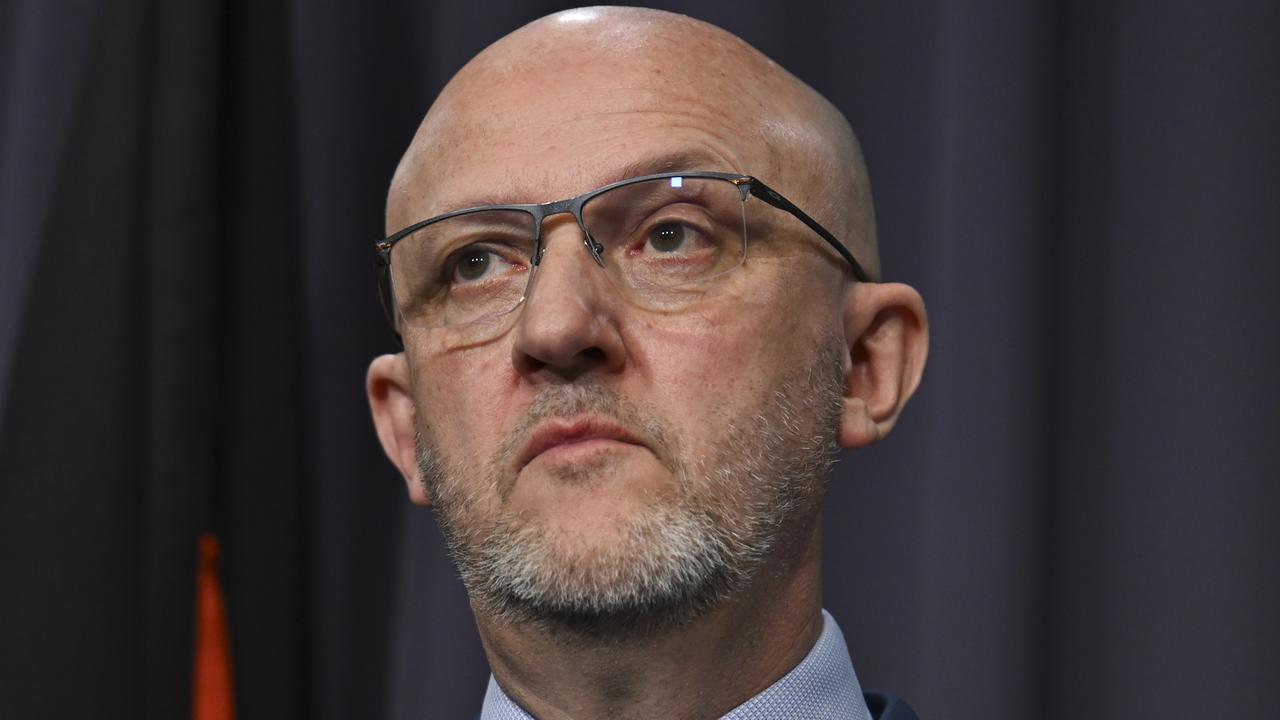
    ASIO Director-General Mike Burgess had previously testified before a Senate inquiry that Hizb ut-Tahrir had mastered operating within legal boundaries while promoting divisive rhetoric. The organization had recently accused Burgess of employing ‘Islamophobic tropes’ during a Lowy Institute lecture where he compared their strategies to those of neo-Nazi groups.

    The Nationalist Socialist Network (NSN), another targeted organization, announced its dissolution last week following government scrutiny. Hizb ut-Tahrir, already banned in multiple countries including the UK, Germany, and China, maintains a controversial platform advocating for a unified Islamic caliphate while denying any violent intentions.

    Opposition Leader Sussan Ley negotiated crucial oversight mechanisms requiring ASIO’s support for designations and mandatory briefings of opposition leadership. The website’s unavailability, confirmed through multiple access attempts including VPN connections, signals the immediate impact of Australia’s strengthened counter-extremism framework.
  • Trump puts next steps on Gaza ceasefire plan at risk by antagonizing Europe over Greenland

    Trump puts next steps on Gaza ceasefire plan at risk by antagonizing Europe over Greenland

    WASHINGTON — President Donald Trump’s ambitious plan to establish a ‘Board of Peace’ for resolving the Israel-Hamas conflict initially gained momentum with UN Security Council endorsement, positioning him as a self-proclaimed ‘president of peace’ entering 2026. However, the initiative now faces significant challenges following controversial military and diplomatic actions during January’s opening weeks.

    The administration’s simultaneous moves to threaten force against NATO ally Denmark over Greenland sovereignty and order the capture of Venezuelan President Nicolás Maduro have created diplomatic fractures. These actions have particularly alarmed European partners, with fewer than 10 of over 60 invitations to join the Board of Peace being accepted—mostly by leaders considered anti-democratic authoritarians.

    Key European nations including Britain, France and Germany have expressed reservations or declined participation entirely. French Foreign Minister Jean-Noel Barrot explicitly rejected the proposed organization, stating France would not support any body designed to replace the United Nations. The inclusion of invitations to Russian President Vladimir Putin, Chinese President Xi Jinping and Belarusian President Alexander Lukashenko has further heightened concerns among Western allies.

    The situation escalated when Trump threatened tariffs against European allies supporting Denmark, followed by provocative social media posts about seizing Greenland. In one notable exchange, Trump accused Norway’s government of blocking the Nobel committee from awarding him the Peace Prize, signaling a shift away from diplomatic priorities.

    According to defense expert Matthew Schmidt of the University of New Haven, these apparently separate issues are fundamentally interconnected in their impact on U.S. foreign policy credibility. The administration is now reportedly considering a scaled-back launch at Davos to avoid diplomatic embarrassment, potentially signing the charter while delaying membership announcements until later in January.

    The compounding controversies have created unprecedented challenges for NATO cohesion and threatened to undermine both the Gaza ceasefire process and potential negotiations regarding Ukraine, demonstrating how unilateral actions can jeopardize multilateral peace initiatives.

  • Confidential UAE memo details plan to push France to act against Muslim Brotherhood

    Confidential UAE memo details plan to push France to act against Muslim Brotherhood

    A confidential diplomatic memorandum obtained by investigative outlet Mediapart reveals the United Arab Emirates has orchestrated a sophisticated influence campaign targeting French political institutions. The 13-page document, dispatched in August by the UAE foreign ministry’s European directorate to embassy official Ahmed al-Mulla, outlines a “multi-sectoral mobilisation strategy” designed to pressure French authorities into intensifying measures against the Muslim Brotherhood and affiliated organizations.

    The memo characterizes France as a “target country” with an increasingly favorable environment for monitoring Islamist networks. It explicitly states its objective: “to encourage French authorities to strengthen measures – whether restrictions, designations, or tightened regulatory oversights of MB-linked entities” through channels that align with France’s domestic frameworks.

    The strategy advocates simultaneous engagement across multiple levels of the French system, including the Presidency, Prime Minister’s Office, Ministry of Foreign Affairs, security services, parliamentary bodies, civil society, and media outlets. It emphasizes discreet cultivation of relationships with key advisers in President Emmanuel Macron’s inner circle to influence presidential decision-making.

    Operational tactics include providing pre-written documents designed for “reusable” circulation within French authorities, building networks of sympathetic parliamentarians who can advance legislative measures, and collaborating with think tanks to shape public narrative. The memo particularly notes receptiveness among center-right and far-right political factions to the UAE’s arguments about Islamist dangers.

    This revelation reinforces existing concerns about Emirati interference in French politics, following previous investigations into disinformation campaigns targeting Qatar. The document acknowledges potential backlash, warning that “any involvement perceived as intrusive could provoke a backlash and harm the UAE’s contribution,” highlighting the operation’s sensitivity.

  • Saudi interior minister meets Algerian president to discuss security ties

    Saudi interior minister meets Algerian president to discuss security ties

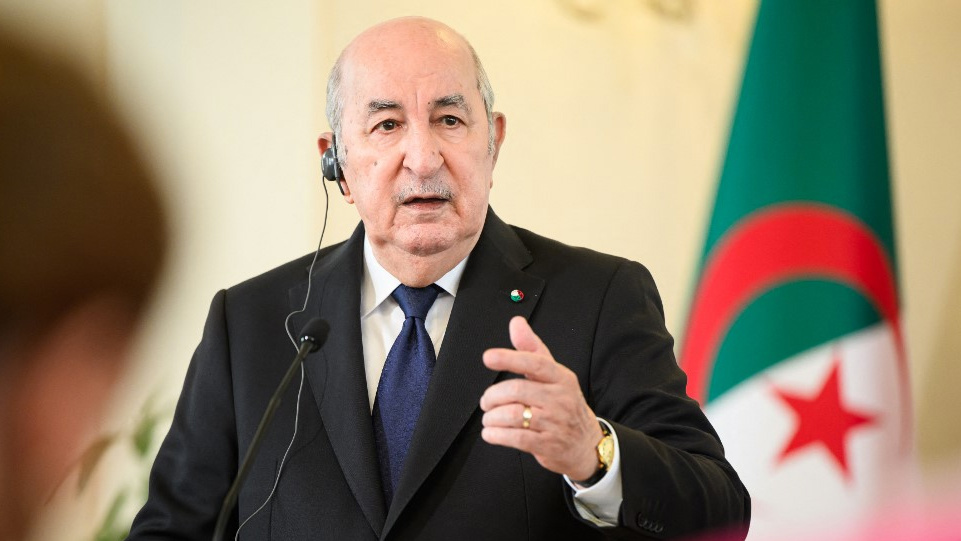
    Algerian President Abdelmadjid Tebboune hosted Saudi Arabia’s Interior Minister Prince Abdulaziz bin Saud in Algiers on Monday for high-level discussions focused on strengthening bilateral relations and enhancing security cooperation between the two nations.

    The Saudi delegation delivered formal greetings from King Salman and Crown Prince Mohammed bin Salman, expressing royal wishes for Algeria’s continued progress and prosperity. This diplomatic engagement occurs against the backdrop of escalating tensions between Saudi Arabia and the United Arab Emirates, two traditional allies now pursuing competing strategic interests across North and East Africa.

    Long-standing regional partners Saudi Arabia and the UAE have experienced growing policy divergences, particularly evident in their opposing stances in conflicts within Yemen and Sudan. Algeria finds itself at the center of this geopolitical reconfiguration, with multiple reports indicating potential diplomatic rupture between Algiers and Abu Dhabi.

    Algerian media outlet El-Khabar has reported that Algeria is considering severing diplomatic relations with the UAE due to activities perceived as destabilizing and hostile to both Algerian national unity and broader Arab interests. Algerian authorities have repeatedly criticized, without explicitly naming, what they describe as destabilization maneuvers and interference contrary to collective Arab objectives.

    Official Algerian circles have specifically accused the UAE embassy of “suspicious moves” and characterized the Emirati ambassador as being “on a mission to destabilize” the country. The UAE stands accused of supporting the Paris-based Movement for the Self-Determination of Kabylie (MAK), a separatist organization advocating independence for Algeria’s predominantly Amazigh Kabylia region.

    Reports indicate the UAE has established communications with MAK, which also receives support from both Israel and Morocco. This development occurs as both Gulf nations pursue distinct international partnerships: Saudi Arabia recently signed a defense agreement with Pakistan, while the UAE concurrently agreed to deepen defense and trade ties with India.

  • Muted anniversary: Trump marks first year back with grievances

    Muted anniversary: Trump marks first year back with grievances

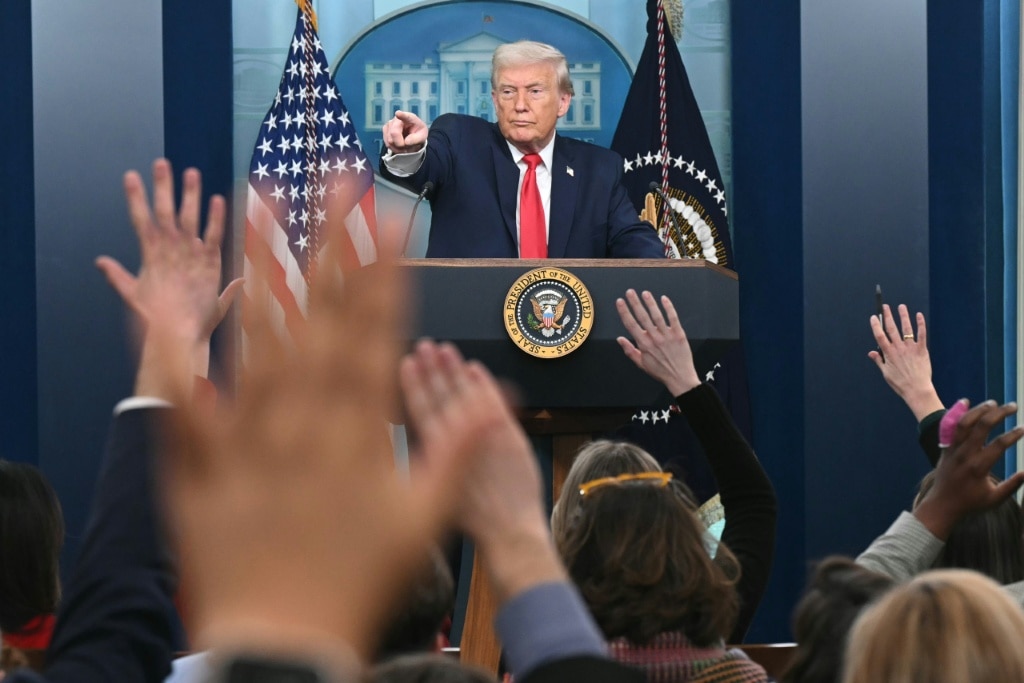
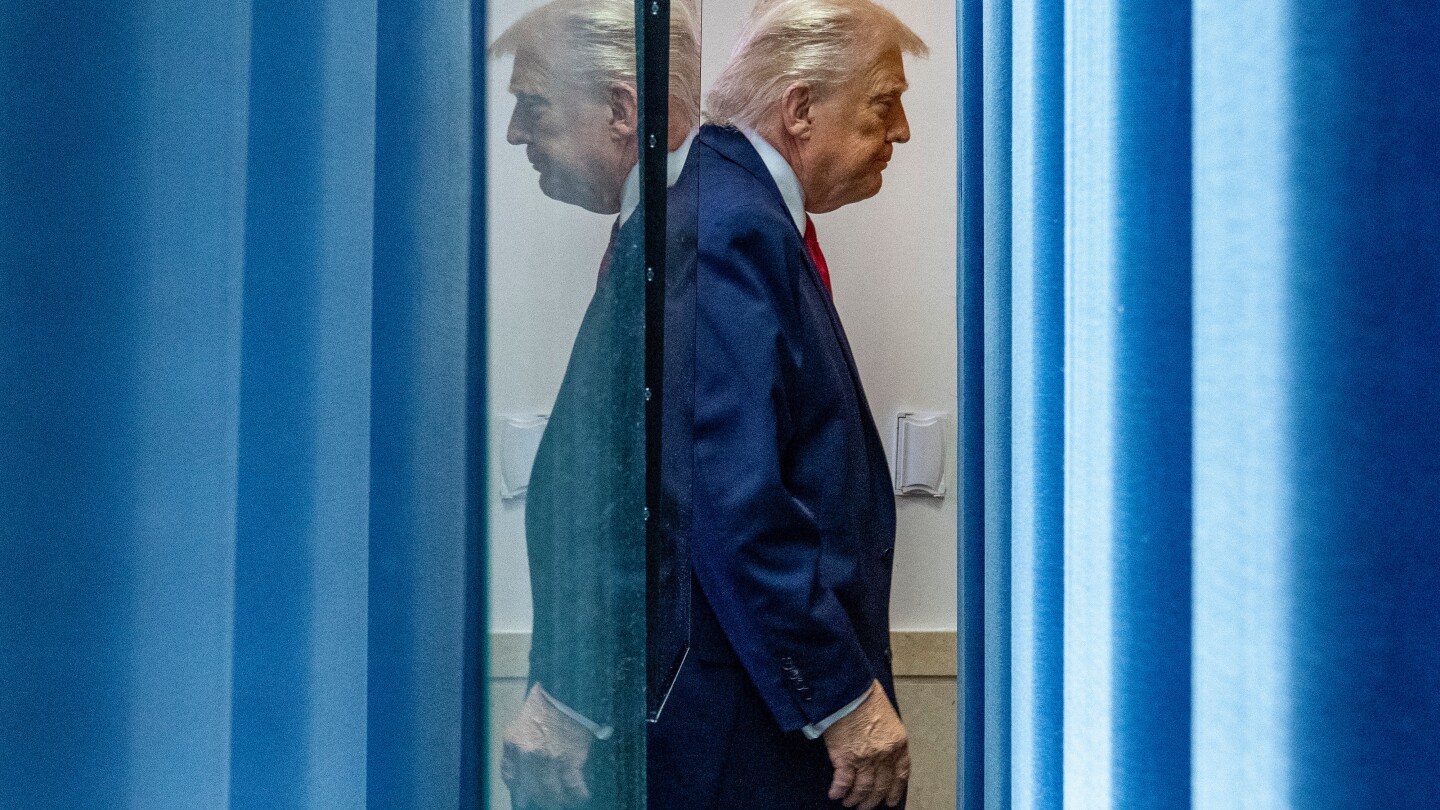
    In a subdued press conference marking his first year back in office, former President Donald Trump presented a folder purportedly containing 365 accomplishments while expressing frustration over what he characterized as insufficient recognition for his achievements. The 79-year-old leader delivered a meandering, 90-minute monologue that emphasized familiar complaints rather than celebratory reflections.

    Trump asserted divine approval for his work, stating ‘God is very proud of the work I have done,’ while simultaneously blaming his public relations team and ‘fake news’ for his poor public perception. Current polling indicates approximately 55% disapproval versus 42% approval ratings for the former president.

    The address touched on multiple controversial topics, including Trump’s continued promotion of debunked claims about the 2020 election being ‘rigged’ and mathematically impossible assertions about prescription drug price reductions. He displayed mugshots of individuals apprehended by military-style immigration agents in Minnesota, where recent operations resulted in a protester’s death.

    Regarding international matters, Trump defended his aggressive stance toward Greenland, citing national security concerns, and rejected French President Emmanuel Macron’s proposal for an emergency G7 meeting. He discussed potential collaboration with Venezuelan opposition leader Maria Corina Machado following Washington’s military operation that removed Nicolás Maduro from power, while praising Syrian President Ahmed al-Sharaa’s offensive against Kurdish allies.

    Democratic Senator Chuck Schumer characterized Trump’s performance as evidence of increasing instability and unpopularity, stating ‘He only grows more crazy and more unpopular.’ The former president departed shortly after the conference for Davos, where he planned to address world leaders.

  • Former Hainan official sentenced in bribery case

    Former Hainan official sentenced in bribery case

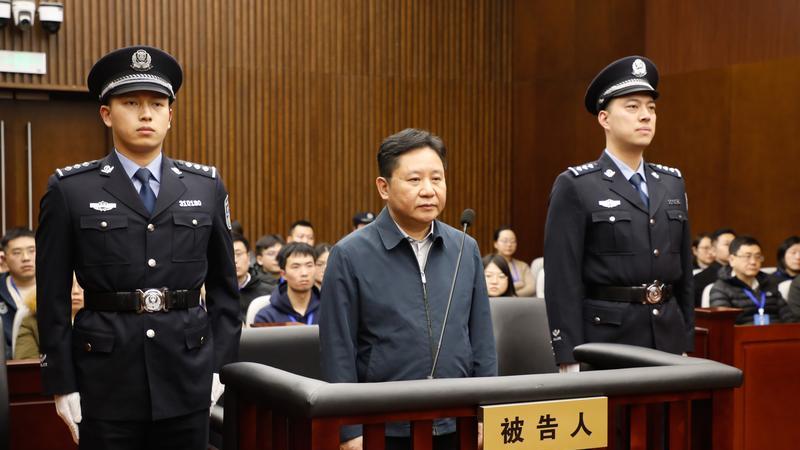
    In a significant ruling against corruption within China’s disciplinary apparatus, the Shanghai First Intermediate People’s Court has sentenced former senior Hainan official Chen Xiaobo to 12 years imprisonment with a 3 million yuan ($430,000) fine for systematic bribery offenses. The verdict, delivered on Tuesday, concludes a high-profile case that exposes corruption within anti-graft institutions themselves.

    Chen, who held dual powerful positions as deputy secretary of Hainan’s provincial discipline inspection commission and deputy director of the provincial supervisory commission, was convicted of accepting bribes exceeding 37 million yuan between 2007 and 2024. The court mandated complete confiscation of all illicit assets and accrued interest, which will be transferred to state treasury coffers.

    Evidence presented during proceedings revealed Chen exploited his authoritative positions to facilitate unlawful benefits for various organizations and individuals. His corrupt activities included manipulating land acquisition processes, influencing construction contract awards, and orchestrating improper job appointments in exchange for substantial financial rewards.

    Despite the ‘particularly large’ sums involved, the court acknowledged several mitigating circumstances. Judicial authorities noted Chen’s partial cooperation with investigators, voluntary admission to most charges, demonstrated remorse, and successful recovery of all illicit proceeds. The court characterized portions of his offenses as attempted acts, contributing to the reduced sentencing considerations.

  • King Salman chairs cabinet days after leaving hospital, says Saudi state TV

    King Salman chairs cabinet days after leaving hospital, says Saudi state TV

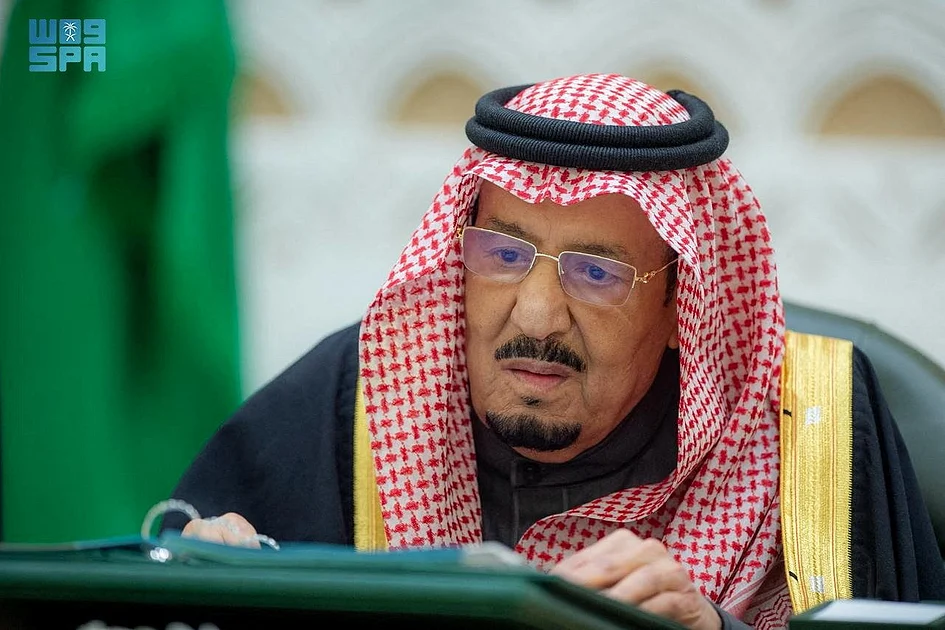
    In a significant demonstration of resumed royal duties, King Salman bin Abdulaziz of Saudi Arabia personally convened and chaired a cabinet meeting on Tuesday, January 20, 2026. This public appearance came just days after the monarch’s brief hospitalization for comprehensive medical evaluations at a Riyadh medical facility last Friday. Saudi state television broadcast verified footage showing the 88-year-old king actively engaged in governmental proceedings, reviewing official documents alongside his ministers.

    The cabinet session addressed matters of international diplomacy, with the King formally expressing Saudi Arabia’s endorsement of U.S. President Donald Trump’s recently established ‘Board of Peace’ initiative. This diplomatic gesture reinforces the enduring strategic alliance between the Kingdom and the United States, particularly significant given Saudi Arabia’s position as the world’s leading oil exporter and a pivotal Middle Eastern power.

    The monarch’s prompt return to official responsibilities carries substantial symbolic weight, effectively dispelling concerns about his health status following his 2024 treatment for lung inflammation. The transparent dissemination of this development through official state media channels underscores the government’s commitment to maintaining stability and continuity in leadership during a period of regional geopolitical significance.

  • Colombia says former FARC rebels have not kept promises to surrender cash and gold

    Colombia says former FARC rebels have not kept promises to surrender cash and gold

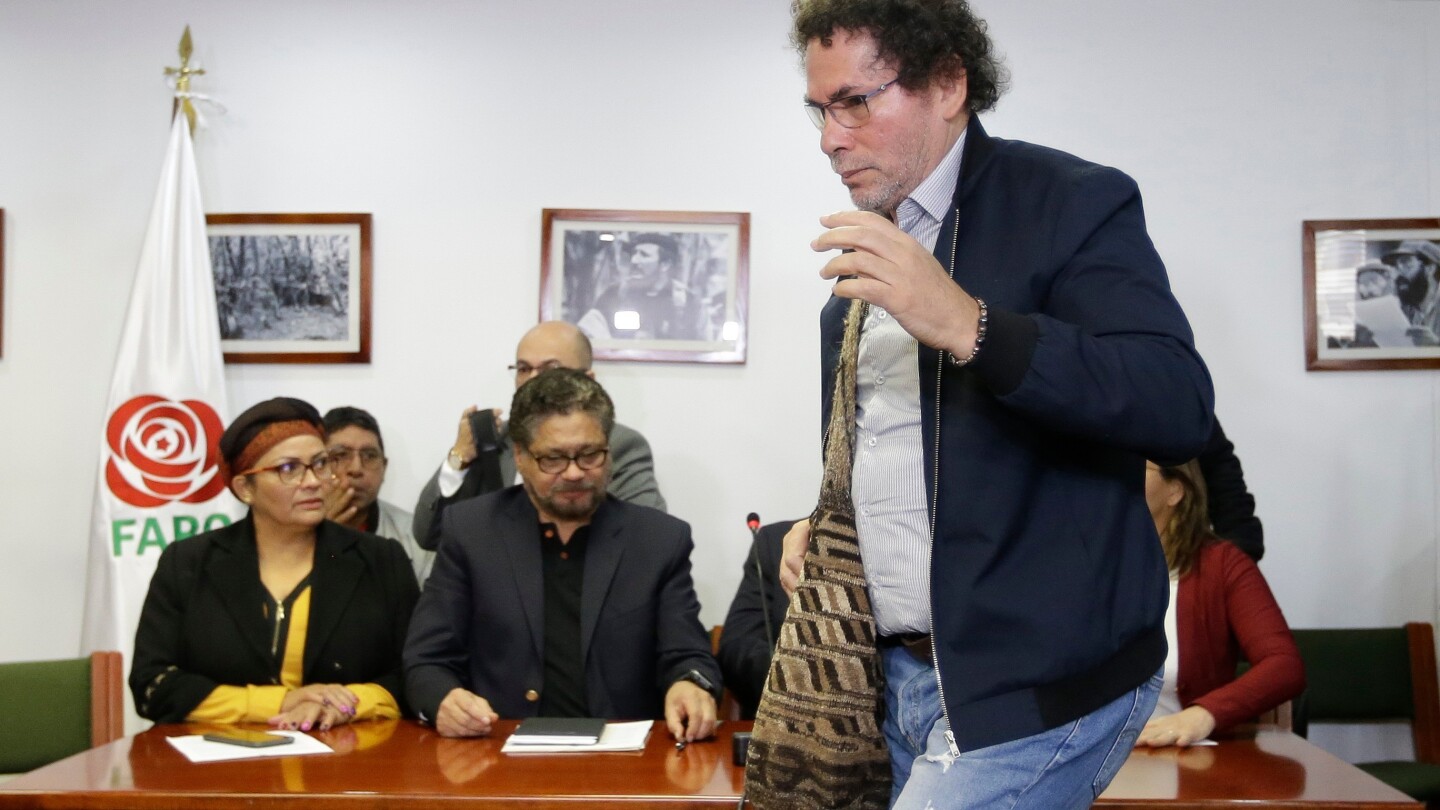
    Colombia’s Inspector General’s Office has issued a damning report revealing significant failures in the implementation of the historic 2016 peace agreement with the Revolutionary Armed Forces of Colombia (FARC). The former rebel group has substantially defaulted on its commitment to transfer assets intended to fund reparations for victims of Colombia’s decades-long conflict.

    The comprehensive assessment shows FARC has delivered merely 252 kilograms (556 pounds) of the promised 444 kilograms (979 pounds) of gold. The land transfer commitment appears even more deficient, with only one of 722 pledged rural properties handed over to authorities. Financial contributions similarly lag at just 17% of the agreed amount.

    This landmark peace deal, which ended over five decades of armed struggle, granted FARC combatants amnesty from prosecution, permitted their transformation into a political party, and allocated ten congressional seats for former members. In return, FARC leadership pledged to surrender their collective assets to finance reconciliation initiatives including rural infrastructure development, conflict memorials, and truth commission proceedings.

    Former FARC commander José Lisandro Lascarro, alias ‘Pastor Alape,’ defended the group’s efforts, citing security complications in former territories now contested by emerging armed factions. He explained that inaccessible cash reserves buried in remote regions and lack of formal property titles have hampered asset transfers, despite UN-supervised procedures.

    The peace implementation faces additional challenges as the Special Jurisdiction for Peace (JEP) tribunal experiences critical funding shortages. Currently, only 17% of the necessary budget exists to execute court-ordered reparations for victims of FARC kidnappings and military extrajudicial executions, potentially undermining the entire reconciliation framework.

  • UAE President accepts Trump’s invitation to join Gaza ‘Board of Peace’

    UAE President accepts Trump’s invitation to join Gaza ‘Board of Peace’

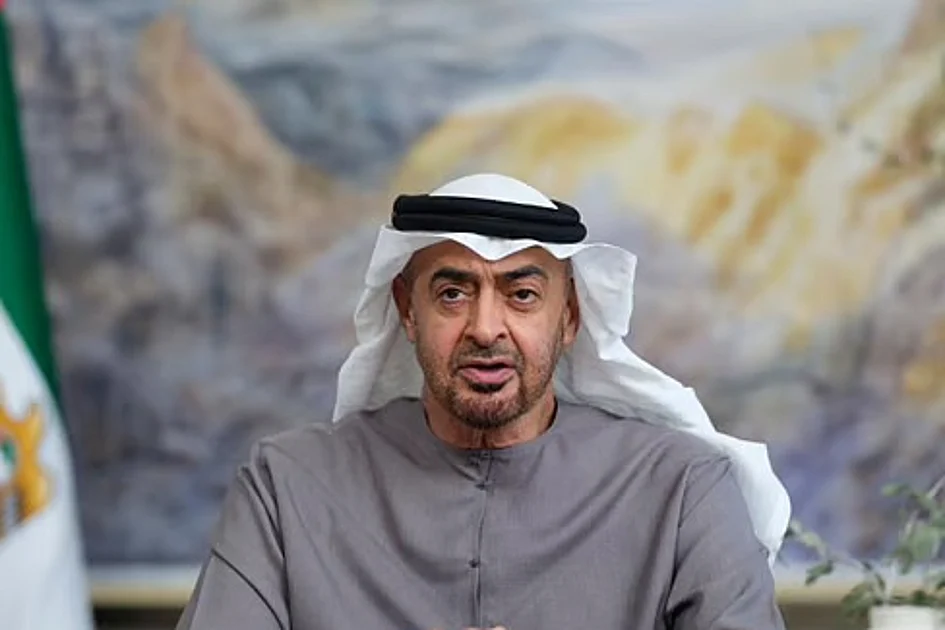
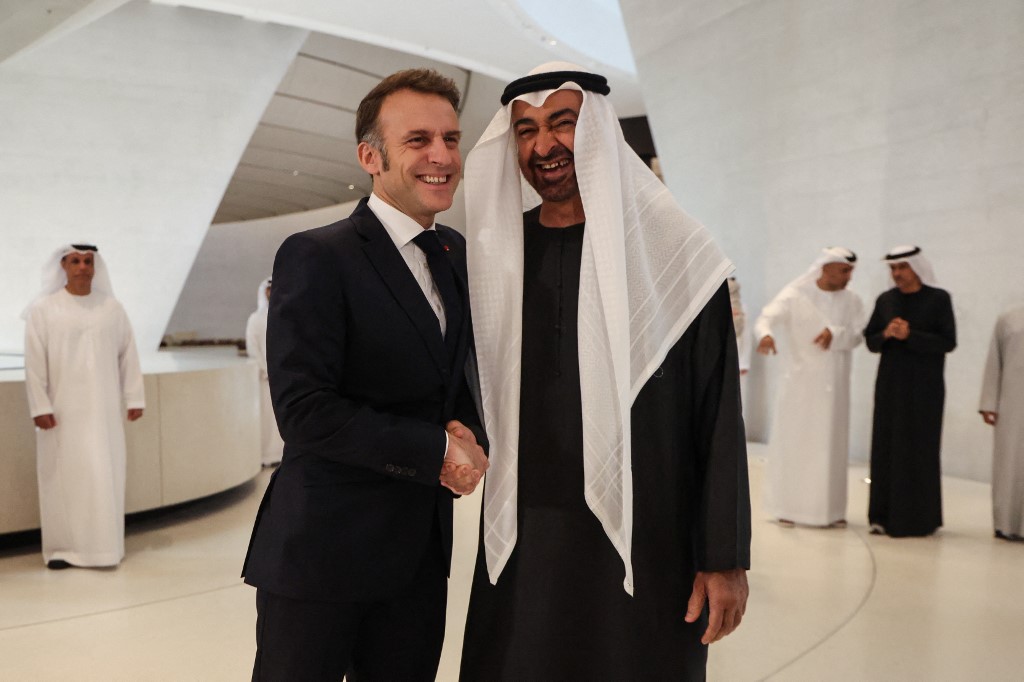
    In a significant diplomatic development, UAE President Sheikh Mohamed bin Zayed Al Nahyan has formally accepted an invitation from the United States to participate in the newly established ‘Board of Peace’ for Gaza. The Ministry of Foreign Affairs (Mofa) confirmed the nation’s involvement on January 20, framing the decision as a strategic move to advance regional stability and Palestinian rights.

    The UAE’s participation aligns with its endorsement of President Donald Trump’s comprehensive 20-point peace framework for Gaza. According to official statements, the Board will operate under Trump’s chairmanship with a mandate to provide strategic oversight, mobilize international resources, and ensure accountability throughout Gaza’s reconstruction process.

    This commitment follows the recent appointment of Reem Al Hashimy, Minister of State for International Cooperation, to the Gaza Executive Board. This subsidiary body functions as a critical liaison between the National Committee for the Administration of Gaza (NCAG) and the broader Peace Board structure.

    The White House has outlined that the initiative’s second phase will involve comprehensive demilitarization efforts and the reconstruction of Gaza’s infrastructure. Special Envoy Steve Witkoff emphasized that these measures include “the disarmament of all unauthorized personnel” as a fundamental component of the peace process.

    The UAE joins several Arab nations recruited by the US administration to contribute to this multilateral effort, reflecting Abu Dhabi’s growing influence in Middle Eastern diplomacy and conflict resolution initiatives.

  • UK approves plans for contentious Chinese mega-embassy in London

    UK approves plans for contentious Chinese mega-embassy in London

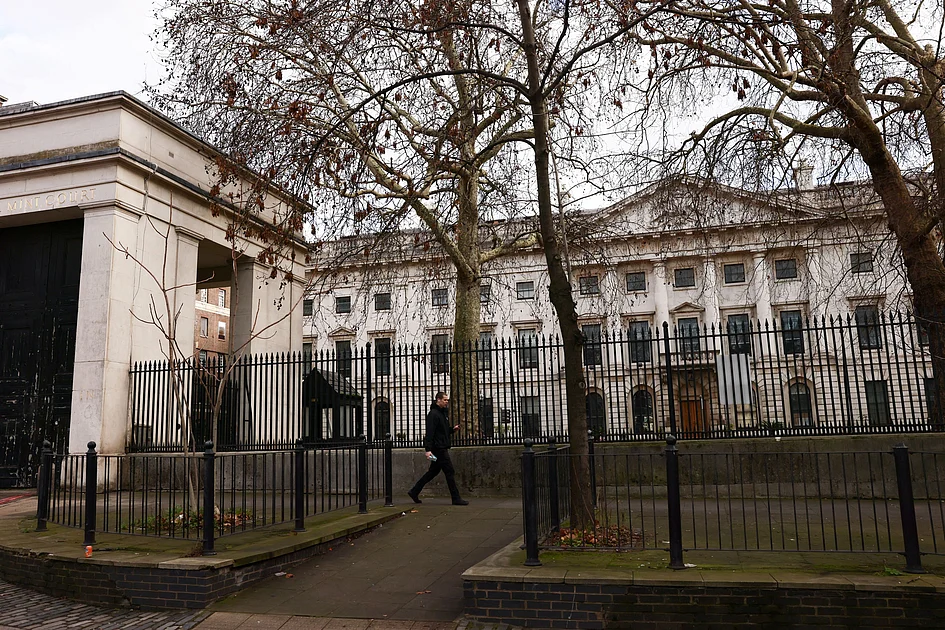
    The UK government has granted final approval for China’s expansive new embassy complex in central London, concluding an eight-year deliberation process marked by intense security debates and public opposition. Housing Minister Steve Reed formally authorized the contentious project on Tuesday, permitting Beijing to consolidate its seven current London diplomatic sites into a single 20,000-square-meter compound that will become Britain’s largest embassy by area.

    The decision follows protracted negotiations addressing national security considerations, with British intelligence agencies implementing what a government spokesperson characterized as ‘an extensive range of measures to manage any risks.’ The Chinese government has agreed to centralize its diplomatic operations, a move officials claim provides ‘clear security advantages’ through consolidated oversight.

    Despite government assurances, the project faces potential legal challenges from local residents and human rights advocates. The Royal Mint Court Residents’ Association has declared its intention to contest the approval in court, while Conservative MP Iain Duncan Smith condemned the decision as ignoring ‘the appalling brutality of the Chinese Communist Party.’

    Critics have raised alarms about potential surveillance capabilities and harassment of dissidents, with The Daily Telegraph reporting unredacted plans indicating 208 underground rooms including a ‘hidden chamber.’ The project has become a delicate diplomatic issue for Prime Minister Keir Starmer, who seeks to reset relations with China while acknowledging the ‘real national security threats’ it poses. Starmer is reportedly planning the first UK prime ministerial visit to China since 2018, though Downing Street has not confirmed the trip.

    Hong Kong exiles in London have expressed particular concern about transnational repression, with protesters describing genuine fear of Chinese government overreach. The embassy approval represents both a practical consolidation of diplomatic facilities and a symbolic gesture in UK-China relations, which deteriorated under the previous Conservative administration before Labour’s 2024 election victory.