分类: politics

  • EU lawmakers vote to hold up Mercosur trade agreement over legal concerns

    EU lawmakers vote to hold up Mercosur trade agreement over legal concerns

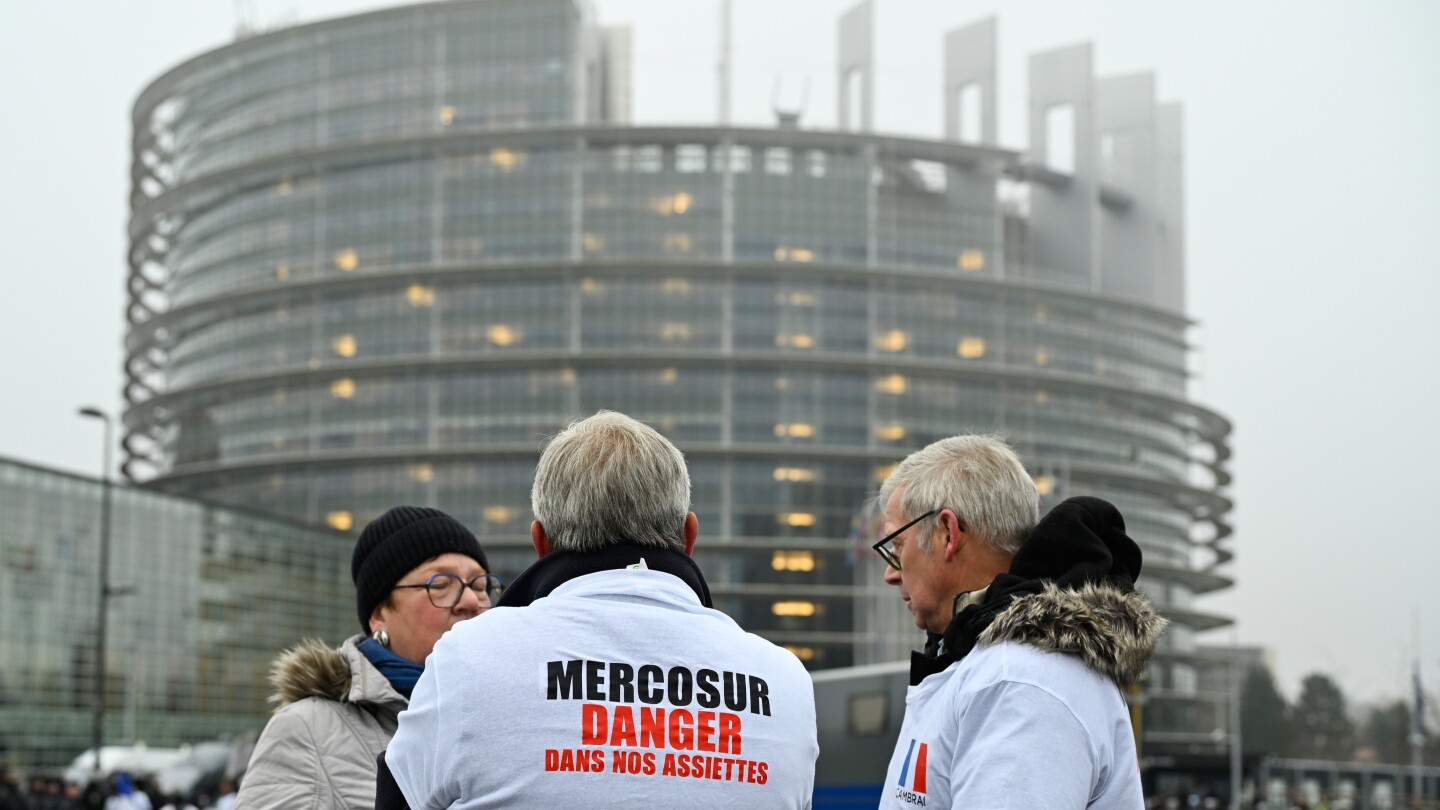
    BRUSSELS — In a dramatic legislative move, the European Parliament has suspended ratification of the landmark EU-Mercosur trade agreement, demanding judicial review from Europe’s highest court regarding its treaty compliance. Lawmakers in Strasbourg narrowly passed the resolution with 334 votes in favor versus 324 against, effectively postponing final approval until the European Court of Justice delivers its legal assessment—a process expected to span several months.

    This decision creates significant uncertainty for the comprehensive trade pact signed just days ago following 25 years of negotiations. The agreement, championed by European Commission President Ursula von der Leyen as a strategic response to global protectionism, aimed to establish one of the world’s largest free trade zones covering over 700 million consumers. It proposed eliminating over 90% of tariffs between the economic blocs, benefiting South American agricultural exports and European industrial goods alike.

    The parliamentary vote revealed deep divisions within the EU, with France emerging as a leading opponent. French Foreign Minister Jean-Noel Barrot welcomed the delay, asserting that Parliament had aligned with France’s long-standing position demanding stronger protections for European farmers. Meanwhile, the European Commission expressed strong regret over the decision, while Germany’s Chancellor Friedrich Merz condemned it as “geopolitically misguided” and urged immediate provisional application of the agreement.

    Trade Committee Chair Bernd Lange criticized the move as “absolutely irresponsible” and damaging to European economic interests. Despite the EU’s internal divisions, ratification appears certain within Mercosur nations (Argentina, Brazil, Paraguay, and Uruguay), where the pact enjoys broad support. The development comes ahead of an emergency EU summit focused on transatlantic relations, where trade strategies are expected to dominate discussions.
  • Israeli PM Netanyahu agrees to join Trump’s Board of Peace

    Israeli PM Netanyahu agrees to join Trump’s Board of Peace

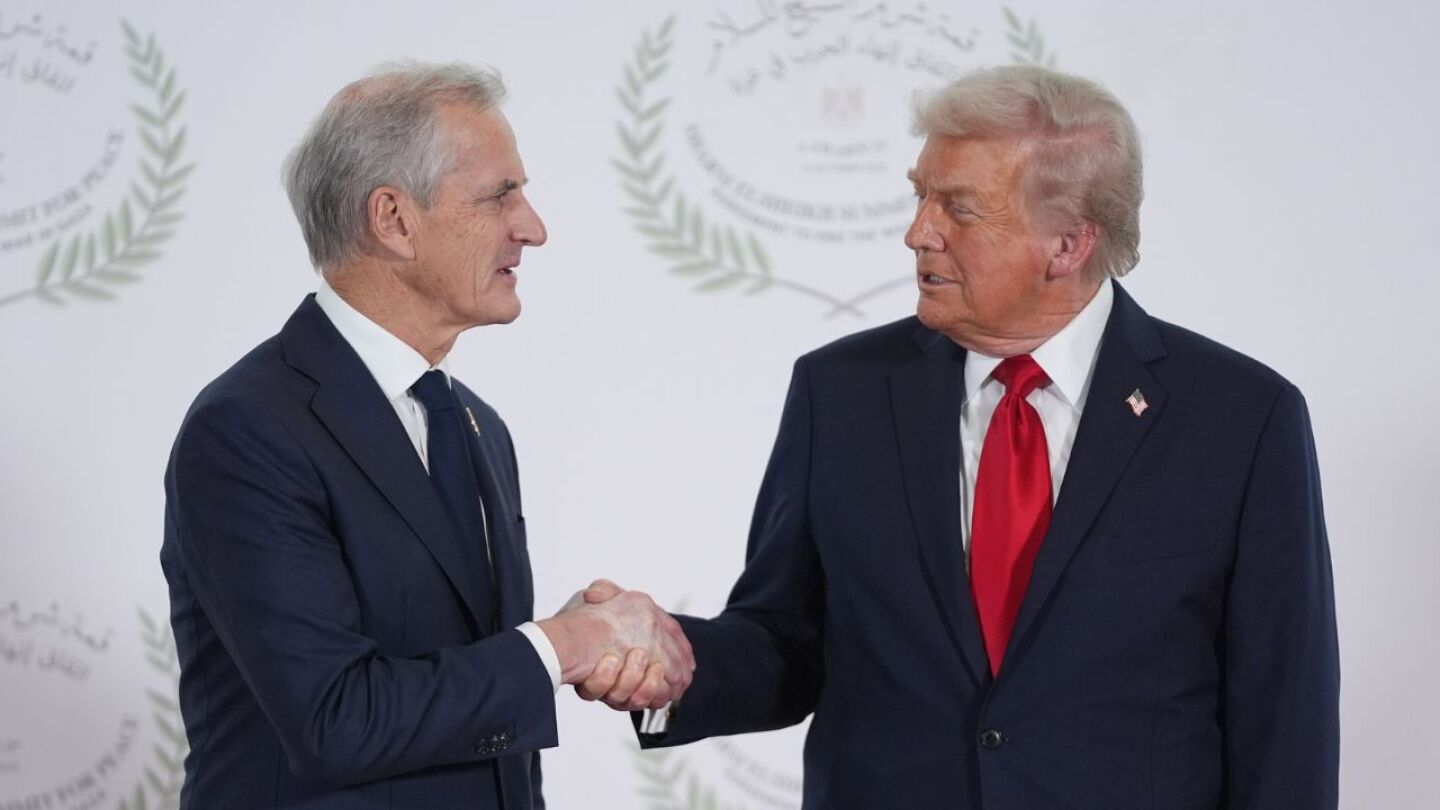
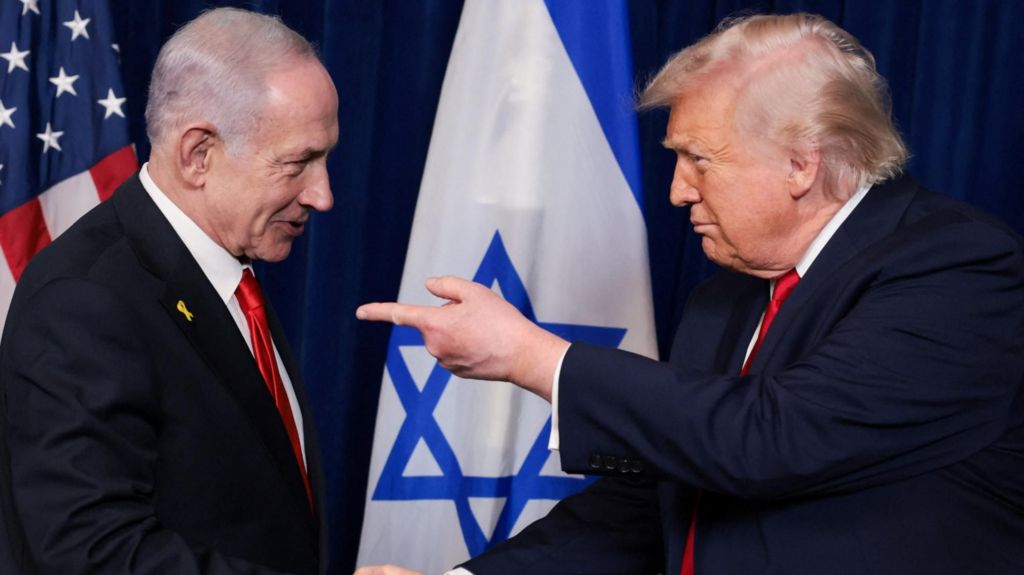
    A significant geopolitical development has emerged as Israeli Prime Minister Benjamin Netanyahu confirmed his participation in former U.S. President Donald Trump’s newly established Board of Peace. This international organization, conceptualized to promote stability and lawful governance in conflict zones, has sparked both interest and skepticism within the global community.

    The Board’s charter, obtained by media sources, reveals unconventional membership terms: nations can secure renewable three-year positions or obtain permanent status through a $1 billion financial contribution. While the United Arab Emirates, Bahrain, Albania, Armenia, Azerbaijan, Belarus, Hungary, Kazakhstan, Morocco, and Vietnam have agreed to participate, several key nations including Norway, France, and Sweden have expressed reservations or declined involvement entirely.

    Trump will assume dual roles as permanent chairman and U.S. representative, wielding exclusive authority to create, modify, or dissolve subsidiary entities. The Executive Board features prominent international figures including U.S. Secretary of State Marco Rubio, Middle East special envoy Steve Witkoff, Jared Kushner, and former British Prime Minister Tony Blair.

    A particularly contentious aspect involves the Gaza Executive Board, which includes representatives from Turkey and Qatar—a development that Netanyahu’s office claims was “not coordinated with Israel and runs contrary to its policy.” This board will work alongside a Palestinian technocratic government to oversee reconstruction efforts and stabilization initiatives in Gaza.

    The initiative unfolds against a fragile ceasefire following the devastating 2023-2026 Israel-Hamas conflict that resulted in over 71,550 Palestinian and 1,200 Israeli casualties. While phase one of Trump’s peace plan achieved a temporary ceasefire and prisoner exchange, phase two faces substantial challenges regarding Hamas disarmament and complete Israeli withdrawal from Gaza—issues that remain unresolved amid ongoing violence that has claimed hundreds of lives since the ceasefire began.

  • Trump says ‘brokering peace’ between India, Pakistan ‘key success’ of first year in office

    Trump says ‘brokering peace’ between India, Pakistan ‘key success’ of first year in office

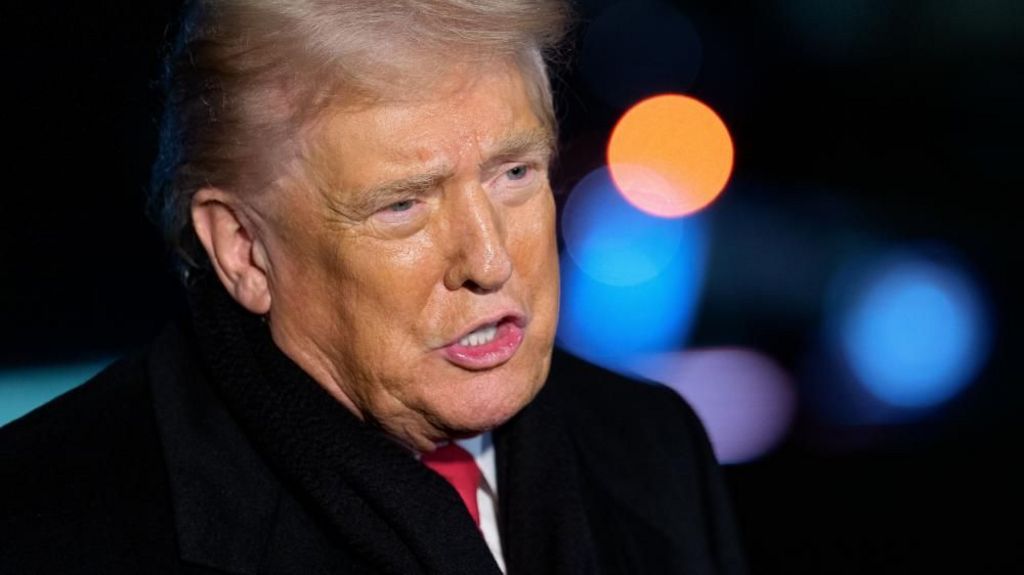
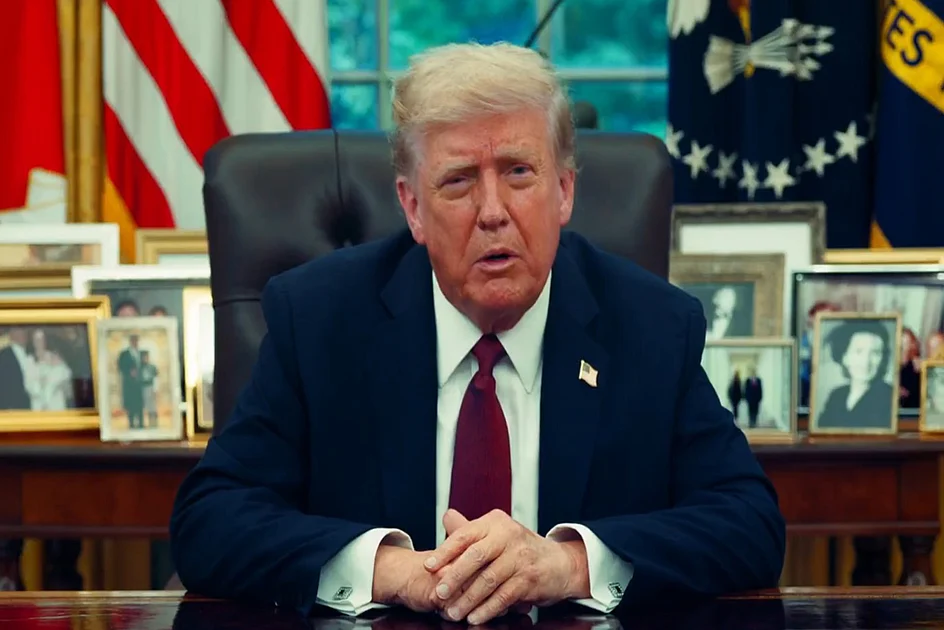
    In a comprehensive review of his administration’s accomplishments, former President Donald Trump has identified his purported mediation between India and Pakistan as a cornerstone achievement during his first year back in office. The White House released a document titled “365 Wins in 365 Days” cataloging these achievements, prominently featuring diplomatic efforts in South Asia under the section “Reasserting American Leadership on the World Stage.”

    During a press briefing commemorating his administration’s anniversary, Trump elaborated on his claims with heightened dramatic effect, notably increasing the number of aircraft he stated were shot down in the conflict from seven to eight. “I ended eight unendable wars in 10 months. Pakistan and India. They were really going at it. Eight planes were shot down,” Trump asserted. “They were going to go nuclear, in my opinion. The Prime Minister of Pakistan was here, and he said ‘President Trump saved 10 million people.’”

    The former president has repeatedly invoked this narrative since May of the previous year, positioning himself as the decisive factor in preventing catastrophic escalation between the nuclear-armed neighbors. These assertions appear strategically linked to his aspirations for the Nobel Peace Prize, an award he has consistently expressed grievance over not receiving.

    However, these claims stand in stark contrast to official positions from New Delhi. Indian authorities have consistently refuted any third-party involvement in conflict resolution, maintaining that peace negotiations were conducted exclusively through bilateral channels between the two nations. The initial military confrontation followed the devastating Pahalgam terror attack in Jammu and Kashmir in April 2025, which resulted in 26 casualties and triggered a significant escalation in cross-border tensions.

  • Macron urges EU to consider trade ‘bazooka’ in response to US tariffs threat

    Macron urges EU to consider trade ‘bazooka’ in response to US tariffs threat

    BRUSSELS — The European Union is mobilizing its substantial economic defenses in response to escalating tensions with the United States, particularly concerning President Donald Trump’s aggressive posture toward Greenland. As a primarily trade-oriented bloc of 27 nations, the EU’s countermeasures center on powerful financial instruments that could potentially cost American companies billions.

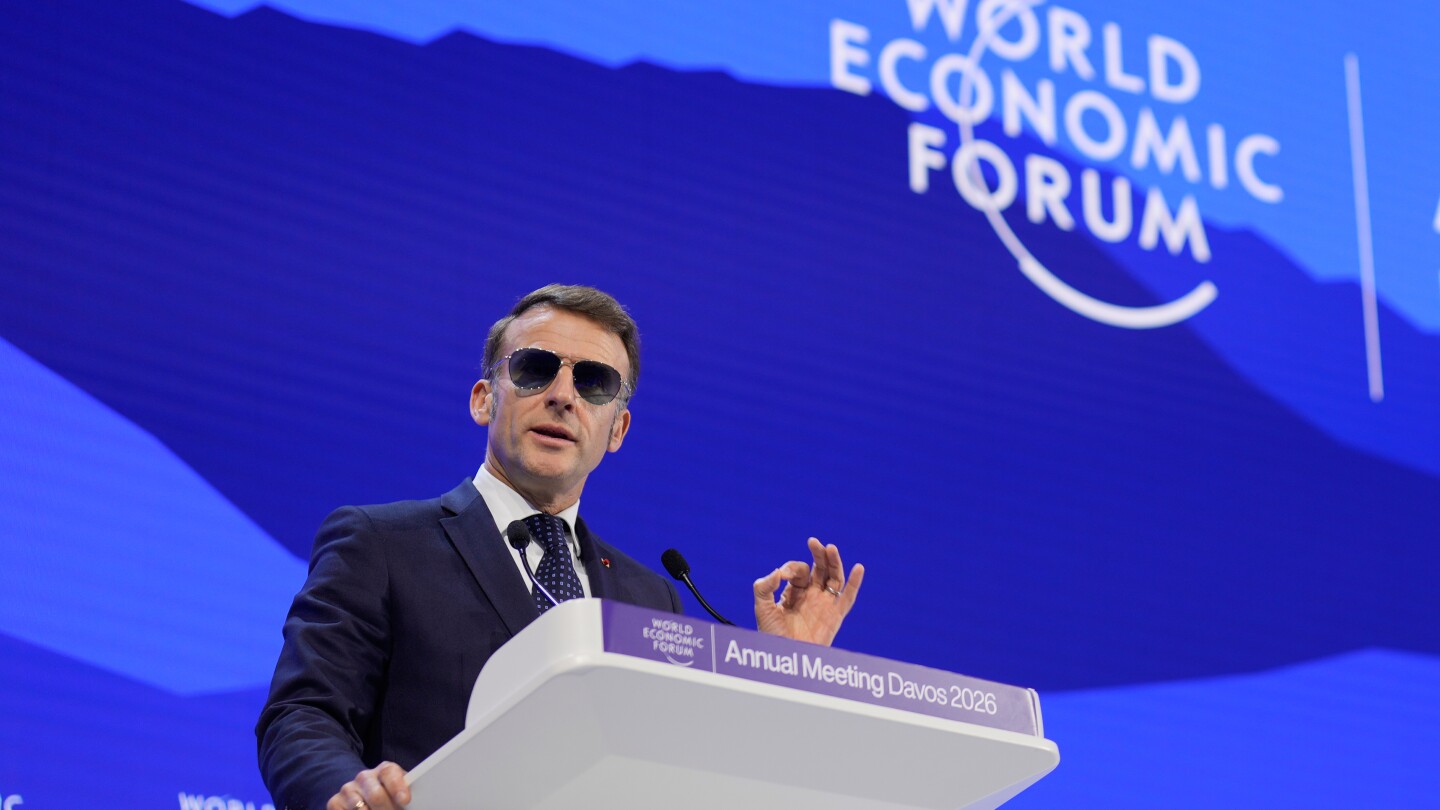
    The centerpiece of Europe’s defensive strategy is the Anti-Coercion Instrument (ACI), colloquially termed the ‘trade bazooka’ by French President Emmanuel Macron. This mechanism, established in 2021 following China’s trade restrictions against Lithuania over Taiwan relations, enables the EU to sanction individuals or institutions exerting undue pressure on member states.

    Speaking at the Davos forum on Tuesday, Macron issued a stark warning that additional U.S. tariffs could compel the EU to deploy its anti-coercion mechanism for the first time against its American allies. ‘The crazy thing is that we could find ourselves in a situation where we use the anti-coercion mechanism for the very first time against the United States,’ Macron stated, expressing regret over what he termed ‘unnecessary aggressiveness.’

    The potential sanctions under the ACI framework include restrictive market access measures, exclusion from EU public procurement contracts, limitations on foreign direct investment, and constraints on goods and services trade. Despite the powerful nature of these tools, significant hesitation exists among EU members, with France currently standing as the primary advocate for their potential deployment.

    EU leaders are convening an emergency summit in Brussels on Thursday to address the growing tensions. The timing is particularly sensitive as the bloc emphasizes the need for allied cooperation in addressing the conflict in Ukraine.

    The economic stakes are enormous: EU-U.S. trade in goods and services reached €1.7 trillion ($2 trillion) in 2024, averaging €4.6 billion daily. Europe’s major exports to the American market include pharmaceuticals, automobiles, aircraft, chemicals, medical instruments, and premium alcoholic beverages.

    According to European Commission documentation, the ACI requires at least six months to activate, with its primary objective being deterrence rather than punishment. As the commission previously stated, ‘The instrument will, therefore, be most successful if there is no need to use it.’

  • EU chief says Trump’s threats challenge Europe’s security and prosperity, ahead of emergency summit

    EU chief says Trump’s threats challenge Europe’s security and prosperity, ahead of emergency summit

    BRUSSELS — European Council President António Costa issued a stark warning on Wednesday that President Donald Trump’s dual threats of annexing Greenland and imposing tariffs on European allies represent a fundamental challenge to European security, principles, and economic prosperity.

    The escalating transatlantic tensions have prompted Costa to convene an emergency summit of the EU’s 27 national leaders in Brussels, where they will formulate a unified response to what they perceive as unprecedented provocations from Washington.

    Trump’s expressed determination to acquire mineral-rich Greenland, justified under questionable security pretexts, has severely eroded trust among traditional allies in Europe and Canada. The situation intensified when Denmark deployed military reconnaissance forces to Greenland—a semi-autonomous Danish territory—prompting Trump’s ire. Several European nations contributed small troop contingents to this operation, with Denmark considering a more permanent military presence in the Arctic region.

    Costa emphasized that EU leaders remain steadfast in their commitment to international law, territorial integrity, and national sovereignty—principles previously invoked in defending Ukraine against Russian invasion and now relevant to Greenland’s status. In an address to EU lawmakers in Strasbourg, France, Costa unequivocally stated that only “Denmark and Greenland can decide their future.”

    The European Council President further warned that additional tariffs would fundamentally undermine transatlantic relations and violate the EU-US trade agreement negotiated last July. European lawmakers, who must ratify this agreement, have threatened to withhold approval in response to Trump’s tariff threats.

    European Commission President Ursula von der Leyen announced developing plans for a “massive European investment surge in Greenland” to strengthen its economy and infrastructure, alongside a new European security strategy. She proposed enhancing security around the island through partnerships with the UK, Canada, Norway, and Iceland.

    Polish Prime Minister Donald Tusk, historically a strong advocate for transatlantic cooperation, declared on social media that “appeasement is always a sign of weakness,” emphasizing that “European assertiveness and self-confidence have become the need of the moment.” Von der Leyen echoed this sentiment, stating the EU stands “fully prepared to act, if necessary, with unity, urgency and determination.”

  • Widow of Iran’s last shah says ‘no turning back’ after protests

    Widow of Iran’s last shah says ‘no turning back’ after protests

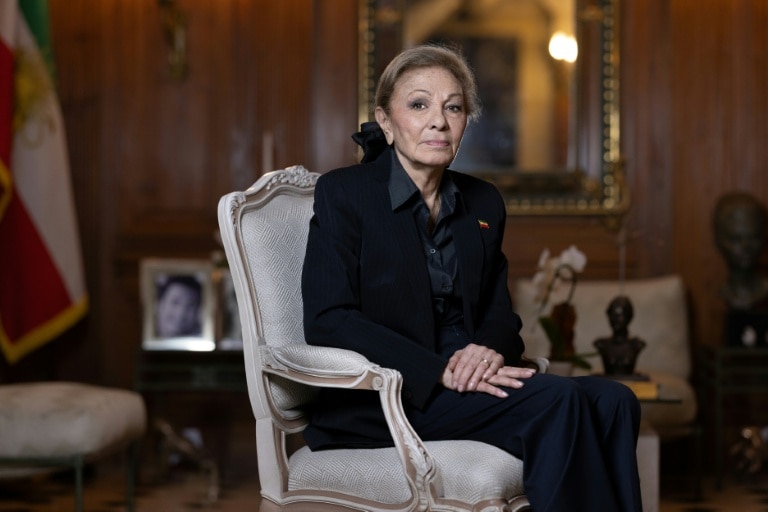
    In an exclusive Paris interview with AFP, Farah Pahlavi, the 87-year-old widow of Iran’s last Shah, has delivered a powerful statement regarding the ongoing protest movement challenging Iran’s clerical establishment. The former empress, who was exiled alongside her husband during the 1979 Islamic Revolution, expressed unwavering conviction that the Iranian people would ultimately achieve victory in their struggle for freedom.

    Seated before Iran’s former imperial flag adorned with the lion and sun emblem, Pahlavi articulated her profound connection to the protestors, particularly emphasizing her maternal bond with the youth leading the demonstrations. She revealed her deepest personal longing to return to Iran after 47 years in exile, stating, “My desire and my need today are to return to Iran and to hold these exceptional children in my arms.”

    The nationwide protests, which initially emerged in response to economic grievances in late December, rapidly evolved into a direct challenge against the Islamic Republic’s four-decade rule. Pahlavi acknowledged the severe government crackdown that international rights organizations report has resulted in thousands of casualties, yet she maintained that the movement had reached an irreversible point. “One thing is now certain: there is no turning back,” she declared. “This path is one-way—it leads to freedom—and every day, tragically, it is drenched in the blood of the daughters and sons of this land.”

    Regarding the role of external opposition, Pahlavi outlined two critical responsibilities: maintaining strong connections between Iranians inside the country and international communities, while simultaneously organizing global demonstrations to raise awareness about the situation. When questioned about potential foreign military intervention, she instead appealed for continued international solidarity and support, emphasizing that a democratic Iran would contribute to regional stability.

    Concerning her son Reza Pahlavi’s potential political role, the former empress emphasized that any position would be determined solely by the Iranian people’s will, noting that her son views himself primarily as a spokesperson for young Iranians until freedom is achieved.

  • Xi greets Touadera on reelection as president

    Xi greets Touadera on reelection as president

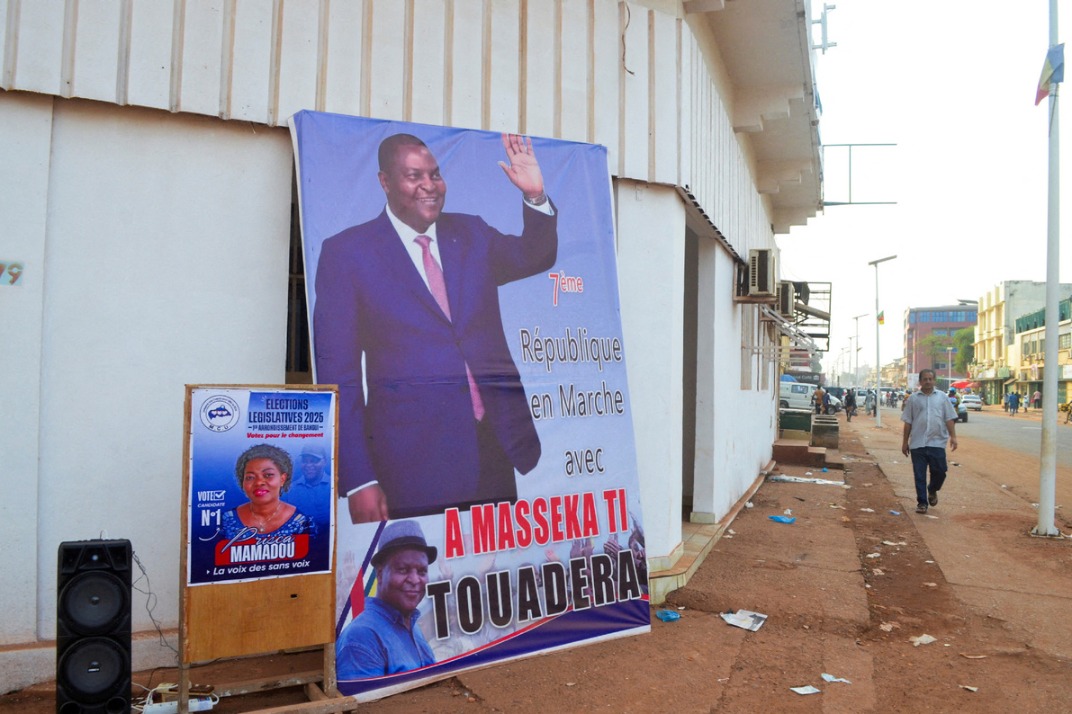
    Chinese President Xi Jinping has formally congratulated Faustin-Archange Touadera on his reelection as President of the Central African Republic, expressing commitment to advancing the strategic partnership between the two nations. The message comes after the Central African Republic’s Constitutional Council officially certified the final results of the December 28 presidential election on Monday, confirming Touadera’s victory and securing his third term in office since initially assuming power in 2016.

    In his congratulatory message, President Xi emphasized the continued deepening of political mutual trust between China and the Central African Republic in recent years. He highlighted how both nations have consistently supported each other on issues concerning their core interests and major concerns while steadily progressing cooperation across multiple sectors.

    President Xi underscored his personal commitment to bilateral relations, stating his intention to collaborate with President Touadera in actively implementing the outcomes established during the 2024 Beijing Summit of the Forum on China-Africa Cooperation. China remains prepared to drive the continuous enhancement of the strategic partnership between the two countries, aiming to generate increased benefits for both populations.

    The 68-year-old Touadera centered his campaign platform on restoring peace and promoting national development. In preparation for the election, he reportedly signed peace agreements with major rebel groups, according to Xinhua News Agency. Diplomatic relations between China and the Central African Republic, which were reestablished in 1998, have facilitated a gradual recovery in bilateral trade cooperation over subsequent years.

  • Could US Congress stop Trump from taking over Greenland?

    Could US Congress stop Trump from taking over Greenland?

    President Donald Trump’s persistent campaign to acquire Greenland has ignited significant bipartisan opposition in Congress, creating an unusual alliance between Republicans and Democrats. This development signals growing unease over the administration’s unilateral approach to foreign policy and military interventions.

    The controversy has evolved beyond a simple territorial dispute into a broader examination of presidential authority. Lawmakers from both parties are increasingly questioning the administration’s use of economic pressure and military force to advance geopolitical objectives in Venezuela, Iran, and now the Arctic region.

    Republican leaders, who have typically supported Trump’s foreign policy agenda since his return to office, are now expressing reservations about the proposed Greenland acquisition. Senator Thom Tillis (R-N.C.) publicly criticized potential tariffs on countries opposing the takeover, warning such measures would ultimately benefit geopolitical rivals China and Russia while damaging American interests and alliances.

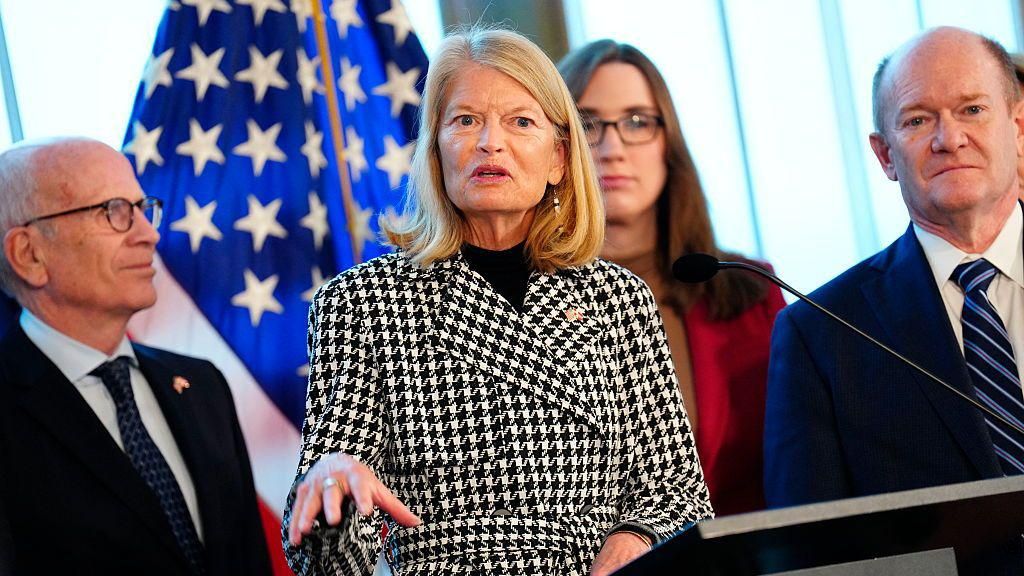
    The Arctic territory, while self-governing, remains under Danish sovereignty, making any attempted acquisition a complex international legal matter. Senator Lisa Murkowski (R-Alaska), co-chair of the Senate Arctic Caucus, emphasized that respect for Greenland’s sovereignty should be ‘non-negotiable,’ reflecting concerns shared by several Republican colleagues.

    Trump has defended his position by asserting strategic necessity, claiming control of Greenland is vital for competing with China and Russia in the increasingly important Arctic region. When questioned by BBC journalists about potential damage to NATO alliances, the president dismissed concerns and reiterated that obtaining the territory was crucial for both U.S. and global security interests.

    Congress possesses several mechanisms to potentially restrain presidential action regarding Greenland, primarily through control of funding allocations. Legal experts note that any purchase would require congressional appropriation of funds, while military action would necessitate authorization. However, the administration has previously demonstrated willingness to expand executive power to circumvent legislative obstacles on issues ranging from immigration to tariffs.

    The political dynamics mirror earlier tensions over Venezuela, where several Republicans joined Democrats in attempting to limit military engagement. Although previous measures have failed, they indicate growing congressional willingness to challenge presidential authority in foreign affairs.

    The situation remains fluid, with Trump suggesting developments are imminent while lawmakers consider legislative responses. The administration might pursue alternative arrangements that avoid formal treaties requiring Senate ratification, though legal scholars express skepticism about such approaches for matters of this significance.

  • ‘Minor electrical issue’ on Air Force One delays Trump Davos visit

    ‘Minor electrical issue’ on Air Force One delays Trump Davos visit

    President Donald Trump’s journey to the World Economic Forum in Davos encountered an unexpected setback when Air Force One was compelled to return to Joint Base Andrews in Maryland shortly after takeoff. The White House confirmed the aircraft experienced a minor electrical malfunction, with accompanying journalists reporting temporary power loss in the press cabin.

    Following the incident, the President transferred to a secondary aircraft to continue his travel to Switzerland, though this diversion resulted in an approximately three-hour delay to his scheduled arrival. Trump was originally expected in Davos at 10:00 local time (09:00 GMT) but will now arrive closer to 13:00 local time.

    The technical incident highlights ongoing concerns regarding the aging presidential aircraft fleet. The current Air Force One planes, two modified Boeing 747-200B series aircraft, have been in service since 1990. While these aircraft have undergone upgrades, maintenance costs for both airframes and engines continue to escalate.

    This incident occurs against the backdrop of the Trump administration’s publicly expressed dissatisfaction with Boeing’s performance. Last year, the administration announced it was exploring alternatives to Boeing following repeated delays in delivering two new presidential aircraft. The situation was further complicated when Washington accepted a $400 million Boeing 747-8 donated by Qatar, with retrofitting costs to be covered by U.S. taxpayers. The White House maintains the acceptance was legal and has pledged the aircraft will ultimately be donated to Trump’s presidential library.

    Despite the travel disruption, President Trump is still expected to deliver his keynote speech at the World Economic Forum at 14:30 local time (13:30 GMT). His schedule includes high-level meetings with foreign leaders and a reception with business executives.

    The Davos appearance comes amid escalating diplomatic tensions regarding Trump’s persistent interest in acquiring Greenland. The president has stated he intends to use the forum to convince European leaders that the United States ‘must have’ Greenland for national security reasons, not excluding potential military action. These demands have been firmly rejected by both Greenland’s autonomous government and Denmark, with several European NATO members expressing opposition while simultaneously deploying military personnel to the territory for exercises.

  • Detained veteran Ugandan opposition figure critically ill in hospital, his party says

    Detained veteran Ugandan opposition figure critically ill in hospital, his party says

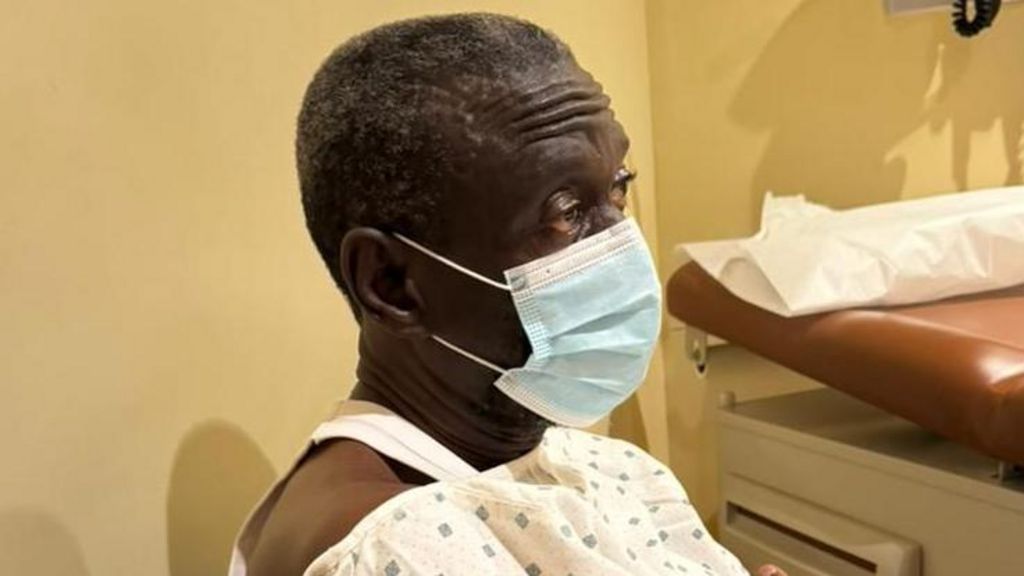
    The health condition of imprisoned Ugandan opposition leader Kizza Besigye has significantly worsened according to his political party, raising serious concerns about his treatment in state custody. The 69-year-old former presidential candidate was transported under intense security escort to a private medical facility in Kampala overnight, with his People’s Front for Freedom (PFF) party reporting his condition had reached a critical stage.

    Prison authorities have contradicted these accounts, characterizing the medical visit as routine and maintaining that Besigye remains in satisfactory health. Frank Baine, spokesperson for Uganda’s prison system, stated the opposition figure receives standard medical supervision and was recently observed performing exercises.

    Besigye, who served as personal physician to President Yoweri Museveni before becoming his principal political rival, faces capital charges including treason and illegal firearms possession. His detention dates to November 2024 when he was extraordinarily renditioned from Kenya alongside associate Obeid Lutale.

    The PFF has issued strong accusations against Ugandan authorities, alleging deliberate denial of adequate medical care and violation of fundamental human rights. ‘We hold the regime and prison authorities fully accountable for his well-being,’ the party declared, characterizing official statements as attempts to conceal the physical consequences of prolonged detention.

    Personal accounts from Besigye’s family paint a distressing picture. His wife Winnie Byanyima described severe symptoms including acute abdominal pain, high fever, dehydration, and tremors sufficiently severe to impair mobility. She confirmed her husband has refused treatment from prison medical staff, demanding access to independent physicians.

    This incident echoes previous health crises during Besigye’s confinement at Luzira Maximum Security Prison, including a critical condition developed during a February hunger strike protesting judicial proceedings. The opposition leader’s legal team has faced repeated bail denials, with courts citing procedural delays in plea entry.

    The health emergency emerges against Uganda’s tense political backdrop following recent elections where Museveni secured extended power amid opposition allegations of electoral manipulation. Bobi Wine, Museveni’s primary challenger, has rejected the official results and reportedly gone into hiding citing safety concerns.