分类: politics

  • How an Islamist party is gaining ground in Bangladesh, worrying moderates

    How an Islamist party is gaining ground in Bangladesh, worrying moderates

    In a remarkable political transformation, Bangladesh’s historically marginalized Jamaat-e-Islami party is experiencing unprecedented resurgence ahead of February’s parliamentary elections. The Islamist organization, previously banned from electoral politics for over a decade due to its opposition to Bangladeshi independence and conflicts with the secular constitution, has strategically repositioned itself as a viable alternative to established political forces.

    The party’s rehabilitation follows the youth-led uprising that ousted Prime Minister Sheikh Hasina in August 2024, which resulted in approximately 1,400 casualties according to UN estimates. Capitalizing on public disillusionment with traditional parties, Jamaat has emphasized anti-corruption initiatives and welfare programs including medical camps and flood relief operations.

    A December opinion poll by the International Republican Institute revealed Jamaat as Bangladesh’s most ‘liked’ political entity, projecting a highly competitive race with the Bangladesh Nationalist Party. This surge in popularity stems from strategic alliances with groups like the Gen-Z National Citizen Party and outreach to minority communities, including the unprecedented nomination of a Hindu candidate.

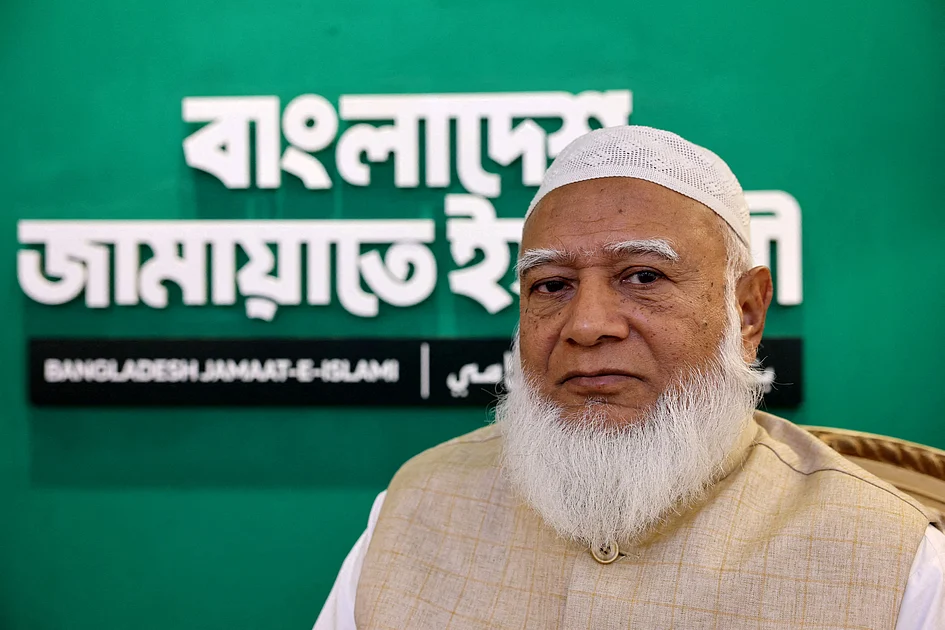
    Despite public assurances of women’s rights, the party faces scrutiny for fielding no female candidates for 300 parliamentary seats. Party chief Shafiqur Rahman suggests women might gain representation through 50 proportionally allocated seats post-election, but women’s rights activists dismiss these promises as electoral ploys.

    The political shift has raised concerns among religious minorities and moderates, with reports of increased attacks on Hindu and Sufi sites since Hasina’s departure. Minority community leaders express unprecedented fears about their security under potential Islamist governance, though Jamaat officials deny involvement in religious violence and call for investigations.

    Jamaat has formed a broad network of alliances with other Islamist parties, planning to contest 179 seats while distributing 74 to allies. The party employed international agencies to assess voter sentiment and recruited prominent figures including Mir Ahmad bin Quasem, son of an executed Jamaat leader.

    Analysts note the party’s evolution from a ‘stigmatized force’ to a ‘pragmatic contender’ reflects public anger over abuses during Hasina’s administration. While some speculate about potential foreign policy shifts toward Pakistan, party leadership maintains they will pursue balanced international relations rather than leaning toward any particular nation.
  • Congressional committee votes to hold Clintons in contempt over Epstein subpoena

    Congressional committee votes to hold Clintons in contempt over Epstein subpoena

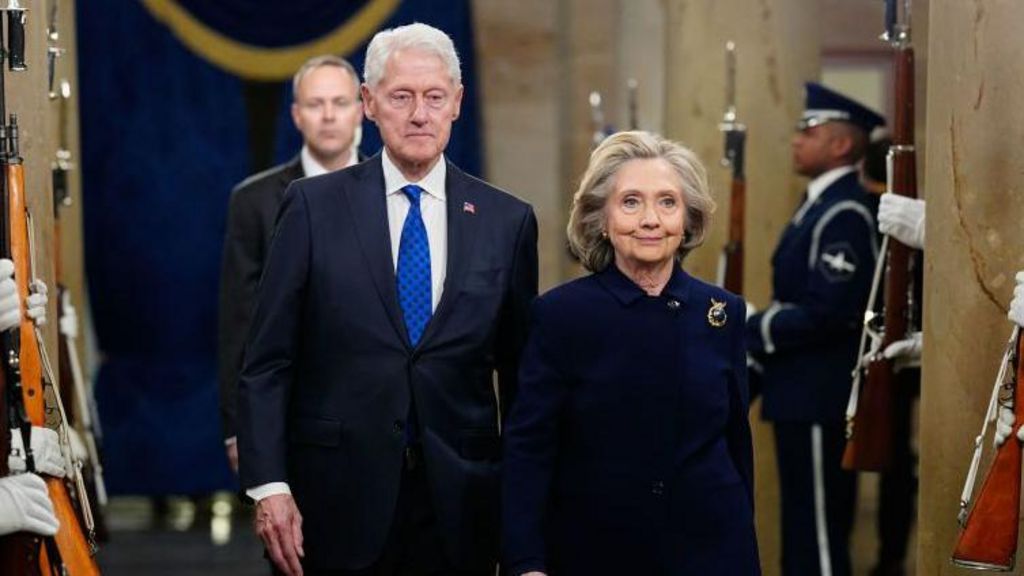
    In a significant escalation of political tensions, the House Oversight Committee has formally moved to hold former President Bill Clinton and former Secretary of State Hillary Clinton in contempt of Congress. The Wednesday vote, which garnered bipartisan support with several Democrats joining Republicans, centers on the Clintons’ refusal to comply with subpoenas issued as part of the committee’s investigation into convicted sex offender Jeffrey Epstein.

    The committee’s contempt measure now advances to the full House of Representatives for consideration. Should it secure approval there, the matter would be referred to the Department of Justice for potential enforcement action, raising unprecedented legal questions about compelling testimony from former first families.

    This investigation seeks testimony regarding the Clintons’ associations with Epstein, who was convicted of sex crimes. Photographic evidence places Bill Clinton in the financier’s company during the 1990s and early 2000s. Notably, no survivors of Epstein’s abuse have accused the former president of wrongdoing, and he has consistently denied any awareness of Epstein’s criminal activities during their acquaintance.

    Legal representatives for the Clintons have vigorously challenged the subpoenas, characterizing them as ‘unenforceable’ while maintaining their clients have cooperated by providing all ‘limited information’ available to them concerning Epstein. The development marks a new chapter in the long-standing political scrutiny of the Clinton family and tests the boundaries of congressional oversight powers.

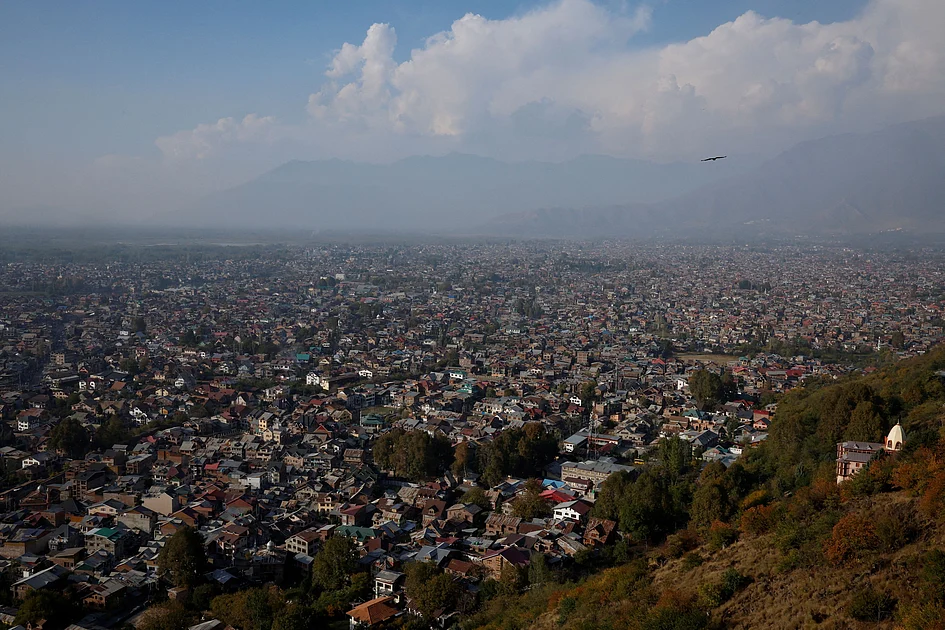
  • Journalists in Jammu and Kashmir asked to sign pledge vowing to keep peace

    Journalists in Jammu and Kashmir asked to sign pledge vowing to keep peace

    In a significant development for press freedom in the contested region, Jammu and Kashmir police have compelled multiple journalists to sign a formal commitment vowing not to “disturb peace” through their reporting. This move has sparked immediate concerns among media watchdogs and press freedom advocates.

    According to verified reports, at least three journalists received official summons to police stations in Srinagar, the capital of the federally administered territory. While two journalists confirmed receiving these directives, one assistant editor from the respected Indian Express newspaper notably refused to sign the document despite repeated police summons between January 15-19.

    The situation emerges against the backdrop of India’s 2019 revocation of Jammu and Kashmir’s constitutional autonomy, which was followed by numerous restrictions in the Muslim-majority region. These developments include established guidelines governing how media outlets cover the ongoing insurgency and related security matters.

    The Press Club of Kashmir confirmed in an official statement that multiple members had received either formal summons or informal advisories from authorities requesting they cease reporting on police investigations into religious institutions’ funding and management structures.

    Kunal Majumder, Asia-Pacific coordinator for the Committee to Protect Journalists, characterized these actions as “part of a pattern of intimidation against the media in Jammu and Kashmir,” emphasizing that using police powers to summon journalists over legitimate reporting represents a concerning trend for democratic principles.

    The Srinagar police spokesperson has not yet responded to requests for commentary regarding these developments. Meanwhile, the Indian Express has publicly affirmed its commitment to “uphold and protect the rights and dignity of its journalists” in response to these pressures.

  • Peru’s interim president faces calls for removal over unregistered meetings with Chinese businessmen

    Peru’s interim president faces calls for removal over unregistered meetings with Chinese businessmen

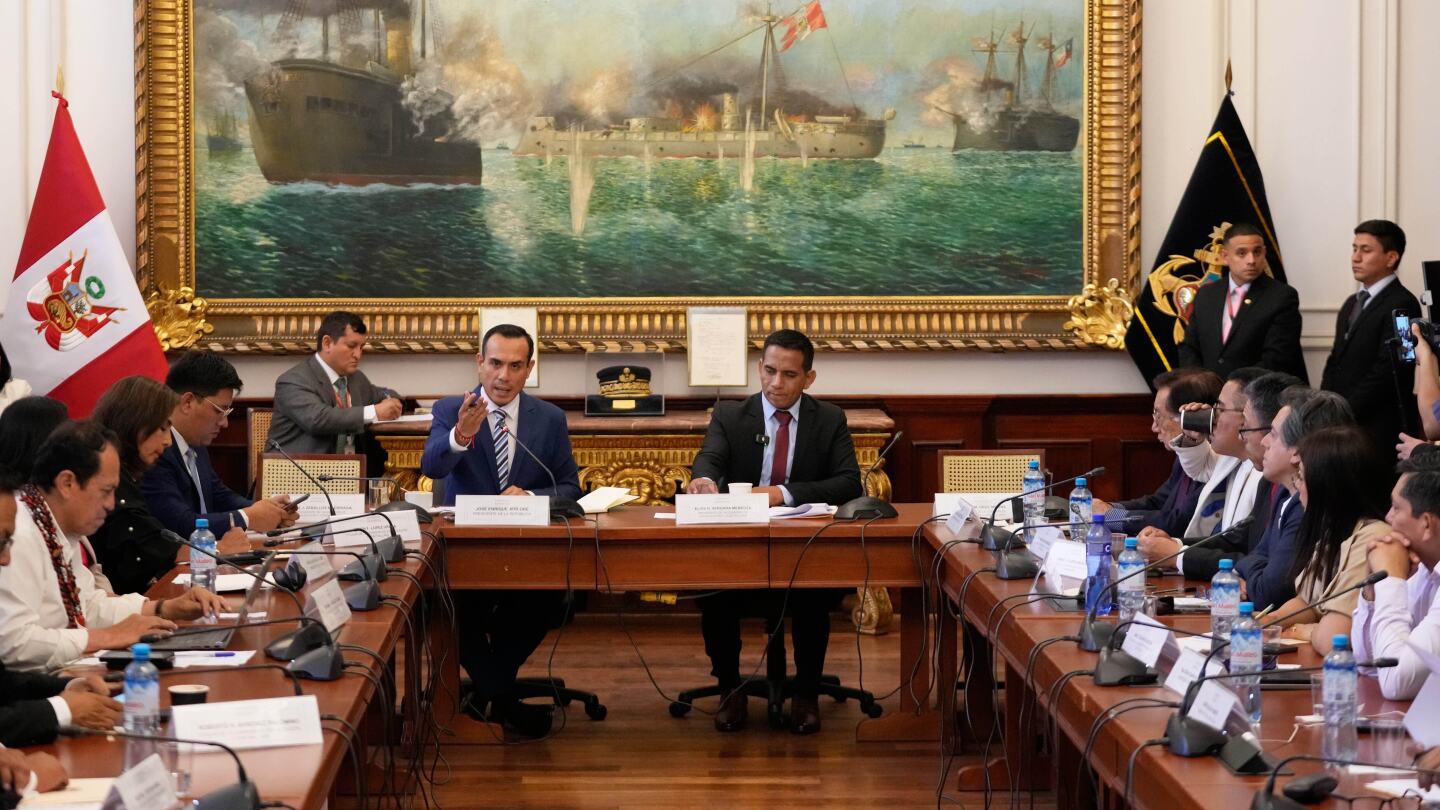
    Peru’s interim President José Jerí appeared before a congressional oversight committee Wednesday to address allegations surrounding undisclosed meetings with Chinese business figures, encounters that have sparked both criminal investigations and mounting demands for his removal from office.

    The political firestorm represents the latest development in Peru’s protracted governmental instability, marking the seventh presidential administration since 2016. The controversy emerges as the nation prepares for general elections amid growing public discontent over escalating violent crime rates.

    Jerí, who assumed power in October following the abrupt impeachment of President Dina Boluarte, faces scrutiny for violating legal protocols requiring Peruvian leaders to formally document all official meetings. The president acknowledged meeting with businessman Yang Zhihua—whom he refers to as ‘Johnny’—first at a restaurant in late December and subsequently at a wholesale store in early January. Jerí characterized these encounters as informal occasions for dining on Chinese cuisine and purchasing candy.

    Surveillance footage from December 26 showed the president arriving at the restaurant with his head concealed beneath a hood while carrying a bag, triggering opposition allegations of potential misconduct. Yang, despite operating both establishments, secured a 2023 concession to develop a hydroelectric facility in the Andes—a project yet to be realized.

    Further complicating matters, Jerí admitted interactions with Ji Wu Xiaodong, another Chinese businessman who accessed the presidential palace on three separate occasions. Notably, Ji Wu was under house arrest and travel restrictions during these visits due to ongoing investigations into his alleged connections to criminal organizations involved in illegal Amazon rainforest logging.

    The interim president defended these meetings as coordination efforts for Peruvian-Chinese Friendship Day (February 1), emphasizing China’s decade-long position as Peru’s primary trading partner. Jerí described Ji Wu as merely ‘serving food’ during their restaurant meeting and claimed his silence during palace visits resulted from limited Spanish proficiency. However, official records indicate Ji Wu maintains registered credentials as a Chinese-to-Spanish translator with Peru’s foreign ministry.

    Peru’s Attorney General’s office has initiated a preliminary investigation into Jerí for suspected influence peddling and illegal lobbying offenses. While the prosecution confirmed the investigation remains confidential, the president has formally communicated his willingness to cooperate with authorities, offering to provide necessary statements and clarifications.

  • Middle Eastern leaders including Netanyahu and Sisi line up to join Trump ‘Board of Peace’

    Middle Eastern leaders including Netanyahu and Sisi line up to join Trump ‘Board of Peace’

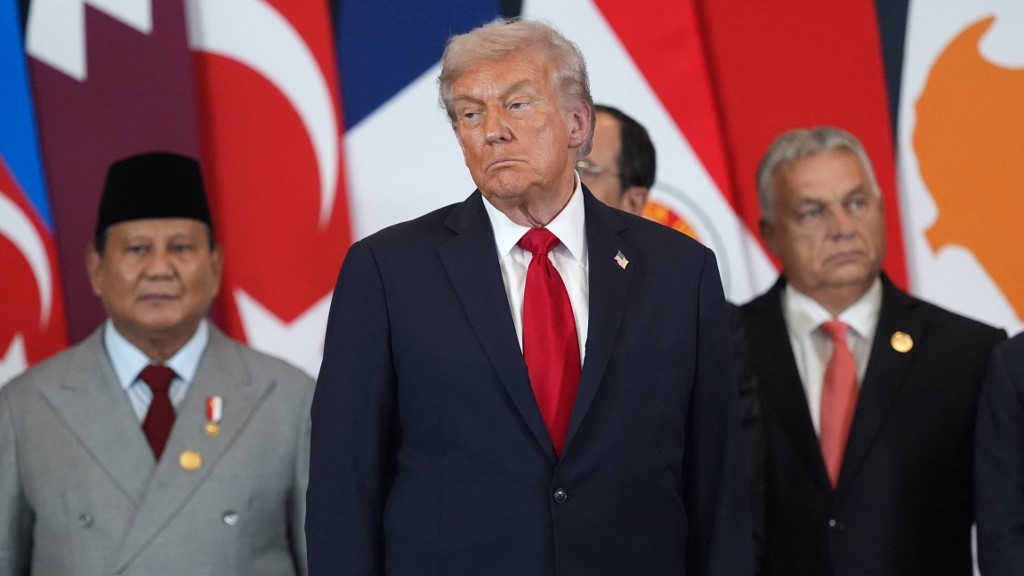
    A significant diplomatic schism is forming within the international community regarding U.S. President Donald Trump’s newly proposed ‘Board of Peace’ initiative. While several Middle Eastern and regional powers have confirmed participation, key European nations are expressing reservations or outright refusing to join the controversial body.

    Egyptian President Abdel Fattah el-Sisi and Turkish President Recep Tayyip Erdogan both confirmed their nations’ involvement on Wednesday, with Turkey’s Foreign Minister Hakan Fidan representing the country at Thursday’s signing ceremony during the World Economic Forum in Davos. This follows Israeli Prime Minister Benjamin Netanyahu’s earlier acceptance of membership.

    The initiative, which would feature Trump as lifetime chairman, requires a $1 billion fee from participating nations for permanent membership, though Turkish officials confirmed the first three years would be fee-exempt. Approximately 50 countries have received invitations, with about 35 reportedly agreeing to join according to sources close to Trump.

    Notable participants include Hungary, United Arab Emirates, Pakistan, Bahrain, Armenia, Morocco, Argentina, Kazakhstan, Uzbekistan, and Belarus. Egypt’s foreign ministry stated its agreement came “after completing the relevant legal and constitutional procedures,” while expressing appreciation for “Trump’s leadership and his commitment to ending the war in Gaza.”

    However, the initiative faces substantial opposition from European powers. France declared it could not give a “favourable response” at this stage, while Norway outright refused participation, citing the board “raises a certain number of questions.” Ukrainian President Volodymyr Zelensky stated he “does not imagine” participating alongside Russia, calling it inconceivable given ongoing conflicts.

    The United Kingdom expressed apprehension about Russia’s potential involvement, noting concern over inviting Russian President Vladimir Putin who “has proven time and again that he is not seriously committed to peace.” Germany confirmed Chancellor Friedrich Merz would not attend the signing ceremony, departing Davos prior to the event.

    The diplomatic tensions coincide with ongoing strains between Europe and the U.S. regarding Trump’s repeated threats to annex Greenland, though he stated at Davos he would not use force in pursuing negotiations for its acquisition.

  • ICE activity increases in Maine as anxiety grows in immigrant communities

    ICE activity increases in Maine as anxiety grows in immigrant communities

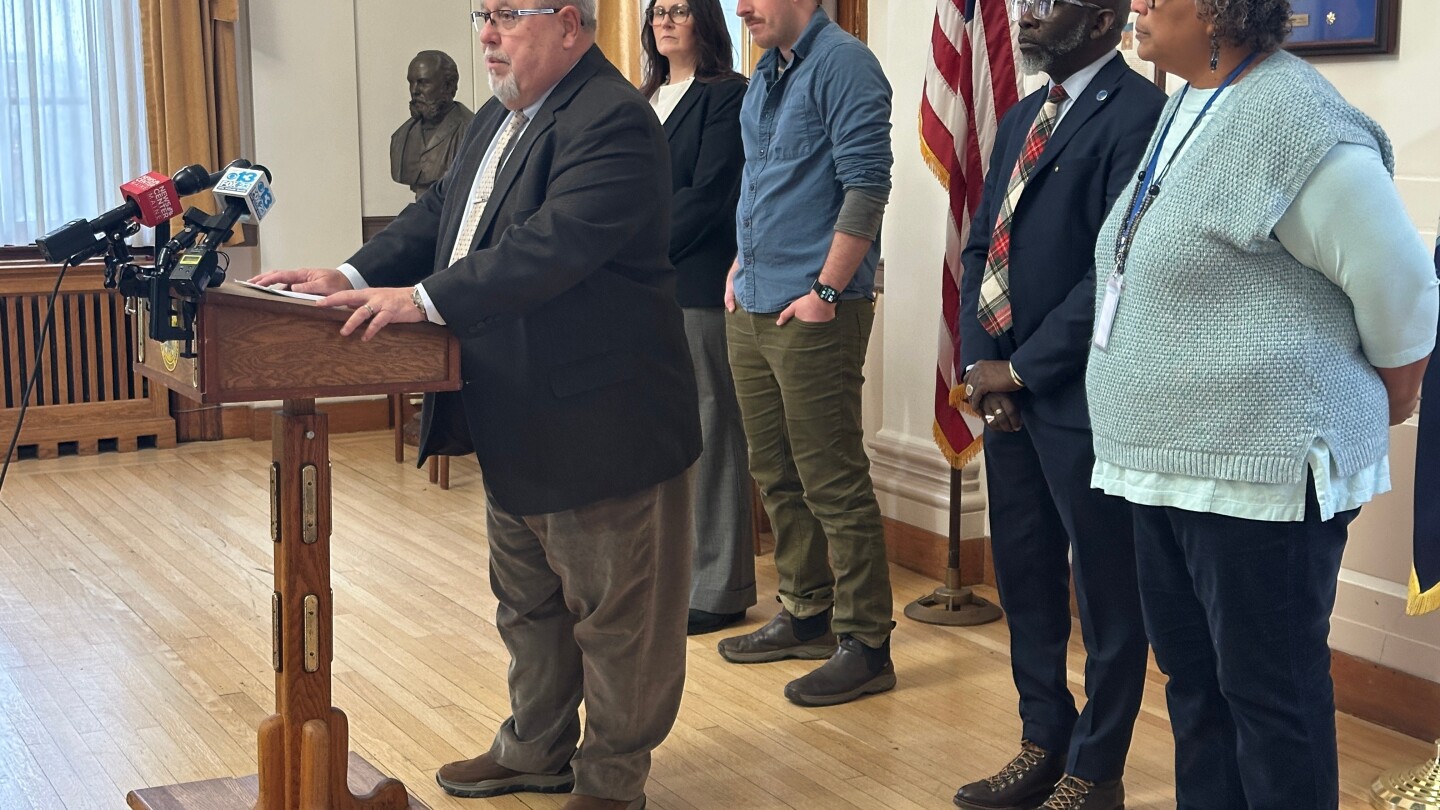
    PORTLAND, Maine — The Trump administration has expanded its immigration enforcement operations to Maine through a controversial initiative dubbed ‘Operation Catch of the Day,’ drawing significant opposition from local governments and communities. Despite Maine’s relatively small population of undocumented residents, the state hosts substantial African refugee communities in Portland and Lewiston that have become primary targets of this enforcement surge.

    The Department of Homeland Security’s operation follows similar pattern-based initiatives in other states, including ‘Metro Surge’ in Minnesota and ‘Midway Blitz’ in Chicago. The deployment has triggered widespread anxiety within immigrant communities, prompting organized resistance from civic leaders, educational institutions, and local businesses.

    Governor Janet Mills and Democratic officials have mounted substantial opposition, including the state’s refusal to provide undercover license plates to Immigration and Customs Enforcement agents. Secretary of State Shenna Bellows, a longstanding Trump critic, explicitly denied federal requests for confidential vehicle identification, citing concerns about potential misuse following similar controversies in Illinois.

    Community response has been immediate and multifaceted. Portland residents have established neighborhood alert networks to monitor ICE movements, while local businesses have displayed signage prohibiting ICE agents from their premises. The Portland Public School district, where more than half of students identify as non-white, has developed contingency plans for online learning and implemented temporary security ‘lockouts’ due to immigration enforcement activities.

    City Council Member Pious Ali, originally from Ghana, reported approximately 25% absenteeism among immigrant students and described how fear has permeated essential workforce sectors. ‘Immigrants work in our hospitals, schools, and hotels—they are part of the economic engine of our community,’ Ali emphasized, criticizing the administration’s approach for generating unnecessary trauma.

    Homeland Security officials confirmed approximately 1,400 enforcement targets in Maine, with initial arrests including individuals convicted of aggravated assault, false imprisonment, and child endangerment. However, local leaders including Portland Mayor Mark Dion have challenged the operation’s proportionality, stating ‘There is no evidence of unchecked criminal activity in our community requiring a disproportionate presence of federal agents.’

    The political confrontation extends beyond immediate enforcement concerns. Bellows previously attempted to remove Trump from Maine’s presidential ballot under the 14th Amendment’s insurrection clause and recently refused to share state voter rolls with federal authorities. Republican leaders argue that withholding undercover plates compromises public safety, while federal prosecutor Andrew Benson—a Trump appointee—has urged demonstrators to maintain peaceful conduct amid growing tensions.

  • ‘Canada lives because of US’, Trump digs at Carney in Davos speech

    ‘Canada lives because of US’, Trump digs at Carney in Davos speech

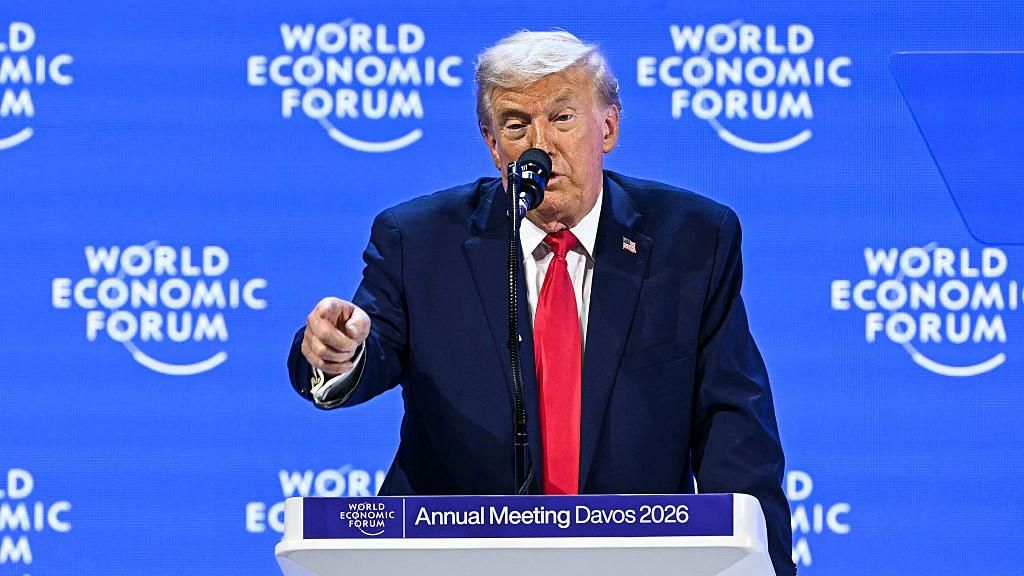
    In a highly anticipated address at the World Economic Forum in Davos on Wednesday, former U.S. President Donald Trump delivered a speech that blended economic nationalism with pointed criticisms of international counterparts. While emphasizing America’s economic strength and revisiting his interest in acquiring Greenland, Trump dedicated significant portions of his remarks to targeting world leaders including Canada’s Prime Minister Mark Carney, France’s Emmanuel Macron, and Switzerland’s former President Karin Keller-Sutter.

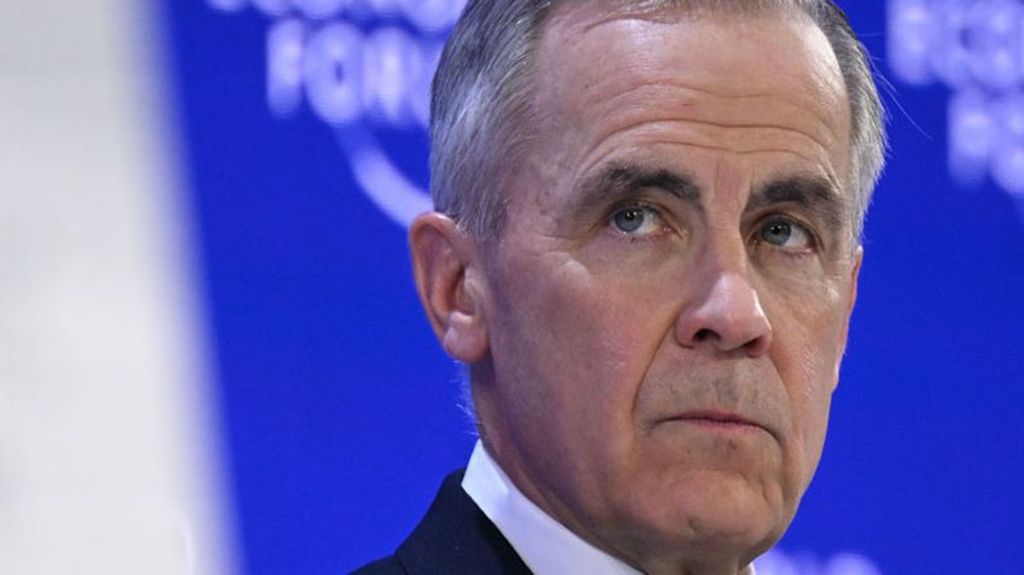
    Trump’s most assertive comments targeted Canadian Prime Minister Mark Carney, whom he addressed by first name while declaring: ‘Canada exists because of the United States. Remember that Mark, the next time you make your statements.’ The former president asserted that Canada ‘receives numerous benefits’ from its southern neighbor and ‘should express gratitude.’ These remarks came just one day after Carney’s own Davos speech where he criticized ‘great powers’ for weaponizing economic influence without explicitly naming Trump.

    The address also included personal critiques of French President Emmanuel Macron’s fashion choices. Trump questioned Macron’s decision to wear reflective aviator sunglasses during his indoor forum address, asking ‘What occurred there?’ without acknowledging the medical explanation—Macron has been managing a burst blood vessel in his eye that French officials have described as benign.

    Trump further recalled interactions with Switzerland’s former President Karin Keller-Sutter, whom he mistakenly identified as ‘prime minister.’ He characterized their discussion about potential tariff increases as frustrating, claiming she ‘repeated the same phrases continuously’ and ‘irritated me, to be candid.’ Trump revealed that following their conversation, he raised tariffs on Swiss goods to 39%, though they were later reduced to 15% following pressure from major Swiss corporations.

    The diplomatic tensions occur against a backdrop of ongoing trade concerns. Canada continues to navigate U.S. tariffs on metals and automotive sectors while seeking renewal of the USMCA agreement, critical for an economy that exports 75% of its products to the United States. Meanwhile, European leaders including Macron have accused the U.S. of attempting to ‘weaken and subordinate Europe’ through tariff threats related to Greenland.

    Trump concluded with a warning that reduced tariff rates ‘could increase again,’ emphasizing that his decisions were motivated by not wanting to ’cause harm to people’ while maintaining flexibility in trade policy.

  • Ghislaine Maxwell agrees to testify before US Congress in Epstein probe

    Ghislaine Maxwell agrees to testify before US Congress in Epstein probe

    In a significant development regarding the ongoing congressional investigation into the federal government’s handling of Jeffrey Epstein cases, imprisoned associate Ghislaine Maxwell has consented to provide sworn testimony. House Oversight Committee Chairman James Comer confirmed that Maxwell will appear virtually before the committee on February 9th, marking a pivotal moment in the high-profile investigation.

    The decision comes after months of legal maneuvering between Maxwell’s defense team and congressional investigators. Previously, Maxwell’s attorneys had insisted she would invoke her Fifth Amendment right against self-incrimination unless granted formal legal immunity. Chairman Comer acknowledged these previous positions, noting that her lawyers had consistently indicated she would ‘plead the Fifth’ without immunity protections.

    Maxwell, currently serving a 20-year sentence for recruiting and trafficking underage girls for Epstein’s sexual abuse network, finds herself at the center of multiple legal and political battles. The committee had previously denied her immunity request in July, followed by issuing formal legal summons in August compelling her testimony under oath.

    Her legal representatives had characterized testifying from prison without immunity as ‘non-starters,’ citing concerns about ‘further criminal exposure in a politically charged environment’ and legitimate security risks that could ‘undermine the integrity of the process.’

    The testimony occurs against the backdrop of continued scrutiny toward the previous administration’s handling of the Epstein case. Meanwhile, the Justice Department faces its own challenges regarding the delayed release of Epstein-related documents, with only a fraction of files made public by the December 19th deadline amid bipartisan criticism over excessive redactions.

    In a related development, the committee is simultaneously addressing former President Bill Clinton and Hillary Clinton’s refusal to testify, with lawmakers considering contempt charges against the couple. Maxwell’s unsuccessful appeal to the Supreme Court in October 2021 leaves presidential pardon as her only potential path to early release, though the White House has denied such considerations while not explicitly ruling out the possibility.

  • ‘Blowback’: Iran’s foreign minister says EU gets what it deserves as Trump threatens trade deal

    ‘Blowback’: Iran’s foreign minister says EU gets what it deserves as Trump threatens trade deal

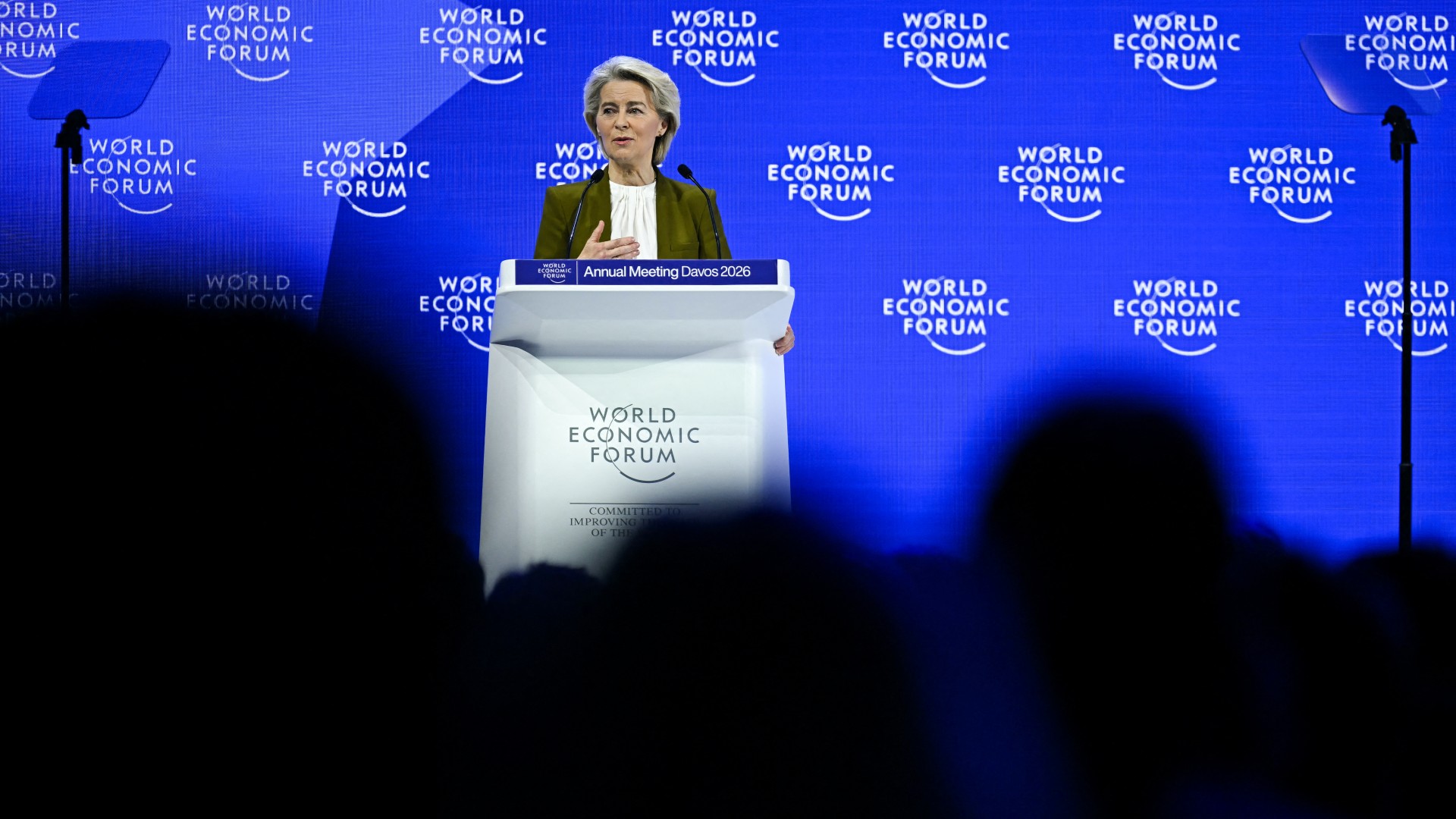
    Iran’s Foreign Minister Seyed Abbas Aragchi has declared that Europe is experiencing severe “blowback” for its compliance with Washington’s abandonment of the Iranian nuclear agreement, drawing parallels to current transatlantic trade tensions. The statement came shortly after European Commission President Ursula von der Leyen addressed the World Economic Forum in Davos, vowing that the EU would respond “unflinchingly, united and proportionally” to President Donald Trump’s threatened tariffs on European goods.

    The current diplomatic friction stems from Trump’s recent threat to impose 10% tariffs on eight European nations that opposed his proposal to acquire Greenland, a semi-autonomous Danish territory. Von der Leyen maintained that the EU still considers the United States a vital ally but cautioned against escalating trade conflicts, emphasizing that “a deal is a deal” and that “when friends shake hands, it must mean something”—referencing the EU-US trade agreement signed in July.

    Aragchi responded through social media platform X, accusing European powers of selective adherence to international agreements. He reminded the E3 alliance (France, Germany, and the United Kingdom) that they “faithfully obeyed and even abetted” Trump’s unilateral withdrawal from the Joint Comprehensive Plan of Action (JCPOA) during his first term in May 2018. The 2015 nuclear agreement had provided Iran relief from comprehensive economic sanctions in exchange for restrictions on its civilian nuclear program.

    The foreign minister warned that the EU’s current predicament with Trump’s tariff threats and his renewed determination to acquire Greenland—which Trump confirmed there was “no going back” from—demonstrates the consequences of undermining international agreements. Aragchi concluded that either all deals must be honored, or “no handshake means anything,” suggesting the alternative would be “nothing short of the breakdown of the international order.”

    The escalating situation occurs against the backdrop of warnings from other world leaders at Davos, including French President Emmanuel Macron’s caution about a shift toward “a world without rules” and Canadian Prime Minister Mark Carney’s observation that the “old order is not coming back.”

  • Faisal Islam: What it was like inside the room with Donald Trump at Davos

    Faisal Islam: What it was like inside the room with Donald Trump at Davos

    In a remarkable display of diplomatic duality, President Donald Trump delivered a speech at the Davos summit that oscillated between conciliatory gestures and territorial ambition. The atmosphere was electric as Trump entered the hall, receiving an initial standing ovation from attendees despite unprecedented security measures that even barred some heads of state from entry.

    The president’s address began with unexpectedly diplomatic tones, acknowledging Western allies who had expressed concern over his previous social media provocations. He specifically referenced the Greenland controversy, conceding he ‘probably shouldn’t speak’ about the territory he has repeatedly vowed to acquire. This momentary restraint quickly gave way to more characteristic rhetoric as Trump claimed credit for European security, asserting attendees ‘would be speaking German’ without U.S. intervention.

    The speech reached its dramatic climax when Trump formally announced his intention to pursue ‘immediate negotiations’ for the United States to acquire Greenland. While explicitly ruling out military force, he demanded ‘full title’ to the territory, describing it as ‘a very small ask’ for what he termed ‘a piece of ice.’ The president envisioned building ‘the greatest Golden Dome ever built’ on the territory while simultaneously offering to use it to defend Canada.

    The reaction among attendees revealed deep divisions. Some offered polite applause for Trump’s attempts at charm, while others sat in stunned disbelief. California Governor Gavin Newsom mocked the presentation as ‘TACO Tuesday’—referencing the ‘Trump Always Chickens Out’ catchphrase—suggesting the president had backtracked following pushback from European leaders. Even Republican Senator Thomas Tillis indicated congressional opposition to any annexation attempt.

    The address concluded with Trump maintaining that Greenland would ultimately become part of America while promising not to invade, creating a paradoxical conclusion that left the international community contemplating the president’s true intentions and the future of transatlantic relations.