分类: politics

  • Immigration officials allow suspect in $100M jewelry heist to self deport, avoiding trial

    Immigration officials allow suspect in $100M jewelry heist to self deport, avoiding trial

    In a stunning administrative decision that has jeopardized one of America’s largest criminal investigations, U.S. Immigration and Customs Enforcement (ICE) permitted the central suspect in a monumental $100 million jewelry theft to voluntarily depart for South America in December 2022. This unexpected deportation has created significant tensions between federal agencies and left prosecutors scrambling to salvage their case.

    Jeson Nelon Presilla Flores, identified as a key operative in the sophisticated 2022 armored truck robbery, faced substantial federal charges including conspiracy to commit theft from interstate and foreign shipment. The meticulously planned heist targeted a Brink’s tractor-trailer transporting precious gems and luxury watches from an international jewelry show near San Francisco. While court documents indicate Flores pleaded not guilty, conviction could have resulted in a 15-year prison sentence.

    The deportation occurred despite Flores’ status as a lawful permanent resident who had been released on bail. Defense attorney John D. Robertson subsequently filed a motion to permanently dismiss the indictment, arguing that ICE’s intervention violated his client’s criminal prosecution rights. Federal prosecutors have opposed this motion, requesting dismissal “without prejudice” to preserve future prosecution options should Flores reenter the United States.

    Legal experts characterize this interagency breakdown as highly unusual for a case of this magnitude. Former federal prosecutor Laurie Levenson noted the extraordinary nature of the deportation, stating, “It’s just beyond me how they would deport him without the prosecutors… being in on the conversation. This really was the left hand not knowing what the right hand was doing.”

    The aftermath has left numerous jewelry companies demanding answers and closure. Attorney Jerry Kroll, representing affected jewelers, emphasized the victims’ perspective: “When a defendant in a major federal theft case leaves the country before trial, victims are left without answers, without a verdict, and without closure.”

    Discrepancies in the reported value of stolen merchandise continue to complicate the case, with victims claiming over $100 million in losses while Brink’s security company maintains the stolen items were valued under $10 million.
  • US allies won’t soon forget Greenland crisis triggered by Trump

    US allies won’t soon forget Greenland crisis triggered by Trump

    A tense diplomatic standoff over Greenland’s sovereignty, ignited by Donald Trump’s acquisition threats and military rhetoric, appears to have been resolved through high-level NATO intervention. The crisis, which unfolded over two weeks and threatened transatlantic relations, culminated in a strategic agreement focused on Arctic security rather than territorial transfer.

    NATO Secretary General Mark Rutte played a pivotal role in de-escalating tensions following Trump’s provocative statements about purchasing Greenland and imposing tariffs on European allies. The breakthrough built upon preliminary discussions between Washington and a diplomatic delegation comprising Danish and Greenlandic foreign ministers, which established a working group to address the island’s future.

    While specific terms remain confidential, emerging details suggest the arrangement involves enhanced U.S. military presence on Greenland rather than sovereignty transfer. Anonymous officials cited by The New York Times indicate potential Danish cession of small territorial parcels for American military bases, mirroring the UK’s sovereign base model in Cyprus. President Trump additionally referenced secured access to Greenland’s substantial mineral resources, though neither Danish authorities nor NATO have confirmed these claims.

    NATO clarified that discussions center on collective Arctic security efforts among the seven Arctic allies—United States, Canada, Denmark, Norway, Sweden, Finland and Iceland—with explicit intent to counter Russian and Chinese military and economic expansion in the region.

    The resolution leaves behind diplomatic reverberations, with Canadian Prime Minister Mark Carney describing the episode as a ‘rupture’ in traditional alliances and EU Commission President Ursula von der Leyen referencing ‘seismic change’ in international relations. Observers note the crisis has accelerated calls for European strategic independence and exposed the fragility of existing alliance structures in the face of unilateral actions.

  • Stock market cuts through to Trump on Greenland in a way allies’ messages failed to resonate

    Stock market cuts through to Trump on Greenland in a way allies’ messages failed to resonate

    DAVOS, Switzerland — President Donald Trump abruptly reversed course on his threat to impose punitive tariffs against eight European allies following intense market reactions and diplomatic pressure over his controversial Greenland acquisition proposal. The dramatic shift occurred during the World Economic Forum where financial markets had registered their most significant declines since October.

    The initial proposal to acquire Greenland from Denmark had sparked serious concerns within NATO about potential damage to the transatlantic military alliance that has served as a cornerstone of post-World War II security architecture. During his keynote address in Davos, Trump first dismissed the possibility of military action to seize Greenland, stating unequivocally: “I won’t do that. OK?”

    Hours later, the president announced a complete retreat from the tariff threat after claiming to have reached a “framework” agreement with NATO Secretary-General Mark Rutte regarding Greenland’s strategic future. Trump promptly appeared on CNBC to declare the framework “going to be a very good deal for the United States” while downplaying the role of market volatility in his decision.

    Financial markets responded positively to the de-escalation, with the S&P 500 rallying 1.2% following Trump’s remarks, recovering approximately half of its previous day’s losses. The Dow Jones Industrial Average and Nasdaq Composite showed similar gains.

    European officials familiar with the negotiations indicated that potential compromise solutions included expanded U.S. military infrastructure in Greenland through cooperation with Denmark and NATO. Rutte later confirmed on Fox News that discussions focused on preventing Russian and Chinese military and economic access to the Arctic region.

    The episode revealed significant concerns within the administration about how Trump’s aggressive stance toward allies could undermine other foreign policy objectives, particularly the proposed ‘Board of Peace’ initiative expected to be highlighted during the forum. Several European nations had already declined invitations to participate in this initiative following the tariff threats.

    Foreign policy experts offered mixed assessments of the strategy, with some viewing it as successful brinksmanship while others criticized it as unnecessarily damaging to alliances. The incident prompted Canadian leadership to propose smaller nations uniting against aggressive superpower tactics, highlighting the broader diplomatic repercussions of the confrontation.

  • Trump’s Board of Peace: Which countries accepted, rejected invites?

    Trump’s Board of Peace: Which countries accepted, rejected invites?

    The international community is exhibiting starkly divergent responses to the Trump administration’s controversial proposal for a ‘Board of Peace,’ with numerous nations either embracing or rejecting the initiative based on its unprecedented financial requirements and potential implications for global governance.

    Initially conceived as part of a 20-point Gaza peace plan in September, the initiative has evolved into a comprehensive global conflict resolution mechanism according to charter documents distributed to over 60 nations in January 2026. The proposed organization aims to ‘promote stability, restore dependable and lawful governance, and secure enduring peace in areas affected or threatened by conflict’ while operating ‘in accordance with international law.’

    The most contentious aspect emerges from the membership structure: participating nations would receive three-year provisional terms unless they contribute $1 billion toward funding the board’s operations, thereby securing permanent membership status. This financial prerequisite has generated significant diplomatic apprehension regarding the initiative’s potential to undermine existing international institutions.

    Multiple Middle Eastern powers have demonstrated enthusiastic support. The UAE, Bahrain, and Morocco have formally accepted membership, citing commitment to implementing Trump’s Gaza peace framework. They join Israel, Hungary, Belarus, Canada, Kosovo, and several Central Asian nations in supporting the initiative. Notably, seven Muslim-majority nations—Saudi Arabia, Qatar, Egypt, Jordan, Turkey, Indonesia, and Pakistan—issued a joint statement with the UAE confirming their participation.

    Conversely, major European powers have expressed firm opposition. France declared it ‘does not intend to answer favourably’ to the invitation, citing concerns about the charter’s broad mandate potentially compromising United Nations principles. Germany, Norway, and Slovenia similarly rejected participation, with Slovenian Prime Minister Robert Golob warning the initiative could ‘dangerously undermine the international order based on the United Nations Charter.’

    Several significant global powers remain undecided. China confirmed receipt of the invitation but withheld commitment regarding participation. India acknowledged reviewing the proposal, while Ukraine’s President Zelensky expressed reservations about collaborating with Russia within the same organizational framework. The developing situation continues to evolve as nations weigh the strategic implications of this unconventional peacebuilding approach against traditional multilateral mechanisms.

  • Greenlanders doubtful over Trump resolution

    Greenlanders doubtful over Trump resolution

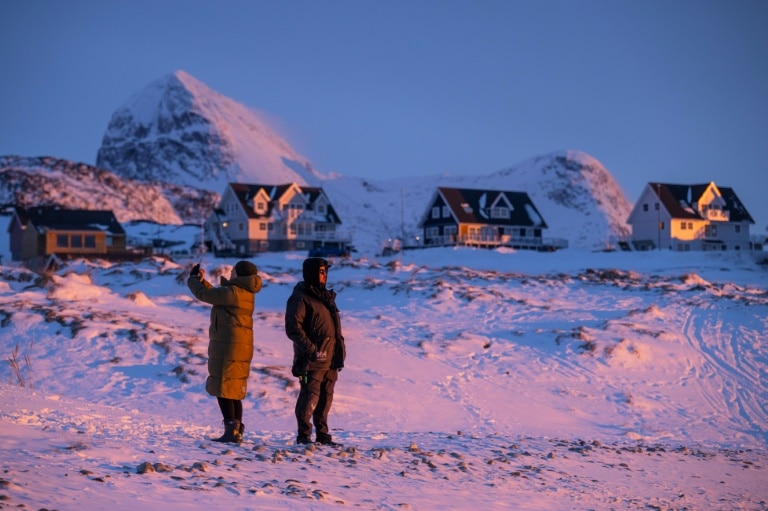
    Residents of Greenland have responded with profound skepticism to U.S. President Donald Trump’s recent declaration regarding the future status of the autonomous Danish territory. Speaking at the World Economic Forum in Davos, Trump announced he had established a satisfactory framework agreement concerning Greenland’s geopolitical position, though he provided no substantive details to support this claim.

    The announcement follows weeks of increasingly confrontational rhetoric from the American president regarding his administration’s interest in acquiring strategic control over the Arctic island. Despite Trump’s assertion that he reached this understanding during discussions with NATO Secretary General Mark Rutte, Greenlanders remain largely unconvinced.

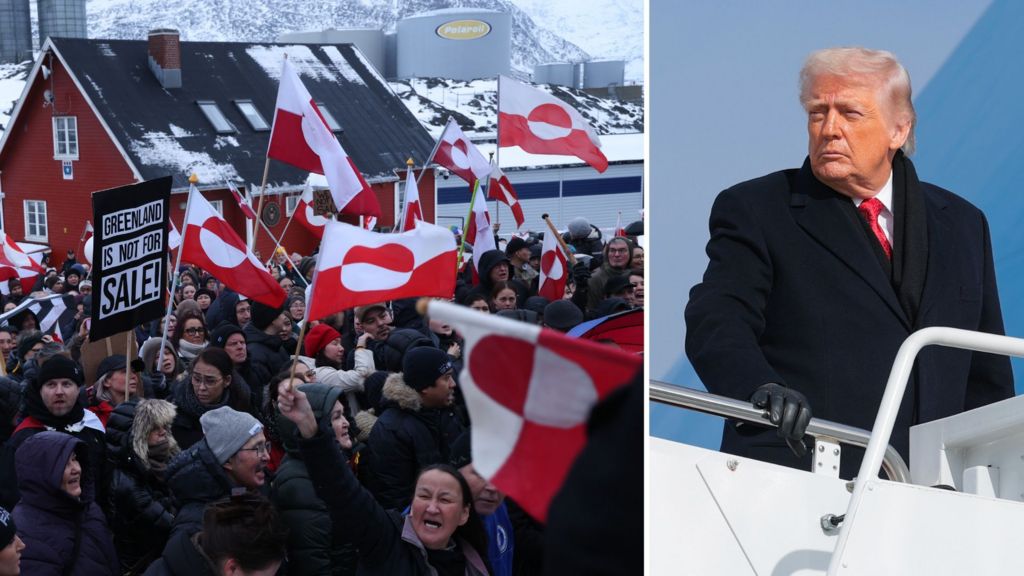
    In interviews conducted in Nuuk, the capital of Greenland, residents expressed overwhelming doubt about the validity of Trump’s statements. Mickel Nielsen, a 47-year-old technician, characterized the announcement as ‘quite simply a lie,’ adding, ‘I don’t believe a word he says, and I don’t think I’m the only one.’

    This sentiment was echoed by Anak, a 64-year-old care worker, who stated unequivocally, ‘Trump? I don’t believe him. Greenland belongs to the Greenlanders.’ Another resident, identifying themselves as Miki, noted the inconsistency of Trump’s declarations, observing that ‘he can say something and two minutes later he says completely the opposite.’

    According to NATO spokesperson Allison Hart, the discussion between Trump and Rutte was ‘very productive,’ with allies prepared to examine a framework addressing U.S. security concerns about potential Russian and Chinese influence in Greenland. Hart indicated that subsequent negotiations would involve Denmark, Greenland, and the United States with the stated objective of preventing economic or military footholds by rival powers.

    However, Greenlandic political representatives have challenged the legitimacy of these discussions. Aaja Chenmitz, a Greenlandic member of the Danish parliament, emphasized that ‘NATO has absolutely no right to negotiate anything without us, Greenland. Nothing about us without us.’ She further characterized the idea of NATO influencing decisions about Greenland’s territory and mineral resources as ‘completely insane.’

    These developments occur against the backdrop of overwhelming public opposition to integration with the United States. A January 2025 poll revealed that 85% of Greenlanders oppose joining the United States, with only 6% expressing support for such a move.

  • Ex-intelligence officer in Austria’s biggest spy trial for years

    Ex-intelligence officer in Austria’s biggest spy trial for years

    Vienna witnessed the commencement of a landmark espionage trial on Thursday, as former Austrian intelligence operative Egisto Ott faced charges of conducting extensive espionage activities for Russian intelligence services. The 63-year-old defendant stands accused of systematically compromising national security through unauthorized data collection and transmission to foreign agents.

    The prosecution alleges that between 2015 and 2021, Ott exploited his official authority to harvest substantial volumes of sensitive information, including vehicle registration details, travel patterns, and personal data. This intelligence was reportedly funneled to both Russian intelligence operatives and Jan Marsalek, the fugitive former Wirecard executive currently believed to be residing in Moscow under Russian protection.

    Court documents reveal Ott allegedly received financial compensation for supplying classified information extracted from national and international police databases. In a particularly serious allegation from 2022, prosecutors claim Marsalek commissioned Ott to acquire a specialized EU government laptop containing electronic security hardware for secure communications, which was subsequently delivered to Russian intelligence.

    One extraordinary incident involves Ott allegedly recovering official phones belonging to senior Interior Ministry officials that accidentally fell into the Danube River during a boating excursion. Rather than returning the devices intact, Ott is accused of copying their contents and transferring the data to Marsalek and ultimately Moscow.

    The case has triggered significant political repercussions, with former Chancellor Karl Nehammer characterizing the allegations as constituting ‘a threat to democracy and our country’s national security’ following Ott’s 2024 arrest. Ott maintains his innocence against all charges, which carry potential imprisonment of up to five years.

    In a parallel development, Austrian prosecutors have charged former far-right Freedom Party (FPÖ) parliament member Thomas Schellenbacher with facilitating Marsalek’s escape to Belarus following Wirecard’s spectacular collapse in 2020. The FPÖ has vigorously denied allegations of functioning as ‘an extension of Russia’s arm’ in Austria.

    Marsalek himself remains an international fugitive, wanted by German authorities for alleged fraud and embezzlement connected to Wirecard’s missing €1.9 billion. Recent evidence from related espionage trials in London suggests Marsalek has undergone cosmetic surgery to alter his appearance and has been actively studying Russian while evading capture, reportedly boasting about needing to ‘outperform James Bond’ in his new role as a fugitive.

  • Australia’s opposition coalition splits after row over Bondi shooting reforms

    Australia’s opposition coalition splits after row over Bondi shooting reforms

    Australia’s political landscape has been reshaped as the National Party announced its formal separation from the Liberal Party, fracturing the nation’s primary opposition coalition. The rupture follows intense disagreements regarding recently enacted hate speech legislation, throwing Liberal leader Sussan Ley’s leadership into uncertainty.

    The schism emerged from fundamentally different approaches to the government’s proposed hate speech reforms, introduced in response to last month’s deadly terrorist attack at Bondi Beach that claimed 15 lives during a Jewish festival. While both coalition partners had opposed parallel gun control measures, the Liberals ultimately supported the hate speech legislation in Parliament, creating an irreconcilable division with their National counterparts.

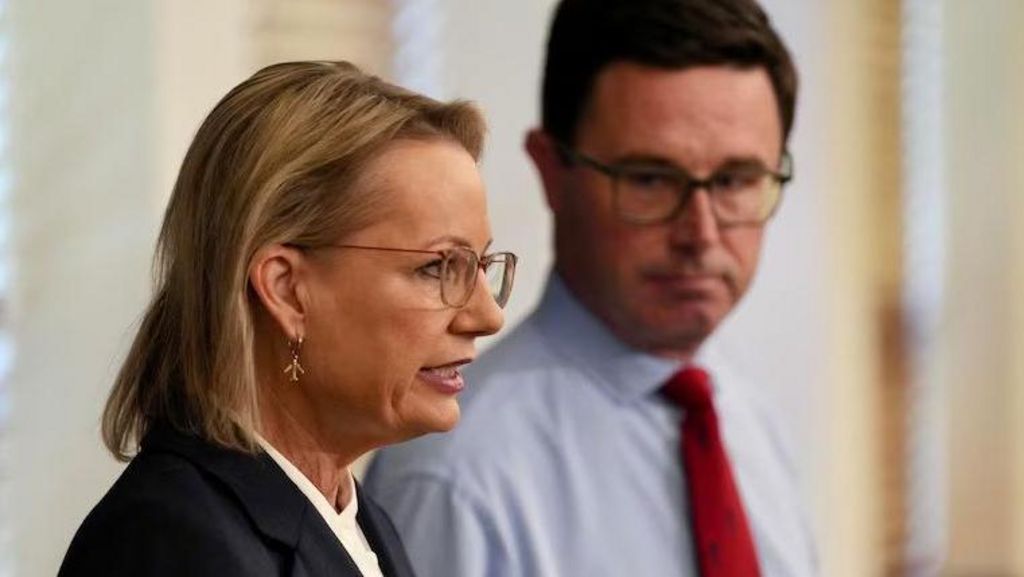
    Nationals leader David Littleproud declared the coalition ‘untenable’ during a press conference held on a national day of mourning for the attack victims. ‘Our party room has made it clear that we cannot be part of a shadow ministry under Sussan Ley,’ Littleproud stated, though he left open the possibility of future reconciliation, suggesting that ‘some time apart’ might benefit both conservative parties.

    The breakdown accelerated when three Nationals frontbenchers submitted their resignations after their party abstained from voting on the hate speech bill in the lower house and opposed it in the senate, contravening a shadow cabinet agreement. Ley accepted the resignations despite warnings from Littleproud that this would trigger mass departures from the Nationals shadow ministry.

    This marks the second dissolution of the coalition within a year, following a brief separation last May over climate and energy policies that was resolved within weeks. The current dispute centers on concerns that the hastily drafted legislation threatens free speech protections while banning groups deemed to spread hate and increasing penalties for religious leaders advocating violence.

    Political analysts suggest the rupture compounds challenges for Ley, who has struggled to consolidate authority since becoming the Liberal Party’s first female leader following last year’s electoral defeat. The timing of the split, occurring during a national day of mourning, drew criticism from some quarters, though Nationals senator Bridget McKenzie defended her party’s decision despite acknowledging the ‘appalling’ timing.

    The coalition, dating back to the 1940s, now faces existential questions about its future viability as Australia’s dominant conservative force, with former Prime Minister Malcolm Turnbull describing the situation as ‘smouldering wreckage’ while John Howard offered support for Ley’s handling of the crisis.

  • Saudi Arabia, Turkey, Egypt, Jordan, Indonesia, Pakistan, Qatar join Trump’s Gaza board

    Saudi Arabia, Turkey, Egypt, Jordan, Indonesia, Pakistan, Qatar join Trump’s Gaza board

    In a significant diplomatic development, eight predominantly Muslim nations have formally agreed to participate in former US President Donald Trump’s ‘Board of Peace’ initiative for Gaza. The coalition includes Saudi Arabia, Turkey, Egypt, Jordan, Indonesia, Pakistan, Qatar, and the United Arab Emirates.

    Foreign ministers from these nations issued a joint statement on Wednesday confirming their commitment to the peace framework. Each country will undertake necessary legal procedures to formally accede to the agreement, building on previous announcements from Egypt, Pakistan, and the UAE regarding their participation.

    The participating states expressed strong endorsement for Trump’s mediation efforts and pledged support for implementing the peace council’s transitional mandate. This mandate, established under United Nations Security Council Resolution No. 2803, forms part of a comprehensive strategy to resolve the Gaza conflict.

    The initiative aims to achieve multiple objectives: cementing a permanent ceasefire arrangement, facilitating Gaza’s reconstruction efforts, and promoting a sustainable peace settlement. The framework recognizes the Palestinian right to self-determination and supports the establishment of a Palestinian state in alignment with international legal standards. Ultimately, the program seeks to foster regional security and stability for all nations and populations involved.

    This multinational collaboration represents one of the most substantial Middle East peace initiatives in recent years, bringing together key regional powers with significant influence over the conflict’s resolution.

  • California Gov Newsom says Trump administration blocked his Davos event

    California Gov Newsom says Trump administration blocked his Davos event

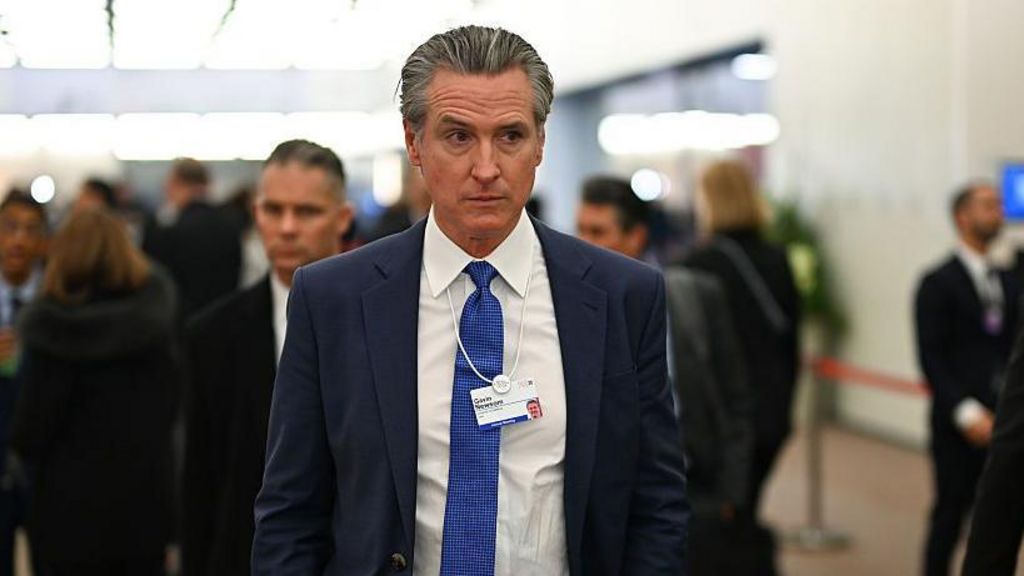
    California Governor Gavin Newsom has accused the Trump administration of preventing him from speaking at the official US pavilion during the World Economic Forum in Davos, Switzerland. The incident has sparked a political confrontation between the Democratic governor and the White House.

    According to Newsom’s office, USA House—the designated US venue at the global summit—denied him entry to speak at an event organized by media partner Fortune, despite a prior invitation. Newsom took to social media to express his frustration, stating, ‘California was just denied at the USA House. Last we checked, California is part of USA.’

    The White House responded sharply through spokeswoman Anna Kelly, who dismissed Newsom’s presence at the forum as unnecessary and criticized his governance in California. ‘No one in Davos knows who third-rate governor Newscum is or why he is frolicking around Switzerland instead of fixing the many problems he created in California,’ Kelly stated in an official communication.

    Newsom’s team claims the cancellation occurred under direct pressure from the White House and State Department. Shortly before the scheduled event, a USA House representative informed Fortune that their programming was being canceled and that Newsom would not be permitted to speak at the pavilion. The governor’s office was offered an alternative speaking slot at a nightcap reception, which they declined.

    The conflict unfolded amid appearances by several Trump administration officials at the same venue. Treasury Secretary Scott Bessent openly mocked Newsom during his address, suggesting the governor should prioritize state issues like homelessness and wildfires over international forums.

    Later that day, Newsom was present during President Trump’s wide-ranging speech, which included remarks aimed directly at the California governor. Trump referred to Newsom as a ‘good guy’ and suggested that Democratic governors should collaborate with him. Cameras captured Newsom smiling at moments during Trump’s address, though he later described the speech as ‘boorish’ and ‘inconsequential.’

    The incident highlights ongoing tensions between the Trump administration and prominent Democratic figures, with Newsom positioned as a vocal critic and potential presidential candidate for 2028.

  • ‘We are on the menu’: Why Carney upended US-led world order at Davos

    ‘We are on the menu’: Why Carney upended US-led world order at Davos

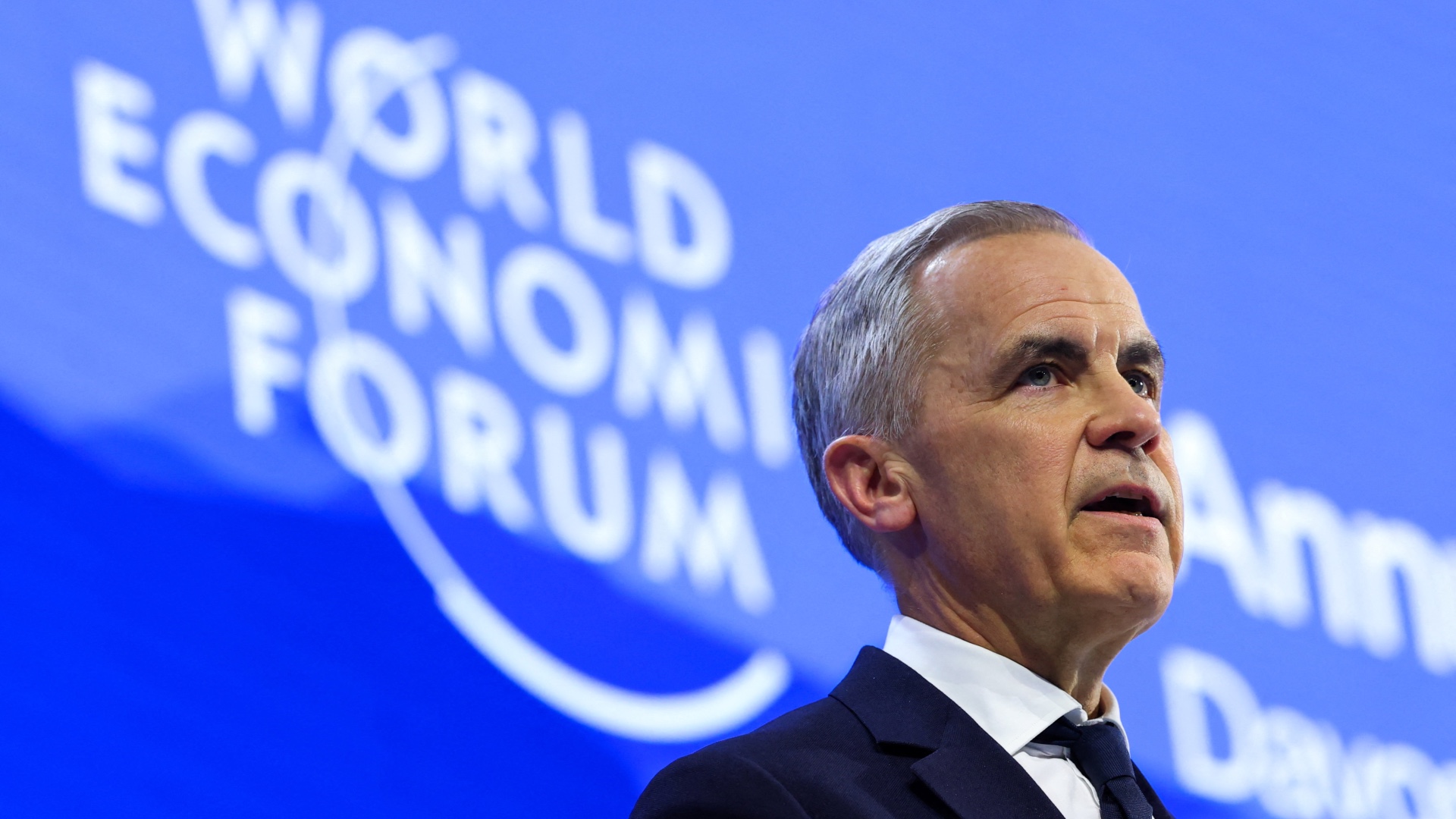
    In a groundbreaking address at the World Economic Forum in Davos, Canadian Prime Minister Mark Carney delivered what analysts are calling the most consequential speech by a Canadian leader in generations. The former central banker, who entered politics just months ago, delivered a stunning indictment of the Western-led liberal international order, declaring it no longer functional in an era dominated by Trump-era unilateralism.

    Carney articulated that Canada and similar ‘middle powers’ must forge an independent path forward, acknowledging that the rules-based system had always contained fundamental flaws. ‘For decades, we knew the story was partially false,’ Carney told assembled global leaders. ‘The strongest would exempt themselves when convenient, trade rules were enforced asymmetrically, and international law applied with varied rigour. We participated in the rituals while avoiding calling out the gaps between rhetoric and reality. This bargain no longer works.’

    The speech came amid escalating tensions with the United States, where President Trump has imposed 35% tariffs on Canadian imports outside the USMCA framework and repeatedly threatened to make Canada ‘the 51st state.’ Trump directly targeted Carney in his own Davos remarks, stating Canada ‘gets a lot of freebies from us’ and should be ‘grateful’ for American protection.

    Carney, drawing on his financial expertise, warned that multiple crises over two decades have exposed the dangers of ‘extreme global integration’ where economic tools become weapons. ‘When integration becomes the source of your subordination, and rules no longer protect you, you must protect yourself,’ he declared, characterizing the current moment as ‘a rupture, not a transition.’

    The Canadian leader’s comments followed strategic visits to China and Qatar, resulting in tangible agreements on trade and investment that signal Ottawa’s diversification efforts. However, analysts questioned the viability of Carney’s middle-power coalition concept, noting the divergent interests of potential partners from Brasilia to Tokyo.

    The speech resonated strongly with both international observers and Canadian citizens, who applauded their prime minister’s bold stance while recognizing the delicate balancing act required with their powerful southern neighbor amid deteriorating bilateral relations.