分类: politics

  • Danish leader says kingdom can’t negotiate sovereignty after Trump’s Greenland about-turn

    Danish leader says kingdom can’t negotiate sovereignty after Trump’s Greenland about-turn

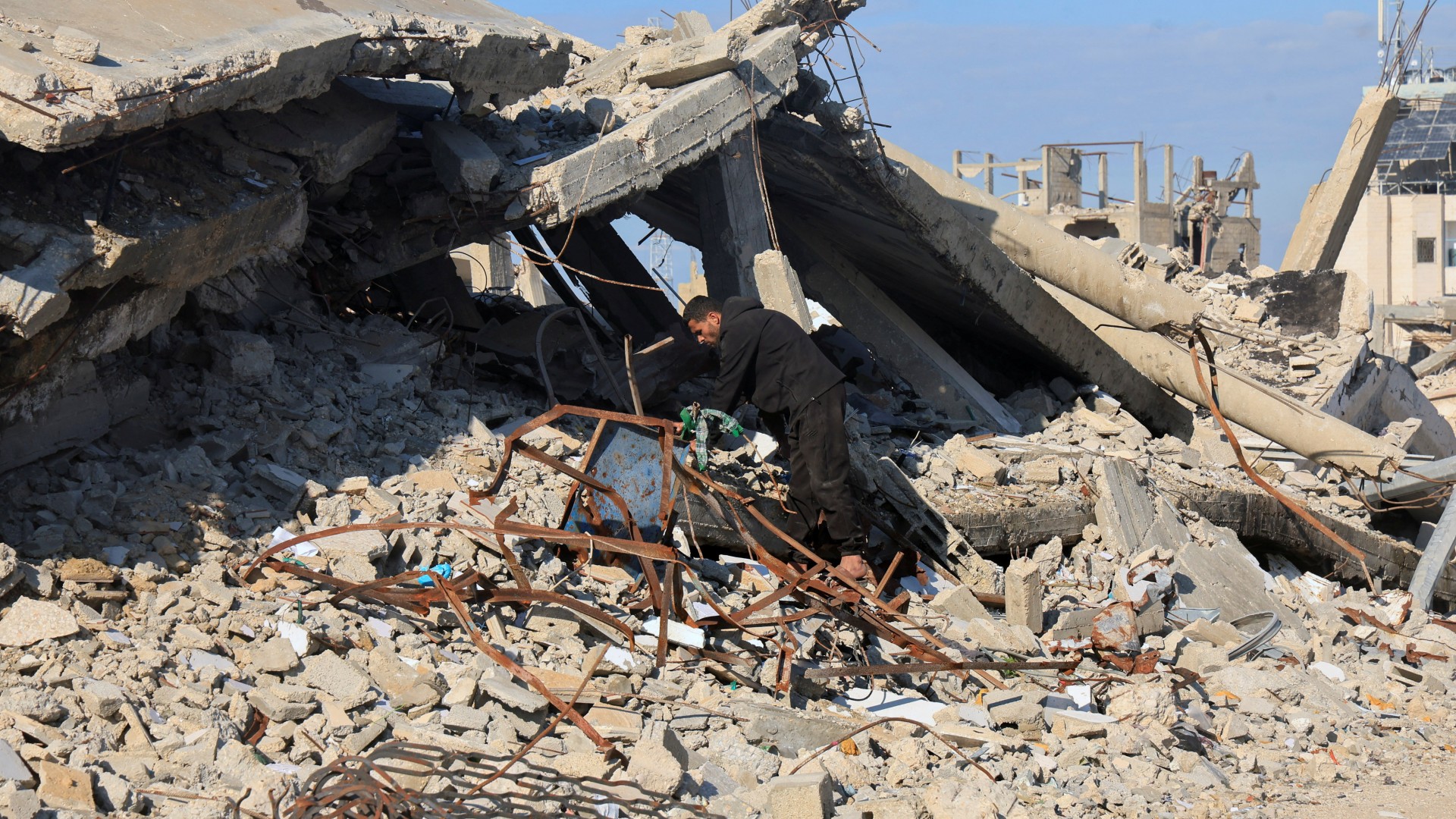
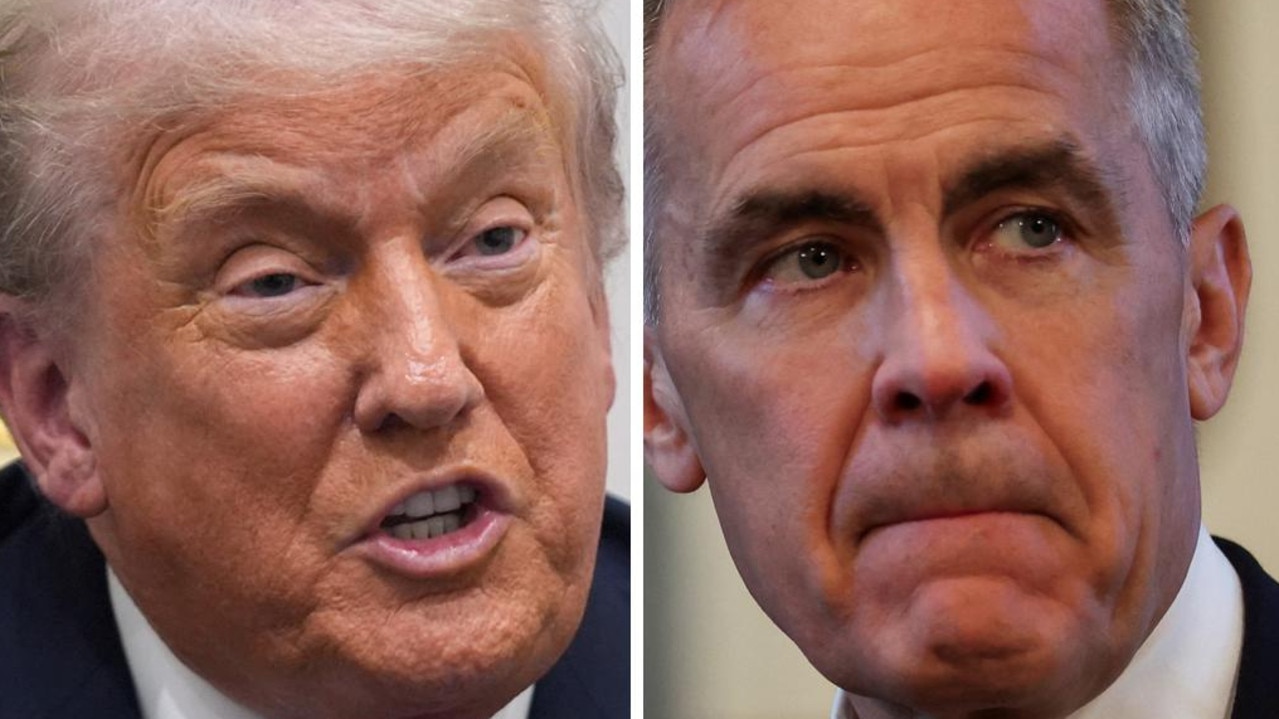
    COPENHAGEN, Denmark — Danish Prime Minister Mette Frederiksen has firmly asserted her nation’s sovereign rights over Greenland following controversial statements by U.S. President Donald Trump regarding Arctic security arrangements. The diplomatic clarification comes after Trump’s abrupt withdrawal of threatened tariffs on eight European nations—a coercive measure initially deployed to pressure Denmark into relinquishing control over the semiautonomous Arctic territory.

    President Trump had previously announced reaching a “framework of a future deal” on Arctic security with NATO leadership, specifically referencing the Golden Dome missile defense program—a $175 billion multilayered system that would potentially position U.S. weapons in space for the first time. However, Frederiksen stated she had received confirmation that no such agreement involving Danish sovereignty had been negotiated.

    The Danish leader emphasized that while Arctic security represents a legitimate concern for all NATO members, and that discussions between the U.S. president and NATO Secretary General Mark Rutte were “good and natural,” Denmark’s sovereignty remains non-negotiable. Frederiksen confirmed ongoing communications with Rutte surrounding his meeting with Trump in Davos.

    NATO leadership has been made fully aware of Denmark’s position that while political, security, and economic matters remain open for discussion, national sovereignty cannot be compromised. Frederiksen reiterated that only Denmark and Greenland possess the authority to make determinations concerning their bilateral relations and territorial integrity.

    The Prime Minister expressed Denmark’s willingness to engage in constructive dialogue regarding Arctic security enhancement, including potential collaboration on the Golden Dome program, provided such cooperation respects Danish territorial sovereignty. Meanwhile, NATO’s Rutte clarified in a Fox News interview that the future status of Greenland within the Danish kingdom had not been part of his discussions with Trump, noting the president’s primary focus remained on countering increased Chinese and Russian activity in the rapidly changing Arctic region.

  • Austrian ex-agent to go on trial in Russia spying case

    Austrian ex-agent to go on trial in Russia spying case

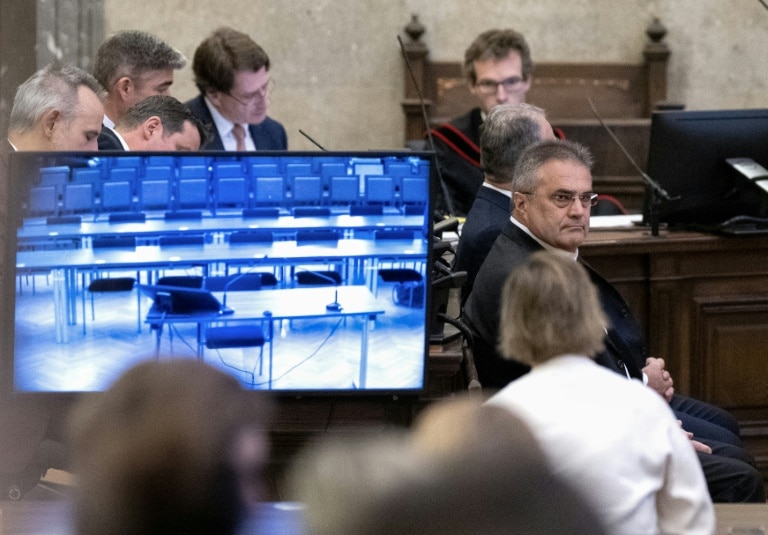
    A high-profile espionage trial commenced Thursday in Vienna’s criminal court against Egisto Ott, a former Austrian intelligence official accused of systematically leaking state secrets to Russia. The 63-year-old ex-agent faces multiple charges including abuse of office, corruption, and espionage activities allegedly conducted between 2015 and 2022.

    The case centers on Ott’s purported collaboration with Jan Marsalek, an Austrian executive of the collapsed German payment firm Wirecard, who remains a fugitive wanted for fraud and suspected ties to Russia’s FSB intelligence service. Prosecutors allege Ott received over €80,000 in payments for providing sensitive devices and confidential information that compromised Austria’s national security.

    According to the indictment, Ott’s actions risked inflicting “serious damage” to Austria’s reputation among allied intelligence services. His alleged activities included exploiting European databases and submitting assistance requests to Italy and Britain that inadvertently advanced Moscow’s interests.

    The prosecution details how Ott supposedly handed over interior ministry officials’ cell phones, exposing thousands of contacts and endangering Ukrainian and Chechen refugees in Austria. Most alarmingly, he allegedly provided Russia with an encrypted laptop containing secure communication hardware, which was subsequently transferred to Iran.

    Investigators discovered Ott had compiled what prosecutors termed an “assassination manual” following the 2019 Berlin murder of a Georgian-Chechen individual by Russian agents. The document allegedly provided instructions for conducting future assassinations within EU territory.

    The trial represents the latest development in Austria’s ongoing reckoning with Russian espionage activities, challenging the nation’s historical identity as a bridge between Moscow and the West. Ott, who was suspended in 2017 and briefly arrested in 2021, faces up to five years imprisonment if convicted.

  • Campaigning starts for Bangladesh’s first national election after Hasina’s ouster

    Campaigning starts for Bangladesh’s first national election after Hasina’s ouster

    DHAKA, Bangladesh — Bangladesh has commenced official campaigning for its first general elections since the 2024 uprising that culminated in the removal of long-serving Prime Minister Sheikh Hasina. The February 12 parliamentary vote represents a historic turning point for the South Asian nation, occurring under an interim administration led by Nobel Peace Prize recipient Muhammad Yunus.

    The electoral landscape has been fundamentally reshaped by the exclusion of Hasina’s formerly dominant Awami League party, which the interim government banned from participation. This development has created an unprecedented political vacuum, with the historically influential Bangladesh Nationalist Party (BNP) and a ten-party alliance led by the Islamist Jamaat-e-Islami organization emerging as primary contenders.

    Adding to the complex political dynamic is the National Citizen Party (NCP), a new political entity formed by student leaders who played instrumental roles in the July 2024 uprising. The alliance between Jamaat-e-Islami—long criticized by secular groups for challenging Bangladesh’s foundational secular principles—and the progressive NCP demonstrates the unusual political realignments characterizing this election.

    Tarique Rahman, chairman of the BNP and son of recently deceased former Prime Minister Khaleda Zia, has returned from seventeen years of exile in the United Kingdom and is widely perceived as a frontrunner for the premiership. Rahman commenced his campaign in Sylhet with plans for nationwide rallies, capitalizing on substantial support rooted in his mother’s political legacy.

    The interim government has repeatedly committed to ensuring peaceful and credible elections despite concerns about law and order following the violent crackdown that resulted in hundreds of casualties during the uprising. Yunus assumed leadership three days after Hasina departed for India on August 5, 2024.

    A distinctive feature of this electoral process involves a concurrent national referendum on the July National Charter, a proposed framework seeking constitutional reforms that would establish term limits for legislators, enhance presidential authority to counterbalance the prime minister’s power, and implement measures against corruption and money laundering. While the charter currently remains nonbinding, its supporters advocate for constitutional incorporation through the referendum process.

  • Trump announces Greenland ‘framework,’ backs off 8-nation tariffs

    Trump announces Greenland ‘framework,’ backs off 8-nation tariffs

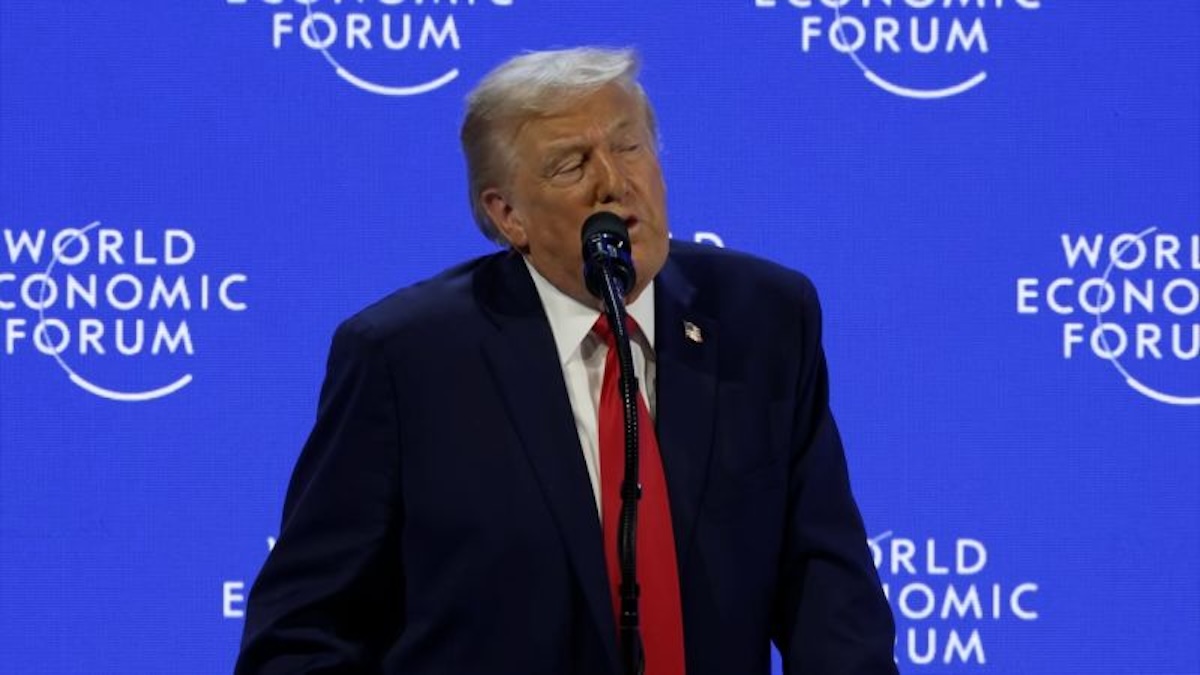
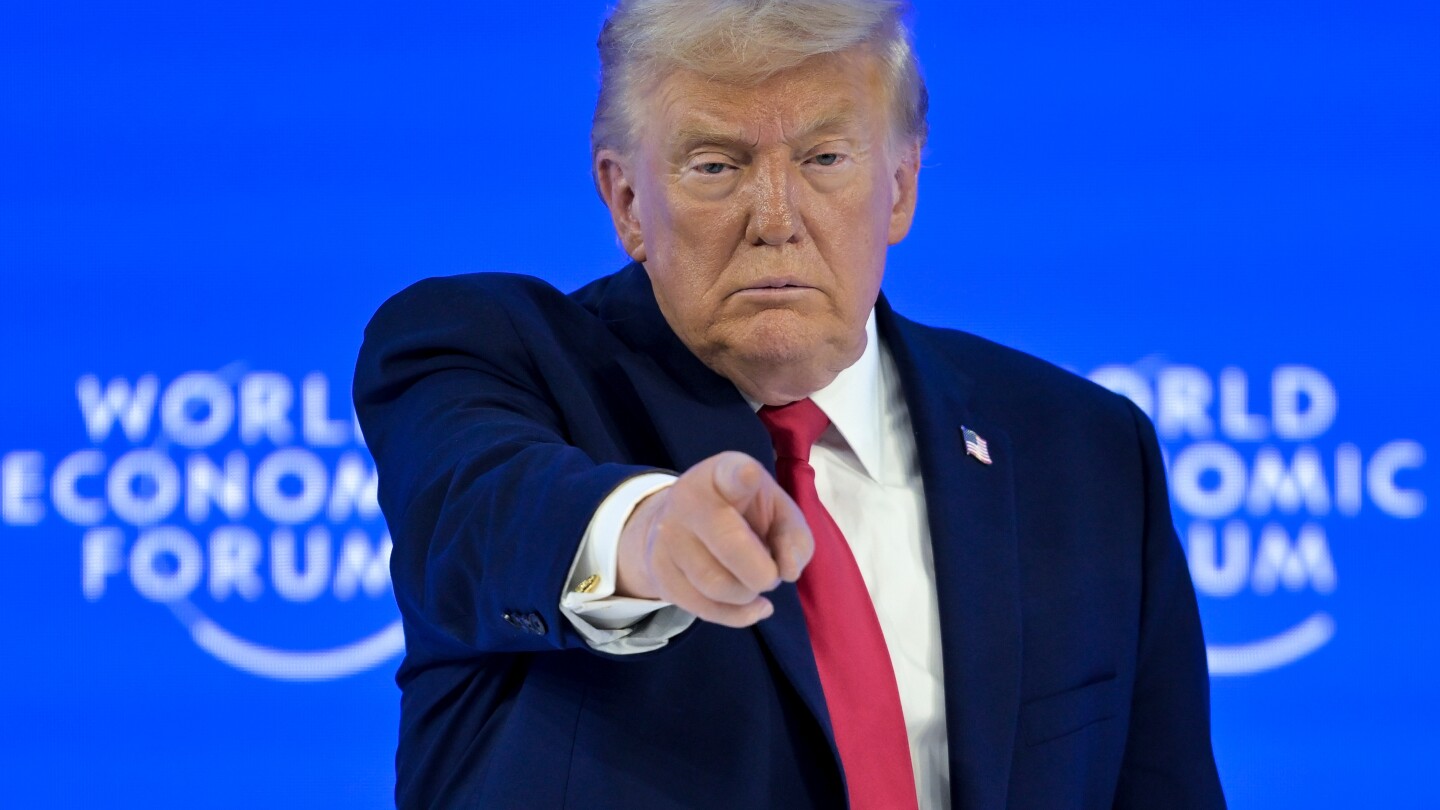
    In a significant diplomatic development, former President Donald Trump revealed through social media on Wednesday that he has established a preliminary agreement framework with NATO Secretary General Mark Rutte concerning Greenland and broader Arctic regional interests. The announcement followed Trump’s address at the World Economic Forum in Switzerland where he emphasized Greenland’s strategic importance while explicitly dismissing military intervention as an option.

    The proposed arrangement, described by Trump as “the ultimate long-term deal,” would reportedly address multiple strategic concerns including regional security and mineral resource access. As an immediate consequence of this diplomatic progress, Trump declared the suspension of previously threatened tariffs against several European nations including Denmark, Finland, France, Germany, and the United Kingdom.

    These tariffs, initially proposed at 10% and potentially escalating to 25% by June, were intended as leverage against countries opposing U.S. ambitions regarding Greenland. The negotiation process will now be handled by a team including Vice President JD Vance, Secretary of State Marco Rubio, and Special Envoy Steve Witkoff.

    While Trump enthusiastically promoted the arrangement as beneficial for all NATO members, he notably declined to confirm whether the framework includes U.S. sovereignty over Greenland. The proposal reportedly includes considerations for a missile defense system referred to as “The Golden Dome,” though specific details remain undisclosed pending further negotiations.

    The development follows Trump’s forum speech where he characterized Greenland as “a core national security interest” while employing ambiguous language regarding consequences for nations opposing U.S. objectives. This Arctic diplomacy occurs alongside domestic policy discussions, including Trump’s recent executive order targeting institutional investors in the housing market and proposed credit card interest rate limitations.

  • Mexico sends 37 accused drug gang members to the US

    Mexico sends 37 accused drug gang members to the US

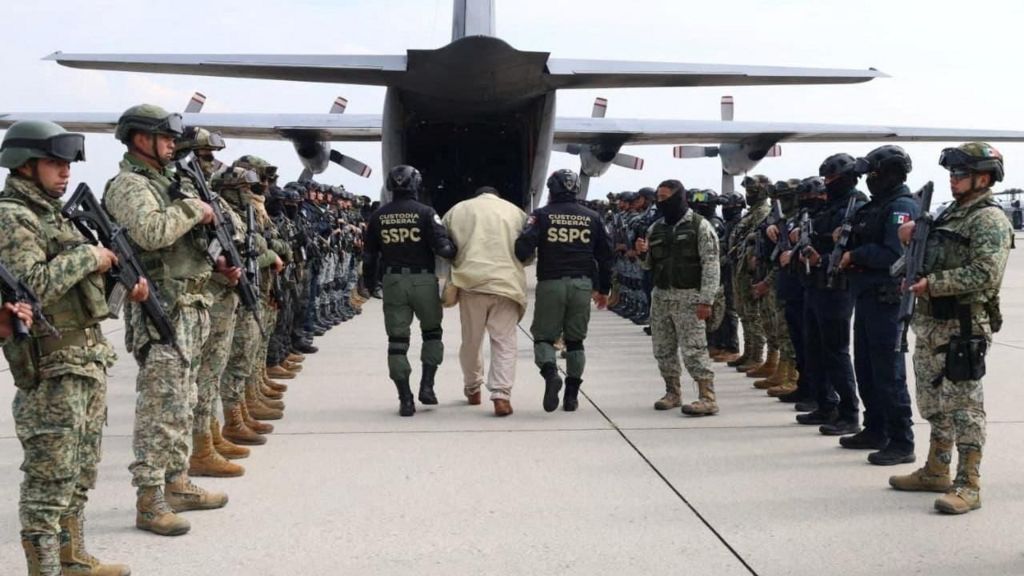
    In a significant bilateral security operation, Mexican authorities have transferred 37 inmates with alleged connections to powerful drug cartels to face judicial proceedings in the United States. This development follows recent remarks by former President Donald Trump suggesting potential U.S. military strikes against organized criminal networks operating within Mexican territory.

    This transfer represents the third such extradition initiative between the two nations within the past year, occurring during President Claudia Sheinbaum’s administration which has faced scrutiny regarding its approach to U.S. relations. Mexico’s Secretary of Security, Omar García Harfuch, communicated via social media platform X that the extradited individuals constituted a ‘threat to the country’s security.’

    The U.S. Justice Department publicly endorsed the extraditions, characterizing them as instrumental to a comprehensive strategy aimed at dismantling cartel operations. U.S. Attorney General Pam Bondi stated formally that ‘these 37 cartel members will now answer for their crimes against the American people within American judicial institutions.’

    Mexican officials secured assurances from U.S. prosecutors that capital punishment would not be sought against the transferred individuals. The operation was conducted pursuant to National Security Law provisions and established bilateral cooperation frameworks, with explicit acknowledgment of national sovereignty considerations.

    The detainees were transported aboard seven armed Mexican aircraft to multiple U.S. jurisdictions including Washington, New York, Houston, Pennsylvania, San Diego, and San Antonio. This latest operation brings the total number of extradited prisoners to 92 since the beginning of Trump’s second administration, following previous transfers of 26 ‘key operatives’ last August and a similar operation in February.

    President Sheinbaum’s government has intensified anti-narcotics efforts, citing a 50% reduction in fentanyl seizures at the southern U.S. border as evidence of effective policy. These developments occur alongside diplomatic discussions concerning U.S. military deployment along the border, which Mexican officials have explicitly stated remains ‘not on the table’ for consideration.

    The extradition program unfolds against a broader geopolitical backdrop that includes U.S. actions against other regional governments, following the precedent of military operations in Venezuela targeting former President Nicolás Maduro.

  • Trump is rolling out his Board of Peace at Davos at a time when US leadership is being questioned

    Trump is rolling out his Board of Peace at Davos at a time when US leadership is being questioned

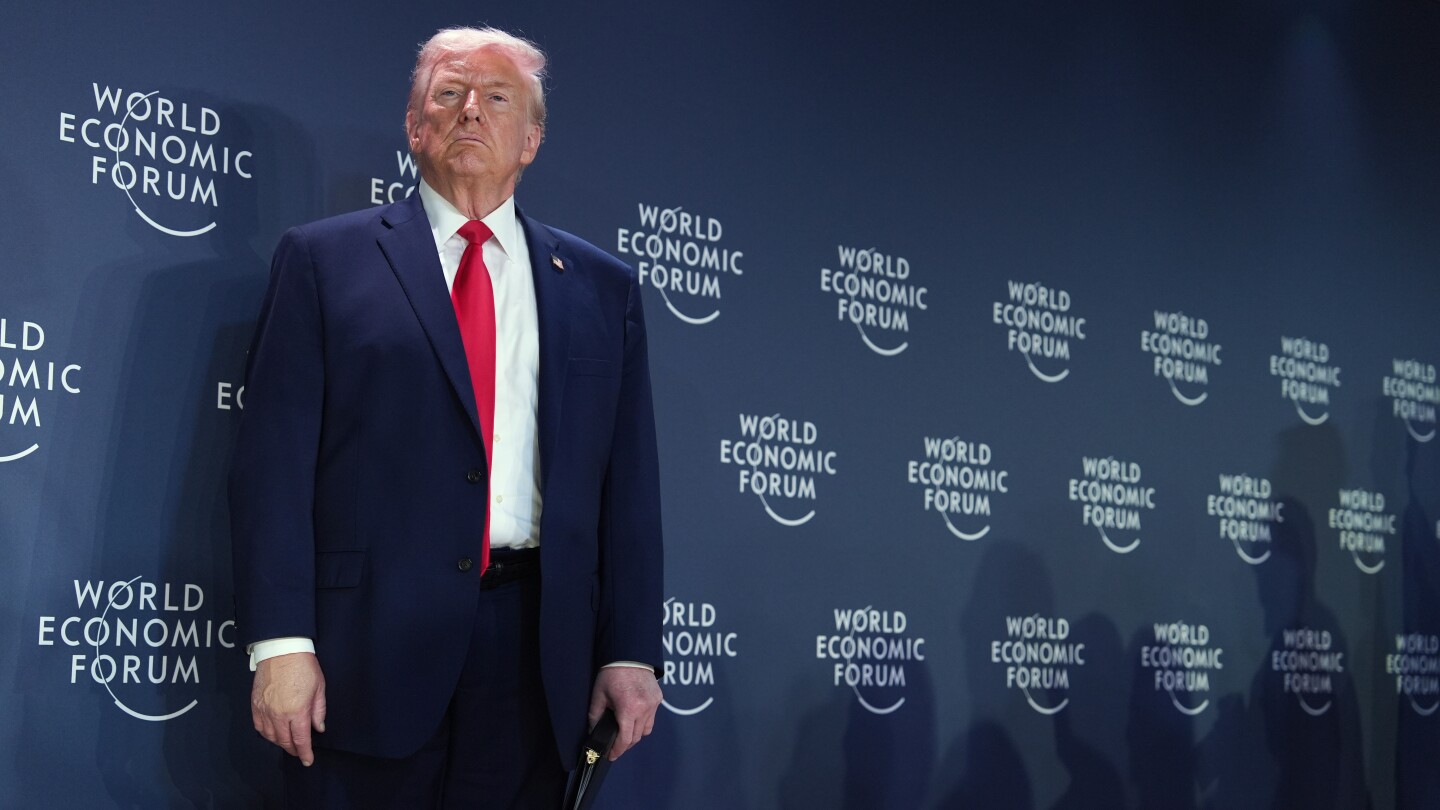
    DAVOS, Switzerland — President Donald Trump sought to redirect international attention toward his proposed ‘Board of Peace’ during the World Economic Forum on Thursday, following a week dominated by controversial remarks regarding Greenland. The initiative, initially conceived as a limited oversight body for the Gaza ceasefire, has expanded into a broader geopolitical project that has drawn both interest and skepticism from global powers.

    According to a senior administration official speaking under anonymity, approximately 35 nations have committed to joining the board, with invitations extended to 60 countries. Egypt has publicly confirmed its participation, with President Abdel-Fattah el-Sissi standing alongside Trump during Wednesday’s announcement. “We have a lot of great people that want to join,” Trump declared. “It’s going to be the most prestigious board ever formed.”

    However, the ambitious proposal faces significant challenges. Several European nations, including France, Norway, and Sweden, have declined participation. French officials expressed support for Gaza peace efforts but raised concerns about the board potentially undermining the United Nations’ role in conflict resolution. Slovenian Prime Minister Robert Golob similarly cited reservations about the board’s broad mandate and potential impact on international order.

    The membership roster remains uncertain, with key players including Russia, China, the United Kingdom, Canada, and the European Union yet to confirm their positions. Russian President Vladimir Putin stated that Moscow is consulting with “strategic partners” before deciding. Notably, Israeli Prime Minister Benjamin Netanyahu reversed earlier criticism and agreed to join on Wednesday.

    The board concept originated from Trump’s 20-point Gaza ceasefire plan, which received UN Security Council endorsement. However, invitation letters suggest the panel’s scope may extend beyond Gaza, aligning with Trump’s comments that the board “might” eventually replace some UN functions. “The UN hasn’t been very helpful,” Trump asserted, while acknowledging the world body’s potential.

    The Gaza situation remains critical, with over two million Palestinians enduring humanitarian crisis despite the ceasefire. Central to lasting peace is Hamas’s disarmament—a condition the group has rejected and Israel considers non-negotiable. Trump warned that if Hamas fails to lay down weapons within weeks, “they’ll be blown away. Very quickly.”

    The peace initiative unfolds against broader geopolitical tensions, including Trump’s recent threats toward Iran over its crackdown on protests and ongoing frustrations with the Ukraine-Russia conflict. Trump is scheduled to speak with Ukrainian President Volodymyr Zelenskyy on Thursday, though details remain unclear.

  • Trump’s European threats could make it harder for future US leaders to repair ties

    Trump’s European threats could make it harder for future US leaders to repair ties

    The transatlantic alliance, once heralded by President Joe Biden’s 2021 proclamation that ‘America is back,’ now faces unprecedented strain during Donald Trump’s second term. The diplomatic landscape has undergone radical transformation as Trump dismantles seven decades of European partnerships that facilitated German reunification and Soviet collapse.

    Trump’s approach has deviated dramatically from conventional diplomacy, treating allied nations with confrontational rhetoric typically reserved for adversaries. His administration’s most shocking maneuver involved demanding Denmark cede control of Greenland, which Trump dismissively characterized as a substantial ‘piece of ice.’ This proposition risked fracturing NATO and represented a fundamental departure from established international norms.

    The former president escalated tensions by publicly branding Denmark ‘ungrateful’ for American protection during World War II, despite the nation suffering the highest per-capita casualty rate among coalition forces in Afghanistan. Trump further undermined diplomatic decorum by revealing private communications with European leaders and delivering a provocative address at Davos where he suggested Europe required authoritarian leadership, remarking that ‘sometimes you need a dictator.’

    This diplomatic rupture has compelled American allies to pursue independent strategies. Canadian Prime Minister Mark Carney, having resisted Trump’s territorial ambitions, declared the rules-based international order an ‘illusion’ and independently negotiated trade agreements with China. Simultaneously, the European Union and Mercosur bloc finalized a free trade agreement specifically designed as countermeasure against Trump administration policies.

    European leadership responded with unusually blunt criticism. French President Emmanuel Macron warned against ‘colonial adventures,’ while Belgian Prime Minister Bart De Wever described crossing ‘so many red lines’ that threatened national dignity. Even traditional conservative allies expressed alarm, with UK’s Nigel Farage labeling Trump’s Greenland approach the ‘biggest fracture’ in transatlantic relations in decades.

    While Congressional Republicans largely maintain support for Trump’s unconventional methods, dissenting voices like Nebraska Representative Don Bacon condemn the Greenland threat as ‘absurd’ and ‘totally unnecessary.’ Democrats advocate for stronger transatlantic responses, with California Governor Gavin Newsom employing vivid dinosaur metaphors to characterize Trump’s diplomatic style.

    Foreign policy experts suggest the damage may extend beyond repairability within a single presidential term. Former Biden deputy national security adviser Jon Finer observes that rational nations now perceive American reliability as limited to ‘four-year increments, if at all,’ fundamentally altering how global partners engage with the United States.

  • US sanctions six Palestinian aid groups it accuses of ties to Qassam Brigades

    US sanctions six Palestinian aid groups it accuses of ties to Qassam Brigades

    In a significant move targeting Hamas’s financial infrastructure, the U.S. Treasury Department imposed sanctions on six Palestinian humanitarian organizations operating in Gaza on Wednesday. The designated entities—Waed Society, Al-Nur, Qawafil, Al-Falah, Merciful Hands, and Al-Salameh—stand accused of functioning as a clandestine support network for Hamas’s military wing, the Qassam Brigades.

    The Treasury’s Office of Foreign Assets Control (OFAC) revealed that Hamas’s internal security personnel have been formally assigned to operate within several of these organizations, particularly Waed Society and Al-Salameh. According to official statements, Merciful Hands, Al-Nur, and Al-Falah have allegedly directed funds directly to Hamas’s military operations, while Qawafil has purportedly completed projects specifically designed to benefit the organization.

    Despite their public-facing activities—which include medical support for war wounds, distribution of food and medicine, community support sessions, and advocacy for Palestinian prisoners—these groups allegedly serve as fronts for Hamas’s financial operations. The Treasury also sanctioned The Popular Conference for Palestinians Abroad (PCPA), identifying it as a coordination body for flotilla attempts to break the Israeli siege on Gaza, along with its UK-based founder Zaher Khaled Hassan Birawi.

    Under Secretary of the Treasury for Terrorism and Financial Intelligence John K Hurley emphasized that the Trump administration would not tolerate Hamas’s exploitation of financial systems to fund terrorist operations. The designations immediately freeze all U.S. assets belonging to these entities and prohibit any transactions through American banking systems, effectively rendering credit cards like Visa and Mastercard unusable for these organizations.

    The Treasury statement clarified that the sanctions specifically target Hamas’s operational strategy rather than legitimate political advocacy, noting that members of the Palestinian diaspora retain the right to gather and advocate for their political concerns. This action represents the latest development in the ongoing U.S. campaign to disrupt Hamas’s financial networks while maintaining distinction between legitimate humanitarian work and terrorist financing operations.

  • Albanese government buzzing after Canadian PM’s Trump take-down

    Albanese government buzzing after Canadian PM’s Trump take-down

    The Albanese government is actively engaging with Canadian Prime Minister Mark Carney’s forceful critique of former U.S. President Donald Trump’s approach to international relations, according to Australian Treasurer Jim Chalmers. The speech, delivered at the Davos Economic Forum, characterized the current global situation as a “rupture, not a transition” of the rules-based order.

    Carney’s address warned that middle powers like Australia and Canada face significant disadvantages when negotiating bilaterally with hegemonic nations, stating they “negotiate from weakness” and are forced to “accept what is offered.” His comments gained particular relevance amid ongoing political fallout from Trump’s controversial threats to seize Greenland, a move analysts suggest could destabilize NATO and strain U.S.-European alliances.

    Treasurer Chalmers described Carney’s speech as “very thoughtful, and obviously very impactful,” confirming it has prompted multiple discussions within the Australian government. Chalmers acknowledged that the “old certainties” Australia previously relied upon are deteriorating, citing economic crises, trade tensions, NATO discussions, and Russia’s invasion of Ukraine as contributing factors to this geopolitical fragmentation.

    The Treasurer emphasized Australia’s need to navigate this changing landscape by maintaining commitment to international institutions while maximizing opportunities presented by the current volatility. He noted that middle powers like Australia and Canada possess “extraordinary advantages” despite the challenges of global instability.

    Adding to the conversation, former Prime Minister Malcolm Turnbull urged current leader Anthony Albanese to adopt Carney’s approach directly, characterizing Trump as valuing different principles than his presidential predecessors. Turnbull specifically encouraged Albanese to deliver a similar message of sovereignty and middle-power cooperation, stating: “We will not be bullied, we will maintain our sovereignty. As a middle power, we will work with other middle powers to stand up to the bully.”

  • Slashed incomes and gamers go cold turkey: the fallout from Uganda’s internet shutdown

    Slashed incomes and gamers go cold turkey: the fallout from Uganda’s internet shutdown

    Uganda’s recent general election triggered a nationwide internet shutdown with profound consequences for citizens, businesses, and democratic processes. The government-ordered blackout, officially implemented to ‘ensure peace and protect national stability’ during the electoral period, effectively paralyzed the digital economy and restricted information flow throughout the country.

    Mobile money agent Mirembe Tracy experienced immediate financial devastation when withdrawal systems disconnected. Her weekly earnings of approximately 450,000 Ugandan shillings (£130) vanished entirely, leaving her unable to pay rent. ‘That money is what I use to pay rent. Losing it was a total loss,’ she told the BBC. Like thousands of others dependent on digital transactions, she found herself with no income source beyond minimal prepaid airtime sales that provide no commission.

    The disruption extended throughout Kampala’s economy. SafeBoda, the popular ride-hailing platform for motorcycle taxis, saw its entire server infrastructure rendered inoperative. Co-founders reported that both riders and dependent businesses were forced offline indefinitely. Meanwhile, entrepreneur Namukwaya Olivia, who relies on Instagram, TikTok and WhatsApp to market traditional cultural clothing, described complete operational paralysis: ‘We could not send pictures, we could not receive orders, and we could not make deliveries.’

    Journalists faced particularly severe challenges in fulfilling their professional duties. Ngabo Amon described smartphones becoming ‘largely useless’ as research, communication, and content transmission capabilities disappeared. The blackout created an information vacuum that prevented accurate election coverage and real-time reporting of developing situations. Some journalists resorted to physically transporting footage by bus from rural areas to Kampala—a process that rendered news obsolete by arrival time.

    The African Union election observation mission noted that the shutdown ‘limited access to information, freedom of association and curtailed economic activities,’ while simultaneously ‘creating suspicion and mistrust’ in the electoral process. President Yoweri Museveni’s landslide victory extended his 40-year rule amid opposition allegations of ‘fake results’ and ‘ballot stuffing.’

    Beyond economic and professional impacts, the blackout created personal hardships. Kenyan journalist Caroline Mutai described the psychological toll: ‘The shutdown almost gave me depression.’ Students like Aaron Benitez lost educational connectivity as online learning platforms and communication channels failed. ‘We usually study online, sometimes on Zoom, but during that time everything just stopped,’ he reported.

    Even after partial restoration following President Museveni’s victory declaration, many social media platforms remain restricted or slow, driving widespread adoption of VPN services. The episode served as a stark demonstration of how deeply digital accessibility underpins modern life, economic stability, and democratic transparency in contemporary Uganda.