分类: politics

  • The Philippine president is dismissed from hospital and says he’s fine after an abdominal ailment

    The Philippine president is dismissed from hospital and says he’s fine after an abdominal ailment

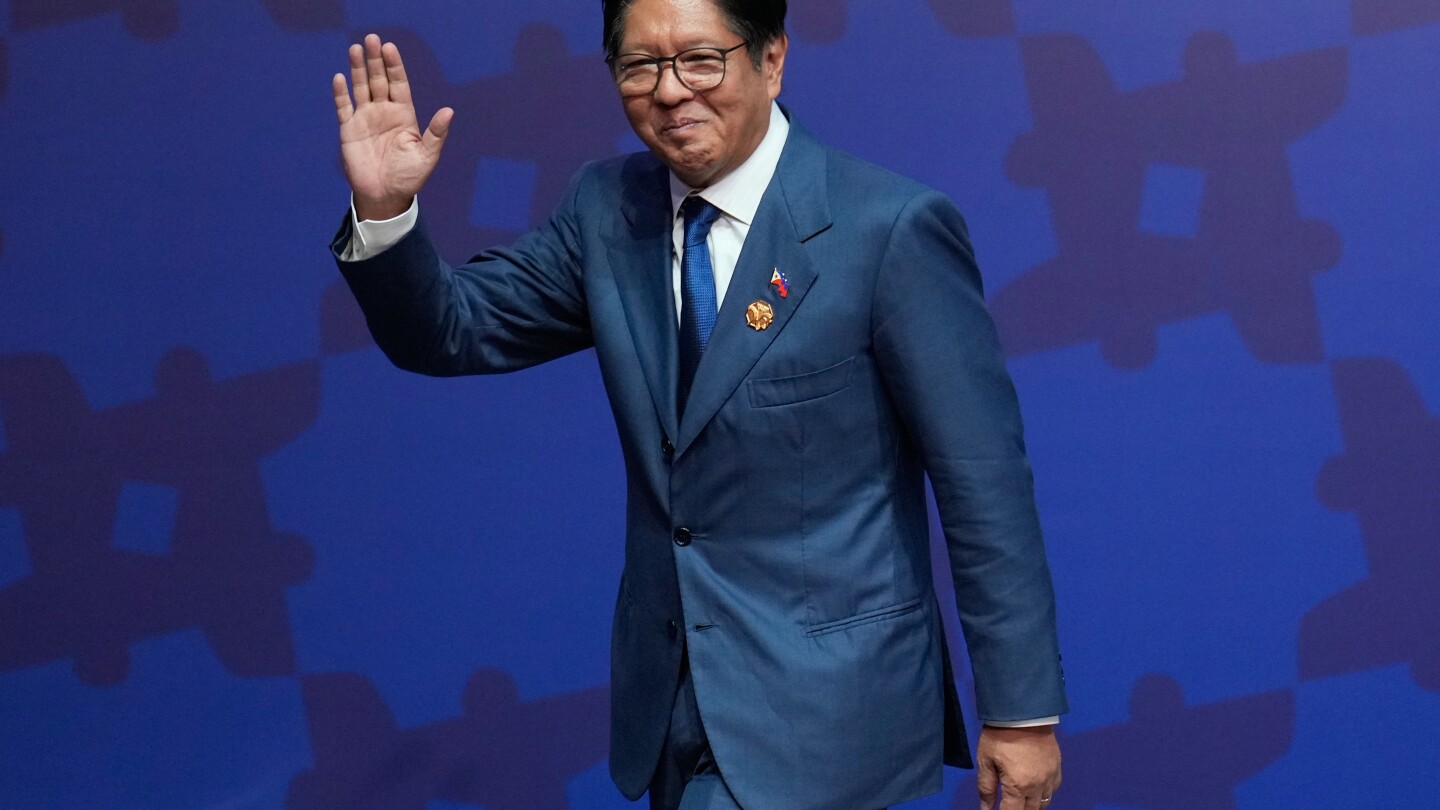
    MANILA, Philippines – Philippine President Ferdinand Marcos Jr. was briefly hospitalized for a stress-induced abdominal condition this week, though the leader quickly returned to official duties while downplaying concerns about his health. The 68-year-old president attributed his medical episode to the pressures of governance and aging in a video statement released Thursday.

    Communications Undersecretary Claire Castro confirmed that Marcos underwent medical observation before being discharged to resume his schedule, including two private meetings. Appearing in good spirits wearing a white office shirt, the president assured the public: “I’m fine. I’m feeling very, very different from the way I was feeling before, but the problem has been fixed.”

    The chief executive disclosed he had been diagnosed with diverticulitis, describing it as “a common complaint amongst, apparently people who are heavily stressed and people who are, I have to admit, growing old.” This inflammatory condition affects small pouches in the digestive tract, typically causing abdominal pain, fever, and digestive disturbances.

    When questioned about political opponents who might capitalize on his health situation, Marcos responded with characteristic humor: “Don’t get too excited yet because it’s not a life-threatening condition.” He further quipped, referencing Mark Twain’s famous line: “Don’t worry. The rumors of my death are highly exaggerated.”

    The hospitalization comes amid mounting challenges for Marcos since assuming office in mid-2022. His administration currently confronts multiple crises including escalating tensions with Beijing over South China Sea claims, natural disasters ranging from destructive earthquakes to severe typhoons, economic instability, strained relations with his vice president, and a widespread corruption scandal involving powerful legislators that has provoked public anger.
  • Guinea-Bissau coup leaders set December election date

    Guinea-Bissau coup leaders set December election date

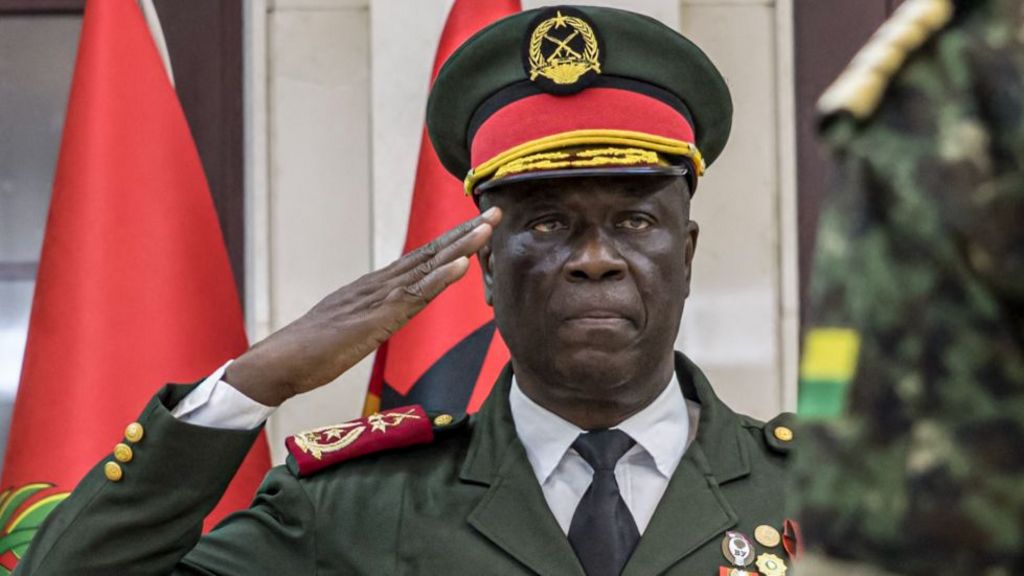
    Military authorities in Guinea-Bissau have officially scheduled presidential and legislative elections for December 6th, marking a critical development in the nation’s turbulent political landscape. The announcement comes despite mounting international pressure for an accelerated transition to civilian governance following last November’s coup that ousted President Umaro Sissoco Embaló.

    Transitional President Horta N’Tam formalized the electoral timeline through a presidential decree on Wednesday after extensive consultations with the National Transitional Council, military representatives, government officials, and electoral commission members. N’Tam publicly affirmed that all necessary conditions for conducting free and fair elections had been satisfactorily established.

    The military junta has faced sustained pressure from the Economic Community of West African States (ECOWAS), which previously rejected the junta’s proposed one-year transition framework. The regional bloc had suspended Guinea-Bissau from its decision-making institutions and threatened additional sanctions unless a shorter transitional period was implemented. The international community now awaits ECOWAS’ formal response to the announced December timeline.

    The November 2025 power seizure occurred under controversial circumstances, with military leadership justifying their intervention as necessary to prevent alleged destabilization plots during the tense period preceding official presidential election results. Both incumbent President Embaló and primary opposition candidate Fernando Dias had declared victory simultaneously, creating a political impasse that the military cited as justification for their takeover.

    Notably, the transitional charter explicitly prohibits interim leader N’Tam and his appointed prime minister from seeking presidential office. However, regional observers remain skeptical given recent patterns across West Africa where military leaders have frequently extended transitional periods and consolidated political power. The international community continues monitoring whether Guinea-Bissau will break this regional trend and facilitate genuine democratic restoration through transparent electoral processes.

  • Former head of national forestry and grassland body under investigation

    Former head of national forestry and grassland body under investigation

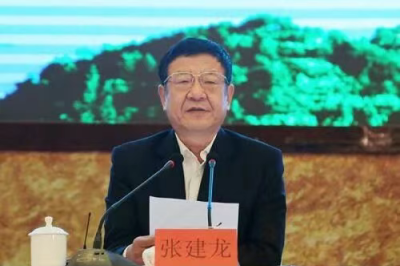
    China’s top anti-graft authorities have launched a formal investigation into Zhang Jianlong, former director of the National Forestry and Grassland Administration, for suspected serious breaches of Communist Party discipline and national laws. The announcement was made public on Thursday by the Central Commission for Discipline Inspection (CCDI) and the National Supervisory Commission.

    The 69-year-old career forestry official, who joined the Communist Party in 1985, rose through the ranks of China’s forestry bureaucracy over several decades. His appointment as deputy head of the former State Forestry Administration came in October 2003, followed by his promotion to leadership of the organization in 2015.

    Following governmental restructuring efforts, Zhang assumed dual roles in 2018 as both a member of the Ministry of Natural Resources’ Party Leadership Group and head of the newly established National Forestry and Grassland Administration. He vacated these positions in May 2020 but subsequently took on responsibilities as a member of the 13th National Committee of the Chinese People’s Political Consultative Conference, where he served as deputy director of the Committee on Agriculture and Rural Affairs.

    The investigation represents the latest development in China’s ongoing anti-corruption campaign, which has remained a cornerstone of President Xi Jinping’s governance strategy. The case demonstrates the continued scrutiny of high-ranking officials even after their retirement from active government service.

  • Trump to meet Zelensky as US envoy says ending war with Russia down to one issue

    Trump to meet Zelensky as US envoy says ending war with Russia down to one issue

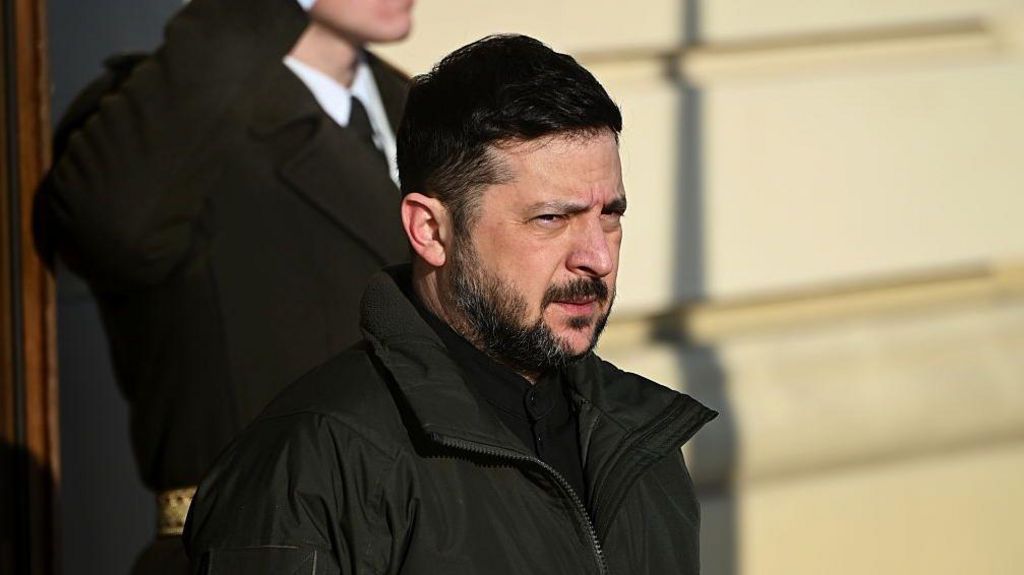
    Ukrainian President Volodymyr Zelensky made an urgent journey to Davos, Switzerland, arriving Thursday for critical negotiations with U.S. President Donald Trump. The high-stakes meeting occurs amid significant diplomatic efforts to broker an end to the ongoing conflict between Ukraine and Russia.

    President Trump’s special envoy, Steve Witkoff, expressed measured optimism about reaching a comprehensive peace agreement, stating the negotiations have been narrowed to a single pivotal issue. While Witkoff refrained from specifying the exact nature of this remaining obstacle, diplomatic sources indicate recent discussions have centered on the future status of Ukraine’s Donbas region. The proposed solution involves establishing a demilitarized free economic zone in exchange for concrete security guarantees for Kyiv.

    “I believe we’ve successfully condensed the complexities down to one core issue,” Witkoff commented before traveling to Moscow for parallel discussions with Russian President Vladimir Putin. “We’ve explored various iterations of this issue, which indicates it is ultimately solvable. If both parties demonstrate genuine willingness to resolve this conflict, we will achieve a settlement.”

    President Trump reinforced this sentiment, asserting that both President Putin and President Zelensky have reached a critical juncture where agreement is possible, adding bluntly that failure to capitalize on this opportunity would be unwise. This meeting follows Trump’s previous assessment that Putin appeared more prepared for compromise than Zelensky.

    Zelensky’s attendance at the World Economic Forum came despite severe domestic challenges. The Ukrainian leader initially canceled his diplomatic travels to address a severe humanitarian crisis in Kyiv following targeted Russian strikes on energy infrastructure. These attacks have left extensive areas of the capital without heating, power, or water during extreme winter conditions, with thousands of residential buildings remaining without heat.

    The negotiations face several substantial hurdles. Zelensky has previously outlined two major sticking points: the future of Donbas and control over the Zaporizhzhia Nuclear Power Plant, which Russian forces seized in March 2022. The Ukrainian president has conditionally offered a troop withdrawal from approximately 25% of the Donetsk region still under Ukrainian control, proposing a 40-kilometer pullback to establish an economic zone contingent on reciprocal Russian action.

    While Kremlin spokesman Dmitry Peskov confirmed continued discussions with American envoys regarding “the Ukrainian issue and related topics,” he declined to endorse Witkoff’s optimistic outlook. Additionally, President Putin has not yet decided on participating in Trump’s proposed Board of Peace concerning Gaza.

    Zelensky had hoped to finalize two significant agreements with Trump at Davos covering security guarantees and economic prosperity, noting only “one mile left” to complete these documents. Although the prospect of formal signings during the Forum remains uncertain, Ukrainian National Security and Defense Council head Rustem Umerov confirmed substantive discussions with U.S. counterparts regarding economic development, post-war reconstruction, and security assurances.

  • Trump drops tariff threat on EU countries after striking framework for a deal over Greenland in Davos

    Trump drops tariff threat on EU countries after striking framework for a deal over Greenland in Davos

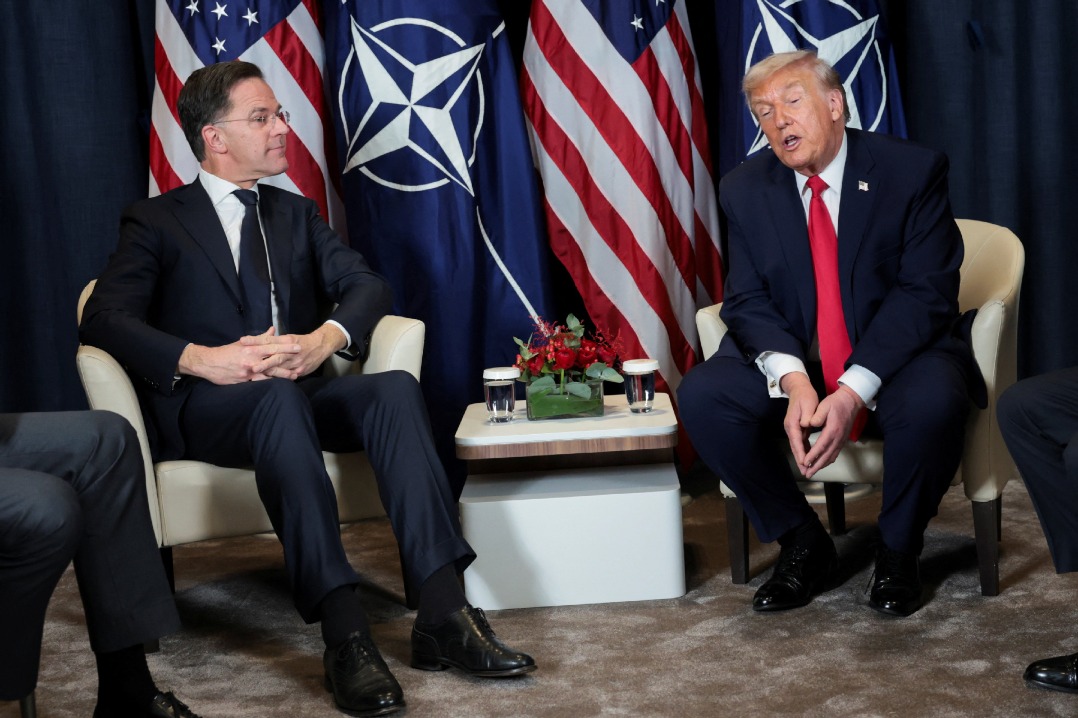
    In a significant diplomatic development at the World Economic Forum in Davos, President Donald Trump announced the suspension of threatened tariffs against eight European nations following the establishment of a preliminary agreement concerning Greenland and Arctic security. The breakthrough came during bilateral discussions with NATO Secretary General Mark Rutte on January 21, 2026.

    The agreement, described by Trump as ‘the ultimate long-term deal,’ effectively cancels planned 10% tariffs on goods from the United Kingdom, Denmark, Norway, Sweden, France, Germany, Netherlands, and Finland that were scheduled to commence February 1. Additionally, the administration withdrew the threat of escalating these tariffs to 25% beginning June 1.

    While specific details remain limited, the framework reportedly addresses US strategic interests in the Arctic region, including enhanced military presence opportunities and mineral resource access. Trump characterized the arrangement as providing the United States with ‘everything it wanted’ regarding Greenland while creating benefits for all NATO member nations.

    Political science expert Professor Michael A. Allen of Boise State University noted the agreement would enable the US to ‘increase its military presence in Greenland and work with NATO partners to achieve its goals.’

    European leaders expressed relief at the de-escalation of tensions. Danish Foreign Minister Lars Lokke Rasmussen stated, ‘The day is ending on a better note than it began,’ emphasizing the importance of addressing American security concerns while respecting Denmark’s territorial integrity.

    The negotiation process will be overseen by US Secretary of State Marco Rubio and Special Envoy Steve Witkoff, who will report directly to the president. Preliminary discussions suggest the possibility of limited territorial concessions for military infrastructure, though no official confirmation has been provided.

    Notably, President Trump explicitly ruled out military force to acquire Greenland during his Davos address, stating: ‘I don’t have to use force. I don’t want to use force. I won’t use force.’

  • US forces seize 7th oil tanker in Caribbean

    US forces seize 7th oil tanker in Caribbean

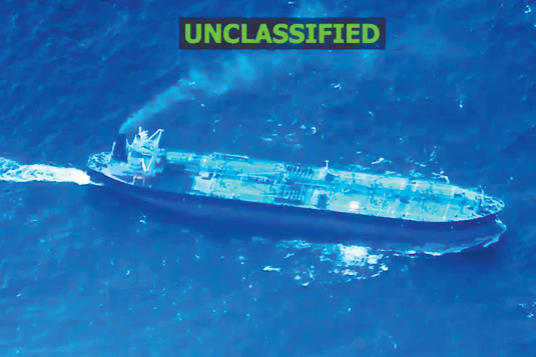
    The United States Southern Command has conducted its seventh interception of a Venezuela-associated oil tanker in the Caribbean Sea, escalating its month-long maritime enforcement operation. The motor vessel Sagitta was apprehended without resistance on Tuesday as part of Washington’s comprehensive strategy to control Venezuela’s petroleum exports.

    This latest seizure occurs within the framework of President Donald Trump’s December-declared ‘total and complete blockade’ targeting sanctioned vessels transiting to and from Venezuelan waters. The Southern Command affirmed its determination to ensure that “the only oil leaving Venezuela will be oil that is coordinated properly and lawfully.”

    The geopolitical confrontation intensified significantly following a January 3rd military operation where US forces attempted to capture Venezuelan President Nicolas Maduro and his wife. This unprecedented action drew widespread international criticism regarding violations of national sovereignty.

    Concurrently, Acting Venezuelan President Delcy Rodriguez announced receipt of $300 million from US-controlled sales of Venezuelan crude oil, representing a portion of an estimated $500 million total revenue. Rodriguez stated these funds would be channeled through public and private banking institutions, in coordination with the Central Bank of Venezuela, to stabilize foreign exchange markets.

    Despite Trump’s assertion that the US has extracted 50 million barrels of Venezuelan oil, maritime transport records indicate these volumes have not yet been exported. The administration simultaneously contemplates a $100 billion reconstruction plan for Venezuela’s deteriorated oil infrastructure.

    Tensions further escalated when Venezuela’s Ministry of the Interior denounced an artificially generated map circulating on Trump’s social media that depicted Venezuela, Canada, and Greenland as US territories. The ministry vehemently reaffirmed the nation’s sovereignty as the Bolivarian Republic of Venezuela.

    Adding another dimension to the complex situation, Trump revealed potential involvement for Venezuelan opposition figure Maria Corina Machado, though specific responsibilities remain undefined. This development follows Machado’s presentation of her Nobel Peace Prize to the US president during their recent meeting.

  • China seeks support to fight crimes against humanity

    China seeks support to fight crimes against humanity

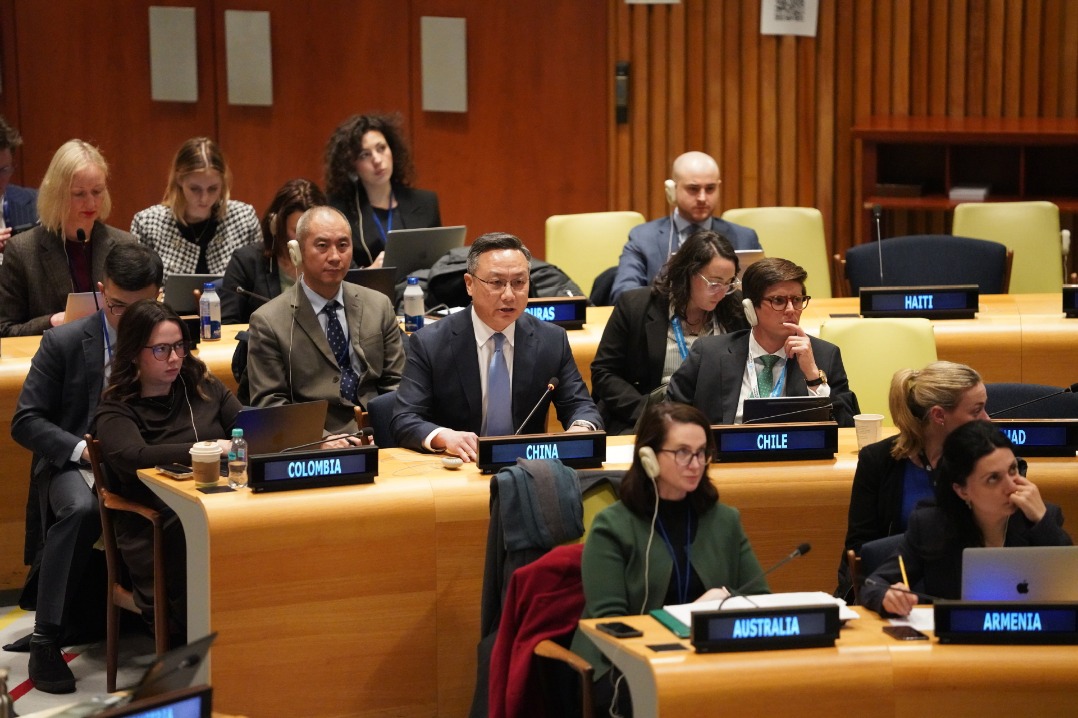
    At the inaugural session of the UN Preparatory Committee for the Conference on Crimes Against Humanity, Chinese envoy Sun Lei delivered a powerful address calling for enhanced international collaboration to prevent and penalize atrocities constituting crimes against humanity. The senior diplomat, serving as charge d’affaires of China’s permanent mission to the UN, emphasized the critical importance of upholding international legal standards and preserving historical justice during Monday’s proceedings.

    The committee’s establishment follows UN General Assembly Resolution 79/122 adopted in 2024, which initiated the process toward drafting a comprehensive global convention addressing these severe offenses. Sun characterized crimes against humanity as grave violations that fundamentally threaten international peace and security, tracing their legal conceptualization to the post-World War II Nuremberg and Tokyo tribunals.

    Speaking on the 80th anniversary of the International Military Tribunal for the Far East, Sun highlighted how Japanese militarism inflicted profound suffering across China, Asia, and the global community. He described the Tokyo trials as historically irrefutable evidence of Japan’s aggression crimes, noting their pioneering role in developing international criminal jurisprudence while serving as a enduring clarion call for peace.

    The diplomat urged the international community to collectively safeguard the outcomes of WWII victory, maintain the international legal order, and prevent the resurgence of militarism. His remarks emerged amid escalating Sino-Japanese tensions following controversial November statements by Japanese Prime Minister Sanae Takaichi regarding potential intervention in Taiwan Strait scenarios, which China has vehemently opposed through formal diplomatic channels.

    Sun emphasized that in today’s complex global landscape marked by regional conflicts and geopolitical turbulence, strengthening mechanisms against crimes against humanity carries particular urgency and significance. China has consistently supported lawful punishment of such crimes and constructively participated in UN Sixth Committee discussions, submitting official government comments in late 2023.

    The Chinese representative concluded that combating these crimes must strictly adhere to the UN Charter and universally recognized international law principles, warning against recent politicization of humanitarian issues where certain states allegedly manipulate concepts of criminal accountability and human rights protection to interfere in sovereign nations’ internal affairs and justify armed aggression.

  • Trump threatens 200% tariff on French wine over backing for Gaza peace board

    Trump threatens 200% tariff on French wine over backing for Gaza peace board

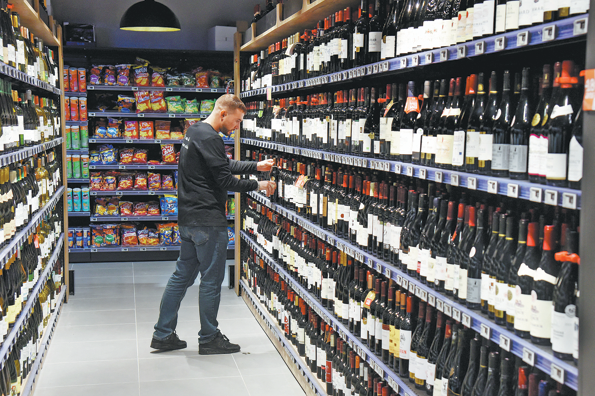
    In a dramatic escalation of diplomatic tensions, former US President Donald Trump has issued an ultimatum to France, threatening to impose staggering 200% tariffs on French wine and champagne exports. The economic threat comes in direct response to French President Emmanuel Macron’s refusal to participate in Trump’s proposed ‘Board of Peace’ initiative aimed at addressing global conflicts, including the ongoing situation in Gaza.

    The confrontation emerged when Trump, reacting to Macron’s decision to abstain from joining the international peacekeeping board, declared: ‘Nobody wants him because he will be out of office very soon. I’ll put a 200% tariff on his wines and champagnes, and he’ll join, but he doesn’t have to join.’ This statement underscores Trump’s unconventional approach to international diplomacy, using economic leverage to compel political cooperation.

    Trump’s Board of Peace concept, initially proposed in September as a mechanism to resolve the Gaza conflict, has since expanded into a broader global initiative. Approximately 60 nations have received draft charters outlining membership requirements, including a substantial $1 billion contribution for extended participation beyond three years. The former president aims to finalize the board’s structure during the upcoming World Economic Forum in Davos, Switzerland.

    The tariff threat represents the latest chapter in ongoing trade tensions between Trump and European allies. Just days earlier, Trump had warned of imposing 10-25% tariffs on European nations unless they supported his controversial plan to purchase Greenland. French officials have characterized these tactics as diplomatic blackmail, with Agriculture Minister Annie Genevard condemning the approach as ‘shocking because it’s brutal, it’s done to force compliance.’

    The United States stands as the world’s largest importer of sparkling wines, purchasing approximately $1.75 billion worth in 2023. Such aggressive tariffs would devastate France’s champagne industry, recalling similar threats made in March during previous EU trade disputes. While those tariffs were never implemented, the renewed warning has sent shockwaves through European diplomatic and trade circles, raising concerns about the future of transatlantic relations should Trump return to power.

  • Australia passes tougher laws on guns, hate crime

    Australia passes tougher laws on guns, hate crime

    In a decisive legislative response to the December 14 terrorist shooting at Sydney’s Bondi Beach, the Australian Parliament has enacted comprehensive reforms strengthening gun control measures and hate crime legislation. The tragic incident during a Jewish festival resulted in 16 fatalities, including one perpetrator, and left dozens injured.

    The newly passed firearm regulations introduce a national buyback program, enhanced import restrictions, more rigorous background verifications for licensing, and limitations on permitted firearm categories. Concurrently, the hate crime legislation establishes mechanisms to designate organizations as ‘hate groups,’ targets individuals propagating extremist ideologies, and increases penalties for violence advocacy offenses.

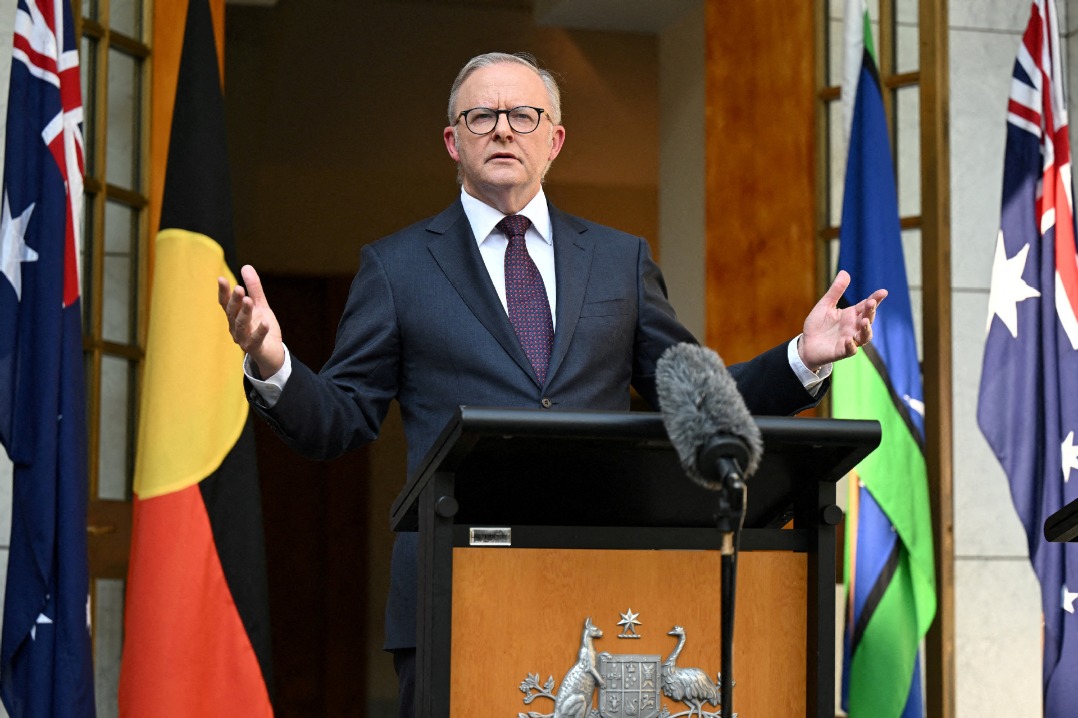
    Prime Minister Anthony Albanese emphasized the government’s urgency in addressing these issues, stating at a Canberra press conference: ‘At Bondi, the terrorists had hate in their hearts, but they had guns in their hands. We have acted with unity to confront both threats decisively.’

    The alleged attackers, 24-year-old Naveed Akram and his 50-year-old father Sajid, targeted a Hanukkah celebration. Police neutralized Sajid at the scene while Naveed sustained critical injuries. Subsequent investigations revealed six firearms used in the assault, with Naveed facing 59 charges including murder and terrorism.

    This represents Australia’s most significant security legislation since the 1996 Port Arthur massacre that claimed 35 lives and established the National Firearms Register. The government will additionally form a royal commission examining antisemitism and social cohesion, while declaring a national day of mourning with flags at half-mast to honor the victims.

    Sociologist Margaret Gibson of Griffith University noted the importance of national rituals following such tragedies, stating they ‘demonstrate government leadership toward collective solidarity and unity in the face of violence that ruptures the sense of safety of community and nation.’

  • US hard-line stance sowing divisions

    US hard-line stance sowing divisions

    As the Trump administration marked its first anniversary of the second term, its assertive “America First” doctrine has generated significant international friction and raised concerns about global stability. During a comprehensive White House briefing, President Trump showcased what he described as 365 accomplishments since his January 20 inauguration, while simultaneously advancing controversial policies that have strained traditional alliances.

    The administration’s approach has particularly manifested in two contentious areas: immigration enforcement and territorial ambitions. Trump devoted substantial attention to immigration issues, publicly displaying mugshots of undocumented immigrants arrested in Minnesota and praising ICE agents. More remarkably, the president reaffirmed his interest in acquiring Greenland from Denmark, suggesting potential negotiations that would satisfy both NATO and U.S. interests without elaborating on specifics.

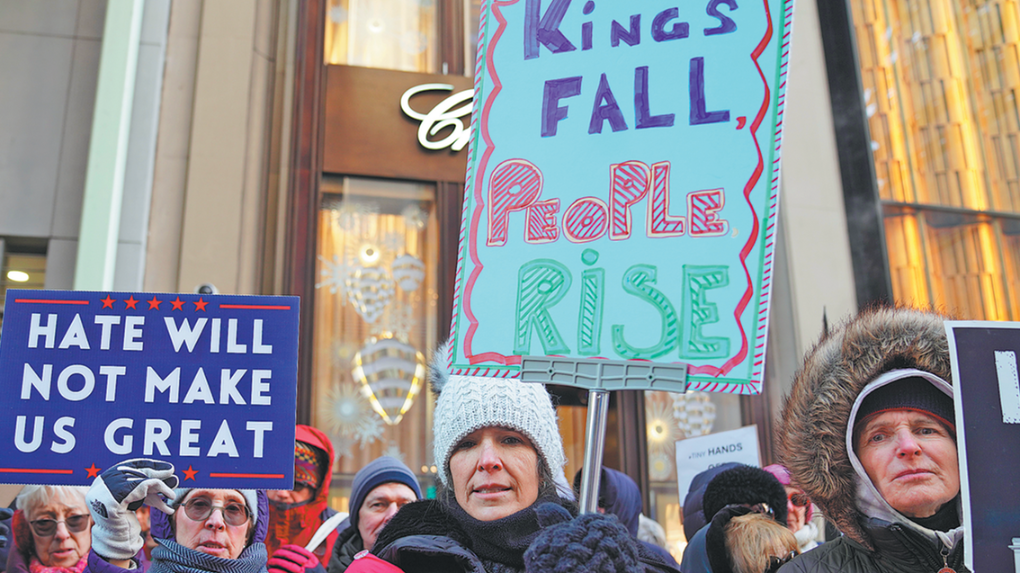
    European leaders have responded with firm resistance. European Commission President Ursula von der Leyen condemned newly announced tariffs targeting eight European nations supporting Denmark’s position on Greenland as a “mistake” that questions Washington’s reliability. French President Emmanuel Macron threatened retaliatory measures using the EU’s powerful economic tools, colloquially termed a “trade bazooka.”

    International relations experts warn that these policies represent a fundamental shift in global dynamics. According to Chen Hong of East China Normal University, the administration appears to be constructing a new form of hegemonic politics that challenges post-World War II international norms and sovereignty principles. The Chicago Council on Global Affairs has identified the U.S. as potentially “the primary driver of global disruption” due to its unpredictable alliance management.

    The administration’s withdrawal from key international agreements—including the Paris Climate Accord and World Health Organization—combined with its use of tariffs as foreign policy instruments, threatens to undermine multilateral frameworks. Researchers like He Yun of Tsinghua University predict these actions will accelerate regionalization trends as nations seek to reduce dependence on Washington and strengthen alternative security arrangements.

    Analysts from Pakistan’s Global Silk Route Research Alliance note that the preference for coercion over diplomacy violates UN Charter principles and jeopardizes international stability. As nations increasingly consider bloc formation and regional cooperation mechanisms, the international order faces potential restructuring toward transactional power dynamics rather than collective multilateral governance.