As Russia’s full-scale invasion of Ukraine enters its fourth year and a dramatic new escalation of deadly aerial assaults drives civilian casualties to their highest levels since the opening months of the war, Ukraine hosts key European allies in Kyiv on Monday for an urgent emergency summit focused on securing life-saving air defence supplies and tightening international pressure on Moscow.
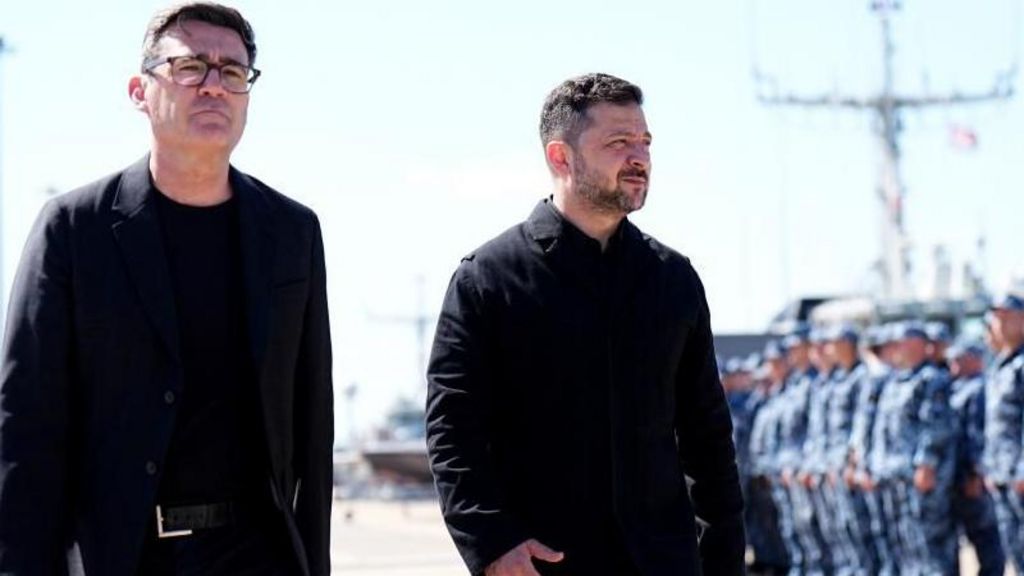
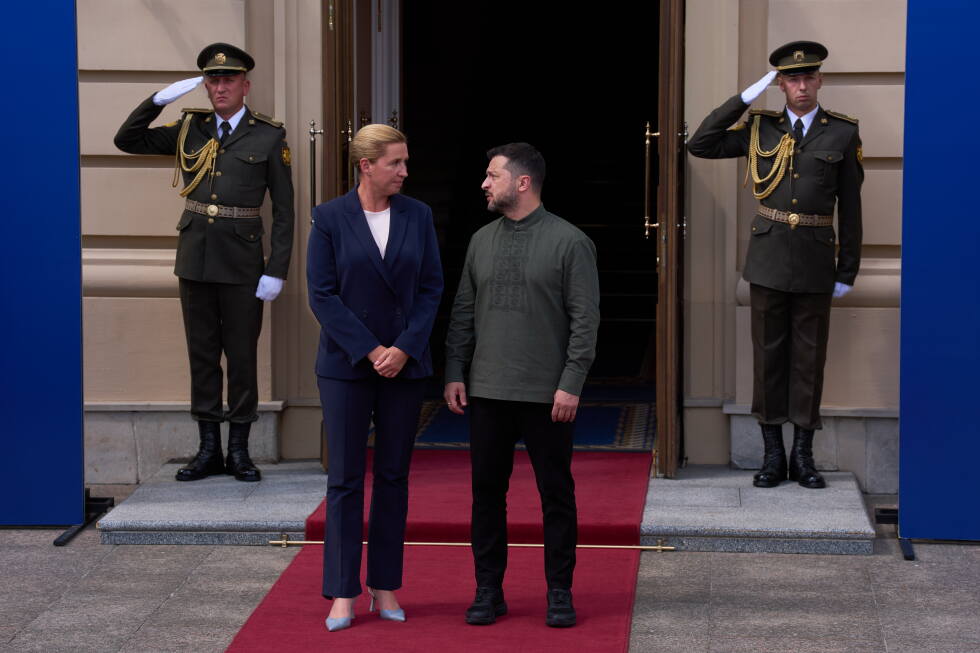
The high-stakes gathering of the so-called Coalition of the Willing, a Franco-British-led forum coordinating international support for Ukraine, is co-chaired by the leaders of Britain, France and Germany. It comes as new UK Prime Minister Andy Burnham makes his first overseas trip to Kyiv since taking office at 10 Downing Street, with other leaders joining the talks remotely and European Union Council President Antonio Costa also travelling to the Ukrainian capital for the negotiations.
Monday’s summit coincides with Ukraine’s Independence Day, which marks four and a half years since Russia launched its large-scale invasion on 24 February 2022. In pre-summit comments, Burnham underscored unwavering Western solidarity with Ukraine, saying: “Russia should be in no doubt of our resolve. We will not back down until there is a just and lasting peace.”
Diplomatic efforts to end the conflict – Europe’s largest land war since World War II – remain effectively frozen. Moscow has demanded sweeping territorial and political concessions that Kyiv has rejected as a surrender that would only set the stage for future Russian aggression.
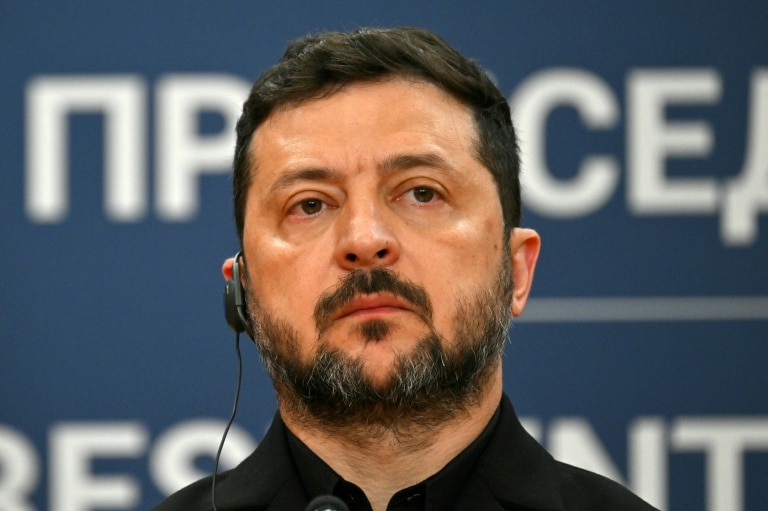
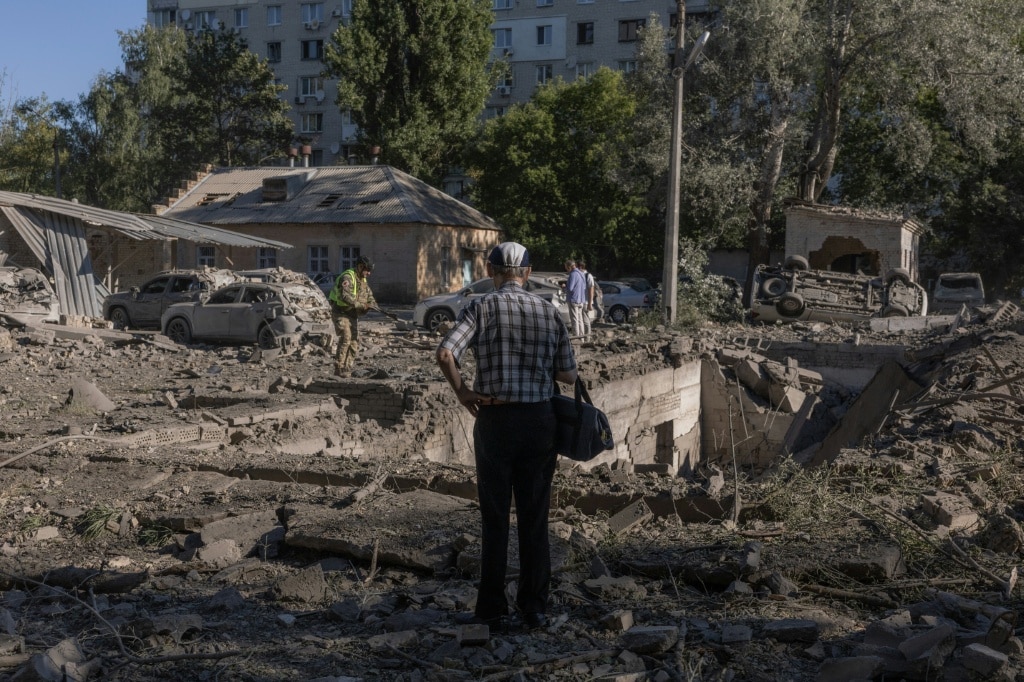
Over recent weeks, Russia has unleashed a barrage of ballistic missile attacks across Ukraine, concentrating strikes on the capital Kyiv that have reduced residential apartment blocks to rubble and killed dozens of civilians. The surge in attacks has pushed monthly civilian death tolls to levels not seen since the first three months of the 2022 invasion. After every assault, which forces tens of thousands of Kyiv residents to shelter in the city’s metro system, basements and other emergency refuges, Ukrainian President Volodymyr Zelensky has repeated urgent public appeals for expanded air defence support from the West.
As part of the summit, Burnham is set to announce that the British government will authorize defense contractor MBDA to declassify technical information needed to allow Ukraine and France to establish domestic production of long-range SCALP cruise missiles. The announcement follows a pledge from French President Emmanuel Macron over the weekend that Paris will deliver a new shipment of interceptor missiles to Ukraine. “It is crucial to provide Ukraine with all the necessary means to defend its skies and thwart this aggression,” Macron wrote on social media platform X.
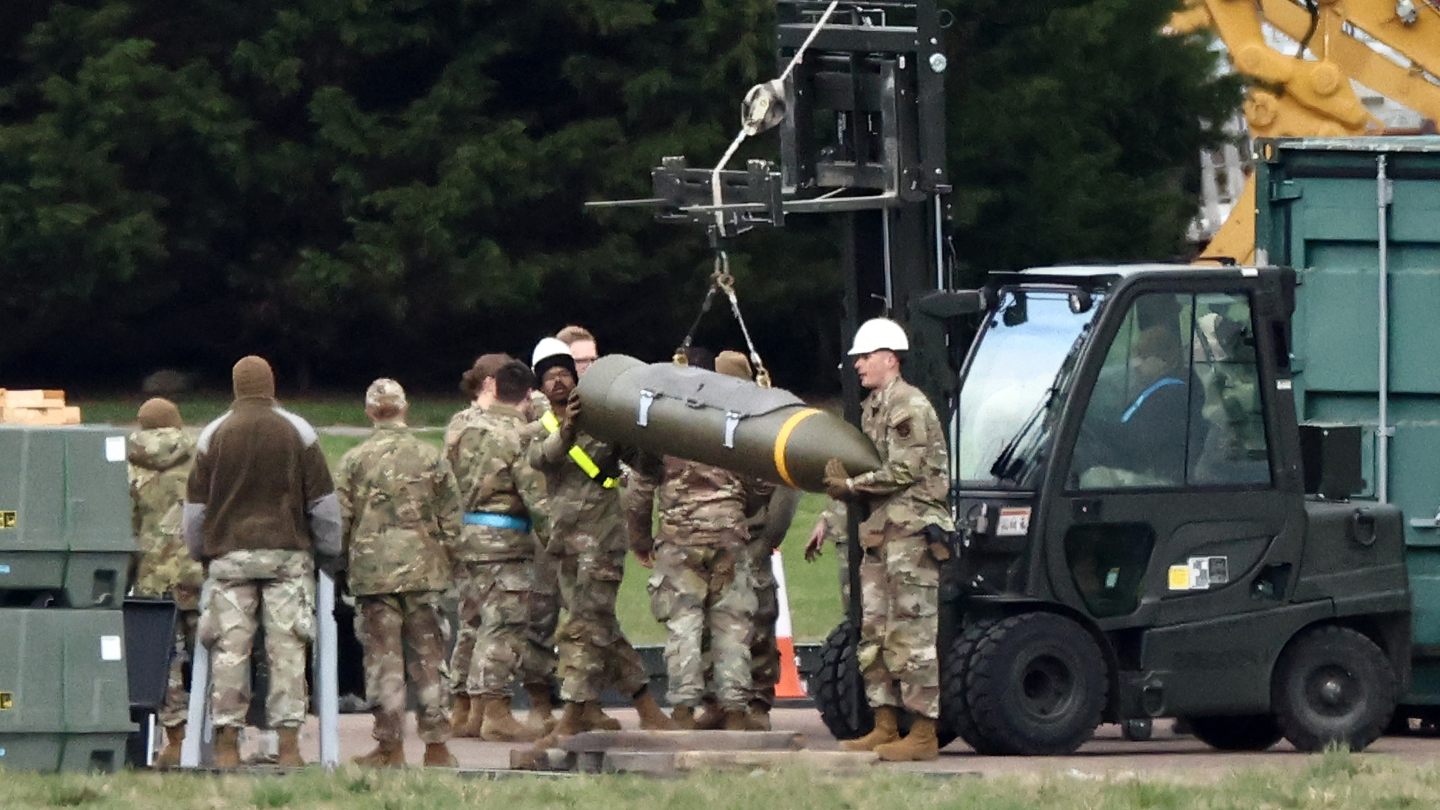
Russia’s barrage of dozens of ballistic missiles poses a uniquely difficult challenge for Ukrainian air defences: the weapons travel at extremely high speeds along a steep, high-arching trajectory that makes them far harder to intercept than slower cruise missiles or attack drones. Ukraine’s domestically produced air defence systems cannot shoot down these ballistic projectiles, leaving Kyiv almost entirely dependent on advanced Western systems – most notably US-made Patriot interceptors – to shield its population and critical infrastructure.
But global stockpiles of Patriot interceptors have been stretched thin after the United States redirected large volumes of missiles to its own military campaign against Iran, leaving Ukraine facing catastrophic shortfalls. Ahead of Monday’s summit, Zelensky publicly disclosed the extent of the deficit, revealing closely held supply figures that highlight the severity of the crisis. He told reporters that deliveries of Patriot interceptors to Ukraine have fallen by half since 2023: over the full course of 2023, Ukraine received 675 missiles, compared to just 364 in 2025, even as Russian missile strikes have increased in frequency and intensity. Current projections put 2026 deliveries at only 264 interceptors, Zelensky added, noting that Ukraine is seeking a minimum of 300 extra missiles to prepare for the coming winter, when Russia typically intensifies attacks on energy infrastructure.
The United States has been unable to meet Ukraine’s requests for larger shipments, as it prioritizes building up its own stockpiles for its ongoing campaign against Iran. By contrast, Zelensky noted that Russia maintains the industrial capacity to produce roughly 100 new ballistic missiles every month, allowing it to sustain its current high pace of strikes.
In response to the intensified Russian aerial campaign, Ukraine has stepped up its own long-range strike operations targeting Russian energy infrastructure and logistics hubs, including oil refineries and commercial storage warehouses deep inside Russian territory.
The Coalition of the Willing was originally conceived as a group of nations prepared to deploy peacekeeping troops to Ukraine if a ceasefire is reached. It has since evolved into a key coordinating forum for marshalling European support for Ukraine, filling a growing gap in commitments amid ongoing uncertainty over long-term US support for Kyiv following Donald Trump’s return to office.