分类: politics

  • Trump launches his Board of Peace, says it will work ‘in conjunction’ with UN

    Trump launches his Board of Peace, says it will work ‘in conjunction’ with UN

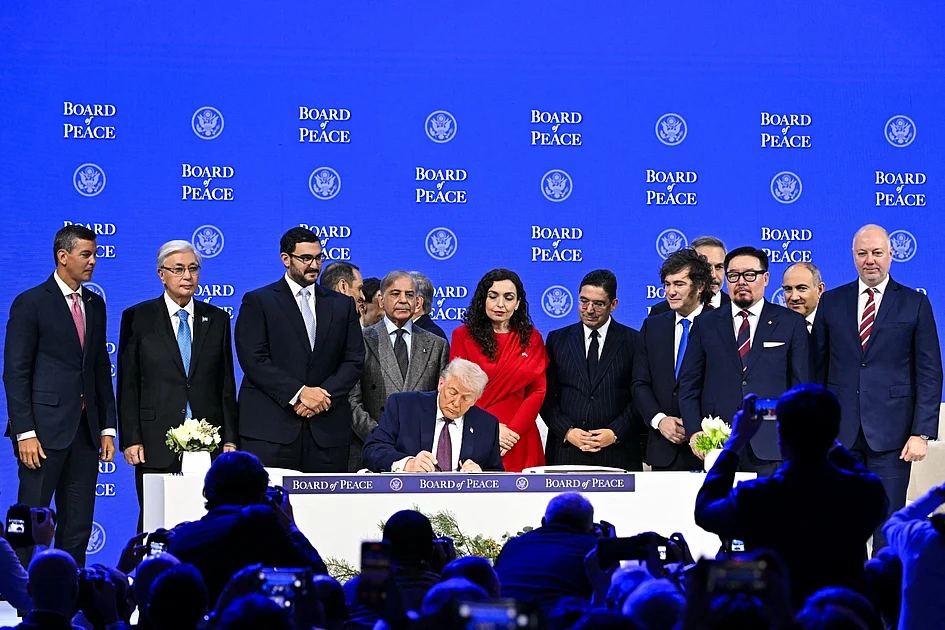
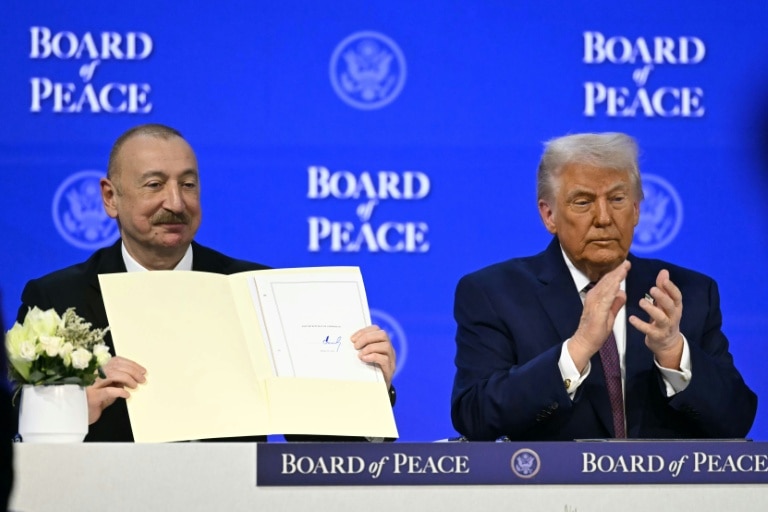
    In a significant geopolitical move at the World Economic Forum in Davos, former U.S. President Donald Trump officially inaugurated his controversial “Board of Peace” initiative on Thursday. The ceremonial signing event featured leaders and senior officials from 19 nations, including prominent Trump allies such as Argentina’s Javier Milei and Hungary’s Viktor Orbán, who collectively endorsed the organization’s founding charter.

    The newly established board, chaired by Trump himself, carries a substantial $1 billion membership fee and has sparked international debate regarding its purpose and composition. While initially conceived to oversee post-conflict peace in Gaza following the Hamas-Israel war, the board’s charter now envisions a broader mandate in resolving international disputes, raising concerns among traditional diplomatic circles about its potential to challenge the United Nations’ authority.

    Trump addressed these concerns during the launch, asserting that the organization would operate “in conjunction” with the UN rather than as a competitor. However, the membership roster has generated controversy, particularly regarding the inclusion of Russian President Vladimir Putin, despite Russia’s ongoing invasion of Ukraine. Trump confirmed Putin’s agreement to join, though the Kremlin leader stated he remains undecided.

    The initiative faced immediate diplomatic setbacks as key U.S. allies including the United Kingdom and France declined participation, expressing skepticism about the board’s legitimacy and objectives. Other signatories included representatives from Bahrain, Morocco, Armenia, Azerbaijan, Bulgaria, Indonesia, Jordan, Kazakhstan, Kosovo, Pakistan, Paraguay, Qatar, Saudi Arabia, Turkey, the United Arab Emirates, Uzbekistan, and Mongolia.

    U.S. Secretary of State Marco Rubio emphasized that the board’s primary focus would be “ensuring that the Gaza peace deal becomes enduring.” Trump delivered a stern warning to Hamas, stating they must disarm in the next phase of the ceasefire agreement or face consequences.

    The launch occurs against the backdrop of Trump’s previously expressed frustration at not receiving the Nobel Peace Prize, despite his claims of having ended multiple conflicts. Concurrently, Trump prepared to meet Ukrainian President Volodymyr Zelensky to discuss potential ceasefire negotiations regarding the ongoing Russian invasion, while his special envoy Steve Witkoff indicated substantial progress in peace talks, noting they had been narrowed to “one solvable issue.”
  • With ‘Board of Peace,’ Trump tries hand at institution-making, to wide doubt

    With ‘Board of Peace,’ Trump tries hand at institution-making, to wide doubt

    In a striking pivot from his longstanding pattern of dismantling international frameworks, President Donald Trump has unveiled his visionary ‘Board of Peace’ during the World Economic Forum in Davos, Switzerland. The initiative, however, has been met with profound skepticism from major global powers and foreign policy experts alike.

    Unlike traditional multilateral bodies such as the United Nations, this newly proposed board would operate under Trump’s direct personal authority, granting him ultimate decision-making power even beyond his presidential term. The concept originally emerged as a mechanism for Gaza conflict resolution following the October ceasefire between Israel and Hamas. Yet its scope rapidly expanded with invitations extended to Russian President Vladimir Putin—despite ongoing Ukraine tensions—and numerous nations outside conventional Middle East diplomacy circles.

    During the Davos announcement, Trump asserted the board’s potential to evolve beyond Gaza, with Secretary of State Marco Rubio touting ‘endless possibilities.’ The President repeatedly referenced his contested claim of ending eight conflicts during his current term while criticizing UN inefficiencies, noting he ‘never spoke to the United Nations about any of them.’

    Financial transparency concerns immediately surfaced as the charter revealed permanent executive board positions carrying a $1 billion membership fee. Although US officials clarified temporary members wouldn’t face this financial barrier and promised rigorous oversight, destination specifics for these funds remain undefined.

    European responses proved notably cool. Britain’s Foreign Secretary Yvette Cooper expressed reservations regarding Putin’s inclusion, while France’s outright refusal prompted Trump to threaten 200% tariffs on French wine unless President Macron participates. Several Muslim-majority nations including Saudi Arabia and Turkey offered cautious support but emphasized the board should function as a transitional administration for Gaza rather than permanent structure.

    Foreign policy veterans expressed deep reservations. Aaron David Miller of the Carnegie Endowment noted the initiative lacks ‘guiding principles that would enable serious countries to join,’ while International Crisis Group’s Richard Gowan observed the board reflects Trump’s preference for ’boutique organizations that he can control completely.’ Many experts warn that the board’s credibility hinges entirely on its success in Gaza—where ceasefire fragility and reconstruction challenges present immediate practical obstacles to its ambitious mandate.

  • Failed Afghan asylum seekers need to go back home, Sweden’s migration minister urges

    Failed Afghan asylum seekers need to go back home, Sweden’s migration minister urges

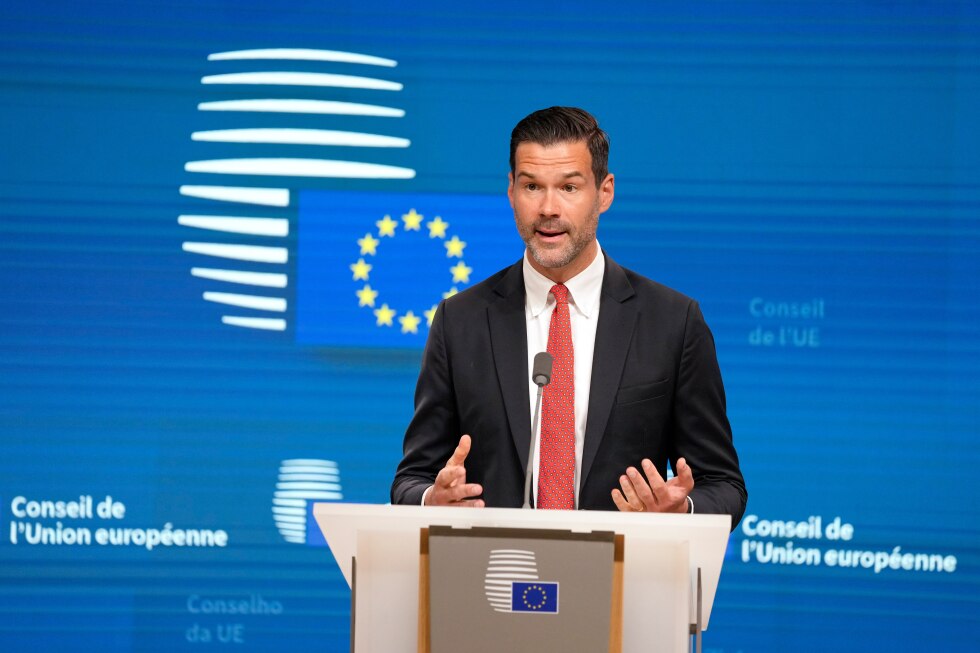
    NICOSIA, Cyprus — Sweden’s Migration Minister Johan Forssell has called for urgent European Union action to address the growing challenge of deporting Afghan nationals whose asylum claims have been rejected or who have committed crimes within EU territories. Speaking during an informal gathering of EU Justice and Home Affairs ministers in Cyprus, Forssell highlighted a critical administrative impasse: the inability to remove individuals lacking proper identification or travel documentation.

    The minister articulated a pressing concern that without functional documentation procedures, EU nations face ‘more or less impossible’ deportation scenarios. Forssell emphasized that while the EU maintains no interest in formal political engagements that might legitimize Afghanistan’s Taliban leadership, technical-level agreements remain both feasible and necessary.

    This position stems from Sweden’s direct experience with criminal cases involving Afghan nationals who cannot be expelled due to documentation gaps. ‘If you come to Europe and commit crimes, you have chosen yourself not to be part of our society,’ Forssell stated, underscoring the government’s commitment to ensuring expulsion of such individuals.

    The documentation crisis arises because most Afghan embassies in Europe operate without recognition from Taliban authorities, leaving migrants in legal limbo. Forssell revealed that the European Commission has initiated preliminary contacts with Kabul, describing these efforts as a ‘very positive first step.’ He also noted emerging consensus among multiple EU states facing parallel challenges.

    With over half of Afghan asylum seekers expected to receive rejections, Forssell warned that public support for legitimate asylum processes could erode without efficient return mechanisms. He proposed practical solutions including charter flights consolidating deportees from multiple countries.

    European Commissioner for Internal Affairs and Migration Magnus Brunner confirmed that member states are engaging with Afghanistan’s ‘effective authorities’ on technical levels to facilitate repatriations.

    The Swedish minister contextualized these efforts within his nation’s broader migration policy shift. Sweden’s historically generous asylum approach has transformed significantly in recent years, with public concern over migration-related problems contributing to the current government’s formation—a coalition that includes the hard-right, anti-immigration Sweden Democrats. Forssell reported that asylum applications have now reached their lowest level since 1985, aligning with current policy objectives.

  • Venezuela looks to petrodollars to bring down prices

    Venezuela looks to petrodollars to bring down prices

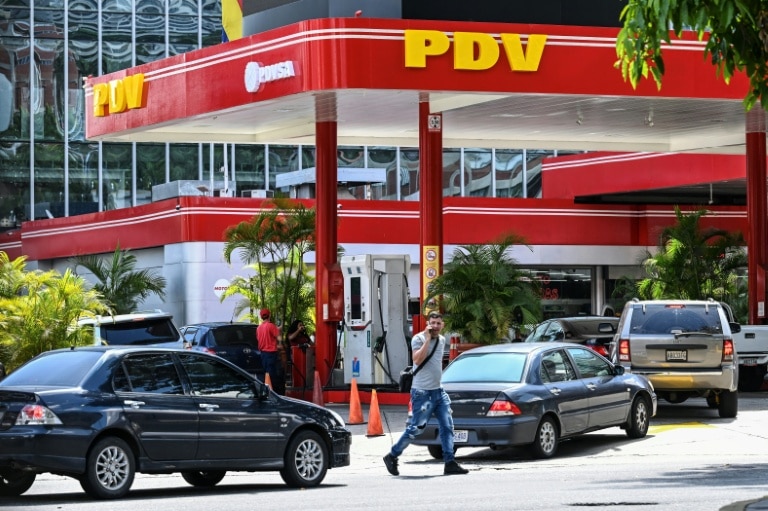
    In a strategic economic maneuver, Venezuela’s interim government is deploying petrodollar revenues to combat hyperinflation and stabilize its crippled currency. The administration under Acting President Delcy Rodriguez confirmed receiving $300 million from U.S. sales of Venezuelan crude, funds immediately channeled into bolstering the struggling bolivar.

    This dollar injection aims to narrow the widening gap between official and parallel exchange rates—a primary driver of Venezuela’s rampant inflation. Market analysts observed immediate positive effects, with currency speculation diminishing upon anticipation of the dollar influx. Alejandro Grisanti of Ecoanalitica noted that while such interventions provide temporary relief, sustainable economic recovery requires consistent dollar availability and responsible fiscal policies beyond exchange rate manipulations.

    The current economic strategy marks a continuation of policies initiated during Nicolas Maduro’s administration, when Rodriguez served as vice president. Following Maduro’s military ouster on January 3, the United States asserted control over Venezuelan oil assets, with former President Donald Trump declaring Washington ‘in charge’ of the nation’s oil revenues.

    Parliament has begun debating Rodriguez’s proposal to open Venezuela’s nationalized oil sector to private investment—a significant policy shift for the traditionally socialist nation. Meanwhile, ordinary Venezuelans face unbearable hardships with monthly minimum wages and pensions equivalent to merely 40 US cents, forcing pensioners to choose between hunger and untreated illness according to union leader Josefina Guerra.

  • Exclusive: UK confirms phone call between Cameron and ICC’s Karim Khan

    Exclusive: UK confirms phone call between Cameron and ICC’s Karim Khan

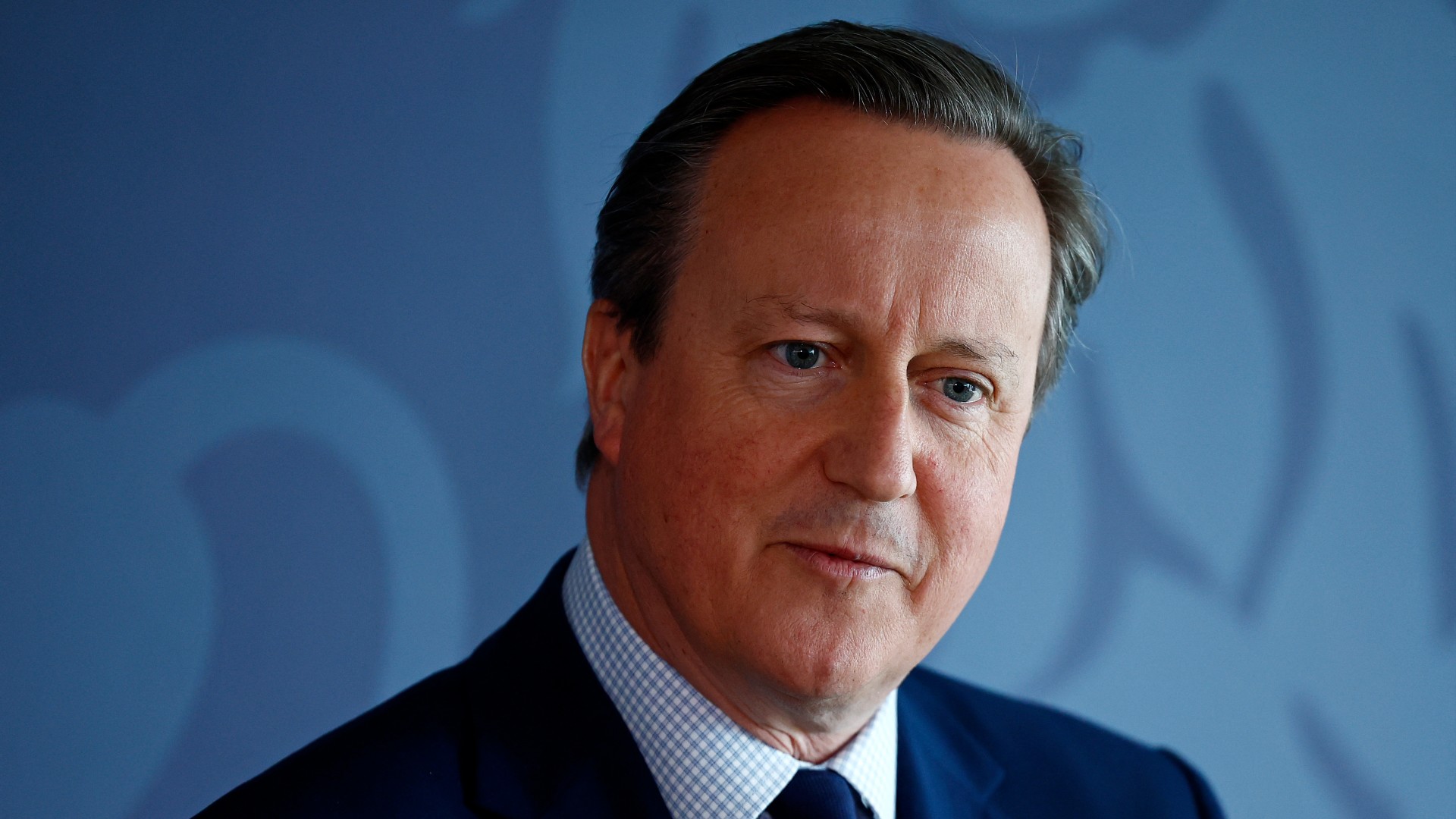
    The British government has officially acknowledged a contentious April 2024 telephone conversation between then-Foreign Secretary David Cameron and International Criminal Court Chief Prosecutor Karim Khan, marking the first formal confirmation of the exchange that allegedly involved threats over the ICC’s Gaza investigation.

    The disclosure emerged through a Freedom of Information request filed by Unredacted, a national security research unit at the University of Westminster. In a January 2026 response letter, the Foreign Office’s Information Rights Unit stated: “The then Foreign Secretary, David Cameron, was the only person present on the call on 23 April 2024 with Karim Khan.”

    This confirmation follows Prosecutor Khan’s recent statement to the ICC alleging that a “senior British official” threatened to withdraw UK funding from the court during the April 23rd conversation. The call occurred during a critical period—one month before Khan sought arrest warrants against Israeli Prime Minister Benjamin Netanyahu and Defense Minister Yoav Gallant, and coincided with intensifying international pressure regarding the Gaza war crimes investigation.

    According to Middle East Eye’s previous reporting, which cited sources including former staff in Khan’s office who had seen meeting minutes, Cameron allegedly characterized the potential warrants as “like dropping a hydrogen bomb.” The former prime minister reportedly argued that while prosecuting Russia for Ukrainian aggression was justified, targeting Israel during its “self-defense” against October 7th attacks was fundamentally different. Cameron purportedly warned that the warrants would have “profound implications” in Britain and within his Conservative Party, threatening defunding and withdrawal from the Rome Statute if proceedings moved forward.

    Professor Sam Raphael, International Relations and Human Rights expert at the University of Westminster, stated: “This raises serious questions about the role of a senior minister in threatening the impartiality of the ICC, especially given the myriad forms of military, intelligence and diplomatic support provided by the UK to Israel at the time.”

    Legal experts consulted by MEE suggest Cameron’s alleged conduct may constitute an attack on judicial independence and potentially violate both the Rome Statute and British law regarding obstruction of justice. Two British MPs have subsequently called for Prime Minister Keir Starmer to initiate an independent investigation into the allegations, noting that any attempted coercion of the ICC could breach Article 70 of the Rome Statute prohibiting interference with justice administration.

    The ICC continues to face significant external pressure, particularly from Israel and the United States, since Khan’s decision to pursue warrants. The Trump administration has imposed financial and visa sanctions against Khan, his deputies, six judges, and Palestinian entities connected to the investigation, while threatening further measures against the court itself.

    ICC judges are currently reviewing an Israeli challenge to the court’s jurisdiction over Palestine and a separate complaint questioning the prosecutor’s impartiality. Khan has been on voluntary leave since May 2025 pending a UN investigation into unrelated sexual misconduct allegations, which he vigorously denies.

  • Iran says 3,117 people killed during nationwide protests

    Iran says 3,117 people killed during nationwide protests

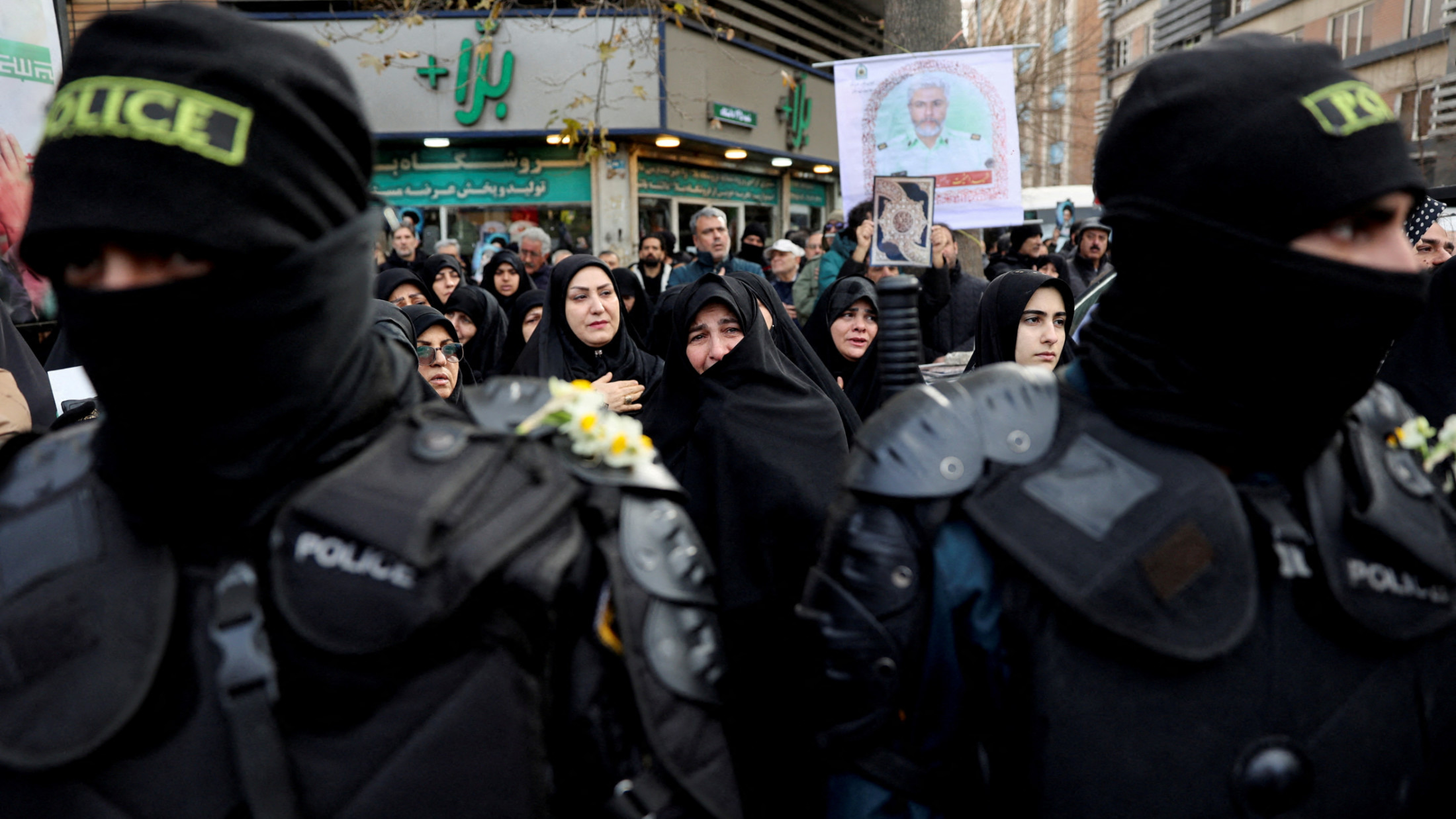
    Iranian authorities have officially acknowledged 3,117 fatalities resulting from the nationwide anti-government demonstrations that commenced in late December. The protests erupted against a backdrop of severe economic deterioration and the unprecedented devaluation of the national currency.

    According to a declaration from Iran’s Martyrs Foundation, 2,427 of the deceased were classified as ‘martyrs,’ comprising security personnel and innocent civilians caught in the unrest. The remaining casualties were identified as protesters. This official disclosure contrasts sharply with assessments from international human rights organizations, which allege significantly higher casualty figures and accuse security forces of employing excessive, lethal force against demonstrators.

    Amiry-Moghaddam, a co-founder of the Oslo-based Iran Human Rights NGO, provided disturbing accounts in a recent video interview with Middle East Eye, claiming that security personnel executed wounded individuals with headshots. These allegations are reinforced by data from the US-based Human Rights Activists News Agency (Hrana), which documented a death toll of 4,519. Their investigation details 4,251 protesters, 197 security personnel, 35 children, and 38 bystanders among the fatalities, with an additional 9,049 deaths under ongoing scrutiny. Hrana further reported at least 26,314 arrests and 5,811 individuals sustaining serious injuries.

    Iranian leadership has consistently refuted accusations of security force brutality, instead attributing the unrest to foreign interference. Senior military officials, including Armed Forces Chief of Staff Abdolrahim Mousavi, have accused the United States and Israel of deploying ISIS-affiliated mercenaries within Iran to attack both civilians and security forces. This rhetoric was amplified by Islamic Revolutionary Guard Corps Commander General Mohammad Pakpour, who issued a stark warning to Israel and the US against ‘miscalculations,’ asserting that his forces had their ‘finger on the trigger.’

    These developments unfolded alongside heightened international discourse on Iran. Israeli President Isaac Herzog publicly advocated for regime change in Iran during an address at the World Economic Forum in Davos. Concurrently, US President Donald Trump indicated a openness to diplomatic negotiations with Tehran, stating that the initiative originated from Iranian officials and that Washington was prepared to engage.

  • France seizes suspected Russian ‘shadow fleet’ oil tanker in the Mediterranean

    France seizes suspected Russian ‘shadow fleet’ oil tanker in the Mediterranean

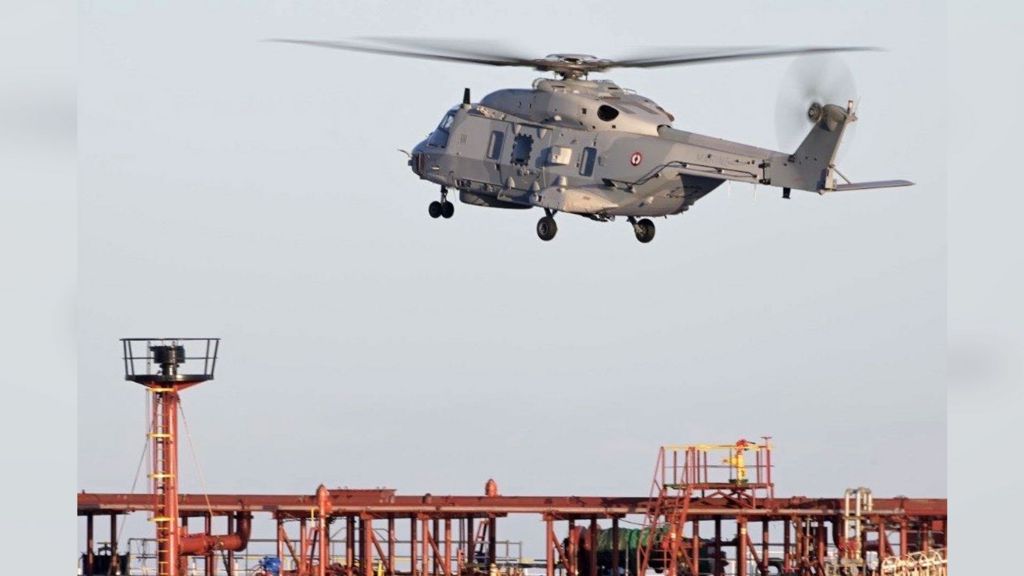
    In a significant multinational operation, French naval forces have intercepted and seized the oil tanker ‘Grinch’ in the Mediterranean Sea, alleging the vessel constitutes part of Russia’s clandestine ‘shadow fleet’ designed to circumvent Western sanctions. The operation, conducted with British military support between the coasts of Spain and Morocco, represents the latest escalation in Western efforts to disrupt Russia’s oil revenue streams financing its war in Ukraine.

    French President Emmanuel Macron announced the seizure via social media platform X, stating the vessel was ‘subject to international sanctions and suspected of flying a false flag.’ Maritime authorities confirmed subsequent inspections validated suspicions regarding the vessel’s fraudulent registration credentials. The Grinch had been sailing under the flag of Comoros, a known practice among sanction-evading vessels seeking to obscure their true ownership and operations.

    According to French officials, the tanker originated from Murmansk, Russia’s crucial Arctic port, before being intercepted. The UK Ministry of Defence acknowledged providing ‘tracking and monitoring’ assistance through HMS Dagger, which surveilled the vessel transiting the Strait of Gibraltar. British Defence Secretary John Healey emphasized the collaborative effort aims to ‘choke off the funds that fuel Putin’s illegal invasion of Ukraine.’

    Russia’s Paris embassy reported receiving no formal notification regarding the seizure, potentially setting the stage for diplomatic tensions. This incident follows similar recent actions, including a late 2023 French seizure of another sanctioned tanker and a January 2024 joint UK-US operation against a Russian-flagged vessel in the Atlantic.

    Ukrainian President Volodymyr Zelensky enthusiastically endorsed the interception, calling for even more aggressive measures including confiscation and sale of illicit oil cargoes. Speaking from Davos, Zelensky challenged European nations to move beyond discussion and demonstrate concrete action against Russian sanction evasion.

    The emergence of shadow fleets has become a pervasive challenge in global maritime security, with financial intelligence firm S&P Global estimating approximately 20% of worldwide oil tankers now participate in smuggling operations for sanctioned nations including Russia, Iran, and Venezuela.

  • China’s disciplinary bodies penalize over 3,700 staff in 2025

    China’s disciplinary bodies penalize over 3,700 staff in 2025

    China’s top anti-corruption authorities have demonstrated rigorous self-policing within their ranks, with latest figures revealing substantial disciplinary actions against internal personnel throughout 2025. According to official data released by the Communist Party of China Central Commission for Discipline Inspection and the National Supervisory Commission, disciplinary inspection and supervision organs nationwide initiated cases against 4,119 of their own cadres during the year.

    The comprehensive enforcement effort resulted in disciplinary and administrative penalties for 3,763 officials, while 234 cases involving serious legal violations were transferred to judicial organs for criminal investigation. The scale of public oversight was equally significant, with these bodies receiving more than 40,200 reports concerning disciplinary inspection and supervision officials, of which over 35,000 were formally processed through established channels.

    Notably, the enforcement actions reached across all administrative levels, including four provincial and ministerial-level officials, 116 prefectural and bureau-level cadres, and 746 county and division-level personnel. The disciplinary bodies employed China’s sophisticated “Four Forms” of supervision and enforcement mechanism to address approximately 13,900 cadres through graduated interventions.

    The tiered approach to discipline enforcement saw 9,937 cases handled through the first form (criticism, education and rectification), 3,217 through the second form (organizational adjustments or minor penalties), 465 through the third form (heavy sanctions or significant post adjustments), and 282 through the fourth form (transfer to judicial organs for serious criminal violations). This structured methodology reflects China’s systematic approach to maintaining integrity within its anti-corruption apparatus through preventive measures and graduated sanctions.

  • Israel president says Iran’s future ‘can only be regime change’

    Israel president says Iran’s future ‘can only be regime change’

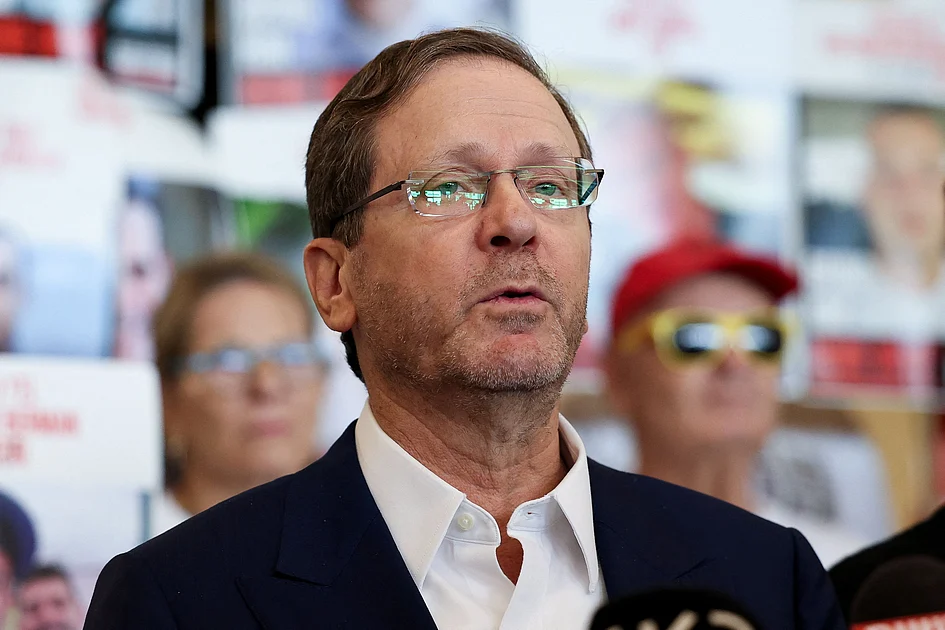
    Israeli President Isaac Herzog has declared that regime change represents the only viable future for Iran, following widespread anti-government demonstrations that faced severe suppression. Speaking at the World Economic Forum in Davos on Thursday, Herzog characterized Iran’s clerical leadership as “fragile” and expressed solidarity with Iranian citizens demanding political transformation.

    The protests, initially triggered by economic discontent in late December, rapidly evolved into a broader movement challenging the theocratic establishment that has governed Iran since the 1979 Islamic Revolution. While demonstrations peaked in early January, activists report they have since diminished due to intense security measures and nationwide internet restrictions.

    Herzog emphasized international responsibility, stating that supporting Iran’s transition must involve both the Iranian people and the global community. His comments align with Israel’s longstanding opposition to Iran’s government, though he stopped short of advocating direct intervention.

    Iranian authorities acknowledged 3,117 fatalities during the unrest, though independent activists contend the actual death toll is significantly higher. This confrontation occurs against the backdrop of renewed regional tensions, including last year’s 12-day conflict between Iran and Israel that involved Israeli strikes on Iranian nuclear facilities.

    Tehran has previously accused Israel of attempting to destabilize national unity, particularly following statements by Israeli Prime Minister Benjamin Netanyahu expressing support for Iranian protesters. The exchange highlights the deepening geopolitical rift between the two Middle Eastern powers.

  • Trump says Putin accepted to join his ‘Board of Peace’

    Trump says Putin accepted to join his ‘Board of Peace’

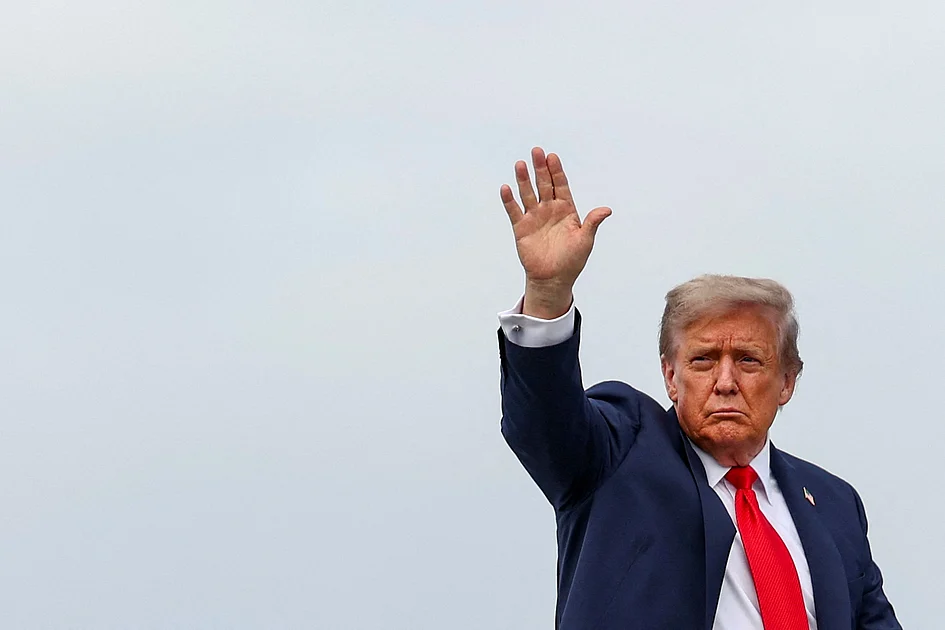
    In a significant geopolitical development, former US President Donald Trump announced at the World Economic Forum in Davos that Russian President Vladimir Putin has agreed to join his proposed ‘Board of Peace’ initiative. This declaration comes despite the Kremlin maintaining that it is still evaluating the invitation.

    Trump confidently stated to international media, ‘He was invited, he’s accepted. Many people have accepted,’ referencing his vaguely defined consortium of world leaders. The initiative, which has drawn skepticism from traditional U.S. allies, reportedly requires a $1 billion contribution for a permanent seat on the board.

    Contradicting Trump’s straightforward assertion, President Putin provided a more measured response during a televised government meeting in Moscow. He revealed that he has instructed the Russian Foreign Ministry to thoroughly analyze the proposal and consult with strategic partners before formulating an official reply.

    In a strategically calculated move, Putin suggested that Russia could fund the billion-dollar membership fee using assets previously frozen by the previous American administration. Furthermore, he proposed these same frozen assets could be allocated to reconstruct territories damaged by hostilities, contingent upon the successful conclusion of a peace agreement between Russia and Ukraine.

    The ‘Board of Peace,’ initially conceptualized to oversee Gaza’s reconstruction, appears to have expanded its purported scope according to its charter. The initiative now seemingly positions itself as a potential rival to established international organizations like the United Nations, drawing criticism from several European nations including France.