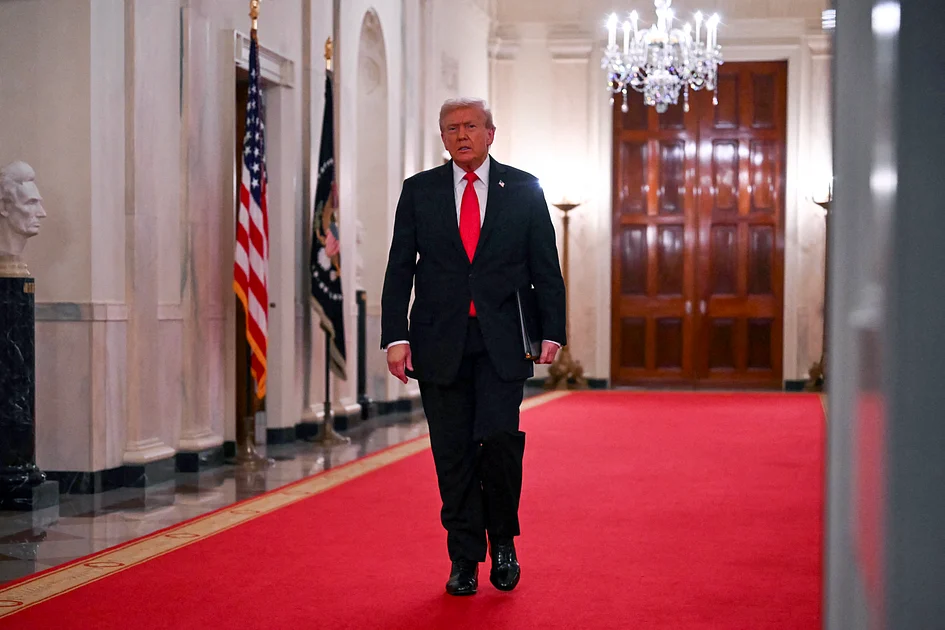
Former US President Donald Trump issued a stark warning to Hamas on Thursday, threatening military intervention if the group continues to target civilians in Gaza. Speaking on his social media platform, Truth Social, Trump emphasized that such actions violate the terms of a prior ceasefire agreement with Israel. ‘If Hamas persists in killing people in Gaza, which was not part of the Deal, we will have no choice but to go in and eliminate them,’ he declared. This statement comes amid escalating tensions in the region following recent attacks on Palestinian civilians. Trump’s remarks underscore his hardline stance on foreign policy and his willingness to employ military force to address perceived threats. The situation has drawn global attention, with many nations closely monitoring developments in the volatile Gaza Strip.
分类: politics
-
Trump says to meet Putin in Hungary
US President Donald Trump revealed on Thursday that he will hold a face-to-face meeting with Russian President Vladimir Putin in Budapest, Hungary. The announcement followed a phone conversation between the two leaders, which Trump described as “very productive.” The primary focus of their discussion was the ongoing Russia-Ukraine conflict, with both leaders aiming to explore pathways toward resolution. Additionally, they delved into the potential for future trade relations between the United States and Russia once the conflict subsides. Trump expressed optimism about the progress made during their call, stating, “I believe great progress was made with today’s telephone conversation.” The upcoming meeting in Budapest is expected to further solidify diplomatic efforts to address the crisis and potentially pave the way for economic collaboration.
-
The ‘shadow army’ helping Uganda’s long-serving president keep an iron grip on power
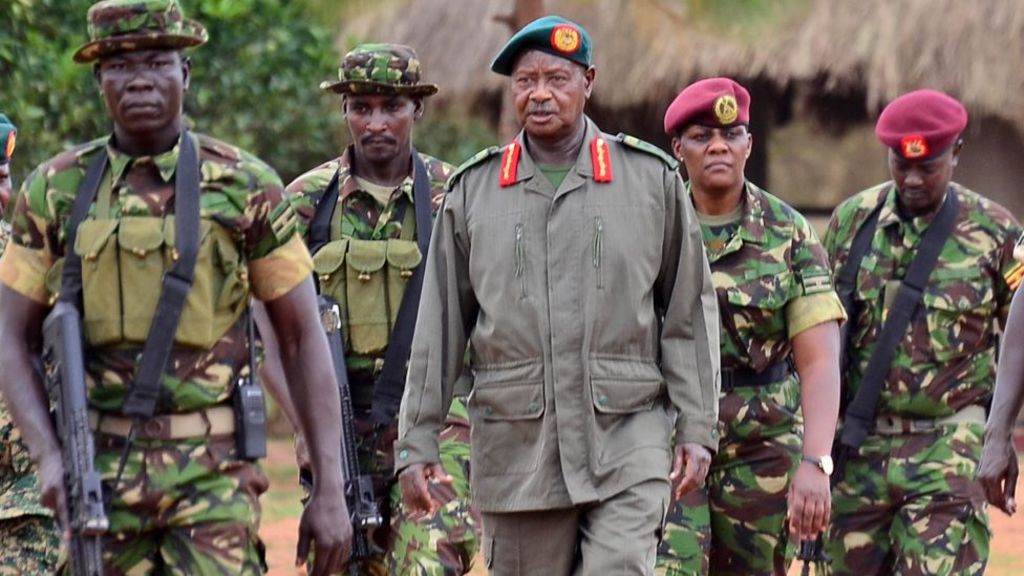
Uganda’s political landscape is increasingly dominated by the Special Forces Command (SFC), an elite military unit that critics describe as a private army for President Yoweri Museveni and his family. Museveni, who has ruled Uganda since 1986, is now in his sixth term following the controversial 2021 election. The SFC, commanded for years by Museveni’s son, General Muhoozi Kainerugaba, has been accused of abducting, torturing, and killing opposition activists, raising fears of its role in suppressing dissent and ensuring the continuation of the Museveni dynasty. The SFC, established when Museveni first took office, is highly trained, well-equipped, and operates with significant autonomy, often described as a ‘shadow army’ answerable only to the president and his son. Its influence has grown to rival that of the regular army, leading to concerns of a potential power struggle in the post-Museveni era. Critics argue that the SFC’s elevation to an official military service in June 2023 legitimizes its role in political oppression. Meanwhile, opposition leaders like Bobi Wine have condemned the unit as a ‘torture squad’ responsible for regime survival through brutality. As Museveni seeks re-election in 2024, the SFC’s role in maintaining his grip on power remains a contentious issue, with analysts warning of potential instability in Uganda’s future.
-
Dozens appear in court for supporting Palestine Action with thousands still waiting for trials
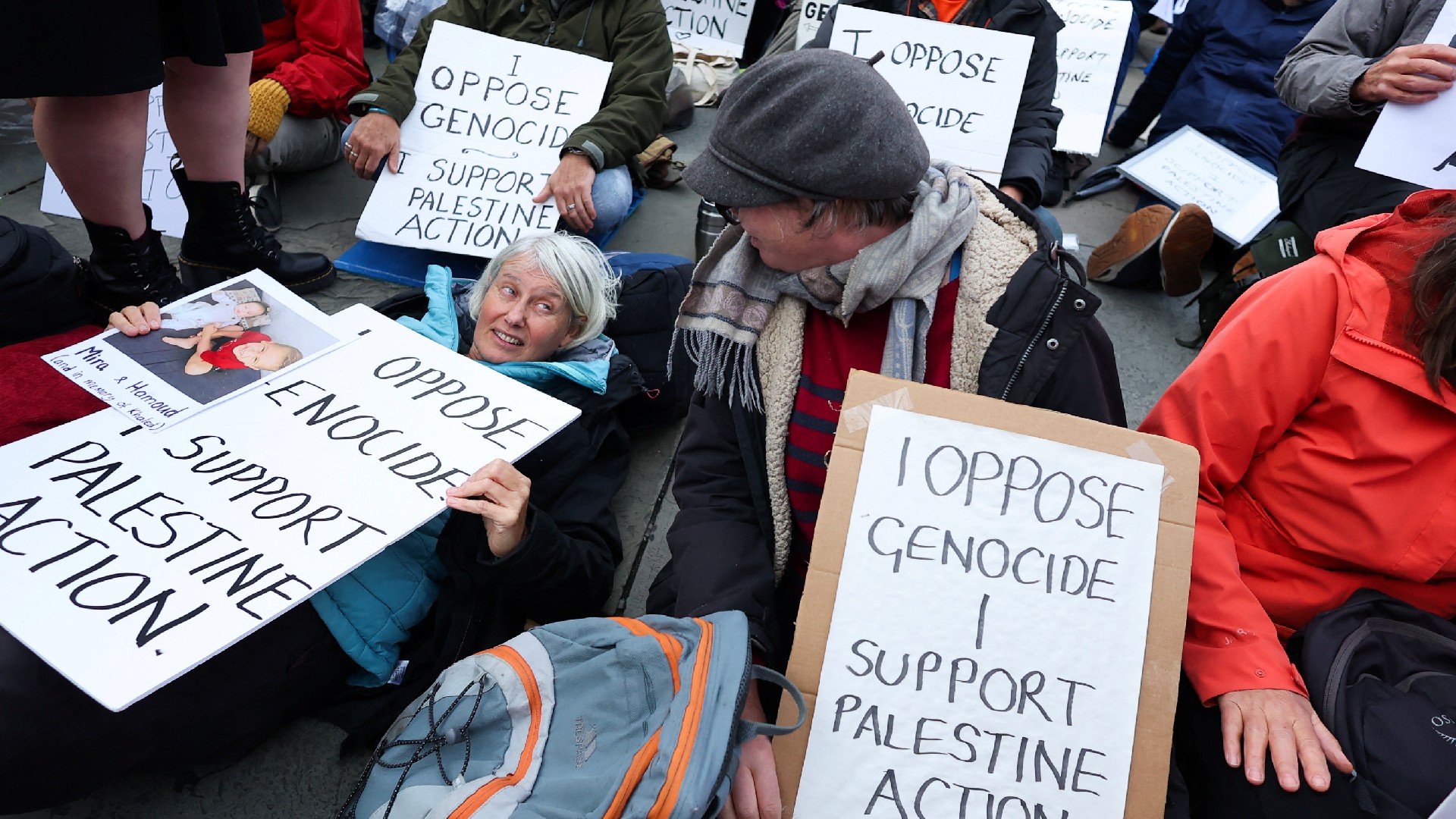
The Westminster Magistrates Court in London has become the epicenter of a legal storm as dozens of individuals face terrorism charges for expressing support for the proscribed group Palestine Action. The preliminary hearings, spanning two days, saw judges grappling with an unprecedented caseload of approximately 2,100 defendants. These individuals are accused of holding cardboard signs that read, “I oppose genocide, I support Palestine Action,” an act now classified as a low-level terrorism offense under UK law, punishable by up to six months in prison. The hearings on Thursday addressed 28 cases, with many defendants being elderly pensioners. Former government lawyer Tim Crosland highlighted the strain on the judicial system, stating, “You’ve got very few judges, very few courts that are equipped to deal with this very extraordinary regime.” The majority of defendants were arrested during initial protests in July, challenging the government’s decision to proscribe Palestine Action under anti-terror laws. This designation, enacted on July 4 following an incident at RAF Brize Norton, places Palestine Action in the same category as groups like al-Qaeda and the Islamic State. Support for the group is now a criminal offense, carrying a potential 14-year prison sentence. The legal proceedings have been further complicated by an ongoing challenge to the proscription, which could potentially overturn the ban and nullify many prosecutions. Judge Snow has proposed a plan to manage the overwhelming number of cases, scheduling at least two trials daily for 10 defendants starting March 23, totaling around 400 trials. However, this plan has been criticized by lawyers and defendants who argue it undermines the right to a fair trial. The situation has sparked concerns about the erosion of democratic rights, with Crosland warning, “The sorts of things that are being suggested go against yet another democratic right, which is the right to a fair trial and a fair hearing.”
-
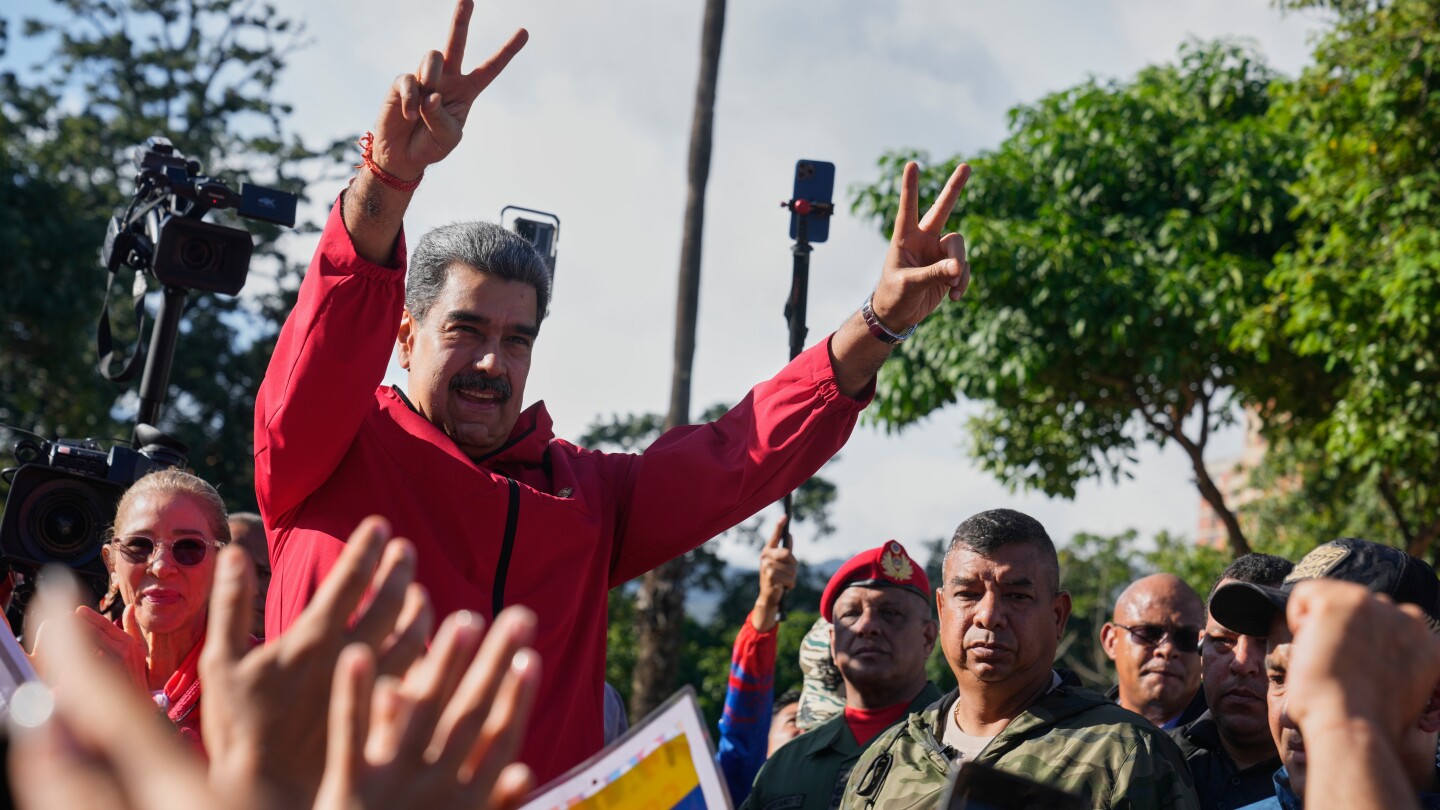
Venezuela floated a plan for Maduro to slowly give up power, but was rejected by US, AP source says
In a bid to alleviate escalating U.S. pressure, Venezuelan government officials have reportedly proposed a plan for President Nicolás Maduro to step down from power within three years, according to a former Trump administration official. The plan, which was swiftly rejected by the White House, suggests Maduro would hand over authority to Vice President Delcy Rodríguez, who would complete his current term until January 2031 without seeking re-election. The U.S. administration dismissed the proposal, citing ongoing concerns over the legitimacy of Maduro’s rule and accusations of Venezuela operating as a narco-terrorist state.
-
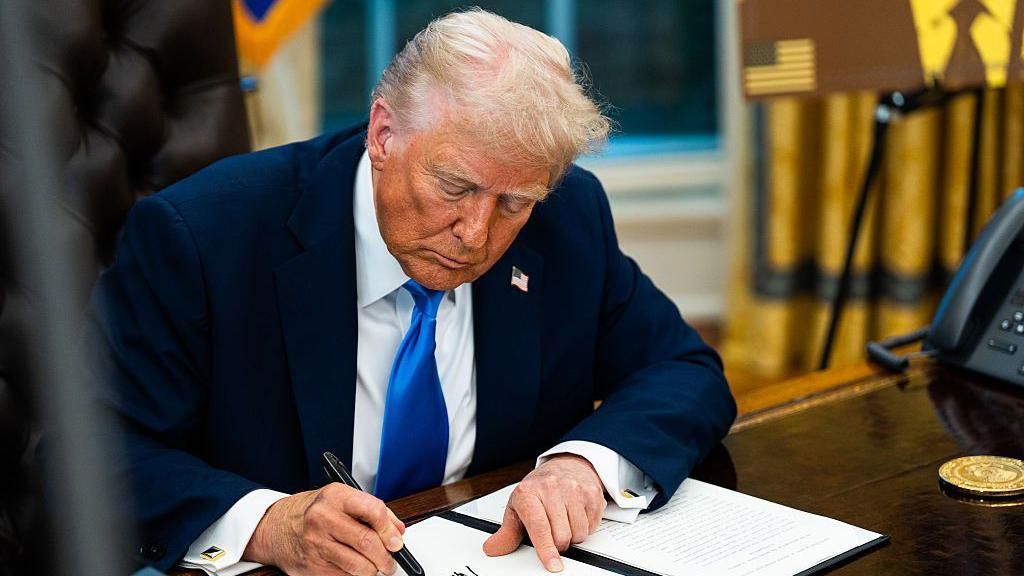
Trump administration sued over $100K fee for skilled worker visas
The US Chamber of Commerce has initiated legal action against the Trump administration’s newly imposed $100,000 fee on H-1B visas, a program designed for skilled foreign workers. Neil Bradley, Chief Policy Officer of the Chamber, criticized the fee, stating it would render the program financially unfeasible for American employers. The fee was introduced via an executive order signed by President Trump last month, who claimed the visa program had been misused and detrimental to the American workforce. The H-1B visa is particularly vital for the US tech industry, utilized extensively by both large corporations and small startups. The White House defended the fee, labeling it as a lawful and essential step towards reforming the visa program. This fee applies exclusively to new visa applications and mandates payment for entry. The decision has sparked criticism from tech leaders, including Elon Musk, Satya Nadella, and Sundar Pichai, who themselves began their careers in the US on H-1B visas. They argue that the program is crucial for attracting global talent. Concurrently, Trump introduced a ‘gold card’ initiative, offering expedited visas to certain immigrants in exchange for fees starting at £1 million. The Chamber of Commerce contends that the fee would severely harm American businesses, potentially leading to increased labor costs or reduced hiring of skilled workers. Despite this, the Chamber acknowledged Trump’s broader economic agenda positively. US Commerce Secretary Howard Lutnick supported the fee, suggesting companies should assess the value of retaining foreign workers against the cost. The majority of H-1B visa holders originate from India and China. Tech companies assert that these workers are not easily replaceable by American labor. White House spokesperson Taylor Rogers emphasized that the administration’s measures aim to prevent the suppression of American wages.
-
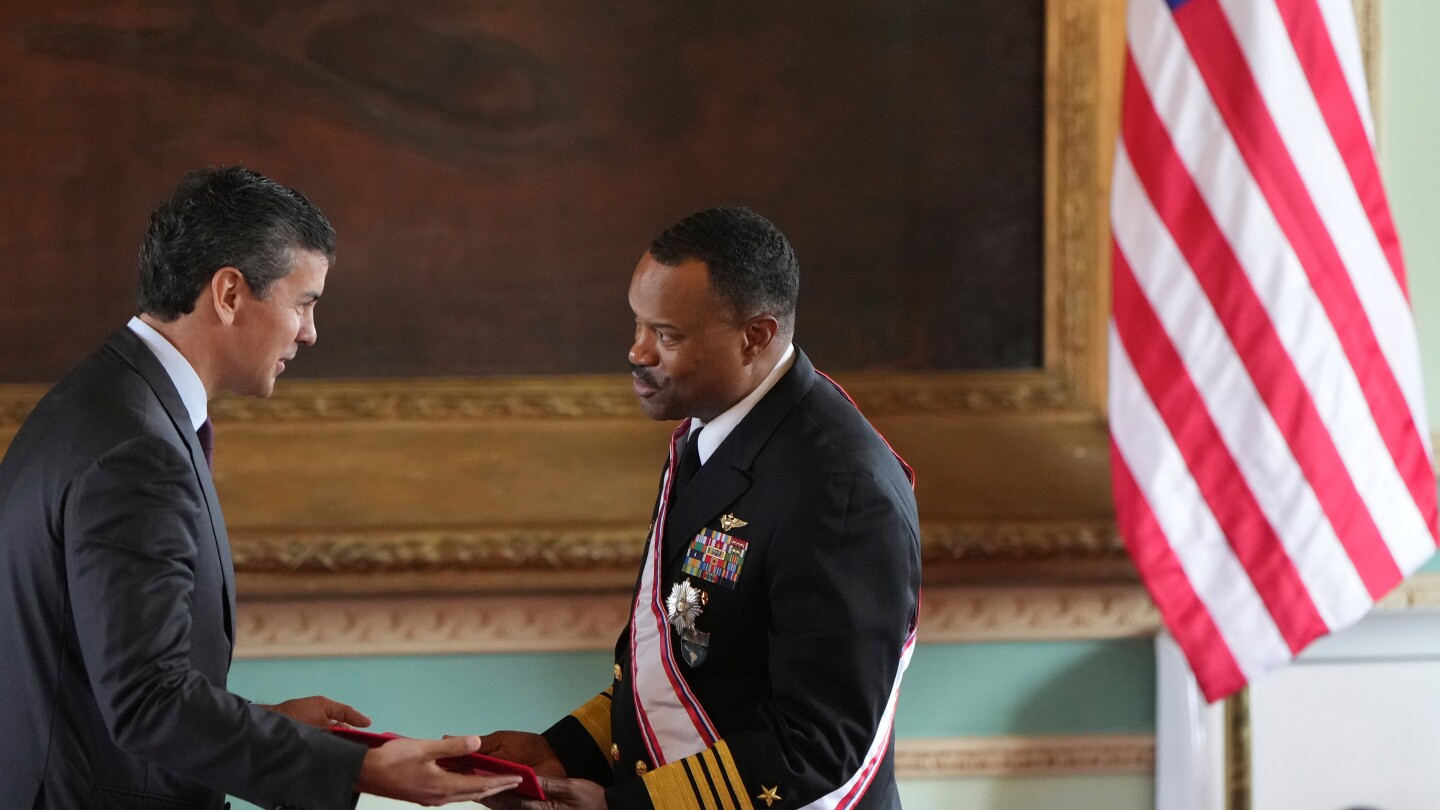
US commander overseeing fatal strikes against alleged drug boats off Venezuela will retire
Admiral Alvin Holsey, the head of U.S. Southern Command, has announced his retirement, set for December, following a tenure marked by contentious military operations in the Caribbean and off the coast of South America. Holsey, who assumed leadership in November, oversees a region that includes the Caribbean Sea and South American waters. His departure comes just two days after the U.S. military conducted its fifth deadly strike in the Caribbean against a small vessel accused of drug trafficking. The Trump administration has labeled alleged drug traffickers as ‘unlawful combatants,’ justifying the use of military force. This approach has sparked growing frustration on Capitol Hill, with Republicans demanding more information on the legal basis for the strikes, while Democrats argue they violate both U.S. and international law. In a statement on the command’s Facebook page, Holsey expressed pride in his 37 years of service, emphasizing the contributions of the SOUTHCOM team to national defense. Defense Secretary Pete Hegseth also praised Holsey’s dedication in a social media post, thanking him for his decades of service. The Pentagon has not provided further details, referring inquiries to Hegseth’s statement. The New York Times first reported Holsey’s retirement plans.
-
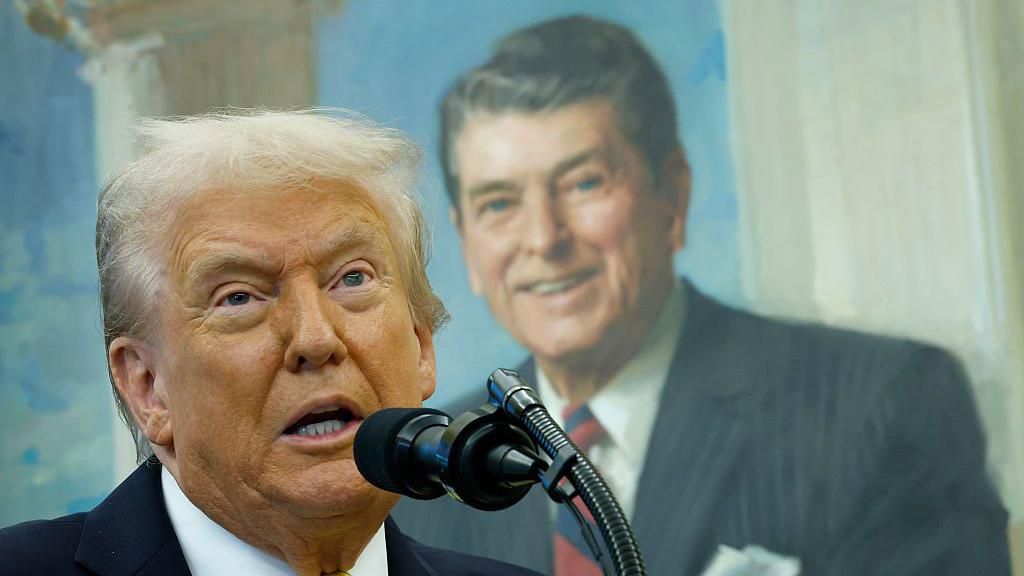
What could the CIA do on Trump’s orders in Venezuela?
In a rare public acknowledgment, U.S. President Donald Trump has confirmed his authorization of covert CIA operations in Venezuela, a move typically shrouded in secrecy. This presidential finding grants the CIA broad authority to conduct activities in the region, including targeted strikes against suspected drug traffickers and efforts to destabilize or overthrow the regime of Nicolás Maduro. Such authorizations, historically used to support foreign policy objectives and national security, have previously led to drone strikes, funding for insurgencies, and even regime changes in other countries. While these operations must be reported to congressional intelligence committees, they do not require legislative approval, leaving significant discretion to the president. Former CIA officials note that the scope of these actions can vary widely, from targeted killings to covert influence campaigns, with historical precedents in Latin America and beyond. Critics, however, caution against the potential risks and ethical dilemmas posed by such interventions, citing past U.S. actions in countries like Nicaragua, Afghanistan, and Syria. The specifics of the current authorization remain unclear, leaving open questions about its implementation and long-term implications.
-
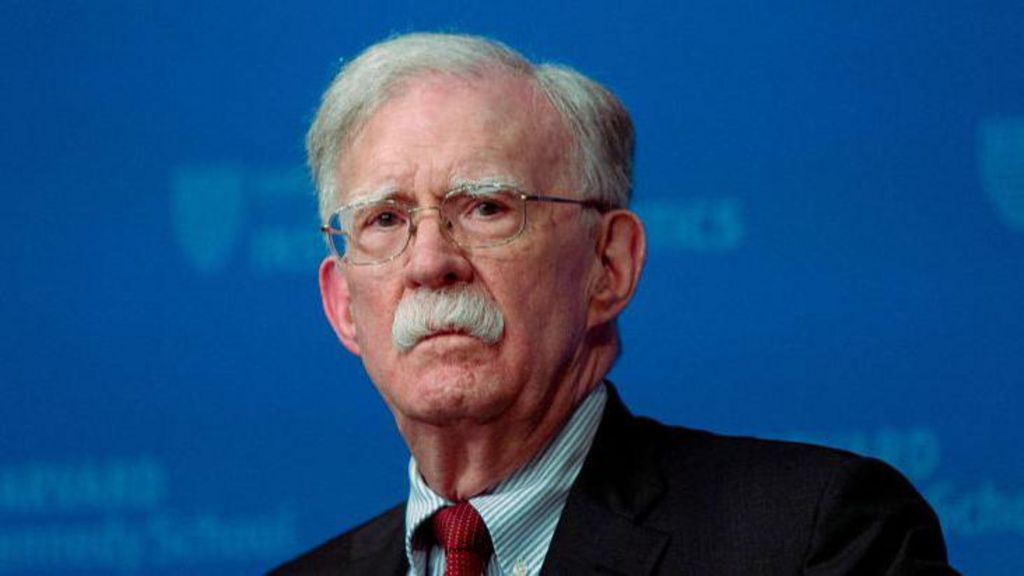
Former Trump adviser John Bolton criminally indicted
John Bolton, the former national security adviser to Donald Trump and a prominent critic of the president, has been indicted on federal charges. The Department of Justice presented evidence to a grand jury in Maryland, which concluded that there was sufficient grounds to proceed with the indictment. This development follows an FBI investigation into Bolton’s handling of classified information, which included searches of his home and office in August. Bolton, 76, is the third of Trump’s political opponents to face criminal charges in recent weeks, joining former FBI Director James Comey and New York Attorney General Letitia James. Bolton has denied any wrongdoing, and his attorney, Abbe Lowell, has maintained that Bolton handled records appropriately. Bolton was dismissed from Trump’s administration in 2019 and later published a memoir, *The Room Where It Happened*, which criticized Trump’s leadership and decision-making. The White House attempted to block the book’s publication, citing concerns over classified information, but a judge allowed its release. The Justice Department subsequently launched an investigation into Bolton’s alleged mishandling of sensitive material. When questioned about the indictment, Trump distanced himself from the case but labeled Bolton as ‘a bad guy’ and previously called him ‘grossly incompetent’ and ‘a liar.’ The indictment adds to the growing list of Trump critics facing legal challenges, raising concerns about the politicization of justice in the U.S.
-
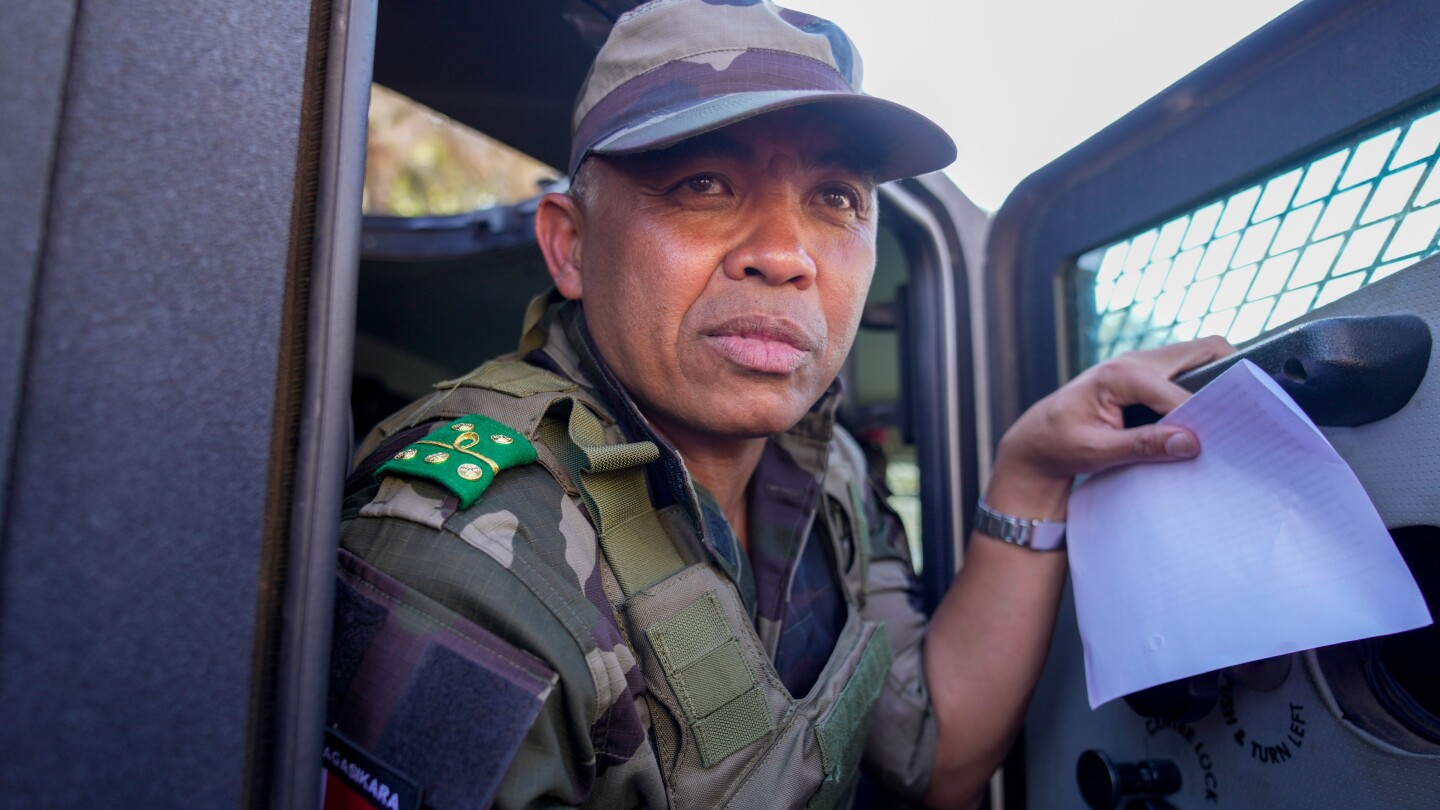
UN condemns military takeover in Madagascar as coup leader to be quickly sworn in as president
The United Nations has strongly denounced the recent military coup in Madagascar, as Colonel Michael Randrianirina is poised to be sworn in as the nation’s president just days after leading the armed forces’ takeover. UN Secretary-General António Guterres, through his spokesperson Stéphane Dujarric, condemned the unconstitutional shift in power, urging a swift return to constitutional order and the rule of law. Randrianirina, who signed a statement as the president of the “refounded” republic, is scheduled to take office at a ceremony at the High Constitutional Court on Friday. Ousted President Andry Rajoelina fled the country following the rebellion, citing threats to his life, and his current location remains undisclosed. The African Union has suspended Madagascar’s membership, expressing total rejection of the coup. The military takeover followed three weeks of intense anti-government protests, primarily led by young citizens frustrated with systemic corruption, poverty, and lack of opportunities. The movement, dubbed “Gen Z Madagascar,” mirrors youth-led uprisings in Nepal, Sri Lanka, and Bangladesh. Randrianirina, alongside his elite CAPSAT unit, joined the protests last weekend, leading to widespread military defections against Rajoelina. The colonel announced that a military council would govern the country for up to two years before new elections are held. Madagascar, a nation of 30 million, has faced persistent challenges, including poverty, drought, and political instability since gaining independence from France in 1960. This marks the latest in a series of coups, including the 2009 military takeover that initially brought Rajoelina to power.