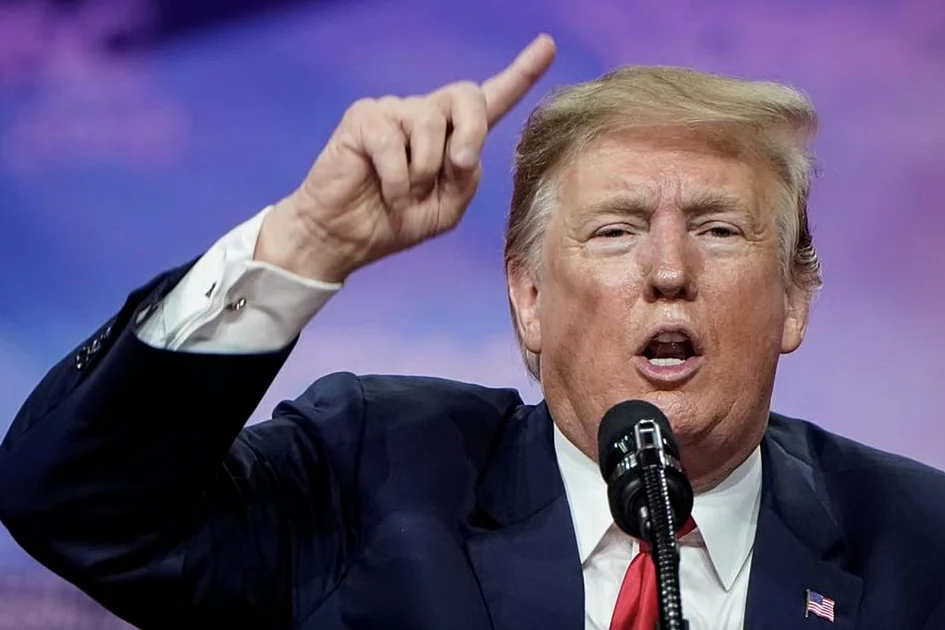
In a controversial political maneuver, President Donald Trump has reportedly conditioned the release of $16 billion in federal funding for the critical Hudson River tunnel project on Democratic support for renaming two major American transportation hubs in his honor. According to multiple sources, the White House proposed last month that Senator Chuck Schumer endorse renaming Washington Dulles International Airport and New York’s Penn Station after the president in exchange for lifting the funding freeze imposed last October.\n\nThe proposal, first reported by Punchbowl News, was immediately rejected by Senator Schumer who asserted he lacked authority to authorize such renaming decisions. The political standoff comes as a federal judge prepares to hear an emergency request from New York and New Jersey officials to restore funding for the Gateway Program, which faces imminent construction shutdown that would displace approximately 1,000 workers.\n\nNew York Senator Kirsten Gillibrand characterized Trump’s proposal as \”ridiculous,\\” stating that \”these naming rights aren’t tradable as part of any negotiations, and neither is the dignity of New Yorkers.\” She accused the president of prioritizing \”his own narcissism over the good-paying union jobs\” the project would create.\n\nThe Gateway Program, which received substantial federal support during the Biden administration, represents one of the nation’s most crucial infrastructure initiatives. The project involves critical repairs to existing Amtrak tunnels beneath the Hudson River and construction of new passageways that serve as vital connectors between New Jersey and Manhattan.\n\nThis incident reflects Trump’s demonstrated preference for attaching his name to prominent institutions. Since returning to office in January, the Trump administration has affixed the president’s name to numerous federal buildings, a new class of Navy warships, a visa program for wealthy foreigners, and even the United States Institute of Peace building. In December, the Kennedy Center for the Performing Arts added Trump’s name to the institution following a board takeover.\n\nNew York Governor Kathy Hochul responded to the proposal with sarcasm, offering a \”counteroffer\” that suggested renaming Trump Tower as \”Hochul Tower.\” Meanwhile, legislative efforts by Congressional Republicans to formally rename Dulles Airport after Trump continue, though aviation officials express concerns about the potential disruption such a change would cause to the major United Airlines hub.
分类: politics
-
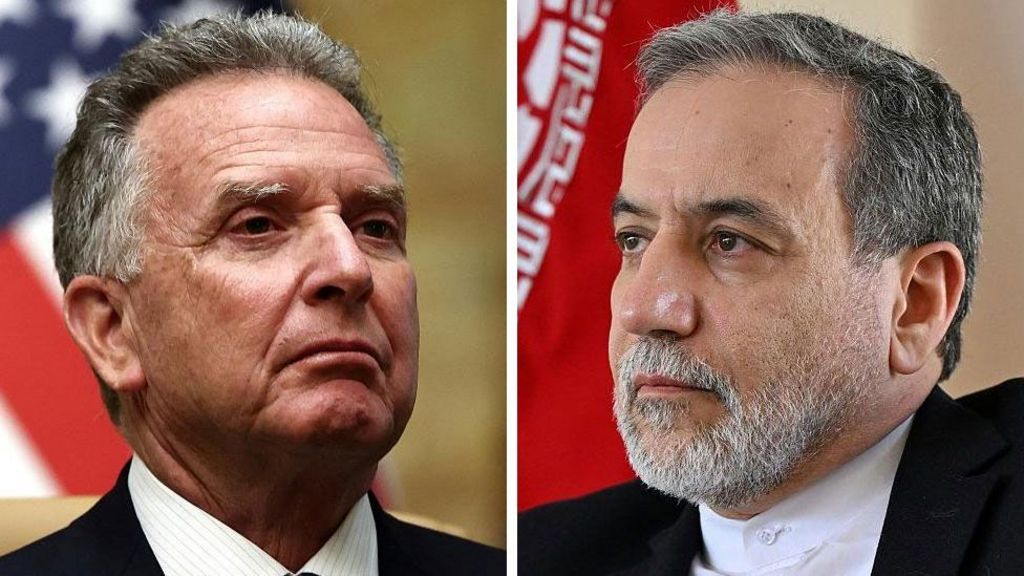
US and Iran hold talks as fears of direct conflict continue
High-level diplomatic efforts are underway in Muscat as American and Iranian officials engage in critical negotiations aimed at de-escalating mounting tensions that threaten to erupt into armed conflict. The talks, mediated by Omani officials, represent a crucial diplomatic channel between the two nations who have not maintained formal relations since 1980.
The American delegation, led by Special Envoy Steve Witkoff and presidential emissary Jared Kushner, faces Iranian Foreign Minister Abbas Araghchi across the negotiating table. These discussions occur against a backdrop of significant US military mobilization in the Persian Gulf, including the deployment of an aircraft carrier battle group and thousands of additional troops—a show of force that President Trump has explicitly tied to demands for Iranian concessions.
Substantial disagreements persist regarding the scope of negotiations. Washington insists any comprehensive agreement must address four key areas: Iran’s nuclear program, its ballistic missile development, support for regional proxy forces, and human rights practices. Tehran maintains that discussions should be strictly limited to nuclear matters, particularly following the collapse of the 2025 nuclear talks after Israel’s surprise military action against Iranian facilities.
The current crisis has been exacerbated by Iran’s violent suppression of nationwide protests last month, which human rights organizations report resulted in nearly 7,000 fatalities and over 50,000 arrests. This domestic unrest, fueled by economic hardship exacerbated by international sanctions, has created additional pressure on Iran’s leadership while simultaneously making concessions politically dangerous.
Both nations face compelling reasons to seek diplomatic resolution. For Iran, the talks potentially offer relief from crippling economic sanctions that have devastated its economy. For the United States, successful negotiations could provide an alternative to military action that regional analysts warn could destabilize the entire Middle East without achieving strategic objectives.
Omani Foreign Ministry officials characterized the discussions as focusing on ‘creating appropriate conditions for resuming diplomatic and technical negotiations,’ suggesting these preliminary talks aim to establish framework rather than achieve immediate breakthroughs. The location shift from originally planned Istanbul talks to Oman—which hosted previous negotiations—reflects Iranian preferences for a more neutral venue.
President Trump’s blunt warning that Iran’s Supreme Leader ‘should be very worried’ underscores the gravity of the situation, while Secretary of State Marco Rubio’s statement that ‘we don’t see there’s any harm in trying’ indicates cautious diplomatic exploration rather than guaranteed success.
-
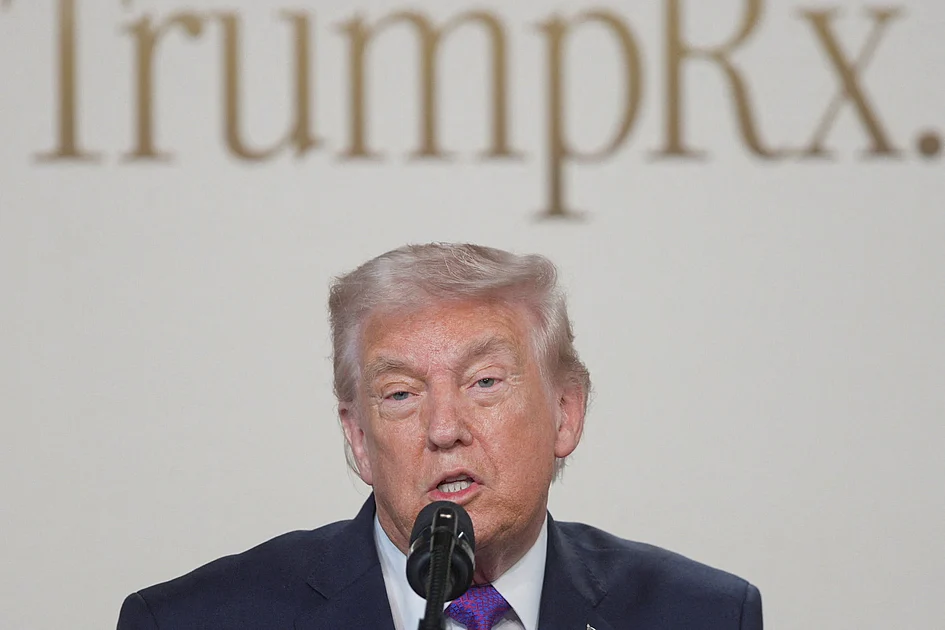
Trump unveils TrumpRx discounted drugs website, aims to lower prices
In a significant healthcare policy move, the Trump administration has officially launched TrumpRx.gov, a digital platform designed to provide Americans with access to discounted prescription medications. The initiative represents a cornerstone of the administration’s broader strategy to reduce pharmaceutical costs across the United States.
President Donald Trump announced the platform’s operational status during a White House ceremony, accompanied by Dr. Mehmet Oz, Administrator of the Centers for Medicare & Medicaid Services, and Joe Gebbia, National Design Studio Director and Airbnb co-founder. The President emphasized the dual benefits of the program, stating, “People are going to save a lot of money and be healthy.”
The platform emerges from agreements with sixteen major global pharmaceutical manufacturers, including industry leaders such as Pfizer, AstraZeneca, Merck, and GSK. These “most-favored nation” arrangements provide participating companies exemptions from U.S. tariffs in exchange for committing to price reductions for both government Medicaid programs and cash-paying consumers through the TrumpRx platform.
Notably, the agreements include substantial price reductions for popular GLP-1 weight-loss medications from Eli Lilly and Novo Nordisk. Government projections indicate these reductions could lower monthly costs to between $149 and $350 on average for American consumers.
Technical implementation of the platform is facilitated through partnership with prescription drug savings company GoodRx. Rather than directly selling medications, TrumpRx.gov will redirect consumers to external platforms where they can purchase medicines at negotiated discounted rates.
However, healthcare policy experts have raised questions about the program’s broader impact. Juliette Cubanski, deputy director for Medicare policy at health policy organization KFF, noted that since the platform targets consumers purchasing medications without insurance, most transactions won’t contribute toward insurance deductibles. “There is a real question about the value of this for people with insurance,” Cubanski stated, adding that “in some cases, we could be looking at out-of-pocket costs that are still relatively unaffordable for a lot of people.”
Despite these concerns, pharmaceutical companies recognize potential benefits. Chris Pernie, Novo Nordisk’s associate vice president for U.S. public affairs, commented that “the launch of TrumpRx will further extend patients’ reach to Ozempic and Wegovy” at self-pay prices.
The initiative addresses the significant price disparity that sees Americans paying nearly triple the prescription drug costs compared to other developed nations. While the platform may provide savings for some uninsured consumers, experts caution that it does not represent a comprehensive solution to systemic drug pricing issues in the American healthcare system.
-
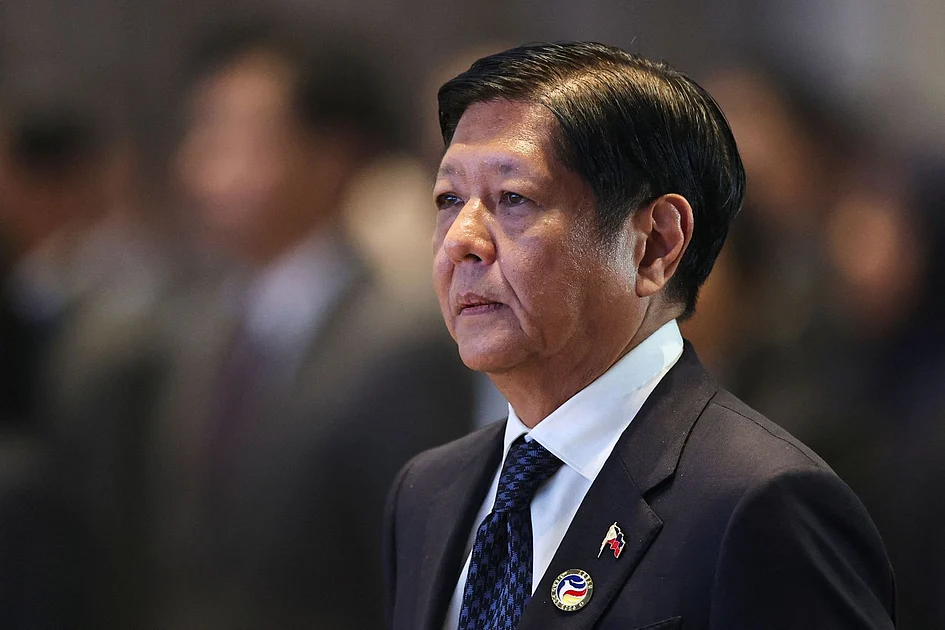
Explainer: How Philippine President Marcos escaped impeachment and what happens next
The Philippine Congressional Justice Committee has formally dismissed two impeachment complaints against President Ferdinand Marcos Jr., granting him constitutional immunity from further impeachment proceedings for one year. The 47-member committee determined both petitions were “insufficient in substance,” abruptly terminating efforts to hold the president accountable for alleged involvement in flood control mismanagement and national budget corruption schemes.
Complainants from Bagong Alyansang Makabayan (Bayan) maintain they possess substantial evidence demonstrating systemic corruption, abuse of unprogrammed appropriations, and established kickback mechanisms within the Marcos administration. The group asserts readiness to present testimony from a former public works undersecretary who allegedly handled approximately 8 billion Philippine pesos (500 million UAE dirhams) in kickbacks designated for Marcos and associates.
Legal advocates argue the committee deliberately avoided examining the evidence’s merits, suggesting congressional representatives consciously prevented the process from advancing to trial stage. Despite the dismissal being based on procedural technicalities, Bayan emphasizes this doesn’t render the corruption allegations baseless but rather demonstrates collusion between pro-Marcos legislators and the administration.
The decision now moves to plenary voting, where obtaining the required one-third support from House representatives appears unlikely according to political analysts. The outcome also establishes potential precedents for pending impeachment proceedings against Vice President Sara Duterte, with observers watching for possible double standards in treatment.
Anti-corruption movements vow to continue their campaign, with nationwide protests planned for February 25th—the 40th anniversary of the People Power uprising that originally ousted the Marcos family from power in 1986.
-
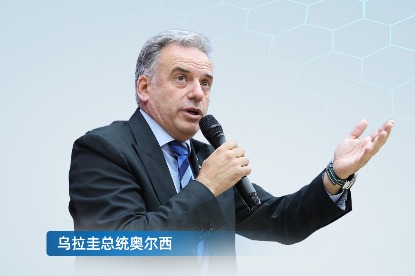
Uruguayan president hails ties with China
Uruguayan President Yamandu Orsi, during an official visit to Beijing on Wednesday, characterized the Uruguay-China relationship as an exemplary model of international cooperation that transcends significant disparities in geographic size, population, and economic scale. In a significant address, President Orsi emphasized the robust and mutually beneficial partnership between the two nations, highlighting their shared commitment to enhancing the provision of global public goods.
The President’s remarks underscored a strategic diplomatic alignment, focusing on collaborative efforts that contribute positively to international stability and development. This high-level engagement signals a continued strengthening of bilateral relations, with both countries demonstrating a capacity to forge a consequential partnership despite their inherent differences. The dialogue in Beijing centered on frameworks for future cooperation, positioning the Uruguay-China dynamic as a noteworthy case study in effective South-South cooperation and a testament to the evolving landscape of global diplomacy where shared objectives can bridge traditional divides.
-
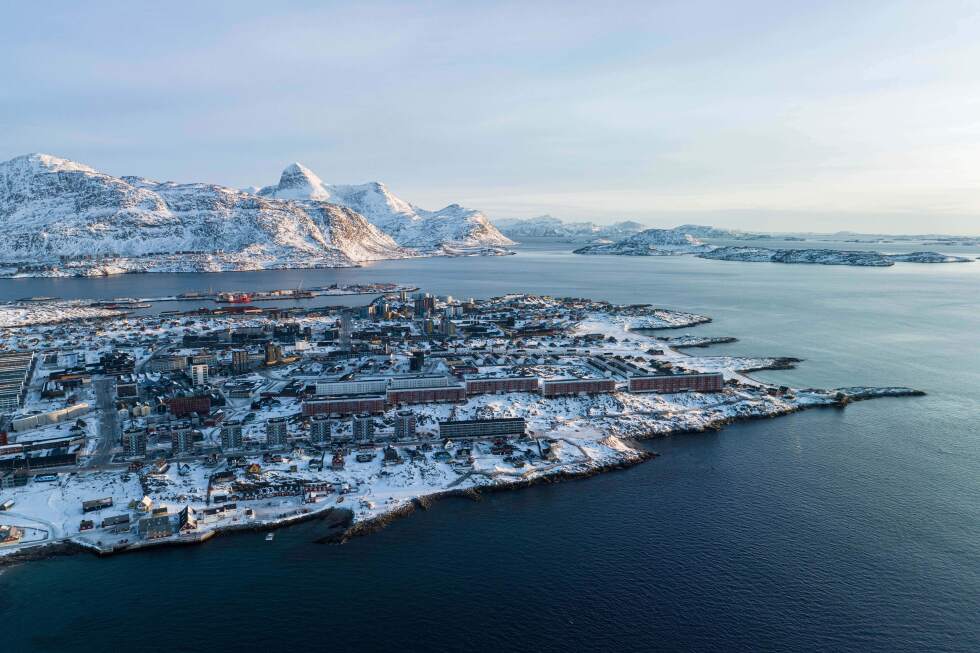
Canada and France opening consulates in Greenland following tensions over US push for control
In a significant diplomatic move reflecting growing Arctic interest, Canada and France simultaneously inaugurated consulates in Nuuk, Greenland’s capital, on Friday. This strategic establishment reinforces support for NATO ally Denmark while strengthening bilateral ties with the semiautonomous territory.
Canadian Foreign Minister Anita Anand led her nation’s delegation, accompanied by Indigenous Governor General Mary Simon, highlighting Canada’s commitment to Inuit rights and climate collaboration. The Canadian consulate, initially pledged in 2024 before former U.S. President Trump’s controversial takeover remarks, had its November opening delayed due to adverse weather conditions.
France made history by becoming the first European Union member to establish a consulate general in Greenland. Jean-Noël Poirier assumed duties as consul general with a mandate to deepen cultural, scientific, and economic cooperation while strengthening political relationships with local authorities. President Emmanuel Macron had approved this diplomatic expansion during his June visit to the region.
The developments occur against a backdrop of complex Arctic negotiations. Earlier this year, Trump threatened tariffs against Denmark and seven European nations following their opposition to his Greenland control aspirations, though these threats were subsequently withdrawn after NATO-mediated discussions. Recent technical talks between the U.S., Denmark, and Greenland have focused on developing a comprehensive Arctic security agreement, building on preliminary discussions held with U.S. officials before the tariff controversy emerged.
Foreign Minister Anand emphasized regional cooperation during meetings with Danish counterpart Lars Løkke Rasmussen, noting on social media that “as Arctic nations, Canada and the Kingdom of Denmark are working together to strengthen stability, security, and cooperation across the region.”
-
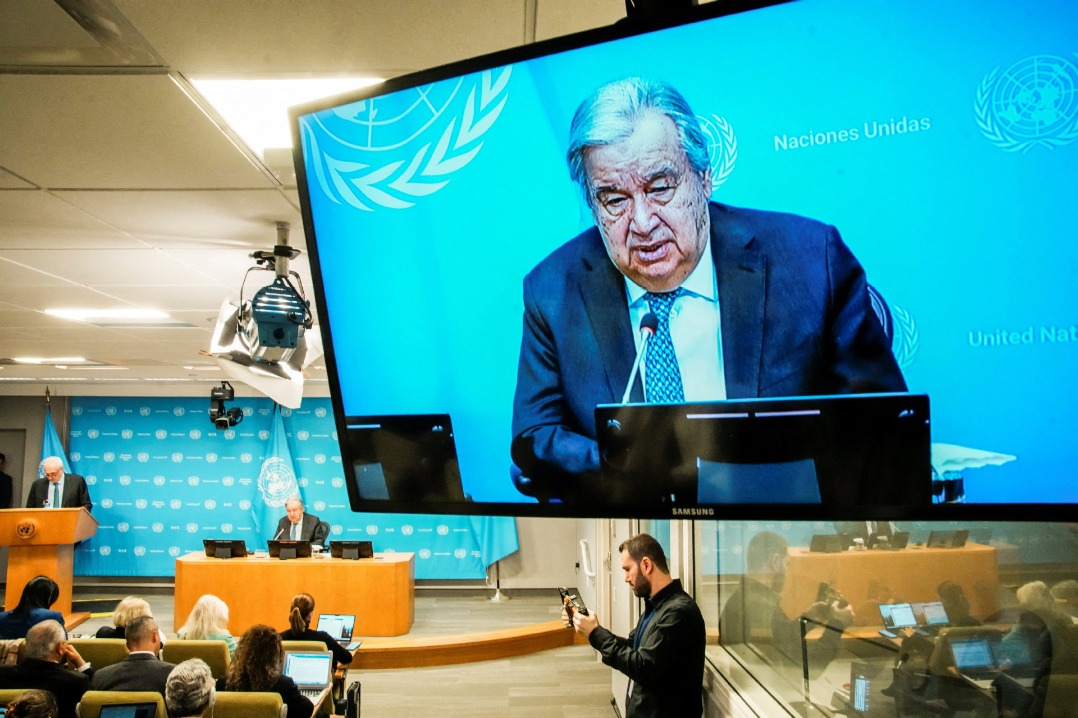
End of US-Russia nuclear pact ‘grave moment’: UN chief
United Nations Secretary-General Antonio Guterres has issued a stark warning regarding the expiration of the New START nuclear arms reduction treaty between the United States and Russia, characterizing the development as a critically dangerous moment for global security.
In an official statement released Wednesday, Guterres emphasized the unprecedented nature of the situation: ‘For the first time since the height of the Cold War over fifty years ago, we confront a world without legally binding constraints on the strategic nuclear arsenals of the Russian Federation and the United States. These two nations collectively control the overwhelming majority of the planet’s nuclear weapons stockpile.’
The New Strategic Arms Reduction Treaty, which established verifiable limits on deployed nuclear warheads and strategic delivery systems for both nations, officially lapsed on Thursday. This agreement represented the final remaining nuclear arms control pact between the two superpowers following the United States’ withdrawal from the Intermediate-Range Nuclear Forces Treaty in 2019.
Guterres highlighted the historical significance of nuclear arms control, noting that throughout the Cold War and subsequent decades, such agreements had successfully averted catastrophic outcomes. These frameworks established crucial stability, prevented devastating miscalculations through transparency measures, and most significantly facilitated the reduction of thousands of nuclear weapons from national arsenals.
The expiration occurs during what the UN chief described as the most dangerous period for potential nuclear weapon use in decades. Despite this grim assessment, Guterres expressed cautious optimism, framing the moment as an opportunity to establish new arms control mechanisms better suited to contemporary geopolitical realities.
‘Both nations’ leadership has publicly acknowledged the destabilizing consequences of a nuclear arms race and the imperative to prevent uncontrolled nuclear proliferation,’ Guterres stated. ‘The international community now expects the Russian Federation and United States to transform these declarations into concrete action.’
The Secretary-General urgently called for both nations to resume diplomatic negotiations without delay to establish a successor agreement that would restore verifiable limits, reduce existential risks, and reinforce global security architecture during this period of heightened international tension.
-
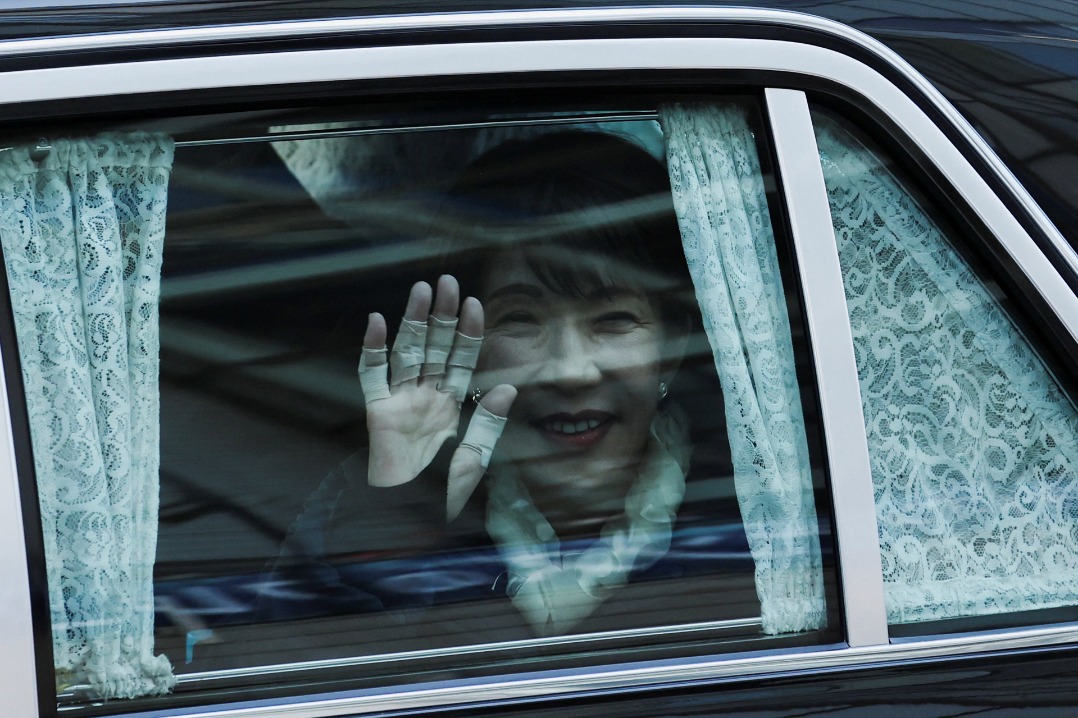
Japan’s PM draws flak over timing of election
Japanese Prime Minister Sanae Takaichi faces intensifying criticism from opposition leaders and educational experts regarding the controversial scheduling of the nation’s upcoming general election. The February 6th vote marks the first House of Representatives election held during this month since 1990, directly coinciding with Japan’s critical university entrance examination period.
The political controversy emerged after Takaichi’s sudden dissolution of the lower house last month, forcing the election into the heart of exam season. While the Prime Minister has encouraged students to utilize early voting options, opposition figures have condemned the timing as profoundly disruptive to young voters.
Toshiko Takeya, a prominent leader of the Komeito party, characterized the scheduling decision as “extremely unreasonable,” emphasizing the excessive burden it places on examination candidates. The criticism extends beyond practical concerns to fundamental democratic principles, as Yoshihiko Noda, co-leader of the Centrist Reform Alliance, warned that the timing could effectively disenfranchise youth eager to participate in shaping their future through the ballot box.
Additional concerns have surfaced regarding potential noise pollution from political campaigning near educational institutions and examination venues. Kaori Suetomi, Professor of Education Administration at Nihon University, noted that voluntary restraint by individual candidates would likely prove insufficient to protect students during their crucial examinations.
The convergence of electoral and academic calendars has highlighted systemic issues in Japan’s electoral process, prompting calls for comprehensive review of legal frameworks governing election timing and campaign practices to better accommodate educational commitments and youth participation.
-
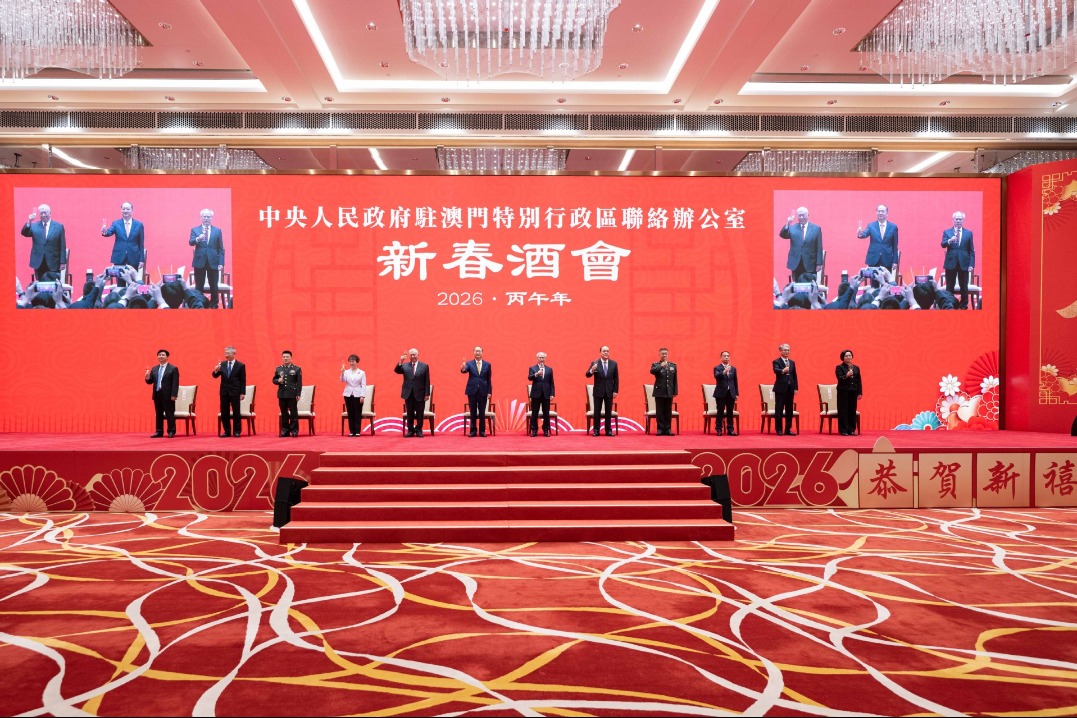
Macao encouraged to diversify economy, enhance governance efficiency in new year
MACAU – In a significant New Year reception, senior Chinese officials have outlined an ambitious roadmap for Macao’s development, emphasizing economic diversification and enhanced governance efficiency. The address delivered on February 5, 2026, by Zheng Xincong, Director of the Liaison Office of the Central People’s Government in the Macao SAR, set forth clear expectations for the territory’s strategic direction.
Speaking before distinguished guests, Zheng articulated a vision for Macao to achieve substantive breakthroughs in reducing its historical reliance on gaming revenues. The call for ‘appropriate economic diversification’ signals a strategic pivot toward developing broader industrial capabilities and sustainable economic models. Simultaneously, the address emphasized the critical need for administrative reforms to improve public governance capacity and institutional effectiveness.
Macao Chief Executive Sam Hou-fai echoed these priorities in his complementary remarks, reaffirming the SAR government’s commitment to fully and accurately implementing the ‘one country, two systems’ principle. The administration pledged to deepen public administration reform, accelerate development of the Hengqin cooperation zone, and enhance social welfare programs.
Both officials emphasized the parallel importance of strengthening patriotic education and safeguarding national security. The leadership called for fostering stronger patriotic forces dedicated to both Macao and the motherland, while maintaining social stability through continued vigilance against security threats. Additional focus was placed on creating expanded opportunities for youth development and supporting community organizations aligned with these national objectives.
The joint addresses signal coordinated policy direction between central government representatives and Macao’s local administration as the territory navigates its post-pandemic economic transformation while maintaining its unique constitutional status within China’s governance framework.
-
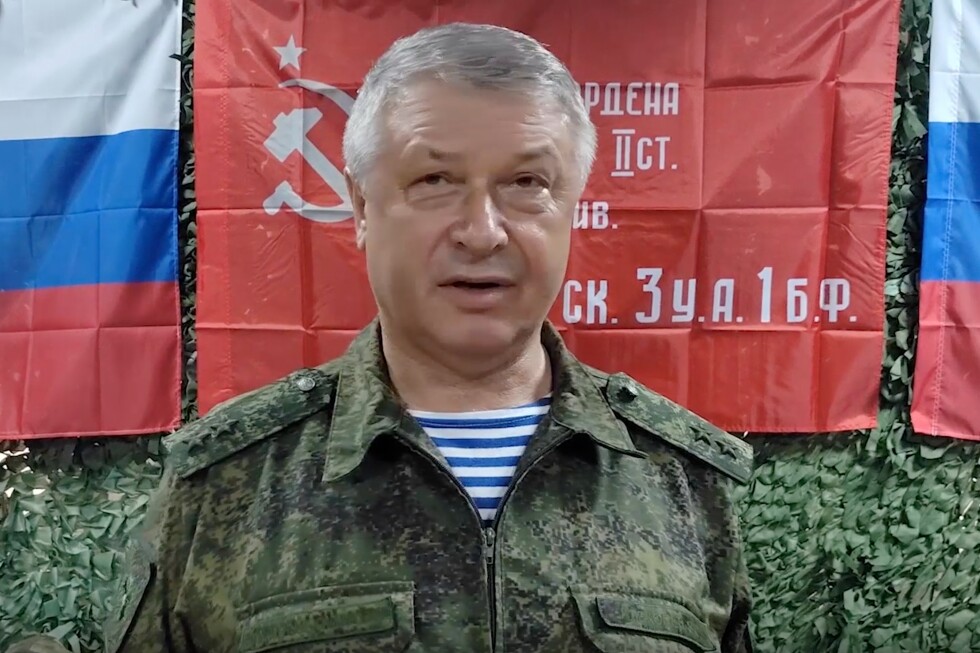
A deputy chief of Russian military intelligence was shot and wounded in Moscow
A high-ranking official within Russia’s military intelligence apparatus, Lieutenant General Vladimir Alekseyev, sustained gunshot wounds during an ambush in northwest Moscow on Friday. The assault represents the latest in a succession of targeted attacks against Russian military leadership, incidents that Moscow consistently attributes to Ukrainian operatives.
According to Svetlana Petrenko, spokesperson for Russia’s Investigative Committee, the 64-year-old first deputy head of the GRU (Main Directorate of the General Staff of the Armed Forces) was shot multiple times by an unidentified assailant outside a residential complex. Alekseyev was promptly hospitalized following the attack. Petrenko’s statement refrained from speculating on potential perpetrators.
General Alekseyev, decorated with the Hero of Russia medal for his contributions to Moscow’s campaign in Syria, has held his prominent intelligence role since 2011. He gained additional public recognition during the June 2023 Wagner Group mutiny when he was filmed in negotiations with mercenary leader Yevgeny Prigozhin in Rostov-on-Don.
The shooting occurred shortly after multinational negotiations concerning the Ukraine conflict concluded in Abu Dhabi. Notably, Alekseyev’s superior, Military Intelligence Chief Admiral Igor Kostyukov, led the Russian delegation at these talks.
Kremlin spokesman Dmitry Peskov confirmed that President Vladimir Putin had been briefed on the incident, emphasizing the necessity for enhanced protective measures for military officials during ongoing hostilities.
This event continues a documented pattern of assaults against Russian military figures since the commencement of the Ukraine conflict nearly four years ago. Previous incidents include the December car bomb assassination of Lieutenant General Fanil Sarvarov, the April killing of Lieutenant General Yaroslav Moskalik via explosive device, and the December 2024 bombing that claimed the life of Lieutenant General Igor Kirillov, chief of Russia’s nuclear, biological, and chemical protection forces. Ukrainian intelligence services have claimed responsibility for several of these operations, though Kyiv has not yet commented on the Alekseyev attack.