分类: politics

  • A charismatic straight talker, Japan’s Takaichi is poised to expand her power in Sunday’s vote

    A charismatic straight talker, Japan’s Takaichi is poised to expand her power in Sunday’s vote

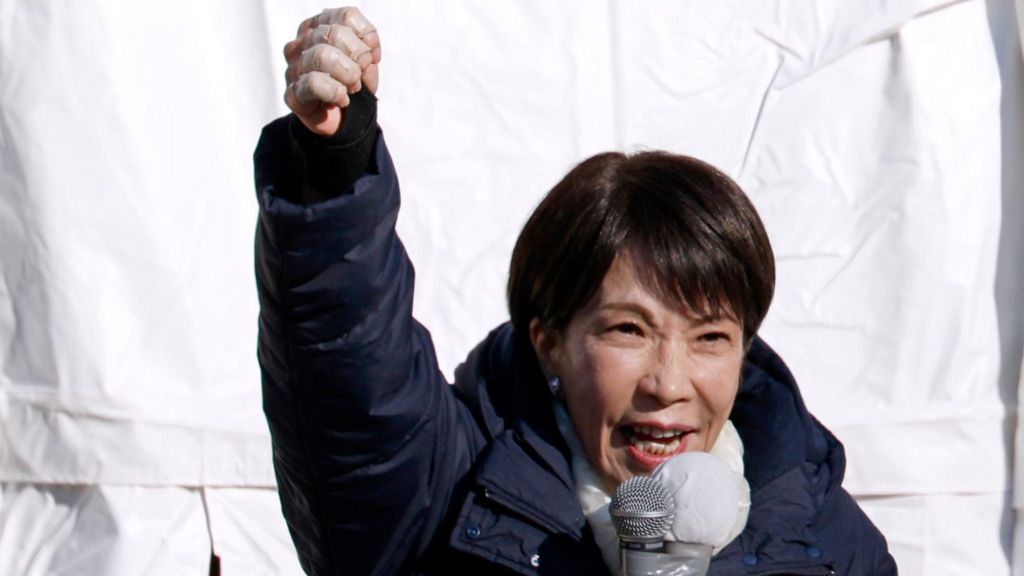
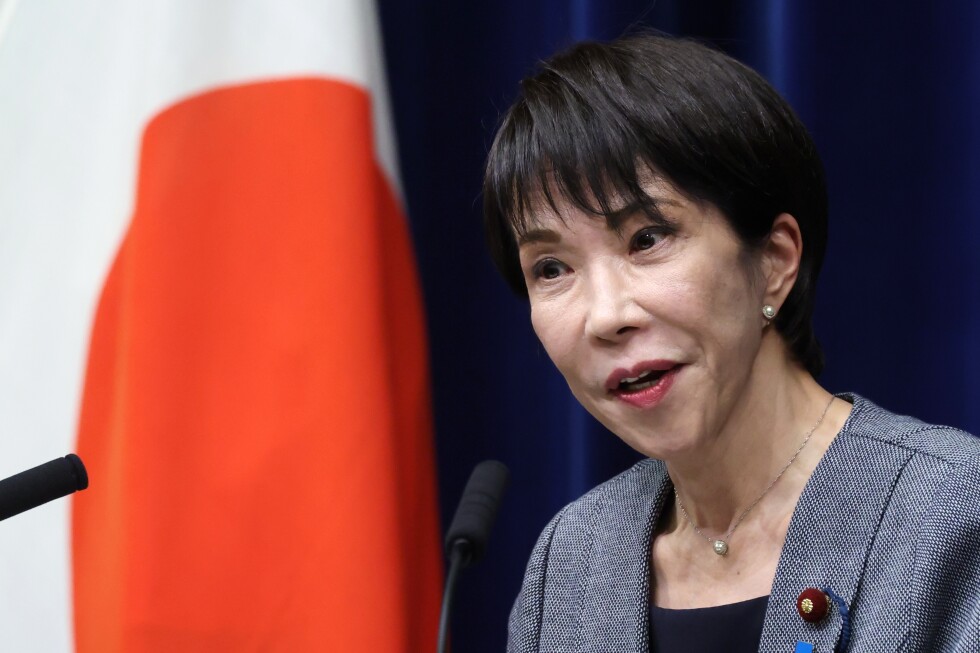
    TOKYO — Breaking from Japan’s traditional political mold, Prime Minister Sanae Takaichi has emerged as an unconventional leader whose unique personal brand is revitalizing the nation’s political landscape. The country’s first female premier combines heavy metal fandom, motorcycle enthusiasm, and drumming prowess with a workaholic philosophy that has unexpectedly resonated with younger demographics.

    Takaichi’s distinctive approach marks a dramatic departure from the elderly male leadership that has dominated Japanese politics for decades. Her popularity stems from what analysts describe as a ‘charismatic combination’ of tough policymaking and playful personal authenticity. Younger supporters, who affectionately refer to her as ‘Sana,’ closely follow her fashion choices, stationery preferences, and even her favorite snack of steamed pork buns.

    This groundswell of support comes at a critical time for her Liberal Democratic Party (LDP), which has governed Japan for most of the past seventy years but recently faced significant challenges. Current polling indicates the LDP is positioned for substantial gains in Sunday’s parliamentary elections, largely attributed to Takaichi’s personal appeal.

    The prime minister’s background reveals a journey from middle-class origins in Japan’s ancient capital of Nara. Raised by conservative parents—a police officer mother and machinery company employee father—Takaichi was immersed in prewar moral values from childhood. Her educational path followed traditional conservative patterns, attending Kobe University while living at home despite gaining admission to prestigious Tokyo institutions.

    Takaichi’s political identity defies easy categorization. While breaking gender barriers as Japan’s first female leader, she maintains deeply conservative positions including support for male-only imperial succession, opposition to same-sex marriage, and preservation of nineteenth-century surname laws that typically pressure women to abandon their family names. This complex positioning has created tension with feminist groups who view her leadership as a setback for gender equality despite her groundbreaking achievement.

    As a protégé of the late Prime Minister Shinzo Abe, Takaichi has embraced and expanded upon his nationalist agenda. She has advocated for enhanced military capabilities, increased defense spending, patriotic education reforms, and traditional family values. Her early weeks in office were marked by hawkish comments regarding potential Chinese military action against Taiwan, representing a shift from Japan’s traditional strategic ambiguity and drawing sharp criticism from Beijing.

    The prime minister’s leadership style combines intense discipline with unexpected personal touches. A self-described workaholic who famously declared she would ‘work, work, work, work, work,’ Takaichi has reportedly spent most of her first three months in office either at the official residence or her workplace, with minimal social engagements. Yet she maintains a playful side, known to spontaneously sing elementary school songs with acquaintances when discovering shared childhood connections.

    This blend of strict conservatism and personal authenticity has created a political phenomenon that transcends traditional demographic boundaries. As University of Tokyo politics expert Izuru Makihara notes, ‘Takaichi is highly regarded, especially by women and younger generations who strongly feel stuck and hopeless.’ Her ability to connect with these constituencies while advancing a strongly conservative agenda represents a significant evolution in Japanese political leadership.
  • Japan’s first female prime minister counts on her popularity to help her party win Sunday’s election

    Japan’s first female prime minister counts on her popularity to help her party win Sunday’s election

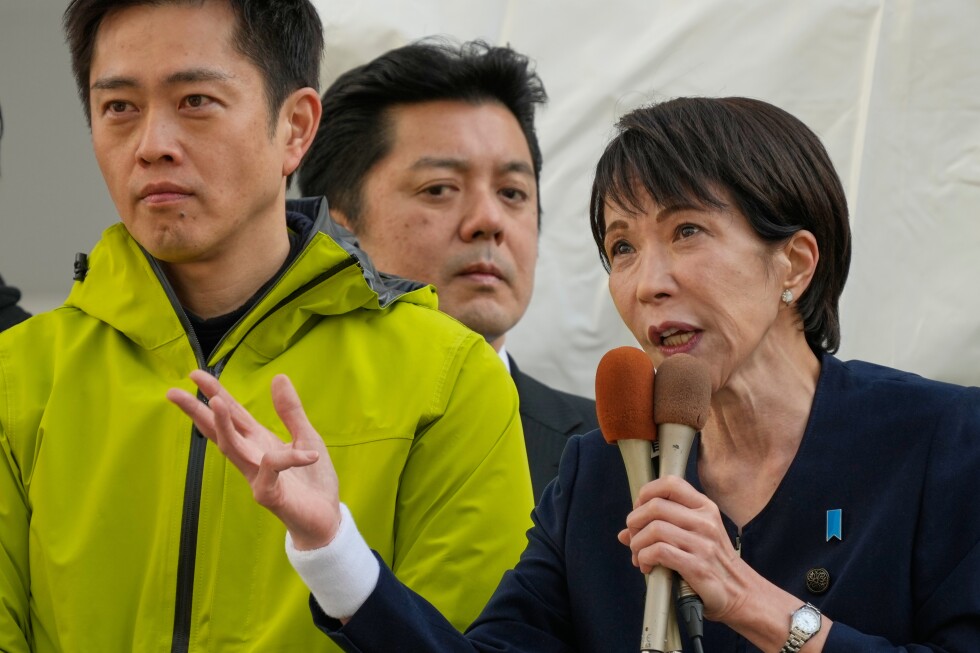
    TOKYO — Japan stands at a political crossroads as Prime Minister Sanae Takaichi’s conservative government faces a snap election that could dramatically reshape the nation’s security and economic policies. The ultraconservative leader, who made history as Japan’s first female prime minister in October, has built substantial public support through her assertive leadership style and economic focus, particularly resonating with younger demographics.

    Current polling indicates Takaichi’s Liberal Democratic Party (LDP) is positioned for a decisive victory, potentially securing an outright majority in the 465-seat lower house. The ruling coalition with the right-wing Japan Innovation Party (JIP) could capture up to 300 seats, significantly expanding their legislative power. This stands in stark contrast to the fragmented opposition, which has struggled to present a unified front despite forming new centrist alliances.

    The election represents a critical test for Takaichi’s controversial agenda, which includes substantial military expansion, revised security policies, and tougher immigration measures. She has framed the election as a referendum on her leadership, stating she would resign if the LDP fails to secure a majority.

    A potential coalition victory would accelerate Japan’s rightward shift, with implications for regional security amid growing tensions with China and pressure from the Trump administration to increase defense spending. The Prime Minister recently faced diplomatic challenges after suggesting possible Japanese involvement in potential Taiwan conflicts, triggering economic retaliation from Beijing.

    Meanwhile, the opposition centrist alliance, led by the Constitutional Democratic Party of Japan and the Buddhist-backed Komeito party, promotes more moderate policies including nuclear non-proliferation and diversity initiatives. However, surveys indicate their messaging has failed to gain significant traction with voters.

    Election dynamics are complicated by several factors: record snowfall in northern Japan that may suppress turnout, ongoing scandals regarding LDP’s ties to the controversial Unification Church, and questions about whether Takaichi’s personal popularity among young voters will translate into actual votes for her party.

  • US sanctions 15 entities, 14 ships for trading Iranian oil, State Dept says

    US sanctions 15 entities, 14 ships for trading Iranian oil, State Dept says

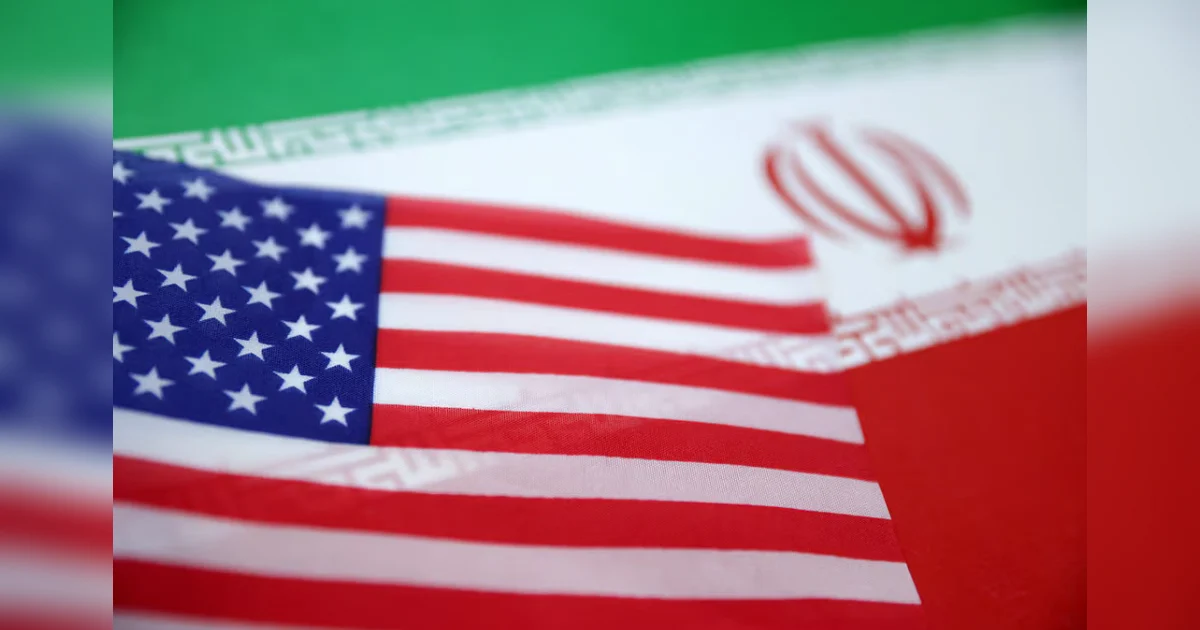
    The United States government has escalated its economic pressure campaign against Iran by imposing comprehensive sanctions targeting 15 entities and 14 vessels allegedly involved in facilitating Iranian oil exports. The announcement came directly from the State Department on Friday, February 6, 2026, shortly after the conclusion of indirect diplomatic discussions between the two nations mediated by Oman.

    State Department spokesman Tommy Pigott articulated the administration’s position, stating that President Donald Trump remains ‘committed to driving down the Iranian regime’s illicit oil and petrochemical exports’ as part of the ongoing maximum pressure strategy. The newly designated entities and vessels represent what officials describe as Iran’s ‘shadow fleet’ – a network of operations designed to circumvent existing international restrictions on Iranian energy exports.

    The timing of these sanctions is particularly significant as they follow closely behind the conclusion of indirect negotiations between American and Iranian representatives. These talks, facilitated through Omani intermediaries, concluded earlier on Friday without apparent breakthrough. This diplomatic sequencing suggests a calculated escalation by the Trump administration, reinforcing its hardline approach toward Iran despite ongoing diplomatic channels.

    The sanctioned entities span various sectors connected to the petroleum supply chain, including shipping companies, trading firms, and financial intermediaries accused of enabling Iran’s oil exports. The vessels targeted are allegedly part of a sophisticated network that uses ship-to-ship transfers, disabled transponders, and other evasion techniques to move Iranian crude to international markets.

    This development represents the latest chapter in the prolonged tension between Washington and Tehran, which has persisted despite occasional diplomatic engagement. The maximum pressure campaign, initiated by the Trump administration, continues to target Iran’s primary revenue source despite criticisms about its humanitarian impact and effectiveness in achieving broader policy objectives.

  • Will Sunday’s snap election gamble pay off for Japan’s first female premier?

    Will Sunday’s snap election gamble pay off for Japan’s first female premier?

    Japan stands at a political crossroads as citizens prepare to cast their votes in Sunday’s snap general election—the nation’s second parliamentary contest in under two years. Prime Minister Sanae Takaichi, Japan’s first female leader, has staked her political future on a high-risk strategy: leveraging her substantial personal popularity to secure a renewed mandate for the long-ruling Liberal Democratic Party (LDP), which suffered devastating losses in the 2024 elections.

    Political analysts characterize this move as a calculated gamble reminiscent of her predecessor Shigeru Ishiba’s failed attempt to consolidate power through early elections. However, Takaichi’s approach differs significantly through her unprecedented cultivation of a celebrity-style public persona that has resonated across demographic lines.

    Since assuming office last October, Takaichi has masterfully crafted a media presence emphasizing performance over policy. Her memorable “work, work, work” inauguration mantra established an image of relentless energy, while strategically orchestrated moments—including drumming performances with South Korea’s president and high-profile appearances with world leaders—have generated viral social media engagement. This carefully constructed persona has effectively distanced her from the traditionally stagnant image of LDP leadership.

    According to polling data from NHK and other major media outlets, Takaichi’s approval ratings have consistently ranged between 55-70%, significantly higher than her predecessors at similar points in their tenure. Jeffrey Hall, lecturer at Kanda University of International Studies, notes that “an atmosphere of positivity surrounds her historic status as Japan’s first female prime minister and her perceived diplomatic successes.”

    This popularity extends beyond traditional conservative bases. Takaichi has unexpectedly connected with younger voters through what analysts describe as “sana-katsu”—idol culture-inspired fan engagement—making her fashion choices, including distinctive handbags and pink pens, unlikely zeitgeist items.

    However, substantial challenges loom beneath the surface of this popularity. The election timing has drawn criticism for delaying crucial anti-inflation measures and budgetary debates while imposing administrative burdens on municipalities. Additionally, winter weather conditions raise concerns about voter turnout, particularly in snow-affected northern regions.

    Takaichi’s hawkish foreign policy stance has simultaneously strengthened her domestic standing while creating international tensions. Her comments suggesting potential military response to Chinese actions toward Taiwan deteriorated relations with Japan’s largest trading partner, triggering reciprocal travel warnings and formal protests. While this position resonates with conservative voters concerned about national defense, it worries younger citizens apprehensive about military spending and potential conflict.

    Economic pressures present perhaps the most significant challenge. Despite recent inflation moderation, stagnant wages and a weakened yen continue squeezing households. Soaring rice prices in mid-2025 continue shaping negative perceptions of LDP economic management, though they preceded Takaichi’s administration.

    The prime minister has proposed public spending increases, inflation relief, and tax cuts, but critics note these proposals lack specificity. Meanwhile, the opposition remains fragmented despite newly formed alliances, with voters potentially hesitant about untested alternative governments.

    As Japan votes, the fundamental question remains whether personal popularity can overcome substantive policy challenges and secure the LDP’s political future.

  • Andrew tried to have Epstein introduced to the UAE’s Mohammed bin Zayed

    Andrew tried to have Epstein introduced to the UAE’s Mohammed bin Zayed

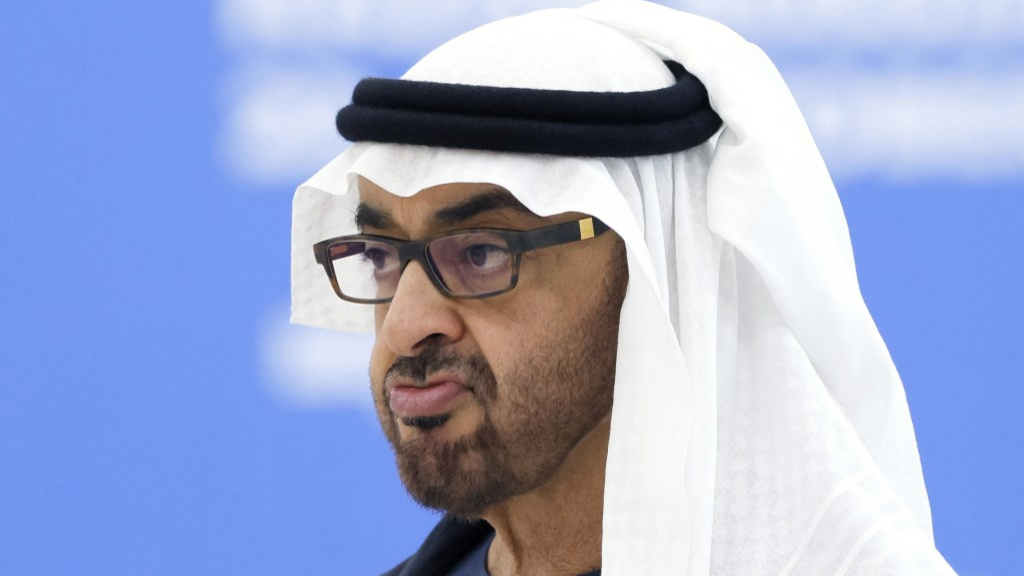
    Newly disclosed court documents reveal that Andrew Mountbatten-Windsor, then serving as Britain’s special trade envoy, actively attempted to facilitate an introduction between convicted sex offender Jeffrey Epstein and senior United Arab Emirates leadership during a 2010 state visit. The correspondence shows the then-Prince Andrew communicating directly with Epstein about arranging meetings with Sheikh Mohammed bin Zayed Al Nahyan, then Crown Prince of Abu Dhabi and now President of the UAE, and Foreign Minister Abdullah bin Zayed.

    In a November 24, 2010 email with the subject line ‘Abdullah,’ Andrew enthusiastically informed Epstein that the UAE foreign minister ‘thinks you are great’ and expressed interest in introducing him to the future president. The email exchange occurred while Andrew was accompanying Queen Elizabeth II, Prince Philip, and Foreign Secretary William Hague on an official visit to the Emirates.

    Epstein responded by suggesting a joint vacation, while in previous correspondence he had explicitly asked Andrew to emphasize his ‘financial expertise’ and status as a ‘funder of extreme science’ when making introductions. These revelations contradict Andrew’s long-standing claims that he severed ties with Epstein following the financier’s 2008 guilty plea for soliciting prostitution from a minor.

    The documents further expose extensive connections between Epstein’s network and UAE figures, including arrangements involving sacred religious artifacts and communications with Emirati business associates. The files also contain a 2019 email from former Trump adviser Steve Bannon alleging UAE involvement in the handling of another convicted sex offender, George Nader, who served as an adviser to Sheikh Mohammed.

    The emerging evidence has intensified the fallout for Andrew, who was stripped of his royal titles by King Charles last year and has recently been forced to vacate his Windsor residence amid growing controversy. Reports indicate he now faces difficulties securing household staff willing to work for him.

  • Watch: Trump has called to nationalise US elections. Is it a big deal?

    Watch: Trump has called to nationalise US elections. Is it a big deal?

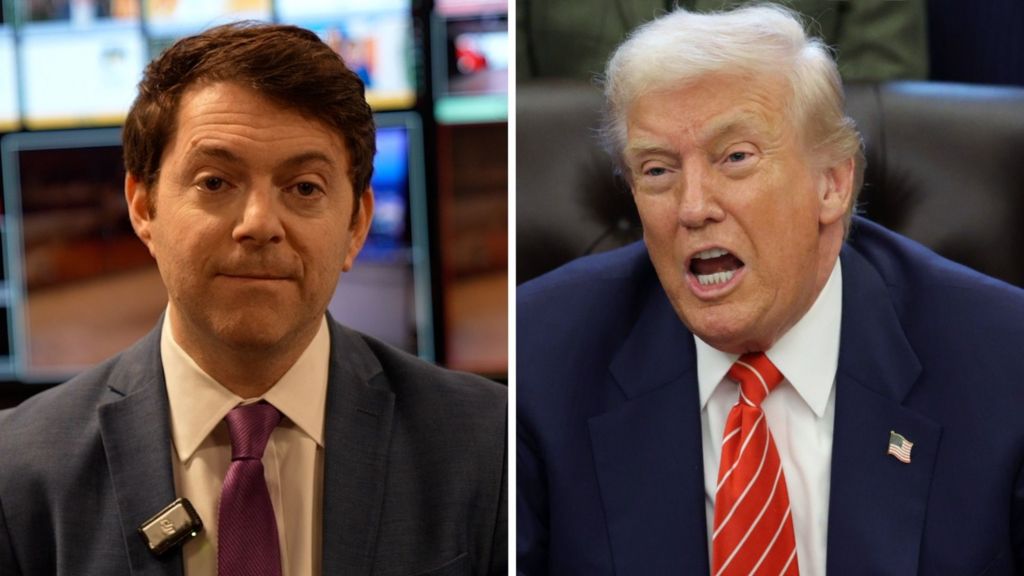
    President Donald Trump’s recent suggestion to nationalize U.S. elections has ignited intense constitutional and political debate during a critical midterm election year. The proposal, which would fundamentally alter America’s decentralized voting system, has drawn swift reactions from legal experts and political figures across the spectrum.

    The American electoral system has historically been administered at state and local levels, with varying procedures and regulations across jurisdictions. This decentralized approach is deeply embedded in the nation’s constitutional framework, granting states considerable autonomy in election administration.

    Legal scholars emphasize that implementing such a nationalized system would require unprecedented constitutional amendments, as the Elections Clause specifically reserves election administration powers to state legislatures with congressional oversight. Political analysts note the timing of these comments appears strategically aligned with ongoing debates about election integrity and security.

    The discussion emerges amid heightened political tensions surrounding the November midterm elections, where control of both chambers of Congress hangs in the balance. Election law experts caution that any movement toward federalizing elections would face significant legal challenges and practical implementation hurdles.

    BBC Washington correspondent Daniel Bush’s analysis highlights how these comments have reverberated through political circles, reflecting deeper divisions about the nature of American democracy and the balance between federal and state authority. The conversation continues to evolve as lawmakers, legal experts, and voting rights advocates weigh the implications of potentially restructuring the nation’s electoral foundation.

  • Epstein trained as an Israeli spy, FBI document says

    Epstein trained as an Israeli spy, FBI document says

    A recently surfaced FBI document from the Epstein files contains explosive allegations that convicted sex offender Jeffrey Epstein received intelligence training under former Israeli Prime Minister Ehud Barak and operated as a co-opted Mossad agent. The confidential human source report, dated October 16, 2020, initially focused on electoral interference concerns but expanded to reveal startling intelligence claims regarding Epstein’s connections to Israeli intelligence services.

    The document details how the confidential source monitored phone conversations between Epstein and Harvard law professor Alan Dershowitz, with transcribed notes allegedly being relayed to Israel’s Mossad foreign intelligence agency. According to the source’s account, Barak considered current Prime Minister Benjamin Netanyahu a ‘criminal’ and eventually became convinced that Epstein was operating as a Mossad asset.

    Further allegations suggest Dershowitz reportedly told another American attorney that Epstein maintained affiliations with both US and allied intelligence services. The source additionally claimed Dershowitz himself had been co-opted by Mossad, though these assertions remain uncorroborated. Dershowitz, a controversial legal figure who has represented high-profile clients including Netanyahu, Epstein, Harvey Weinstein, and Donald Trump, now faces these serious implications.

    The document also ventures into broader claims, suggesting venture capital firm Day One Ventures operated in Silicon Valley for technology acquisition purposes. The firm was founded by Masha Bucher, previously Epstein’s publicist, whom the source identified as ‘Vladimir Putin’s main contact in the Russian Youth movement.’

    Additionally, the report references longstanding connections between Jared Kushner’s family and Israel, specifically mentioning Charles Kushner and ‘deep ties’ to Israel alongside history of ‘corrupt business practices,’ though without providing specific details.

    Separate documentation confirms Epstein maintained an extensive relationship with Barak, who served as Israel’s defense minister from 2007-2013. Evidence shows Epstein advised Barak on technology firm Palantir, requested employment opportunities for former British minister Lord Peter Mandelson at an energy company, and discussed substantial consultancy fees for former UK Prime Minister Tony Blair.

    In response to these allegations, Prime Minister Netanyahu stated on social media that Epstein’s close association with Barak demonstrates the opposite of intelligence work, characterizing Barak as obsessively attempting to undermine Israeli democracy through collaborations with anti-Zionist elements seeking to overthrow the elected government.

  • Trump invites Philippine President Marcos to join Gaza Board of Peace, says Filipino envoy

    Trump invites Philippine President Marcos to join Gaza Board of Peace, says Filipino envoy

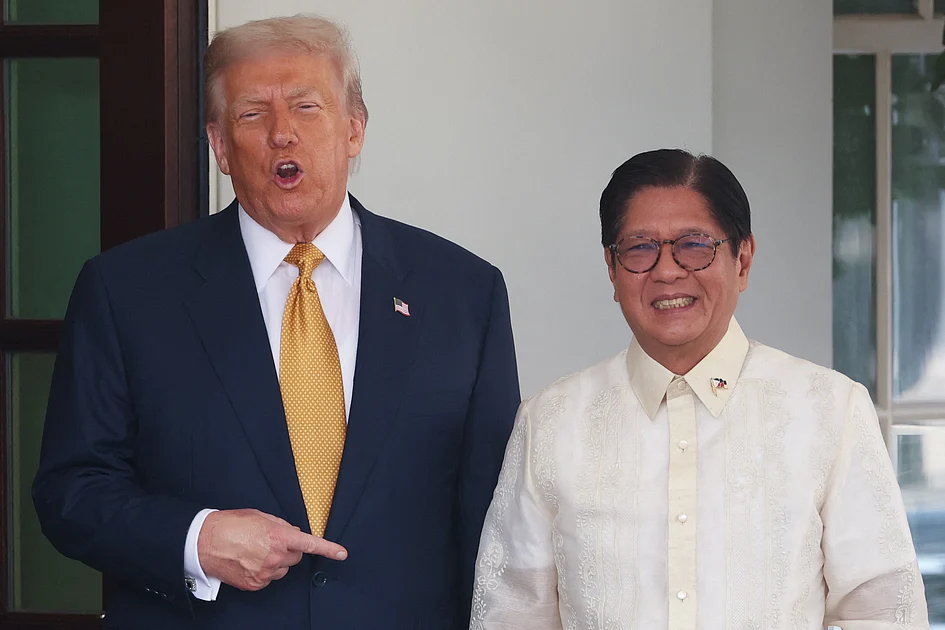
    In a significant diplomatic development, former US President Donald Trump has extended a formal invitation to Philippine President Ferdinand R. Marcos Jr. to participate in the international ‘Board of Peace’ initiative for Gaza reconstruction. The invitation was delivered via personal correspondence earlier this year, as confirmed by Philippine Ambassador to the United States Jose Manuel Romualdez.

    The Marcos administration is currently evaluating the specific commitments required for participation, with Ambassador Romualdez emphasizing Manila’s historical support for peace-building initiatives worldwide. “We’ve always been for finding a way to contribute to any kind of peace effort,” Romualdez stated during the launch ceremony for the 80th US-Philippines anniversary commemorative logo in Pasay City.

    This invitation forms part of Trump’s broader international outreach, with over 60 nations reportedly receiving similar requests to join the entity first proposed in September 2025 as part of his 20-point roadmap to resolve the Gaza conflict. The Board of Peace is designed to provide strategic supervision and coordinate international resources for Gaza’s rehabilitation.

    While no definitive response timeline has been established, Philippine officials indicate a decision is expected within the coming weeks. Ambassador Romualdez clarified that financial contributions—reportedly set at $1 billion for permanent members—would not be required from Manila, suggesting instead potential contributions through human resources or technical expertise.

    Notably within Southeast Asia, only Indonesia and Vietnam have currently committed to participation in the international initiative. The Philippine government’s anticipated acceptance would mark another significant step in the country’s evolving foreign policy approach under the Marcos administration.

  • France urges Iran-backed groups to show restraint if US-Iran tensions escalate

    France urges Iran-backed groups to show restraint if US-Iran tensions escalate

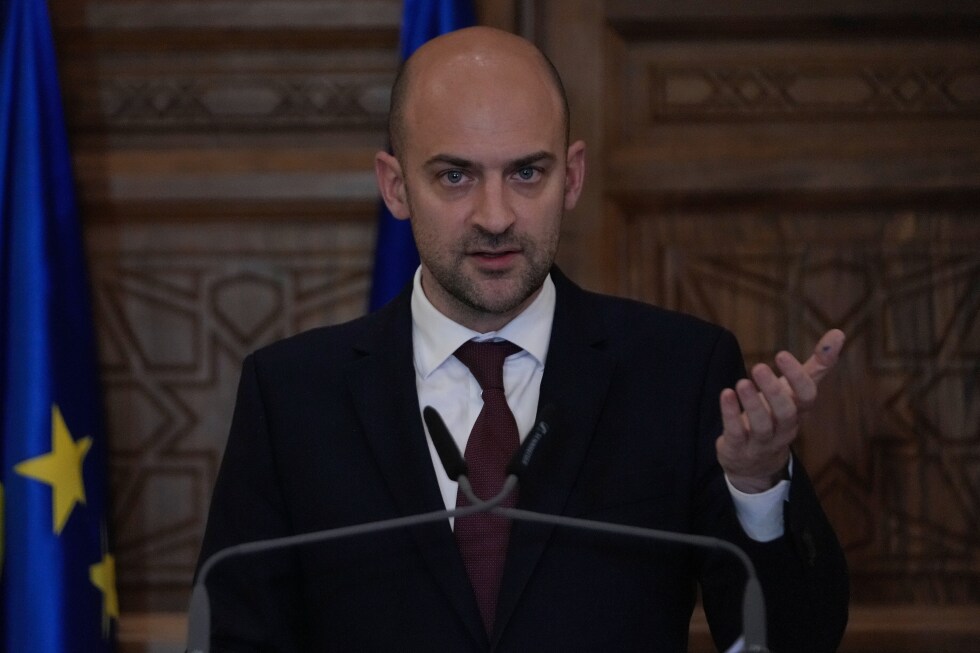
    BEIRUT — French Foreign Minister Jean-Noël Barrot issued a critical appeal for restraint to Iranian-supported factions across the Middle East during his diplomatic tour through the region on Friday. Speaking in Beirut following high-level meetings with Lebanese officials, Barrot emphasized that Tehran-aligned groups must demonstrate “the greatest restraint” should regional tensions between Iran and the United States escalate further.

    The minister’s warning comes amid delicate indirect negotiations between Washington and Tehran in Oman regarding Iran’s nuclear program, with simultaneous concerns mounting about potential regional conflict. Barrot explicitly cautioned that military escalation “would profoundly destabilize the Near and Middle East” and represents a risk that must be avoided “at all cost.”

    Barrot’s regional diplomacy included prior stops in Syria and Iraq, reflecting France’s active engagement in Middle Eastern stability efforts. The French official concurrently addressed Lebanon’s complex security situation, discussing ongoing initiatives to disarm Hezbollah and plans for an upcoming international conference in France to support the Lebanese armed forces.

    The support conference, co-organized with the United States, Saudi Arabia, Qatar, and Egypt, aims to bolster Lebanon’s military capabilities as it expands its presence along the southern border with Israel following 14 months of hostilities between Israel and Hezbollah. This development occurs against the backdrop of Lebanon’s severe economic crisis that has significantly weakened state institutions, including the military.

    France maintains that regional stability serves the interests of all parties involved, including European nations with significant strategic interests in the area. Barrot’s statements reflect growing international concern about potential chain-reaction conflicts involving Iranian proxies in Iraq, Yemen, and Lebanon should U.S.-Iran tensions worsen.

  • Turkey signs $350m arms deal with Egypt

    Turkey signs $350m arms deal with Egypt

    In a significant development for Middle Eastern geopolitics, Turkey’s state-owned defense conglomerate Mechanical and Chemical Industry Corporation (MKE) has finalized a comprehensive $350 million arms agreement with Egypt’s Ministry of Defence. The landmark deal, confirmed by multiple sources to Middle East Eye, encompasses both ammunition sales and the establishment of sophisticated production facilities on Egyptian soil.

    The agreement was formally sealed during Turkish President Recep Tayyip Erdogan’s diplomatic visit to Cairo on Wednesday, where he conducted high-level talks with Egyptian President Abdel Fattah el-Sisi. This defense collaboration represents the most concrete manifestation of the ongoing normalization process between the two regional powers, who had experienced severely strained relations following Egypt’s 2013 military transition.

    Central to the arrangement is MKE’s export of its advanced Tolga Short-Range Air Defence System to Egypt, valued at approximately $130 million. This cutting-edge system, specifically engineered to counter unmanned aerial threats through integrated electronic and physical neutralization capabilities, recently saw its first international deployment to Qatar last month.

    Beyond hardware transfers, the agreement establishes substantial industrial cooperation. MKE will construct a dedicated factory for 155mm long-range artillery ammunition within Egypt, complemented by production lines for 7.62mm and 12.7mm caliber ammunition. These industrial investments, accounting for the remaining $220 million of the total package, will be managed through a newly formed joint venture company designed to enhance regional export potential.

    The Turkish Defense Ministry emphasized that this partnership extends beyond bilateral trade, creating a framework for defense industrial cooperation that addresses shared regional security concerns. The rapprochement between Ankara and Cairo has accelerated notably following Israel’s military operations in Gaza, with both nations finding common ground on issues ranging from Somali stability to broader regional security architecture.

    MKE, historically the primary supplier to Turkish armed forces since its 1950 establishment, has undergone significant modernization since its 2021 corporate restructuring. This Egyptian contract represents a major milestone in Turkey’s ambition to become a competitive defense exporter to NATO allies and international partners.