分类: politics

  • Russian general shot several times in Moscow

    Russian general shot several times in Moscow

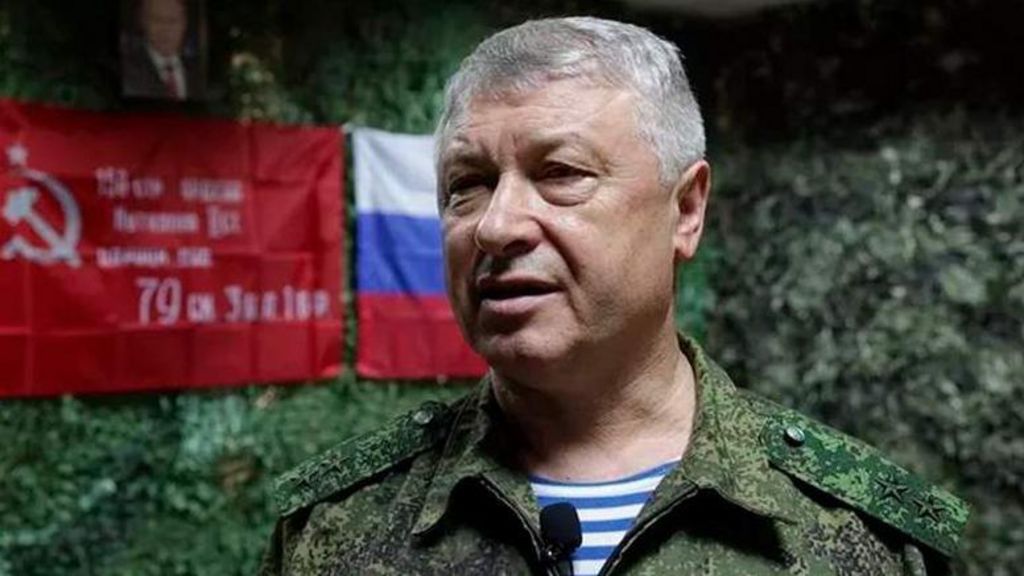
    A high-ranking Russian military official has become the latest target in a series of attacks against senior defense figures in Moscow. Lieutenant General Vladimir Alekseyev, a prominent officer within Russia’s Main Directorate of the General Staff (GRU), sustained multiple gunshot wounds during an assault in a residential complex located in the city’s northwestern periphery.

    Emergency services promptly transported the wounded general to a medical facility, though his current condition remains undisclosed by authorities. This incident marks another in a disturbing pattern of violence against Russia’s military leadership since the commencement of full-scale hostilities in Ukraine nearly four years ago.

    General Alekseyev’s career has been shrouded in international controversy. The European Union imposed direct sanctions against him following allegations that the GRU orchestrated the 2018 nerve agent attack in Salisbury, United Kingdom—an event that significantly heightened tensions between Russia and Western nations.

    The timing and methodology of this assault raise serious questions about security breaches within Russia’s capital, particularly regarding the protection of high-profile military personnel. As investigations continue, observers are analyzing potential connections to ongoing geopolitical conflicts and internal power dynamics within Russian security structures.

    This developing situation underscores the persistent vulnerabilities within Russia’s military establishment despite heightened security measures during ongoing military operations abroad. The attack represents one of the most significant security breaches involving senior Russian defense officials in recent months.

  • Canada and France to open Greenland consulates after Trump demands

    Canada and France to open Greenland consulates after Trump demands

    In a strategic move reinforcing Arctic sovereignty, Canada has inaugurated its first diplomatic mission in Greenland, marking a significant expansion of foreign engagement in the strategically vital territory. The historic opening occurs alongside France’s simultaneous consulate establishment, dramatically increasing Western diplomatic presence in a region previously served only by Icelandic and American outposts.

    A high-level Canadian delegation featuring Governor General Mary Simon and Foreign Minister Anita Anand arrived in Nuuk aboard a Canadian Coast Guard vessel for Friday’s formal ceremonies. The diplomatic expansion comes as a direct response to former U.S. President Donald Trump’s repeated assertions regarding American territorial ambitions in Greenland, which he justified citing national security concerns about Russian and Chinese influence.

    Governor General Simon, Canada’s first Indigenous governor general with deep Inuit roots, emphasized during pre-trip remarks that Canada “stands firmly in support of the people of Greenland who will determine their own future.” Her participation carries particular symbolic weight, reflecting the profound cultural connections between Canadian and Greenlandic Inuit communities.

    University of British Columbia Arctic expert Michael Byers noted the consulate’s significance, stating: “Her visit is an affirmation at the highest level of the cultural and ethnic connections between Arctic Canada and Greenland. It’s a very powerful statement.” The geographical proximity between Nunavut’s capital Iqaluit and Nuuk—merely an hour by air—further underscores the natural alignment between the regions.

    The consulate opening, initially planned for late 2025 but delayed by weather conditions, represents the culmination of years of advocacy by Canadian Inuit leadership. Approximately fifty Canadian Inuit representatives traveled from Montreal to Nuuk via chartered flight to participate in the ceremonies, demonstrating the deep cultural ties between the communities.

    Inuit Tapiriit Kanatami President Natan Obed expressed concern about U.S. territorial ambitions, noting that Inuit communities feel particularly vulnerable due to shared colonial histories. “We do worry that the United States may return to its more serious overtures around annexing Canada,” Obed stated, referencing Trump’s past comments about Canada becoming “the 51st state.”

    The Canadian government has simultaneously reinforced its Arctic defense commitments, with Foreign Minister Anand declaring Arctic defense “an unquestionable national security priority.” Prime Minister Mark Carney’s administration has pledged over C$1 billion for northern infrastructure projects and promised a year-round military presence in the region, addressing longstanding vulnerabilities in Canada’s northern security framework.

  • Cities across US wary of coming ICE age

    Cities across US wary of coming ICE age

    A climate of apprehension is spreading across American communities as Immigration and Customs Enforcement (ICE) operations intensify under the current administration. Legal experts nationwide report mounting concerns regarding the aggressive methodologies employed by federal agents and the broad immunity they possess.

    Minneapolis has emerged as the focal point of these tensions, yet similar immigration raids have proliferated in major metropolitan areas including New York City, Phoenix, Los Angeles, and Chicago. Edward J. Cuccia, a New York-based immigration attorney, testified to a dramatic surge in ICE-related cases, stating, ‘The past year has been completely upended by ICE activities. The situation has created immense stress and difficulty for countless individuals.’

    Statistical evidence underscores this escalation. Federal data reveals approximately 73,000 immigrants currently in ICE detention—a striking 82% increase from the 40,000 detained during the same period last year. In New York specifically, municipal data indicates undocumented immigrants constitute 16% of the city’s population, with Asian Americans and Pacific Islanders representing 13% of this demographic.

    In response to these developments, New York Attorney General Letitia James established the ‘Legal Observation Project’ on February 3rd to monitor federal immigration operations. The initiative encourages citizens to document and report potential legal violations by federal agents.

    Mike Fox, legal fellow at the Cato Institute, challenges common misconceptions about immigration enforcement. ‘The notion that enforcement only affects “bad people” is fundamentally flawed,’ Fox argues. ‘Most undocumented individuals are economic migrants seeking better opportunities. Moreover, numerous U.S. citizens have become inadvertently entangled in these operations.’

    Illustrating this concern, an October 2025 raid in Chicago targeting Venezuelan gang members resulted in only two actual gang members among 37 arrests. The operation employed military-grade tactics including chemical flash bangs and a Black Hawk helicopter, with half a dozen U.S. citizens detained for hours before release.

    Fox attributes much of the public opposition to the inappropriate deployment of border security personnel for urban policing functions. ‘Border Patrol is designed for border security, not urban crowd control or traffic stops. ICE’s mandate should focus on targeted operations against violent offenders, not broad enforcement actions,’ he emphasized.

    The growing disconnect between intended enforcement objectives and actual operational outcomes continues to generate widespread concern among legal experts and communities across the United States.

  • Leaders of Indonesia and Australia sign a new security treaty to affirm deeper ties

    Leaders of Indonesia and Australia sign a new security treaty to affirm deeper ties

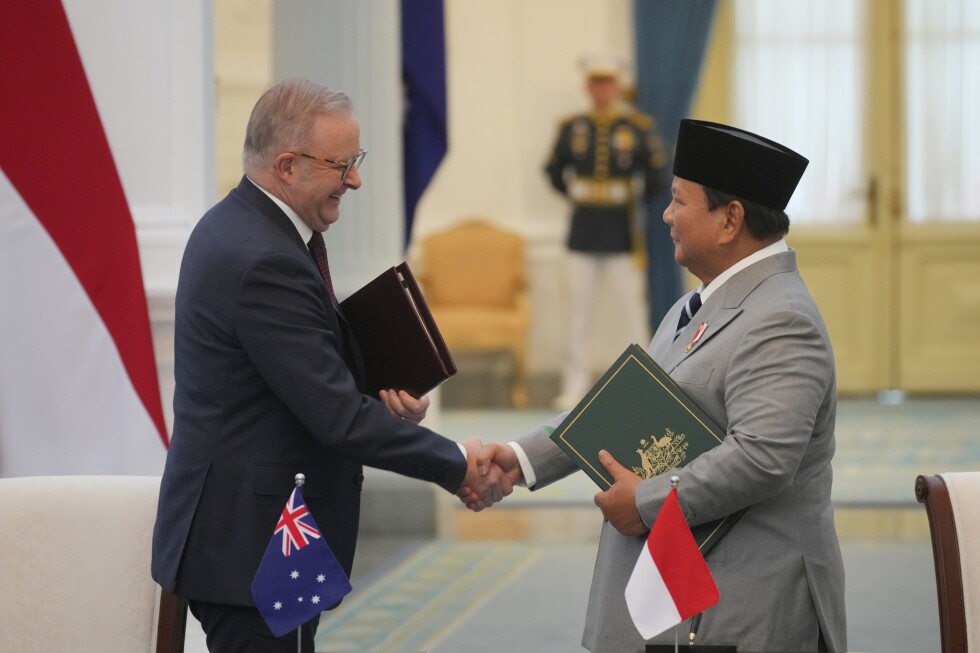
    JAKARTA, Indonesia — In a significant diplomatic development, Indonesian President Prabowo Subianto and Australian Prime Minister Anthony Albanese formalized a comprehensive bilateral security treaty on Friday, signaling a renewed commitment to strengthening ties between the two historically complex neighbors.

    The signing ceremony in Jakarta culminates three months of negotiations since both leaders initially announced the substantive conclusion of talks during Prabowo’s Sydney visit. This new framework builds upon previous security agreements established in 1995 and 2006, aiming to enhance defense cooperation and strategic alignment.

    Prime Minister Albanese characterized the agreement as a “watershed moment” in Australia-Indonesia relations, emphasizing its role in significantly expanding existing security and defense collaboration. Accompanied by Foreign Minister Penny Wong, who described the pact as the most substantial advancement in three decades, Albanese highlighted the current relationship as “as strong as it has ever been.”

    Strategic analysts observe that this treaty assumes increased importance for Australia amid escalating regional tensions with China. The agreement echoes elements of the 1995 security pact negotiated between former Australian Prime Minister Paul Keating and Indonesia’s late President Suharto, Prabowo’s former father-in-law.

    Historical context reveals a complex bilateral security evolution. The 1995 agreement mandated mutual consultation on security matters but was terminated by Indonesia in 1999 following Australia’s peacekeeping intervention in East Timor. Subsequent diplomatic efforts produced the Lombok Treaty in 2006, which was further expanded in 2014.

    Susannah Patton of Sydney’s Lowy Institute think tank notes that while the full treaty text remains unpublished, the agreement primarily establishes a political commitment to consultation. She describes it as “symbolic” in nature, contrasting it with the more practically-oriented 2024 defense cooperation accord.

    The treaty positions below Australia’s alliance with the United States and its security arrangement with Papua New Guinea in terms of mutual obligations. Patton suggests the agreement likely lacks specific clarity regarding Indonesia’s potential defense support for Australia in regional security scenarios, noting that as a non-aligned nation, Indonesia would find mutual defense provisions politically challenging.

    Despite these limitations, analysts view the agreement as a notable achievement for Albanese’s administration, particularly given Indonesia’s traditional non-aligned foreign policy stance. Patton credits Prabowo’s willingness to break with conventional Indonesian foreign policy approaches as a facilitating factor in reaching this agreement.

    The Jakarta visit represents Albanese’s fifth official trip to Indonesia, underscoring Australia’s broader initiative to expand cooperation beyond security into trade, investment, education, and development sectors. The Prime Minister is scheduled to continue meetings with Indonesian officials through Sunday.

    This diplomatic advancement occurs against a historical backdrop of periodic tensions between the neighboring nations, including past controversies surrounding Australian surveillance of Indonesian leadership, Indonesia’s execution of Australian drug offenders, and ongoing people smuggling challenges.

  • Hong Kong ex-media tycoon Jimmy Lai will be sentenced Monday after national security conviction

    Hong Kong ex-media tycoon Jimmy Lai will be sentenced Monday after national security conviction

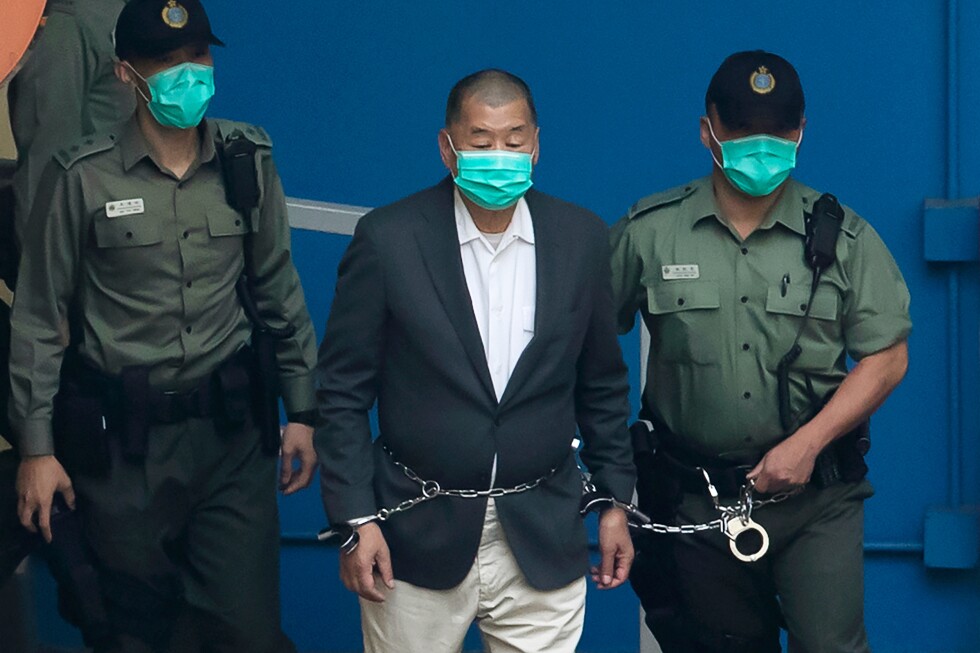
    Hong Kong’s judiciary has scheduled Monday’s sentencing hearing for pro-democracy media magnate Jimmy Lai, following his December conviction under Beijing’s national security legislation. The 78-year-old founder of the shuttered Apple Daily newspaper faces potential life imprisonment in a case that has drawn international condemnation and raised concerns about press freedom in the semi-autonomous territory.

    Lai, a prominent critic of China’s Communist Party, was initially arrested in 2020 under the security law implemented following the 2019 anti-government protests. Beijing authorities maintain the legislation was essential for maintaining Hong Kong’s stability, while critics argue it has eroded the city’s judicial independence and media freedoms.

    The sentencing proceedings, set for 10 a.m. Monday, will also determine the fates of six former Apple Daily journalists and two activists tried alongside Lai. While Lai maintained his innocence throughout the trial, his co-defendants entered pleas that could result in reduced sentences.

    International observers have closely monitored the case, with both the United States and United Kingdom expressing strong objections to the prosecution. The British government has particularly emphasized Lai’s status as a British citizen in its calls for his release. The sentencing is expected to further strain diplomatic relations between Beijing and Western governments that have criticized China’s handling of Hong Kong’s autonomy.

    Lai was convicted on charges of conspiring with foreign forces and publishing seditious materials, specifically allegations that he collaborated with Apple Daily executives to encourage foreign sanctions against Hong Kong and China. The former media tycoon is currently serving a separate six-year sentence for fraud convictions related to his activities in 2019.

  • Trump endorses Japan’s Takaichi ahead of snap election

    Trump endorses Japan’s Takaichi ahead of snap election

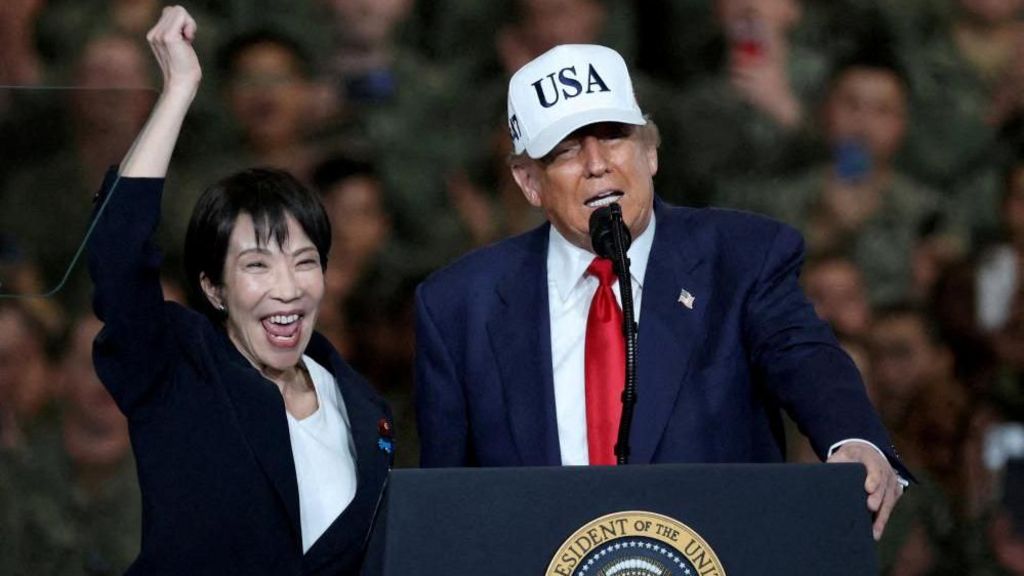
    In an unusual move of international political endorsement, former U.S. President Donald Trump has publicly thrown his support behind Japanese Prime Minister Sanae Takaichi just days before Japan’s snap parliamentary election. Trump utilized his Truth Social platform on Thursday to applaud Takaichi as “a strong, powerful, and wise leader… one that truly loves her country,” expressing confidence that “she will not let the people of Japan down.”

    This endorsement continues Trump’s pattern of backing foreign leaders who align with his political vision, following recent support for Argentina’s Javier Milei and Hungary’s Viktor Orbán. The relationship between Takaichi and Trump has strengthened significantly since her assumption of office in October, marked by substantial diplomatic engagements.

    The bilateral relationship faced early challenges when Trump threatened imposing 25% tariffs on Japanese imports, a situation that was resolved through a July agreement wherein Japan committed to investing $550 billion in the United States in exchange for reduced import levies of 15%.

    Takaichi’s administration rolled out an exceptionally warm welcome for Trump during his visit to Tokyo just one week after she took office, featuring a full military honor guard and band performance at Akasaka Palace, the government’s official guesthouse. The two leaders signed a significant rare earths agreement and a document proclaiming a new “golden age” in U.S.-Japan relations, with Takaichi describing Trump as a “partner in a new golden era” and praising his Middle East peace efforts.

    Trump’s endorsement highlighted progress in national security cooperation and economic collaboration between the two nations, while simultaneously announcing plans to host Takaichi at the White House on March 19th.

    The political backdrop to this endorsement includes complex geopolitical tensions, particularly regarding Taiwan. Trump’s show of support for Takaichi comes merely one day after his telephone discussion with Chinese leader Xi Jinping, wherein both leaders acknowledged the importance of maintaining positive relations. During their conversation, Xi emphasized Taiwan as “the most important issue” in Sino-American relations, explicitly stating that Taiwan is “China’s territory” and urging Washington to exercise prudence regarding weapons sales to the self-governed island.

    Takaichi has been at the center of escalating tensions between Tokyo and Beijing, which have reached their lowest point in over a decade. In November, she drew Beijing’s ire by suggesting Japan might deploy its self-defense forces should China attack Taiwan, highlighting the complex regional dynamics that shape her leadership approach.

  • What has happened in a year of US foreign aid cuts?

    What has happened in a year of US foreign aid cuts?

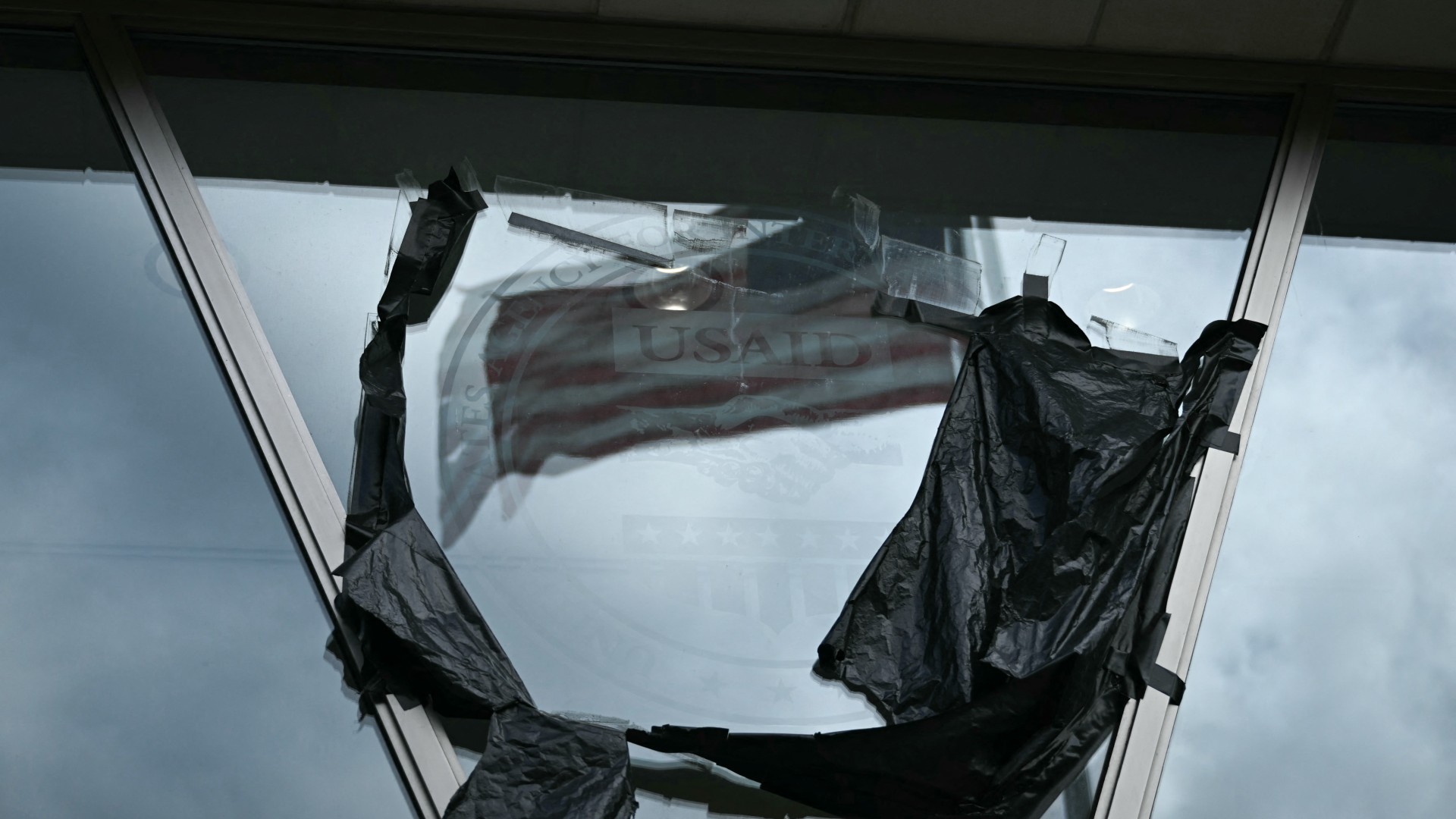
    A year after the Trump administration’s radical restructuring of American foreign assistance, the global humanitarian landscape has undergone catastrophic transformations. What originated as a 90-day suspension of international aid has evolved into a near-total dissolution of United States humanitarian operations, with USAID’s functions fully absorbed by the State Department by July 2023.

    The human cost has proven both staggering and preventable. Secretary of State Marco Rubio’s early assurance that “no children are dying on my watch” has been contradicted by devastating outcomes. Medical experts including Dr. Atul Gawande, former USAID global health assistant administrator, projected that reduced immunization programs alone would cause over one million deaths annually.

    Research from the Center for Global Development indicates these cuts to the world’s largest humanitarian donor may contribute to approximately 700,000 fatalities per year. The Lancet Global Health forecasts even grimmer long-term consequences: 22.6 million additional preventable deaths globally by 2030, including 5.4 million children under five, resulting from combined reductions in US and UK funding.

    The administration justified these measures under its “America First” doctrine, promising increased efficiency. Despite vehement opposition from figures including former President Barack Obama—who labeled the move “a colossal mistake”—the implementation proceeded rapidly. By March 2025, 86% of foreign aid programs had been terminated alongside comparable staff reductions.

    Evidence reveals inconsistent application of cuts, with strategic allies receiving preferential treatment. Kenya secured a $1.7 billion health system donation after leading UN peacekeeping efforts in Haiti, while Jordan saw reinstated water infrastructure projects. Conversely, high-need regions including Yemen, Afghanistan, Syria, and Sudan faced severe assistance reductions.

    In Afghanistan, child malnutrition reached 25-year highs with 450 health centers closing. Yemen lost nutritional support for 100,000 children and food assistance for 2.4 million people. Gender-specific impacts proved particularly severe: 1.5 million Yemeni women lost obstetric services while 300,000 were denied gender-based violence prevention.

    Critics emphasize that USAID constituted less than 1% of the federal budget, making financial savings minimal compared to heightened global risks. The dismantling of disease prevention programs, including the President’s Emergency Plan for AIDS Relief (Pepfar) that served 20 million people, has raised alarms about pandemic preparedness. Experts warn these reductions threaten international security and conflict prevention capabilities, potentially creating dangerous ripple effects worldwide.

  • What to know about Thailand’s election as economic growth slows and nationalism rises

    What to know about Thailand’s election as economic growth slows and nationalism rises

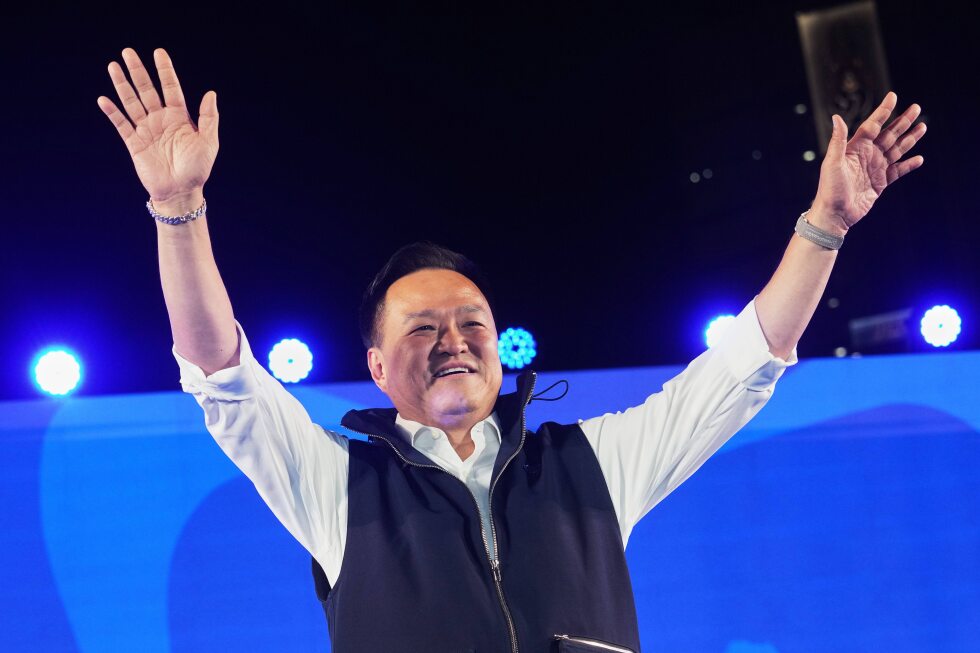
    BANGKOK — Thailand stands at a political crossroads as the nation prepares for Sunday’s general election, marked by economic challenges, nationalist fervor, and allegations of corruption. The snap election, called unexpectedly by Prime Minister Anutin Charnvirakul in December, represents a critical moment for Southeast Asia’s second-largest economy.

    The political landscape features three dominant parties locked in a competitive race with no clear frontrunner anticipated. Prime Minister Anutin leads the conservative Bhumjaithai Party, repositioning himself as a resolute leader following border tensions with Cambodia after his administration faced criticism over devastating floods and corruption scandals.

    Opposition forces include the progressive People’s Party, currently leading in polls with an ambitious reform agenda. Despite winning the most parliamentary seats in the 2023 election under a different banner, the party was prevented from forming a government by conservative lawmakers. Meanwhile, the Pheu Thai Party, associated with former Prime Minister Thaksin Shinawatra, campaigns on economic revival through populist measures despite recent political setbacks.

    The electoral system will elect 400 constituency-based lawmakers and 100 party-list representatives, collectively forming the 500-member House of Representatives responsible for selecting the next prime minister. Political analysts suggest a Bhumjaithai-led coalition appears most probable, as conservative establishments view their platform as less disruptive to Thailand’s political status quo.

    Concurrently, voters will decide on a constitutional referendum determining whether Parliament should initiate the process of replacing the military-drafted 2017 charter. Democratic advocates consider this a crucial step toward reducing unelected institutions’ influence, while conservatives argue existing provisions ensure political stability.

  • Greek minister lashes out at Turkey in bid to sway Washington

    Greek minister lashes out at Turkey in bid to sway Washington

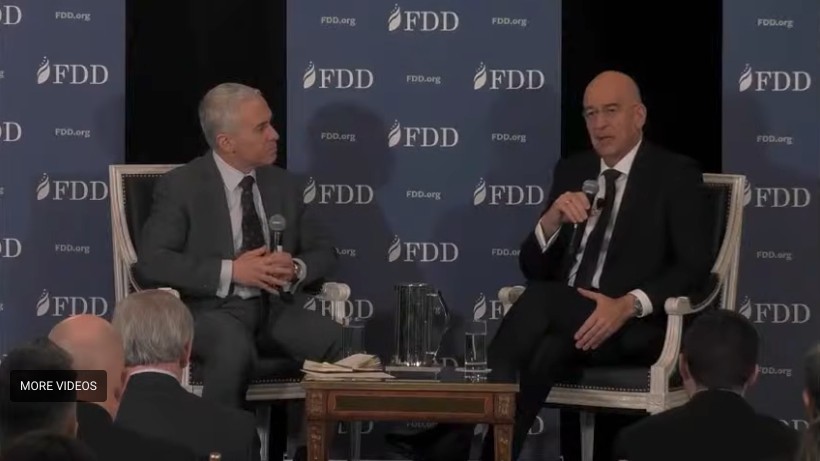
    At a Washington think-tank gathering on Thursday, Greek Defense Minister Nikos Dendias delivered a sharp critique of Turkey’s regional positioning, accusing Ankara of effectively advocating for Hamas and diverging from United States strategic objectives in the Middle East.

    Speaking during a panel discussion organized by Greece’s Delphi Economic Forum and the Foundation for Defense of Democracies, Dendias articulated his concerns without adopting an anti-Turkish stance. He highlighted the dramatic transformation in regional alliances by noting, “Remember that 25 years ago Israel and Turkey maintained the strongest of friendships. The fundamental question remains: what has fundamentally altered since then?”

    The minister posed several probing questions: “Which nation actively champions Hamas’s cause? Which government has refrained from expressing remorse for the October 7, 2023 attacks against Israel? Which country provides sanctuary for the Muslim Brotherhood?”

    Dendias has established himself as taking a harder line toward Turkey than Prime Minister Kyriakos Mitsotakis, though his remarks recalled Mitsotakis’s previous lobbying efforts in Congress against arms sales to Turkey, which previously strained bilateral relations.

    The commentary accurately reflects the substantial evolution in Israel’s diplomatic relationships with both Greece and Turkey. During the period when Turkey’s secular military exerted considerable influence over foreign policy, Israel functioned as a key strategic partner. Pro-Israel advocates in Washington even assisted Turkey in defeating Armenian Genocide legislation and supported US weapons transfers to Ankara.

    Conversely, Greece proved to be the final European Union member state to establish full diplomatic relations with Israel in 1990, while maintaining close ties with Yasser Arafat’s Palestinian Liberation Organization since establishing relations in 1981.

    The political landscape shifted significantly with the emergence of Turkish President Recep Tayyip Erdogan, whose Islamic populist governance model positioned Turkey as a vocal supporter of Palestinian interests. Relations between Israel and Turkey deteriorated dramatically following the 2010 Israeli raid on a Turkish flotilla attempting to breach the Gaza blockade, resulting in ten activist fatalities.

    In recent years, Israel and Greece have developed increasingly close strategic partnerships involving joint military exercises and shared opposition to Turkish maritime claims in the Eastern Mediterranean. The two nations are currently negotiating a substantial $3 billion agreement to develop advanced anti-aircraft and missile defense systems.

    Despite Greece’s strengthened ties with Israel, the Trump administration continued to prioritize Turkey as a crucial regional ally. Middle East Eye reported that Washington contemplated utilizing Turkish resources to address shortcomings in naval construction capabilities.

    President Trump relied heavily on Turkish cooperation for key foreign policy initiatives, including ceasefire arrangements in Gaza and recognition of Turkish economic and security interests in Syria, where Ankara supports President Ahmed al-Sharaa. In the Caucasus region, the Trump administration mediated an agreement between Armenia and Azerbaijan that could establish new transit corridors connecting to Turkey.

    Dendias proposed a comparative exercise to demonstrate the divergence between US and Turkish visions: “I suggest a simple test. Request that American officials produce a conceptual image of how they envision the Eastern Mediterranean in ten or twenty years according to US interests. Then pose the identical question to President Erdogan in Ankara. How comparable do you anticipate these two visions appearing? I maintain they would demonstrate significant dissimilarity.”

    President Trump hosted Erdogan for a landmark White House visit in September, while the Greek leadership has not received comparable presidential hospitality.

  • Tangible steps urged to boost Sino-US ties

    Tangible steps urged to boost Sino-US ties

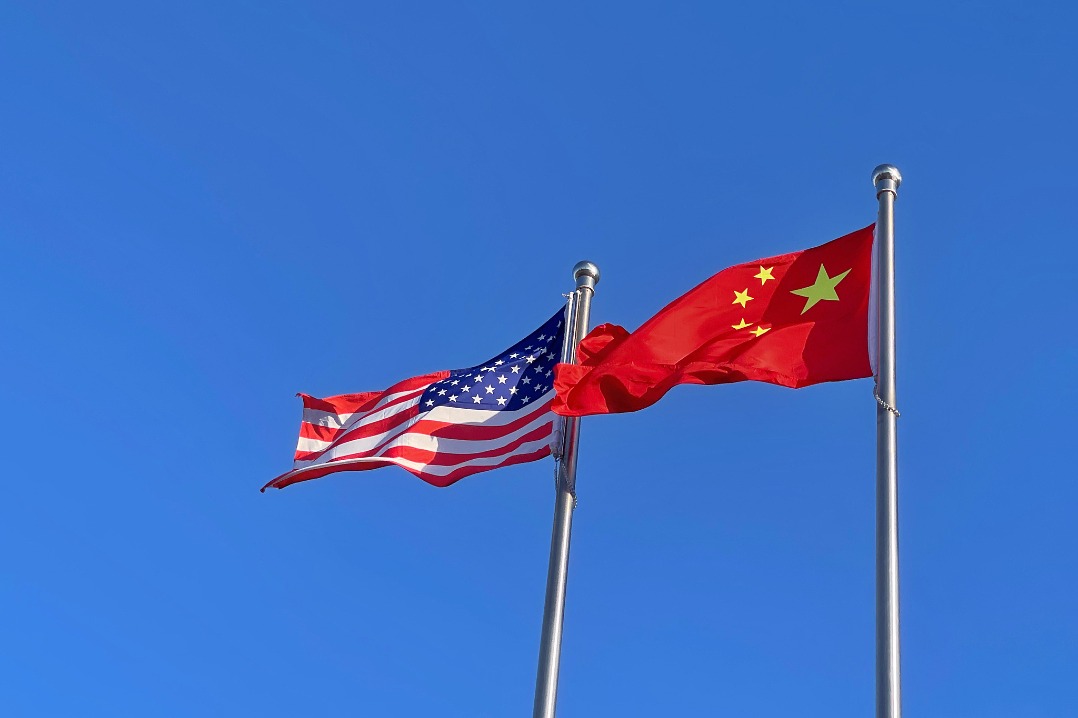
    In a significant diplomatic development, Chinese President Xi Jinping and US President Donald Trump conducted their first head-of-state telephone conversation of 2026 on Wednesday, coinciding with the traditional Chinese Start of Spring festival. The extensive discussion has been characterized by observers as potentially opening doors to renewed bilateral cooperation amid global turbulence.

    The dialogue established several key diplomatic milestones for the coming year, with President Xi highlighting parallel national priorities: China’s initiation of its 15th Five-Year Plan (2026-2030) and the United States’ approaching 250th anniversary celebrations. Additionally, both nations are poised to host major international gatherings—China will chair the APEC Economic Leaders’ Meeting while the United States prepares to host the G20 Summit.

    President Xi articulated his vision for the relationship through maritime metaphor, expressing hope to “steer the giant ship of China-US relations steadily forward through winds and storms” toward mutual respect, peaceful coexistence, and win-win cooperation. He emphasized the philosophical approach that “it is always right to do a good thing, however small, and always wrong to do a bad thing, however small.”

    President Trump acknowledged the relationship as “the most important in the world,” noting positive economic and trade developments while committing to further progress throughout his remaining presidential term. In subsequent social media communications, Trump characterized the exchange as “a long and thorough call” anticipating “many positive results” over the next three years.

    Academic analysts from both nations highlighted the conversation’s significance. Professor Diao Daming of Renmin University observed that the communication “made clear the great significance of the year 2026 to both nations and the world,” suggesting that mutual success rather than mutual obstruction should define the relationship. Professor Jia Qingguo of Peking University identified “hard-won opportunities” for collaboration in artificial intelligence and nuclear nonproliferation.

    The Taiwan question emerged as a critical component of discussions, with President Xi unequivocally stating China’s position on safeguarding sovereignty and territorial integrity. He specifically addressed US arms sales to Taiwan, urging prudent handling of the matter. The Chinese Foreign Ministry reported that President Trump acknowledged understanding China’s position on Taiwan.

    Chen Binhua, spokesman for China’s State Council Taiwan Affairs Office, subsequently reinforced that Taiwan represents “the first red line that cannot be crossed in China-US relations,” calling for US adherence to the one-China principle and existing bilateral agreements.

    International policy experts, including Gary Hufbauer of the Peterson Institute for International Economics, suggested that tangible US actions—including tariff reductions and affirmed commitment to one-China policy—would be necessary to demonstrate good faith. Hufbauer warned that additional arms sales to Taiwan or expanded export controls would signal deterioration.

    Su Xiaohui of the China Institute of International Studies characterized the exchange as demonstrating China’s “responsible role” in complex geopolitical circumstances, emphasizing the mutual need to avoid miscalculation while advancing communication.

    The diplomatic engagement occurs against a backdrop of cautious optimism among observers who stress that concrete actions—particularly from the United States—must follow rhetorical commitments to realize the potential for stabilized relations between the world’s two largest economies.