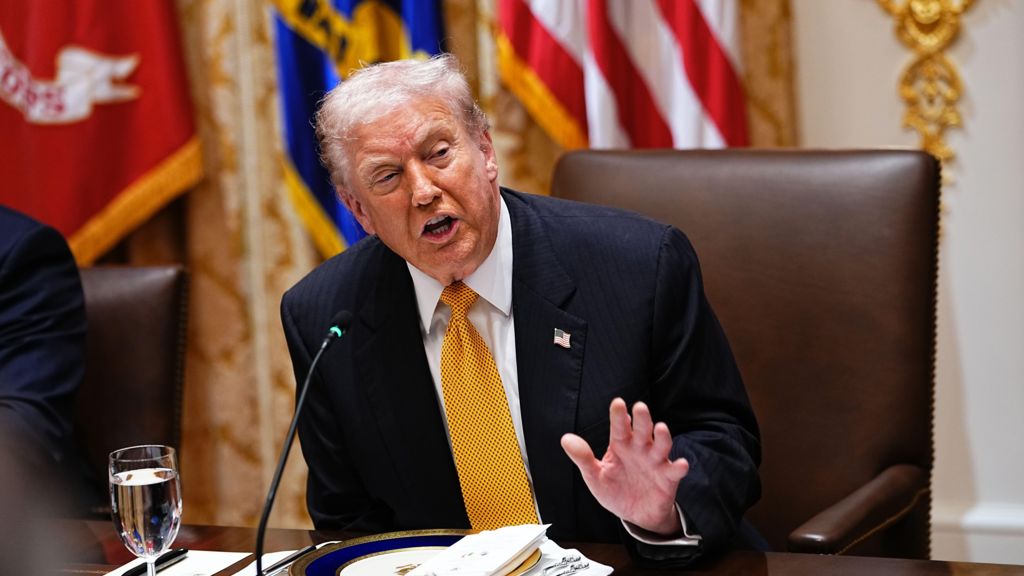
In a surprising move, former US President Donald Trump announced that the United States will not participate in the upcoming G20 summit in South Africa. Trump cited unsubstantiated claims of persecution against the white minority in South Africa, particularly Afrikaners, as the reason for the boycott. He labeled South Africa’s hosting of the event as a ‘total disgrace’ and vowed that no US government officials would attend under these circumstances. This decision has drawn criticism from South Africa’s foreign ministry, which described it as ‘regrettable’ and refuted the allegations as baseless. The ministry emphasized that no political party in South Africa, including those representing the white community, has supported the claim of genocide. Trump’s stance has reignited tensions between the two nations, following his earlier confrontation with South African President Cyril Ramaphosa in May. The Trump administration has also granted refugee status to Afrikaners, citing a supposed ‘genocide,’ a claim dismissed by South African courts as ‘clearly imagined.’ The G20, established in 1999 to address global economic stability, will proceed without US representation, raising questions about the future of international cooperation.
分类: politics
-
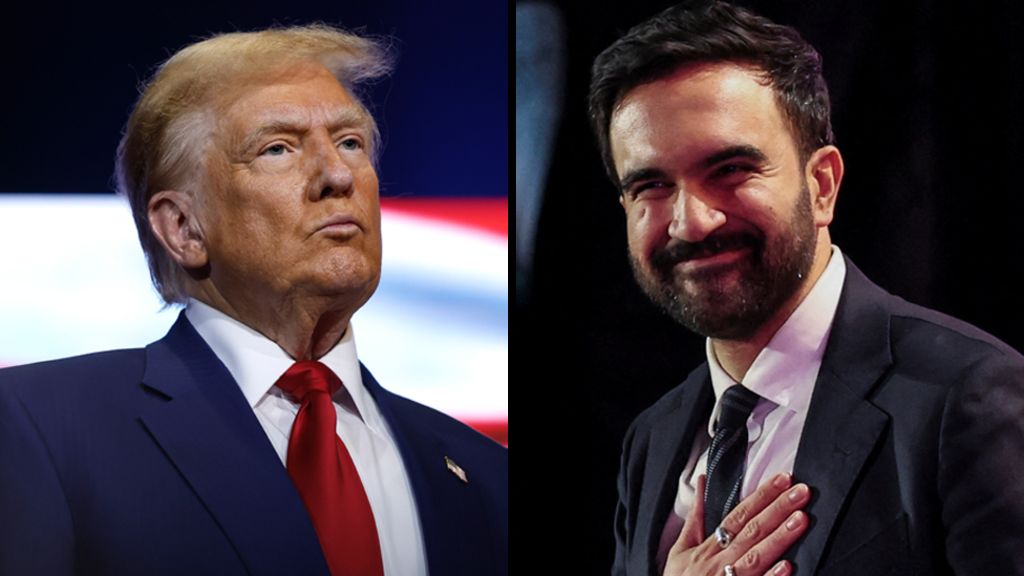
How Trump could hamper Zohran Mamdani’s New York agenda
In a dramatic turn of events, Zohran Mamdani, the newly elected mayor of New York City, has set his sights on a formidable opponent: President Donald Trump. Moments after securing his victory, Mamdani took to the podium to deliver a pointed message to the president, urging him to ‘turn the volume up.’ Trump, never one to shy away from confrontation, responded swiftly on his social media platform, Truth Social, with a cryptic message: ‘…AND SO IT BEGINS!’
-
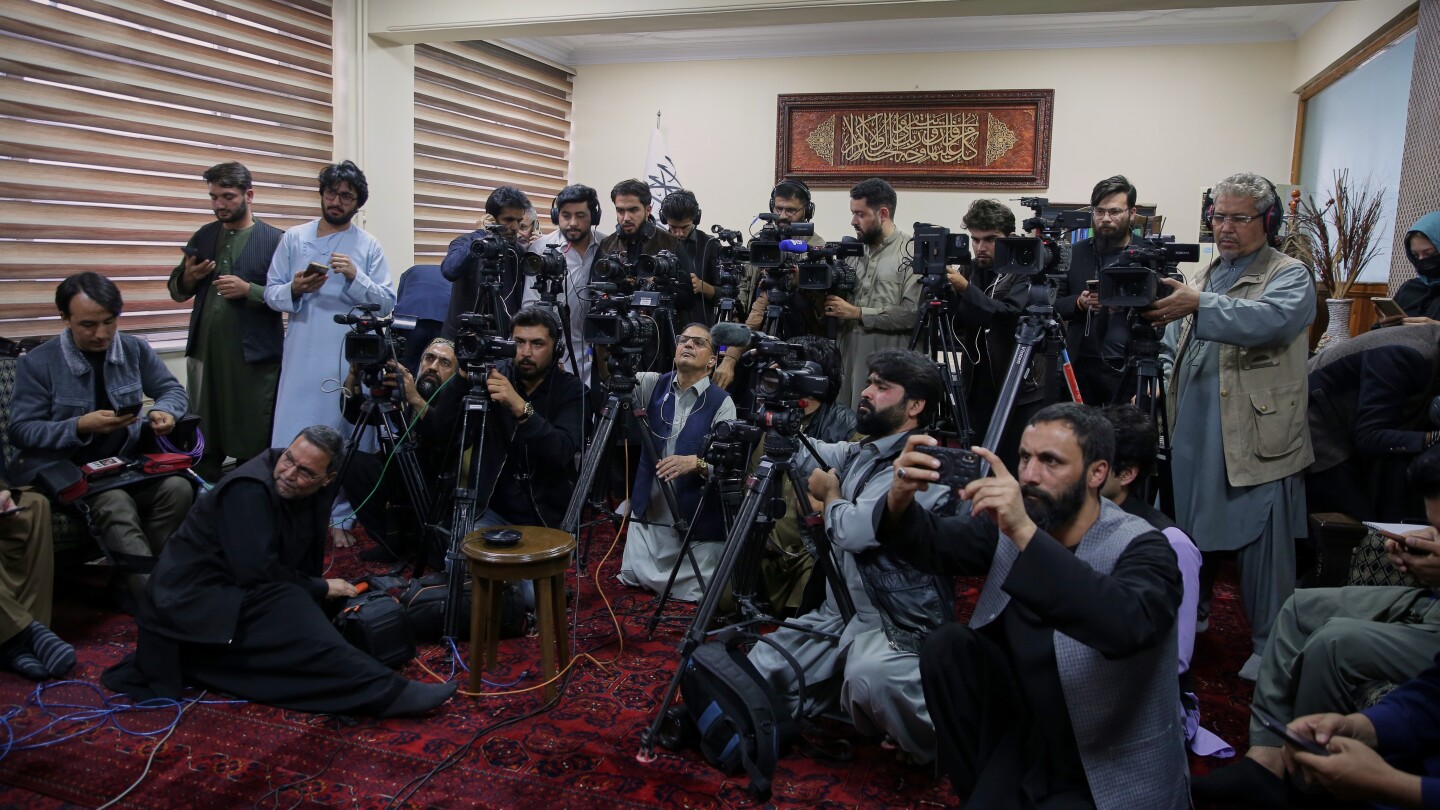
Pakistan–Afghanistan peace talks in Istanbul fail amid rising border tensions
The latest round of peace talks between Pakistan and Afghanistan, held in Istanbul under the mediation of Turkey and Qatar, concluded without an agreement, as both sides exchanged accusations over the breakdown. The negotiations, aimed at easing border tensions and maintaining a fragile ceasefire, marked the third diplomatic effort since the Taliban’s 2021 takeover of Afghanistan. Despite intense back-channel diplomacy, the discussions stalled late Friday, with no tangible progress reported.
-
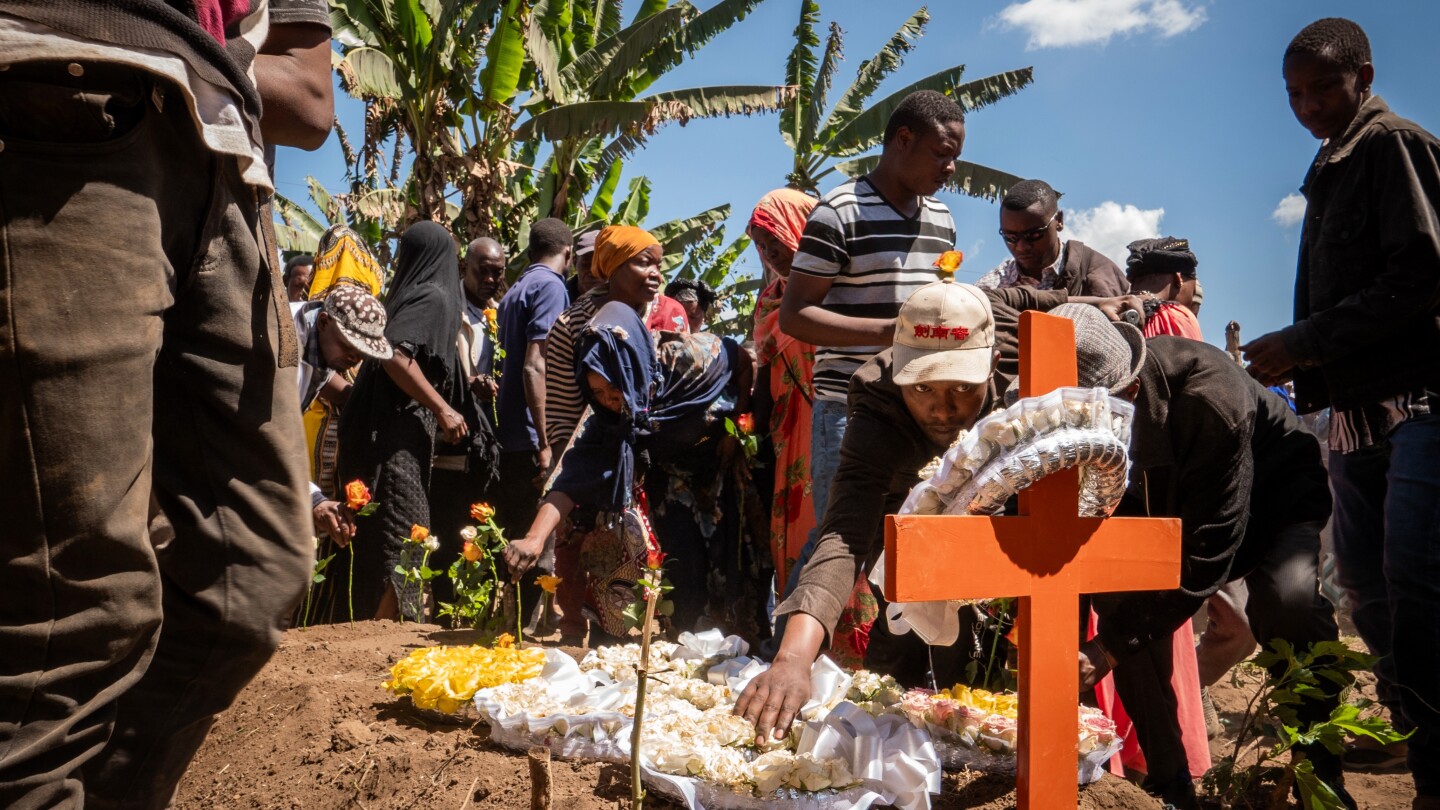
Tanzania charges hundreds with treason and issues arrest warrants for more opposition figures
Tanzania is grappling with escalating political tensions following widespread demonstrations and violence surrounding last month’s disputed elections. Authorities have charged hundreds of individuals with treason, including top opposition figures, in a significant crackdown on dissent. Among those targeted are Brenda Rupia, communications director for the Chadema opposition party, and John Mnyika, its secretary-general. Chadema’s leader, Tundu Lissu, has been detained for months and faces similar charges after advocating for electoral reforms ahead of the October 29 vote. The government’s actions have drawn criticism from human rights organizations, which accuse it of repression, enforced disappearances, and extrajudicial killings. The African Union has also condemned the election, citing violations of democratic standards, including ballot stuffing and multiple voting incidents. President Samia Suluhu Hassan, who secured over 97% of the vote, faces allegations of authoritarianism, with critics contrasting her leadership style to the more tolerant approach of previous leaders. The Chama cha Mapinduzi party, which has ruled Tanzania since independence in 1961, continues to dominate the political landscape, maintaining ties with the Communist Party of China.
-
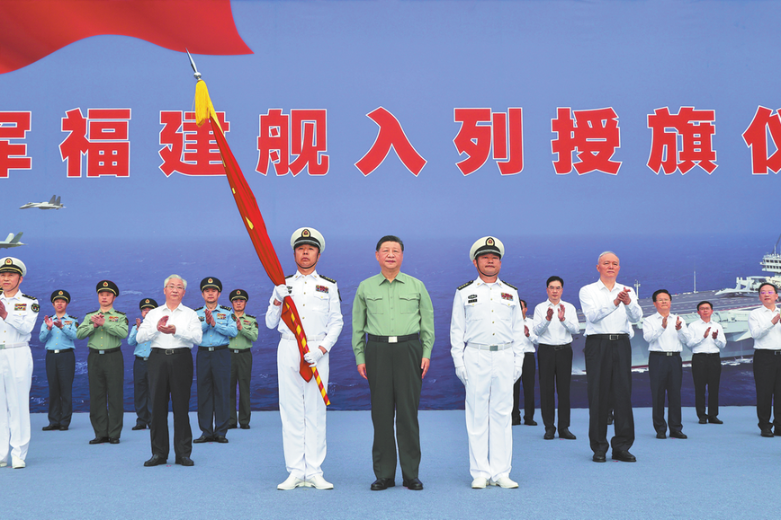
Xi attends carrier’s commissioning
President Xi Jinping presided over the commissioning ceremony of the CNS Fujian, China’s first aircraft carrier equipped with electromagnetic catapults, at a naval base in Sanya, Hainan Province. The event marked a significant milestone in China’s naval capabilities, showcasing the nation’s advancements in military technology and maritime defense. President Xi, who also serves as the General Secretary of the Communist Party of China Central Committee and Chairman of the Central Military Commission, personally presented the People’s Liberation Army (PLA) flag to the carrier’s captain and political commissar. The ceremony was attended by 2,000 personnel, including Navy officers and defense contractors involved in the ship’s design and construction. Following the ceremony, President Xi inspected the Fujian, observing its flight deck, which featured advanced aircraft such as the J-35 stealth fighter jet and KJ-600 early-warning and control planes. He also engaged with pilots and crew, witnessing a demonstration of the electromagnetic catapult system, which he had personally approved for installation. The CNS Fujian, with a hull designation of 18, displaces over 80,000 metric tons, making it the largest warship ever built outside the United States. Designed by China State Shipbuilding Corp and constructed at the Jiangnan Shipyard in Shanghai, the Fujian underwent nine sea trials before its commissioning. Military experts highlighted the carrier’s strategic importance, emphasizing its enhanced capabilities in safeguarding national interests and its potential to operate longer and further than its predecessors. However, they also noted that continuous training and exercises would be essential to fully realize its combat potential.
-
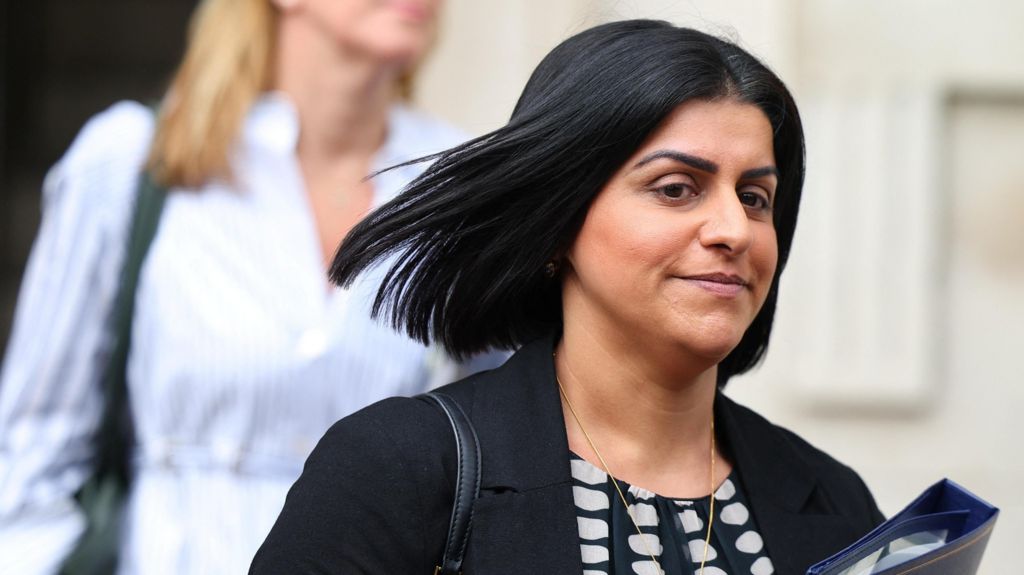
UK seeks Danish inspiration to shake up immigration system
UK Home Secretary Shabana Mahmood is poised to unveil a significant transformation of the nation’s immigration and asylum system later this month, drawing inspiration from Denmark’s stringent policies. The Danish model, renowned as one of Europe’s toughest, has been under close scrutiny by UK officials, who recently visited Copenhagen to study its implementation. Key aspects of Denmark’s system include stricter family reunification rules, temporary refugee stays, and expedited expulsion of individuals without legal residency rights. Mahmood aims to reduce incentives for migration to the UK while streamlining the removal of unauthorized individuals. However, her plans face opposition within her own party, with some Labour MPs criticizing the approach as overly harsh and reminiscent of far-right ideologies. Mahmood’s strategy aligns with her pledge to regain control of Britain’s borders, a promise she reiterated at the Labour conference in September. Denmark’s success in reducing asylum claims to a 40-year low, excluding pandemic-related restrictions in 2020, has particularly impressed her. The Danish system also includes measures such as financial incentives for asylum seekers to return to their home countries and stricter conditions for acquiring permanent residency. While the UK is unlikely to adopt all aspects of the Danish model, Mahmood is expected to introduce more restrictive family reunification rules, including potential language and financial requirements. Denmark’s Immigration and Integration Minister, Rasmus Stoklund, emphasized the importance of protecting societal norms and ensuring that immigrants contribute positively to the country. The UK’s exploration of the Danish model reflects broader political dynamics, with the Labour Party seeking to counter the rise of Reform UK by addressing voter concerns on immigration. Critics, however, caution against directly transplanting Danish policies, citing differences in political and electoral systems. The debate underscores the challenges of balancing progressive ideals with public demand for stricter immigration controls.
-
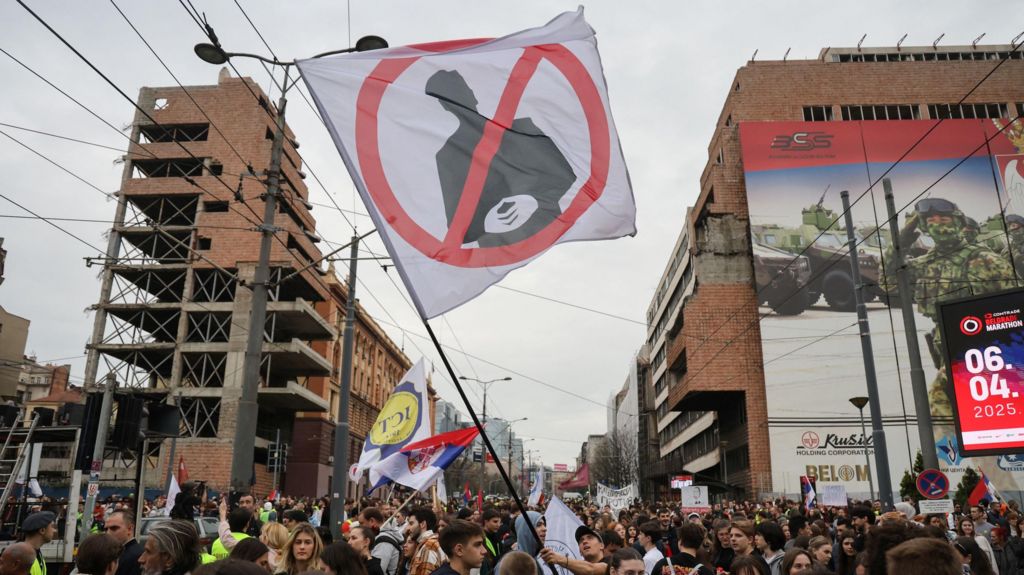
Serbia clears the way for controversial Trump-linked property plan
Serbia’s parliament has enacted legislation enabling a contentious property development project in Belgrade, led by Jared Kushner, son-in-law of former US President Donald Trump. The project, spearheaded by Kushner’s firm Affinity Partners, aims to construct a luxury hotel and apartment complex on the site of the former Yugoslav Army headquarters. This site, bombed by NATO forces in 1999 during the Kosovo conflict, holds significant symbolic value for many Serbians, who view it as a memorial and a symbol of resistance against NATO. Despite widespread protests and legal challenges, Serbian President Aleksandar Vucic, a close ally of Trump, has endorsed the project. Last year, the Serbian government revoked the building’s protected status and granted a 99-year lease to Kushner’s firm, which plans a $500 million development. This decision sparked public demonstrations and prompted an investigation into allegations of forged documentation used to alter the building’s status. In a June interview with the BBC, Vucic defended the project, emphasizing the need to move past the events of 1999 and strengthen ties with the US. The parliamentary vote, pushed through by Vucic’s majority party, has been criticized by opposition politicians, who argue it is unconstitutional and erases national history for the sake of foreign interests. Architectural experts and anti-corruption organizations, including Transparency Serbia, have also voiced concerns. The project’s approval highlights Serbia’s delicate balancing act in maintaining relations with both Washington and Moscow, amid ongoing economic pressures from US tariffs and Russian sanctions.
-
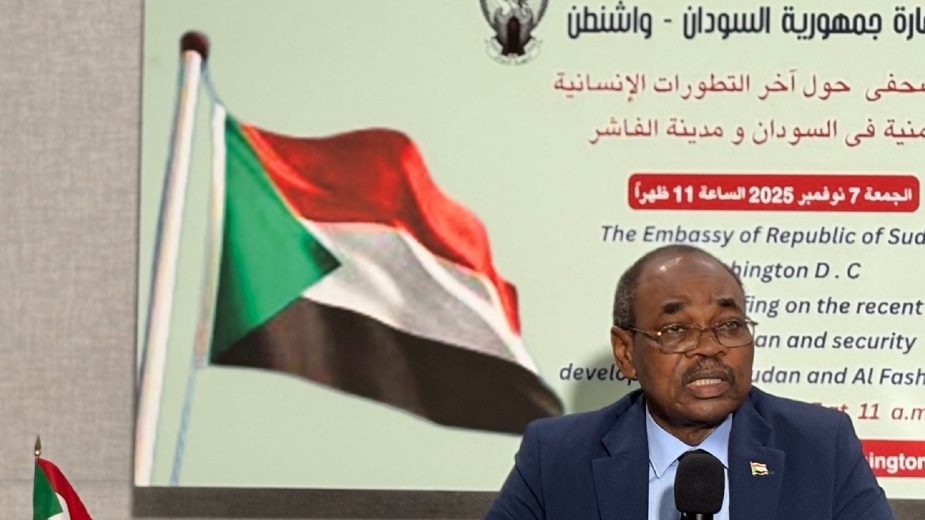
Sudan urges Trump to designate RSF a terrorist entity as it rules out UAE-linked peace proposals
Sudan’s ambassador to the United States, Mohamed Abdalla Idris, has called on the Trump administration to classify the Rapid Support Forces (RSF) as a terrorist organization. Speaking at a press briefing in Washington on Friday, Idris emphasized Sudan’s rejection of a UAE-backed peace proposal to end the ongoing civil war, now in its third year. He criticized Abu Dhabi’s support for the RSF as “destructive” and stated that Sudan cannot accept a peace deal involving the UAE as a mediator, given its role in the conflict. Despite the UAE’s membership in the “Quad”—a coalition including the US, Saudi Arabia, and Egypt—Idris argued that the UAE cannot simultaneously be a party to the conflict and a mediator. The Quad recently unveiled a coordinated roadmap to resolve Sudan’s war, which Idris acknowledged as a positive step but reiterated Sudan’s opposition to UAE involvement. He also urged US President Donald Trump to take a more active role in pressuring the UAE to cease its support for the RSF, which has roots in the Janjaweed militia responsible for the Darfur genocide. The ambassador highlighted bipartisan efforts in the US Senate to designate the RSF as a terrorist organization, citing its ongoing atrocities in El-Fasher. He also called for independent investigations into war crimes committed by both the RSF and the Sudanese Armed Forces. The conflict has resulted in over 150,000 deaths and displaced 12 million people, with 17 countries allegedly involved in the crisis. Sudan has raised these concerns with the Arab League and the African Union, though its AU membership remains suspended.
-
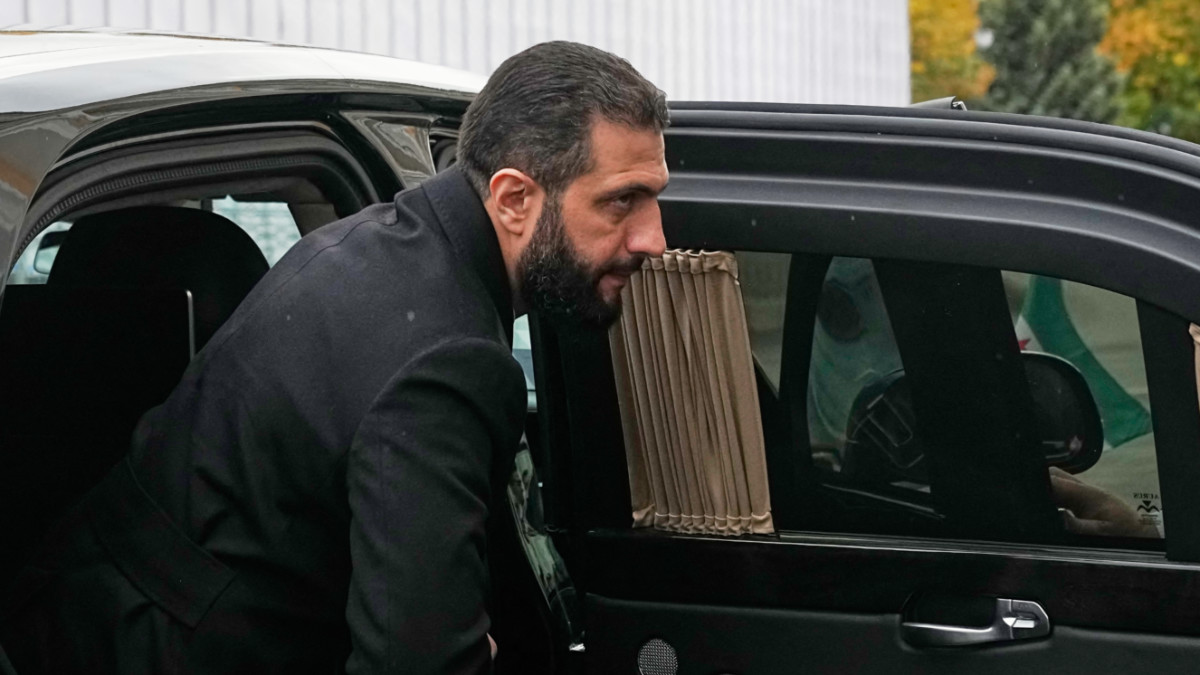
‘Meeting is the message’: On US visit, Syria’s Sharaa eyes boost against Israel, SDF and sanctions
In a historic turn of events, Syrian President Ahmed al-Sharaa, once labeled a terrorist by the United States, is set to visit the White House. This visit underscores a significant realignment in U.S.-Syria relations, as Sharaa prepares to join a U.S.-led coalition against the Islamic State (IS). The move comes amid Syria’s complex challenges, including Israeli occupation in the south, tensions with Kurdish factions in the north, and a struggling economy under sanctions. While these issues are unlikely to be resolved during the visit, the symbolic image of Sharaa in the Oval Office carries profound implications. Former U.S. Ambassador to Syria Robert Ford noted the unprecedented nature of the meeting, likening it to past visits by leaders such as Nelson Mandela and Yasser Arafat. Sharaa’s ability to navigate international skepticism about his past has been a key achievement, even as Syria grapples with internal corruption and sectarian violence. Ahead of the visit, the Trump administration lifted sanctions on Sharaa and his interior minister, signaling a thaw in relations. Sharaa’s government is also strengthening ties with NATO-member Turkey and seeking financial support from Gulf states like Qatar and Saudi Arabia. However, Israel remains a significant threat, with its occupation of southern Syria and strategic moves on Mount Hermon. Experts suggest that while a security agreement between Syria and Israel is possible, a broader peace deal remains unlikely. The visit also highlights the U.S.’s shifting role in the Middle East, as it seeks to reduce its military footprint while deepening security cooperation with Syria. Sharaa’s alignment with the U.S. could marginalize the Kurdish-led Syrian Democratic Forces (SDF), long a U.S. ally in the fight against IS. As Sharaa’s visit unfolds, it is being closely watched by Syrians seeking reintegration into the region and by international stakeholders wary of the geopolitical shifts it may trigger.
-
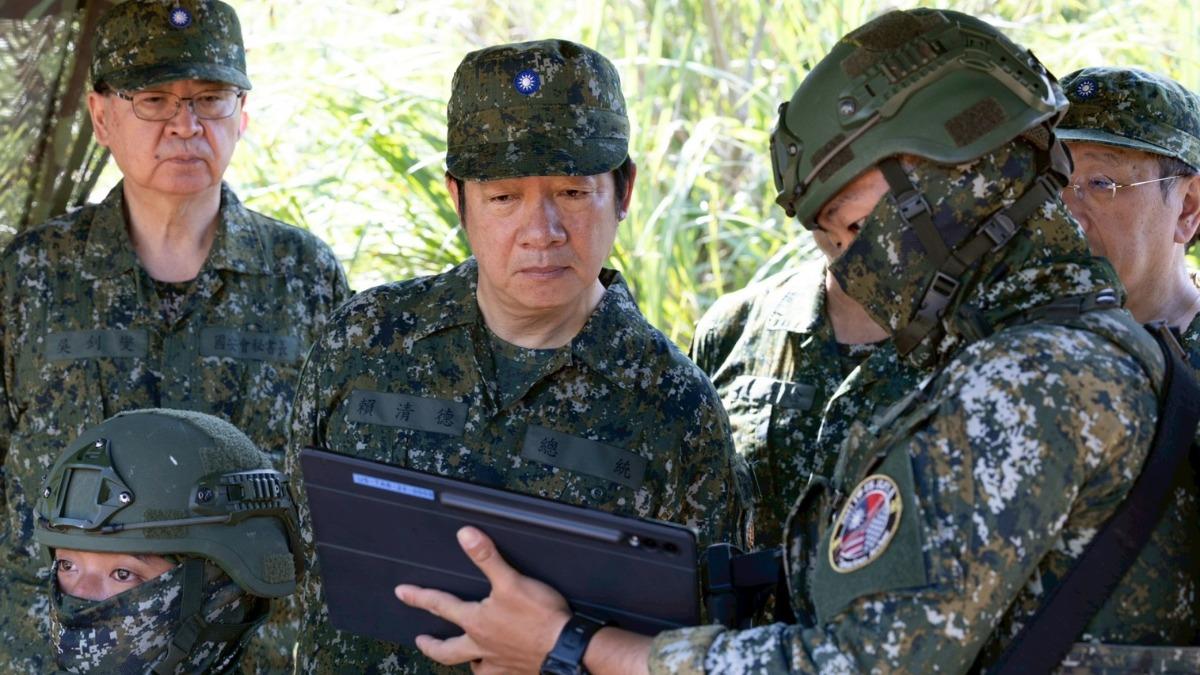
The case for abandoning Taiwan is still weak
The escalating military pressure from China on Taiwan has reignited debates within the United States about whether to intervene militarily if China decides to attack the island. Analysts have long argued that the US should distance itself from Taiwan to preserve its relationship with China. This argument has gained traction as China’s strength and assertiveness grow, raising the potential costs of continued US support for Taipei. Lyle Goldstein, Director of the Asia Program at Defense Priorities, recently highlighted these concerns in an article published in Time magazine, warning of the risks posed by Taiwan’s current president, Lai Ching-te, whom he labels as ‘reckless.’ Goldstein argues that Lai’s rhetoric and actions could inadvertently drag the US into a conflict with China. However, critics note that Lai’s policies largely mirror those of his predecessor, Tsai Ing-wen, and that his statements on Taiwanese sovereignty are consistent with the Democratic Progressive Party’s long-standing position. China’s aggressive posture toward Taiwan is driven not solely by Lai’s leadership but also by its growing military capabilities and the perception of a wavering US commitment to Taiwan’s defense. While some argue that defending Taiwan is not in America’s vital interest, others emphasize Taiwan’s strategic and economic importance, particularly as a global hub for semiconductor manufacturing and a key player in the First Island Chain. The debate underscores the complex dynamics of US-China-Taiwan relations and the high stakes involved in any potential conflict.