分类: politics

  • Exclusive: US envoy accused SDF chief of trying to drag Israel into internal Syria matters, sources say

    Exclusive: US envoy accused SDF chief of trying to drag Israel into internal Syria matters, sources say

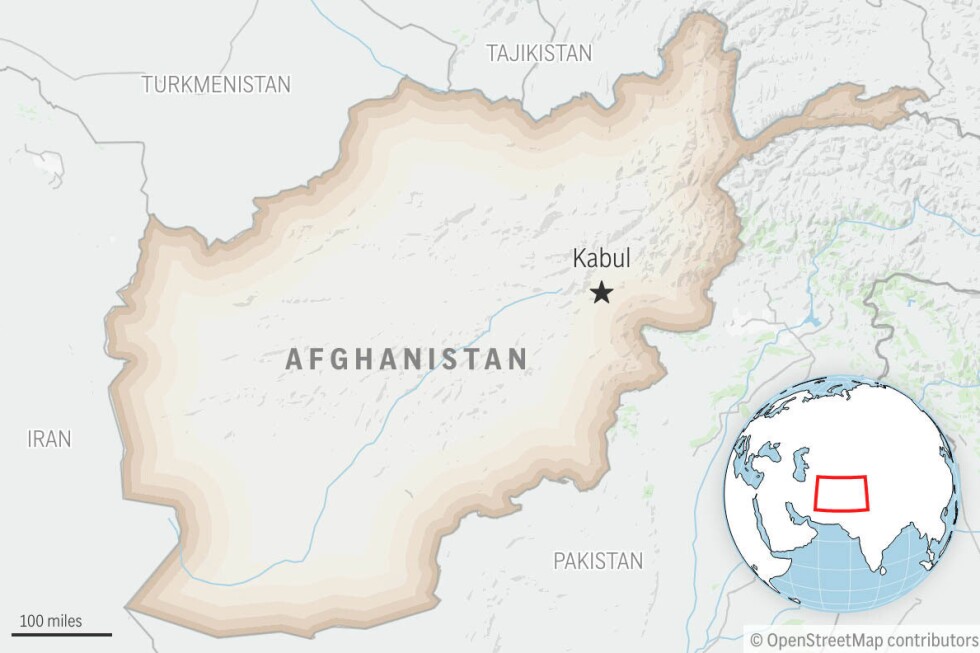
    In a tense diplomatic confrontation preceding Sunday’s ceasefire agreement, U.S. Special Envoy for Syria Tom Barrack allegedly confronted Syrian Democratic Forces (SDF) commander Mazloum Abdi over attempts to involve Israel in Syria’s internal affairs, according to anonymous diplomatic sources who spoke with Middle East Eye.

    The closed-door meeting, which occurred in Erbil on Saturday amid Syrian government advances into SDF-controlled territories, also featured veteran Kurdish leader Massoud Barzani. Sources indicate Barrack delivered sharp criticism regarding Abdi’s delayed implementation of a March 2025 integration agreement that envisioned SDF merging with the Syrian army by year’s end.

    Barrack, a consistent advocate for a unified Syrian state, reportedly accused the SDF leadership of “stalling, failing to implement the agreement with the Syrian government, and relying on foreign powers.” The envoy issued a stark warning against involving Israel, stating such actions would “bring destruction” and potentially create friction between two crucial U.S. allies—Turkey and Israel.

    These allegations emerge alongside acknowledgments from senior SDF officials, including Ilham Ahmed, who confirmed communications with Israeli representatives and expressed openness to support from any external party willing to protect Kurdish communities and their political achievements.

    During the meeting, Barrack challenged Abdi’s apparent failure to recognize Syria’s transformed political landscape, noting: “You still want to deal with the situation as if Bashar al-Assad is ruling Syria… There is a fundamental change; Damascus is our partner today in the fight against terrorism.”

    Contrasting this tone, Barzani reportedly described his recent meeting with Syrian President al-Sharaa as positive while requesting assistance for Kurdish civilian protection, presenting documented evidence of threats facing Kurdish communities. The Kurdish leader offered to serve as “new guarantor” for any revised agreement and requested a follow-up meeting between Sharaa and Abdi.

    The diplomatic efforts culminated in Sunday’s ceasefire announcement, with Syria’s military assuming nearly complete territorial control and dismantling the Kurdish-led forces that governed northeast Syria for over a decade. The agreement stipulates SDF withdrawal from Arab-majority Raqqa and Deir Ezzor provinces, including border crossings and energy fields, though specific implementation timelines remain unclear.

    Barrack subsequently praised the agreement on social media, characterizing it as progress toward a “unified Syria” and noting President al-Sharaa’s recognition of Kurds as “an integral part of Syria.”

  • Trump heads for Davos maelstrom over Greenland

    Trump heads for Davos maelstrom over Greenland

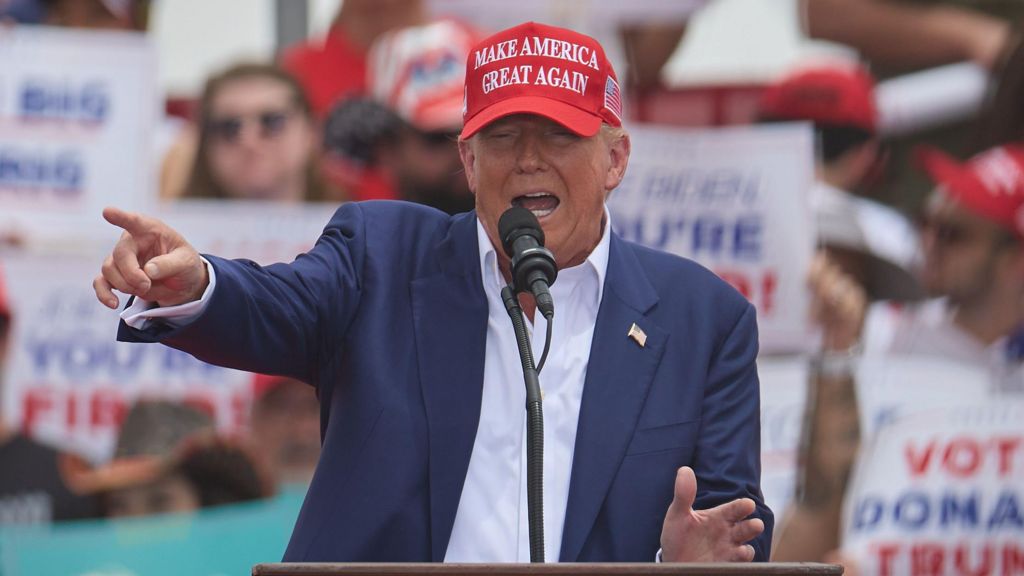
    The World Economic Forum in Davos has become the stage for a significant geopolitical confrontation, with U.S. President Donald Trump’s controversial interest in Greenland creating unprecedented strains within the NATO alliance. During his attendance at the Swiss summit—his first in six years—Trump confirmed he would conduct meetings specifically addressing Greenland, heightening tensions with European leaders who have united against his aggressive foreign policy approach.

    The situation escalated when Trump publicly mocked European counterparts, particularly French President Emmanuel Macron, by revealing private diplomatic communications. Macron had previously condemned Trump’s tariff threats against eight European nations as ‘unacceptable,’ while European Commission President Ursula von der Leyen warned of a potential ‘downward spiral’ in EU-US relations.

    Greenland’s strategic significance has emerged as a central point of contention, with Trump emphasizing its mineral wealth and importance for Arctic security amid growing competition with Russia and China. The autonomous territory’s Prime Minister acknowledged the need to prepare for potential military implications, while Lithuania’s President Gitanas Nauseda declared that any forceful action against a NATO ally would effectively mean ‘the end of NATO.’

    Despite these tensions, some U.S. lawmakers suggested the situation might de-escalate over time. Meanwhile, Trump’s planned announcement of a new international conflict resolution body—the ‘Board of Peace’ with $1 billion membership fees—and his invitation to Russian President Vladimir Putin have further complicated the diplomatic landscape, particularly given Russia’s ongoing invasion of Ukraine.

  • New Zealand election scheduled for Nov. 7 with the costs of living and housing the top issue

    New Zealand election scheduled for Nov. 7 with the costs of living and housing the top issue

    WELLINGTON, New Zealand — Prime Minister Christopher Luxon has officially designated November 7 as the date for New Zealand’s next general election, setting the stage for a contentious battle over economic leadership and policy direction. The center-right leader will pursue a second term amidst persistent voter concerns about living costs and economic recovery.

    The electoral contest presents a remarkable political coincidence, featuring two leaders named Christopher vying for premiership—repeating the 2023 electoral dynamic. Luxon’s National Party government faces formidable opposition from Chris Hipkins’ resurgent Labour Party, with analysts predicting an exceptionally close race.

    New Zealand’s political structure features a unicameral parliamentary system where coalition-building proves essential. Both major parties typically require alliances with smaller political entities to secure governing majorities, granting minor parties disproportionate influence in determining the nation’s leadership.

    Economic performance dominates the electoral discourse, with Luxon emphasizing his administration’s efforts to rebuild the pandemic-affected economy. Recent economic indicators show a 0.5% contraction over the past twelve months, while emigration to Australia has reached record levels during Luxon’s tenure. The Prime Minister attributes these challenges to what he characterizes as economic mismanagement by the previous Labour administration.

    Opposition Leader Hipkins has dismissed Luxon’s economic narrative as ‘management-speak mumbo-jumbo,’ accusing the government of failing to deliver on key promises including housing affordability and healthcare accessibility. The debate extends to infrastructure investment and pension funding, with Luxon criticizing Labour’s debt accumulation approach while Hipkins condemns the government’s tax policies.

    Luxon, a former Air New Zealand CEO and business executive, brings corporate leadership experience but faces criticism regarding his political novice status and perceived disconnection from ordinary citizens. Hipkins, who briefly served as prime minister following Jacinda Ardern’s resignation, emphasizes his humble background and governmental experience despite his party’s 2023 electoral setback.

    The electoral outcome will likely hinge on negotiations with minor parties. Luxon’s current coalition includes the libertarian ACT and populist New Zealand First parties, while Hipkins would likely seek support from the Green Party and Te Pāti Māori. Historical patterns suggest single-term governments are uncommon in New Zealand politics, with the last occurrence dating to 1975.

  • Syria-SDF deal reached as US says partnership with Kurdish-led group ‘expired’

    Syria-SDF deal reached as US says partnership with Kurdish-led group ‘expired’

    In a significant geopolitical realignment, the United States has declared the original purpose of its security partnership with the Syrian Democratic Forces (SDF) largely fulfilled. US Ambassador Tom Barrack announced this strategic shift on Tuesday, coinciding with Damascus’s proclamation of a four-day ceasefire and a comprehensive compromise agreement.

    The breakthrough arrangement mandates that Kurdish fighters integrate into the Syrian national army as individuals rather than as distinct Kurdish-led divisions. This structure addresses the SDF’s longstanding request for maintaining cultural autonomy while unifying Syria’s security apparatus. Concurrently, Damascus will assume control over critical infrastructure including border crossings, oil facilities, ISIS detention centers, and strategically vital dams in water-scarce eastern regions.

    Ambassador Barrack articulated on social media platform X that ‘the original purpose of the SDF as the primary anti-ISIS force has largely expired,’ noting Damascus’s current willingness and capability to assume security responsibilities. His statement aligned temporally with Syria’s announcement granting the SDF 96 hours to formulate an integration plan for Hasakah province.

    The agreement contains significant concessions from both parties. Syrian government forces have committed to abstain from entering Kurdish-majority villages or the cities of Hasakah and Qamishli, which serve as SDF headquarters. This development follows recent military advances by President Ahmed al-Sharaa’s forces, which reclaimed territories including Raqqa and oil-rich Deir Ezzor from SDF control.

    Barrack framed the diplomatic achievement as creating ‘a unique window for the Kurds’ offering full citizenship rights, constitutional protections for Kurdish language and culture, and participatory governance. These provisions, backed by US diplomacy, reportedly exceed the semi-autonomous status the SDF maintained during civil war instability.

    The agreement follows President Sharaa’s January decree recognizing Kurds as ‘a basic and authentic part of the Syrian people’ while restoring citizenship to those deprived since the 1960s. Ambassador Barrack, who manages Syria policy for the Trump administration, has been mediating between the SDF, Damascus, and Ankara—Turkey being Sharaa’s key foreign supporter and traditional adversary of Kurdish forces.

    This policy shift represents Washington’s most coherent Syria strategy to date, emphasizing extrication from long-term military presence, ensuring ISIS’s definitive defeat, and mediating ethnic reconciliation without endorsing separatism. The unitary state approach also reassures Damascus and Turkey about US commitments to Syria’s territorial integrity, countering regional alternatives including Israeli preferences for segmented governance structures.

  • Colombia slashes wages for its legislators as public spending balloons ahead of election

    Colombia slashes wages for its legislators as public spending balloons ahead of election

    In a sweeping austerity move, Colombian President Gustavo Petro has enacted a substantial 30% reduction in congressional salaries through presidential decree. The decision, announced Tuesday, directly targets what the government describes as “disproportionate” compensation for legislators in a nation grappling with economic constraints and preparing for pivotal elections.

    The decree eliminates the controversial ‘bonus for special services’—a supplemental payment introduced over a decade ago to cover lawmakers’ relocation expenses. This elimination will reduce monthly congressional earnings from approximately $13,000 to $9,400. The previous salary represented a staggering 32 times Colombia’s minimum wage, which stands at roughly $500 per month for most workers.

    This dramatic pay disparity has long been a subject of public scrutiny in the South American nation. Despite previous legislative attempts to curb congressional compensation, such measures have consistently failed amid resistance from lawmakers who argued the funds were necessary to finance future political campaigns.

    The salary reduction will take effect in July following legislative elections in March and presidential elections in May. The timing underscores the government’s push for fiscal restraint during an election cycle.

    Reactions from Congress have been sharply divided. Senator Angélica Lozano welcomed the move as “a minimal measure of equity” on social media platform X. Conversely, Senate President Lidio García accused Petro of attempting to “punish” legislators who rejected his social and economic reforms, including a tax bill that failed in December.

    The wage cut coincides with Petro’s broader economic emergency measures, which enable him to raise taxes without congressional approval. The government seeks to increase its budget by $4 billion this year to address multiple priorities: covering health insurance payments, maintaining fuel subsidies, and investing $700 million in military infrastructure to counter rebel drone attacks.

    Public spending has reached unprecedented levels under Petro, Colombia’s first left-wing president, exceeding even pandemic-era expenditures. The national government’s 2025 budget stands at approximately $134 billion, creating additional pressure for fiscal reforms.

  • Hizb ut-Tahrir Australia website disappears after Labor passes sweeping hate speech laws

    Hizb ut-Tahrir Australia website disappears after Labor passes sweeping hate speech laws

    In a swift response to Australia’s newly enacted hate speech legislation, the controversial pan-Islamist organization Hizb ut-Tahrir has taken its Australian website offline. The digital disappearance occurred mere hours after Parliament passed Labor’s comprehensive hate speech reforms on Tuesday evening, which grant sweeping powers to designate and criminalize hate groups.

    The legislative overhaul, championed by Home Affairs Minister Tony Burke and supported by ASIO intelligence assessments, establishes severe penalties for membership, recruitment, funding, or leadership of designated hate organizations. The laws specifically target groups advocating hate crimes based on race, national or ethnic origin.

    ASIO Director-General Mike Burgess had previously testified before a Senate inquiry that Hizb ut-Tahrir had mastered operating within legal boundaries while promoting divisive rhetoric. The organization had recently accused Burgess of employing ‘Islamophobic tropes’ during a Lowy Institute lecture where he compared their strategies to those of neo-Nazi groups.

    The Nationalist Socialist Network (NSN), another targeted organization, announced its dissolution last week following government scrutiny. Hizb ut-Tahrir, already banned in multiple countries including the UK, Germany, and China, maintains a controversial platform advocating for a unified Islamic caliphate while denying any violent intentions.

    Opposition Leader Sussan Ley negotiated crucial oversight mechanisms requiring ASIO’s support for designations and mandatory briefings of opposition leadership. The website’s unavailability, confirmed through multiple access attempts including VPN connections, signals the immediate impact of Australia’s strengthened counter-extremism framework.

  • Trump puts next steps on Gaza ceasefire plan at risk by antagonizing Europe over Greenland

    Trump puts next steps on Gaza ceasefire plan at risk by antagonizing Europe over Greenland

    WASHINGTON — President Donald Trump’s ambitious plan to establish a ‘Board of Peace’ for resolving the Israel-Hamas conflict initially gained momentum with UN Security Council endorsement, positioning him as a self-proclaimed ‘president of peace’ entering 2026. However, the initiative now faces significant challenges following controversial military and diplomatic actions during January’s opening weeks.

    The administration’s simultaneous moves to threaten force against NATO ally Denmark over Greenland sovereignty and order the capture of Venezuelan President Nicolás Maduro have created diplomatic fractures. These actions have particularly alarmed European partners, with fewer than 10 of over 60 invitations to join the Board of Peace being accepted—mostly by leaders considered anti-democratic authoritarians.

    Key European nations including Britain, France and Germany have expressed reservations or declined participation entirely. French Foreign Minister Jean-Noel Barrot explicitly rejected the proposed organization, stating France would not support any body designed to replace the United Nations. The inclusion of invitations to Russian President Vladimir Putin, Chinese President Xi Jinping and Belarusian President Alexander Lukashenko has further heightened concerns among Western allies.

    The situation escalated when Trump threatened tariffs against European allies supporting Denmark, followed by provocative social media posts about seizing Greenland. In one notable exchange, Trump accused Norway’s government of blocking the Nobel committee from awarding him the Peace Prize, signaling a shift away from diplomatic priorities.

    According to defense expert Matthew Schmidt of the University of New Haven, these apparently separate issues are fundamentally interconnected in their impact on U.S. foreign policy credibility. The administration is now reportedly considering a scaled-back launch at Davos to avoid diplomatic embarrassment, potentially signing the charter while delaying membership announcements until later in January.

    The compounding controversies have created unprecedented challenges for NATO cohesion and threatened to undermine both the Gaza ceasefire process and potential negotiations regarding Ukraine, demonstrating how unilateral actions can jeopardize multilateral peace initiatives.

  • Confidential UAE memo details plan to push France to act against Muslim Brotherhood

    Confidential UAE memo details plan to push France to act against Muslim Brotherhood

    A confidential diplomatic memorandum obtained by investigative outlet Mediapart reveals the United Arab Emirates has orchestrated a sophisticated influence campaign targeting French political institutions. The 13-page document, dispatched in August by the UAE foreign ministry’s European directorate to embassy official Ahmed al-Mulla, outlines a “multi-sectoral mobilisation strategy” designed to pressure French authorities into intensifying measures against the Muslim Brotherhood and affiliated organizations.

    The memo characterizes France as a “target country” with an increasingly favorable environment for monitoring Islamist networks. It explicitly states its objective: “to encourage French authorities to strengthen measures – whether restrictions, designations, or tightened regulatory oversights of MB-linked entities” through channels that align with France’s domestic frameworks.

    The strategy advocates simultaneous engagement across multiple levels of the French system, including the Presidency, Prime Minister’s Office, Ministry of Foreign Affairs, security services, parliamentary bodies, civil society, and media outlets. It emphasizes discreet cultivation of relationships with key advisers in President Emmanuel Macron’s inner circle to influence presidential decision-making.

    Operational tactics include providing pre-written documents designed for “reusable” circulation within French authorities, building networks of sympathetic parliamentarians who can advance legislative measures, and collaborating with think tanks to shape public narrative. The memo particularly notes receptiveness among center-right and far-right political factions to the UAE’s arguments about Islamist dangers.

    This revelation reinforces existing concerns about Emirati interference in French politics, following previous investigations into disinformation campaigns targeting Qatar. The document acknowledges potential backlash, warning that “any involvement perceived as intrusive could provoke a backlash and harm the UAE’s contribution,” highlighting the operation’s sensitivity.

  • Saudi interior minister meets Algerian president to discuss security ties

    Saudi interior minister meets Algerian president to discuss security ties

    Algerian President Abdelmadjid Tebboune hosted Saudi Arabia’s Interior Minister Prince Abdulaziz bin Saud in Algiers on Monday for high-level discussions focused on strengthening bilateral relations and enhancing security cooperation between the two nations.

    The Saudi delegation delivered formal greetings from King Salman and Crown Prince Mohammed bin Salman, expressing royal wishes for Algeria’s continued progress and prosperity. This diplomatic engagement occurs against the backdrop of escalating tensions between Saudi Arabia and the United Arab Emirates, two traditional allies now pursuing competing strategic interests across North and East Africa.

    Long-standing regional partners Saudi Arabia and the UAE have experienced growing policy divergences, particularly evident in their opposing stances in conflicts within Yemen and Sudan. Algeria finds itself at the center of this geopolitical reconfiguration, with multiple reports indicating potential diplomatic rupture between Algiers and Abu Dhabi.

    Algerian media outlet El-Khabar has reported that Algeria is considering severing diplomatic relations with the UAE due to activities perceived as destabilizing and hostile to both Algerian national unity and broader Arab interests. Algerian authorities have repeatedly criticized, without explicitly naming, what they describe as destabilization maneuvers and interference contrary to collective Arab objectives.

    Official Algerian circles have specifically accused the UAE embassy of “suspicious moves” and characterized the Emirati ambassador as being “on a mission to destabilize” the country. The UAE stands accused of supporting the Paris-based Movement for the Self-Determination of Kabylie (MAK), a separatist organization advocating independence for Algeria’s predominantly Amazigh Kabylia region.

    Reports indicate the UAE has established communications with MAK, which also receives support from both Israel and Morocco. This development occurs as both Gulf nations pursue distinct international partnerships: Saudi Arabia recently signed a defense agreement with Pakistan, while the UAE concurrently agreed to deepen defense and trade ties with India.

  • Muted anniversary: Trump marks first year back with grievances

    Muted anniversary: Trump marks first year back with grievances

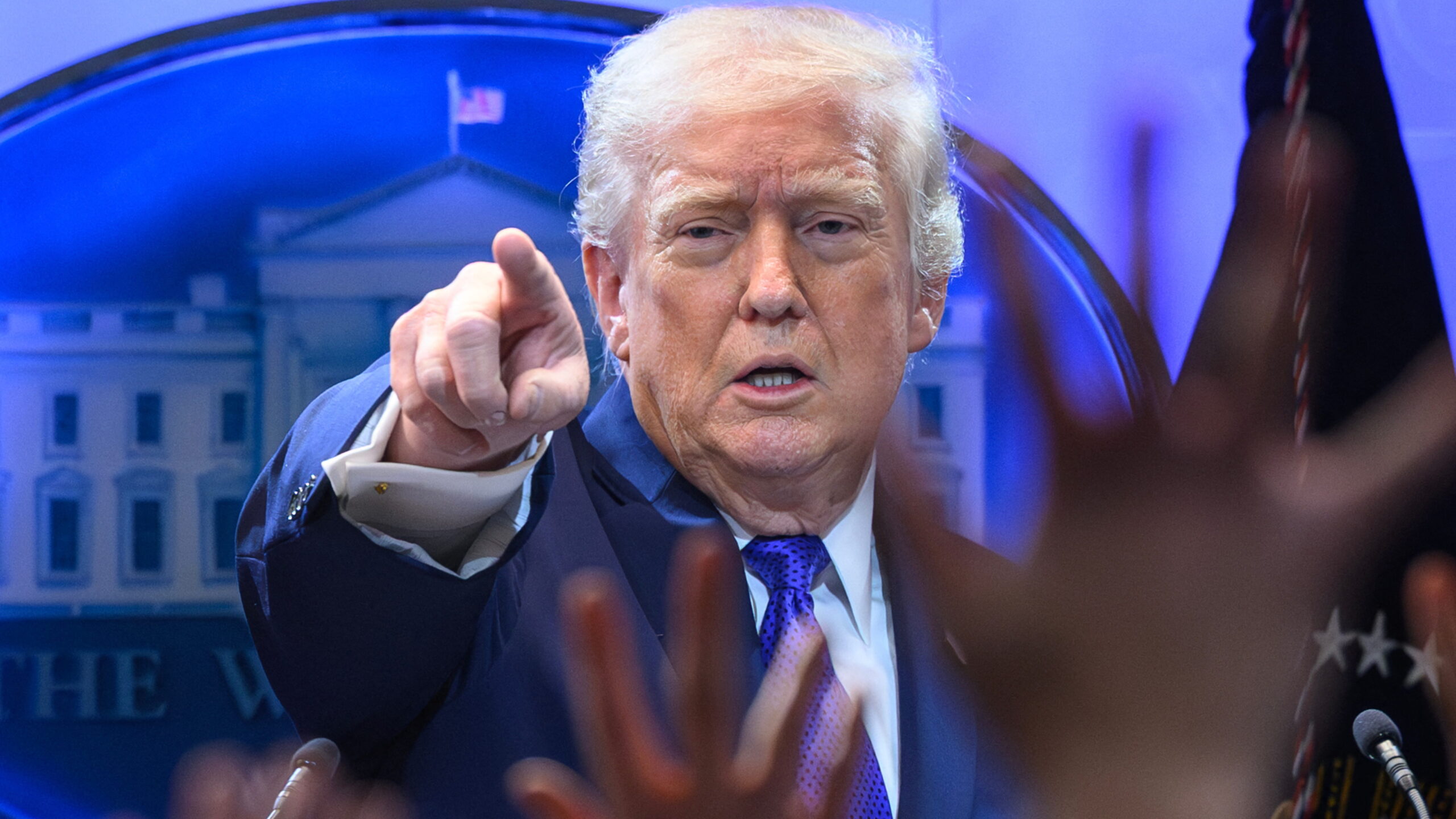
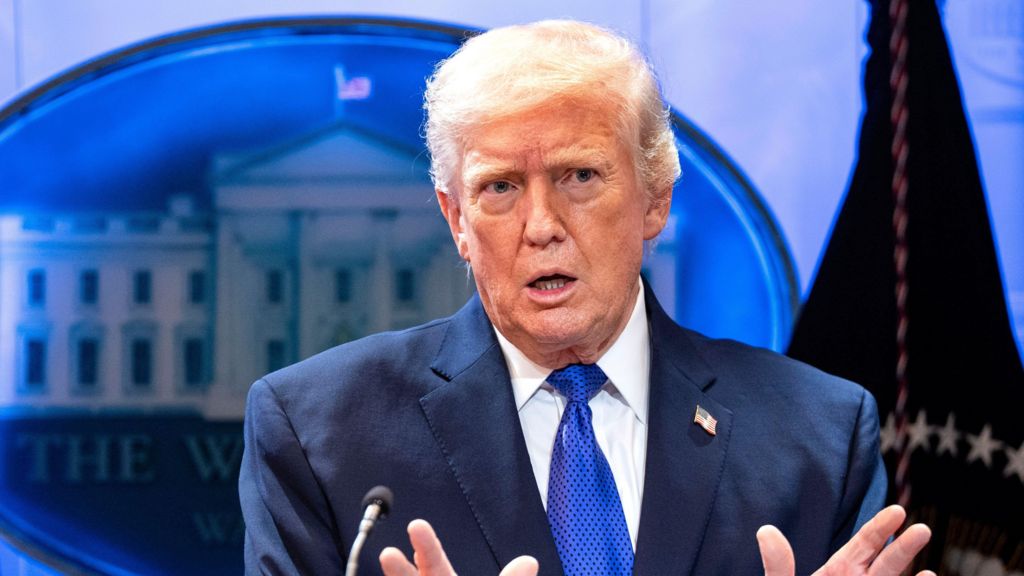
    In a subdued press conference marking his first year back in office, former President Donald Trump presented a folder purportedly containing 365 accomplishments while expressing frustration over what he characterized as insufficient recognition for his achievements. The 79-year-old leader delivered a meandering, 90-minute monologue that emphasized familiar complaints rather than celebratory reflections.

    Trump asserted divine approval for his work, stating ‘God is very proud of the work I have done,’ while simultaneously blaming his public relations team and ‘fake news’ for his poor public perception. Current polling indicates approximately 55% disapproval versus 42% approval ratings for the former president.

    The address touched on multiple controversial topics, including Trump’s continued promotion of debunked claims about the 2020 election being ‘rigged’ and mathematically impossible assertions about prescription drug price reductions. He displayed mugshots of individuals apprehended by military-style immigration agents in Minnesota, where recent operations resulted in a protester’s death.

    Regarding international matters, Trump defended his aggressive stance toward Greenland, citing national security concerns, and rejected French President Emmanuel Macron’s proposal for an emergency G7 meeting. He discussed potential collaboration with Venezuelan opposition leader Maria Corina Machado following Washington’s military operation that removed Nicolás Maduro from power, while praising Syrian President Ahmed al-Sharaa’s offensive against Kurdish allies.

    Democratic Senator Chuck Schumer characterized Trump’s performance as evidence of increasing instability and unpopularity, stating ‘He only grows more crazy and more unpopular.’ The former president departed shortly after the conference for Davos, where he planned to address world leaders.