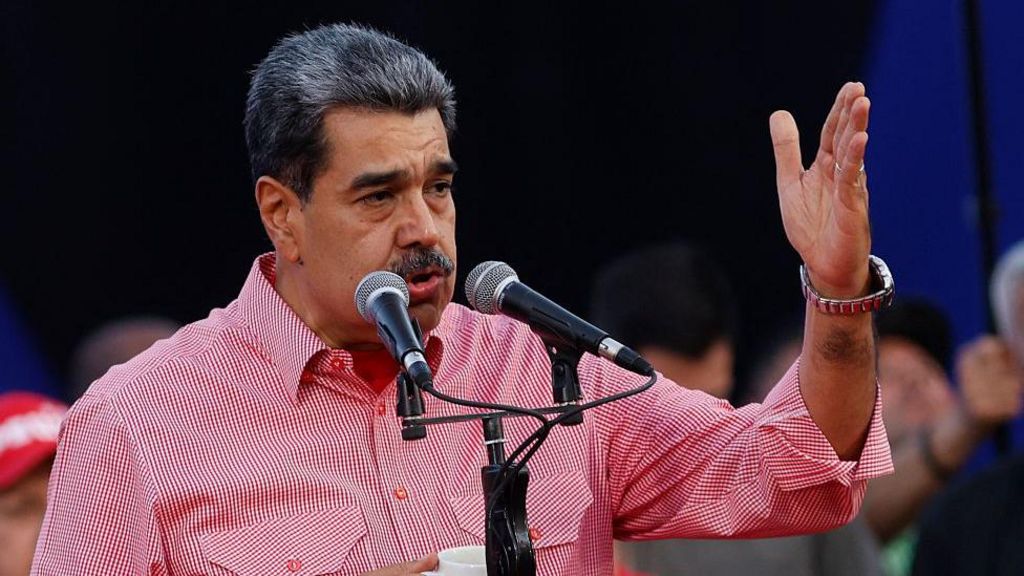
The United States has announced its intention to designate Cartel de los Soles, a group allegedly led by Venezuelan President Nicolás Maduro, as a Foreign Terrorist Organization (FTO). The decision, revealed by US Secretary of State Marco Rubio on Sunday, will take effect from November 24. This designation effectively labels Maduro as a terrorist, a claim he vehemently denies. The move is part of the Trump administration’s broader strategy to combat drug trafficking and exert pressure on Maduro, amid ongoing speculation about potential US military intervention in Venezuela. The FTO designation empowers the US government to aggressively target the group and its associates, making it illegal to provide them with support. While the US Treasury Department has previously imposed sanctions on Cartel de los Soles, the new classification escalates the response, unlocking more robust enforcement mechanisms. The US alleges that the group, which includes members of Maduro’s inner circle and the military, is involved in drug trafficking and illegal mining. However, no public evidence has been presented to substantiate Maduro’s direct involvement in these activities. The Trump administration’s characterization of Maduro as a drug trafficker is widely viewed as a potential justification for targeting him or his associates in a military campaign. Tensions have escalated since October, when Maduro accused the US of ‘fabricating a new war’ following the deployment of the USS Gerald Ford to the Caribbean. President Trump has hinted at potential discussions with Maduro but has yet to provide details. The US has also criticized Venezuela for its alleged failure to address cartel activity, which Trump claims contributes to the fentanyl crisis in the US, despite evidence pointing to Mexico and Asia as primary sources. Since September, the US has conducted airstrikes on suspected drug-trafficking vessels off the coasts of Venezuela and Colombia, resulting in at least 83 deaths. This marks the largest US military deployment to the Caribbean in decades.
分类: politics
-
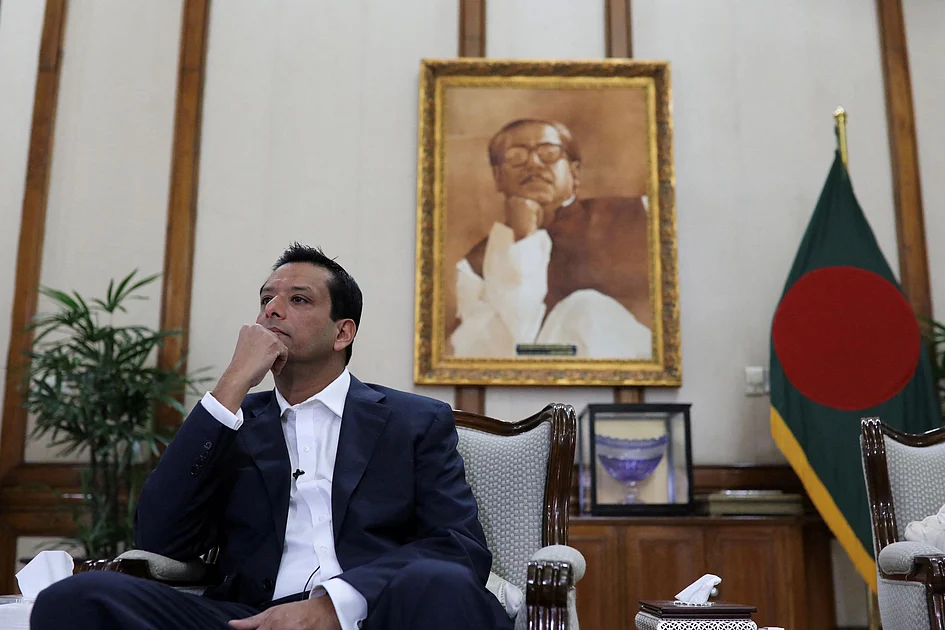
Ahead of Hasina court verdict, son warns of Bangladesh violence if party ban stays
Bangladesh is on the brink of significant political unrest as a Dhaka court prepares to deliver a verdict on ousted Prime Minister Sheikh Hasina, who faces charges of crimes against humanity. The verdict, expected to be televised, could result in a death sentence for Hasina, who has been living in exile in New Delhi since August 2024. Her son, Sajeeb Wazed, has warned that if the ban on her Awami League party is not lifted, supporters will disrupt the upcoming national election in February, potentially escalating into widespread violence. Wazed emphasized that Hasina is safe in India, where she is being treated ‘like a head of state,’ and that the verdict is a ‘foregone conclusion’ due to what he describes as a politically motivated trial. The charges stem from a deadly crackdown on student-led protests in 2024, which a UN report estimated resulted in up to 1,400 deaths and thousands injured. The political climate in Bangladesh has already turned volatile, with multiple crude bomb explosions reported in Dhaka and heightened security measures in place. Wazed has vowed that the Awami League will not allow elections to proceed without their participation, warning of increased protests and potential confrontations. The interim government, led by Nobel laureate Muhammad Yunus, has yet to comment on the situation. Hasina, who has been credited with transforming Bangladesh’s economy but also accused of rights abuses, remains determined to fight back against what she views as an unjust verdict.
-
US House speaker says ‘nothing to hide’ in Epstein files
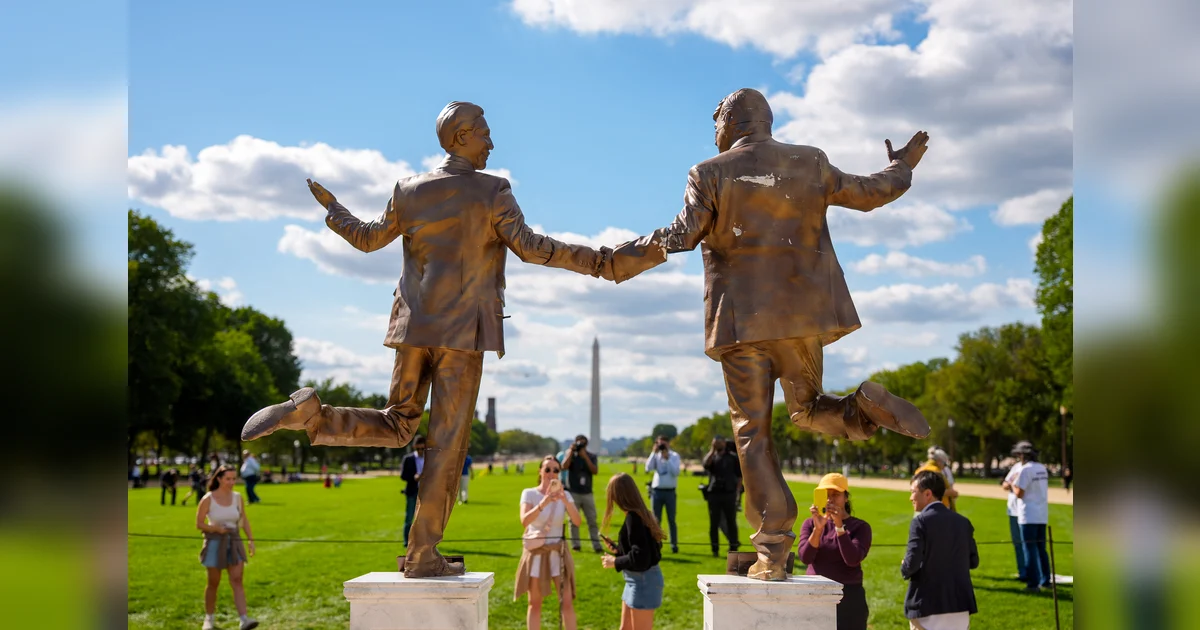
US House Speaker Mike Johnson has emphasized that the upcoming vote on releasing Justice Department documents related to Jeffrey Epstein will dispel any allegations linking former President Donald Trump to the late financier’s crimes. Speaking on ‘Fox News Sunday,’ Johnson, a Republican leader, stated, ‘They’re doing this to go after President Trump on this theory that he has something to do with it. He does not.’ Johnson accused Democrats of using Epstein as a political weapon and urged transparency, declaring, ‘Let’s just get this done and move it on. There’s nothing to hide.’
Recent emails released by a House committee suggested Epstein believed Trump ‘knew about the girls,’ though the context remains unclear. Trump has since directed the Department of Justice to investigate prominent Democrats’ connections to Epstein. This move has intensified political tensions, particularly with some of Trump’s congressional allies. Notably, Trump withdrew his support for Representative Marjorie Taylor Greene of Georgia after she criticized Republicans’ handling of the Epstein files.
Greene, appearing on CNN’s ‘State of the Union,’ reiterated her call for transparency, stating, ‘I don’t believe that rich, powerful people should be protected if they have done anything wrong.’ The debate over the Epstein documents, a focal point of Trump’s campaign, continues to expose divisions within the Republican Party and underscores the broader political implications of the case.
-
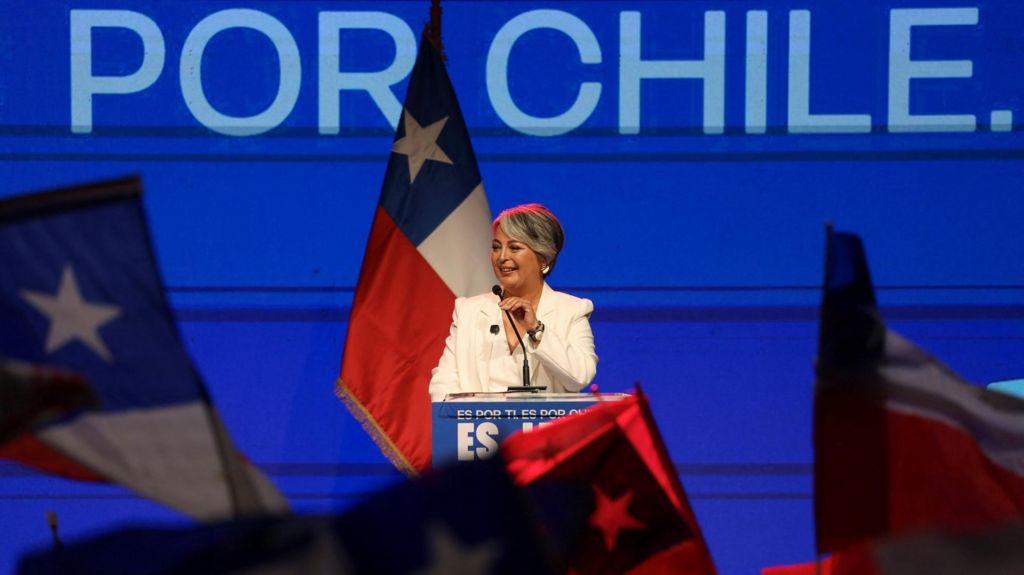
Communist and far-right candidates head to Chile presidential run-off
Chile’s presidential election is set for a decisive run-off in December between Communist Party candidate Jeannette Jara and far-right contender José Antonio Kast, following an inconclusive first round. The campaign has been heavily influenced by issues of crime and immigration, with both candidates vowing to address the surge in foreign gang activities, particularly from Venezuela’s Tren de Aragua. Jara, representing the governing coalition, narrowly edged Kast in the initial vote, but the fragmented right-wing electorate is expected to consolidate behind Kast in the run-off. This could potentially mark a significant political shift to the right in Chile, mirroring trends in other Latin American nations. Kast, a conservative lawyer and former congressman, has advocated for stringent immigration controls, including a Trump-style border wall, and opposes abortion even in cases of rape. He has also criticized environmental and indigenous activism and aims to reduce the size of the state. Jara, perceived as more centrist in practice despite her Communist Party affiliation, has pledged to boost lithium production, raise the minimum wage, and enhance border security. Both candidates have emphasized their commitment to tackling crime and immigration, with Kast proposing mass deportations and new maximum-security prisons, while Jara has promised to expel foreign drug traffickers. This election also marked the first instance of automatic voter registration and compulsory voting in Chile.
-
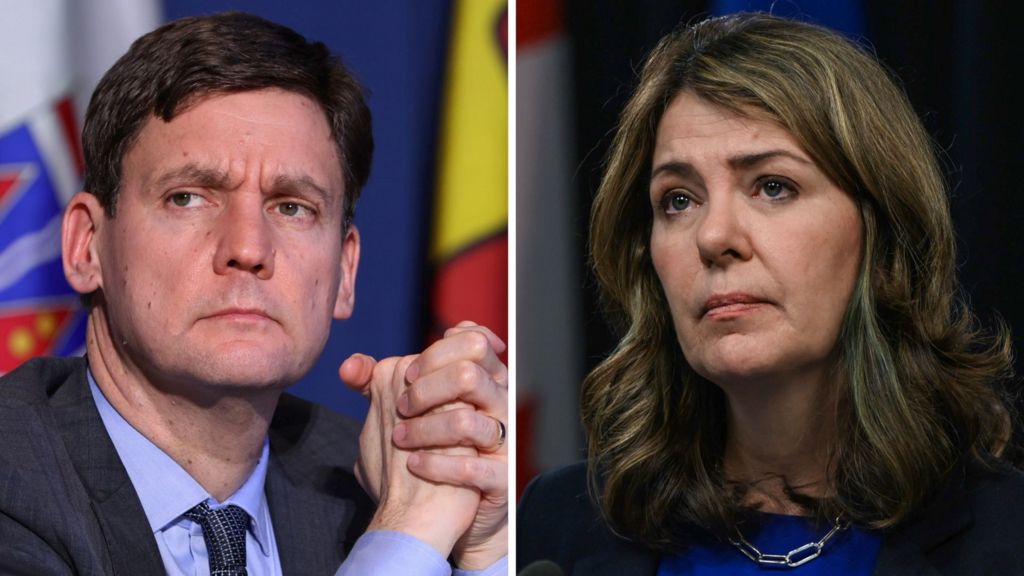
The oil pipeline feud testing Canada’s global ambitions
The longstanding tension between Alberta and British Columbia has escalated as Alberta Premier Danielle Smith pushes for a new oil pipeline to the Pacific coast, while British Columbia Premier David Eby firmly opposes the plan. The proposed pipeline, aimed at accessing Asian markets, has reignited a fierce debate over Canada’s energy future, environmental protections, and interprovincial cooperation. Alberta, home to vast oil reserves, views the pipeline as essential for economic growth and reducing reliance on U.S. markets. However, British Columbia, a hub for environmental activism, has dismissed the proposal as “fictional” and “political,” citing concerns over environmental risks and the lack of private sector interest. The dispute underscores a broader national challenge as Prime Minister Mark Carney seeks to position Canada as a global energy superpower while navigating internal divisions. Carney has avoided taking sides but emphasized the need for dialogue and cooperation between provinces. Meanwhile, Alberta’s Smith has accused Eby of being “un-Canadian” for blocking the project, which she argues would benefit the entire country. The conflict highlights the complexities of balancing economic ambitions with environmental and indigenous rights, as Canada strives to meet its climate goals and diversify its energy exports.
-
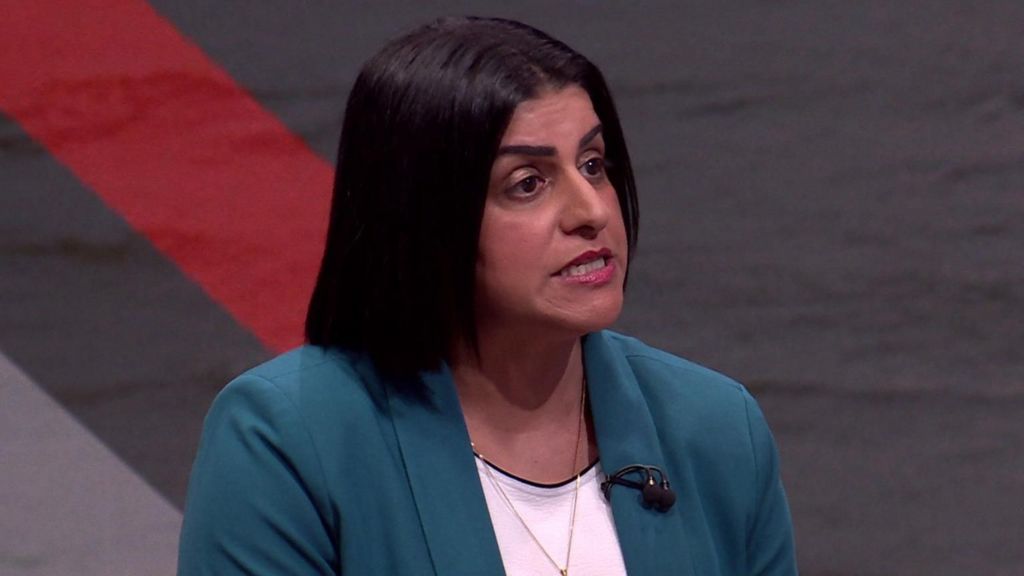
Illegal migration tearing UK apart, Mahmood says
In a bold move to address the growing crisis of illegal migration, UK Home Secretary Shabana Mahmood has announced a comprehensive overhaul of the country’s asylum system. The reforms, set to be unveiled on Monday, include extending the waiting period for permanent settlement from five to 20 years for those granted asylum. Additionally, refugee status will be subject to regular reviews, and individuals from countries deemed safe will be required to return home. Mahmood described her initiative as a ‘moral mission,’ emphasizing the need to restore public trust in the asylum system. The measures aim to deter illegal migration by making the UK a less attractive destination, particularly targeting small boat crossings and asylum claims. As part of the strategy, the UK will also suspend visa issuance to citizens of Angola, Namibia, and the Democratic Republic of Congo unless their governments improve cooperation on removals. Critics, including Shadow Home Secretary Chris Philp and Liberal Democrat leader Sir Ed Davey, have questioned the effectiveness of the reforms, with Philp advocating for immediate deportation of illegal migrants and Davey calling for the right to work for asylum seekers. Mahmood defended her approach, citing the need to address ‘unfair’ conditions that she claims favor asylum seekers over UK citizens. The reforms draw inspiration from Denmark’s stringent asylum policies, which have been praised for their effectiveness in curbing illegal migration. However, the proposals have faced backlash from some Labour MPs and refugee advocacy groups, who argue that the extended waiting period will leave asylum seekers in prolonged uncertainty. Despite the controversy, Mahmood remains steadfast in her commitment to tackling illegal migration, which she believes is ‘tearing the country apart.’
-
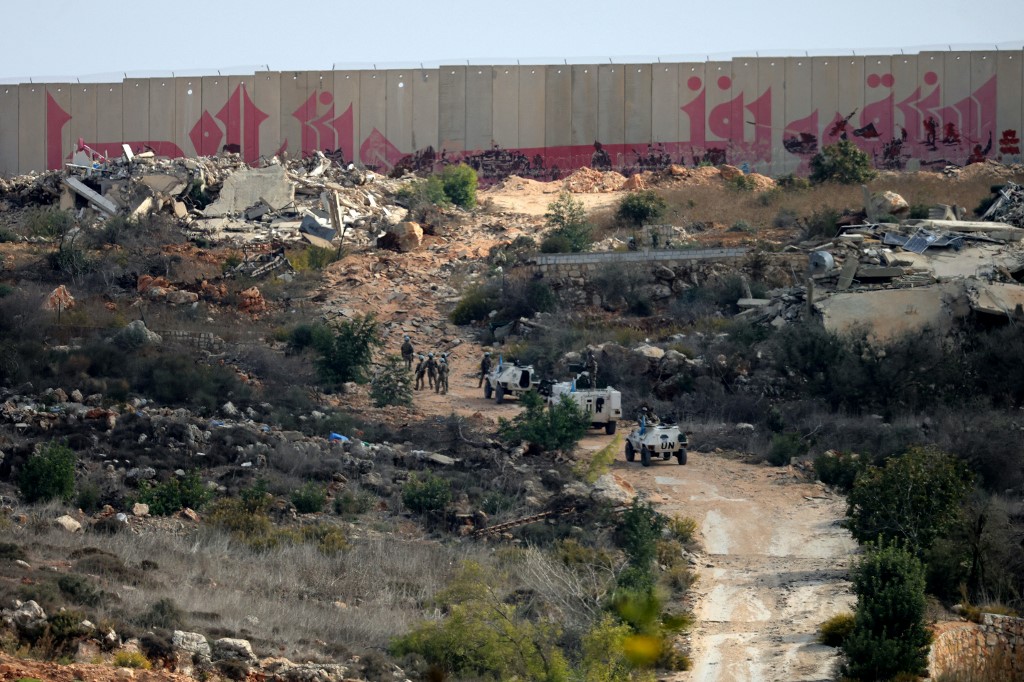
Lebanon to complain to UN over Israel wall-building in south
The Lebanese government is preparing to lodge a formal complaint with the United Nations over allegations that Israel is constructing a wall in occupied territory along the southern border. The United Nations Interim Force in Lebanon (Unifil) reported on Friday that the Israeli army had built walls near the UN-demarcated Blue Line in south Lebanon. While Israel has denied these claims, Lebanese President Joseph Aoun directed officials on Sunday to submit an urgent complaint to the UN Security Council, accusing Israel of building a concrete wall that encroaches on Lebanese territory beyond the Blue Line.
Unifil’s recent investigations revealed that a concrete T-wall erected by the Israeli army southwest of Yaroun crossed the Blue Line, making over 4,000 square meters of Lebanese land inaccessible to its citizens. An Israeli military spokesperson countered these allegations, asserting that the wall does not cross the Blue Line and that its construction began in 2022 as part of measures to strengthen the northern border following the Gaza conflict.
Tensions remain high nearly a year after the ceasefire between Israel and Hezbollah, with Israeli forces continuing near-daily bombardments in southern Lebanon and occupying at least five areas. Since November 27, 2024, over 300 people, including more than 100 civilians, have been killed in Israeli strikes. The situation underscores the ongoing volatility in the region and the challenges of maintaining peace along the contested border.
-
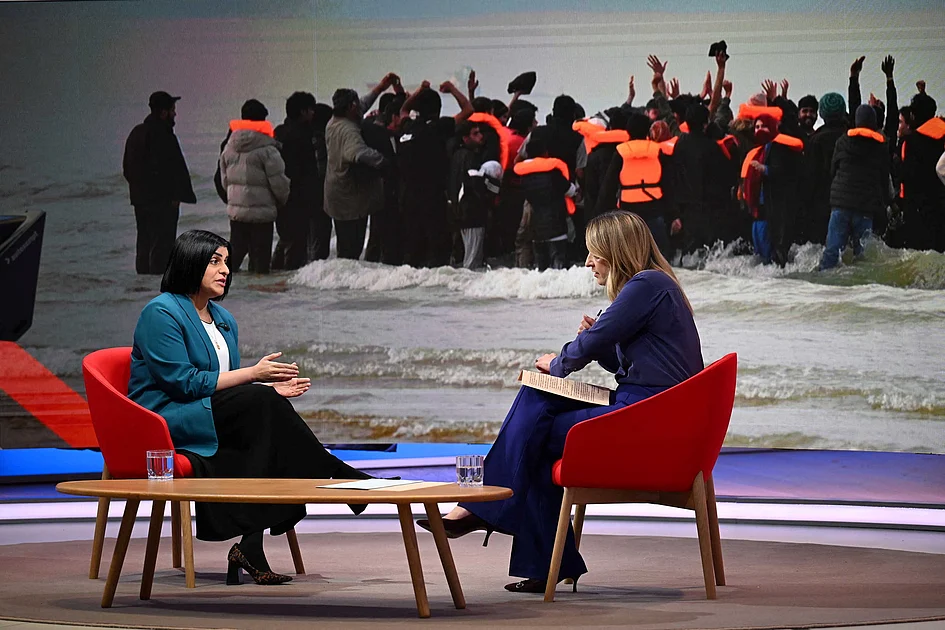
UK to cut protections for refugees under asylum ‘overhaul’
The UK government has unveiled a sweeping overhaul of its asylum system, aiming to drastically reduce protections for refugees and curb irregular immigration. Announced by the Labour government late Saturday, the new measures are modeled on Denmark’s stringent asylum policies and include cutting the length of refugee status from five years to 30 months, subject to regular reviews. Refugees will also face a 20-year wait before applying for long-term residency, up from the current five-year period. Additionally, automatic benefits for asylum seekers will be revoked, with support becoming discretionary and contingent on factors such as employment status and criminal record. Interior Minister Shabana Mahmood described the reforms as the ‘largest overhaul of asylum policy in modern times,’ intended to make the UK less attractive to irregular migrants and facilitate the removal of those already in the country. The move comes amid record-high asylum claims, with 111,000 applications recorded in the year to June 2025. The government is also under pressure to address the surge in Channel crossings, which have fueled the popularity of the anti-immigrant Reform UK party. Critics, including Refugee Council CEO Enver Solomon, argue that the measures will not deter migration and could harm refugees seeking safety and stability in the UK.
-
Marjorie Taylor Greene doubles down on Epstein files amid fallout with Trump
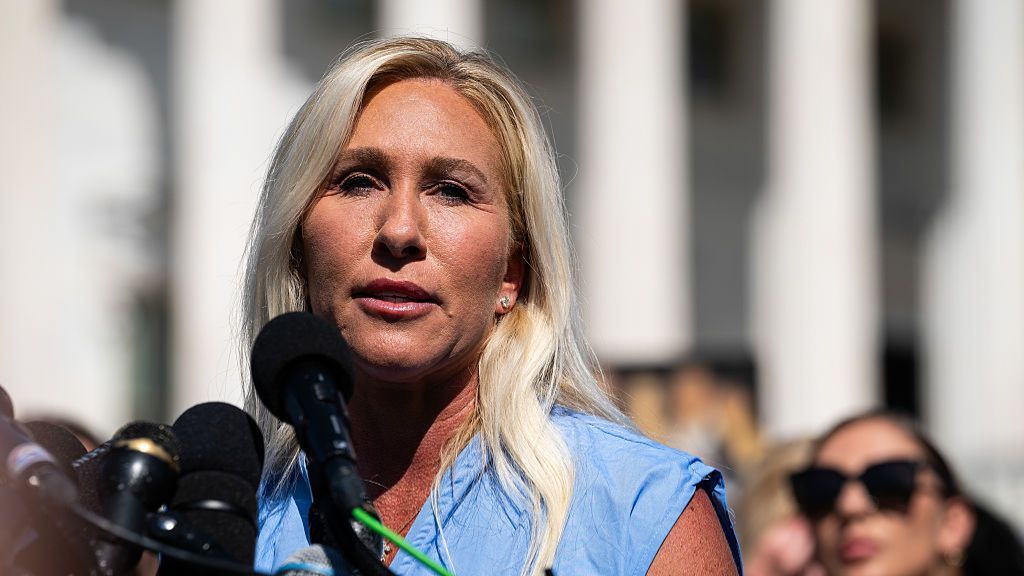
Republican Congresswoman Marjorie Taylor Greene has intensified her campaign for the public release of all documents related to Jeffrey Epstein, despite facing sharp criticism from former President Donald Trump. Speaking on CNN’s ‘State of the Union’ on Sunday, Greene expressed her continued support for Trump but voiced strong disagreement with his efforts to suppress the Epstein files. She argued that Trump’s harsh rhetoric, including labeling her a ‘traitor,’ not only fuels political discord but also endangers her safety. ‘Words like that can radicalize people against me and put my life at risk,’ Greene told host Dana Bash. The rift between Greene and Trump has deepened in recent weeks, particularly after Greene urged the Department of Justice to disclose all Epstein-related materials. The tension escalated on Friday when Trump condemned Greene on Truth Social, calling her a ‘wacky’ and ‘ranting lunatic’ who ‘complains’ incessantly. Although Trump’s post did not explicitly mention the Epstein files, Greene asserted that their fallout stems from her push for transparency. The House is set to vote this week on the Epstein Files Transparency Act, which aims to compel the Justice Department to release all unclassified records, documents, and investigative materials tied to Epstein. Republican Representative Thomas Massie revealed that up to 100 GOP members may support the bill. Greene emphasized the need for accountability, stating, ‘The country deserves transparency, and no one should be shielded from justice, regardless of their wealth or power.’ She also called for unity in American politics, urging an end to divisive rhetoric. This marks a notable shift for Greene, who has previously been criticized for promoting conspiracy theories and inflammatory social media posts. When confronted by Bash about her past actions, Greene reiterated her apologies and highlighted her commitment to forgiveness as part of her Christian faith.
-

Ecuadorians vote on whether to allow foreign military bases amid rising crime
QUITO, Ecuador — In a pivotal national referendum held on Sunday, Ecuadorians cast their votes on a series of proposals that could reshape the country’s constitutional framework and security policies. The referendum, comprising four key questions, sought public approval for amending the constitution to permit foreign military bases on Ecuadorian soil and to initiate a process that could lead to the drafting of a new constitution. This comes as Ecuador grapples with escalating violent crime, driven by its role as a major transit hub for cocaine produced in neighboring Colombia and Peru. Drug trafficking gangs have targeted presidential candidates, mayors, and journalists in their struggle for control over ports and coastal cities. President Daniel Noboa, a conservative leader advocating for a tough stance on crime, has been a vocal proponent of the referendum. In recent weeks, Noboa has engaged in discussions with U.S. officials, including Homeland Security Secretary Kristi Noem, to explore regional security and migration cooperation. He also showcased a military base along Ecuador’s coast that could potentially host U.S. troops. ‘International cooperation is the only way to dismantle these transnational criminal networks,’ Noboa stated after casting his vote. The referendum also included proposals to reduce public funding for political parties and to decrease the number of legislators in the National Assembly from 151 to 73. While Noboa argues these measures are essential to curb excessive government spending, critics warn they could undermine political representation, particularly in low-income communities. Additionally, voters were asked whether Ecuador should establish a constituent assembly to rewrite the constitution, a move Noboa believes is necessary to strengthen crime-fighting tools and border control. However, opponents fear a new constitution could weaken legislative and judicial oversight of the executive branch. Voting is compulsory in Ecuador for individuals under 64, with nearly 14 million registered voters participating in this historic decision.