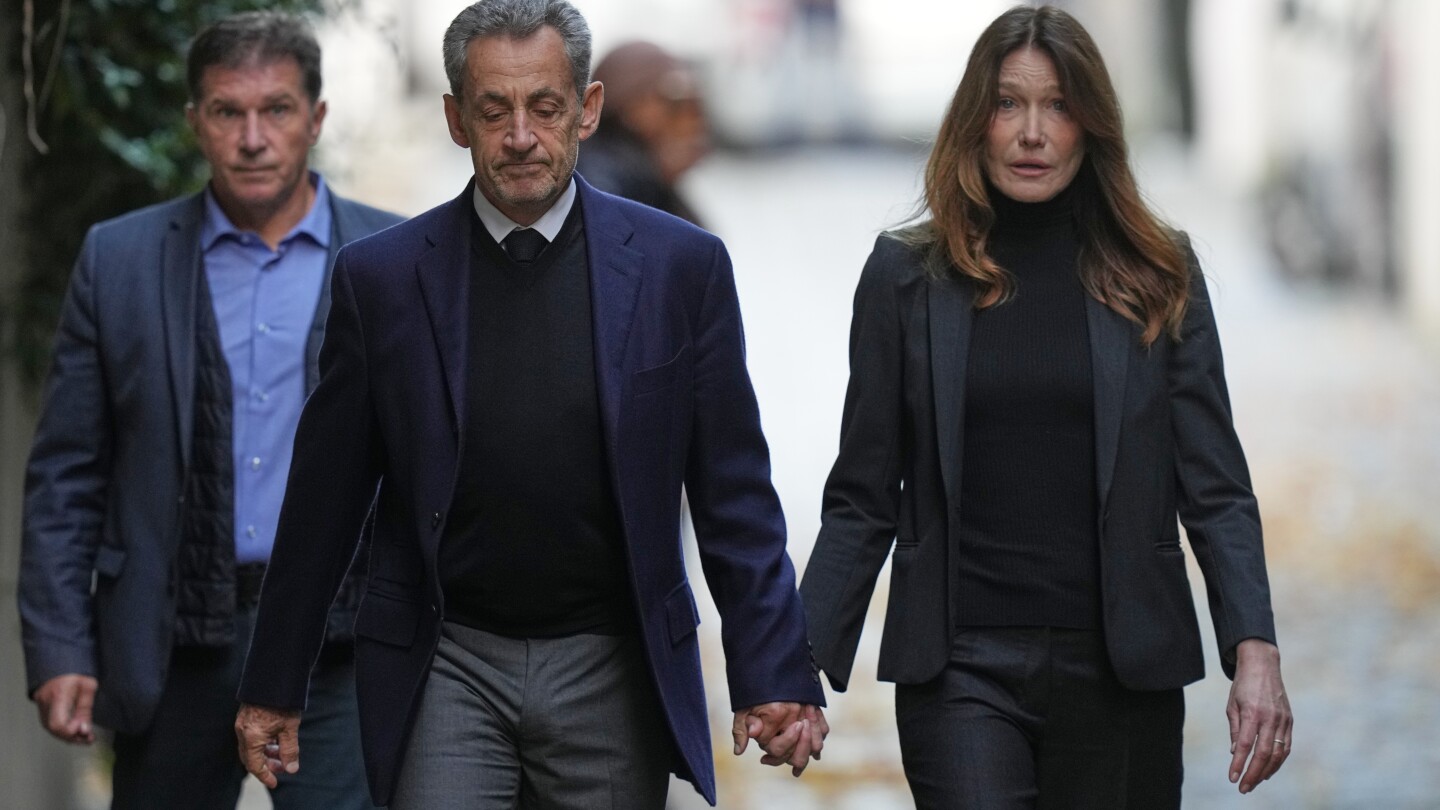
A Paris court is set to determine whether former French President Nicolas Sarkozy, 70, will be released from prison just 20 days after his incarceration. Sarkozy, who served as president from 2007 to 2012, was sentenced to five years in prison on September 25 for criminal conspiracy related to illegal campaign financing during his 2007 presidential bid. The funds were allegedly sourced from Libya under the regime of Moammar Gadhafi. This marks the first time a former French president has been sentenced to actual prison time in modern history. Sarkozy’s legal team has appealed the conviction and filed for early release, citing Article 144 of France’s criminal code, which favors release pending appeal unless the defendant poses a flight risk or threatens evidence. The court’s decision is expected later on Monday. Sarkozy maintains his innocence, claiming the charges are part of a plot orchestrated by individuals linked to the Gadhafi regime. He also highlights that the court cleared him of three other charges and failed to establish a direct link between the Libyan funds and his campaign. Meanwhile, Sarkozy faces additional legal challenges, including a separate conviction for illegal campaign financing during his 2012 reelection bid and an ongoing investigation into alleged witness tampering in the Libya case. His wife, Carla Bruni-Sarkozy, has also been implicated in the latter.
分类: politics
-
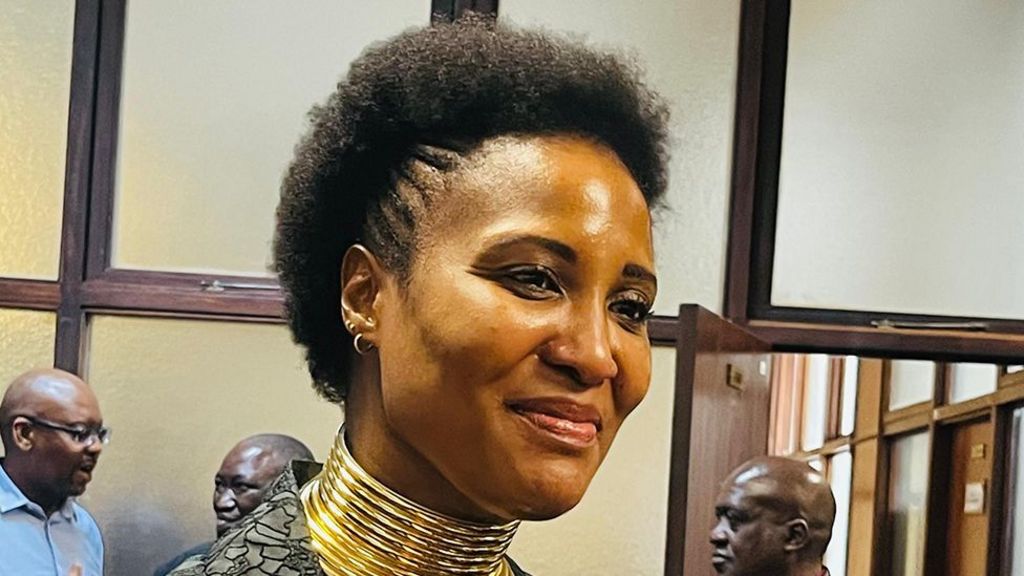
The ex-president’s daughter who faces terror-related charges
The political drama surrounding South Africa’s former president Jacob Zuma has taken a new turn as his daughter, Duduzile Zuma-Sambudla, prepares to stand trial on terrorism-related charges. The 43-year-old parliamentarian is accused of inciting violence during the deadly July 2021 protests through her social media posts. The unrest, triggered by her father’s imprisonment for contempt of court, resulted in widespread looting, arson, and over 300 deaths, causing an estimated $2.8 billion in damages. Prosecutors allege that Zuma-Sambudla played a pivotal role in fueling the chaos by sharing incendiary content on Twitter, including images of burning vehicles and calls for a province-wide shutdown. Her posts, accompanied by hashtags like #FreeJacobZuma and the Zulu word “azishe” (meaning “let it burn”), are central to the case. Zuma-Sambudla has denied the charges, with her lawyer dismissing the prosecution’s case as “weak.” During a preliminary hearing, she wore a shirt emblazoned with “Modern Day Terrorist,” a move interpreted as a jab at the accusations. The trial marks a significant moment in South Africa’s legal history, as it is the first time someone has been charged with incitement to terrorism via social media. Critics argue the case is politically motivated, targeting Zuma-Sambudla due to her father’s opposition to the ruling African National Congress (ANC). Jacob Zuma, now leader of the rival uMkhonto weSizwe (MK) party, has been a polarizing figure, with his presidency marred by corruption allegations. His daughter, once a low-profile figure, has emerged as his staunchest supporter and a prominent MK member. The trial is expected to draw intense public interest, with experts questioning the prosecution’s ability to meet the high evidentiary bar required to prove intent and causation. Regardless of the outcome, the case is likely to further entrench the Zuma family’s role in South Africa’s political landscape.
-
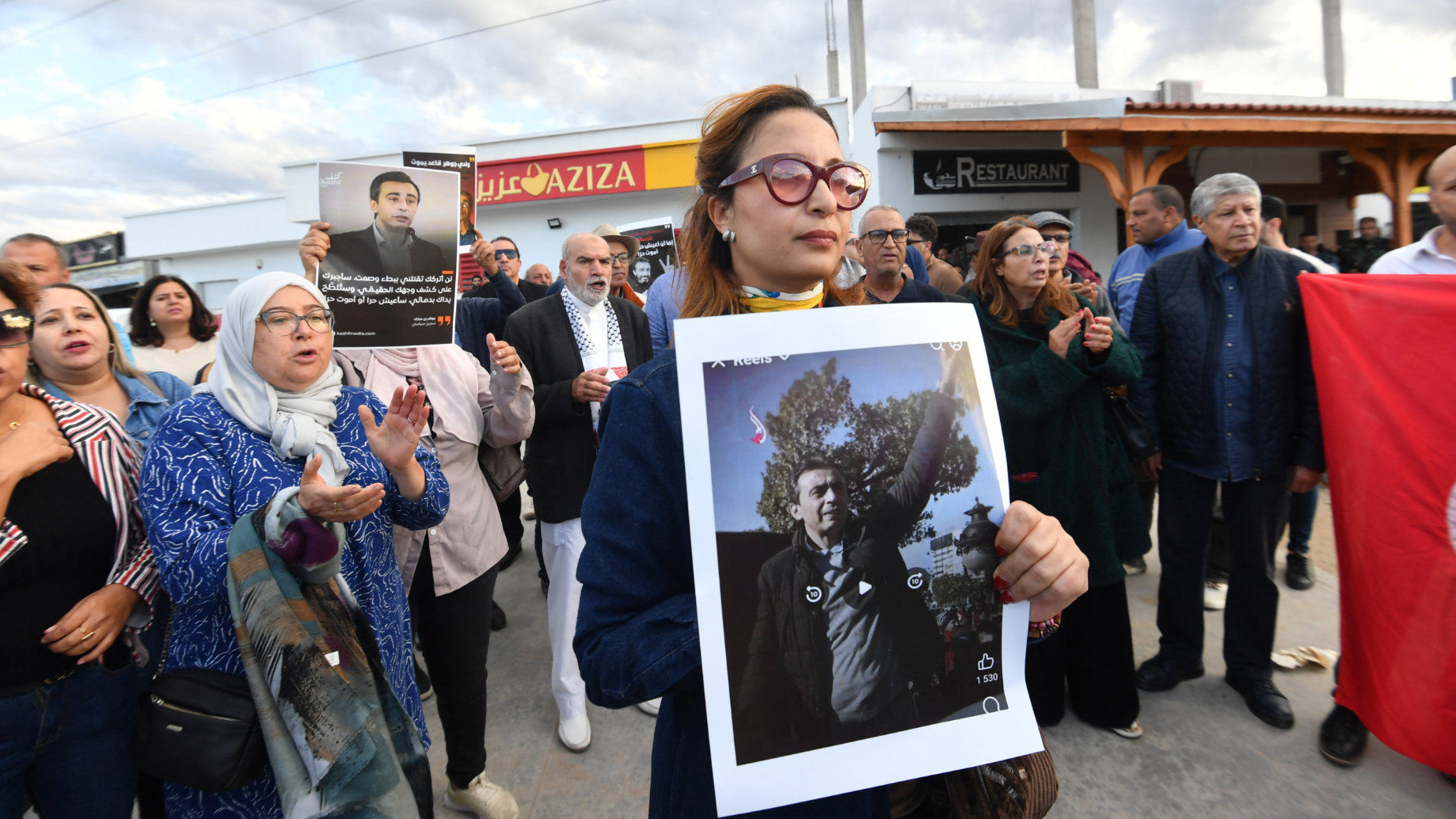
Tunisian opposition leader Rached Ghannouchi begins hunger strike
Prominent Tunisian opposition figure Rached Ghannouchi, aged 84, has initiated a hunger strike in protest against what he and his supporters describe as his ‘unjust imprisonment,’ according to statements from his legal team on Saturday. Ghannouchi, the leader of the Ennahda party and a vocal critic of President Kais Saied, joins two other detained politicians—Jawhar Ben Mbarek and Issam Chebbi—who have also resorted to hunger strikes to demand their release. The trio’s actions underscore a broader crackdown on dissent in Tunisia, with much of the opposition now incarcerated and accusations that Saied is using the judiciary to consolidate his power, transforming the nation into what critics call an ‘open-air prison.’
Ghannouchi’s hunger strike is not only a show of solidarity with Ben Mbarek, who was sentenced to 18 years in April on charges of ‘conspiracy against state security’ and ‘belonging to a terrorist group,’ but also a stand to ‘defend freedoms in the country.’ Ghannouchi himself has been detained since 2023, facing a cumulative 37-year sentence across multiple cases, including allegations of unlawful foreign funding and plotting against the state. He has refused to participate in court proceedings, asserting that judges are acting under Saied’s directives.
Concerns over the health of the hunger strikers have escalated, with lawyers, family members, and human rights organizations warning that Ben Mbarek’s condition has deteriorated significantly. Despite these concerns, the Tunisian Prisons Authority maintains that the prisoners’ health is ‘normal and stable,’ based on medical evaluations, though it has provided no further details. Earlier this year, several opposition leaders, including Ben Mbarek and Chebbi, were handed prison sentences ranging from five to 66 years on similar charges. Human rights groups argue that these cases are politically motivated, designed to silence critics of the government.
The situation has drawn international attention, with rights organizations condemning the alleged misuse of the judiciary to suppress dissent. As the hunger strikes continue, the plight of Tunisia’s opposition figures highlights the deepening political crisis in the country and the growing tensions between the government and its critics.
-
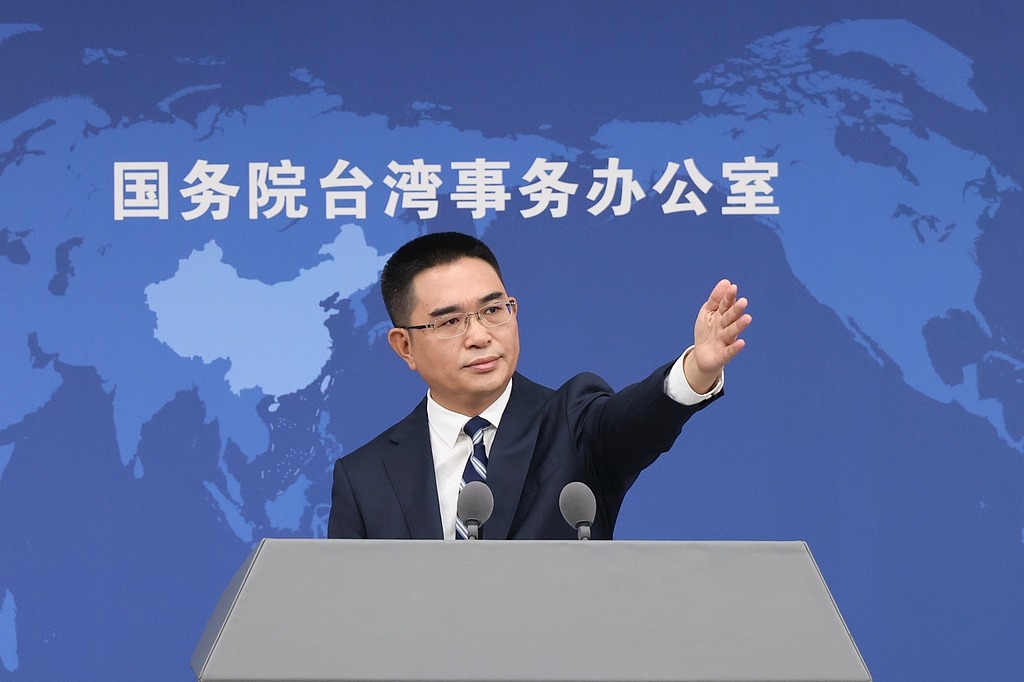
Mainland spokesman reiterates stand on Taiwan
On the 10th anniversary of the historic 2015 meeting between Chinese President Xi Jinping and former Taiwanese leader Ma Ying-jeou, a mainland spokesperson reiterated the importance of the 1992 Consensus and opposition to ‘Taiwan independence’ in maintaining peace across the Taiwan Strait. Chen Binhua, spokesman for the State Council Taiwan Affairs Office, emphasized that the 1992 Consensus remains the political cornerstone for peaceful cross-Strait relations. He highlighted the 2015 meeting as a pivotal moment in fostering institutionalized exchanges and stability between the two sides. Ma Ying-jeou, in a social media post, echoed this sentiment, urging current Taiwanese leader Lai Ching-te to return to the shared political foundation to avoid escalating tensions. Chen warned that any deviation from the one-China principle and pursuit of ‘Taiwan independence’ would lead to confrontation and hinder dialogue. He stressed that reunification is an inevitable historical trend, while ‘Taiwan independence’ is a dead end. The mainland expressed willingness to strengthen communication with Taiwan’s political parties and groups to enhance cross-Strait relations and improve the well-being of compatriots on both sides.
-
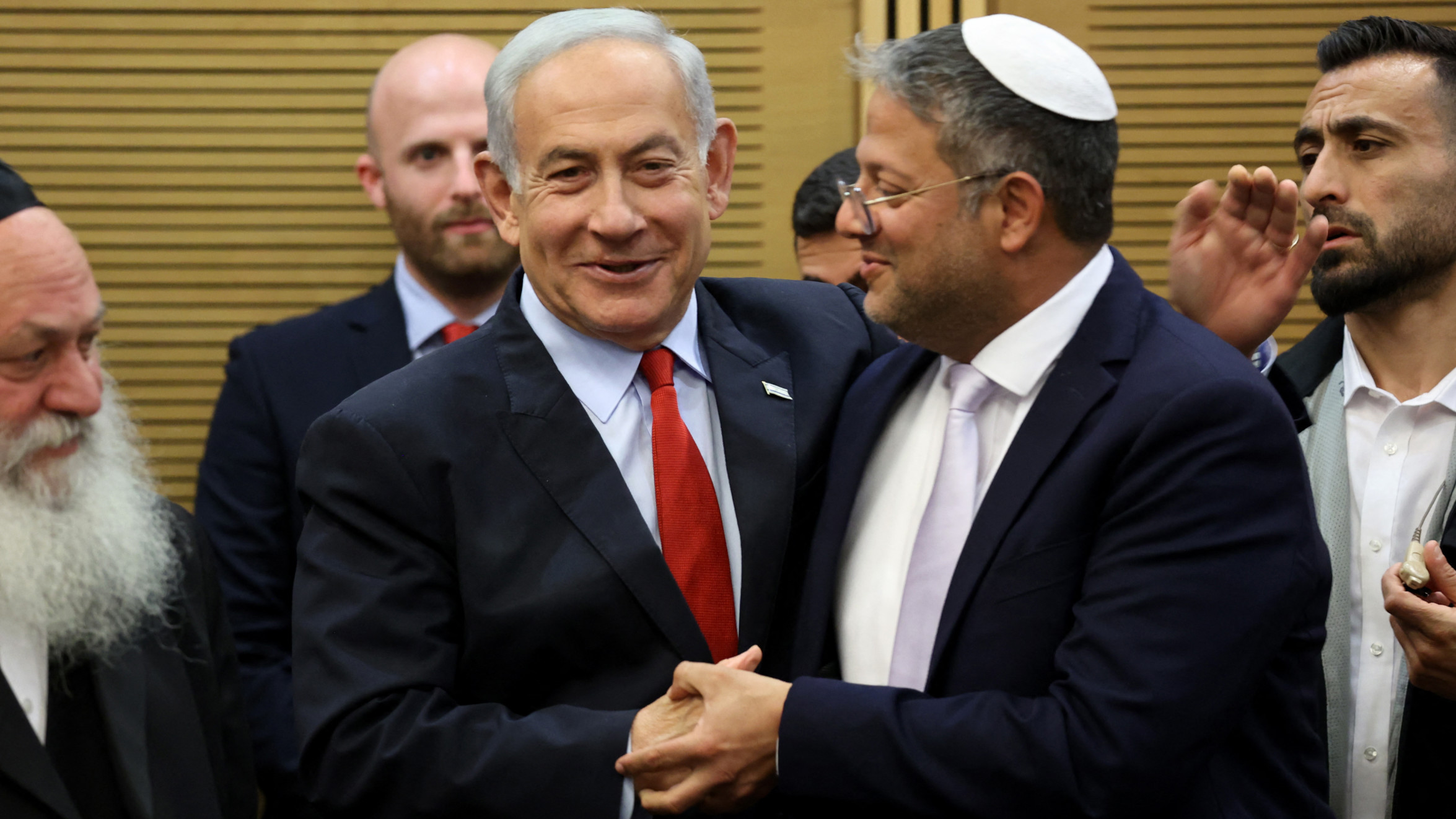
Turkey issues genocide arrest warrant against Netanyahu
In a significant escalation of diplomatic tensions, Turkey has issued arrest warrants for Israeli Prime Minister Benjamin Netanyahu and several senior officials, accusing them of genocide and crimes against humanity in Gaza. The Istanbul Chief Public Prosecutor’s Office announced on Friday that warrants had been issued for 37 high-ranking Israeli figures, including Defense Minister Israel Katz, National Security Minister Itamar Ben Gvir, and Army Chief Lieutenant General Eyal Zamir. The charges stem from Israel’s military actions in Gaza since October 2023, which Turkey claims have involved systematic attacks on civilians, hospitals, and critical infrastructure. Specific incidents cited include the bombing of al-Ahli Baptist Hospital, the destruction of the Turkish-Palestinian Friendship Hospital, and the killing of six-year-old Hind Rajab. The investigation also covers Israel’s interception of the Global Sumud Flotilla, a humanitarian aid mission, in international waters. Activists aboard the flotilla have provided testimony and forensic evidence supporting the case. Israel has vehemently rejected the charges, with Foreign Minister Gideon Saar dismissing them as a ‘PR stunt’ by Turkish President Recep Tayyip Erdogan. The move comes as Turkey seeks a role in the international stabilization force envisioned for post-war Gaza under US President Donald Trump’s plan, a proposal Israeli leaders have consistently opposed.
-
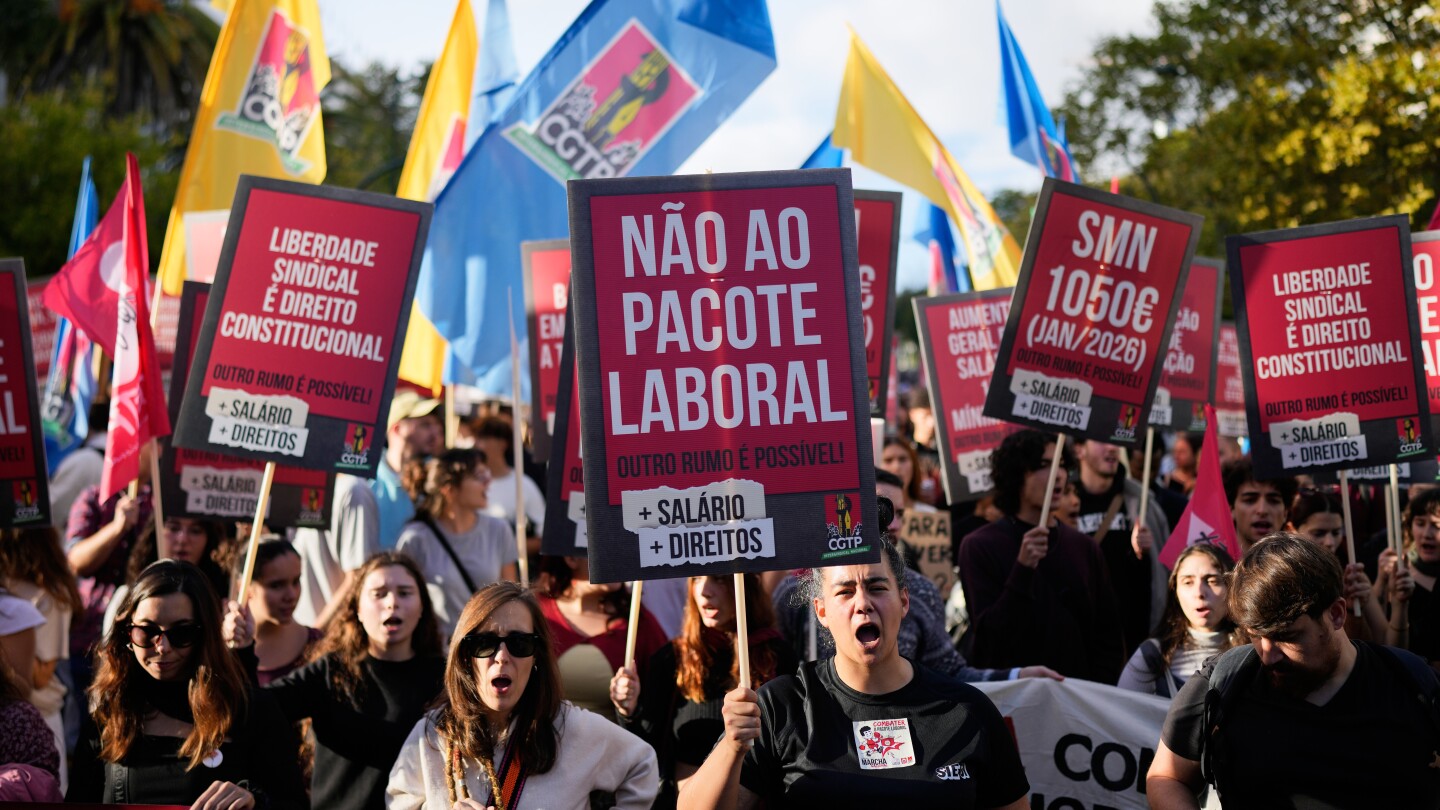
Tens of thousands in Portugal protest proposed labor reforms
Lisbon witnessed a massive demonstration on Saturday as tens of thousands of citizens rallied against a proposed labor reform package introduced by Portuguese Prime Minister Luis Montenegro’s government. The protest, spearheaded by the nation’s leading labor union, saw participants brandishing signs with slogans such as “No to the labor package” and demanding a monthly minimum wage of 1,050 euros ($1,214) by 2026. The government claims the reforms aim to enhance productivity and job market flexibility, but critics argue they undermine workers’ rights and call for the package’s withdrawal. Among the contentious measures are restrictions on flexible work schedules for breastfeeding women, reduced bereavement leave for miscarriages, and streamlined procedures for worker dismissals. Currently, Portugal’s minimum wage is set at 870 euros (approximately $1,007) per month. Prime Minister Montenegro, leader of the center-right Democratic Alliance, heads a minority government in the EU nation of 10.6 million people. If approved, the bill is expected to pass in parliament with support from the far-right Chega party, the largest opposition group. In response to the reforms, protest organizers have announced a general strike scheduled for December 11.
-
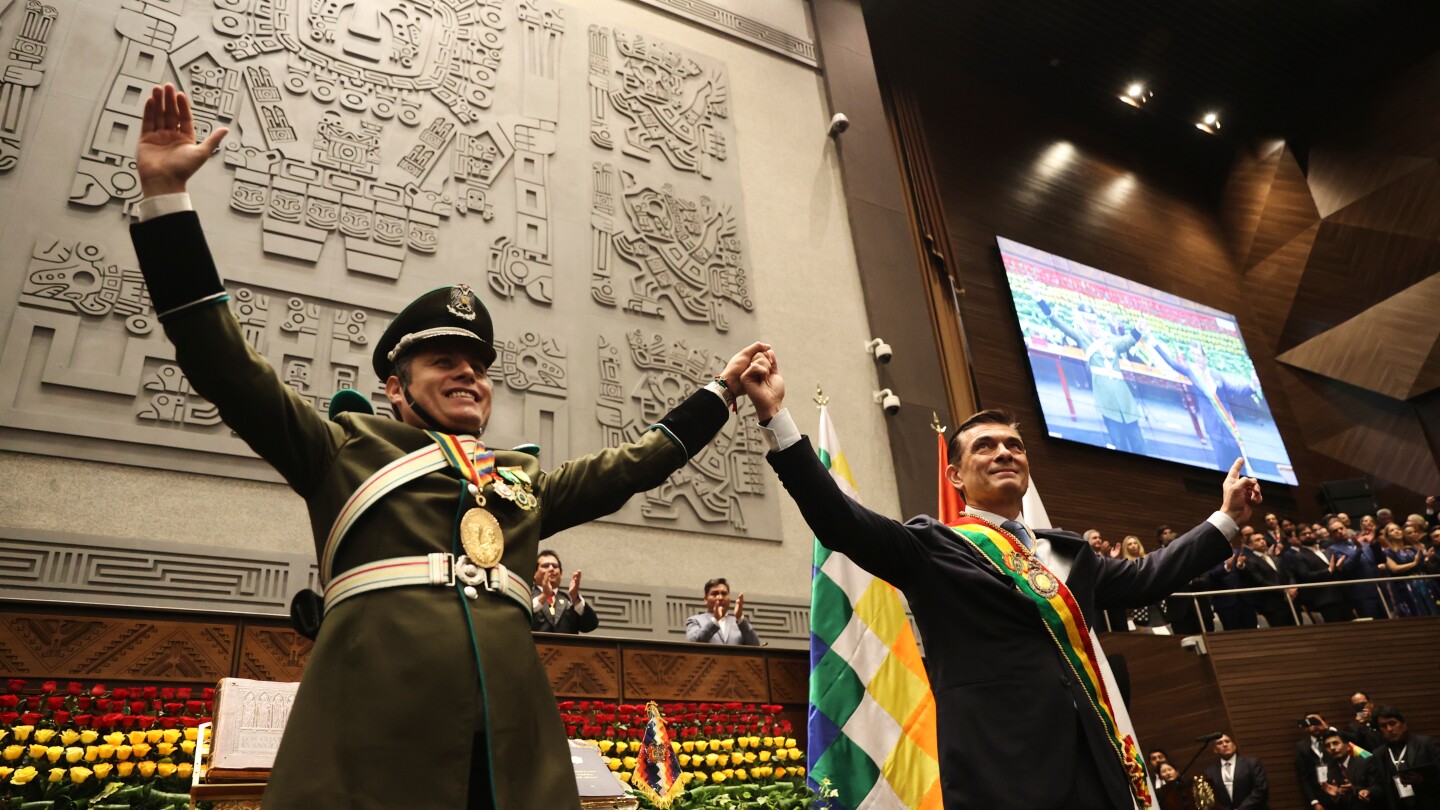
Rodrigo Paz sworn in as Bolivia’s new president, ending 20 years of one-party rule
LA PAZ, Bolivia — In a historic shift, conservative leader Rodrigo Paz was inaugurated as Bolivia’s new president on Saturday, marking the end of nearly two decades of dominance by the left-wing Movement Toward Socialism (MAS) party. The swearing-in ceremony, attended by lawmakers and foreign dignitaries, symbolized a turning point for the Andean nation, which is grappling with its worst economic crisis in 40 years. Paz, 58, took the oath of office with his hand on a Bible and a cross, pledging to uphold “God, country, and family.” His victory in last month’s presidential runoff surprised many, as he defeated the more prominent right-wing candidate, former President Jorge “Tuto” Quiroga. Paz inherits a struggling economy characterized by severe fuel shortages, high food prices, and a collapsed statist economic model. His administration aims to implement gradual reforms to stabilize the economy, contrasting with Quiroga’s proposed IMF-backed fiscal shock program. Paz has also signaled a shift in foreign policy, distancing Bolivia from the ALBA bloc and seeking closer ties with the United States and international financial institutions. Despite these efforts, his government faces significant challenges, including building political alliances, as his Christian Democratic Party holds only 39% of the Legislative Assembly seats.
-
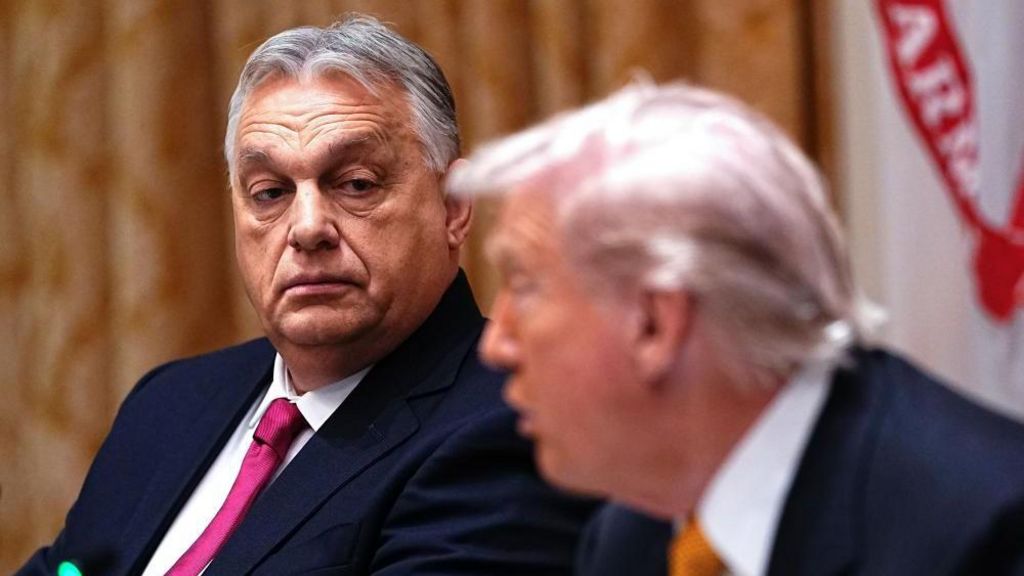
What Hungary’s Orban did – and didn’t – get from Trump
Hungarian Prime Minister Viktor Orban’s recent visit to Washington yielded significant outcomes, including a temporary exemption from US sanctions on Russian oil, gas, and nuclear supplies. This exemption, valid for one year, provides Hungary with a crucial reprieve as it navigates the economic and political fallout from the ongoing Russia-Ukraine conflict. However, the deal comes with substantial costs and complexities for Hungary, raising questions about its long-term implications.
-
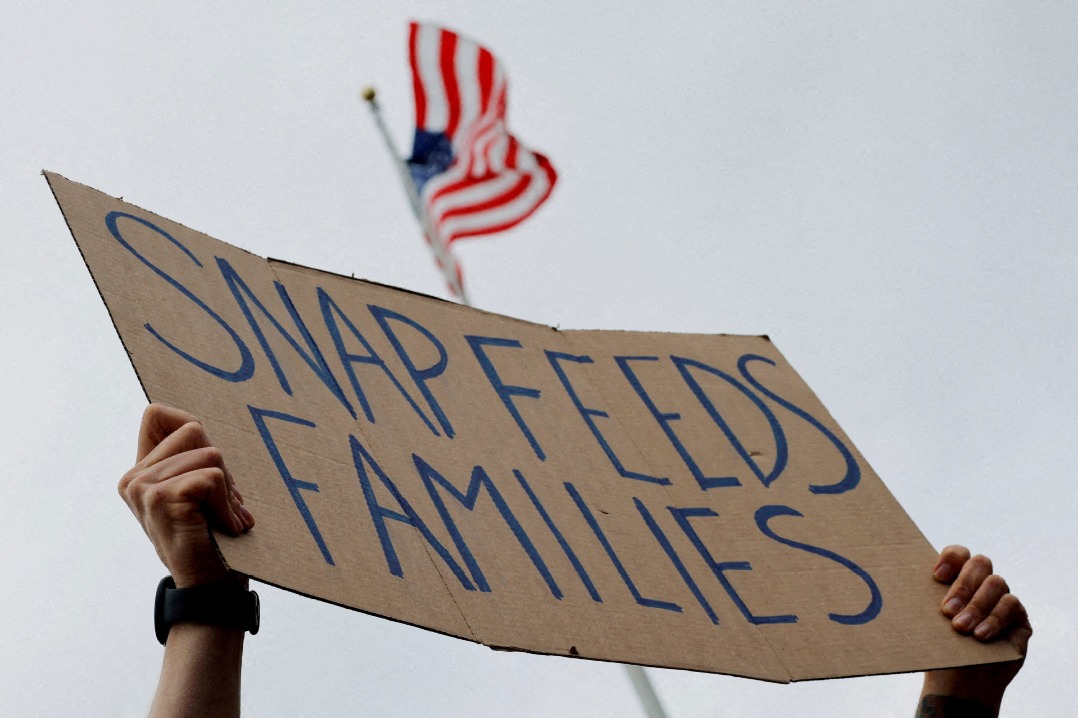
US Supreme Court issues emergency order to block full SNAP food aid payments
In a significant development, the US Supreme Court has issued an emergency order to temporarily halt a lower court’s mandate requiring full Supplemental Nutrition Assistance Program (SNAP) food aid payments during the ongoing government shutdown. This decision, made on Friday, has introduced fresh uncertainty for millions of Americans relying on the nation’s largest anti-hunger program. The Trump administration had sought the stay, arguing that it needed to avoid overspending from the available contingency funds. The Supreme Court’s intervention came after the 1st Circuit Court of Appeals rejected the administration’s request to pause the lower court’s order. Justice Ketanji Brown Jackson granted a two-day halt on the mandate, pending further review by the appeals court. The SNAP program, which supports 42 million Americans—approximately one-eighth of the population—ran out of funding on November 1 for the first time in its history. The administration had planned to use $4.65 billion from a contingency fund to cover 50% of November’s SNAP benefits, but the lower court had demanded full payments. The legal battle continues as the Justice Department prepares to appeal both the recent and earlier rulings.
-
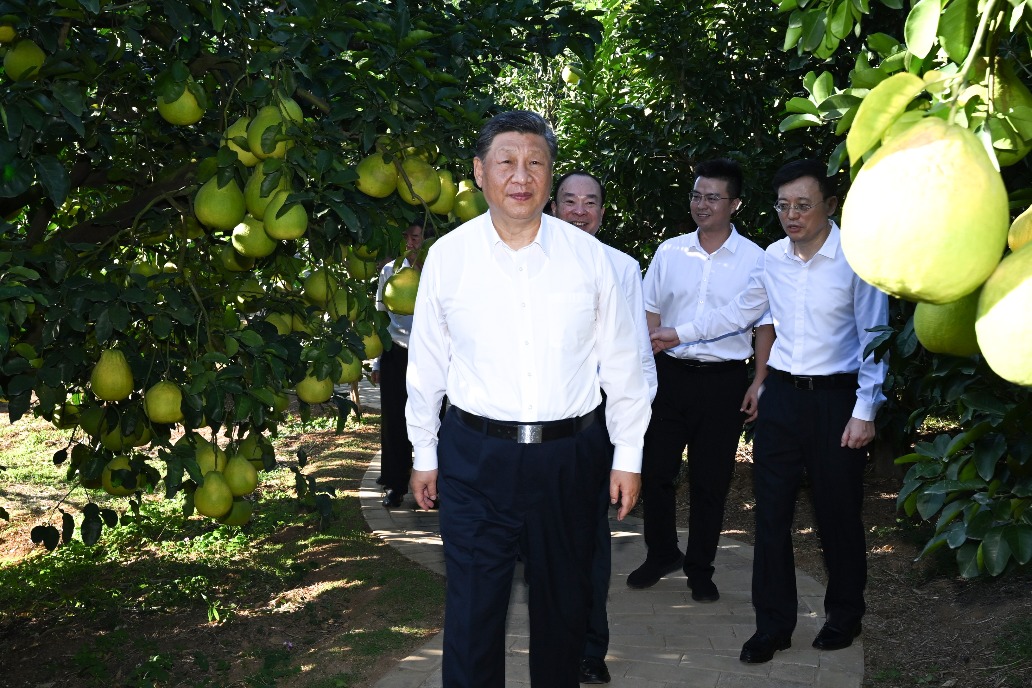
Xi urges deepening reform, opening-up during Guangdong inspection tour
During his recent inspection tour in Guangdong province, President Xi Jinping emphasized the necessity of deepening reform and opening-up to achieve high-quality development. The visit, which took place on November 7 and 8, 2025, highlighted the importance of advancing the Guangdong-Hong Kong-Macao Greater Bay Area’s development through sustained efforts. Xi, who also serves as the General Secretary of the Communist Party of China Central Committee and Chairman of the Central Military Commission, visited a pomelo growing base in Meizhou city. There, he learned about local initiatives aimed at supporting old revolutionary base areas and promoting comprehensive rural revitalization. Xi’s remarks underscored the strategic significance of Guangdong in China’s broader economic and developmental agenda, reinforcing the region’s role as a pivotal hub for innovation and growth.