分类: politics

  • US war with Iran would be an expensive mistake

    US war with Iran would be an expensive mistake

    Recent deployments of US naval assets to the Gulf region have sparked widespread speculation about potential military confrontation with Iran. While President Trump’s administration has issued stern warnings regarding Iran’s nuclear ambitions and regional activities, a deeper analysis reveals strategic brinkmanship rather than genuine preparations for warfare.

    President Trump’s political brand remains fundamentally opposed to prolonged foreign engagements, having built his electoral appeal on ending America’s ‘forever wars.’ This political reality contradicts the narrative of impending conflict with Iran, which would inevitably become exactly the type of costly, extended engagement he has consistently criticized.

    Iran’s military doctrine, developed since the 1979 revolution, emphasizes asymmetric warfare capabilities specifically designed to counter superior conventional forces. Rather than matching US military power directly, Tehran has invested in ballistic missiles, cyber operations, regional proxy networks, and anti-access strategies that would inflict prolonged costs on any aggressor.

    Historical precedents from Iraq and Afghanistan demonstrate the staggering financial implications of Middle Eastern conflicts, estimated at $6-8 trillion when accounting for long-term veterans’ care and reconstruction. A confrontation with Iran—larger, more populous, and better prepared than either Iraq or Afghanistan—would likely follow a similar, if not more expensive, trajectory.

    The current global geopolitical landscape further complicates potential conflict. As multipolar rivalry intensifies, with China and India investing heavily in technological and economic advancement, sustained Middle Eastern engagement would divert crucial resources from strategic competition. Iran’s geographic position astride critical energy routes adds economic vulnerability, as any disruption to Hormuz Strait shipping would spike global oil prices and fuel inflation.

    Regional dynamics also discourage escalation. Gulf states like Saudi Arabia, the UAE, and Qatar have prioritized de-escalation despite their rivalries with Tehran. The Abraham Accords, touted as a foreign policy achievement, depend on regional stability that conflict would jeopardize.

    The greatest danger lies not in deliberate invasion but in miscalculation. Heightened military presence and aggressive rhetoric increase accident risks and potential unintended escalation. Ultimately, strategic realities suggest current movements represent coercive signaling rather than genuine war preparation, with all parties recognizing that some conflicts remain too costly to pursue.

  • UN risks ‘imminent financial collapse’, secretary general warns

    UN risks ‘imminent financial collapse’, secretary general warns

    The United Nations is confronting its most severe financial crisis in history, with Secretary-General António Guterres warning of “imminent financial collapse” unless member states immediately fulfill their financial obligations. In an urgent letter to ambassadors, Guterres revealed that the UN’s operational funds could be completely depleted by July, threatening the organization’s ability to deliver essential programs worldwide.

    The crisis stems from unprecedented levels of unpaid membership fees, with outstanding contributions reaching a record 77% of total assessments by the end of 2025. Guterres emphasized that the current situation differs fundamentally from previous financial challenges, as several member states have formally announced their refusal to honor their mandatory contributions under the UN Charter.

    A particularly problematic financial rule exacerbates the crisis: the UN must return unspent funds to members if budgets cannot be fully implemented. Guterres described this as a “double blow” that forces the organization to “return cash that does not exist.”

    The United States, traditionally the UN’s largest contributor, has dramatically reduced its funding. The Trump administration has withdrawn from approximately 31 UN agencies, characterizing them as “wasteful” and advancing “globalist agendas over US priorities.” While the US recently pledged $2 billion for humanitarian programs, this represents a drastic reduction from its 2022 contribution of $17 billion.

    President Trump has simultaneously established an alternative peacekeeping initiative—the Board of Peace—leading to speculation about potentially replacing certain UN functions. When questioned whether this board might supplant the UN, Trump responded ambiguously: “Well, it might.”

    Guterres concluded with an ultimatum: either all 193 member states honor their financial commitments immediately, or they must fundamentally restructure the UN’s financial framework to prevent total collapse.

  • New US sanctions against Iran target interior minister over crackdown on protesters

    New US sanctions against Iran target interior minister over crackdown on protesters

    In a significant escalation of international pressure, the United States has imposed targeted sanctions against Iran’s Interior Minister Eskandar Momani for his alleged role in suppressing nationwide protests. The Treasury Department’s Friday announcement marks the latest coordinated action with European allies against Tehran’s theocratic government.

    The sanctions specifically cite Momani’s oversight of Iranian law enforcement forces responsible for the deaths of thousands of peaceful demonstrators. The protests initially emerged in December amid economic hardships but rapidly evolved into broader challenges against the Islamic Republic’s authority. According to activist accounts, the subsequent government crackdown has resulted in more than 6,000 fatalities, though Iranian officials consistently label protesters as “terrorists.

    This move follows the European Union’s Thursday sanctions against Momani, alongside members of Iran’s judicial system and other high-ranking officers. EU authorities stated these individuals were “all involved in the violent repression of peaceful protests and the arbitrary arrest of political activists and human rights defenders.”

    Concurrently, the Treasury Department’s Office of Foreign Assets Control sanctioned Babak Morteza Zanjani, an Iranian investor accused of embezzling billions in oil revenue for government benefit. Two digital asset exchanges processing substantial volumes of funds for Zanjani were also penalized.

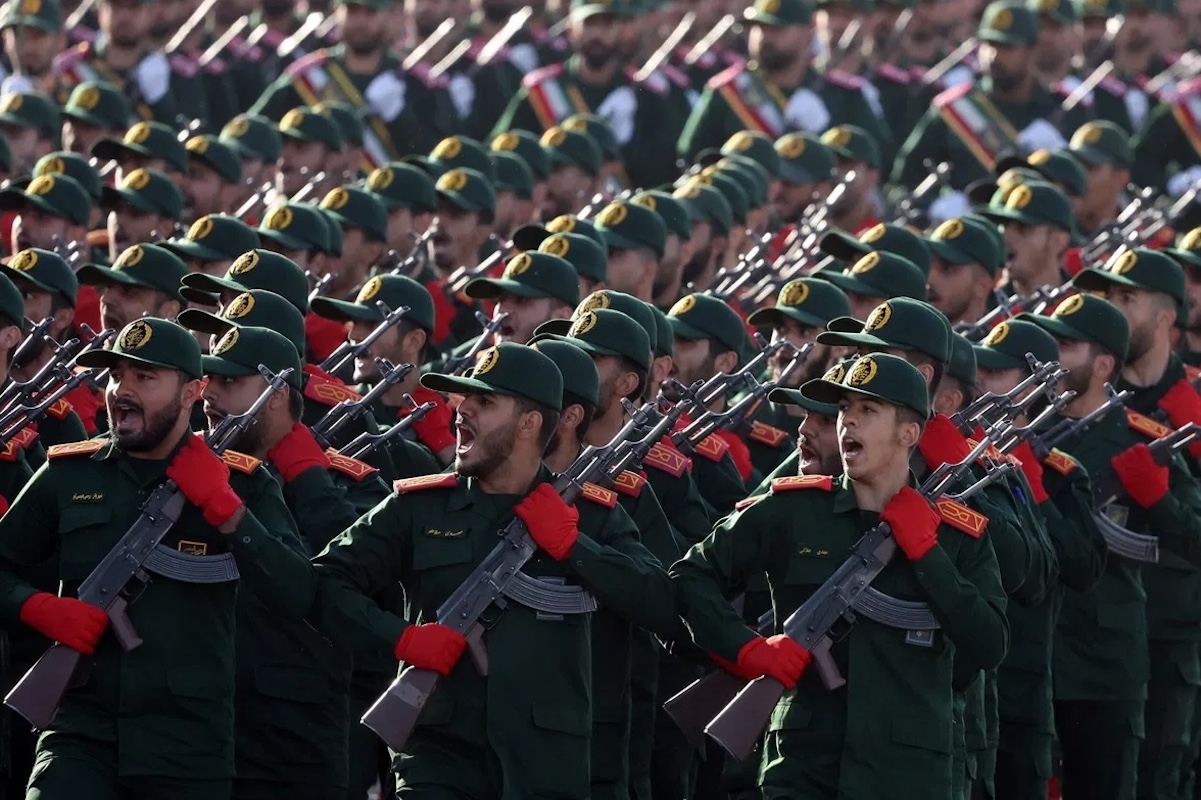
    In a notable development, the EU has agreed to designate Iran’s paramilitary Revolutionary Guard as a terrorist organization—a largely symbolic but politically significant gesture. In response, Iran is considering reciprocal measures against EU countries’ militaries, according to Ali Larijani, secretary of Iran’s Supreme National Security Council.

    The latest U.S. sanctions package additionally targets the secretary of Iran’s Supreme Council for National Security, accused of being among the first officials to advocate violence against protesters. Eighteen individuals and companies allegedly participating in money laundering operations for Iranian oil sales through shadow banking networks were also sanctioned.

    Treasury Secretary Scott Bessent emphasized the department’s commitment to “target Iranian networks and corrupt elites that enrich themselves at the expense of the Iranian people,” vowing continued action against global financial transfers of “stolen” Iranian funds.

    These sanctions effectively freeze any U.S. assets held by designated individuals and entities, restrict travel to the United States, and prohibit American citizens and companies from engaging in business with them.

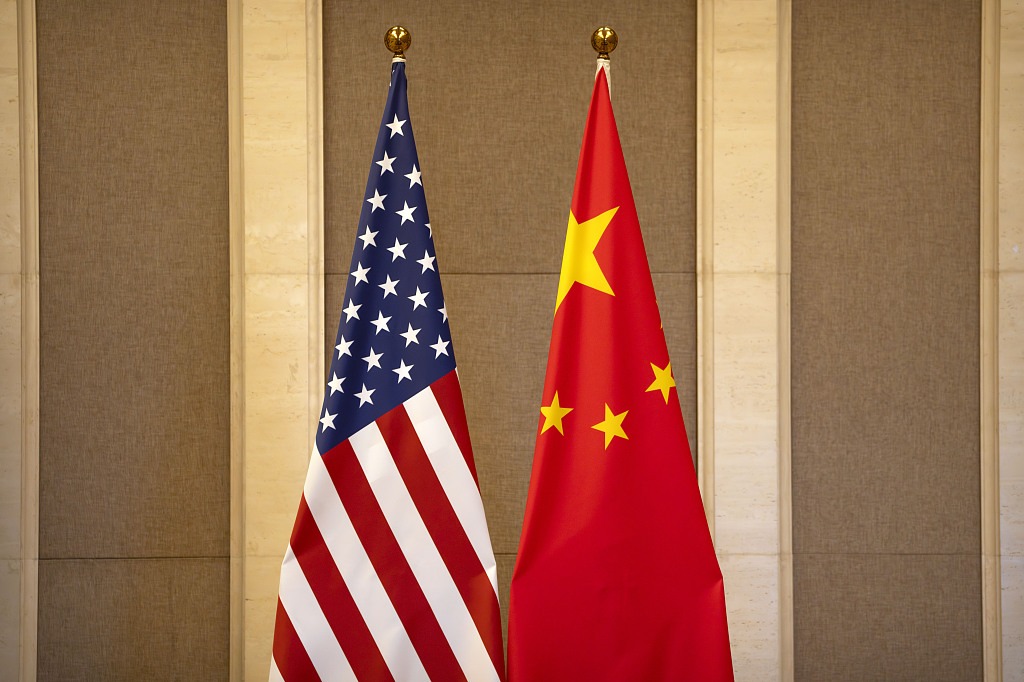
  • Pushed by Trump, US allies are resetting relations with China

    Pushed by Trump, US allies are resetting relations with China

    In a significant geopolitical realignment, Western nations are actively pursuing warmer relations with China, creating a new dynamic in international diplomacy. This strategic shift comes as these countries seek to navigate an evolving global landscape and assert their economic interests independent of traditional alliances.

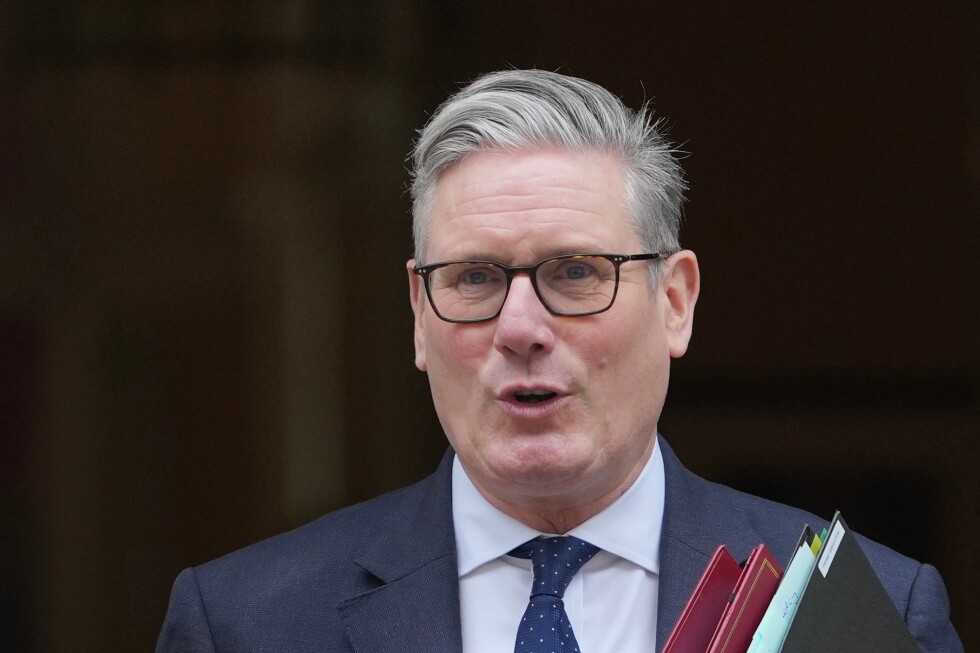
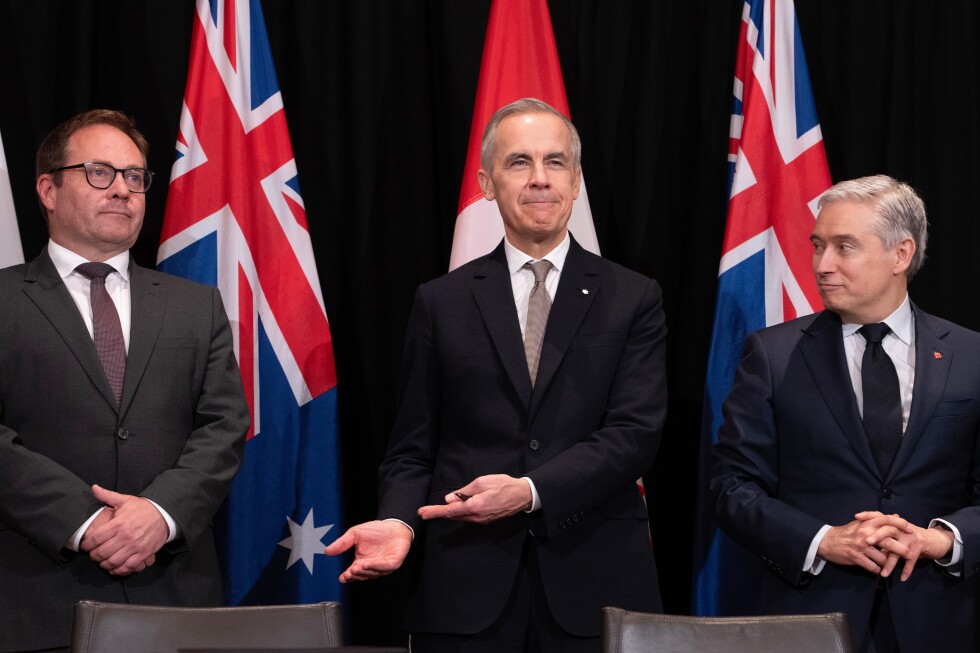
    Canadian Prime Minister Mark Carney recently concluded a landmark trade agreement with Beijing that substantially reduces tariffs on Chinese electric vehicles and Canadian canola oil. This development was quickly followed by UK Prime Minister Keir Starmer’s Beijing visit—the first by a British leader in eight years—aimed at repairing strained bilateral relations. The diplomatic momentum continues with anticipated visits from German Chancellor Friedrich Merz and recent engagements with Finnish Prime Minister Petteri Orpo.

    This recalibration of foreign policy approaches reflects a broader transformation in international relations since the return of Donald Trump to the American presidency. Traditional U.S. allies are increasingly exploring opportunities with China following tensions with the Trump administration over tariff policies and unconventional demands, including the controversial suggestion regarding Greenland’s transfer from Denmark.

    European leaders are proceeding with what many describe as ‘strategic engagement’ with China despite potential repercussions from Washington. As Canadian Prime Minister Carney stated at the World Economic Forum in Davos, ‘We actively take on the world as it is, not wait around for a world we wish to be.’

    The diplomatic outreach has yielded concrete results: the UK-China partnership has produced agreements on reduced tariffs for Scotch whisky and implemented 30-day visa-free travel for British citizens. Similarly, Finland has secured cooperation agreements covering sustainable construction, energy, and animal disease management.

    However, this geopolitical reorientation has generated concern among some U.S. officials and analysts. Senator Jeanne Shaheen warned that instead of creating a united front against China, Western nations risk pushing allies toward Beijing. President Trump characterized these engagements as ‘very dangerous,’ particularly criticizing Canada’s trade arrangements.

    European officials acknowledge the complexities of dealing with China’s ‘economic coercive practices’ while simultaneously pursuing diversified international partnerships. According to analysts, this represents not a wholesale pivot to China but rather Europe’s effort to assert itself as an independent bloc in global affairs.

    China’s strategy appears focused on maintaining market access to affluent European consumers while offering limited concessions to European businesses in its domestic market. As one expert noted, ‘They need Europe, but they don’t need to fight for Europe.’

    The emerging diplomatic landscape suggests an irreversible transformation in how nations align themselves with the world’s two superpowers, potentially creating new divisions within Western alliances while offering middle powers opportunities for strategic maneuvering.

  • ASEAN to stick to Myanmar peace plan despite its failure to stop deadly civil war

    ASEAN to stick to Myanmar peace plan despite its failure to stop deadly civil war

    CEBU, Philippines — Five years after its introduction, the Association of Southeast Asian Nations’ (ASEAN) peace initiative for Myanmar remains unimplemented yet continues to serve as the foundation for regional diplomatic efforts, according to Thailand’s top diplomat on Friday. Thai Foreign Minister Sihasak Phuangketkeow characterized the “five-point consensus” as a crucial starting point for renewed dialogue and reconciliation despite its current stagnation.

    The regional bloc faces one of its most significant challenges following Myanmar’s military coup in February 2021, which ousted Aung San Suu Kyi’s democratically elected government. The violent suppression of widespread protests triggered nationwide armed resistance, creating a complex civil conflict that has embarrassed ASEAN and tested its diplomatic capabilities.

    While acknowledging the plan’s failure to achieve tangible results, Sihasak emphasized ASEAN’s commitment to engagement rather than isolation. “We don’t seek to isolate Myanmar,” he stated in an interview with The Associated Press. “We seek to bring Myanmar back to the ASEAN family.”

    The consensus, established in April 2021, demands an immediate cessation of hostilities, inclusive dialogue facilitated by a special envoy, and unimpeded humanitarian access. Myanmar’s military regime has permitted limited aid delivery under restrictive conditions while disregarding other provisions.

    Recent elections, which ASEAN has declined to recognize, saw military-backed parties secure overwhelming majorities. Philippine Foreign Secretary Theresa Lazaro, representing the current ASEAN chair, confirmed the bloc’s non-recognition stance, noting that the three-phase electoral process conducted between December and January lacked ASEAN endorsement.

    Sihasak suggested potential benchmarks for re-engagement, including reduced violence against civilians, cessation of aerial attacks, and improved humanitarian access. He indicated that compliance could lead to gradually lifting restrictions on Myanmar’s participation in ASEAN meetings.

    In a significant humanitarian appeal, Sihasak revealed he had recently proposed transferring the ailing 80-year-old Suu Kyi from prison to house arrest to improve her medical access. The Nobel laureate is serving a 27-year sentence under conditions widely condemned as politically motivated, having been kept in isolation without legal access since December 2022.

  • Trump sues IRS, Treasury Department for $10 billion over tax return leak

    Trump sues IRS, Treasury Department for $10 billion over tax return leak

    In an unprecedented legal move, President Donald Trump has initiated a $10 billion lawsuit against the Internal Revenue Service and Treasury Department, alleging systemic failures that enabled the unauthorized disclosure of his confidential tax documents to media outlets. The complaint, filed Thursday in Miami federal court, names Trump, his adult sons Donald Trump Jr. and Eric Trump, and the Trump Organization as plaintiffs.

    The legal action centers on the activities of former IRS contractor Charles Littlejohn, who previously pleaded guilty to leaking tax information and is currently serving a five-year prison sentence. The plaintiffs contend that both agencies neglected to implement mandatory security protocols, thereby facilitating Littlejohn’s transmission of sensitive financial data to what the lawsuit characterizes as ‘leftist media organizations,’ including The New York Times and ProPublica.

    According to court documents, the publications derived from these leaks—eight articles in The New York Times and approximately fifty in ProPublica—inflicted substantial and irreparable damage to the plaintiffs’ reputations and financial interests. The complaint further alleges that the disclosures resulted in public embarrassment, false light portrayal, and diminished public standing for all involved parties.

    This litigation places President Trump in the unusual position of suing executive branch agencies that operate under his presidential authority. The Treasury Department, which oversees the IRS, has not issued an immediate response to requests for comment. Notably, Treasury Secretary Scott Bessent, who also serves as acting IRS commissioner, is not named as a defendant in the proceedings.

    The lawsuit suggests that the leaks stemmed from either willful misconduct or gross negligence, potentially justifying punitive damages beyond the $10 billion compensatory claim. Alejandro Brito, a Florida-based attorney who has represented Trump in multiple high-profile cases, filed the complaint. Brito has not yet responded to media inquiries regarding the litigation.

    This action continues President Trump’s pattern of pursuing substantial financial claims against media organizations and government entities since his 2024 election victory. Previous lawsuits include a $15 billion claim against The New York Times and Penguin Random House, separate $10 billion actions against The Wall Street Journal and BBC, and various other litigation stemming from media coverage and published materials.

  • Denmark unveils legal reform to allow the worst foreign criminals to be deported

    Denmark unveils legal reform to allow the worst foreign criminals to be deported

    The Danish government has introduced groundbreaking legislative changes that empower authorities to deport foreign nationals convicted of serious crimes, marking a significant shift in the country’s immigration policy. Prime Minister Mette Frederiksen announced the reform on Friday, which targets individuals sentenced to at least one year of unconditional imprisonment for offenses including aggravated assault and sexual violence.

    The comprehensive policy overhaul extends beyond deportation measures to include enhanced monitoring of undocumented migrants through electronic ankle bracelets, stricter border control mechanisms, and the reestablishment of diplomatic presence in Syria. Additionally, Denmark plans to strengthen collaborative efforts with Afghan authorities to address migration challenges at their source.

    Minister for Immigration and Integration Rasmus Stoklund provided compelling statistics revealing that over the past five years, 315 non-EU foreign criminals receiving sentences exceeding one year had avoided expulsion. This data underpins the government’s argument for legislative intervention rather than relying on judicial determinations in individual deportation cases.

    The initiative emerges amid broader European Union efforts to reform migration systems, with the 27-member bloc recently implementing stricter asylum regulations. This continental trend reflects growing political concerns about immigration levels, particularly among right-wing factions across Western nations who have expressed dissatisfaction with current migration patterns.

    Frederiksen acknowledged the potential conflict between these measures and established European human rights conventions, characterizing the government’s approach as deliberately ‘unconventional’ in addressing public safety concerns while navigating complex international legal frameworks.

  • At least 170 killed in air strikes during Myanmar’s widely criticised election, UN says

    At least 170 killed in air strikes during Myanmar’s widely criticised election, UN says

    The United Nations has revealed devastating human rights violations during Myanmar’s recent electoral process, documenting at least 170 civilian fatalities from military aerial operations. According to the UN human rights office, credible sources confirmed these deaths occurred alongside 408 separate military airstrikes between December 2025 and late January 2026, coinciding with the three-phase voting period.

    The election itself has faced international condemnation as fundamentally illegitimate. The military-backed Union Solidarity and Development Party (USDP) claimed an overwhelming victory—an expected outcome given the tightly controlled voting conditions. Significant portions of the country remained unable to participate due to ongoing civil conflict that erupted following the 2021 military coup which ousted democratically elected leader Aung San Suu Kyi.

    UN Human Rights Chief Volker Turk characterized the electoral process as ‘staged by the military,’ noting systematic exclusion of opposition candidates and ethnic minority groups. Turk emphasized that voting decisions were made ‘purely out of fear,’ fundamentally violating internationally guaranteed civil and political rights. The National League for Democracy, which had won previous elections decisively, was prohibited from contesting.

    James Rodehaver, who leads the UN’s Myanmar human rights team, indicated that the casualty figures likely represent an undercount due to communication blackouts and widespread fear among affected communities. The military junta appears positioned to maintain power through proxy political parties despite the widespread international rejection of the electoral process.

  • Trump threatens Canada with aircraft tariffs, decertification over Gulfstream approvals

    Trump threatens Canada with aircraft tariffs, decertification over Gulfstream approvals

    In a significant escalation of trade tensions, former President Donald Trump has threatened to impose 50% tariffs on all Canadian-manufactured aircraft and decertify Bombardier Global Express business jets from U.S. airspace. The ultimatum, issued via Truth Social on Thursday, demands that Canadian regulators immediately certify several Gulfstream aircraft models produced by U.S.-based General Dynamics.

    Trump’s declaration specifically targets Canada’s certification process for Gulfstream 500, 600, 700, and 800 jets, despite these models having already received certification from both the Federal Aviation Administration (FAA) and European Union Aviation Safety Agency. The threat emerges amidst broader diplomatic strains following Canadian Prime Minister Mark Carney’s recent comments questioning the U.S.-led international order.

    Aviation experts warn that implementing these measures would severely disrupt U.S. air travel networks. American Airlines and Delta Air Lines, which operate extensive fleets of Canadian-built regional aircraft, would face immediate operational challenges. Industry analysts project that over 5,400 Canadian-manufactured aircraft currently registered in the United States—including narrow-body jets, regional aircraft, and helicopters—could be affected.

    Richard Aboulafia, Managing Director of AeroDynamic Advisory, emphasized the dangerous precedent of mixing aviation safety with political disputes: ‘Mixing safety issues with politics and grievances is an incredibly bad idea. This approach could provide other nations with a powerful weapon to use against U.S. aviation interests worldwide.’

    The potential grounding of Canadian regional jets would disproportionately impact rural communities and conservative-leaning states that depend on regional air connectivity. Many smaller airports would lose essential air service, while major hubs would suffer from reduced connecting traffic.

    Bombardier, which maintains significant U.S. operations including multiple service centers and a growing defense facility in Wichita, Kansas, expressed concern through an official statement: ‘We have taken note of the post from the President and are in contact with the Canadian government. We hope this is quickly resolved to avoid significant impact to air traffic and the flying public.’

    Legal experts question the feasibility of Trump’s threat, noting that the FAA typically requires safety-related justifications for decertification decisions rather than economic or political considerations. The certification process conventionally follows international standards where the designing country’s aviation authority (in this case, the FAA for Gulfstream aircraft) provides primary validation, with other nations typically accepting these determinations despite retaining rights to request additional data.

    This development occurs against the backdrop of Canada’s efforts to diversify its trade relationships beyond the United States, which currently receives approximately 70% of Canadian exports under the US-Mexico-Canada Agreement framework.

  • South Africa expels Israeli envoy over ‘violations of diplomatic norms’

    South Africa expels Israeli envoy over ‘violations of diplomatic norms’

    South Africa has declared Israeli chargé d’affaires Ariel Seidman persona non grata, ordering his expulsion within 72 hours for multiple violations of diplomatic protocols. The diplomatic rupture comes amid deteriorating relations between the two nations following South Africa’s genocide case against Israel at the International Court of Justice.

    According to South Africa’s foreign ministry, Seidman committed serious breaches of diplomatic norms, including using official social media channels to launch personal attacks against President Cyril Ramaphosa and arranging unauthorized visits by Israeli officials. The ministry characterized these actions as “a gross abuse of diplomatic privilege” that warranted immediate diplomatic consequences.

    The current diplomatic crisis stems from South Africa’s unprecedented move to bring genocide charges against Israel at the UN’s highest court regarding its military operations in Gaza. Israel has vehemently denied these allegations, calling them baseless and politically motivated.

    Seidman, who assumed his position last year, held diplomatic responsibilities extending beyond South Africa to several neighboring nations including Eswatini, Lesotho, Madagascar, Mauritius, and Namibia. Israel currently maintains no ambassadorial representation in South Africa, further complicating bilateral communications.

    The BBC’s attempts to obtain commentary from the Israeli embassy in Pretoria have thus far gone unanswered. This development represents one of the most significant diplomatic confrontations between the two nations in recent history, reflecting the deepening divide over Israel’s military actions in Palestinian territories.