分类: politics

  • Armed Iranian Kurds weigh role in potential US-backed ground assault

    Armed Iranian Kurds weigh role in potential US-backed ground assault

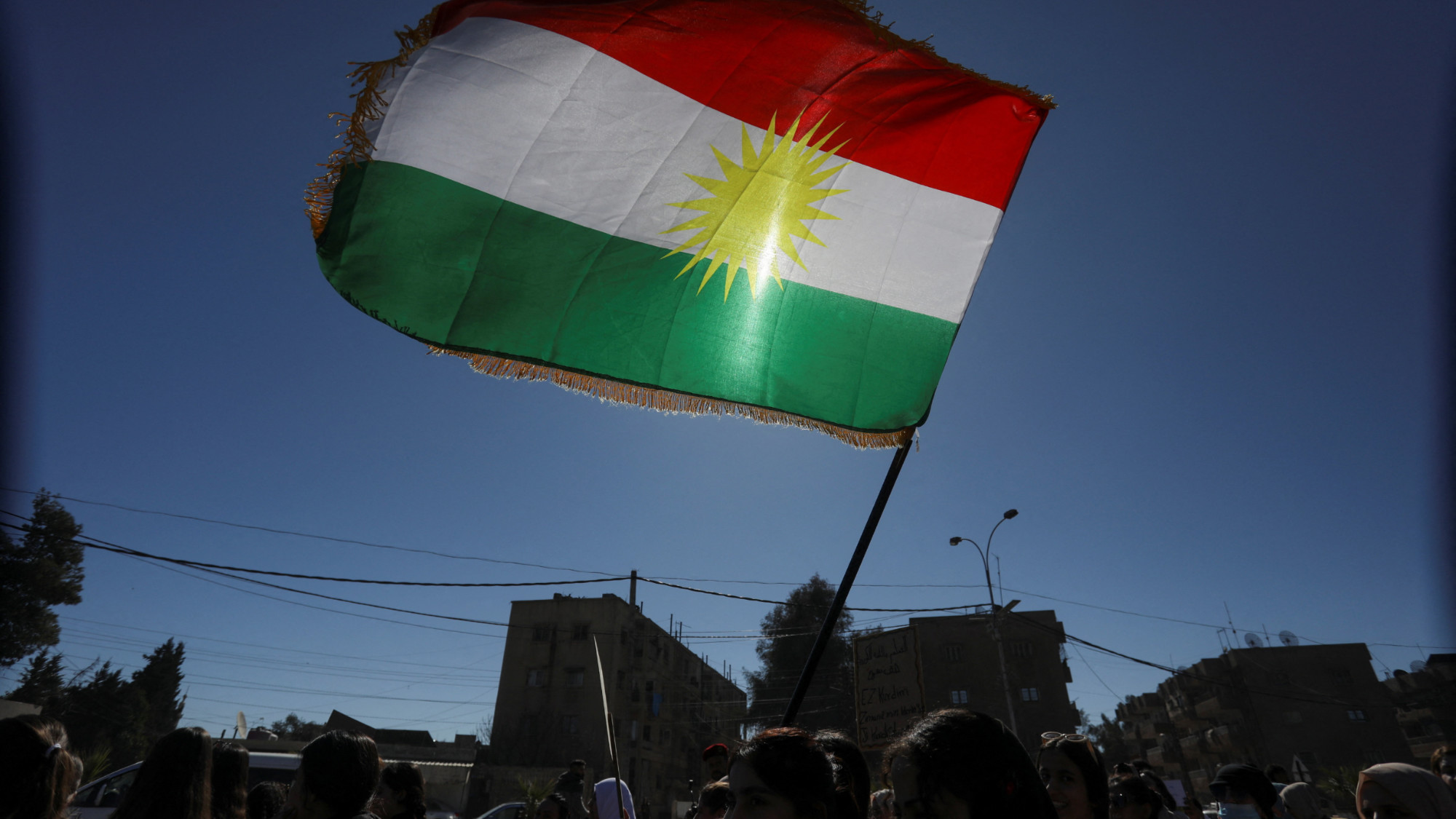
    Amid escalating regional hostilities, the United States is reportedly evaluating strategic options to support Iranian Kurdish opposition groups based in Iraq for potential operations inside western Iran. Multiple US media outlets indicate the White House is considering backing these factions as part of broader efforts to pressure Tehran, though no final decisions have been confirmed.

    Several senior Kurdish officials from different opposition parties provided conflicting assessments to Middle East Eye regarding potential ground operations. A source within the Komala Party suggested it was the “right time” for fighters to return after 47 years in exile, while Siamand Moeini of the Kurdistan Free Life Party (PJAK) expressed uncertainty about going to war with Tehran. Amanj Zebaii of the Democratic Party of Iranian Kurdistan (PDKI) noted that “everything is possible” if Kurdish fighters entered Iran.

    The reporting coincides with intensified military actions along the Iran-Iraq border. US-Israeli airstrikes have targeted Revolutionary Guard facilities in multiple western Iranian cities including Mariwan, Urmiyeh, and Sanandaj. Simultaneously, Tehran has conducted drone strikes against Kurdish opposition camps in Iraq’s Kurdistan Region.

    Analysts suggest the US sees experienced Kurdish fighters as potential partners for any uprising in northwest Iran. Nicholas Heras of the Middle East Policy Council noted these fighters could serve as “key interlocutors” with US forces. However, significant trust issues remain from previous US disengagement from Kurdish partners in Syria.

    Military experts caution that without substantial air support and guarantees of political recognition, Kurdish forces would struggle to hold territory against Iranian counteroffensives. Former PJAK member Shamal Bishir warned that without proper backing, Kurdish groups could find themselves “exposed, holding territory without the means to secure it” if the Iranian state fragments without fully collapsing.
  • Nepal votes in key post-uprising polls

    Nepal votes in key post-uprising polls

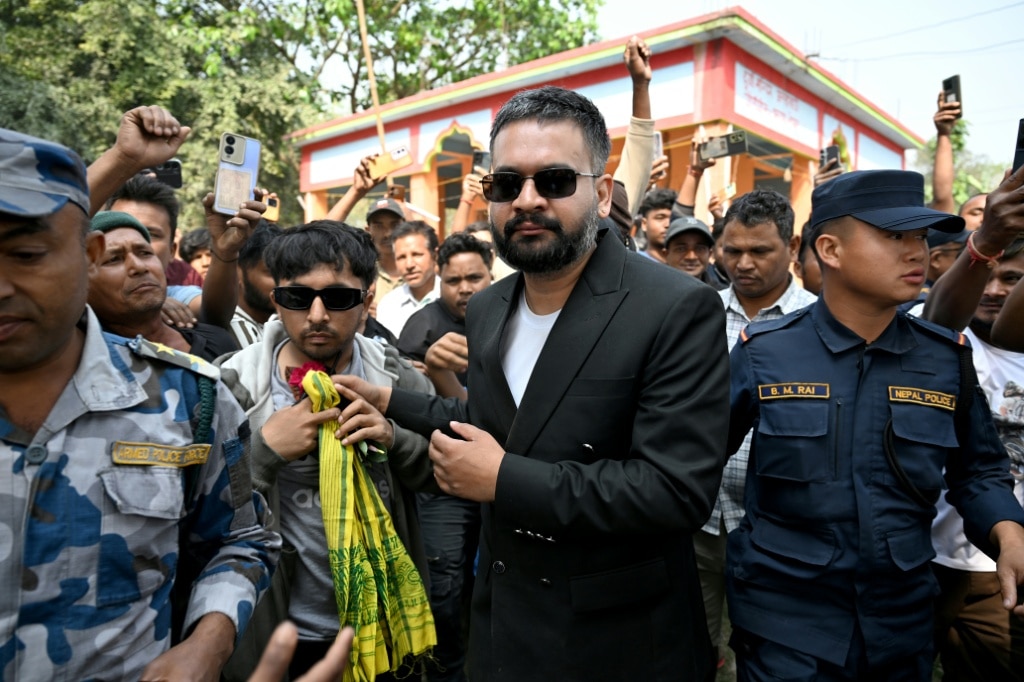
    Nepal embarked on a pivotal democratic exercise Thursday as millions of citizens cast ballots in parliamentary elections that represent a fundamental test between established political forces and an emergent youth movement. This electoral confrontation, the first since September 2025’s deadly anti-corruption uprising that claimed 77 lives and toppled the government, has mobilized nearly 19 million eligible voters across the Himalayan nation.

    The electoral landscape features three prominent figures vying for leadership: Marxist former Prime Minister KP Sharma Oli seeking political redemption, Balendra Shah—the rapper-turned-Kathmandu-mayor championing youth representation, and Gagan Thapa, the 49-year-old newly elected leader of the centrist Nepali Congress party promising generational change. Their competition reflects broader tensions between experienced politicians advocating stability and younger candidates demanding economic reform and accountability.

    Security measures were extensively implemented with thousands of soldiers and police deployed at polling centers following Interim Prime Minister Sushila Karki’s appeal for citizens to vote ‘without any fear.’ The logistical complexity of conducting elections in the world’s most mountainous country required helicopter transport of voting materials to remote regions, including areas near Mount Everest.

    Unlike previous elections focused primarily on the capital, political attention centered on the agricultural plains south of Kathmandu, particularly the Jhapa-5 constituency where Oli and Shah faced direct competition. With 3,400 candidates competing for 165 directly elected seats in the 275-member House of Representatives, election authorities anticipated results within 24 hours for direct contests, though proportional representation outcomes may require additional time.

    Analysts project no single party will secure an outright majority, potentially necessitating extended coalition negotiations that could shape Nepal’s political trajectory for years to come. The election represents not merely a transfer of power but a referendum on governance itself, testing whether the energy that fueled September’s uprising can transform into sustainable political change.

  • Iran’s supreme leader gone, but opposition still at war with itself

    Iran’s supreme leader gone, but opposition still at war with itself

    The assassination of Iran’s Supreme Leader by a joint US-Israeli military operation has created an unprecedented power vacuum, yet the nation’s opposition movements remain dangerously fragmented despite American calls for regime change. While many Iranians celebrated the elimination of the Islamic Republic’s leadership, the absence of a unified alternative and Washington’s ambiguous strategic objectives have left the country’s political future hanging in the balance.

    President Donald Trump’s initiation of ‘Operation Epic Fury’ included direct appeals for Iranians to ‘take over your government,’ though subsequent mixed signals from his administration regarding regime change objectives have created confusion. Within Iran, authorities are scrambling to appoint a new supreme leader while state media amplifies pro-government demonstrations, even as internal opposition figures face severe repression—exemplified by imprisoned Nobel Peace laureate Narges Mohammadi.

    The diaspora community reflects similar divisions, with bitter rivalries preventing consensus. According to Ali Vaez, Iran Project Director at International Crisis Group, ‘No opposition leader has managed to forge the kind of broad-based coalition needed to unify the fragmented opposition landscape.’ This polarization has intensified despite efforts like last year’s opposition conference that brought together previously estranged groups.

    Reza Pahlavi, US-based son of the deposed Shah, has emerged as a prominent figure, gaining recognition during the 2022-2023 Woman, Life, Freedom movement. However, experts note he lacks broad consensus, facing criticism for his support of Israel and failure to distance himself from his father’s autocratic legacy. His supporters have clashed online with other opposition factions, particularly ethnic minority groups who reject his leadership.

    The People’s Mujahedin Organisation of Iran (MEK), designated as terrorist by Tehran, has organized rallies under the ‘No Shah, No Mullahs’ banner but remains controversial due to its alignment with Iraq during the 1980s Iran-Iraq war. Both Pahlavi and MEK have American political supporters, though Trump has notably refrained from endorsing any specific alternative.

    In recent remarks, Trump suggested preference for ‘somebody from within’ Iran who is ‘currently popular,’ drawing comparisons to US strategy in Venezuela where the ruling system was maintained despite leadership changes. However, he acknowledged the lack of clear alternatives, noting ‘most of the people we had in mind are dead’ while criticizing post-invation de-Baathification policies in Iraq.

    This approach reflects the practical reality that most opposition groups lack operational capacity within Iran, making elements within the existing power structure potentially more consequential. Meanwhile, many protesters who risked their lives in recent demonstrations remain focused primarily on removing the current government rather than planning what comes next, highlighting the challenges ahead for any transition of power.

  • US interior secretary is in Venezuela to discuss critical minerals

    US interior secretary is in Venezuela to discuss critical minerals

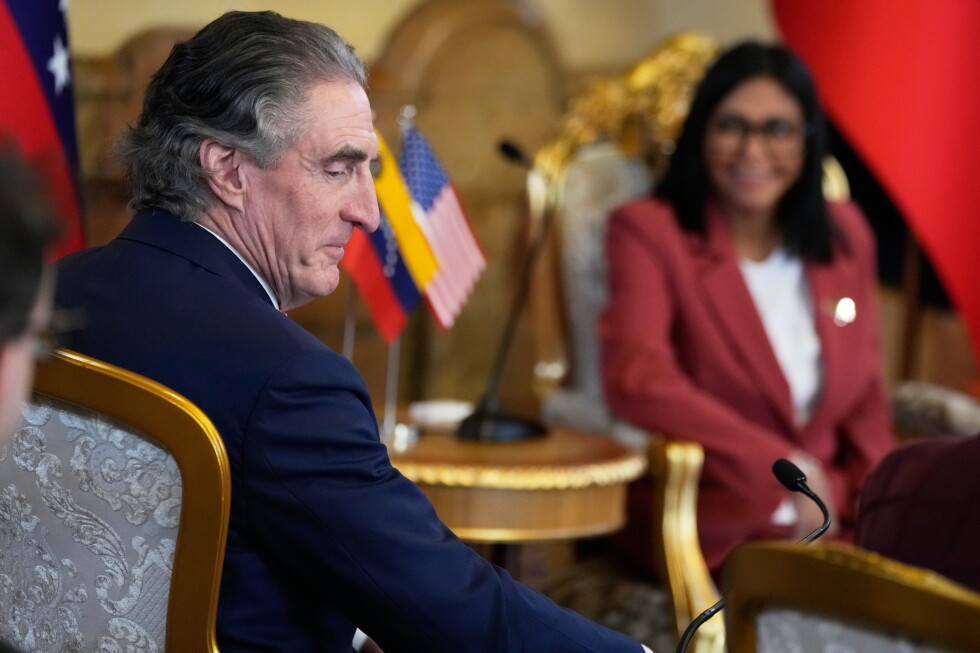
    CARACAS, Venezuela — In a significant diplomatic move, U.S. Secretary of the Interior Doug Burgum convened with Venezuela’s acting President Delcy Rodríguez on Wednesday, signaling the Trump administration’s intensified efforts to secure influence over the nation’s vast natural resource reserves. The high-level meeting represents the latest development in Washington’s strategic pivot toward resource diplomacy in South America.

    Burgum, who chairs President Donald Trump’s National Energy Dominance Council, embarked on the two-day diplomatic mission to engage with both American and Venezuelan corporate entities. The U.S. diplomatic mission in Venezuela characterized the visit through social media channels as a ‘vital and historic step’ supporting the administration’s phased strategy for Venezuelan economic transformation, specifically emphasizing the creation of ‘a legitimate mining sector and safe critical mineral supply chains.’

    This diplomatic engagement follows the capture of former President Nicolás Maduro by U.S. forces two months ago, which precipitated Rodríguez’s ascension to acting leadership. The visit continues energy-focused diplomacy initiated in February by Energy Secretary Chris Wright, who previously explored Venezuela’s substantial petroleum potential.

    The Trump administration recently unveiled plans to establish a critical minerals trading alliance among allied nations, strategically designed to counter China’s dominant position in supplying essential elements required for advanced military equipment and consumer electronics. Venezuela’s resource portfolio extends beyond its well-documented oil reserves to include substantial deposits of gold, copper, diamonds, and other valuable minerals, though extraction operations frequently occur under hazardous conditions within a minimally regulated industry.

    Accompanied by Laura Dogu, the top U.S. diplomat stationed in Venezuela, Burgum’s meetings at the presidential palace further solidify the administration’s resource-focused foreign policy approach. Previous allegations by Maduro and his administration suggested U.S. geopolitical interests were primarily driven by Venezuela’s substantial resource wealth, claims that gain renewed context amid these developing diplomatic exchanges.

  • Greens, Your Party and Labour backbenchers build anti-war alliance in parliament

    Greens, Your Party and Labour backbenchers build anti-war alliance in parliament

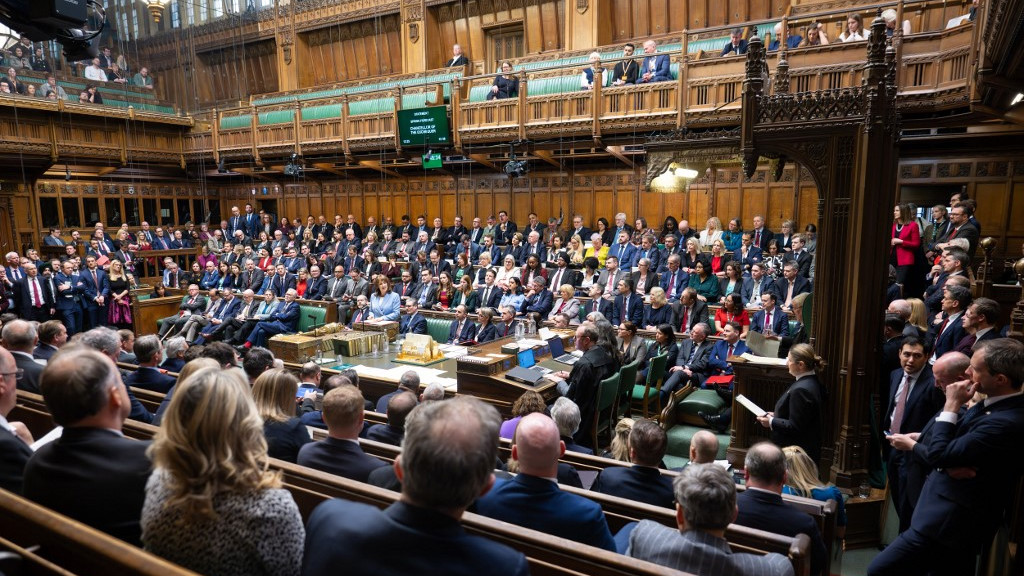
    A significant cross-party alliance is emerging within the UK Parliament, mobilizing to counter potential British entanglement in US-Israeli military operations against Iran. This coalition unites the resurgent Green Party, the newly formed left-wing Your Party led by Jeremy Corbyn, the parliamentary Independent Alliance, and dissenting Labour backbenchers.

    The movement gained concrete form when Corbyn, the former Labour leader, introduced the Military Action Bill on Thursday. This legislation, garnering support across party lines, would mandate parliamentary approval for any foreign military use of British bases. The bill directly challenges Prime Minister Keir Starmer’s recent decision to permit US forces to utilize UK installations for targeting Iranian missile sites.

    Co-sponsorship of the bill includes Green MPs Ellie Chowns and Hannah Spencer—fresh from her landmark by-election victory in Gorton and Denton—alongside Independent Alliance MPs Adnan Hussain and Ayoub Khan. They are joined by prominent Labour rebels including Diane Abbott, John McDonnell, and Richard Burgon.

    While the bill’s passage remains unlikely, it signifies growing political pressure on the government from both flanks. Starmer faces simultaneous criticism from Reform UK and the Conservative Party, who advocate for stronger support of US-Israeli actions and unrestricted base access.

    The proposed legislation would establish stringent requirements for parliamentary authorization of British military deployments and equipment use in armed conflicts. Crucially, it would force the withdrawal of permission if such approval is not granted.

    This parliamentary maneuver coincides with notable shifts in Britain’s political landscape. The Greens have surged to second place in national polls following Spencer’s electoral breakthrough, while Corbyn’s Your Party has established its leadership structure with him as parliamentary leader.

    Both Corbyn and Green co-leader Zack Polanski have spearheaded opposition to UK involvement, with Polanski condemning Starmer’s ‘utter inability to stand up to Donald Trump’ and warning against ‘another illegal war in the Middle East.’ Corbyn accused the Prime Minister of appeasing Trump at the expense of international law.

    Their stance appears aligned with public sentiment. Recent YouGov polling indicates that 49% of Britons oppose US military action against Iran (versus 28% support), while exactly half disapprove of allowing US forces to use UK bases, with only 30% in favor. This suggests the left-wing bloc may better represent public opinion than the government’s conservative critics.

  • Putin hosts Hungary’s foreign minister for energy supply talks as war in Mideast causes disruptions

    Putin hosts Hungary’s foreign minister for energy supply talks as war in Mideast causes disruptions

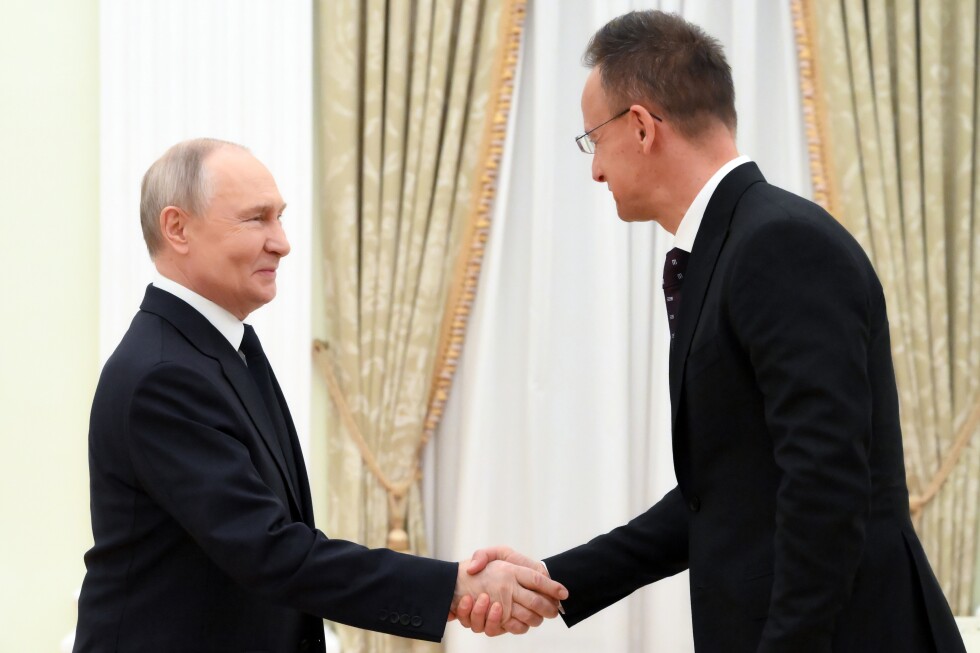
    In a significant diplomatic engagement, Russian President Vladimir Putin met with Hungarian Foreign Minister Péter Szijjártó in Moscow on Wednesday to address critical energy supply issues. The high-stakes discussion centered on maintaining Hungary’s access to Russian fossil fuels despite ongoing regional conflicts and pipeline disruptions.

    Minister Szijjártó arrived in Moscow specifically seeking guarantees from Russian authorities regarding continued oil and gas supplies. This urgency stems from recent interruptions in the Druzhba pipeline, which transports Russian oil through Ukrainian territory to Hungarian and Slovakian refineries. The Hungarian government has attributed these disruptions to political decisions by Kyiv, while Ukrainian officials counter that the pipeline damage resulted from Russian drone attacks.

    President Putin provided reassurances during the meeting, stating: “We have always fulfilled all our obligations, and, of course, we intend and are ready to do so. I understand that this is of concern to you, particularly oil supplies. We see what’s happening in the global and European gas markets.”

    In a notable humanitarian gesture, Putin announced the release of two ethnic Hungarian prisoners of war who had been fighting with Ukrainian armed forces. The Russian leader revealed that Hungarian Prime Minister Viktor Orbán had requested their release during a telephone conversation the previous day. Szijjártó was authorized to transport the prisoners back to Budapest on his return flight.

    The meeting occurs against a backdrop of heightened political tensions as Prime Minister Orbán faces challenging elections next month. Trailing in polls to a center-right opponent, Orbán has intensified an anti-Ukraine campaign, alleging that Kyiv and the European Union are attempting to bankrupt Hungary through forced financial assistance to Ukraine. Last week, Hungary blocked a new EU sanctions package against Russia and vowed to withhold a substantial €90 billion EU loan to Kyiv until oil flows through the Druzhba pipeline resume.

  • Mainland vows safety for Taiwan compatriots amid Middle East tensions, criticizes DPP’s political manipulation

    Mainland vows safety for Taiwan compatriots amid Middle East tensions, criticizes DPP’s political manipulation

    Amid escalating Middle Eastern hostilities, a Chinese mainland spokesperson has issued a firm commitment to safeguard Taiwan compatriots in the region, simultaneously condemning Taiwan’s ruling Democratic Progressive Party (DPP) for engaging in what it termed ‘political manipulation’ during a critical humanitarian situation.

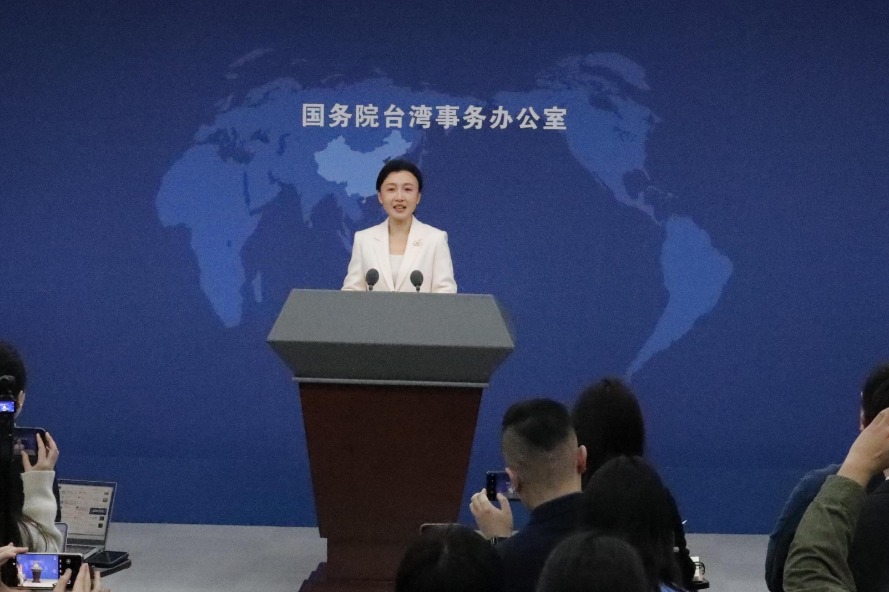
    Zhang Han, spokeswoman for the State Council Taiwan Affairs Office, addressed the media during a regular press conference on Wednesday, emphasizing that all Chinese citizens—including those from Taiwan—would receive comprehensive protection measures. The statement came in response to recent military operations conducted by the United States and Israel against Iran.

    ‘Taiwan compatriots are Chinese citizens and our own flesh and blood,’ Zhang declared. ‘Regardless of their location or circumstances, the great motherland will always serve as their steadfast support system.’

    The spokesperson outlined practical assistance measures, noting that Taiwanese nationals requiring evacuation support could contact Chinese diplomatic missions abroad or utilize the 12308 consular protection hotline. This offer follows official advisories from China’s Ministry of Foreign Affairs urging all citizens—explicitly including Taiwan compatriots—to evacuate conflict zones promptly.

    However, the DPP administration reportedly cautioned Taiwan residents against accepting mainland evacuation assistance, characterizing such cooperation as ‘risky.’ Zhang condemned this position as demonstrating ‘coldness and selfishness’ that prioritizes political agendas over human safety.

    ‘At this crucial juncture concerning the welfare of Taiwan compatriots, the DPP authorities persist in political manipulation, fully exposing their lack of conscience and humanity,’ Zhang stated. ‘Their greatest fear remains the natural kinship between strait residents becoming evident during adversity.’

    Addressing broader cross-strait relations, the spokeswoman reiterated China’s consistent position regarding Taiwan’s status as an internal matter. She emphasized that resolution timing and methods remain exclusively within China’s sovereign rights, warning against external interference or ‘Taiwan independence’ provocations.

    ‘Should separatist forces dare to cross established red lines through reckless actions,’ Zhang affirmed, ‘we will implement resolute measures and deliver firm counterstrikes.’

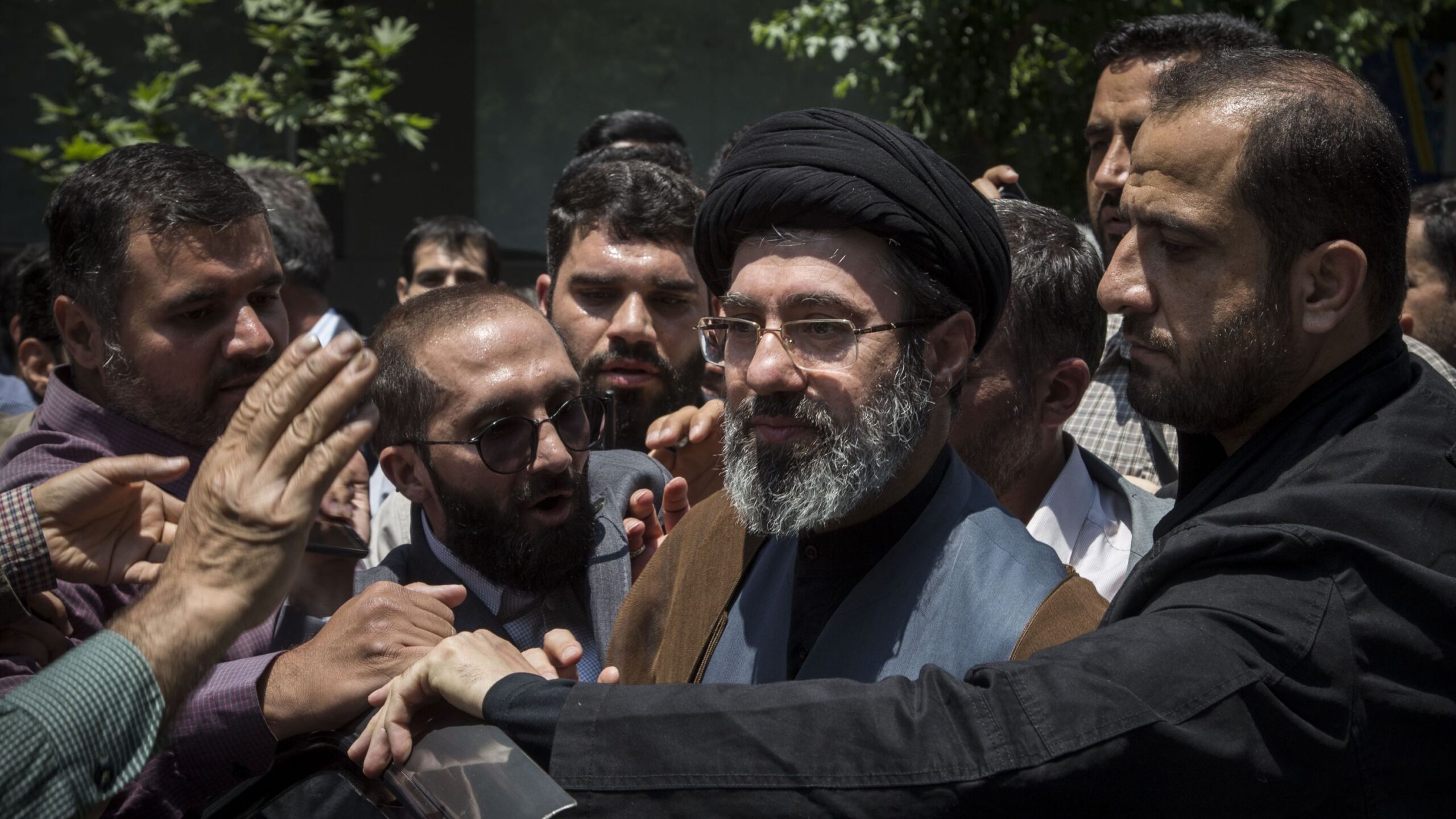
  • Who is Mojtaba Khamenei, possible successor to his father as Iran’s supreme leader?

    Who is Mojtaba Khamenei, possible successor to his father as Iran’s supreme leader?

    Iran faces a pivotal leadership transition following the death of Supreme Leader Ali Khamenei, with intense speculation surrounding potential successors. The Assembly of Experts has reportedly convened under extraordinary circumstances—amid ongoing US-Israeli attacks on government buildings—to determine the nation’s next ruler.

    Mojtaba Khamenei, the 56-year-old son of the late leader, has emerged as a prominent candidate. Widely perceived as a hardline figure within Iranian politics, opposition media outlet Iran International claims he is being championed for the position by the Islamic Revolutionary Guard Corps (IRGC). His potential appointment during sustained foreign attacks could be interpreted as a defiant response to both his father’s killing and international pressure for compromise.

    Born in Mashhad in 1969 during the Shah’s regime, Mojtaba came of age during the devastating Iran-Iraq war that claimed nearly one million Iranian lives. His service with the IRGC during the conflict’s final years proved formative, particularly within the Habib Ibn Mazahir Battalion where he established connections with future intelligence leaders including Hossein Taeb, who would later head the IRGC’s Intelligence Organisation.

    Despite maintaining a public profile as a theology teacher in Qom and avoiding official government positions, Mojtaba allegedly wielded significant behind-the-scenes influence. During Mahmoud Ahmadinejad’s presidency, he was accused of orchestrating the disputed 2009 election results and subsequent crackdowns on protesters. At the time, an Iranian politician told The Guardian that “Mojtaba is the commander of this coup d’état,” noting widespread anger among conservative clerics and political establishments over his covert influence.

    Further controversy surrounds Mojtaba’s substantial international wealth. A Bloomberg investigation revealed he owns luxury UK properties valued over $138 million through shell companies, including multiple residences on London’s exclusive ‘Billionaire’s Row,’ alongside investments in Tehran, Dubai, and Frankfurt.

    His potential succession faces multiple objections: as the previous leader’s son, many view appointment as contradicting republican principles in a system that overthrew monarchy; his lack of public office experience presents another complication; and a Tehran Times article from January 2025 cited Ali Khamenei himself as “resolutely opposed” to hereditary succession, characterizing Western narratives of dynastic transition as attempts to discredit Iran’s institutions.

    With Iran’s political environment increasingly volatile, predicting long-term leadership remains exceptionally uncertain.

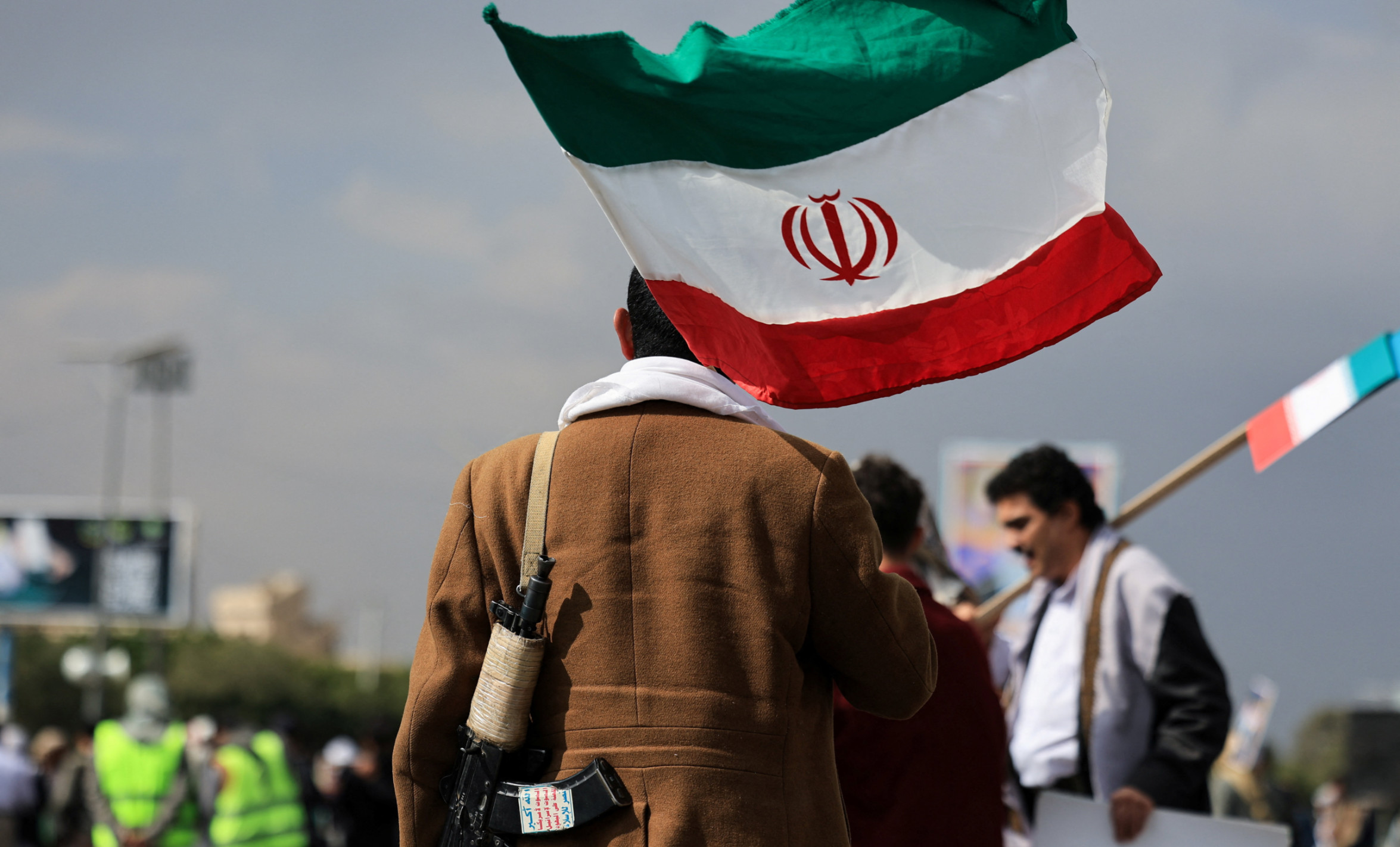
  • Why Yemen’s Houthis are hesitating to join Iran war, for now

    Why Yemen’s Houthis are hesitating to join Iran war, for now

    Yemen’s Houthi movement faces critical strategic decisions as regional tensions escalate between Iran and the U.S.-Israel alliance, with analysts suggesting their eventual intervention remains probable but carefully calibrated. According to regional experts, the Iran-aligned group is conducting thorough assessments of geopolitical developments before committing to military action.

    Fatehi bin Lazreq, editor of Aden al-Ghad newspaper, indicates the Houthis are evaluating the severity of threats facing Tehran. “If they determine that the threat to the Iranian regime is existential, they will decide to fully engage in the war,” Lazreq told Middle East Eye. This cautious approach contrasts with the group’s immediate mobilization during the 2023 Gaza conflict, when they rapidly initiated attacks on Red Sea shipping lanes.

    The movement’s leadership has demonstrated uncharacteristic restraint in recent communications. Abdul Malik al-Houthi’s post-strike address avoided explicit military commitments despite expressing solidarity with Tehran, while his subsequent speech following Supreme Leader Ali Khamenei’s assassination offered condolences without promising armed retaliation.

    Internal divisions appear to be influencing the group’s response strategy. Yemeni political analyst Saleh al-Baydani identifies “sharp” disagreements between hardliners advocating immediate military involvement and factions urging restraint. Conflicting statements regarding Red Sea operations—first promising resumed attacks then quickly denying them—suggest significant internal debate about appropriate escalation levels.

    The Houthis recognize their strategic dependency on Iranian support. As Lazreq notes, “The Houthis believe that if the Iranian regime falls, they would become exposed, as the supply of drones and missiles—a key element of their strength in recent years—would cease.” This arms pipeline has substantially enhanced their capabilities against domestic rivals and international adversaries.

    Military calculations also factor heavily in their deliberation. Research fellow Farea al-Muslimi of Chatham House indicates the group remains conscious of recent losses, including the August 2023 Israeli strike that eliminated the Houthi-run administration’s prime minister and multiple ministers. Additional strikes damaged critical infrastructure including Hodeidah port, oil facilities, and power stations.

    Despite these concerns, analysts acknowledge the Houthis’ history of defying expectations. Having operated in conflict environments for over two decades, the group has consistently used warfare to maintain internal mobilization and delay political settlements. Their eventual intervention would likely follow either direct military provocation or initiatives from Iranian or Hezbollah leadership.

    The movement’s approach represents what Muslimi describes as “calculated escalation,” with any potential action framed as self-defense rather than outright solidarity with Tehran. This positioning allows them to balance domestic Yemeni interests with international alliance obligations while minimizing exposure to retaliatory strikes.

  • Khamenei’s killing is neocolonialism’s final gambit

    Khamenei’s killing is neocolonialism’s final gambit

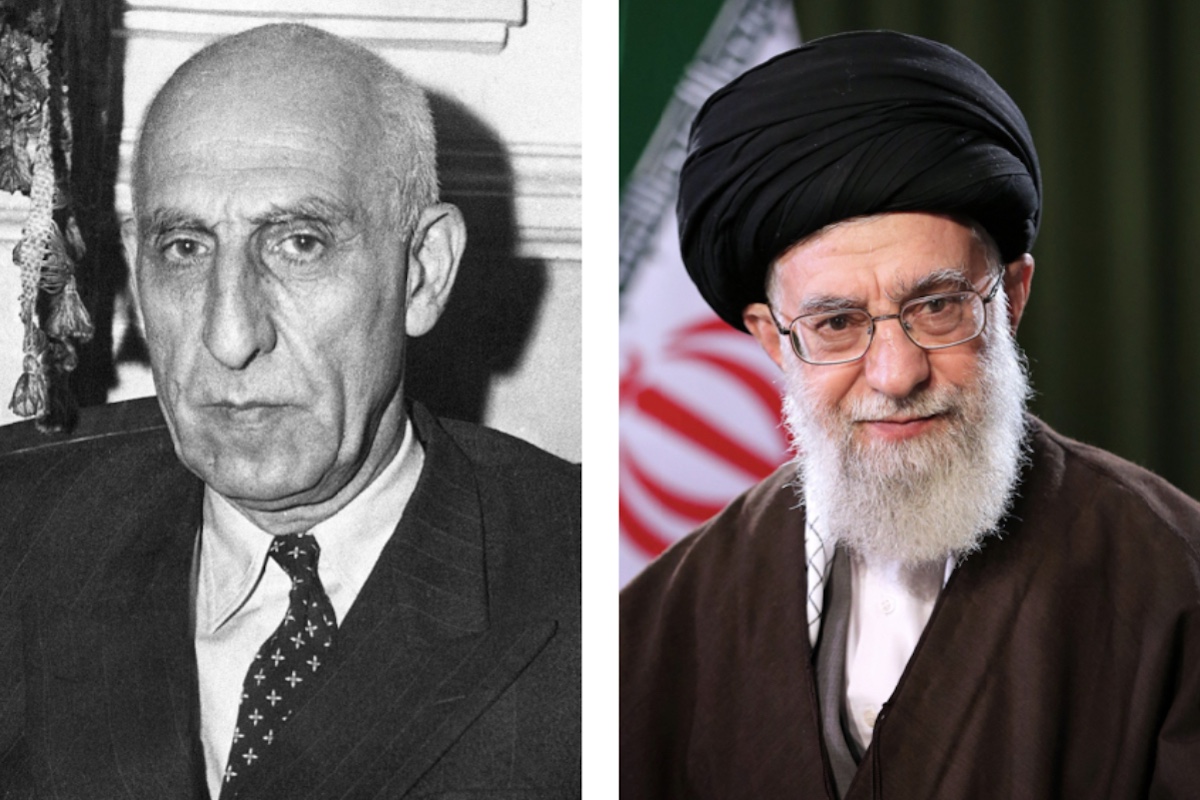
    The recent targeted killing of Iran’s spiritual leader Ayatollah Ali Khamenei by US-Israeli forces represents a dramatic escalation in international relations that may inadvertently accelerate the collapse of the petrodollar system—the foundational mechanism of American economic dominance since the 1970s. This event eerily echoes the 1953 Anglo-American coup that overthrew Iran’s first democratically elected Prime Minister Mohammad Mossadegh, establishing a pattern of foreign intervention primarily motivated by control over energy resources.

    The petrodollar system emerged from a 1974 agreement with Saudi Arabia that mandated oil transactions exclusively in US dollars, creating perpetual global demand for American currency and effectively forcing nations to subsidize US economic supremacy. This arrangement exemplifies what Ghanaian President Kwame Nkrumah termed ‘neocolonialism’—where nations maintain the appearance of sovereignty while being economically directed from external powers.

    Iran has consistently challenged this dollar-dominated architecture, trading oil in euros, yuan, and rupees while encouraging partners to abandon dollar transactions. The assassination has unified broad sections of the Muslim world in indignation and revealed the moral bankruptcy of the international order, with European leaders offering only tepid calls for restraint while remaining dependent on the petrodollar system.

    The official justification centered on Iran’s nuclear program collapses under scrutiny, as multiple intelligence assessments confirm Iran suspended organized weapons development in 2003. The real threat appears to be Iran’s progress toward energy independence through peaceful nuclear technology, which would allow greater oil exports in alternative currencies.

    As China trades oil in yuan, Russia abandons dollar transactions, and BRICS nations develop alternatives, the petrodollar system faces existential challenges. Saudi Arabia now accepts renminbi for oil sales to China, while India and Iran have operationalized rupee-rial payment mechanisms. Each non-dollar transaction builds infrastructure for a post-dollar world.

    The assassination, occurring during active diplomatic negotiations, demonstrates that US commitment to diplomacy remains contingent on dictating terms. This overreach has exposed American desperation rather than strength, potentially hastening the very neocolonial order’s collapse it intended to preserve. The question remains what system will emerge from the petrodollar’s ruins and whether Global South nations can ensure genuine sovereignty rather than simply substituting one master for another.