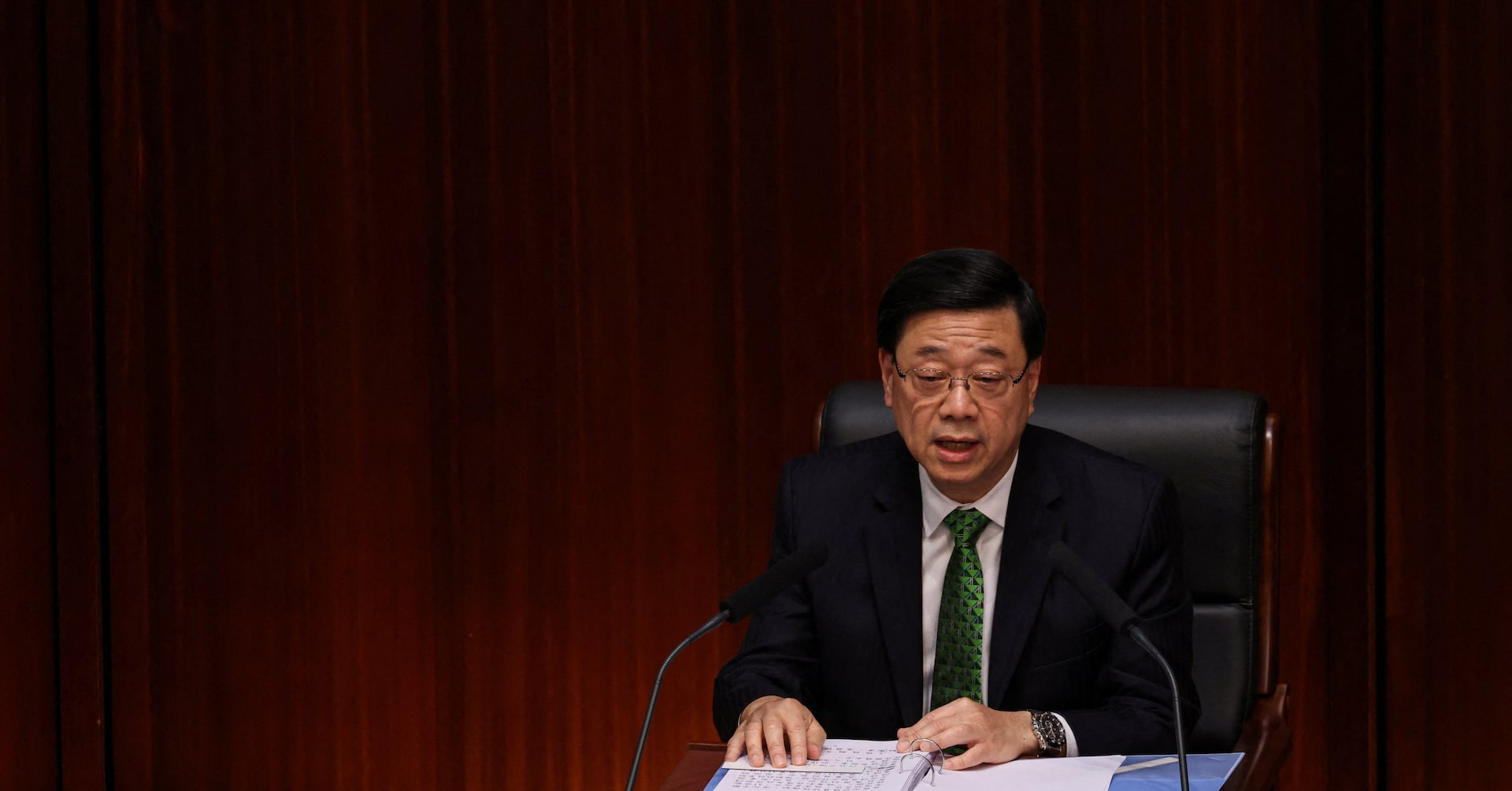
In a comprehensive policy address delivered on September 17, 2025, Hong Kong Chief Executive John Lee outlined a series of measures aimed at revitalizing the city’s economy, enhancing public welfare, and reinforcing its status as a global hub. Speaking at the Legislative Council, Lee emphasized the government’s commitment to accelerating the development of the Northern Metropolis, a strategic area adjacent to Shenzhen, which is poised to become a new business and residential district accommodating approximately 2.5 million people. This initiative aligns with the broader Greater Bay Area project, which seeks to integrate Hong Kong, Macau, and nine Guangdong cities into a cohesive economic powerhouse. Lee also highlighted plans to establish an international gold trading market, expand the fintech sector, and promote green and sustainable finance. Additionally, the government aims to bolster the aviation industry by developing a sustainable fuel supply chain and attracting pharmaceutical companies to conduct clinical trials and advanced medical treatments in Hong Kong. On the social front, Lee pledged to improve housing conditions, increase worker incomes, enhance elderly care, and provide greater opportunities for young people. He also introduced measures to support pet-friendly businesses and incentivize childbirth through tax allowances. Despite the challenges posed by China’s economic slowdown and ongoing trade tensions with the U.S., Lee reaffirmed Hong Kong’s economic growth forecast of 2% to 3% for 2025, underscoring the city’s resilience and potential as a gateway for mainland enterprises seeking global expansion.
分类: politics
-
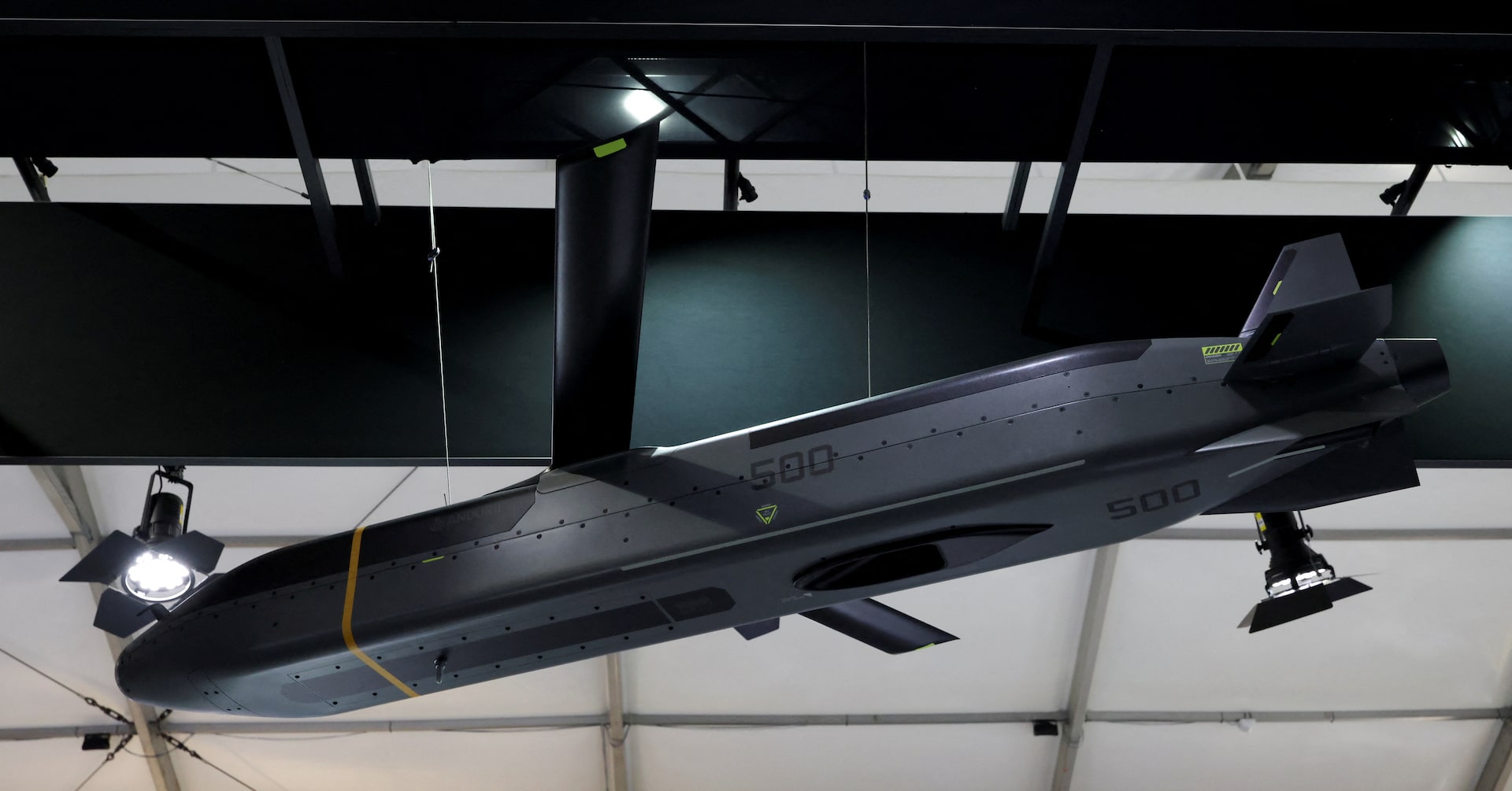
Taiwan shows off first missile to be jointly manufactured with US arms maker
Taiwan has taken a significant step in strengthening its defense capabilities by unveiling its first missile jointly developed with a U.S. company. The Barracuda-500, an autonomous, low-cost cruise missile designed by U.S. defense technology startup Anduril Industries, was showcased at the Taipei Aerospace and Defence Technology Exhibition. This marks a pivotal moment in the growing defense collaboration between Taiwan and the United States, aimed at countering China’s escalating military threats. Taiwan, which China claims as its own territory, has been under increasing pressure from Beijing, including frequent military drills and incursions into its airspace and waters. President Lai Ching-te emphasized the importance of deepening security ties with the U.S., Taiwan’s primary international supporter and arms supplier. The National Chung-Shan Institute of Science and Technology (NCSIST), which displayed the missile, plans to mass-produce it locally through technology transfer. The missile is designed for group attacks on warships, akin to exploding drones. NCSIST President Li Shih-chiang highlighted the goal of building a self-reliant defense system, with production costs kept below T$6.5 million per missile. Li also stressed Taiwan’s unique vulnerability, noting that unlike Ukraine, Taiwan cannot rely on neighboring countries for reinforcements in case of conflict. During the three-day trade show, NCSIST will sign two contracts and six Memorandums of Understanding with U.S. and Canadian companies. Taiwan aims to increase its defense spending to 5% of GDP by 2030, up from 3.3% next year, and seeks broader international support beyond the United States.
-
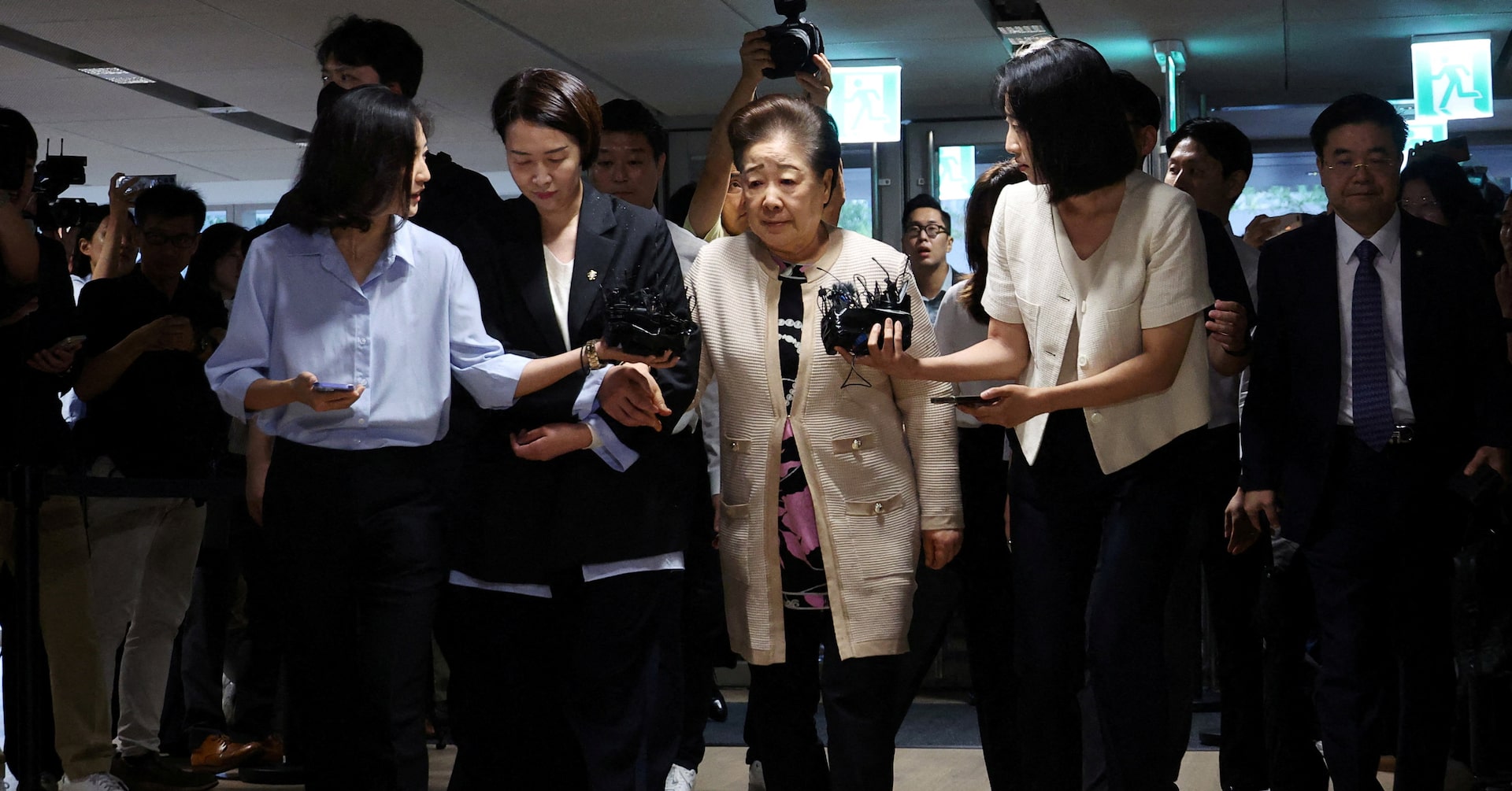
Unification Church leader questioned in ex-South Korea first lady investigation
Han Hak-ja, the leader of the Unification Church, appeared before South Korean prosecutors on September 17, 2025, to face questioning over allegations of orchestrating bribery schemes involving the wife of ousted President Yoon Suk Yeol and a close political ally. The allegations, which Han has vehemently denied, claim she instructed the church to provide bribes to former First Lady Kim Keon Hee and lawmaker Kweon Seong-dong. Han arrived at the special prosecutor’s office in Seoul, where she underwent more than nine hours of interrogation before leaving in a wheelchair, surrounded by media. She firmly responded “No!” when asked if she had ordered the bribes. The Unification Church has also denied any involvement, calling the accusations “false information” and urging its members to pray for Han rather than hold public rallies. The case is part of a broader investigation into corruption during Yoon’s presidency, which has already led to the indictment of Kim Keon Hee and the detention of Kweon Seong-dong, who is accused of attempting to destroy evidence. Prosecutors have not yet considered issuing an arrest warrant for Han, citing her cooperation during questioning. The scandal has drawn significant attention, given the Unification Church’s controversial history and its global influence.
-
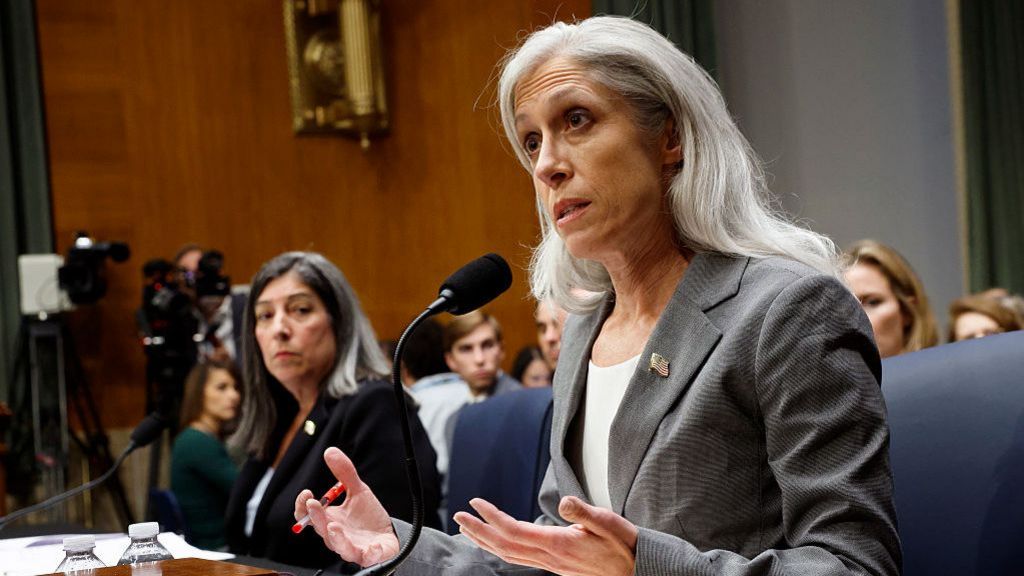
Former CDC head says she was fired for refusing Kennedy’s vaccine changes
Dr. Susan Monarez, the recently ousted head of the US Centers for Disease Control and Prevention (CDC), has revealed that her dismissal stemmed from her refusal to endorse vaccine policy changes unsupported by scientific evidence. In a Senate committee hearing on Wednesday, Monarez disclosed that Health Secretary Robert F. Kennedy Jr. demanded she approve all recommendations from the Advisory Committee on Immunization Practices (ACIP) and terminate key vaccine policy officials without cause. When she declined, Kennedy allegedly threatened her removal, citing frequent communication with President Donald Trump on vaccine policy revisions. Monarez, who served less than a month as CDC director, also accused Kennedy of disparaging CDC staff as ‘horrible people’ and labeling the agency as ‘corrupt.’ Her firing followed a high-profile incident where a man shot 180 rounds at CDC headquarters, killing a police officer in protest of COVID-19 vaccines. Monarez’s departure triggered a wave of resignations, including that of Chief Medical Officer Dr. Debra Houry, who testified that CDC leaders were reduced to ‘rubber stamps’ under Kennedy’s leadership. Kennedy, a prominent vaccine skeptic, defended his actions, claiming Monarez was untrustworthy. The controversy has intensified the national debate over vaccine policies, with several states adopting independent immunization standards and Florida moving to eliminate vaccine mandates. Republicans on the committee largely supported Kennedy’s decision, accusing Monarez and Houry of resisting changes and obstructing the Trump administration’s agenda. Both former officials denied these allegations, portraying Kennedy as prioritizing politics over science.
-
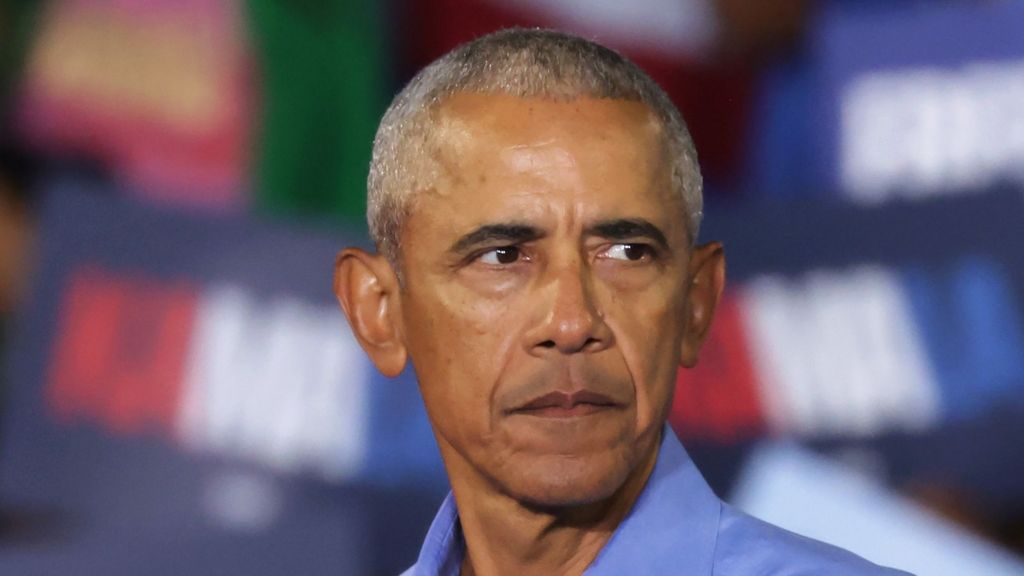
Obama says US faces ‘political crisis’ after killing of Charlie Kirk
Former U.S. President Barack Obama has issued a stark warning about an impending “political crisis of the sort that we haven’t seen before” following the tragic killing of conservative activist Charlie Kirk. Speaking at an event in Pennsylvania on Tuesday, Obama expressed his horror at the incident, despite his disagreements with Kirk’s views. He criticized former President Donald Trump and his allies for their divisive rhetoric, contrasting it with the unifying approaches of past Republican leaders. Obama emphasized the importance of national unity and respecting differing opinions during times of heightened tension. The White House swiftly responded, labeling Obama as the “architect of modern political division.”
Charlie Kirk, 31, was fatally shot while speaking at Utah Valley University on September 10. Tyler Robinson, 22, has been formally charged with Kirk’s murder and other offenses, with prosecutors seeking the death penalty. Robinson allegedly claimed he acted due to Kirk’s “hatred.” In the aftermath, Trump allies blamed left-wing activists and Democratic rhetoric for the killing, while Vice-President JD Vance called for exposing those who celebrated or condoned Kirk’s death.
Obama praised Utah Governor Spencer Cox and Pennsylvania Governor Josh Shapiro for their measured responses to political violence, contrasting them with Trump’s approach. He recalled how past presidents, including George W. Bush, sought to unite the nation during crises. Obama also criticized Trump’s administration for targeting political opponents with inflammatory language, warning of the broader societal implications.
The White House dismissed Obama’s remarks, accusing him of fostering division during his presidency and inspiring Democrats to vilify their opponents. Despite the tradition of former presidents avoiding harsh criticism of their successors, Obama has recently been vocal in his opposition to Trump’s policies and the Democratic Party’s response.
-
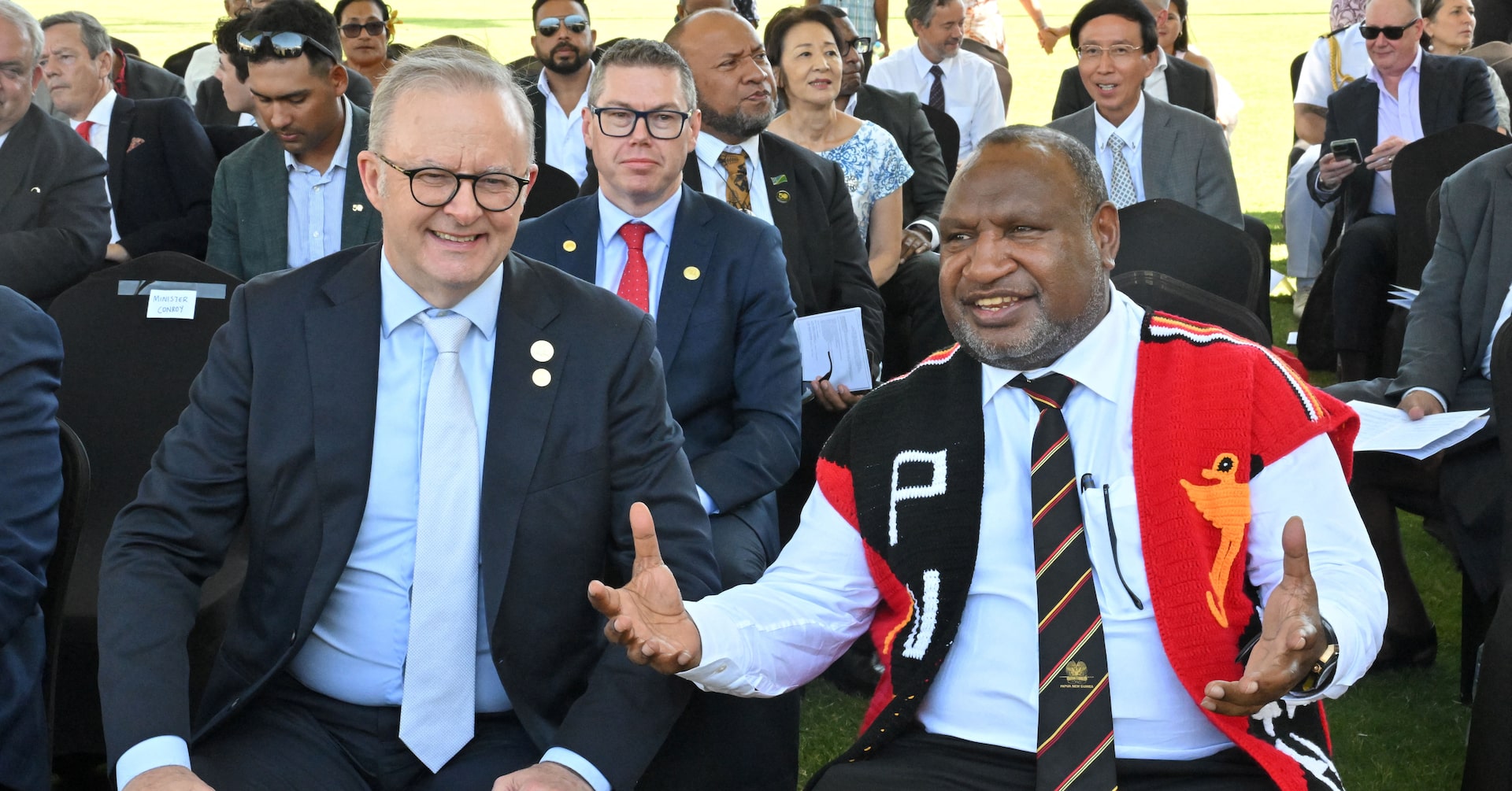
Australia, Papua New Guinea sign communique after mutual defence treaty stalls
In a significant move to bolster regional security, Australian Prime Minister Anthony Albanese and Papua New Guinea (PNG) Prime Minister James Marape convened in Port Moresby on September 16, 2025, to sign a defence communique. This development comes after the postponement of a more comprehensive mutual defence treaty, marking Australia’s second diplomatic challenge in the Pacific region this month. The communique underscores the shared commitment of both nations to enhance defence cooperation, with Marape emphasizing Australia as PNG’s preferred security partner. The treaty, once finalized, will elevate bilateral security ties to a level comparable to Australia’s alliance with the United States, marking the first new defence alliance for Australia in over seven decades. However, the signing of the treaty was delayed due to procedural hurdles within PNG’s cabinet, which failed to reach a quorum for endorsement. This setback follows Australia’s unsuccessful attempt to secure a $500 million security partnership with Vanuatu earlier in September. Amid these developments, Australia is actively countering China’s growing influence in the Pacific, particularly after China’s security pact with the Solomon Islands. Marape reassured that China played no role in delaying the treaty and announced plans for PNG’s Defence Minister to engage with key security partners, including China, the United States, and several Asian nations, to clarify the nature of the agreement. The communique reflects the mutual recognition that an armed attack on either nation would threaten the peace and security of both. Albanese expressed confidence in the treaty’s eventual signing, highlighting its strategic importance for regional stability. Analysts, however, question whether Marape has secured sufficient cabinet support to finalize the deal, adding pressure on both leaders to navigate the complexities of domestic and international politics.
-
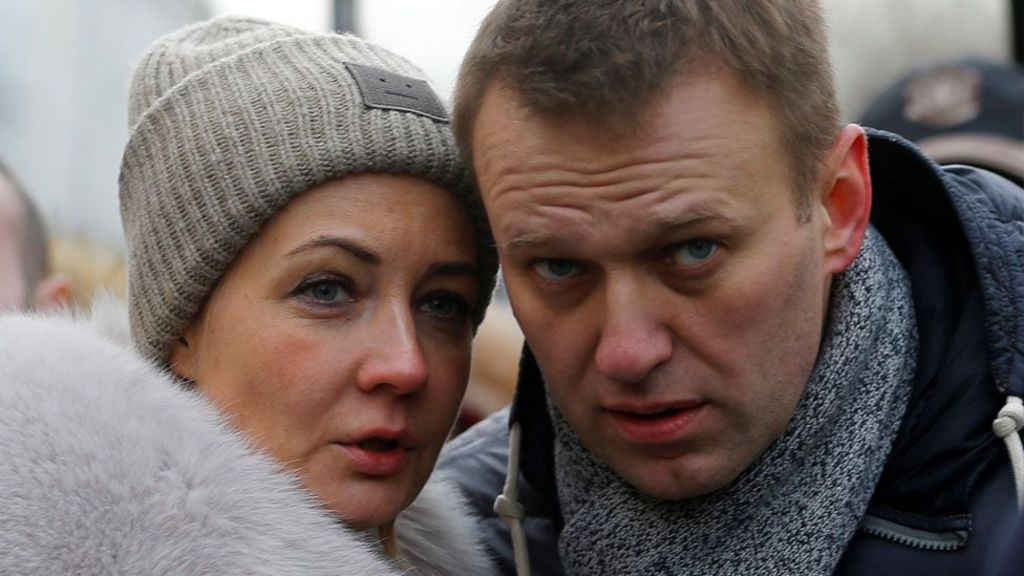
Tests show Navalny was poisoned in jail, his widow says
Yulia Navalnaya, the widow of the late Russian opposition leader Alexei Navalny, has publicly accused the Kremlin of orchestrating her husband’s death through poisoning. In a compelling video statement shared on social media, Navalnaya revealed that independent laboratories in two countries had analyzed smuggled biological samples, concluding that Navalny was murdered. While she did not disclose specific details about the poison or the laboratories involved, she urged them to release their findings publicly, despite what she described as ‘political considerations’ preventing transparency.
Navalny, a prominent anti-corruption activist and fierce critic of President Vladimir Putin, died suddenly on February 16, 2024, while serving a prison sentence in an Arctic penal colony. His death came three years after he was poisoned with a Novichok nerve agent in 2020, an incident that led to his treatment in Germany and subsequent arrest upon his return to Russia. Navalny’s supporters and his Anti-Corruption Foundation (FBK) have consistently alleged that the Russian government was complicit in his demise.
Navalnaya recounted her husband’s final days, citing testimonies from penal colony employees. She described how Navalny fell ill during a walk, suffered convulsions, and vomited before collapsing in his cell. Despite his visible distress, an ambulance was not called until 40 minutes later, and he died shortly thereafter. Prison authorities initially attributed his death to ‘sudden death syndrome,’ while state investigators later cited a medical condition and arrhythmia.
Navalny’s associates have shared previously unseen images of his cell and the exercise yard where he spent his last moments. Navalnaya, who faces potential arrest herself, vowed to continue seeking justice, declaring, ‘I affirm that Vladimir Putin is guilty of killing my husband.’ She also emphasized Navalny’s role as a symbol of hope for a better future in Russia, a sentiment echoed by the thousands who attended his funeral in Moscow despite government warnings.
The Kremlin has remained largely silent on the matter, with spokesman Dmitry Peskov claiming unawareness of Navalnaya’s statements. President Putin briefly acknowledged Navalny’s death a month later, describing it as a ‘sad event’ and revealing that a prisoner swap involving Navalny had been considered but was ultimately abandoned. Navalny’s death has left a void in Russia’s opposition movement, with many of his associates either imprisoned or in exile, and civil society increasingly suppressed under punitive laws enacted after Russia’s invasion of Ukraine in 2022.
-
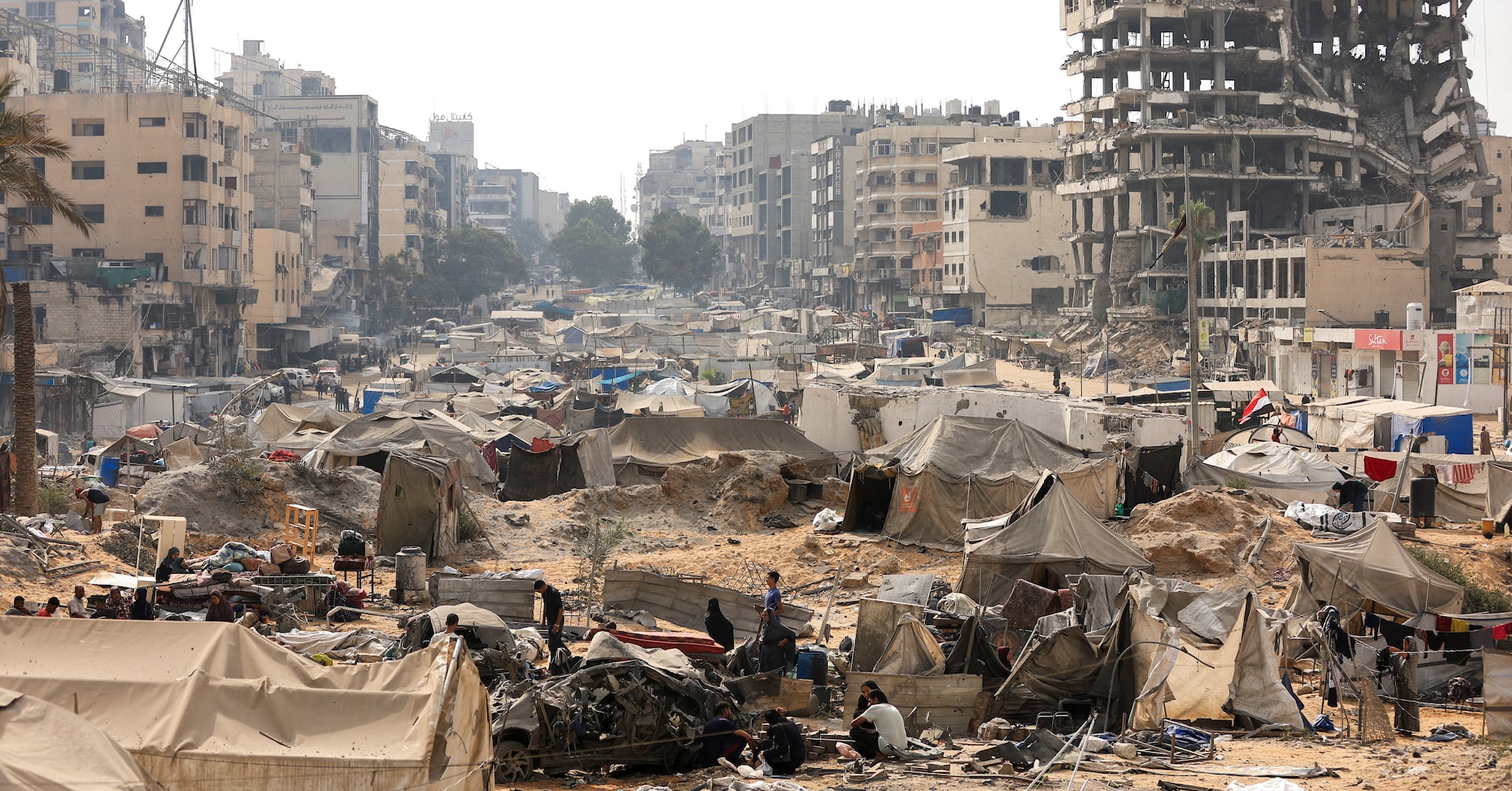
Japan won’t recognise a Palestinian state given US ties, media report says
In a strategic move to preserve its diplomatic ties with the United States and avoid escalating tensions with Israel, Japan has decided to postpone its recognition of a Palestinian state, according to a report by the Asahi newspaper. The decision, attributed to unnamed government sources, comes as several nations, including Britain, France, Canada, and Australia, have announced their intentions to recognize Palestinian statehood at the upcoming UN General Assembly. This collective stance has intensified international pressure on Israel regarding its actions in the region. The U.S. reportedly influenced Japan’s decision through multiple diplomatic channels, while France’s Foreign Minister Jean-Noel Barrot had strongly advocated for Japan to support Palestinian statehood. Japanese Foreign Minister Takeshi Iwaya stated that the government is conducting a ‘comprehensive assessment’ of the issue, considering the appropriate timing and modalities. Chief Cabinet Secretary Yoshimasa Hayashi echoed this sentiment, expressing a ‘grave sense of crisis’ over Israel’s ground assault on Gaza City and warning that the foundations of a two-state solution are at risk. Hayashi urged Israel to address the severe humanitarian crisis in Gaza promptly. Despite voting in favor of a UN declaration advocating for tangible steps toward a two-state solution, Japanese Prime Minister Shigeru Ishiba is expected to skip a key UN meeting on the matter. Within the G7, German and Italian officials have cautioned that immediate recognition of Palestine could be ‘counterproductive.’
-
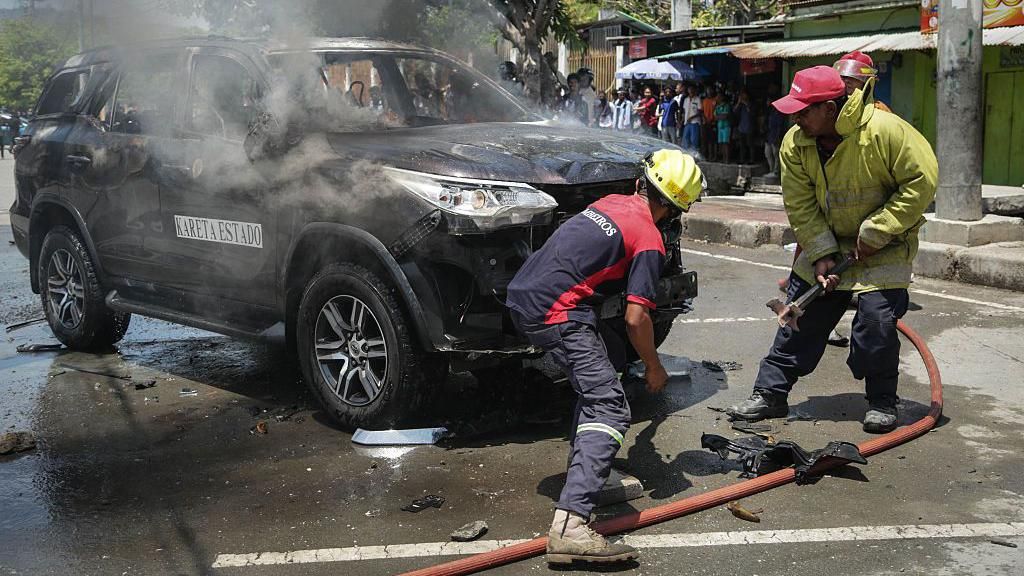
Timor-Leste scraps plan to buy MPs free cars after protests
Timor-Leste has reversed its controversial decision to provide lawmakers with free cars following widespread public outcry and protests. The plan, which sparked outrage among citizens, led to demonstrations in the capital, Dili, where protesters burned tires and set a government vehicle ablaze. Police responded with tear gas, but the government ultimately succumbed to public pressure and canceled the initiative on Tuesday. Despite this, protests persisted on Wednesday, with an estimated 2,000 demonstrators demanding further reforms, including the abolition of lifetime pensions for retired lawmakers. The unrest reflects broader discontent with perceived government excesses and inequality in the region. Lawmakers in Timor-Leste earn an annual salary of $36,000, over ten times the country’s average income of $3,000, exacerbating public frustration. Protest leader Cezario Cesar highlighted the disparity, stating, ‘People don’t have access to good education, water, and sanitation… we have a lack of facilities, but they’re still creating laws to benefit themselves.’ The protests have expanded beyond the car issue, with demonstrators calling for systemic changes to address corruption and inequality. Similar anti-government movements have recently emerged across Asia, including in Nepal and Indonesia, driven by anger at political elites and economic hardships. Timor-Leste, one of Southeast Asia’s youngest and poorest nations, remains a symbol of democratic resilience, with protests seen as a normal part of its political landscape.
-
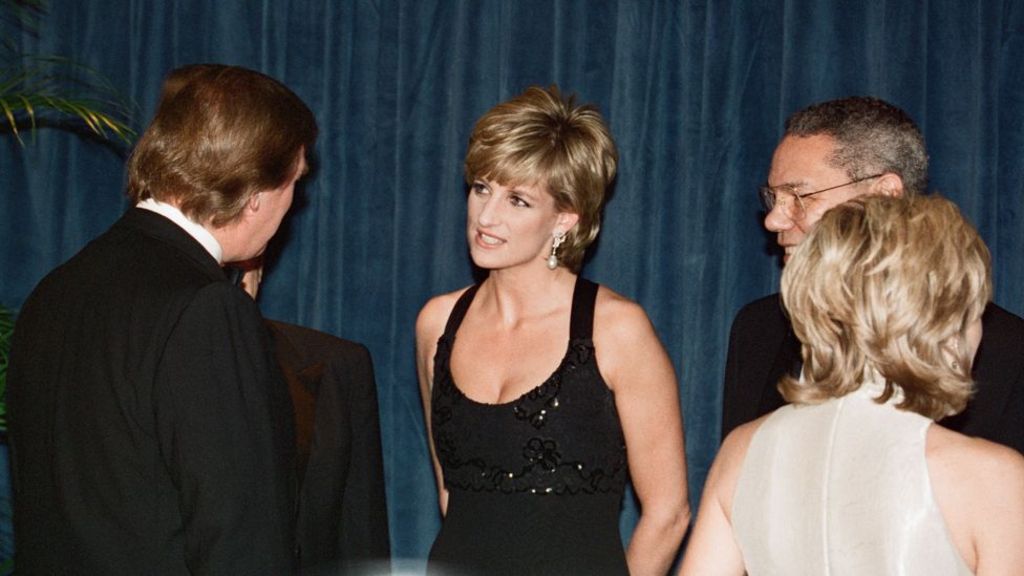
Status, opulence, Diana – Trump’s 70-year affection for UK royals
As Queen Elizabeth II’s coronation captivated global audiences on June 2, 1953, a six-year-old Donald Trump watched intently on a black-and-white television in New York City. His Scottish mother, Mary Anne MacLeod Trump, was enthralled by the grandeur of the British monarchy, an influence that would shape Trump’s lifelong fascination with royalty. Decades later, as a real estate mogul and U.S. president, Trump’s admiration for the British royal family has become a defining aspect of his public persona. His second state visit to the UK, following an invitation from King Charles III, underscores this enduring connection. The invitation, personally delivered by Prime Minister Keir Starmer in the Oval Office, highlights the strategic diplomatic efforts to secure trade concessions while appealing to Trump’s love of pageantry. Trump’s 2019 state visit and his 2018 meeting with Queen Elizabeth II at Windsor Castle were pivotal moments in his career, symbolizing his ascent to global prominence. His mother’s reverence for the royals, as recounted in his book *The Art of the Deal*, instilled in him a sense of showmanship that he continues to embrace. Trump’s interactions with the royal family, from his attempts to associate Princess Diana with his Mar-a-Lago club to his admiration for the late Queen, reveal a deep-seated desire for legitimacy and acceptance within elite circles. Observers note that Trump’s fascination with the British monarchy stems from its global status and the allure of high society. Despite past controversies, including critical remarks about members of the royal family, Trump’s state visit is expected to be marked by ceremonial grandeur and mutual respect. As he shares the spotlight with King Charles, Trump’s journey from a young boy watching a coronation to a world leader engaging with royalty comes full circle.