分类: politics

  • UK will release files related to Mandelson’s ambassador appointment in more Epstein fallout

    UK will release files related to Mandelson’s ambassador appointment in more Epstein fallout

    LONDON — In a significant political development, the British government has capitulated to parliamentary pressure by agreeing to disclose emails and official documents pertaining to the controversial appointment of Peter Mandelson as ambassador to the United States. This decision follows the Conservative Party’s threat to force a parliamentary vote demanding transparency regarding Mandelson’s 2024 diplomatic assignment, despite known associations with convicted sex offender Jeffrey Epstein.

    The government has committed to releasing all requested materials, reserving only those documents that could potentially compromise national security or international relations. The exact scope and timeline for this disclosure remain unspecified.

    Mandelson’s diplomatic career unraveled dramatically when he was terminated from his Washington post in September following revelations of his sustained friendship with Epstein after the financier’s conviction for sex crimes involving minors. The situation escalated further this week when Mandelson resigned from the House of Lords amid an ongoing police investigation into allegations of misconduct in public office.

    Newly unveiled documents from the U.S. Department of Justice suggest potentially serious breaches of official conduct. Evidence indicates that during his tenure as government minister approximately fifteen years ago, Mandelson may have shared sensitive information with Epstein, including attempts to lobby against banker bonus taxes, disclosure of internal government reports discussing asset sales, and advance warning of European currency bailout measures.

    Financial records reveal three separate payments totaling $75,000 from Epstein to accounts associated with Mandelson or his partner between 2003-2004. The offense of misconduct in public office carries a maximum penalty of life imprisonment, though investigation initiation does not presuppose guilt.

    Epstein died in custody in 2019 while awaiting trial on federal charges related to the sexual abuse of numerous minors. Attempts to reach Mandelson for comment through House of Lords channels remained unanswered.

  • Russia and Ukraine envoys are due to meet in Abu Dhabi for US-brokered talks

    Russia and Ukraine envoys are due to meet in Abu Dhabi for US-brokered talks

    Diplomatic efforts to resolve the ongoing conflict between Russia and Ukraine are set to continue as representatives from both nations prepare for another round of U.S.-mediated negotiations in Abu Dhabi on Wednesday. The talks, which include U.S. Special Envoy Steve Witkoff and Jared Kushner, son-in-law of former President Donald Trump, follow previous discussions that yielded limited progress without achieving major breakthroughs.

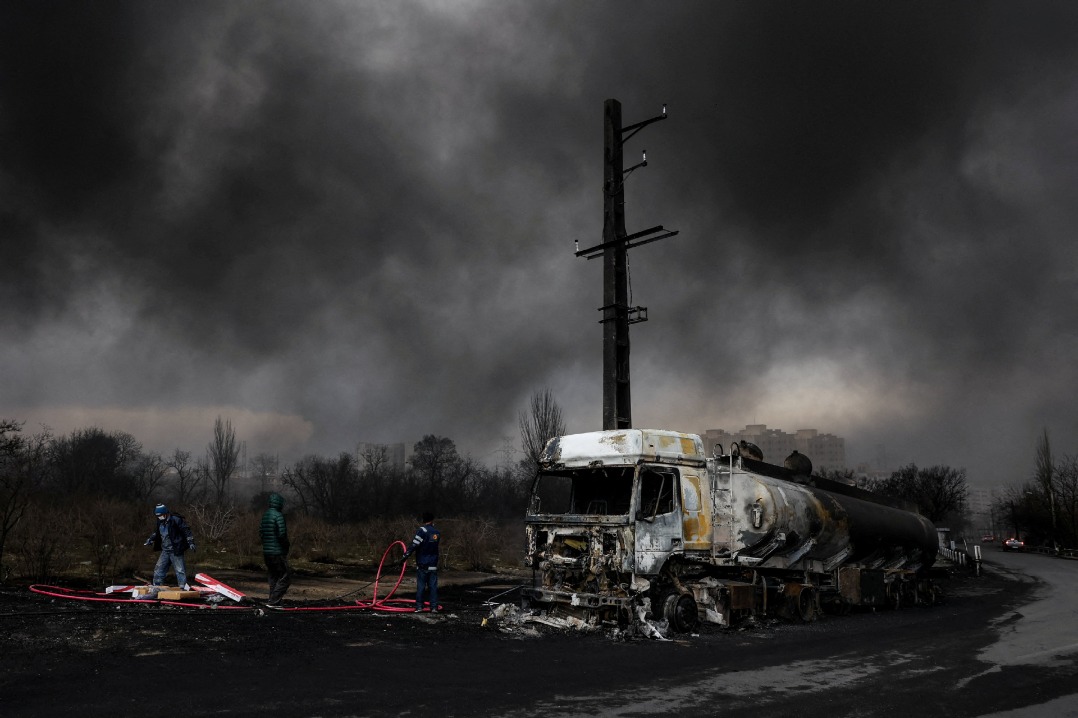
    The renewed diplomatic initiative unfolds against a backdrop of intensified military aggression. Russian forces launched a massive overnight bombardment from Monday to Tuesday, deploying hundreds of drones and a record 32 ballistic missiles that injured at least ten civilians. These attacks specifically targeted Ukraine’s energy infrastructure, exacerbating the humanitarian crisis during one of the coldest winters in recent years, with temperatures plummeting to minus 20 degrees Celsius (-4°F).

    The timing of these strikes appears particularly significant given previous assurances. According to Trump, Russian President Vladimir Putin had committed to a temporary cessation of attacks on Ukraine’s power grid—a claim contradicted by the recent escalation. Ukrainian President Volodymyr Zelenskyy accused Moscow of duplicity, noting that barely four days had passed before renewed assaults on critical energy infrastructure.

    Analysts from the Institute for the Study of War suggest these developments represent a calculated negotiating strategy by the Kremlin. “The Kremlin will likely attempt to portray its adherence to this short-term energy strikes moratorium as a significant concession to gain leverage in the upcoming peace talks, even though the Kremlin used these few days to stockpile missiles for a larger strike package,” the Washington-based think tank reported.

    The human cost of the conflict continues to mount. In the central Dnipropetrovsk region, a Russian strike on a residential area killed a 68-year-old woman and a 38-year-old man. The southern city of Odesa also endured large-scale attacks that damaged approximately 20 residential buildings, requiring the rescue of four individuals from beneath rubble.

    These diplomatic efforts coincide with the impending expiration of the last remaining nuclear arms control treaty between Russia and the United States on Thursday, adding another layer of complexity to the already tense international landscape. The simultaneous occurrence of these events raises stakes for all parties involved in the negotiations.

  • European Union citizens want more unified and bold leadership, survey suggests

    European Union citizens want more unified and bold leadership, survey suggests

    BRUSSELS (AP) — A comprehensive European Union survey reveals overwhelming public support for enhanced EU leadership capabilities as the bloc confronts mounting geopolitical, economic, and environmental challenges. The Eurobarometer study, conducted through extensive face-to-face interviews with over 2,600 citizens across all 27 member states, demonstrates a clear mandate for more robust collective action.

    The research, completed in November prior to recent international developments, indicates exceptionally strong backing for expanded EU security responsibilities (69%), more assertive diplomatic engagement (87%), and deeper unification to address critical issues (90%). The survey carries a margin of error of just 2 percentage points, reflecting its statistical reliability.

    Citizens expressed profound concern about multiple threat vectors, including military conflicts near EU borders, climate-induced natural disasters, and sophisticated cyber warfare operations. Defense priorities have surged to the forefront, emerging as the primary concern in 18 member nations.

    The findings align strategically with European Commission President Ursula von der Leyen’s agenda for strengthening Brussels’ authority in trade and defense matters. Her administration has pursued numerous international trade agreements responding to global economic pressures, including tariff threats from the United States and China’s restrictions on vital mineral exports.

    Notably, the poll suggests that external attempts to fragment EU cohesion—whether from Russia, the United States, or far-right movements—have largely failed to undermine public support for European integration. However, respondents identified serious anxieties about hybrid threats including drone incursions, disinformation campaigns, artificial intelligence manipulation, social polarization, election interference, and defense supply chain dependencies.

    A striking paradox emerged between personal optimism and global pessimism: while citizens feel positive about their individual circumstances and the EU collectively, they maintain deep concerns about worldwide stability. This divergence between personal confidence and broader uncertainty significantly influences civic priorities, governance expectations, and demands for multinational cooperation at various administrative levels.

  • Colombia to work with US on drug trafficking: president

    Colombia to work with US on drug trafficking: president

    In a significant diplomatic development, Colombian President Gustavo Petro and U.S. President Donald Trump have established a collaborative framework to combat international drug trafficking networks. The agreement emerged during their February 3rd meeting at the White House, marking a pivotal moment in bilateral security cooperation.

    President Petro subsequently revealed to Colombian media that the discussions exposed substantial differences in strategic perspectives regarding security policy and narcotics enforcement. The Colombian leader expressed particular surprise at what he characterized as President Trump’s ‘misinformation’ concerning Colombia’s current security landscape and drug trafficking dynamics.

    Beyond narcotics enforcement, the bilateral dialogue addressed regional stability concerns. President Petro confirmed Colombia’s supportive stance toward Venezuela’s ongoing political transition, emphasizing that ‘Venezuela deserves the future. The past will be evaluated, but the present and future are fundamental.’

    In a gesture of diplomatic goodwill, President Petro extended an invitation for his American counterpart to visit Cartagena, a historic Colombian coastal city symbolizing the nations’ complex but enduring partnership. This invitation signals Colombia’s commitment to maintaining constructive engagement despite acknowledged policy differences.

  • Chinese Ambassador Xie Feng: Youth exchanges are a project of hope in China-US relations

    Chinese Ambassador Xie Feng: Youth exchanges are a project of hope in China-US relations

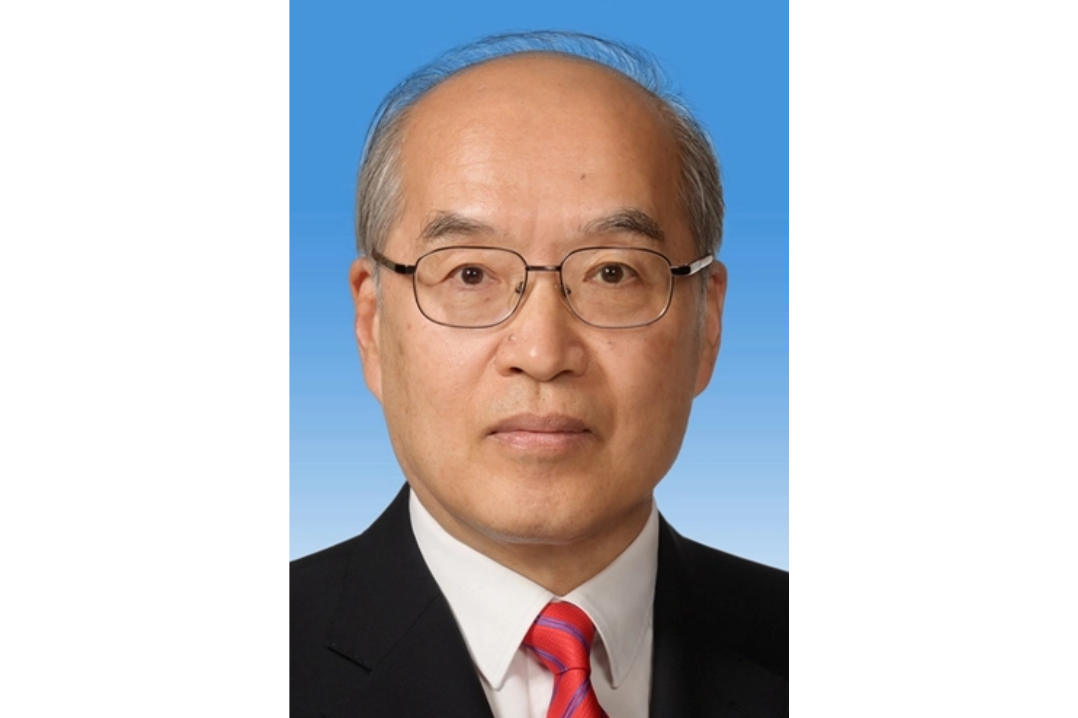
    Chinese Ambassador to the United States Xie Feng has emphatically characterized youth exchanges between the two nations as a vital “project of hope” for bilateral relations. The declaration came during the 2026 China-US Youth Spring Festival Gala, an event hosted by the Chinese Embassy in Washington on January 31st.

    Ambassador Xie’s address highlighted the critical role that the younger generation plays in bridging cultural and diplomatic divides. He articulated that fostering mutual understanding and friendship among youth represents a fundamental investment in the future trajectory of Sino-American relations. The gala itself served as a platform for cultural performance and dialogue, embodying this commitment to people-to-people exchange.

    This emphasis on youth engagement occurs within the broader context of ongoing efforts to stabilize and improve relations between the two global powers. The initiative aligns with previous agreements between Chinese and American leadership to enhance societal and educational exchanges, moving beyond governmental dialogue to build a more resilient foundation for the relationship.

    The embassy’s event signals a continued prioritization of soft diplomacy and cultural outreach as essential tools for managing complex international partnerships. By focusing on the next generation of leaders, artists, and entrepreneurs, this approach seeks to cultivate long-term goodwill and counteract prevailing geopolitical tensions through sustained interpersonal connections.

  • Tariffs cut as US, India ink deal

    Tariffs cut as US, India ink deal

    In a significant diplomatic breakthrough, the United States and India have concluded a comprehensive trade agreement that dramatically reduces tariffs on Indian exports while compelling New Delhi to reconsider its energy procurement strategy. The pact, announced jointly by US President Donald Trump and Indian Prime Minister Narendra Modi on February 3, 2026, slashes existing tariffs from 50% to 18% on Indian goods.

    The agreement represents a strategic recalibration of economic relations between the world’s largest and fifth-largest economies. In return for tariff relief, India has committed to halt purchases of Russian crude oil and substantially lower trade barriers for American products. The arrangement includes India’s commitment to eliminate import taxes on US goods entirely and purchase approximately $500 billion worth of American merchandise.

    This development follows months of escalating trade tensions that began in June when Washington imposed an initial 25% tariff on Indian goods, subsequently doubling the rate in August due to India’s continued acquisition of Russian energy resources. The current agreement effectively reverses these punitive measures while establishing new parameters for bilateral trade.

    Energy analysts immediately raised concerns about the feasibility of India’s commitment to abandon Russian oil imports, which currently constitute over one-third of the nation’s daily consumption at approximately 1.5 million barrels. Rob Haworth, Senior Investment Strategy Director at US Bank Asset Management, emphasized that “fully replacing Russian oil with alternatives from Venezuela or the United States will require substantial infrastructure investment and time.”

    Academic experts offered mixed perspectives on the agreement’s implications. Professor Pushan Dutt of INSEAD Asia Campus described the deal as a “welcome development” that could restore economic and geopolitical alignment between the two nations. However, Professor Dibyendu Maiti of Delhi School of Economics noted that the agreement followed significant American pressure regarding agricultural and dairy product restrictions.

    Qian Feng, Director of Research at Tsinghua University’s National Strategy Institute, highlighted both opportunities and challenges for India. While Indian exports including electronics, pharmaceuticals, apparel, and chemicals may regain competitiveness in US markets, the energy policy shift could increase import costs by billions annually, potentially fueling inflation and complicating existing agreements with Russian energy providers.

    The agreement contains enforcement mechanisms, with an anonymous US Trade Representative official warning that tariffs could be reinstated if India resumes Russian oil purchases. This condition underscores the agreement’s function as both economic arrangement and geopolitical instrument, potentially positioning India as a counterbalance to Russian influence.

    Despite the celebratory announcements from both leaders, experts caution that substantial differences remain unresolved, characterizing the agreement as a provisional truce rather than comprehensive reconciliation. The ultimate implementation and long-term sustainability of this trade détente remain subject to complex economic and geopolitical considerations.

  • New reforms simplify access to public services

    New reforms simplify access to public services

    Chinese authorities have launched a significant new package of administrative reforms aimed at reducing bureaucratic hurdles and enhancing economic vitality. This latest initiative, comprising 13 specific measures, represents the first batch of reforms for 2026 and the fifth overall since the comprehensive campaign began in 2024, bringing the total number of streamlined procedures to 55.

    The reforms target high-frequency service needs for both individuals and enterprises, transforming traditionally fragmented, multi-step processes into seamless, intelligent experiences through improved inter-departmental data sharing. Key improvements include simplified nursing home registration procedures, easier mobile phone access for international visitors, streamlined annual reviews for technology innovation companies, and more efficient intellectual property transfers.

    Other notable enhancements cover public event security clearances, childcare and elderly welfare subsidies, social insurance payments for flexible workers, and maritime vessel departure procedures. The changes demonstrate a shift from simple physical combination of services toward what Xinhua News Agency describes as a ‘chemical reaction’ of deeply integrated administration.

    The reforms respond to contemporary social trends including pro-fertility policies and increased foreign visitation following relaxed visa transit rules. One particularly impactful change involves streamlined approvals for public events, accelerated by the remarkable success of Jiangsu province’s ‘Suchao’ amateur soccer league, which attracted record crowds of over 28,000 per match and generated 38 billion yuan in consumption revenue last year.

    Academic experts emphasize the broader significance of these measures. Huang Huang, Deputy Dean of Peking University’s School of Government, notes that the campaign serves as a critical driver of high-quality development by reducing institutional costs and improving business efficiency. Professor Zheng Lei from Fudan University’s School of International Relations and Public Affairs adds that these streamlined procedures liberate the public from bureaucratic constraints while enabling businesses to refocus on core activities like research, market expansion, and product innovation.

  • Leader of South Africa’s second largest party will not seek re-election

    Leader of South Africa’s second largest party will not seek re-election

    South Africa’s political landscape faces potential disruption following Democratic Alliance (DA) leader John Steenhuisen’s announcement that he will not seek re-election as party leader in April. The move creates uncertainty for the coalition government formed between the DA and African National Congress (ANC) in 2024.

    Steenhuisen, who has led the pro-business DA since 2019 and currently serves as Agriculture Minister in President Cyril Ramaphosa’s administration, surprised observers by withdrawing from the leadership race. The 49-year-old politician cited his need to focus exclusively on combating South Africa’s most severe foot and mouth disease outbreak as his primary reason for stepping aside.

    The development comes amid reports that several controversies had undermined Steenhuisen’s position within the party. His departure from leadership contention occurs at a critical juncture for South Africa’s unusual governing arrangement, which saw the DA join forces with its historic rival ANC after the latter lost its parliamentary majority for the first time since the end of apartheid.

    The Democratic Alliance, as South Africa’s second-largest political party, plays a crucial role in maintaining the stability of the current coalition government. Steenhuisen’s decision not to pursue another term raises questions about the future direction of both the party and its commitment to the coalition agreement.

  • Confrontation still shadows potential talks

    Confrontation still shadows potential talks

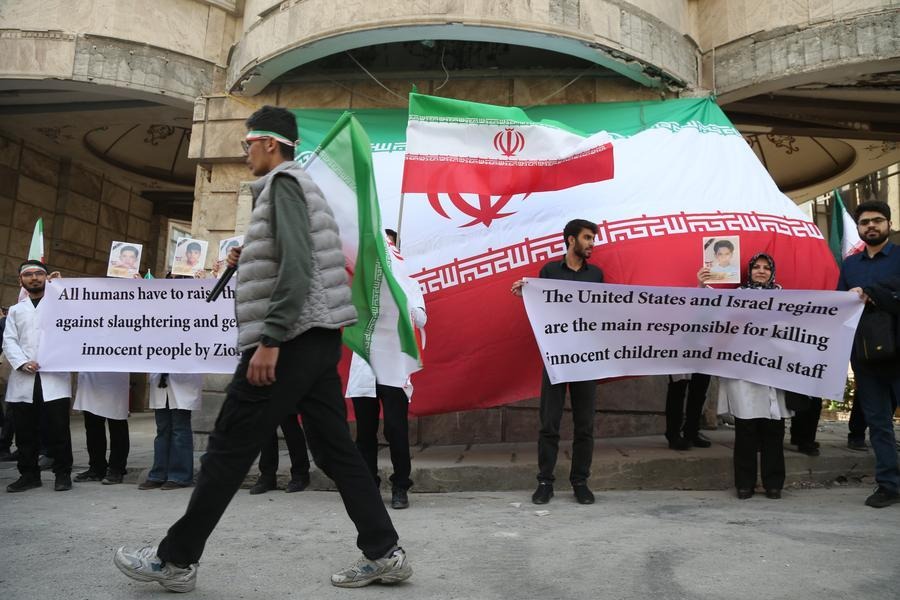
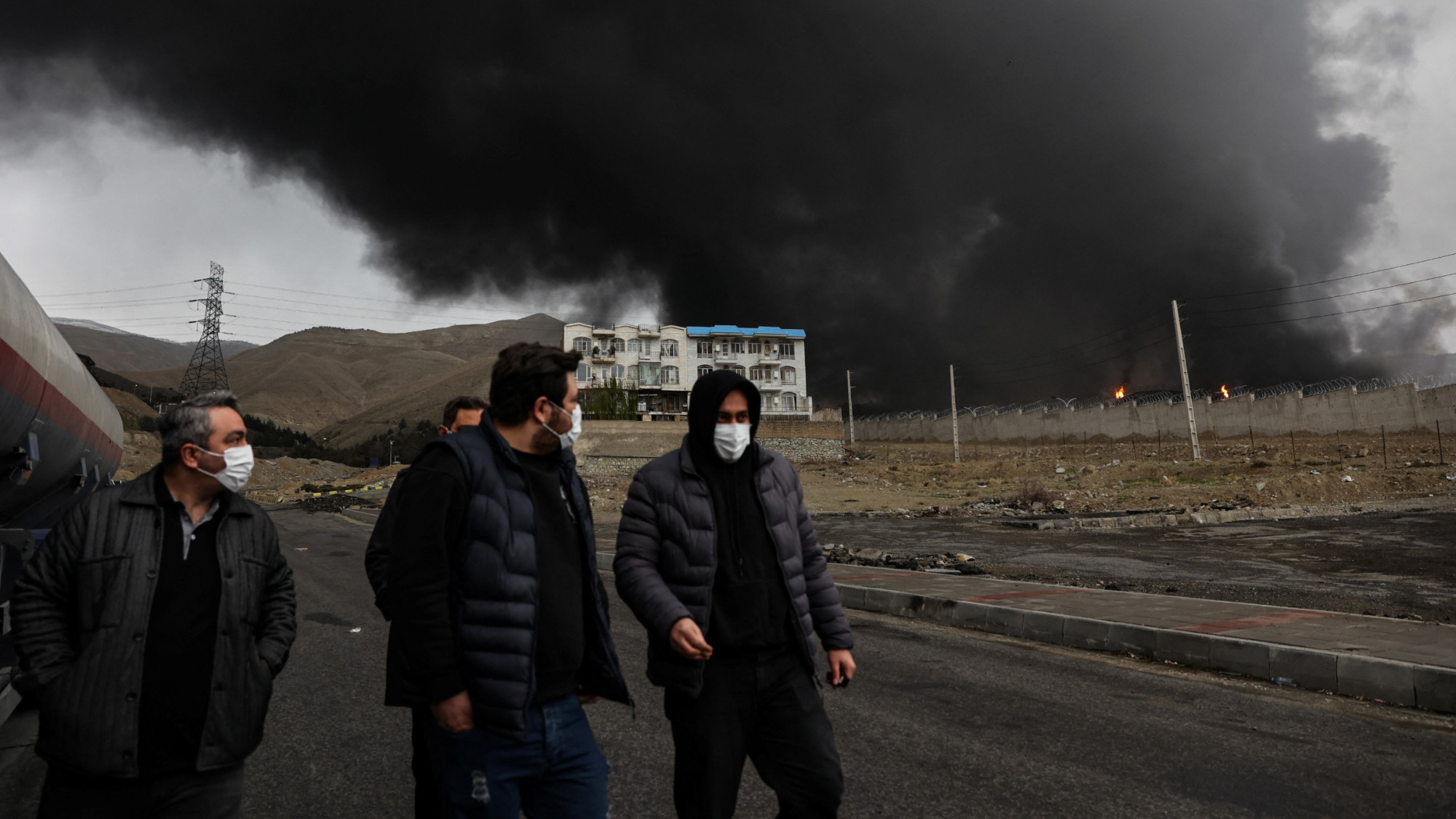
    The prospect of US-Iran negotiations remains clouded by escalating military threats and diplomatic uncertainty. Recent developments indicate that while diplomatic channels remain theoretically open, the environment for productive dialogue has deteriorated significantly due to heightened military posturing.

    According to reports from news website Axios, US President Donald Trump’s special envoy Steve Witkoff and Iranian Foreign Minister Seyyed Abbas Araghchi were planning to meet in Istanbul on Friday to discuss potential nuclear agreements. However, Iranian media outlets including Tasnim News Agency quickly challenged these reports, characterizing any potential talks as being in their preliminary stages without finalized details or framework.

    The diplomatic uncertainty coincides with increased US military activity in the region. The Pentagon deployed an aircraft carrier strike group and multiple warships to the Middle East in late January, while Israel announced joint naval exercises with US forces in the Red Sea. President Trump himself hinted at potential military action if Iran refuses to negotiate terms regarding its nuclear program.

    Regional security experts warn that the current situation creates substantial risks for broader conflict. Professor Sun Degang, Director of the Center for Middle Eastern Studies at Fudan University, notes that the US appears fully prepared for potential military action against Iran. Such action could involve precision strikes on high-value targets, followed by systematic degradation of Iran’s missile capabilities, drone production facilities, and air defense systems.

    Iran maintains multiple response options, including targeting US naval assets in the Gulf, striking US military bases throughout the region, or disrupting maritime traffic through the strategically critical Strait of Hormuz. Such actions could severely impact global energy supplies and destabilize markets.

    Academic analysts suggest that Washington’s approach reflects a strategy of “maximum pressure” and brinkmanship designed to force Tehran back to negotiations. However, this approach carries significant risks for regional stability and international law. Military action against Iran would represent a serious breach of the post-World War II global governance framework centered on the United Nations, potentially eroding the authority of international institutions and creating a more power-driven international order.

    The current tensions highlight the complex interplay between diplomatic efforts and military posturing in one of the world’s most volatile regions, with potential consequences for global security architecture and economic stability.

  • Muammar Gaddafi’s son, Saif al-Islam, killed in Libya

    Muammar Gaddafi’s son, Saif al-Islam, killed in Libya

    Saif al-Islam al-Gaddafi, the once-presumed heir to Libya’s former leader Muammar Gaddafi, has been assassinated by a commando unit at his residence in Zintan, according to his political advisor. The 53-year-old was killed on Tuesday at approximately 2:00 pm local time (1200 GMT) in an operation that saw four unidentified assailants disable security systems before executing the attack.

    His French legal representative, Marcel Ceccaldi, confirmed to AFP that Gaddafi had received security warnings in recent days from close associates about potential threats to his safety. The assassination occurs against the backdrop of Libya’s deeply fractured political landscape, where competing governments in Tripoli and the east vie for control and oil revenues.

    Saif al-Islam had resided in Zintan since his 2017 pardon and release from imprisonment, following his capture during the 2011 Arab Spring uprising that resulted in his father’s death. During the Gaddafi regime, he was widely regarded as the successor-in-waiting and positioned himself as a reformist figure, notably negotiating Libya’s nuclear program abandonment.

    The London School of Economics-educated politician faced serious international charges, including an ICC arrest warrant issued in 2011 for alleged torture of protesters and dissidents. Though convicted in absentia in 2015 for war crimes, he was scheduled to face trial within Libya’s judicial system.

    His death comes at a particularly volatile moment in Libyan politics. Prime Minister Abdul Hamid Dbeibeh’s internationally recognized government, which came to power in 2021 with a mandate to organize democratic elections, has struggled to maintain stability while competing with Khalifa Haftar’s eastern-based administration for control of the country’s valuable oil resources. No official government statement has yet been issued regarding the assassination.