分类: politics

  • More than 50,000 march in London against US-Israeli attack on Iran

    More than 50,000 march in London against US-Israeli attack on Iran

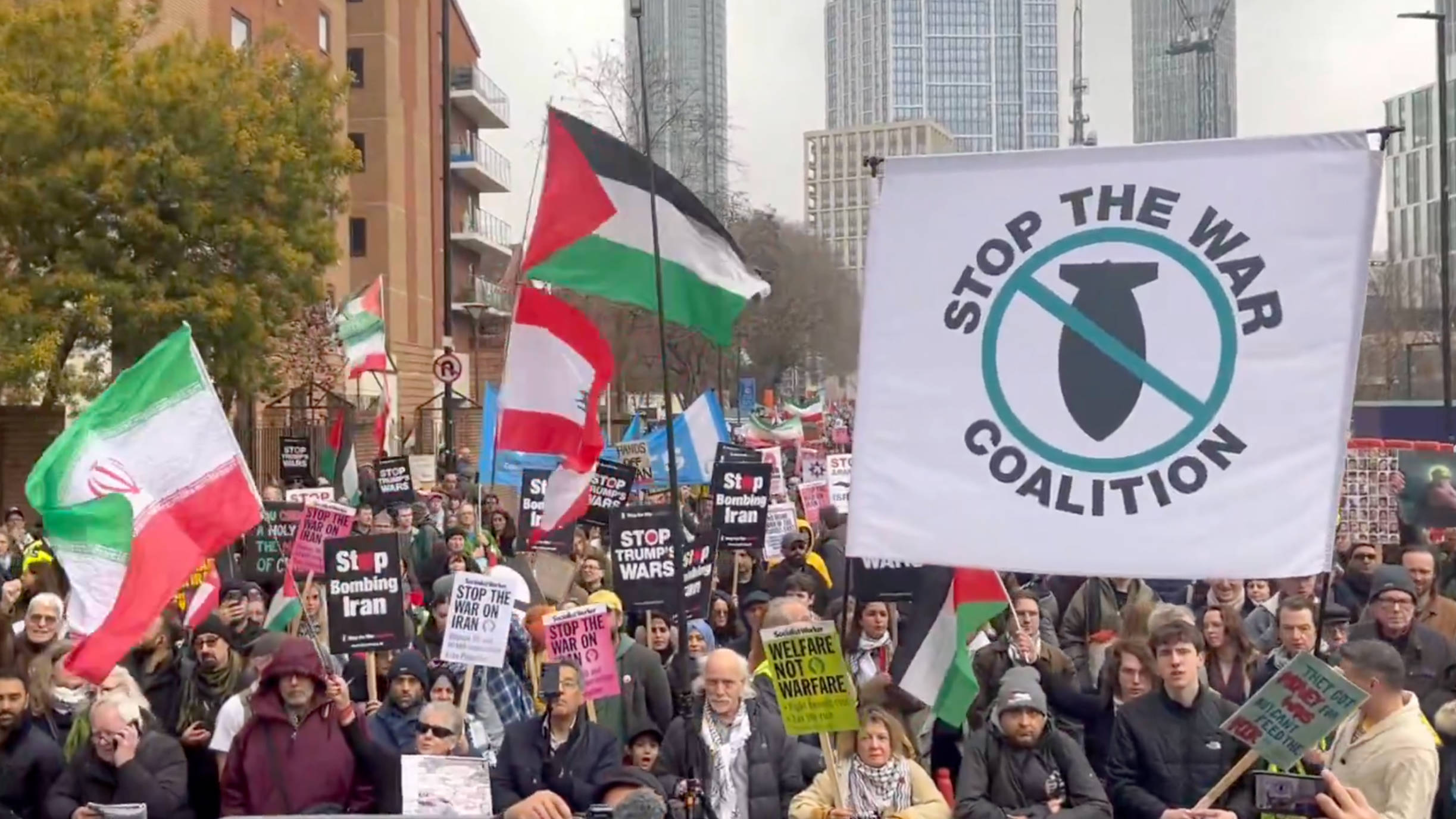
    Tens of thousands of demonstrators converged on the US Embassy in London on Saturday, with organizers estimating over 50,000 participants marching in vehement opposition to ongoing US-Israeli military operations against Iran. The substantial protest, organized by a coalition of activist groups including Hands off Iran, Palestine Solidarity Campaign, Stop the War, Muslim Association of Britain, Palestinian Forum in Britain, and Campaign for Nuclear Disarmament, proceeded from Millbank to the embassy compound in Vauxhall.

    The demonstration occurred during the eighth consecutive day of aerial assaults against Iranian targets, coinciding with President Donald Trump’s recent declaration that the United States would intensify strikes against Iran ‘very hard’ in coming days. Protesters vocalized their demands through chants of ‘stop the bombing now, now, now’ and directed political criticism toward British opposition leader Keir Starmer with the refrain ‘be afraid, we will see you in The Hague.’

    Labour MP Zarah Sultana addressed the assembled crowd, drawing parallels to the 2003 Iraq invasion: ‘Back then, we were told that Iraq had weapons of mass destruction. We were told that war would bring peace and democracy. We were told that the war would protect Iraqis and protect the world, but the truth was very different.’ Sultana emphasized that unlike previous anti-war demonstrations that were ‘ignored,’ current protesters ‘will not be ignored again’ in their advocacy for peace and justice.

    The geopolitical context intensified hours before the protest when US Air Force B-1 Lancer bombers landed at Royal Air Force Fairford in Gloucestershire. US War Secretary Pete Hegseth confirmed that American forces would utilize British military installations to ‘dramatically’ escalate strikes against Iranian missile sites, an arrangement formally permitted by the UK government.

    Meanwhile, a counter-protest designated ‘Stage for Freedom’ prepared to march from Whitehall to Knightsbridge in support of US objectives toward regime change in Iran, highlighting the divisive nature of the conflict within British society.
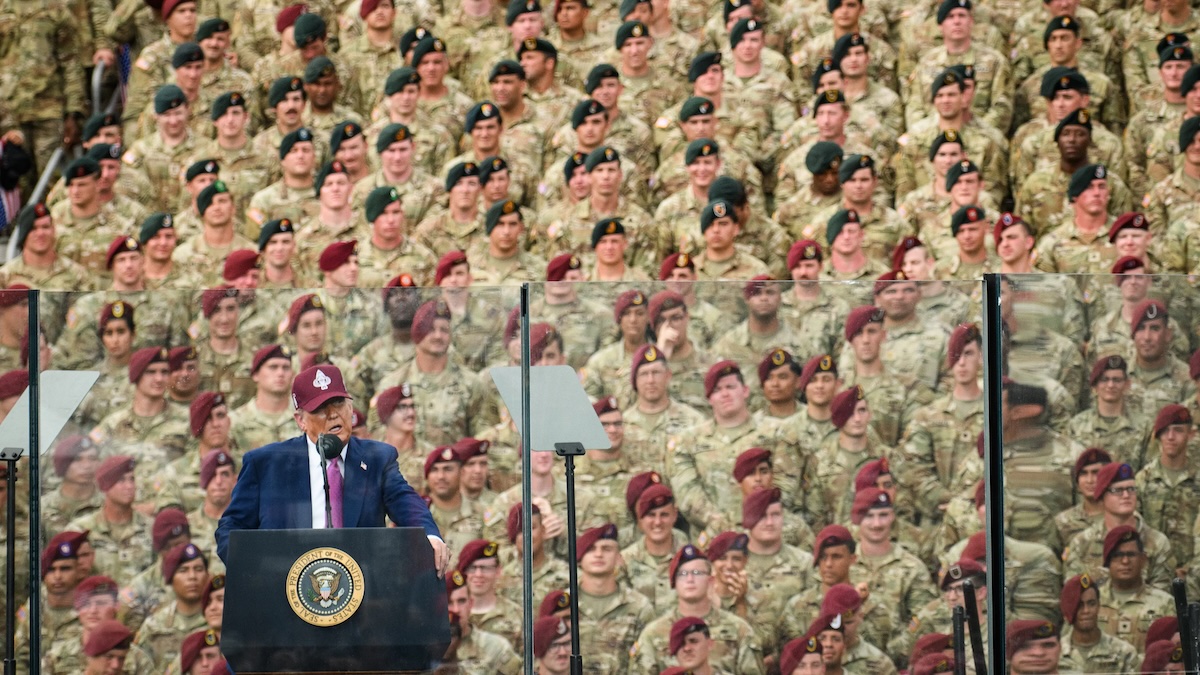
  • Boots-on-the-ground talk as Trump says Iran to ‘be hit very hard’

    Boots-on-the-ground talk as Trump says Iran to ‘be hit very hard’

    A startling NBC News report revealing President Donald Trump’s private enthusiasm for deploying American ground forces in Iran has triggered immediate bipartisan condemnation from U.S. lawmakers. The disclosure comes as military operations against Iran enter their second week of destructive engagements.

    Congresswoman Pramila Jayapal (D-Wash.) characterized the potential escalation as “madness,” while Senate Minority Leader Chuck Schumer (D-N.Y.) accused Trump of being “hellbent on escalating his reckless war.” The White House attempted to counter the narrative, though Trump himself acknowledged to the New York Post that he maintains no reservations about deploying troops if deemed necessary, distinguishing himself from previous presidents who outright rejected such options.

    The political firestorm intensified as Trump issued fresh threats via social media, falsely claiming Iran had “surrendered” to regional neighbors following missile attacks by Islamic Revolutionary Guard Corps units. Iranian President Masoud Pezeshkian responded with defiance, rejecting Trump’s demand for “unconditional surrender” as “a dream that they must take with themselves to the grave.”

    Pezeshkian extended an olive branch for diplomatic resolution while simultaneously warning that all U.S. and Israeli military assets across the region would become “primary targets” if hostilities continue. Iranian Foreign Minister Abbas Araghchi reinforced this stance, stating Iranian forces await any American ground invasion with confidence.

    Foreign policy experts warn Trump has created an untenable situation through maximalist demands that essentially require regime change in the nation of 90 million people. Ryan Costello of the National Iranian American Council noted the president faces either backing down from unattainable objectives or escalating further with potentially catastrophic consequences.

  • Chinese leaders attend deliberations at annual legislative session

    Chinese leaders attend deliberations at annual legislative session

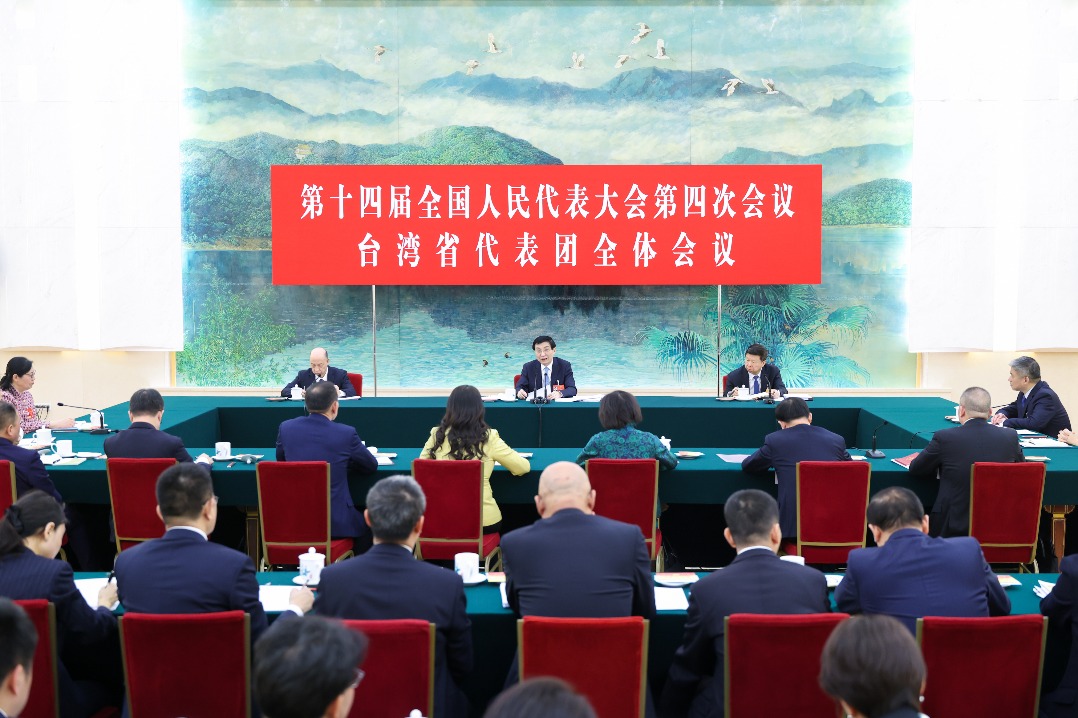
    BEIJING – Senior Chinese leadership figures participated in crucial deliberations during the fourth session of the 14th National People’s Congress on Saturday, outlining strategic directions for national development and regional stability.

    Wang Huning, Chairman of the Chinese People’s Political Consultative Conference National Committee, engaged with NPC deputies from the Taiwan delegation, addressing the complex dynamics in the Taiwan Strait. He emphasized the ongoing efforts to navigate cross-strait relations while firmly opposing separatist activities and external interference. Wang advocated for sustained promotion of peaceful development across the strait and advancement toward national reunification.

    Meanwhile, Cai Qi, member of the Secretariat of the Communist Party of China Central Committee, joined deliberations with representatives from Qinghai province. He encouraged the region to pursue distinctive development strategies tailored to local conditions while maintaining ecological conservation as a priority. Cai further stressed the importance of fostering national unity and enhancing interactions among all ethnic groups to strengthen the sense of community.

    Vice-Premier Ding Xuexiang met separately with deputies from Hong Kong and Macao special administrative regions, urging greater alignment with China’s 15th Five-Year Plan. He called for enhanced integration of both regions into national development frameworks to contribute significantly to Chinese modernization. Ding specifically highlighted the need to consolidate Hong Kong’s status as an international financial, shipping, and trade hub while leveraging its educational, scientific, and talent advantages. For Macao, he emphasized advancing the Guangdong-Macao In-Depth Cooperation Zone in Hengqin.

    All three officials serve as members of the Standing Committee of the Political Bureau of the CPC Central Committee, underscoring the significance of these deliberations in shaping China’s policy directions.

  • China’s five-year development targets focus on addressing people’s concerns: official

    China’s five-year development targets focus on addressing people’s concerns: official

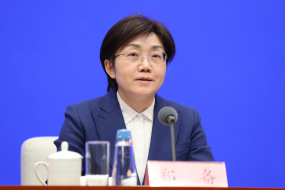
    BEIJING – In a significant policy announcement, Chinese officials have revealed that approximately one-third of the nation’s development objectives for the 2026-2030 period will specifically target resolving the most pressing concerns affecting citizens’ daily lives. The disclosure came during a press conference held Saturday by Zheng Bei, deputy head of the National Development and Reform Commission.

    The draft outline of China’s 15th Five-Year Plan incorporates concrete metrics designed to elevate national living standards, with particular emphasis on educational attainment and healthcare accessibility. Among the key benchmarks are targets to increase the average years of education within the working-age population, extend average life expectancy, and boost the ratio of medical professionals per 1,000 residents.

    This human-centered development strategy represents a continuation of China’s governance approach that prioritizes addressing fundamental quality-of-life issues. The comprehensive plan, which serves as the country’s primary socioeconomic roadmap, demonstrates the government’s commitment to translating economic growth into tangible improvements in public welfare.

    The announcement coincides with the annual sessions of China’s national legislative and political advisory bodies, where development planning takes center stage in policy discussions. The targeted initiatives reflect extensive research into population needs and are expected to drive significant resource allocation toward social development programs in the coming half-decade.

  • Rapper-politician Balendra Shah set to be Nepal’s next prime minister

    Rapper-politician Balendra Shah set to be Nepal’s next prime minister

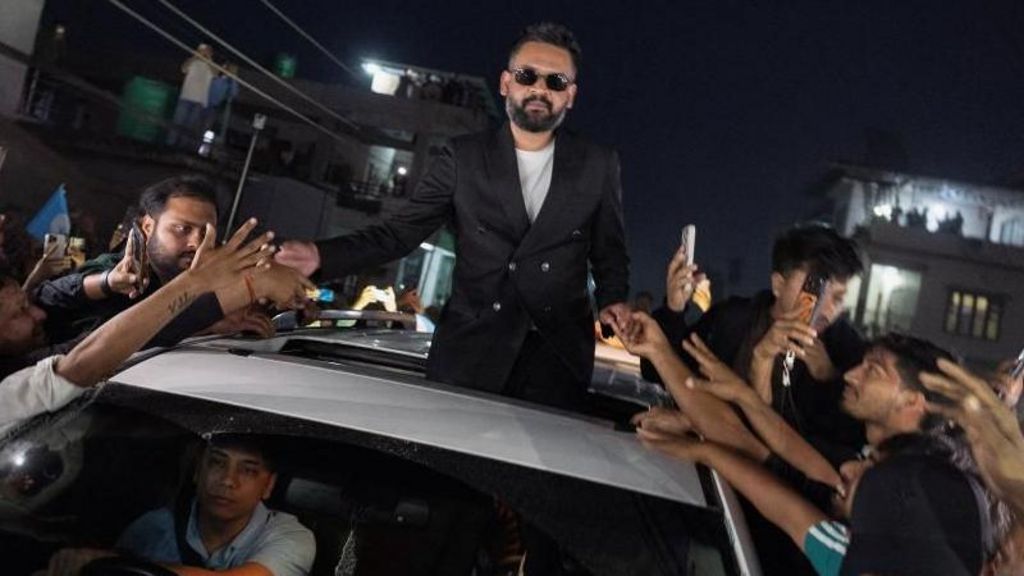
    In a stunning political upheaval, Nepalese rapper Balendra Shah has decisively unseated former Prime Minister Sharma KP Oli in the country’s general election, marking a dramatic shift in the nation’s political landscape. The Election Commission confirmed Saturday that the 35-year-old musician-turned-politician, popularly known as Balen, secured 68,348 votes against Oli’s 18,734 in the parliamentary constituency race.

    The election, held Thursday amidst heightened tensions, represented a fundamental clash between Nepal’s established political order and a new generation of leaders championing the aspirations of frustrated Gen Z voters. Shah, who resigned as Kathmandu’s mayor in January specifically to challenge Oli, is now poised to assume the prime minister role after his Rastriya Swatantra Party (RSP) secured a general election victory.

    This political transformation follows September 2025’s youth-led protests that toppled the previous government, triggered by Oli’s controversial ban on social media platforms. The demonstrations escalated into widespread criticism of Nepal’s political system and class inequality, particularly targeting ‘nepo babies’—children of established politicians. Tragically, 77 protesters lost their lives during the unrest, with a BBC investigation revealing the police chief had authorized lethal force against unarmed demonstrators.

    Shah, who gained fame through his Nepali hip-hop music including the viral hit ‘Balidan’ about sacrifice, emerged as a vocal supporter of the protest movement, once labeling Oli a ‘terrorist’ who betrayed his country. Despite typically avoiding media attention, Shah told the Financial Times during his campaign that he would become ‘the candidate for all of Nepal.’

    The RSP’s February manifesto directly addresses youth frustrations, promising to create 1.2 million jobs, reduce forced migration, and implement ambitious economic reforms including doubling per capita income from $1,447 to $3,000 within five years. The party also committed to expanding Nepal’s economy to $100 billion GDP while establishing social safety nets including universal healthcare insurance.

    This election marks a potential end to Nepal’s decades-long pattern of coalition governments dominated by three established parties, including two communist factions. With 800,000 first-time voters participating, the results demonstrate the growing political influence of Nepal’s youth population demanding substantive change.

  • 2nd plenary meeting of 4th session of 14th CPPCC National Committee held in Beijing

    2nd plenary meeting of 4th session of 14th CPPCC National Committee held in Beijing

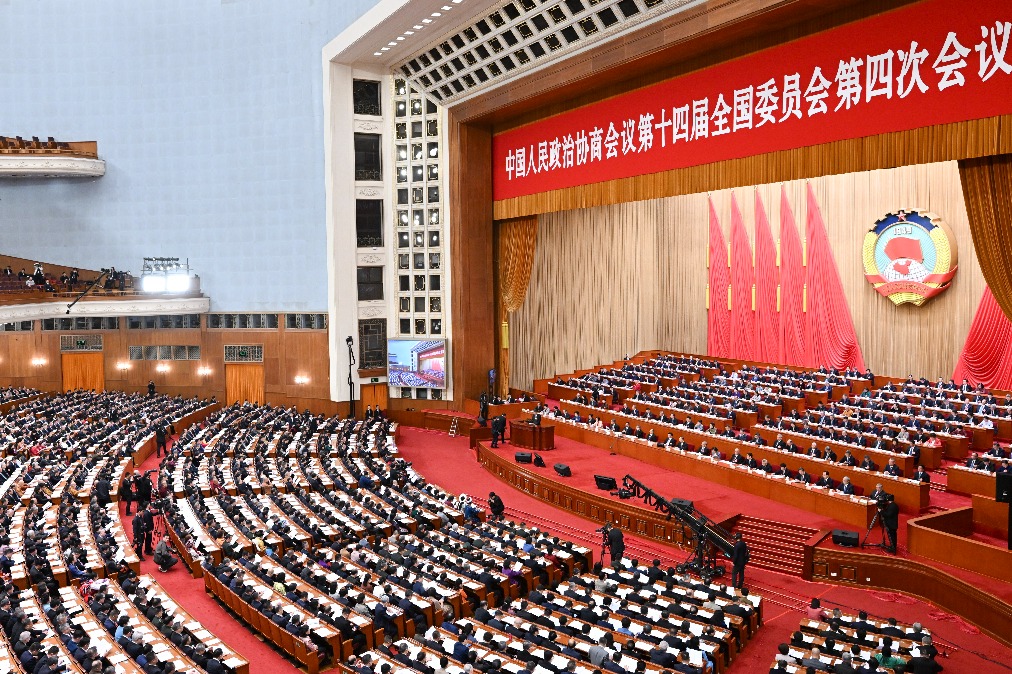
    The Great Hall of the People in Beijing hosted a significant political gathering on March 7, 2026, as the 14th National Committee of the Chinese People’s Political Consultative Conference (CPPCC) conducted its second plenary meeting during its fourth session. This high-level assembly brought together political advisors from across China to deliberate on national development strategies and policy recommendations.

    The CPPCC, serving as China’s paramount political advisory body, plays a crucial role in the country’s governance structure by providing consultation and oversight. The meeting represented a platform for multi-party cooperation and political consultation under the leadership of the Communist Party of China.

    Delegates engaged in comprehensive discussions regarding China’s socioeconomic development trajectory, focusing on implementation strategies for national rejuvenation and modernization goals. The proceedings emphasized the importance of collective wisdom in addressing contemporary challenges and opportunities facing the nation.

    The plenary session demonstrated China’s distinctive political architecture, where diverse political parties and personages without party affiliation collaborate within the established framework. This mechanism ensures broad participation in political processes while maintaining stability and continuity in governance.

    Observers noted the meeting’s significance in refining policy recommendations that would subsequently inform government decision-making processes. The outcomes of these deliberations are expected to contribute to China’s ongoing development initiatives and international engagement strategies.

  • CPPCC members attend group interview before 2nd plenary meeting

    CPPCC members attend group interview before 2nd plenary meeting

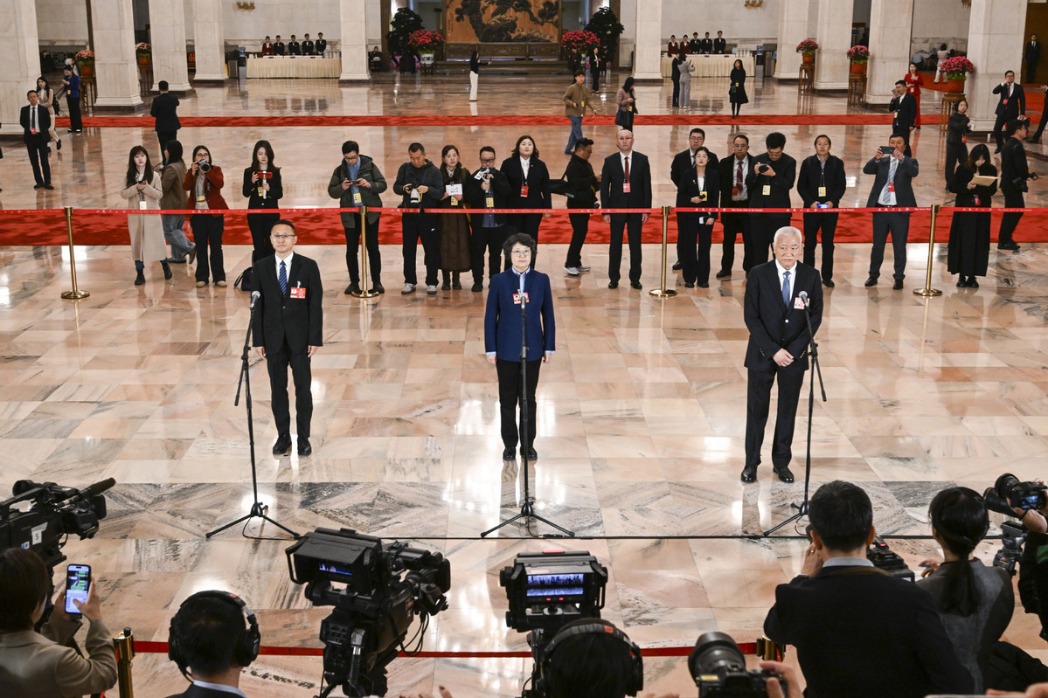
    Beijing, March 7, 2026 – Members of the Chinese People’s Political Consultative Conference (CPPCC) convened for a significant group interview session preceding the second plenary meeting of their fourth annual session. The event, held at the iconic Great Hall of the People, served as a platform for political advisors to articulate their perspectives on national development priorities.

    The gathering represents a crucial component of China’s political calendar, bringing together representatives from diverse sectors including academia, business, culture, and science. These advisors play a vital role in China’s unique political framework by providing specialized insights and policy recommendations to legislative and executive bodies.

    This year’s discussions are particularly noteworthy as they address contemporary challenges facing China’s development trajectory. The pre-meeting interview format allows for transparent communication of the CPPCC’s advisory function, demonstrating the participatory nature of China’s political consultation process.

    The proceedings reflect the ongoing evolution of the CPPCC’s role in facilitating multi-channel dialogue between the government and various societal sectors. As the session progresses, observers anticipate these consultations will contribute to policy formulation across numerous domains including economic development, technological innovation, and social welfare enhancement.

  • Pope names veteran Vatican diplomat as ambassador to the US to manage relations with Trump

    Pope names veteran Vatican diplomat as ambassador to the US to manage relations with Trump

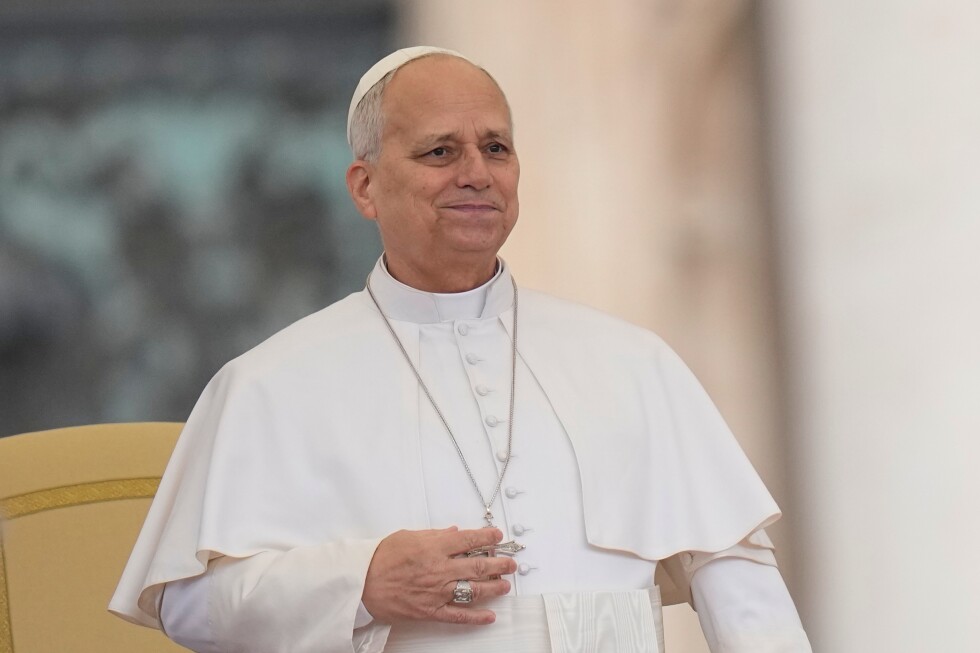
    ROME — In a significant diplomatic move, Pope Leo XIV has appointed Archbishop Gabriele Caccia, a seasoned Vatican diplomat, as the new apostolic nuncio to the United States. The 68-year-old Italian prelate, currently serving as the Holy See’s ambassador to the United Nations in New York, will assume one of the Vatican’s most crucial diplomatic posts, replacing Cardinal Christophe Pierre who is retiring at age 80.

    Archbishop Caccia brings extensive diplomatic experience to the position, having previously served as the Holy See’s ambassador to Lebanon and the Philippines before his 2019 UN posting. Ordained in Milan in 1983, he later held the key administrative position of “assessor” in the Vatican secretariat of state, the Holy See’s most important office.

    The appointment comes at a delicate time in Vatican-US relations, which have experienced strain during both Trump administrations. Significant tensions have emerged over immigration policies and the ongoing military engagement in Iran. Pope Leo, the first US-born pontiff in history, has repeatedly emphasized the need to respect human dignity in migration policies while acknowledging national border rights.

    The new ambassador inherits a complex portfolio that includes managing relations with both the US government and the American Catholic hierarchy. The US Conference of Catholic Bishops, which has traditionally leaned conservative, has shown notable friction with the more progressive priorities of Pope Francis’ pontificate, a dynamic that continued into Pope Leo’s leadership.

    Beyond immigration issues, Pope Leo has expressed “profound concern” about the U.S.-Israeli military campaign in Iran, urging both sides to “stop the spiral of violence before it becomes an irreparable abyss.” In recent comments, the pontiff called for renewed diplomatic efforts, stating that weapons only sow “destruction, pain and death.”

    The Holy See maintains its tradition of diplomatic neutrality despite these concerns, though Pope Leo has been vocal about humanitarian crises in Gaza and Ukraine. The relationship with the United States remains vitally important for the Vatican, particularly as American Catholics represent the most significant source of donations to the Holy See’s coffers.

    Archbishop Paul S. Coakley, current president of the U.S. Conference of Catholic Bishops, has already welcomed Caccia’s appointment, offering the hierarchy’s “warmest welcome and our prayerful support.”

  • Israeli commentator says Iran war could signal end of Sykes-Picot order

    Israeli commentator says Iran war could signal end of Sykes-Picot order

    A prominent Israeli geopolitical commentator has posited that the ongoing military confrontation between the US-Israel alliance and Iran may fundamentally dismantle the Middle East’s political architecture, potentially erasing the century-old regional order established following World War I.

    Meir Swissa, writing for the Israeli publication Yedioth Ahronot, characterized the conflict as a pivotal turning point that extends beyond mere military engagement. He contends this confrontation could ultimately nullify the Sykes-Picot Agreement of 1916 – the secret British-French accord that arbitrarily divided the collapsed Ottoman Empire’s territories into modern nation-states based on Western spheres of influence rather than indigenous socio-political structures.

    The commentary suggests the weakening of Iran’s regional network through allied movements and governments could expose the fragility of Tehran’s Shia axis across the region. Swissa describes a paradoxical situation where Israel effectively acts on behalf of Sunni Arab interests by confronting Iranian expansion, with some Arab states quietly benefiting from diminished Iranian power despite their public reluctance to engage directly.

    According to this analysis, the degradation of Iran’s military proxies could trigger a regression to pre-Westphalian political models dominated by tribal, clan-based, and local emirate structures rather than modern nation-states. Swissa further speculates that Kurdish groups might emerge as significant actors in this geopolitical transformation, potentially leading to entirely new regional arrangements.

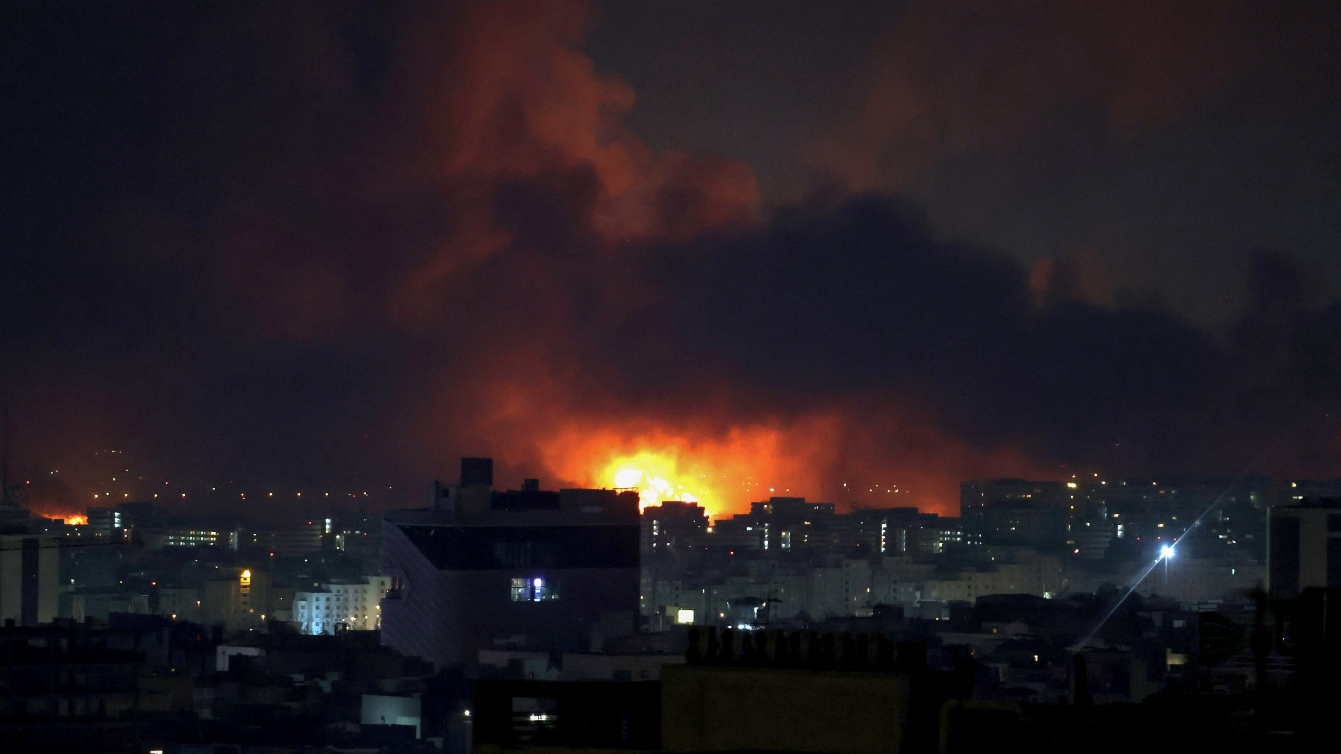
    The assessment references previous warnings from former US special envoy Tom Barrack, who in August 2025 indicated Israel’s diminishing commitment to maintaining Sykes-Picot established borders and potential ambitions toward Lebanon and Syria. Current escalations – including joint US-Israeli attacks eliminating Iranian leadership, ballistic missile deployments, strikes in Lebanon’s Bekaa Valley, and humanitarian crises with approximately 500,000 displaced persons – appear to be accelerating this geopolitical unraveling.

    This analysis emerges against a backdrop of extreme regional tension following the targeted killing of Ayatollah Ali Khamenei and other senior Iranian leaders, with President Trump demanding Iran’s unconditional surrender while NATO enhances its ballistic missile defenses following incidents near Turkey.

  • 24 US states sue to block new tariffs

    24 US states sue to block new tariffs

    A coalition comprising 24 American states, spearheaded by Oregon, has initiated a formidable legal challenge against the Trump administration’s latest tariff impositions. The lawsuit, formally lodged with the US Court of International Trade on Thursday, represents a significant escalation in the ongoing constitutional conflict between state governments and federal executive power.

    The legal filing contends that President Donald Trump’s most recent tariff announcement fundamentally violates established federal statutes, contravenes the constitutional separation of powers doctrine, and constitutes a clear breach of the Administrative Procedure Act. Oregon Attorney General Dan Rayfield emphasized that the legal action specifically targets the administration’s persistent efforts to implement worldwide tariff increases without obtaining mandatory congressional approval.

    ‘Current priorities should focus on restitution for citizens rather than perpetuating unlawful tariff policies,’ Rayfield asserted in an official statement. He highlighted the severe financial strain already burdening American households through escalating costs for essential goods including groceries and clothing.

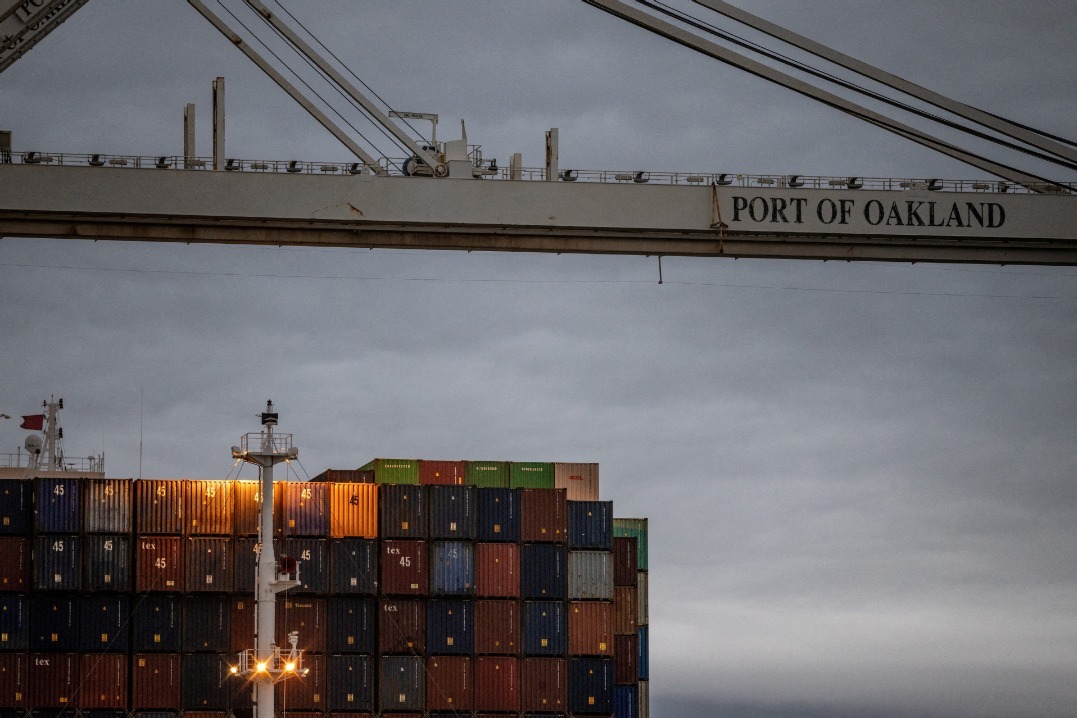
    The litigation emerges following a crucial February 20th ruling by the US Supreme Court that declared previous tariffs imposed under the International Emergency Economic Powers Act (IEEPA) unlawful. In response to this judicial setback, the administration pivoted to Section 122 of the Trade Act of 1974 as revised legal justification for implementing new 10% tariffs, subsequently threatening escalation to 15%.

    Legal experts note that Section 122 authorizes tariffs exclusively under specific circumstances involving ‘large and serious balance-of-payments deficits’ – conditions that standard trade deficits do not satisfy according to the plaintiffs. The implemented tariffs possess a 150-day duration limit absent congressional extension, though administration officials simultaneously pursue more permanent tariff mechanisms.

    Concurrently, a federal magistrate issued a Wednesday directive mandating government reimbursement for IEEPA tariffs, potentially returning $168-182 billion to affected importers according to budgetary analysts. Supporting the states’ position, Federal Reserve Bank of New York researchers determined that nearly 90% of 2025 tariff costs were ultimately borne by American consumers and businesses. Regional impact assessments suggest Oregon families alone could face over $1,200 in additional annual living expenses should the tariffs remain effective.