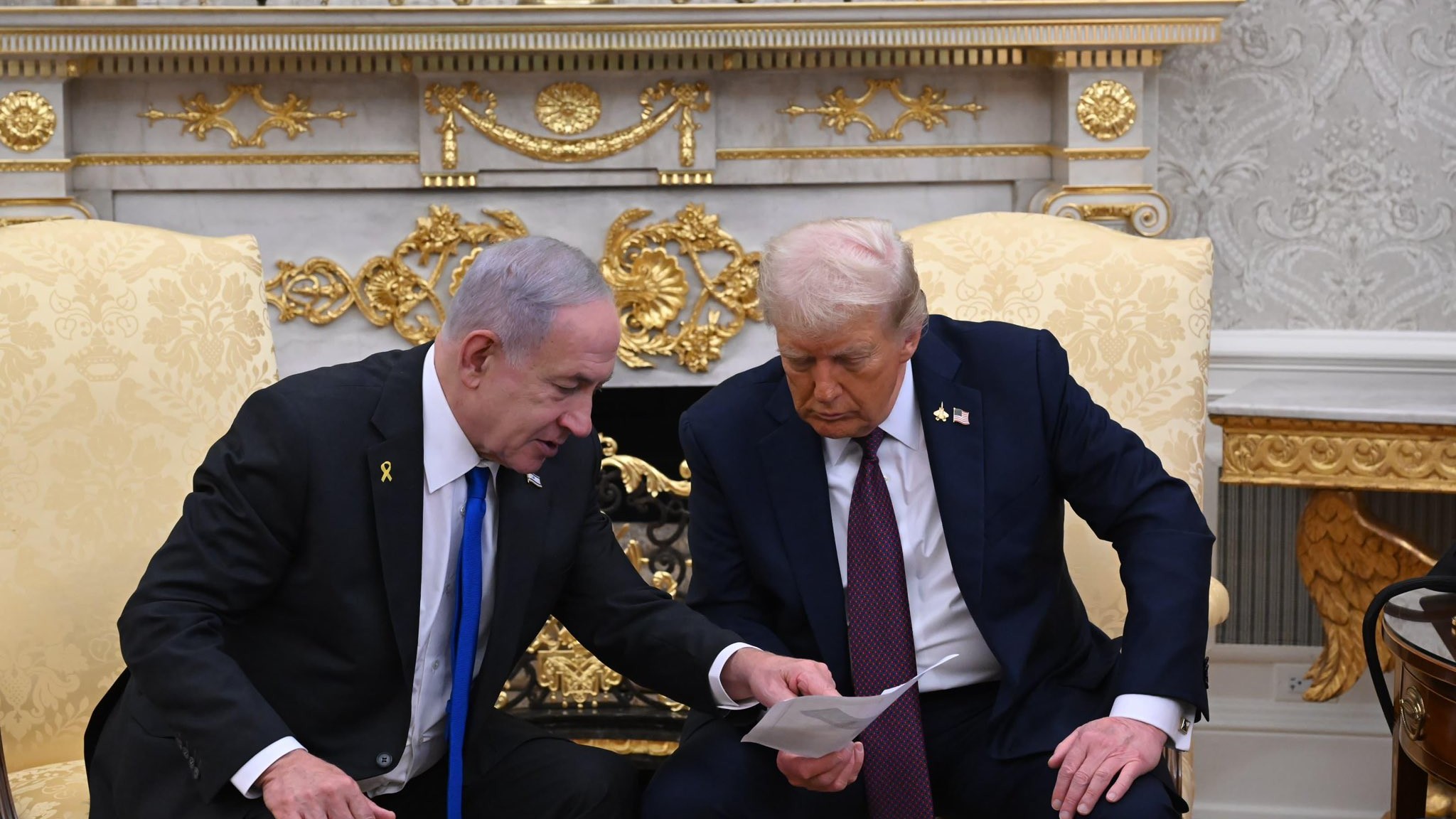
United Nations human rights and legal experts have raised significant concerns over the US-sponsored peace plan for Gaza, warning that it risks entrenching violations of international law. The proposal, unveiled by US President Donald Trump, outlines a 20-point ceasefire plan that envisions Gaza as a demilitarized zone under a transitional technocratic Palestinian committee, with international oversight led by Trump himself until the Palestinian Authority (PA) is prepared to govern. However, the plan has faced widespread criticism from Palestinians and has yet to gain acceptance from Hamas, who view it as a continuation of Israeli apartheid and genocide. The proposal includes a staged ceasefire, prisoner exchange, amnesty for disarmed Hamas members, international aid, economic redevelopment zones, and the deployment of a US-backed International Stabilization Force to replace the Israeli military. While the UN experts acknowledged certain positive elements, such as a permanent ceasefire and humanitarian aid under UN supervision, they emphasized that these measures are already mandated by international law and should not be contingent on the success of a peace plan. The experts identified 15 key issues with the proposal, including its failure to guarantee Palestinian self-determination, the lack of representative governance, and the absence of accountability for Israeli international crimes. They also criticized the plan for sidelining the UN and its agencies, undermining the legitimacy of the process. The experts concluded that any peace plan must respect international law and ensure that the future of Palestine is determined by the Palestinian people, not imposed by external actors under duress.
分类: politics
-
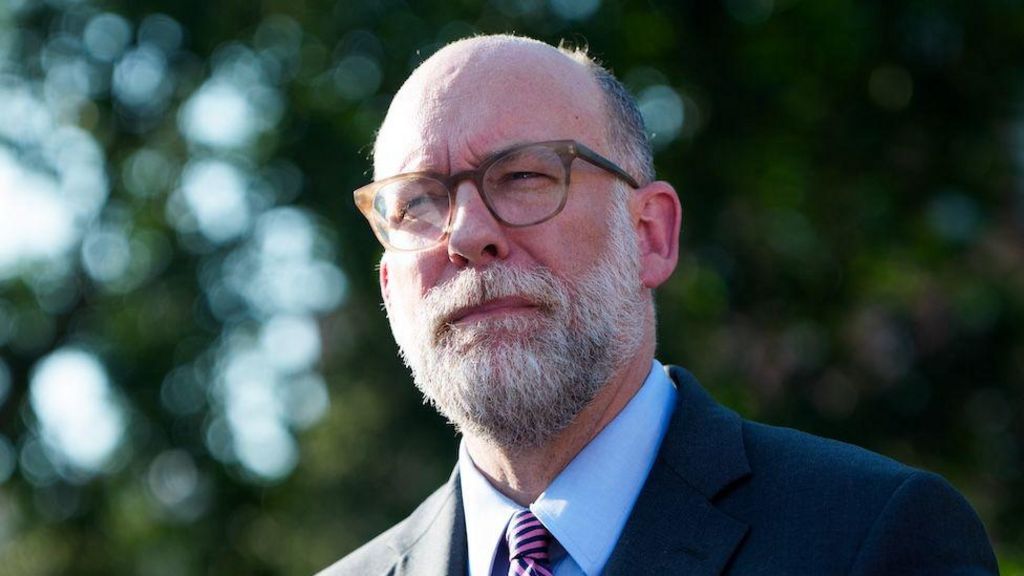
Trump’s Grim Reaper – from Project 2025 to shutdown enforcer
As the U.S. government shutdown enters its third day, former President Donald Trump is wielding the conservative blueprint of Project 2025 as a bargaining chip in his budgetary negotiations with Democrats. At the center of this strategy is Russell Vought, the director of the White House Office of Management and Budget (OMB), who has emerged as a pivotal figure in Trump’s push to drastically reduce federal spending and reshape government operations. Vought, though not a household name, is a key architect of Project 2025, a 900-page policy document that outlines sweeping conservative reforms, including shrinking the federal government, expanding presidential authority, and enforcing strict immigration policies. Trump, who initially distanced himself from the project during the 2024 campaign, is now using it as a threat to pressure Democrats into acquiescing to his demands. On his Truth Social platform, Trump shared an AI-generated parody video depicting Vought as the ‘grim reaper,’ ready to slash government programs favored by Democrats. Republican leaders on Capitol Hill have echoed Trump’s characterization of Vought as a formidable force in the White House. Senator Mike Lee of Utah remarked that Vought has been ‘preparing for this moment since puberty,’ highlighting his extensive experience in federal budgeting and conservative policy circles. Vought, who previously served as deputy director of the OMB during Trump’s first term, has transformed the office into a powerful engine for implementing Trump’s fiscal agenda. Earlier this year, he collaborated with Elon Musk’s ‘Department of Government Efficiency’ (Doge) to shutter multiple federal agencies and downsize departments. Now, with the government shutdown creating a legal grey area, Vought has the opportunity to make even deeper and more lasting cuts. He has already halted major infrastructure projects in New York City and Chicago and canceled nearly $8 billion in clean energy initiatives across 16 states that supported Trump’s opponent, Kamala Harris, in the 2024 election. Democrats and federal worker unions have vowed to challenge these cuts in court, accusing Trump of making empty threats to force concessions. Economists have also criticized the administration’s approach, noting that its deficit-ballooning policies undermine claims of fiscal responsibility. Despite these criticisms, Vought and the White House appear undeterred, viewing the long-term benefits of reducing government spending as outweighing the short-term political risks. As the shutdown continues, the stakes for both parties grow higher, with Republicans warning of the potential backlash if the public perceives the administration’s cuts as overly aggressive.
-
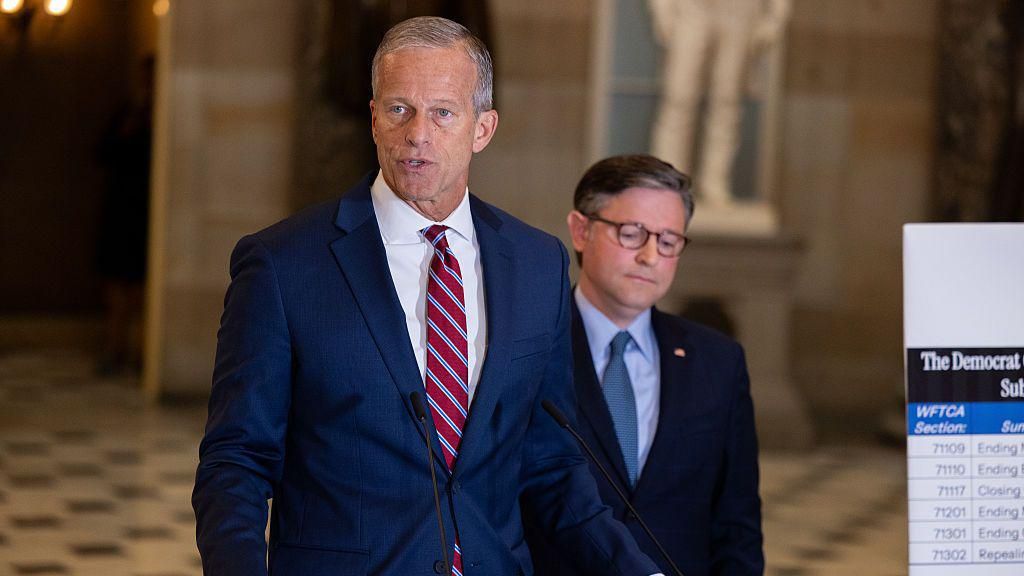
Senate stalemate sends US shutdown into second week
The United States government shutdown has entered its fourth week as Senate leaders failed to pass critical spending proposals, deepening the political impasse. Both Republican and Democratic proposals fell short of the required 60-vote threshold, leaving federal operations in limbo. Senate Majority Leader John Thune and House Speaker Mike Johnson have squarely blamed Democrats for the crisis, while Democrats accuse Republicans of obstructing progress on healthcare reforms. The White House has warned of mass layoffs to sustain essential services, with Press Secretary Karoline Leavitt describing the situation as a matter of ‘fiscal sanity.’ The potential scale of these layoffs remains unclear, but discussions with the Office of Management and Budget (OMB) are ongoing. The core disagreement centers on healthcare, with Democrats aiming to protect low-income health insurance subsidies and reverse Medicaid cuts, while Republicans accuse Democrats of prioritizing healthcare for undocumented immigrants. Votes on both proposals revealed stark partisan divides, with 54 Senators supporting the Republican plan and 45 backing the Democratic alternative. Meanwhile, the White House has suspended billions in federal infrastructure funding for Democratic-led states, including Chicago and New York City. Minority Leader Chuck Schumer emphasized the urgency of resolving the healthcare issue, warning of devastating consequences if no action is taken. Early polls indicate a divided public, with 47% blaming Republicans and 30% blaming Democrats for the shutdown. As negotiations remain stalled, the economic toll continues to mount, with estimates suggesting a $15 billion weekly loss in GDP.
-
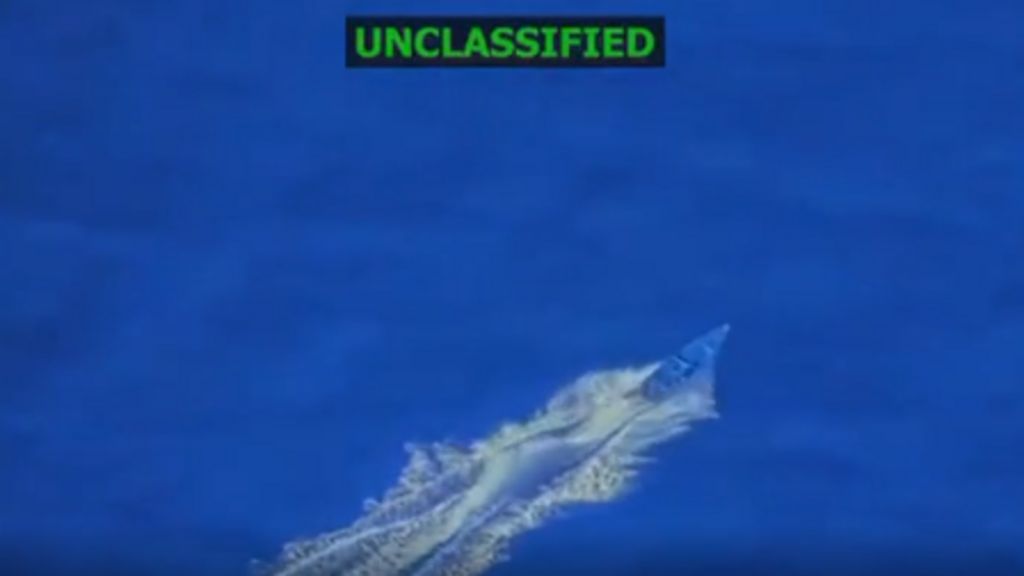
Four killed in latest US strike on alleged drug vessel near Venezuela
In a recent escalation of its anti-narcotics operations, US forces carried out a deadly strike on a boat off the coast of Venezuela, killing four individuals allegedly involved in drug trafficking. Defence Secretary Pete Hegseth confirmed the attack, stating that the vessel was transporting substantial quantities of narcotics destined for the United States. The strike occurred in international waters within the US Southern Command’s jurisdiction, which spans much of South America and the Caribbean. Hegseth emphasized that the operation was based on confirmed intelligence, labeling those onboard as ‘narco-terrorists’ operating on a known drug trafficking route. This marks the fourth such strike by the US in a month, following previous attacks in the southern Caribbean that resulted in multiple fatalities. US President Donald Trump also commented on the incident via his Truth Social platform, claiming the boat carried enough drugs to ‘kill 25 to 50 thousand people.’ However, the US has yet to provide evidence supporting its claims or disclose the identities of those killed. Venezuela, which has previously condemned such strikes, has not issued an immediate response. President Nicolás Maduro has characterized these actions as US ‘aggression’ and vowed to defend his country. The US government’s recent classification of its operations as a ‘non-international armed conflict’ with drug cartels signals a potential expansion of military action, raising concerns about the legality and implications of such measures. Critics argue that this framing could grant the administration wartime powers, including the ability to detain individuals indefinitely or target ‘enemy fighters’ without immediate threat. Trump has not clarified why drug trafficking is being treated as an ‘armed attack’ or identified specific cartels allegedly targeting the US. This approach mirrors tactics used against al-Qaeda post-9/11 and has drawn criticism from international legal experts who question the strikes’ compliance with international law.
-
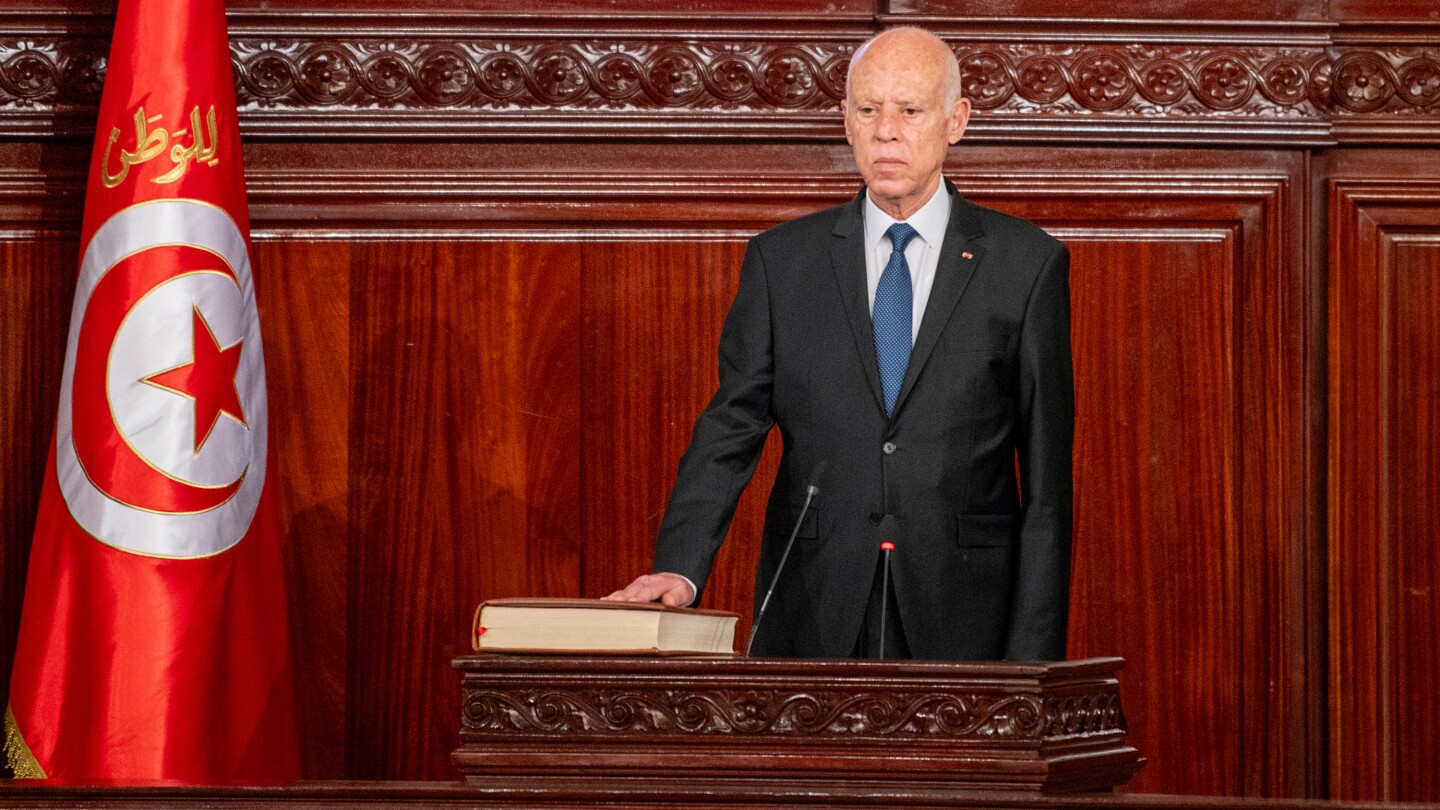
A court in Tunisia sentenced a man to death for Facebook posts seen as insulting to the president
In a groundbreaking and controversial decision, a Tunisian court has handed down a death sentence to a 51-year-old man for Facebook posts deemed offensive to President Kais Saied and a threat to national security. Saber Chouchen, a father of three and occasional day laborer, was convicted on charges of attempting to overthrow the state, insulting the president, and disseminating false information online. The court ruled that his posts incited violence and chaos, violating Tunisia’s penal code and the contentious 2022 cybercrime law, Decree 54. This marks the first death sentence of its kind in Tunisia, where dozens have faced severe prison terms under similar charges since Saied consolidated power in July 2021. Although Tunisia retains capital punishment in its legal framework, no executions have been carried out since 1991. Chouchen’s lawyer, Oussama Bouthelja, described his client as socially vulnerable and of limited education, emphasizing that his posts were largely copied from other sources and intended to highlight his dire living conditions rather than incite unrest. The ruling has drawn sharp criticism from journalists and human rights groups, who view Decree 54 as a tool to suppress free expression. Tunisia, once celebrated as a democratic beacon following the 2011 Arab Spring, has seen a significant erosion of political freedoms under Saied’s authoritarian rule. Rights advocates warn that this case sets a dangerous precedent for the use of the death penalty in cases involving online speech.
-

‘No good outcome’ – voters across US share concerns about shutdown
The ongoing US government shutdown has ignited a fierce blame game between Democrats and Republicans, leaving thousands of federal workers on unpaid leave and critical services in limbo. With no resolution in sight, both parties are locked in a stalemate over key issues, including healthcare subsidies and government spending. Democrats are refusing to support the Republican-backed spending plan unless expiring healthcare subsidies, which they argue are vital for working families, are renewed. Conversely, Republicans are pushing for a short-term funding bill before addressing the subsidies, further deepening the impasse.
-
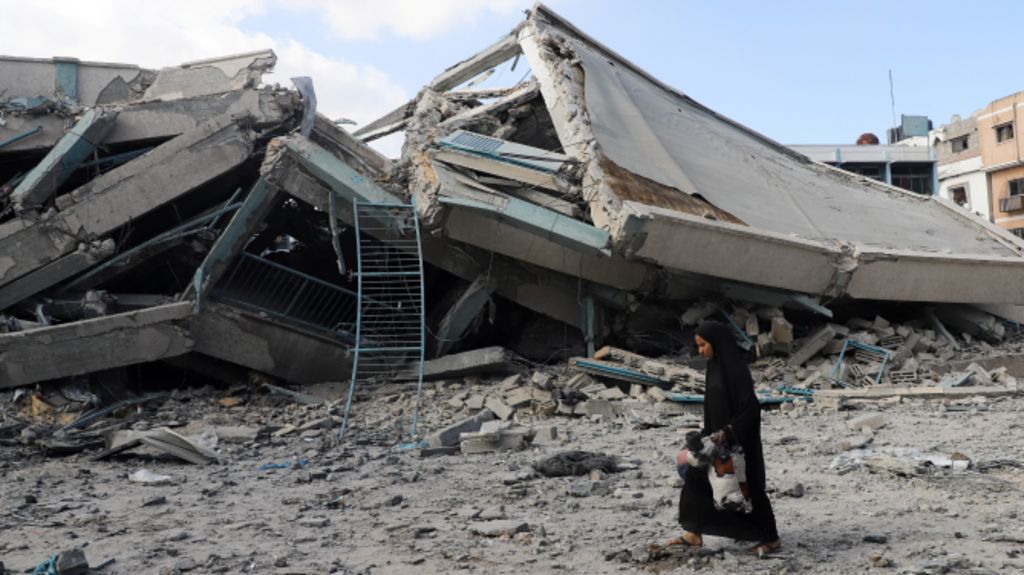
Trump gives Hamas Sunday deadline to accept Gaza peace plan
In a bold move to end the ongoing conflict in Gaza, former US President Donald Trump has presented a 20-point peace plan, setting a strict deadline for Hamas to accept the proposal. Trump, via his Truth Social platform, declared that an agreement must be finalized by 18:00 Washington time (22:00 GMT) on Sunday, warning of severe consequences if Hamas fails to comply. The plan outlines an immediate cessation of hostilities and the release of 20 living Israeli hostages, along with the remains of those believed deceased, within 72 hours. In return, hundreds of detained Gazans would be freed. Arab and Turkish mediators are reportedly urging Hamas to consider the proposal positively. However, a senior Hamas official has indicated that the group is likely to reject the plan. Trump emphasized the gravity of the situation, stating, ‘If this LAST CHANCE agreement is not reached, all HELL, like no one has ever seen before, will break out against Hamas. THERE WILL BE PEACE IN THE MIDDLE EAST ONE WAY OR THE OTHER.’ Mediators have engaged with Hamas’s military wing leader in Gaza, who has expressed disagreement with the US ceasefire proposal. While some political leaders of Hamas in Qatar are open to accepting the plan with modifications, their influence is limited as they do not control the hostages. A significant obstacle for Hamas is the requirement to release all hostages within the first 72 hours of the ceasefire, effectively relinquishing their primary bargaining leverage. It is estimated that 48 hostages are still held by Hamas in Gaza, with only 20 believed to be alive. The 20-point plan, jointly announced by Trump and Israeli Prime Minister Benjamin Netanyahu at the White House, also stipulates that Hamas will have no role in governing Gaza and leaves the possibility open for a future Palestinian state. However, Netanyahu has reiterated his opposition to a Palestinian state, stating, ‘It’s not written in the agreement. We said we would strongly oppose a Palestinian state.’ Trump has assured that Israel would have US support to ‘finish the job of destroying the threat of Hamas’ if the group rejects the plan. Netanyahu has echoed this sentiment, vowing that Israel ‘will finish the job’ if Hamas does not comply. The conflict escalated following a Hamas-led attack on southern Israel on October 7, 2023, resulting in approximately 1,200 deaths and 251 hostages taken. Since then, Israeli attacks in Gaza have reportedly killed at least 66,288 people, according to the Hamas-run health ministry.
-
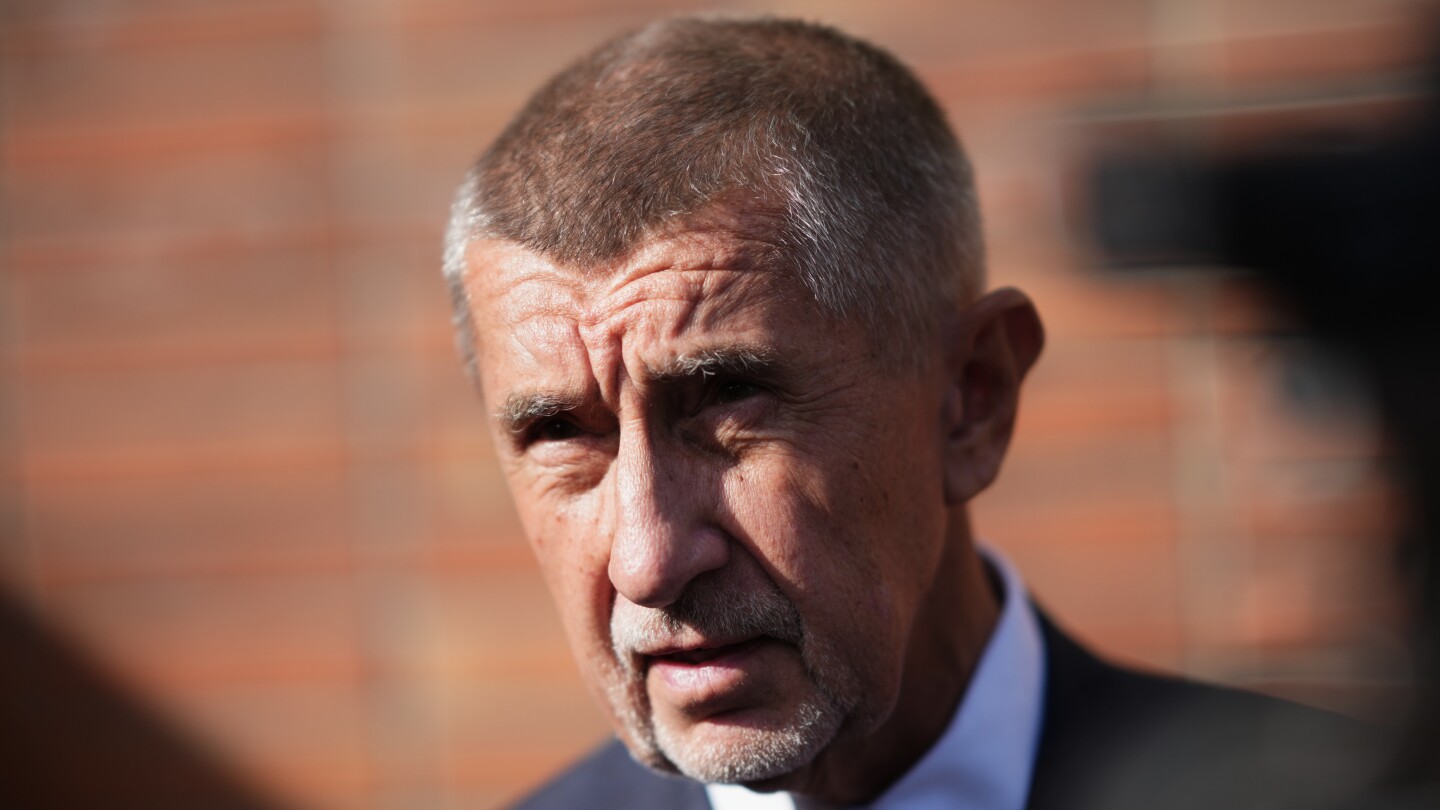
Czechs vote in election that could return populist and weaken support for Ukraine
The Czech Republic is currently in the midst of a pivotal two-day general election, with the potential to reshape its foreign policy trajectory. The outcome could steer the nation away from its pro-Western stance, particularly in its support for Ukraine, and align it more closely with Hungary and Slovakia. This shift could exacerbate divisions within the European Union and NATO. Billionaire Andrej Babiš, a former prime minister and populist leader, is poised for a political comeback, according to opinion polls. His victory would mark a significant shift from the pro-Western coalition led by Petr Fiala, which defeated him in 2021. Babiš, speaking outside a polling station in Ostrava, expressed confidence in forming a one-party government if victorious. A win for Babiš would bolster the positions of Hungary’s Viktor Orbán and Slovakia’s Robert Fico, both of whom have resisted military aid to Ukraine, continued importing Russian oil, and opposed sanctions on Russia. Fiala, after voting in Brno, warned that a shift towards the East would lead to economic decline. Last year, Babiš and Orbán co-founded the ‘Patriots for Europe’ alliance in the European Parliament, signaling a departure from the liberal Renew group. This new alliance reflects Babiš’s rejection of EU policies on migration and climate change, emphasizing national sovereignty. Despite denying a pro-Russian stance, Babiš has questioned Czech initiatives to acquire artillery shells for Ukraine and has not fully endorsed NATO’s defense spending commitments. Babiš, a divisive figure since entering Czech politics in 2013, has faced fraud charges but remains popular. His ANO movement, which lost the 2021 election, is predicted to win around 30% of the vote, though not enough for a majority government. Babiš has ruled out cooperation with the current government parties, potentially aligning with pro-Russian coalitions or the right-wing Motorists group, which opposes EU environmental policies. Polls close on Saturday, with results expected later in the day.
-
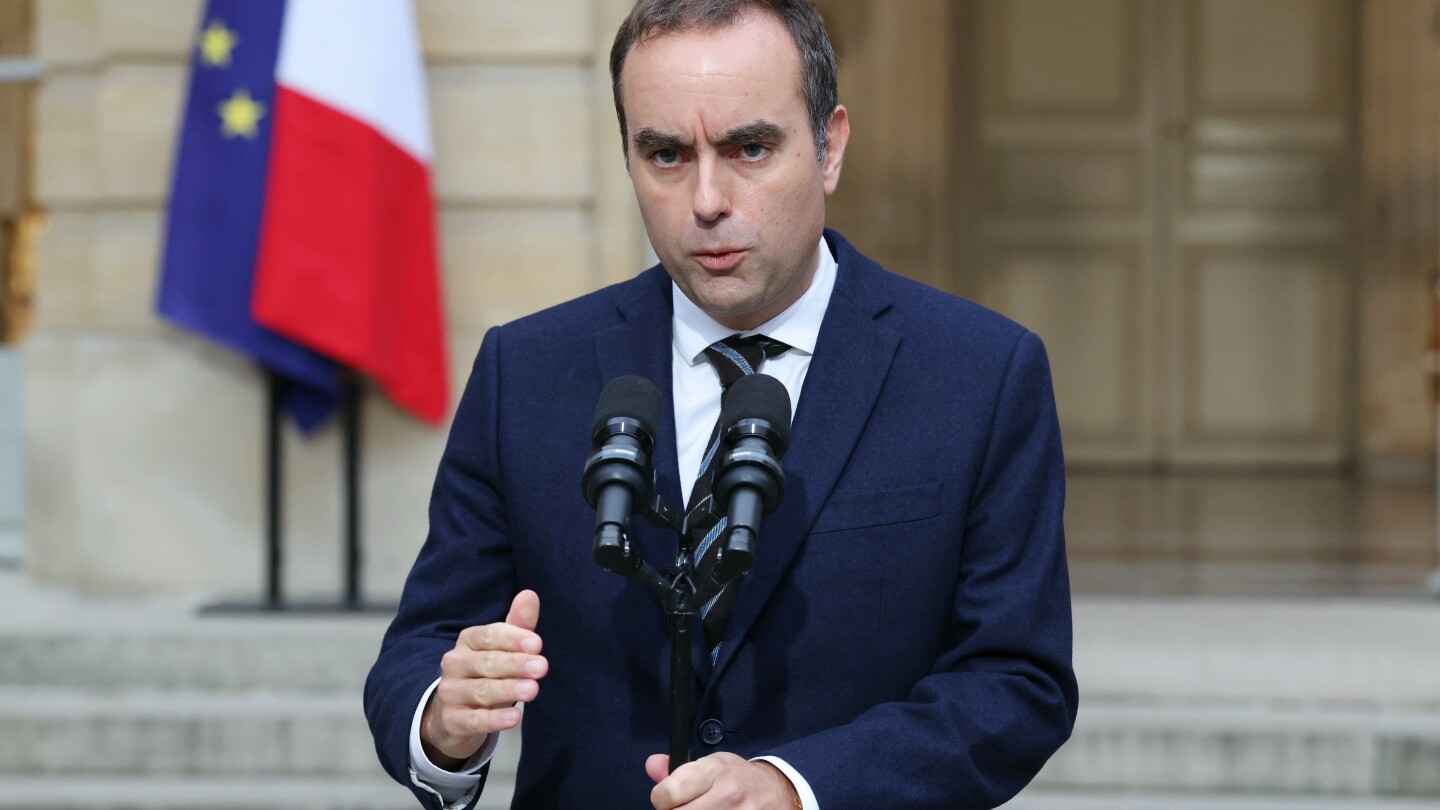
France’s new PM renounces using special powers at parliament to seek compromise instead
In a significant shift in strategy, France’s newly appointed Prime Minister Sébastien Lecornu announced on Friday that he would refrain from invoking Article 49.3 of the Constitution, a controversial provision that allows the government to bypass parliamentary votes to pass legislation. Instead, Lecornu emphasized the need for compromise and collaboration with lawmakers from across the political spectrum. This decision comes amid a deeply fragmented legislature and mounting political tensions following the fall of his predecessor, François Bayrou, who had used the same constitutional tool to push through this year’s budget. Lecornu, a 39-year-old centrist appointed by President Emmanuel Macron last month, faces the urgent task of passing the 2026 budget bill by year-end. His move aims to prevent a potential no-confidence motion in parliament, where his government lacks a majority. Lecornu outlined key priorities, including improving pensions for women, fairer taxation, boosting purchasing power, and addressing immigration issues. He also signaled that the appointment of his government ministers would be finalized in the coming days, ahead of a general policy speech scheduled for next week at the National Assembly. France’s political landscape has been in turmoil since Macron’s call for early parliamentary elections in June 2023, which resulted in a fractured legislature. As the European Union’s second-largest economy, France’s ballooning deficit and mounting debt have raised concerns among investors. Lecornu’s decision to abandon Article 49.3 marks a departure from his predecessor’s approach and underscores his commitment to fostering dialogue and consensus in a challenging political environment.
-
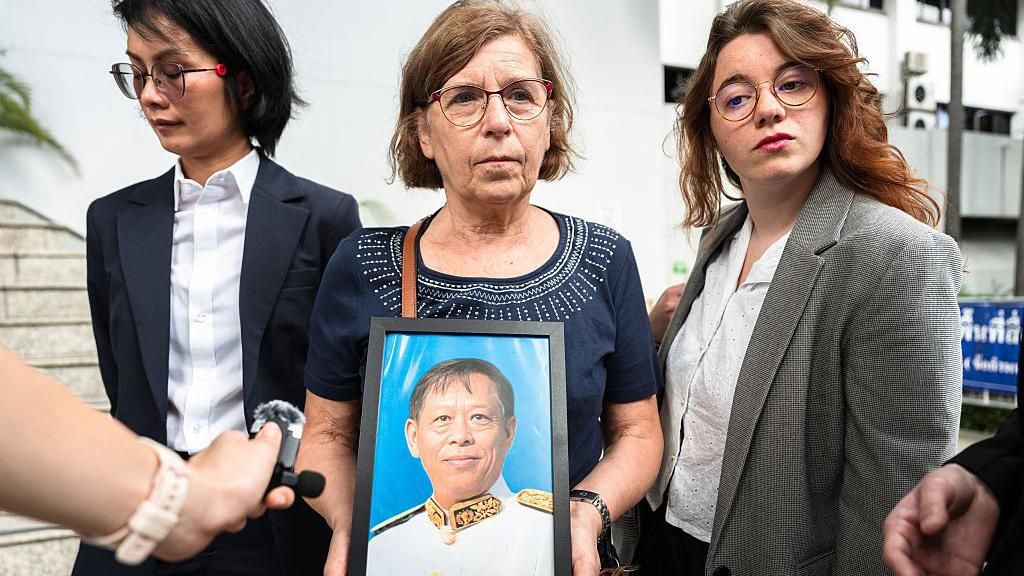
Thai killer of Cambodian opposition politician sentenced to life in prison
A Thai court has handed down a life sentence to Ekkalak Paenoi, a Thai national, for the assassination of Lim Kimya, a prominent Cambodian opposition politician, in Bangkok earlier this year. The killing, which occurred in January shortly after Lim’s arrival in the Thai capital with his wife, has sparked widespread speculation of political motives. Ekkalak, who fled to Cambodia post-assassination, was arrested and extradited back to Thailand. Initially facing the death penalty, his sentence was reduced to life imprisonment following his confession, as announced by the court on Friday. Lim Kimya, a former parliamentarian with dual Cambodian and French nationality, was a member of the Cambodia National Rescue Party (CNRP), which was banned in 2017 after being accused of treason by former Cambodian leader Hun Sen. The CNRP had nearly defeated Hun Sen’s long-ruling party in the 2013 elections. Cambodian Prime Minister Hun Manet, who succeeded his father in 2023, has denied any government involvement in Lim’s killing. Security footage from the incident shows Ekkalak calmly parking his motorbike, removing his helmet, and crossing the road before the fatal shots were fired. In addition to the life sentence, Ekkalak was ordered to pay approximately $55,000 in compensation to Lim’s family. The court acquitted another Thai national accused of aiding Ekkalak’s escape, ruling that he was merely a driver unaware of the crime. Lim’s widow, while reportedly satisfied with the verdict, continues to seek answers about who orchestrated the assassination, urging authorities to uncover the truth. This case highlights the ongoing repression faced by opposition figures in Cambodia and neighboring countries, with human rights groups alleging a tacit agreement among regional governments to suppress dissent.