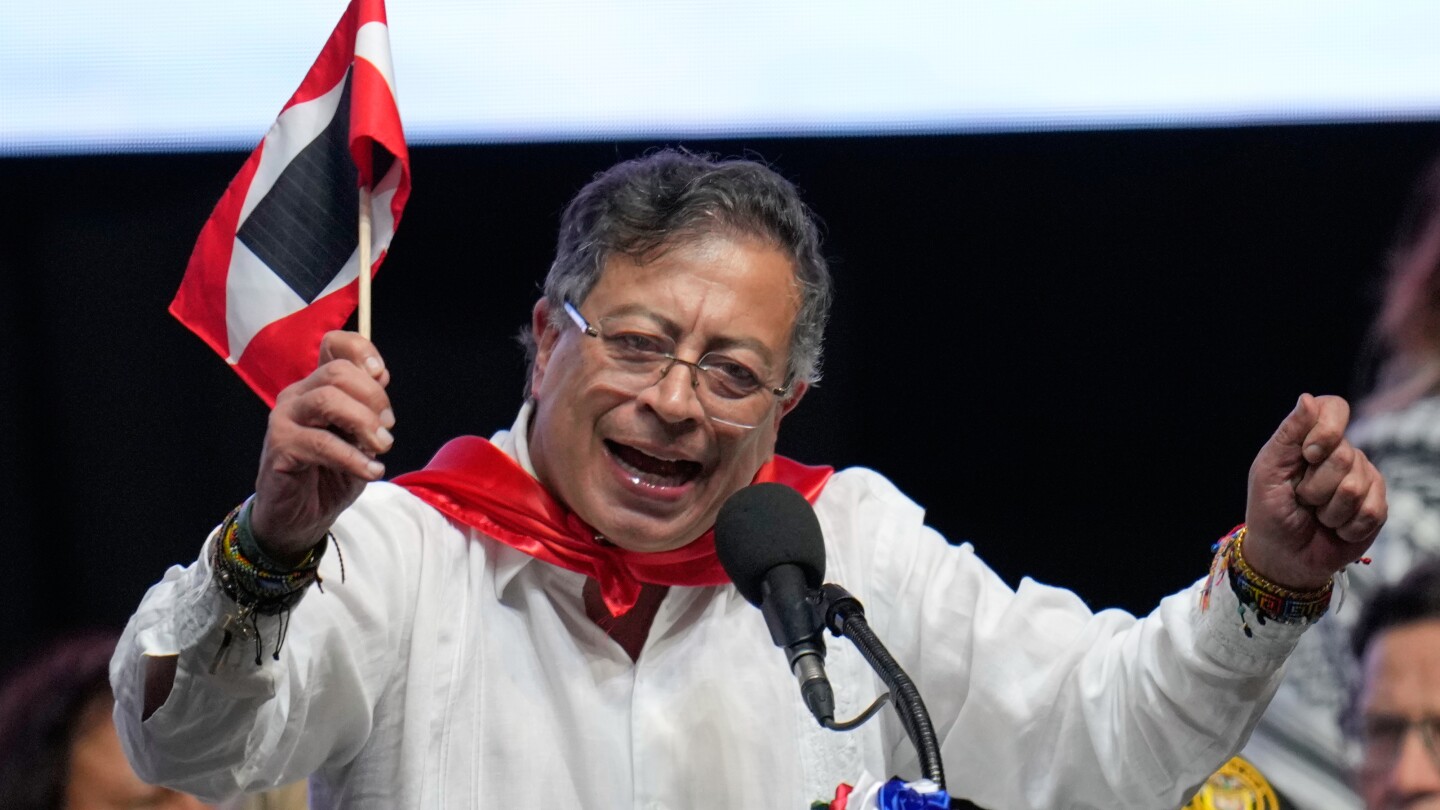
In a sharp escalation of tensions between the United States and Colombia, former President Donald Trump announced on Sunday his intention to slash U.S. funding to the South American nation, accusing Colombian President Gustavo Petro of failing to curb drug production. Trump, in a post on his Truth Social platform, labeled Petro as “an illegal drug dealer” and criticized him as “low rated and very unpopular.” He warned that if Petro does not act to shut down drug operations, the U.S. would intervene, albeit in a manner that “won’t be done nicely.” Trump also misspelled Colombia as “Columbia” in his initial post, which he later corrected. Colombia’s Defense Minister Pedro Sánchez defended the country’s efforts, stating that Colombia has “used all its capabilities” and sacrificed lives in the fight against drug trafficking. Trump’s remarks come amid growing friction between the two nations, with the U.S. recently conducting military strikes targeting alleged drug traffickers in Colombian waters. Earlier, Petro accused the U.S. of assassination following a strike that killed a Colombian fisherman, Alejandro Carranza, whom Petro claimed had no ties to drug trafficking. The U.S. has repatriated survivors of recent strikes, including an Ecuadorian man, Andrés Fernando Tufiño Chila, who was found to be in good health. Meanwhile, Colombia remains the world’s largest exporter of cocaine, with coca cultivation reaching record levels last year, according to the United Nations.
分类: politics
-
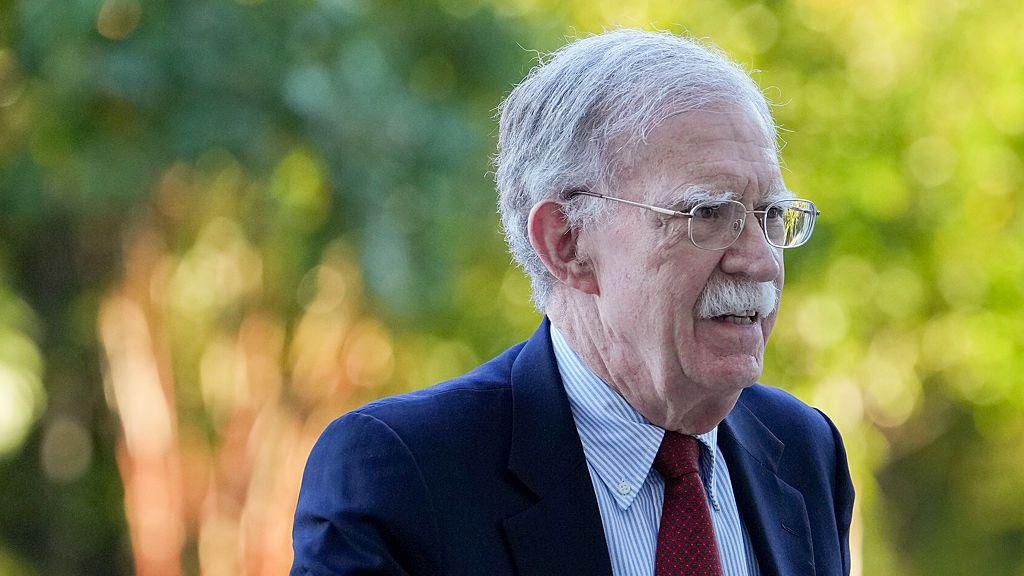
Why John Bolton case is more serious than those against other Trump critics
Former national security adviser John Bolton appeared in court on Friday, pleading not guilty to 18 federal charges related to the alleged mishandling of classified information. This indictment marks a significant development in a series of legal actions against critics of former President Donald Trump, raising questions about the intersection of justice and political motivations. Bolton, a vocal Trump critic, has been accused of improperly retaining and transmitting classified documents, including top-secret materials, to family members using insecure methods such as AOL. Prosecutors allege that his actions posed a national security risk, with one incident involving a hacker accessing his account and threatening to cause a major scandal. Legal experts note that while the charges against Bolton appear more substantial than those previously brought against other Trump critics, such as former FBI Director James Comey and New York Attorney General Letitia James, the timing of the indictment has fueled speculation about political influence. Trump has publicly expressed his desire to see his opponents prosecuted, and the Justice Department’s actions have drawn scrutiny. However, analysts emphasize that the case against Bolton follows established legal protocols, with the indictment providing detailed allegations. The outcome of this high-profile case could set a precedent for how classified information mishandling is addressed, particularly involving high-ranking officials. Bolton’s trial will be closely watched as it unfolds against the backdrop of ongoing political tensions in the United States.
-
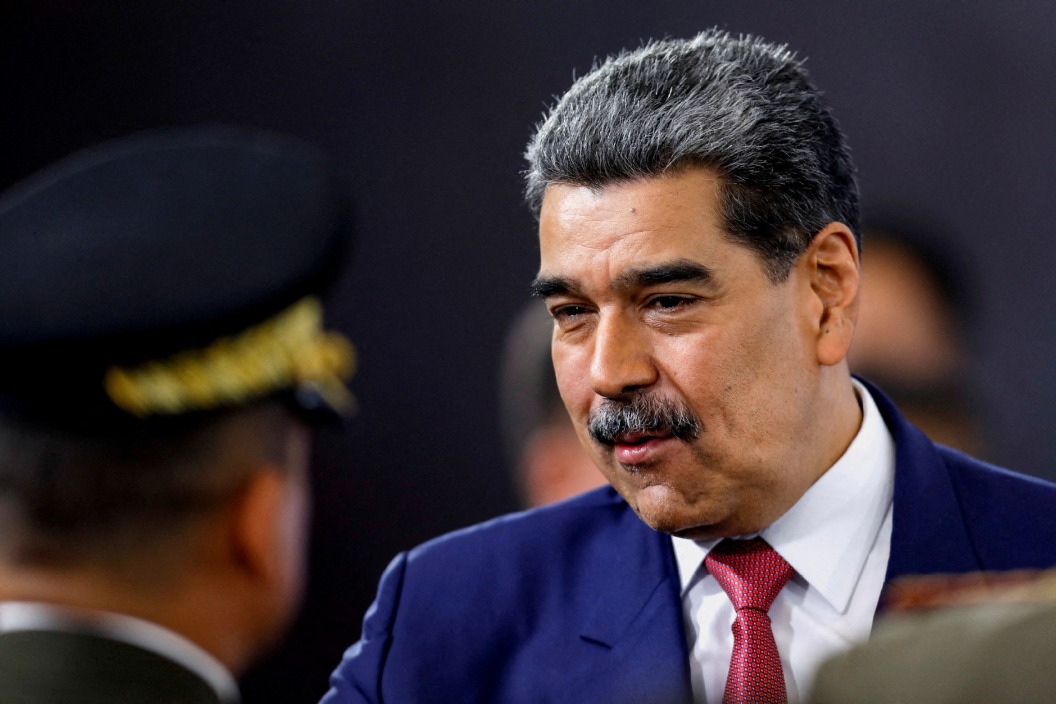
Venezuela launches defense drills amid US military threat
In a decisive move to bolster national security, Venezuelan President Nicolas Maduro unveiled the commencement of extensive military exercises on Saturday. Dubbed the ‘Great Corridor of the Venezuelan Plain,’ these drills are a pivotal component of the broader ‘Independence 200’ initiative, aimed at fortifying the nation’s defenses against perceived US military threats. The exercises, which span the central states of Barinas, Portuguesa, Cojedes, and Guarico, are part of a comprehensive nationwide mobilization designed to enhance Venezuela’s readiness for potential external aggression. Maduro emphasized the activation of all integral defense zones across the country, stating that 27 fundamental defense tasks have been successfully completed. The president underscored the seamless coordination among civilian, police, and military sectors, describing it as ‘a perfect and organized fusion’ to protect national sovereignty and internal stability. Maduro reiterated Venezuela’s commitment to peace, pointing to what he termed as a US military buildup in the Caribbean near Venezuelan waters. The drills aim to achieve ‘the optimal level of readiness’ through widespread civic participation and territorial coordination, ensuring the nation’s preparedness in the face of escalating tensions.
-
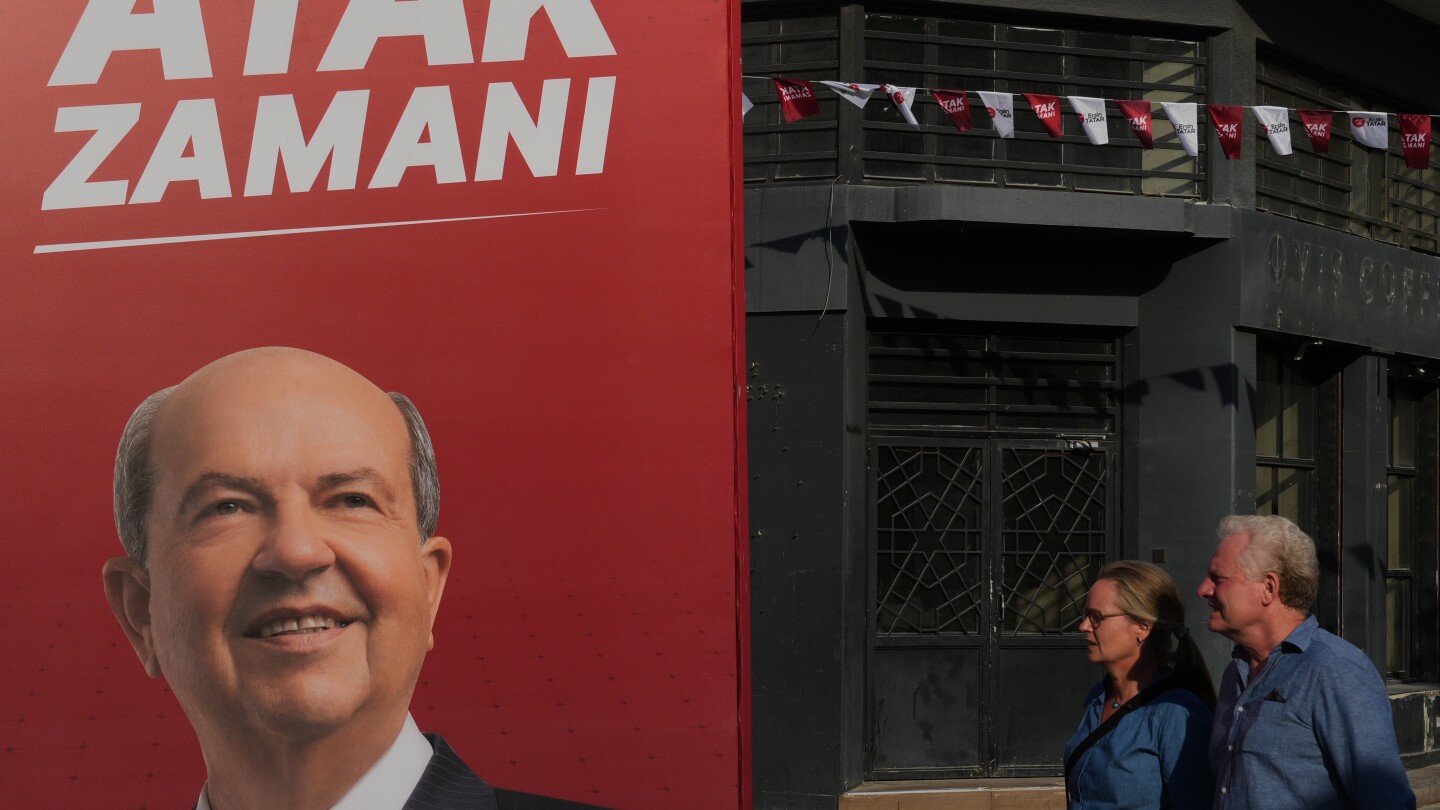
Turkish Cypriots vote in an election seen as a choice on deeper Turkey ties or closer EU relations
In a decisive election held on Sunday, Turkish Cypriots in the ethnically divided island of Cyprus faced a critical choice: deepen their alignment with Turkey or pivot toward stronger ties with Europe. With approximately 218,000 registered voters, the polls closed at 1500 GMT, marking a significant moment in the region’s political landscape. The election featured seven candidates, but the primary contest was between the hard-right incumbent Ersin Tatar and the center-left challenger Tufan Erhurman. Tatar, 65, has been a vocal advocate for permanently dividing Cyprus and seeking international recognition for a Turkish Cypriot state closely aligned with Turkey’s political, economic, and social policies. His stance echoes that of Turkish President Recep Tayyip Erdogan, who recently reiterated at the U.N. General Assembly that Cyprus comprises “two separate states” and called for formal recognition of the Turkish Cypriot entity. In contrast, Erhurman, 55, has championed a return to negotiations with Greek Cypriots to establish a two-zone federation. He has criticized Tatar’s reluctance to engage in formal peace talks during his five-year tenure, arguing that it has isolated Turkish Cypriots internationally and wasted valuable time. The election unfolds against the backdrop of Cyprus’s division since 1974, when Turkey invaded following a coup by Greek junta-backed supporters of union with Greece. Turkish Cypriots declared independence in 1983, but only Turkey recognizes it, maintaining over 35,000 troops in the island’s northern third. While Cyprus joined the European Union in 2004, only the Greek Cypriot south enjoys full membership benefits, despite many Turkish Cypriots holding EU-recognized passports. Greek Cypriots firmly reject the two-state proposition, viewing it as incompatible with the U.N. and EU-endorsed federation framework. Cypriot President Nikos Christodoulides has repeatedly stated that talks based on a two-state solution are non-negotiable, fearing Turkey’s potential dominance over the entire island.
-
Pakistan, Afghanistan agree to immediate ceasefire in Doha talks
In a significant diplomatic breakthrough, Pakistan and Afghanistan have agreed to an immediate ceasefire following high-level negotiations in Doha, Qatar. The announcement was made on Sunday by Qatar’s Ministry of Foreign Affairs, marking a pivotal moment in the ongoing efforts to stabilize the region. The talks, held in the Qatari capital, aimed to address longstanding tensions and foster a path toward peace. Both nations have been embroiled in border disputes and cross-border skirmishes, which have escalated in recent months. The ceasefire agreement is expected to de-escalate hostilities and create a conducive environment for further dialogue. This development underscores Qatar’s growing role as a mediator in regional conflicts, leveraging its diplomatic influence to broker peace. The international community has welcomed the agreement, viewing it as a positive step toward reducing violence and enhancing regional security. However, analysts caution that sustained peace will require continued engagement and trust-building measures between the two nations.
-
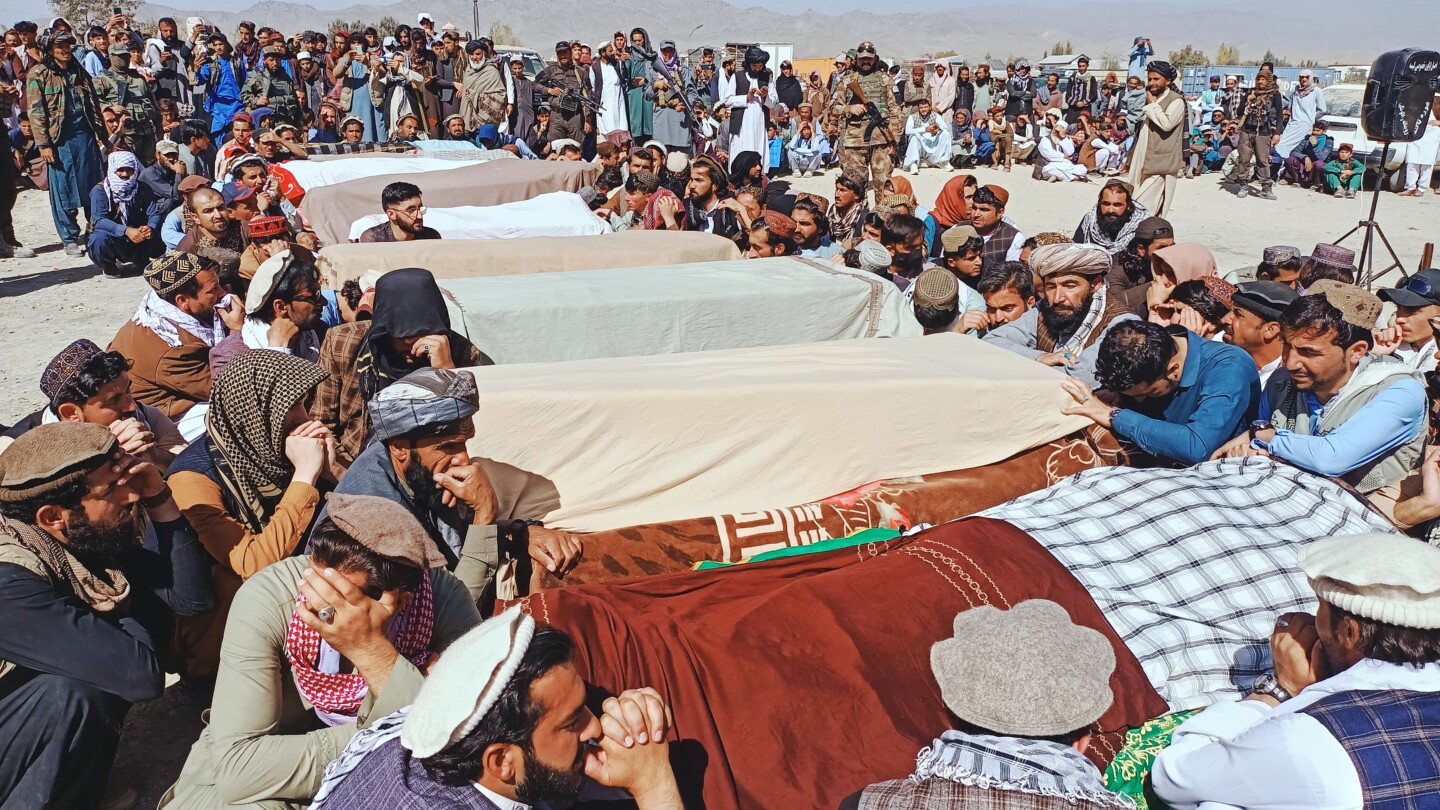
Afghanistan and Pakistan pledge to respect ceasefire after more than a week of deadly fighting
In a significant diplomatic breakthrough, Afghanistan and Pakistan have agreed to a ceasefire following weeks of escalating violence that resulted in numerous casualties and widespread injuries. The truce, mediated by Qatar and Turkey, took immediate effect on Sunday, aiming to halt hostilities between the two neighboring nations. The agreement was finalized during talks held in Doha, Qatar, a day earlier, with both sides committing to respect each other’s sovereignty and territorial integrity. The Taliban government’s chief spokesman, Zabihullah Mujahid, expressed optimism about the outcome, confirming that a bilateral agreement had been signed. Under the terms of the deal, neither country will engage in hostile actions against the other or support groups that carry out attacks. Additionally, both nations pledged to refrain from targeting each other’s security forces, civilians, or critical infrastructure. Pakistan’s Defense Minister Khawaja Asif emphasized that cross-border terrorism from Afghan territory would cease immediately. A follow-up meeting is scheduled for October 25 in Istanbul to discuss the implementation of the agreement and address bilateral claims. Both Mujahid and Asif acknowledged the crucial role played by Qatar and Turkey in facilitating the talks. The ceasefire comes amid heightened tensions, with Pakistan grappling with a surge in militancy since the Taliban’s return to power in Afghanistan in 2021. Afghanistan, meanwhile, has denied allegations of harboring militants responsible for attacks in border areas. The agreement marks a hopeful step toward de-escalation and regional stability.
-
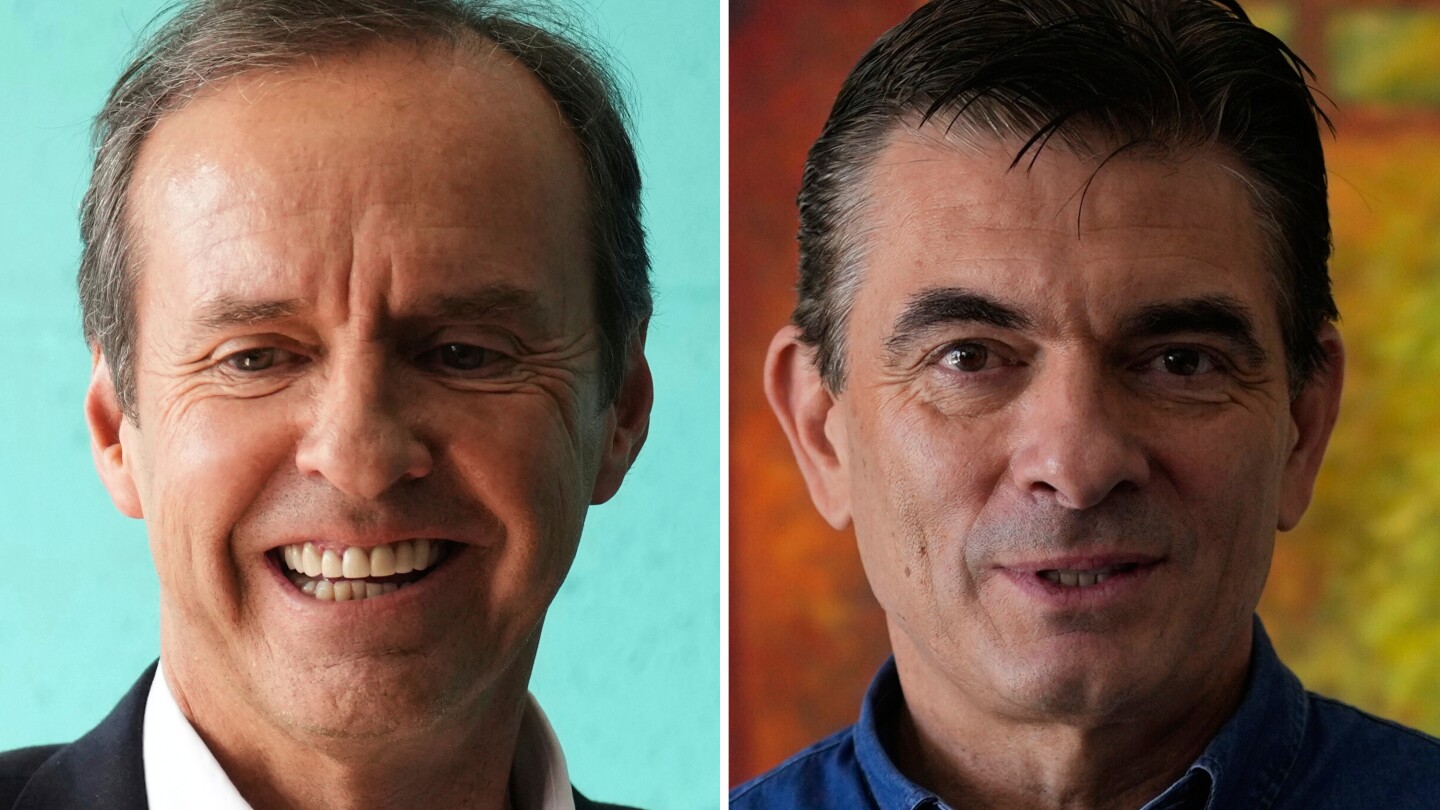
Bolivia heads to the polls in a tight runoff as voters seek a president to lift them from crisis
Bolivia is set to hold a crucial runoff presidential election on Sunday, with voters poised to choose between two conservative candidates who promise to steer the country away from nearly two decades of socialist rule under the Movement Toward Socialism (MAS) party. The election comes at a time when Bolivia is grappling with a severe economic crisis marked by a U.S. dollar shortage, skyrocketing inflation, and fuel shortages. The value of the boliviano has plummeted on the black market, and year-on-year inflation has surged to 23%, the highest since 1991. Both candidates, right-wing former President Jorge ‘Tuto’ Quiroga and centrist senator Rodrigo Paz, have positioned themselves as agents of change, vowing to dismantle the populist policies that have dominated Bolivia since Evo Morales, the country’s first Indigenous president, took office in 2006. Quiroga advocates for immediate economic reforms, including a rescue package from the International Monetary Fund (IMF) and drastic cuts in state spending. Paz, on the other hand, favors a more gradual approach, promising to phase out fuel subsidies while maintaining social protections for the poor. The election is compulsory, with approximately 7.9 million Bolivians eligible to vote. The outcome will not only determine Bolivia’s economic future but also signal a significant geopolitical shift, potentially moving the country closer to the United States and away from its current allies, China and Russia.
-
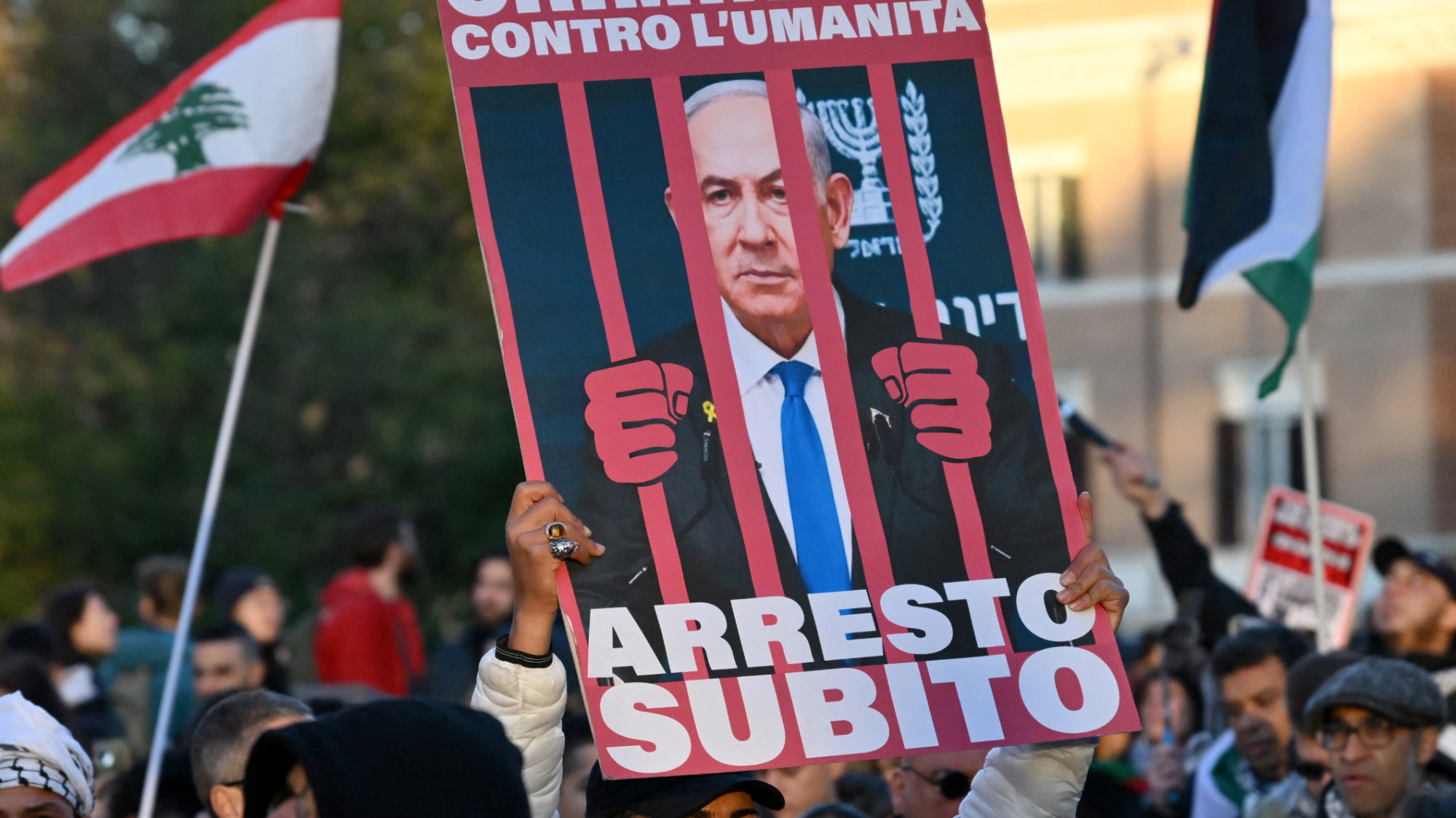
ICC rejects Israel’s appeal to cancel Netanyahu’s arrest warrant
The International Criminal Court (ICC) has firmly rejected Israel’s appeal to revoke arrest warrants issued for Prime Minister Benjamin Netanyahu and former Defence Minister Yoav Gallant. The warrants, issued in November 2024, accuse the Israeli leaders of war crimes and crimes against humanity allegedly committed in Gaza since October 2023. This marks the first time in the ICC’s 22-year history that arrest warrants have been issued against senior officials from a Western-allied nation. Israel, which is not a member of the ICC, had sought to cancel the warrants in May while a separate challenge over the court’s jurisdiction was still under review. However, the ICC dismissed the request on July 16, stating there was ‘no legal basis’ to withdraw the warrants while the jurisdiction issue remained unresolved. Israel attempted to appeal this decision a week later, but on Friday, ICC judges ruled that ‘the issue, as framed by Israel, is not subject to appeal.’ The court’s jurisdiction stems from Palestine’s 2015 membership in the ICC, allowing it to investigate crimes committed in occupied territories, including Gaza, the West Bank, and East Jerusalem. The warrants have sparked intense reactions globally. Palestinians hailed the decision as ‘historic,’ while Israeli officials condemned it as ‘antisemitic.’ The ICC has also faced criticism, threats, and punitive measures from Israel’s ally, the United States, which sanctioned several ICC judges and prosecutors, labeling the court ‘a national security threat.’ The ICC responded by calling the sanctions an attack on ‘the rules-based international order and, above all, millions of innocent victims across the world.’ Despite the warrants, the ICC lacks enforcement powers, and trials cannot proceed in absentia. The conflict in Gaza, which began on October 7, 2023, following a Hamas attack that killed approximately 1,180 Israelis, has resulted in over 68,000 Palestinian deaths, with 80% believed to be civilians. The war has also caused widespread famine and destroyed or damaged more than 83% of Gaza’s structures. Numerous international bodies and UN experts have classified Israel’s actions as acts of genocide. Recently, a ceasefire and prisoner exchange deal brokered in Egypt led U.S. President Donald Trump to declare the war over.
-
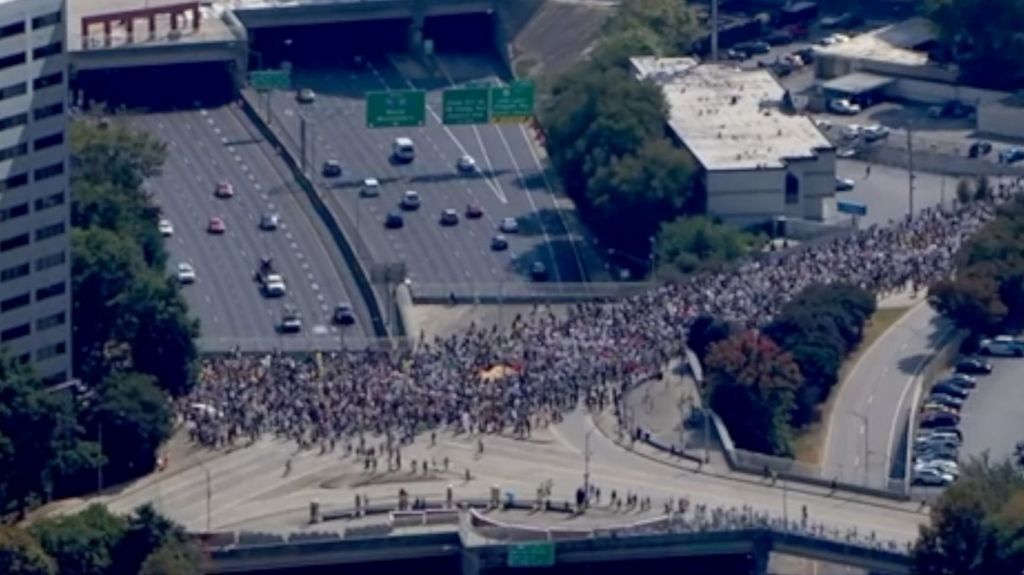
Watch: Aerials show thousands attending No Kings protests across the US
Thousands of demonstrators flooded the streets of major cities across the United States in a widespread display of dissent against President Donald Trump’s policies. The protests, organized under the banner of ‘No Kings,’ were captured in striking aerial footage, showcasing the sheer scale of the movement. Participants voiced their opposition to what they perceive as authoritarian tendencies and controversial decisions by the current administration. From New York to Los Angeles, the rallies drew a diverse crowd, including activists, students, and concerned citizens, all united in their call for accountability and change. The protests underscore the deep political divisions in the country and highlight the growing resistance to Trump’s leadership. Organizers emphasized the importance of peaceful demonstrations, urging participants to remain vigilant in their fight for democratic values. The events have sparked widespread media coverage and ignited debates about the future of American politics.
-
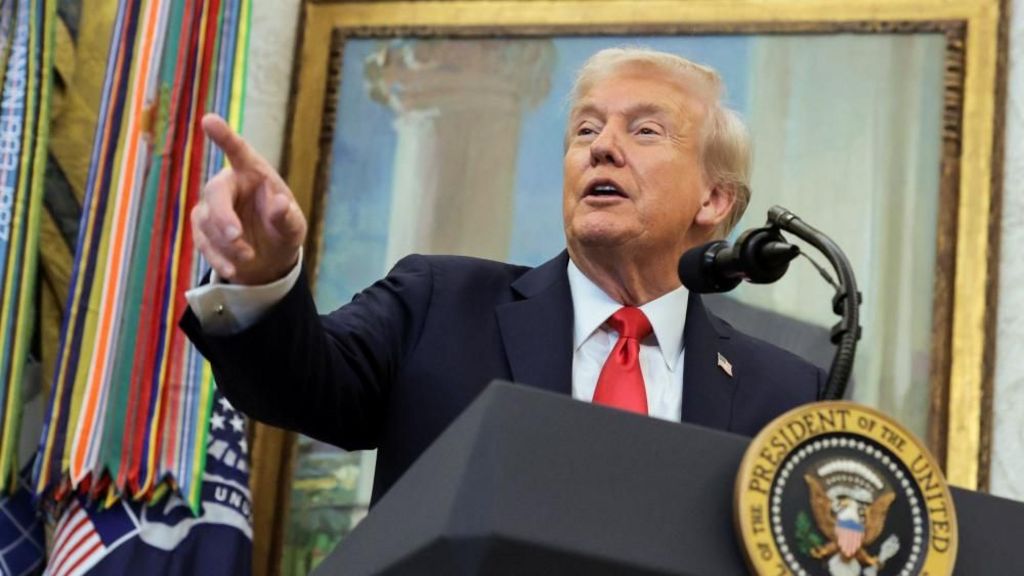
US to repatriate survivors of strike on ‘drug-carrying submarine’, Trump says
In a recent escalation of its anti-narcotics operations, the United States has conducted a targeted strike on a suspected drug-smuggling submarine in the Caribbean Sea, resulting in two fatalities and two survivors. President Donald Trump announced via social media that the vessel, allegedly laden with Fentanyl and other illegal narcotics, was intercepted on a known drug-trafficking route. The two survivors, identified as nationals of Ecuador and Colombia, were rescued by a US military helicopter and subsequently transferred to a US warship. They will be repatriated to their home countries for detention and prosecution. This marks the sixth such strike in recent weeks, with at least 27 individuals killed in prior operations off the coast of Venezuela. Trump defended the attacks as necessary to curb the flow of drugs from Latin America into the US, though his administration has yet to provide detailed evidence regarding the vessels or their occupants. UN-appointed human rights experts have criticized the strikes as ‘extrajudicial executions,’ while Venezuelan President Nicolás Maduro accused Trump of attempting to turn Venezuela into ‘an American colony.’ The incident underscores the ongoing tensions between the US and Venezuela, with Trump authorizing covert CIA operations in the region and considering further military actions. Narco-submarines, often homemade and difficult to detect, have become a favored method for drug traffickers, posing significant challenges for coastal nations.