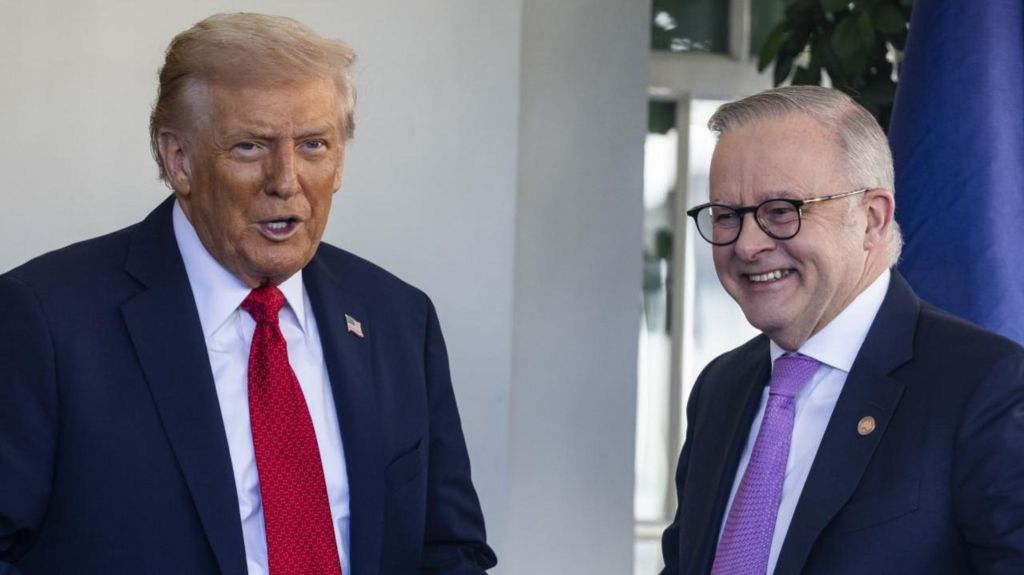
In a significant diplomatic encounter at the White House on Monday, US President Donald Trump and Australian Prime Minister Anthony Albanese reaffirmed their nations’ longstanding alliance. Trump emphasized the historical camaraderie, stating, ‘We’ve been long-term, longtime allies and I would say there’s never been anybody better.’ This meeting marked their first official dialogue, with both leaders expressing mutual respect and commitment to bolstering their strategic partnership. However, beneath the surface of this camaraderie lies a complex web of challenges. Australia, traditionally a staunch ally of the US, is beginning to scrutinize the reliability of this relationship under the Trump administration. The imposition of tariffs on Australian goods, including a 10% import tax on most products and a 50% levy on aluminium and steel, has been perceived as a breach of a decades-long free trade agreement. Albanese remarked, ‘This is not the act of a friend,’ highlighting the strain these measures have placed on bilateral ties. Additionally, the review of the Aukus defence pact, which aims to provide Australia with advanced nuclear submarine technology in exchange for support in countering China in the Asia-Pacific, has caused unease in Canberra. Despite these challenges, the meeting concluded on a positive note, with Trump praising Albanese and securing a deal for US investment in Australia’s critical minerals industry. This agreement is expected to help Australia reduce its dependence on China’s near monopoly in this sector. Furthermore, the Aukus pact received a renewed commitment, effectively ending the prolonged review process. While the tariffs remain a contentious issue, they are at the lowest rate compared to other countries, and certain Australian sectors, such as beef, have benefited from the global market upheaval. The meeting also addressed regional security concerns, particularly in light of recent tensions between Chinese and Australian military jets. Beijing’s massive military build-up has heightened anxieties in Canberra, reinforcing the perception that Australia cannot defend itself independently. Consequently, there is a growing inclination among Australian political and security experts to seek closer ties with the US, despite the unpredictability of the Trump administration. As Jared Mondschein of the United States Studies Centre noted, ‘A lot of allies and partners throughout the region are grabbing for the uncertainty of a term-limited Trump administration over the certainty of a Xi Jinping-led China.’ Thus, while the dynamics of the US-Australia relationship are evolving, the fundamental alliance remains intact, driven by shared strategic interests and regional security concerns.
分类: politics
-
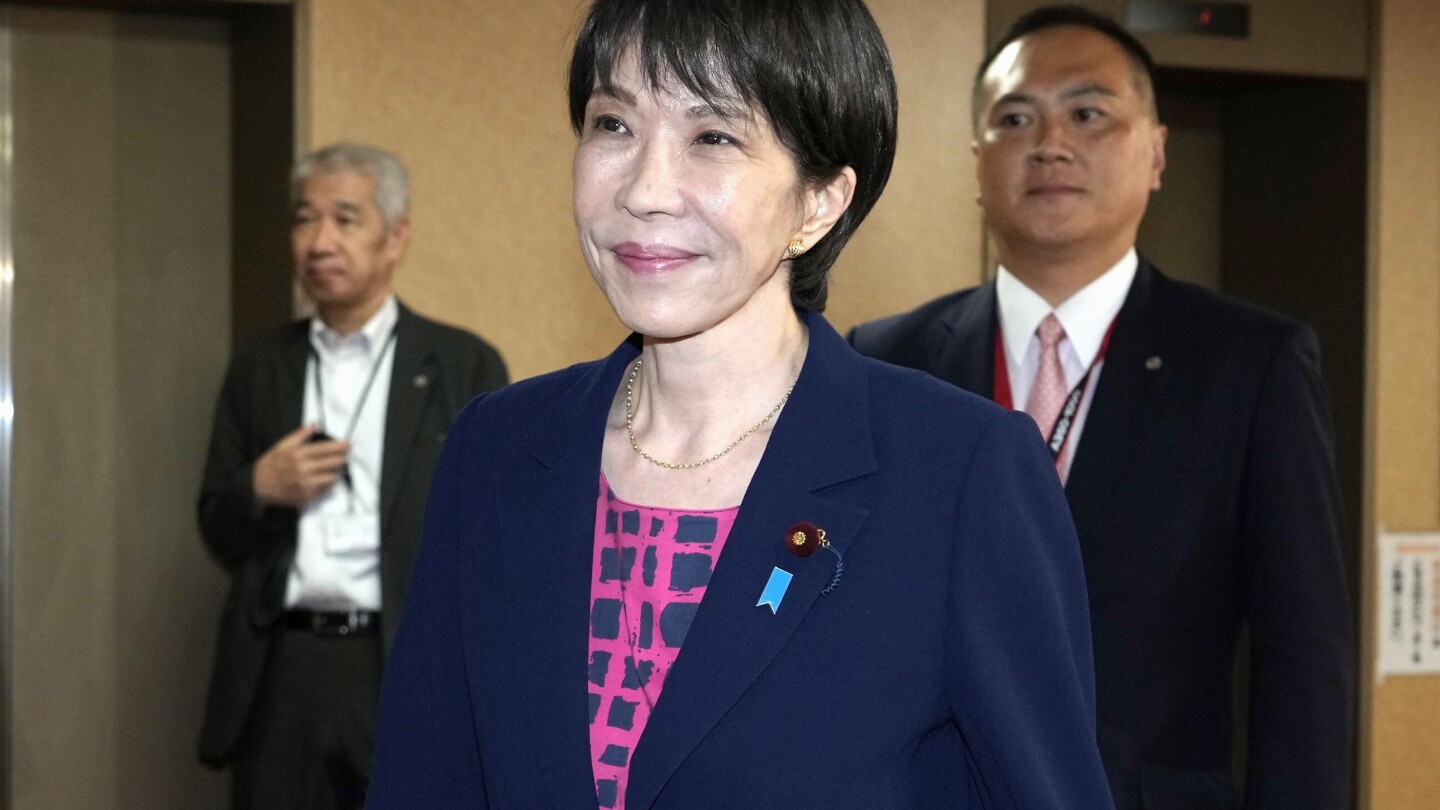
Japan’s parliament is set to elect Sanae Takaichi as nation’s first female prime minister
Japan’s parliament is preparing to elect ultraconservative Sanae Takaichi as the nation’s first female prime minister on Tuesday, marking a historic moment in Japanese politics. This development follows a coalition agreement between her struggling Liberal Democratic Party (LDP) and the right-wing Japan Innovation Party (JIP), a move that signals a further shift to the right for the governing bloc. Takaichi will succeed Prime Minister Shigeru Ishiba, whose resignation earlier Tuesday ended a three-month political vacuum triggered by the LDP’s devastating election loss in July. The alliance with JIP ensures Takaichi’s election, as the opposition remains fragmented. However, the coalition lacks a majority in both houses of parliament, raising concerns about the stability and longevity of her government. Takaichi emphasized the importance of political stability during Monday’s signing ceremony with JIP leader Hirofumi Yoshimura, stating that it is crucial for advancing economic and diplomatic measures. The coalition agreement reflects Takaichi’s hawkish and nationalistic views, which have drawn criticism from centrist and dovish factions. The LDP’s recent split with its longtime partner, the Buddhist-backed Komeito, has further complicated the political landscape. Once elected, Takaichi, a protégé of the late Prime Minister Shinzo Abe, is expected to pursue policies focused on strengthening Japan’s military and economy, as well as revising the country’s pacifist constitution. However, her government’s weak parliamentary position and her controversial stances on issues like gender equality, same-sex marriage, and Japan’s wartime history could hinder her ability to implement significant reforms. Takaichi’s premiership comes at a critical juncture, with pressing challenges such as rising prices and public frustration demanding immediate attention.
-
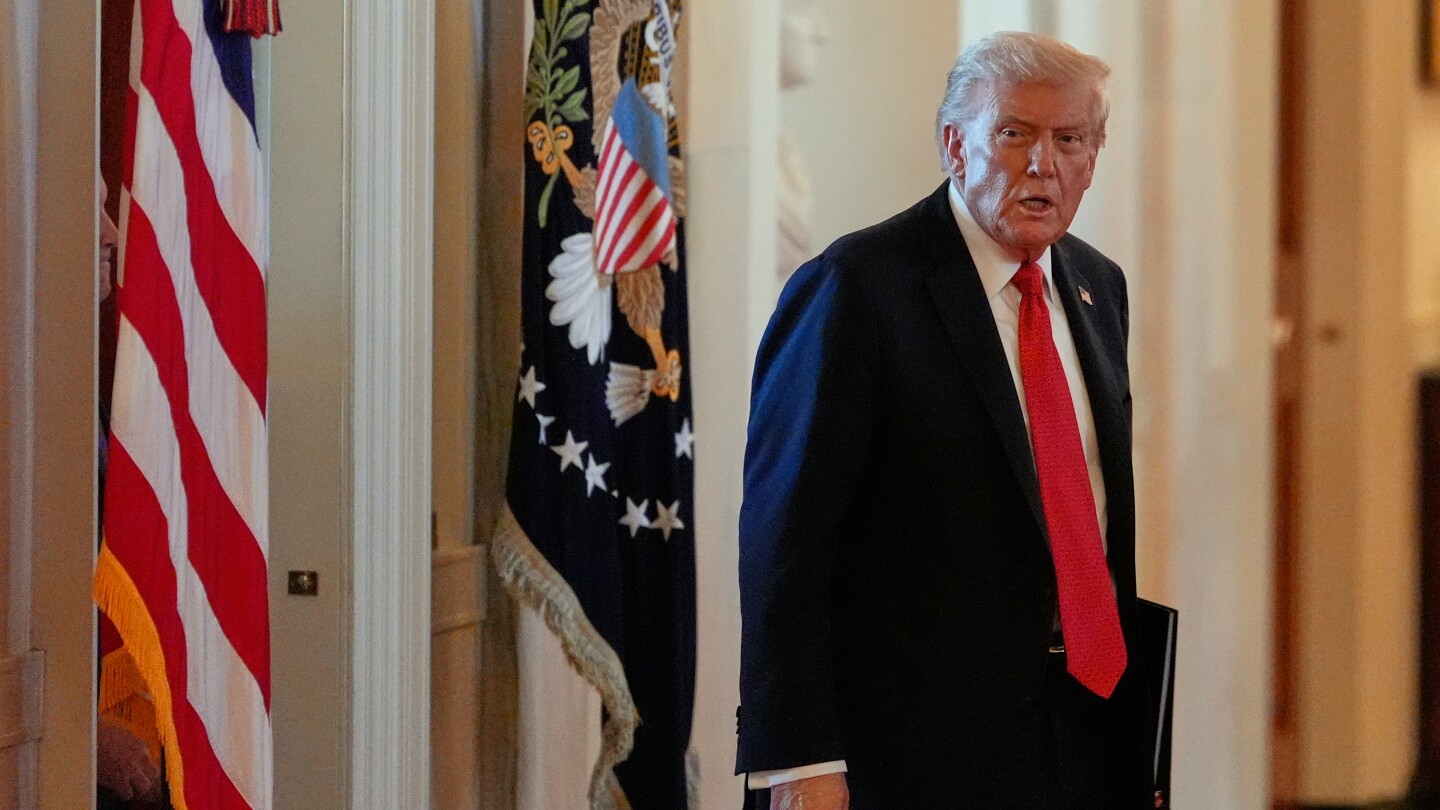
Trump is going to Asia — what happens next is anyone’s guess
President Donald Trump is set to embark on a pivotal journey to Asia, aiming to address critical global economic issues and ease escalating trade tensions. The trip, which includes stops in Malaysia, Japan, and South Korea, is expected to culminate in a high-stakes meeting with Chinese President Xi Jinping. The outcome of this meeting could significantly influence the future of the global economy, as both leaders grapple with ongoing trade disputes and tariff threats. Trump’s strategy of improvisation has yielded mixed results in his second term, with successes like the return of hostages in the Middle East but ongoing challenges in resolving conflicts in Ukraine and trade tensions with China. The lack of clarity surrounding Trump’s itinerary has added to the uncertainty, with analysts noting the absence of a clear Asia strategy from the administration. Despite this, some experts believe Trump’s approach is gaining traction, particularly in Japan and South Korea, where leaders are eager to solidify partnerships. The trip also offers an opportunity for Trump to showcase his peacemaking efforts, particularly in Southeast Asia, where Malaysia is hosting the Association of Southeast Asian Nations summit. However, concerns remain about the potential for a breakdown in talks with Xi, which could have far-reaching consequences for the international economy. As Trump prepares for his first trip to Asia in his second term, the stakes could not be higher, with the world watching closely to see if he can navigate these complex issues successfully.
-
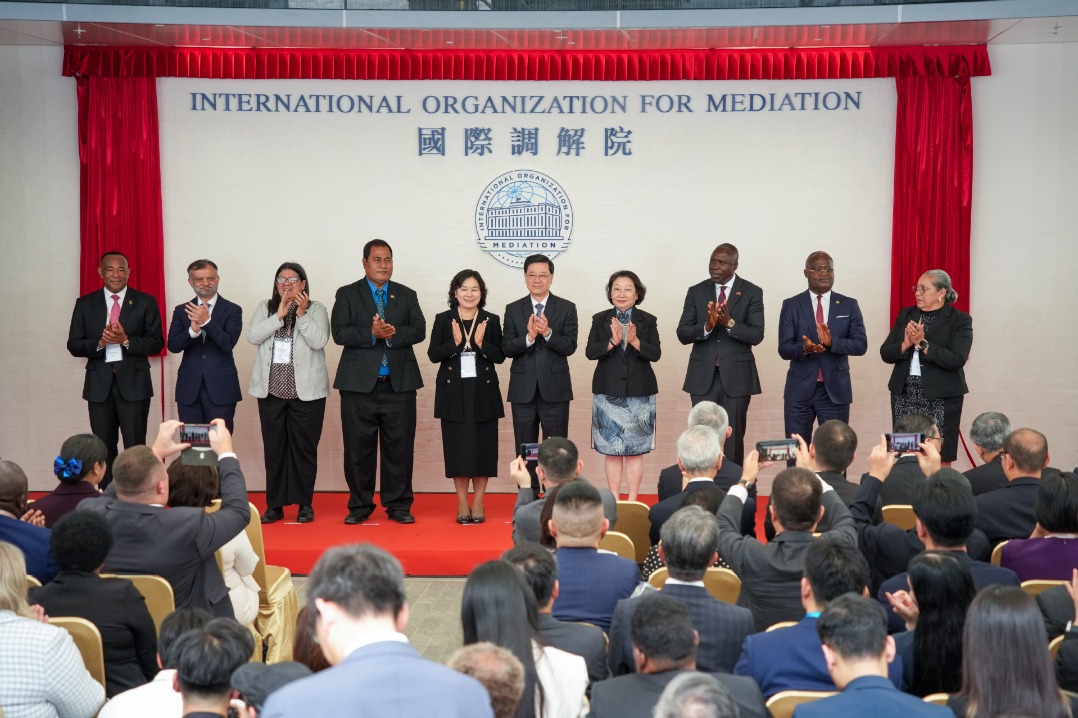
New international body for mediation formed in Hong Kong
A transformative milestone in global conflict resolution was achieved on Monday with the official launch of the International Organization for Mediation (IOMed) in Hong Kong. As the world’s first intergovernmental body exclusively focused on mediation, the IOMed aims to provide a cost-effective and collaborative alternative to traditional legal disputes, particularly benefiting developing economies and small businesses. The inauguration ceremony took place at the organization’s permanent headquarters in the historic Old Wan Chai Police Station, symbolizing Hong Kong’s emergence as a central hub for international mediation. Hong Kong Chief Executive John Lee Ka-chiu emphasized the city’s unique advantages under the ‘one country, two systems’ framework, including its robust legal system and world-class law schools. Lee also announced plans to host a global mediation summit in 2026 and expand facilities at the Hong Kong International Legal Service Building to support the IOMed’s operations. Teresa Cheng Yeuk-wah, the newly elected secretary-general, described the IOMed as a ‘global public good’ rooted in principles of equality, mutual respect, and understanding. Hua Chunying, China’s vice-minister of foreign affairs and chairperson of the IOMed Governing Council, highlighted the organization’s alignment with the global demand for peaceful dispute resolution. She underscored the IOMed’s commitment to affordability, accessibility, and efficiency, positioning it as a sustainable complement to existing international mechanisms. Representatives from Kenya, Dominica, and Venezuela praised the IOMed as a long-awaited platform for the Global South, offering a dedicated forum for governments, businesses, and investors to find common ground. The establishment of the IOMed marks the culmination of three years of development since its initial proposal, signaling a new era in global governance and conflict resolution.
-
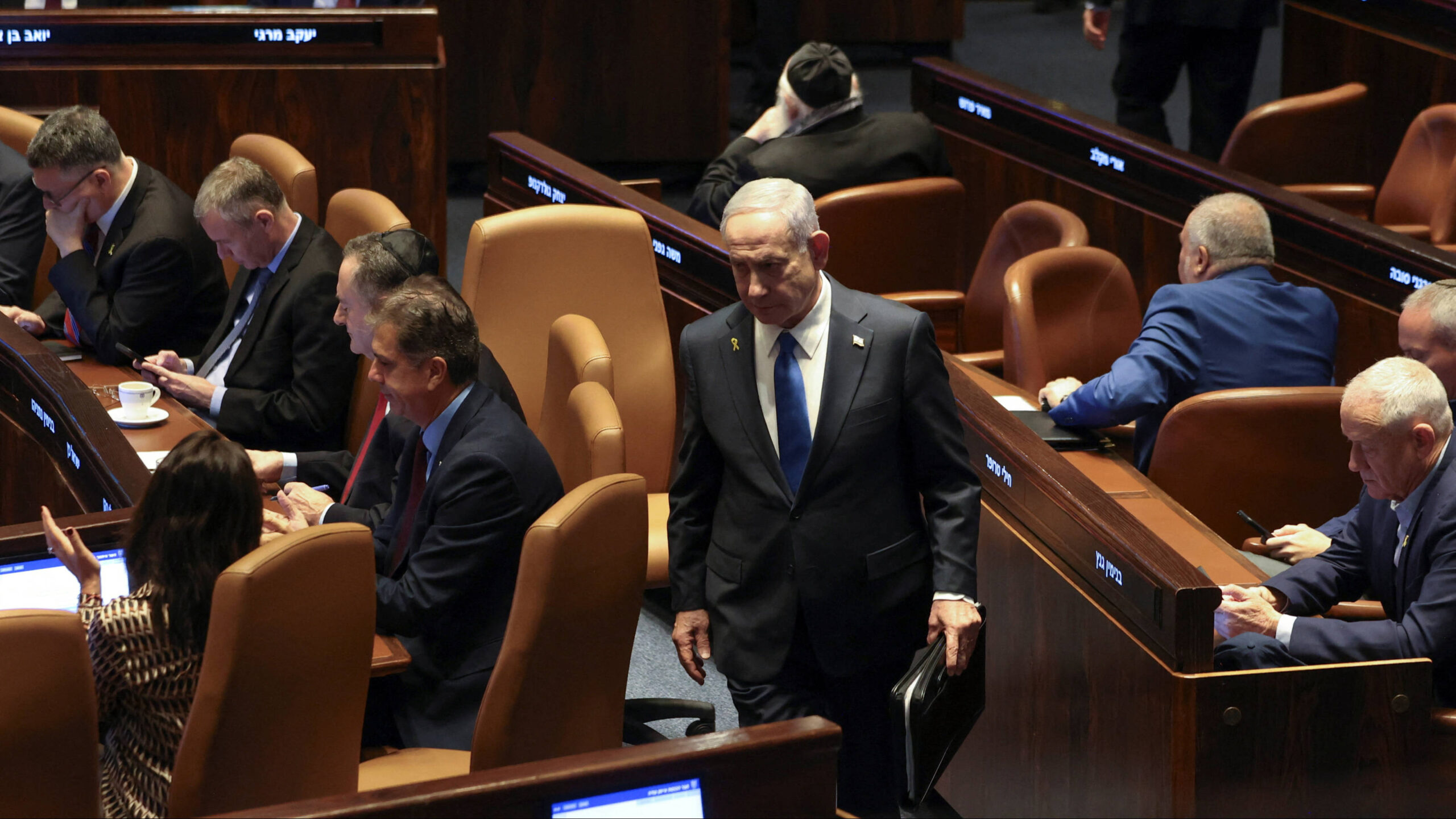
Annexation, death penalty, elections: The bills on the menu for Israel’s parliament
Israel’s Knesset commenced its winter session on Monday, marking the final legislative period before the next general elections, tentatively set for October 2026. The session unfolded against a backdrop of escalating political tensions, with coalition lawmakers targeting the Supreme Court and judiciary, igniting fierce opposition from rival parties. Yair Lapid, leader of the centrist Yesh Atid party, declared during a parliamentary debate that Israel is grappling with its most severe political crisis in history, accusing the government of losing control. A pivotal issue on the agenda is whether to adhere to the scheduled election date or call for early polls, a decision Prime Minister Benjamin Netanyahu has yet to finalize. The session is anticipated to be highly contentious, with several divisive bills poised for debate. Among them are proposals to extend Israeli sovereignty over the occupied West Bank, including one from National Security Minister Itamar Ben Gvir’s Jewish Power party and another from opposition leader Avigdor Lieberman, focusing on the settlement of Ma’ale Adumim. Other significant legislation includes a bill advocating the death penalty for convicted terrorists, championed by Ben Gvir, and measures addressing ultra-Orthodox military conscription exemptions, a topic that has sparked intense public discourse. Additionally, the government aims to advance a bill splitting the attorney general’s role, perceived as part of a broader effort to weaken the judiciary. These developments have reignited concerns over democratic principles and freedom of religion, with critics warning of potential overreach by the right-wing coalition.
-

White House begins demolishing part of East Wing for Trump ballroom
The East Wing of the White House has commenced a significant transformation as demolition work began on Monday, paving the way for the construction of a new ballroom envisioned by former US President Donald Trump. The $250 million project, described as a ‘modernization’ effort, aims to add a state-of-the-art ballroom adjacent to the existing structure without altering its historic integrity. Trump emphasized that the new addition would ‘pay total respect’ to the White House, a building he holds in high regard. The construction, funded by private contributions from ‘generous Patriots,’ has sparked mixed reactions. While some onlookers expressed curiosity, others, like a masked protester, voiced their disapproval of the changes. The East Wing, built in 1902 and last modified in 1942, remains a symbol of presidential history. The project, announced by Trump on social media, is expected to fulfill a long-standing presidential aspiration for a dedicated ballroom to host grand events and state visits.
-
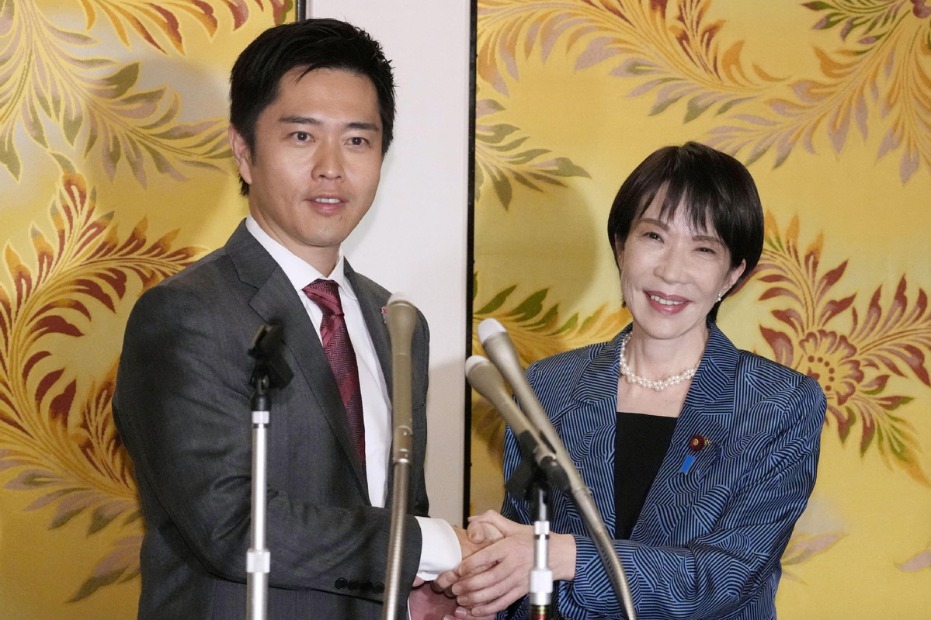
Japan’s LDP, Japan Innovation Party sign coalition agreement
In a landmark political development, Japan’s ruling Liberal Democratic Party (LDP) and the Japan Innovation Party have officially entered into a coalition agreement. The pact, signed by LDP leader Sanae Takaichi and Japan Innovation Party chief Hirofumi Yoshimura, was formalized during a joint press conference at the National Diet Building in Tokyo on October 20, 2025. This strategic alliance is expected to bolster Takaichi’s prospects in the imminent prime ministerial designation vote, positioning her to potentially become Japan’s first female prime minister. The coalition agreement encompasses a comprehensive policy agenda, emphasizing swift economic relief measures, constitutional amendments, and structural reforms. The decision to unite comes amid challenging domestic and international circumstances, with both parties committing to bridge ideological divides and foster a stable government to rejuvenate Japan. The collaboration will extend to the prime ministerial vote during the extraordinary Diet session scheduled for the following day. This political realignment follows the recent dissolution of the long-standing coalition between the LDP and Komeito, prompted by the latter’s dissatisfaction with the LDP’s handling of a high-profile political funds scandal. The move underscores the evolving dynamics within Japan’s political landscape as parties seek to navigate pressing national issues and restore public confidence.
-

Appeals court allows Trump to deploy National Guard to Portland
A federal appeals court has overturned a lower court’s decision, permitting President Donald Trump to deploy National Guard troops to Portland, Oregon. The ruling, issued by the San Francisco-based Ninth Circuit Court of Appeals, allows approximately 200 troops to be stationed to safeguard federal buildings. This decision comes despite strong opposition from local and state officials, who argue that such intervention is unnecessary. The court’s majority found Trump’s 60-day deployment plan to be a ‘measured response’ to ongoing protests outside an Immigration and Customs Enforcement (ICE) facility in Portland’s South Waterfront district. The protests, which have persisted for months, have occasionally turned violent. The Justice Department had sought the deployment, asserting that local authorities have failed to address the unrest adequately. Earlier this month, US District Court Judge Karen Immergut had issued a temporary restraining order to block the deployment of the Oregon National Guard. Hours later, she also halted Trump’s attempt to deploy Texas National Guard units. The White House welcomed the appeals court’s decision, stating it reaffirms the president’s lawful authority to protect federal assets and personnel. However, Oregon Attorney General Dan Rayfield criticized the ruling, warning it grants the president ‘unilateral power’ to deploy troops with minimal justification. He urged the Ninth Circuit judges to reconsider and overturn the decision before the deployment proceeds.
-
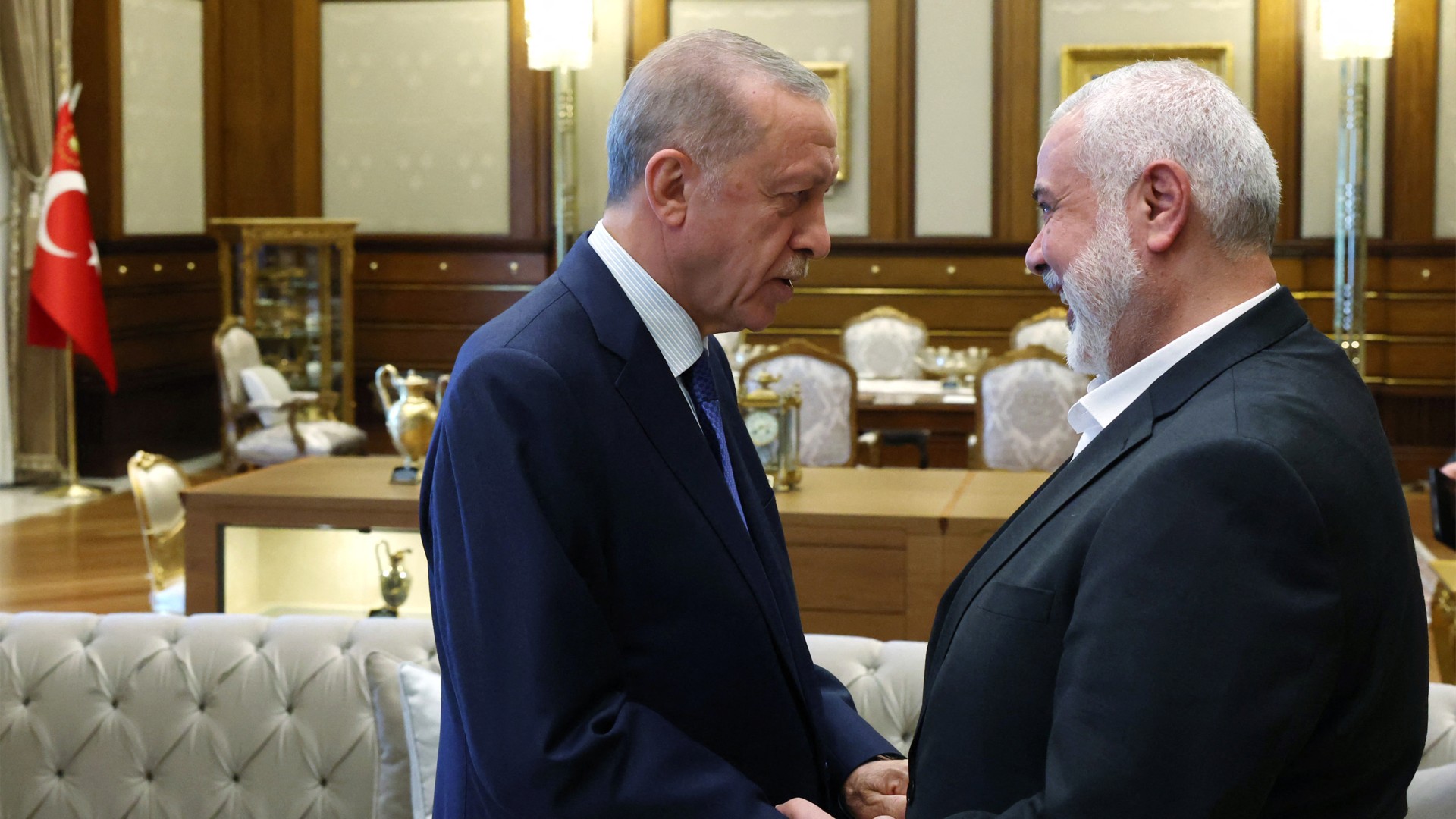
Exclusive: Israel allows Haniyeh family members to leave Gaza after Turkish request
In a significant diplomatic move, Israel permitted the departure of at least 66 Palestinians and Turkish citizens from the Gaza Strip earlier this month, following a formal request from Turkey. Among the group were 16 members of the family of the late Hamas leader Ismail Haniyeh, who was assassinated by Israel in July 2024. The arrangement, facilitated through bilateral negotiations, included 14 Turkish citizens and 40 close relatives of Turkish nationals, such as spouses, children, and parents. This decision aligns with the Gaza ceasefire agreement brokered in early October, where Turkey played a pivotal mediating role by engaging Hamas in negotiations. Notably, five of the Haniyeh family members were related to Turkish citizens, underscoring Turkey’s longstanding ties with Hamas leadership. Despite not hosting an official Hamas office, Turkey has been a frequent destination for the group’s leaders, who often travel between Qatar, Egypt, Lebanon, and Turkey. Israel’s decision to allow Haniyeh’s family to leave is particularly striking, given its military’s April 2024 airstrike that killed three of his sons and four grandchildren in Gaza. Analysts suggest this move reflects Israel’s broader strategy to ease tensions with Turkey, responding positively to Ankara’s diplomatic overtures. Since the ceasefire, Israeli media has adopted a more conciliatory tone toward Turkey, with prominent figures like Turkish intelligence chief İbrahim Kalin being praised for his empathy and efforts to rebuild ties. Israeli journalist Ben Caspit highlighted Israel’s forward-looking approach, while Uriel Lynn, president of the Federation of Israeli Chambers of Commerce, emphasized the importance of restoring relations with Turkey for regional stability and economic growth. Lynn noted the historical strength of trade, economic, and tourism ties between the two nations, advocating for a pragmatic foreign policy guided by prudence rather than political posturing.
-

Cameroon’s bishops call for calm after opposition declares election victory
Cameroon is on edge as opposition leader Issa Tchiroma Bakary has boldly declared himself the winner of the 12 October presidential election, challenging the long-standing rule of 92-year-old President Paul Biya. Bakary, a former government spokesman, claims to have defeated Biya, who is seeking to extend his 43-year tenure by another seven years. His self-proclaimed victory has been met with sharp criticism from the government and Biya’s ruling party, with officials labeling it as illegal. The Constitutional Council, responsible for announcing the final results, has until 27 October to declare the official winner. Bakary’s defiance has sparked fears of potential violence in the central African nation, as tensions rise over the legitimacy of the election outcome. The influential Catholic Church in Cameroon has called for calm, urging authorities to ensure the results reflect the true will of the electorate. In a statement, the National Episcopal Conference of Cameroon (NECC) emphasized the importance of peace and stability, echoing widespread concerns about potential electoral manipulation. The Church, regarded as a moral authority in the country, has been vocal in its criticism of Biya’s governance. Earlier this year, Bishop Yaouda Hourgo of Yagoua Diocese expressed strong opposition to Biya’s re-election, stating that even the ‘devil’ would be preferable to another term under the incumbent president. As protests over alleged fraud continue, the Constitutional Council has announced it will begin hearing complaints, with its verdict set to determine the nation’s next leader. Amid the uncertainty, the Catholic Bishops have reminded the judges of their duty to uphold the truth, quoting, ‘The truth shall set you free.’ The outcome of this election will not only shape Cameroon’s future but also test the resilience of its democratic institutions.