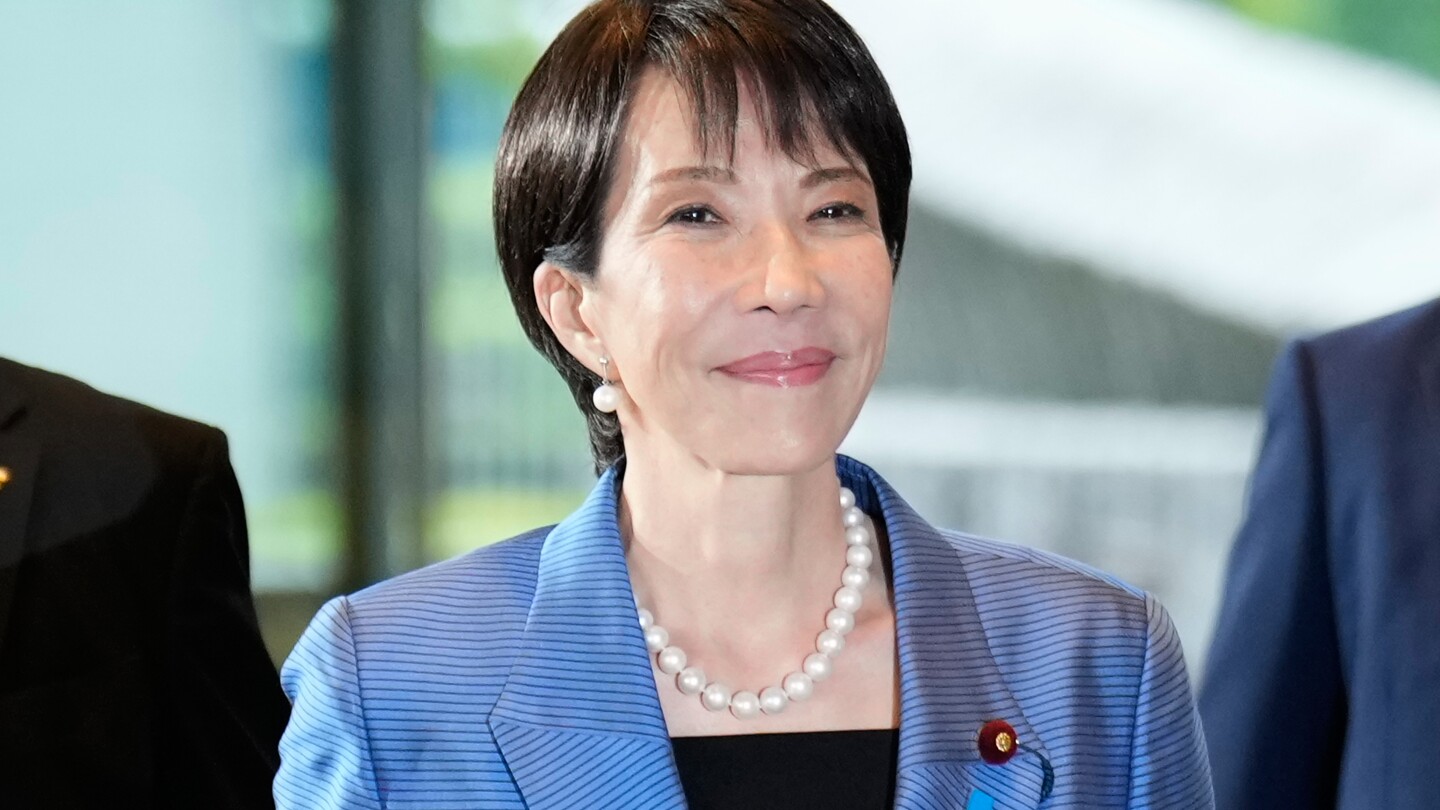
In a historic milestone for Japan, Sanae Takaichi has been elected as the nation’s first female prime minister, shattering the glass ceiling in a political landscape long dominated by men. At 64, Takaichi also becomes the first woman to lead the Liberal Democratic Party (LDP), which has been the cornerstone of Japan’s postwar governance. Known for her ultraconservative stance, Takaichi is a staunch admirer of former British Prime Minister Margaret Thatcher and a proponent of Shinzo Abe’s nationalist policies. Her hardline views on China and her frequent visits to the controversial Yasukuni Shrine, which critics argue glorifies Japan’s wartime past, have drawn international scrutiny. Despite Japan’s poor global ranking in gender equality, Takaichi has rarely addressed the issue during her campaign, though she acknowledged the symbolic significance of her election by stating, ‘Now that the LDP has its first female president, its scenery will change a little.’ Takaichi, who first entered parliament in 1993, has held key ministerial roles, including economic security and internal affairs, though her diplomatic experience remains limited. She advocates for a stronger military, increased fiscal spending, nuclear fusion development, and stricter immigration policies. A self-proclaimed workaholic, Takaichi has vowed to abandon the concept of ‘work-life balance,’ emphasizing relentless dedication to her role. Her election has sparked mixed reactions, with critics questioning her commitment to diversity and gender equality. Takaichi has pledged to increase female representation in her government but supports traditionalist policies such as male-only imperial succession and opposes same-sex marriage. Her hard-right views on history and security, including her revisionist stance on Japan’s wartime actions, may strain relations with neighboring countries like China and South Korea. Despite these challenges, Takaichi’s leadership marks a significant, albeit controversial, turning point in Japanese politics.
分类: politics
-
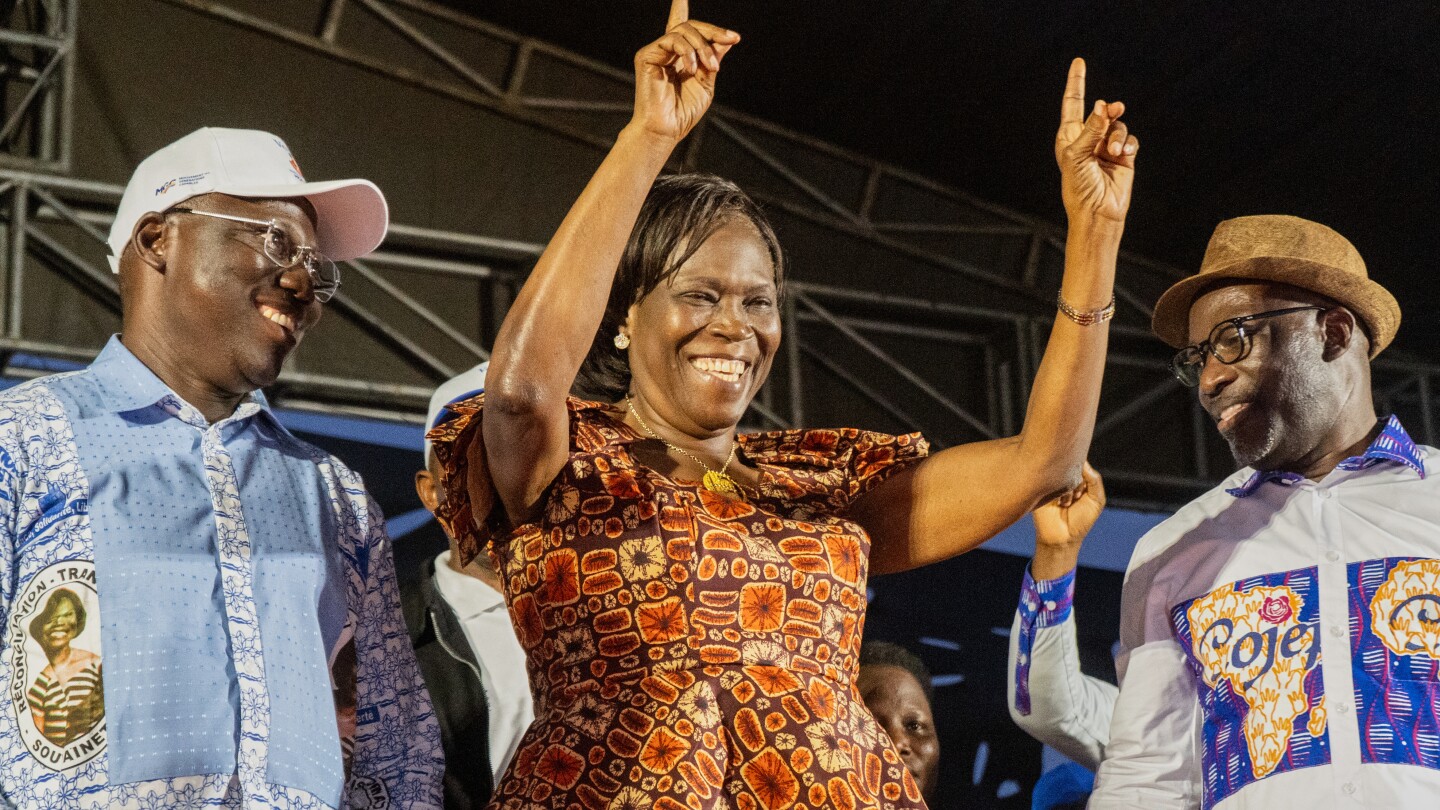
Simone Gbagbo, Ivory Coast’s iron lady, eyes presidential palace in unlikely comeback bid
Simone Ehivet Gbagbo, the former first lady of Ivory Coast, is making a bold bid for the presidency in the upcoming election, marking a potential historic moment for the West African nation. At 76, Gbagbo is running under the Movement of Skilled Generations party, challenging incumbent President Alassane Ouattara, who is seeking a fourth term. If successful, she would become the country’s first female president, a milestone she believes Ivorians are now ready to embrace. ‘The idea of a female president is much less shocking than it was 20 years ago,’ Gbagbo told The Associated Press during a campaign stop in Guibéroua. ‘It’s good for a woman to run, and if it’s me, then so much the better.’ Gbagbo’s political journey has been marked by both power and controversy. As first lady during her ex-husband Laurent Gbagbo’s presidency, she earned the nickname ‘iron lady’ for her influential role and tough stance against opposition and rebel forces. Her tenure coincided with a civil war and a violent electoral crisis in 2010-2011, which left thousands dead and brought the country to the brink of collapse. Following her husband’s refusal to concede defeat in the 2010 election, the couple was arrested in 2011 after a siege on their bunker in Abidjan. Laurent Gbagbo faced charges at the International Criminal Court (ICC) but was acquitted, while Simone was sentenced to 20 years in prison by Ivorian authorities for ‘undermining state security.’ She was granted amnesty in 2018 and has since reemerged as a political figure. Despite her controversial past, Gbagbo is campaigning on promises of social welfare programs to address poverty and inequality, as well as national reconciliation to heal the scars of the civil war. However, her candidacy faces significant challenges, including a fragmented opposition and allegations of a clampdown on rival candidates. Gbagbo remains undeterred, urging Ivorians to ‘turn out en masse to vote and defeat the candidate they don’t want.’
-
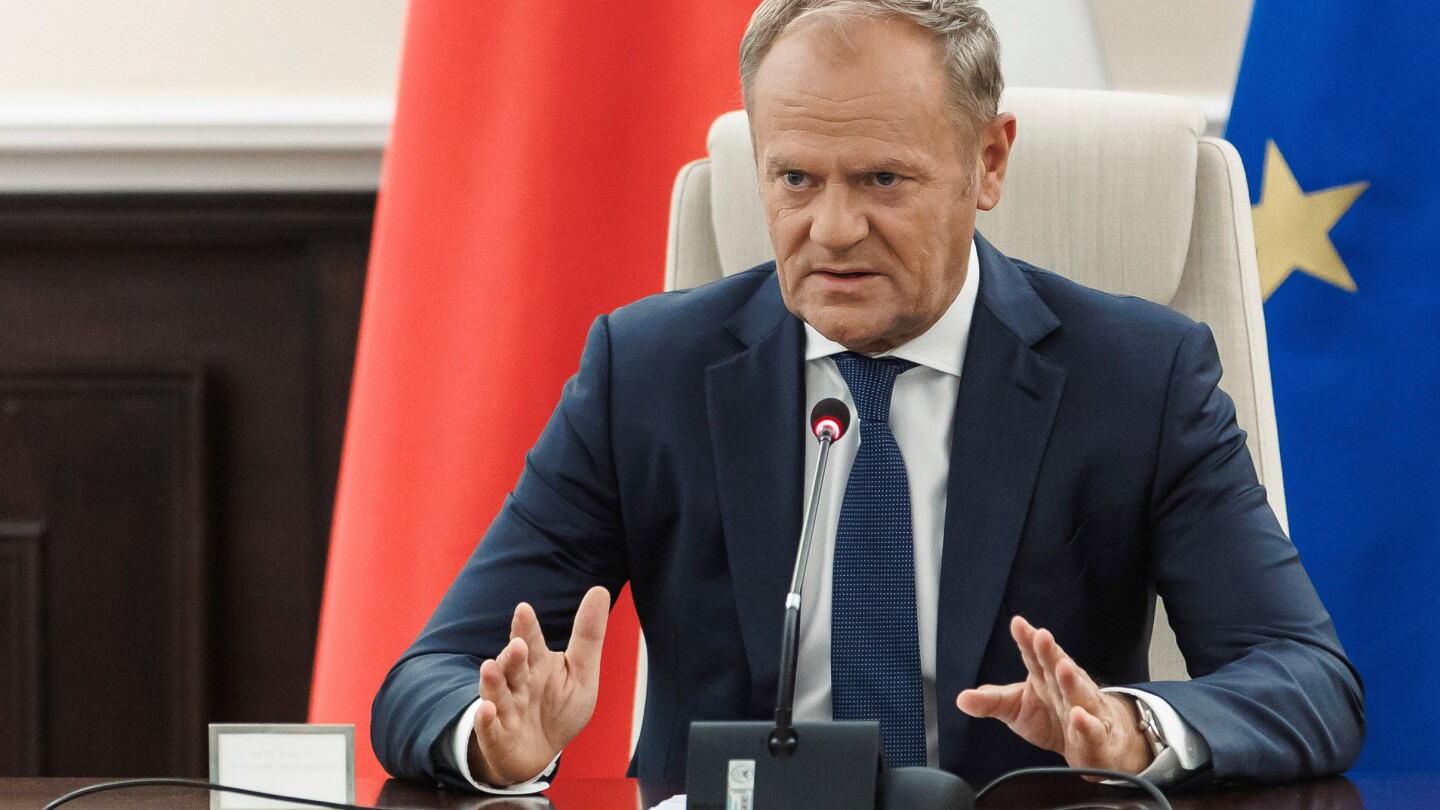
Polish authorities detain 8 in suspected sabotage plot, says Tusk
Polish Prime Minister Donald Tusk announced on Tuesday via social media platform X that authorities have apprehended eight individuals suspected of planning sabotage operations across the country. The suspects are accused of conducting reconnaissance on military installations and critical infrastructure, gathering resources for sabotage, and preparing to execute direct attacks. Tomasz Siemoniak, Poland’s minister overseeing special services, corroborated the details on X, emphasizing the seriousness of the alleged activities. This development comes amidst heightened security measures in Poland, which has detained numerous individuals on suspicion of sabotage and espionage since Russia’s invasion of Ukraine in February 2022. The arrests underscore Poland’s ongoing vigilance in safeguarding its national security and infrastructure against potential threats.
-
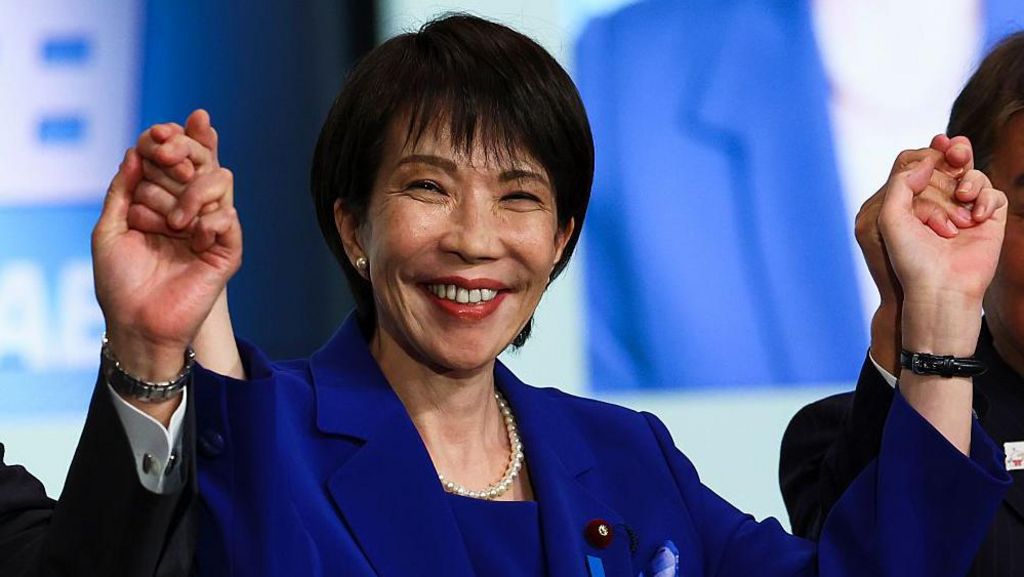
Sanae Takaichi makes history as Japan’s first female prime minister
Sanae Takaichi has made history by becoming Japan’s first female prime minister, securing a decisive victory in both houses of parliament. The 64-year-old leader of the ruling Liberal Democratic Party (LDP) garnered 237 votes in the Lower House and 125 in the Upper House on Monday, marking a significant milestone in Japanese politics. Known for her staunch conservative views and admiration for former British Prime Minister Margaret Thatcher, Takaichi assumes office during a period of economic uncertainty and public discontent. Her election comes as Japan grapples with rising living costs and a series of short-lived premierships, with Takaichi being the fourth prime minister in just five years. Despite initial obstacles, including the withdrawal of support from the LDP’s coalition partner, Komeito, a last-minute deal with another opposition party secured her position. Takaichi’s leadership will be tested both domestically and internationally. Domestically, she faces the challenge of restoring public trust in the LDP, which has recently suffered significant electoral losses. Internationally, her right-wing, nationalist leanings have raised concerns in South Korea, while her hawkish stance towards China mirrors that of her predecessors. A crucial test lies ahead with an upcoming meeting with U.S. President Donald Trump, where she must navigate complex bilateral issues, including defense spending and security treaties. Takaichi’s conservative policies, such as her opposition to same-sex marriage and her stance on married women retaining their maiden surnames, have drawn mixed reactions, particularly among younger women. Despite these challenges, her election has injected a sense of optimism into the markets, offering a glimmer of hope for Japan’s economic future.
-
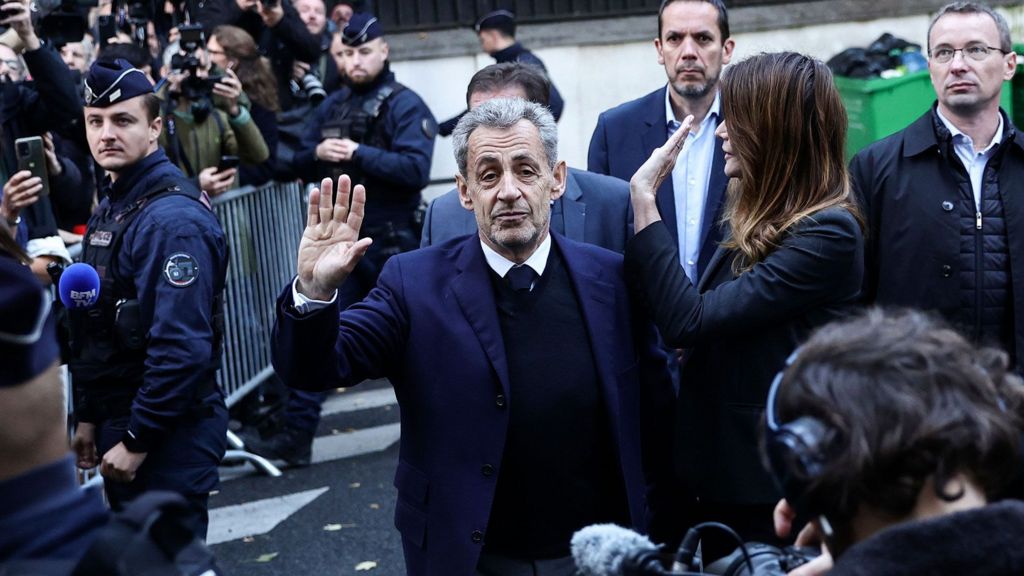
French ex-president Sarkozy goes to jail for campaign finance conspiracy
Nicolas Sarkozy, the former President of France, has made history by becoming the first ex-leader of the country to serve a prison sentence. Sarkozy, who held office from 2007 to 2012, began his five-year term at La Santé prison in Paris on October 21, 2025, following his conviction for conspiring to fund his 2007 election campaign with money from the late Libyan dictator Muammar Gaddafi. This marks the first time since World War II that a former French leader has been incarcerated, the last being Philippe Pétain, who was jailed for treason in 1945. Sarkozy, now 70, arrived at the prison under heavy security, maintaining his innocence and vowing that ‘truth will prevail.’ He was placed in an isolation wing for his safety, sharing a 9 sq m (95 sq ft) cell equipped with basic amenities, including a toilet, shower, desk, and small TV. He is allowed one hour of daily exercise. Outside his Paris villa, over 100 supporters gathered to show solidarity, responding to a call from his son Louis. Another son, Pierre, urged for messages of love and support. Sarkozy’s wife, Carla Bruni-Sarkozy, was seen embracing him outside their home as supporters cheered. Despite his imprisonment, Sarkozy has received official support from French President Emmanuel Macron and Justice Minister Gérald Darmanin, who plans to visit him in prison. Sarkozy continues to appeal his conviction, arguing that he is innocent and a victim of political revenge. The case has sparked widespread debate in France, with Sarkozy’s supporters viewing it as a miscarriage of justice, while critics see it as a necessary step in holding leaders accountable. Sarkozy’s imprisonment has also drawn attention to the broader issue of political corruption and the influence of foreign money in elections. As he begins his sentence, Sarkozy has chosen to take two books with him: a biography of Jesus and ‘The Count of Monte Cristo,’ a story of wrongful imprisonment and ultimate vindication.
-
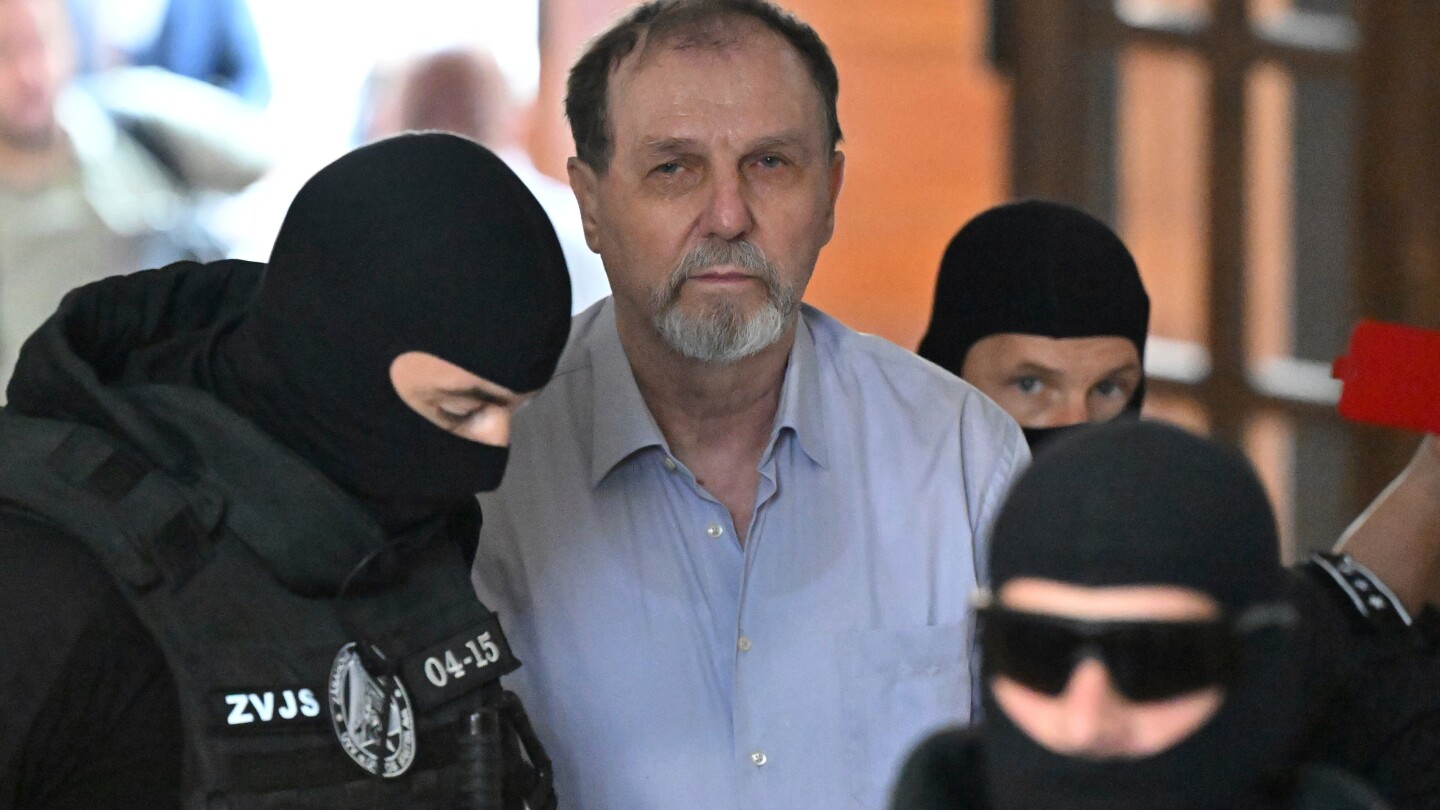
Slovakia court sentences the man behind the attempted assassination of prime minister to 21 years
A Slovak court has handed down a 21-year prison sentence to Juraj Cintula, the man responsible for the attempted assassination of Prime Minister Robert Fico in May 2024. The attack, which occurred in the town of Handlová, left Fico critically injured but he has since recovered after undergoing multiple surgeries. Cintula, a 72-year-old retiree, was convicted of committing a terrorist act, a charge he vehemently denied during the trial. The court ruled that his actions were a direct attack on the government, aimed at inciting its overthrow. Cintula’s motive, as he stated, was his opposition to Fico’s policies, including the cancellation of a special anti-corruption office, the cessation of military aid to Ukraine, and the government’s cultural stance. Despite his claims of not intending to kill, the court found his actions to be a severe threat to national security. The verdict can still be appealed, though it remains unclear if Cintula will pursue this option. The trial has further polarized Slovakia, a nation already divided over Fico’s pro-Russian and anti-Western policies. Critics argue that Fico’s leadership aligns Slovakia with Hungary’s Viktor Orbán, sparking widespread protests across the country. Fico, who was absent during the trial, has publicly forgiven his attacker, stating he harbors no hatred towards him.
-
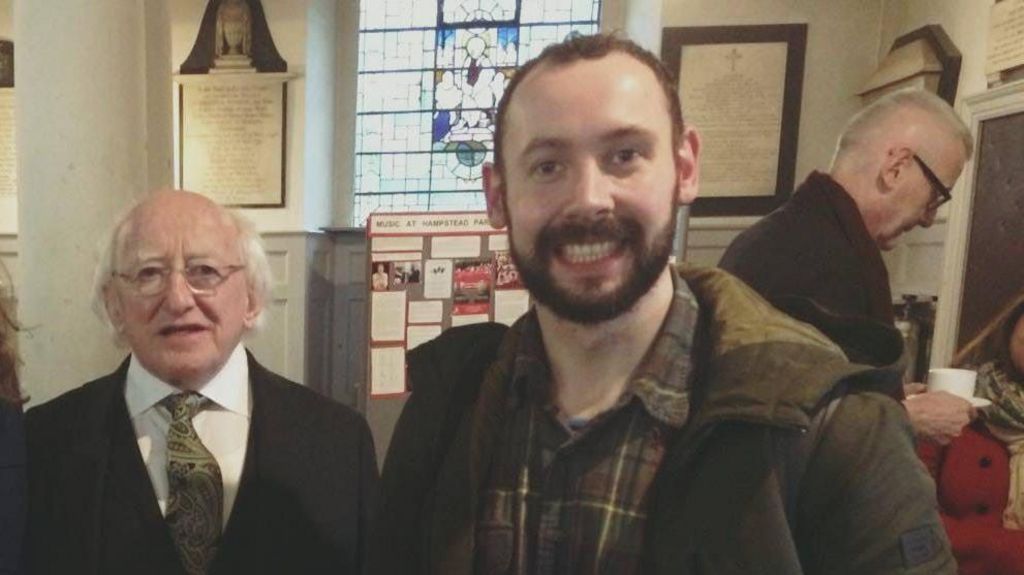
‘Strange’ being an Irish citizen who can’t vote in presidential election
As the Republic of Ireland prepares to elect its next president on Friday, the issue of voting rights for Irish citizens living abroad or in Northern Ireland has come to the forefront. Currently, only citizens residing within the Republic are eligible to vote, with exceptions for Defence Forces personnel and diplomatic staff serving overseas. This restriction has sparked criticism from many, including Alan Flanagan, a County Longford native now living in London, who described the system as ‘strange’ and called for reform. Flanagan, who has been actively involved in campaigning for voting rights through the group Votes for Irish Citizens Abroad (VICA), emphasized that the Irish president ‘represents Irish people all over the world.’ He argued that extending voting rights to those in Northern Ireland is a ‘no brainer’ and urged the government to act swiftly. The debate dates back to 2013, when a constitutional convention recommended extending presidential voting rights to citizens outside the Republic. Despite widespread political support, including from the ruling parties Fianna Fáil and Fine Gael, a 2019 referendum on the issue was postponed, and no new date has been set. Amy Donohoe, a journalist from County Cavan now living in Boston, expressed frustration at being unable to vote, stating, ‘It would be nice to use my vote.’ Meanwhile, Patricia Stephenson, a member of the Seanad, highlighted the emotional and financial burden faced by citizens who had to return to Ireland to vote in past referendums on marriage equality and abortion access. Former government minister Mary Hanafin also voiced support for extending voting rights but stressed the need for better groundwork to foster relations and communication. The election features two main candidates: Catherine Connolly, an independent backed by left-wing parties, and Heather Humphreys of Fine Gael. Both candidates have expressed support for extending voting rights to citizens in Northern Ireland. As the debate continues, the question remains whether Ireland will take steps to ensure its diaspora and Northern Irish citizens have a say in choosing their president.
-
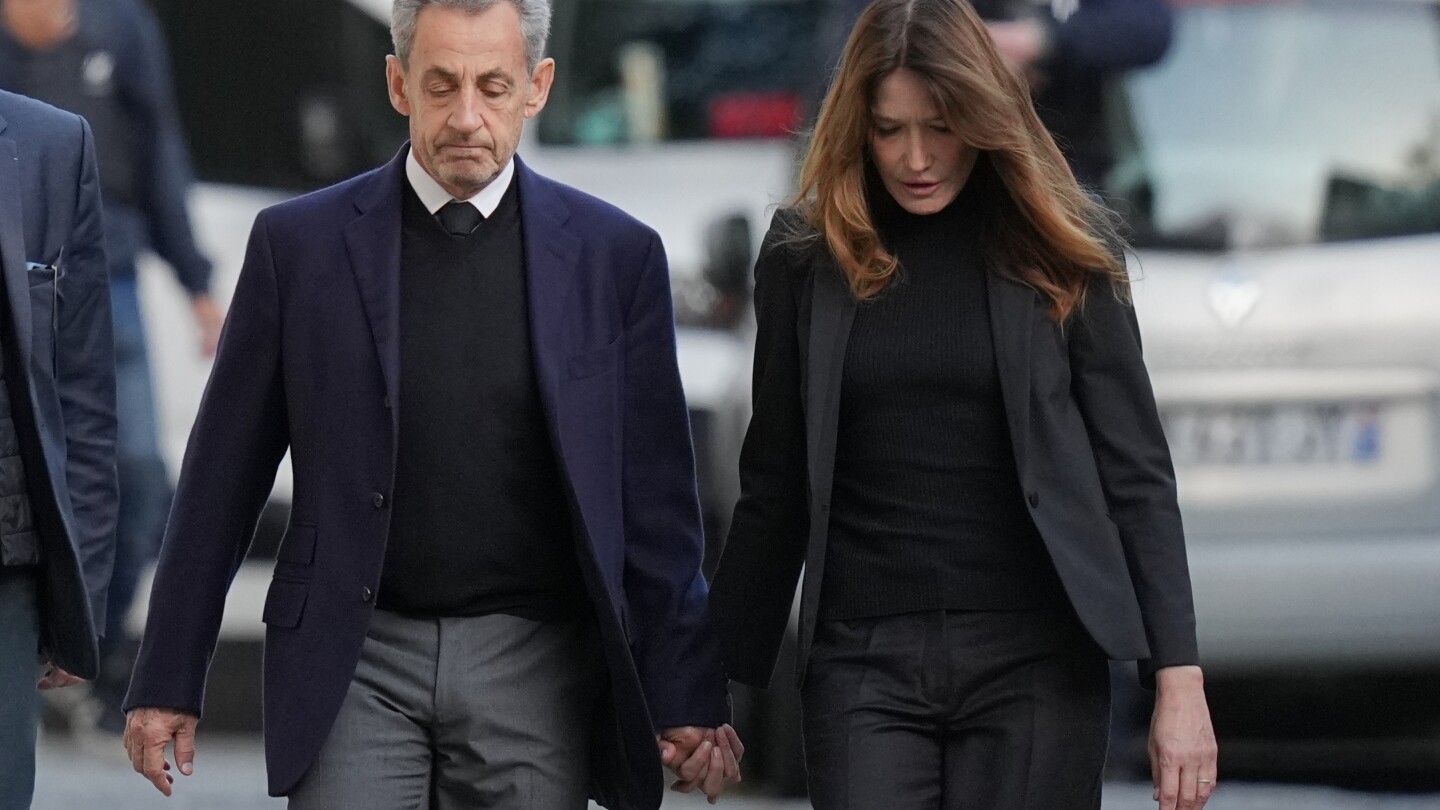
Former French president Sarkozy begins a 5-year prison sentence for campaign finance conspiracy
Former French President Nicolas Sarkozy commenced a five-year prison sentence on Tuesday, marking a historic moment as he became the first ex-leader of modern France to be incarcerated. Sarkozy was convicted last month for criminal conspiracy related to the illegal financing of his 2007 presidential campaign using funds from Libya. Accompanied by his wife, Carla Bruni-Sarkozy, he left his Paris residence and entered a police vehicle en route to La Santé prison, a notorious facility in the French capital. In a statement shared on social media, Sarkozy declared, “An innocent man is being locked up,” maintaining his innocence and vowing to fight the conviction. His legal team has already filed a request for his release pending appeal. Sarkozy’s journey from the presidential Elysée Palace to prison has captivated the nation, sparking both support and controversy. Hundreds of supporters gathered outside his home, chanting his name and singing the French national anthem, while his family, including his children and grandchildren, stood by his side. Sarkozy’s lawyers revealed that he will be held in solitary confinement for security reasons, a decision that has drawn criticism. Despite the challenges, Sarkozy remains resolute, stating, “I’ll hold my head high, including in front of the doors of La Santé.” He plans to write a book about his prison experience and has prepared a bag with essentials, including family photos and three books, notably Alexandre Dumas’ “The Count of Monte Cristo.” The Paris judge’s decision to enforce the sentence before the appeal hearing underscores the gravity of the offense. Sarkozy’s case continues to stir debate about justice, political accountability, and the independence of the judiciary in France.
-
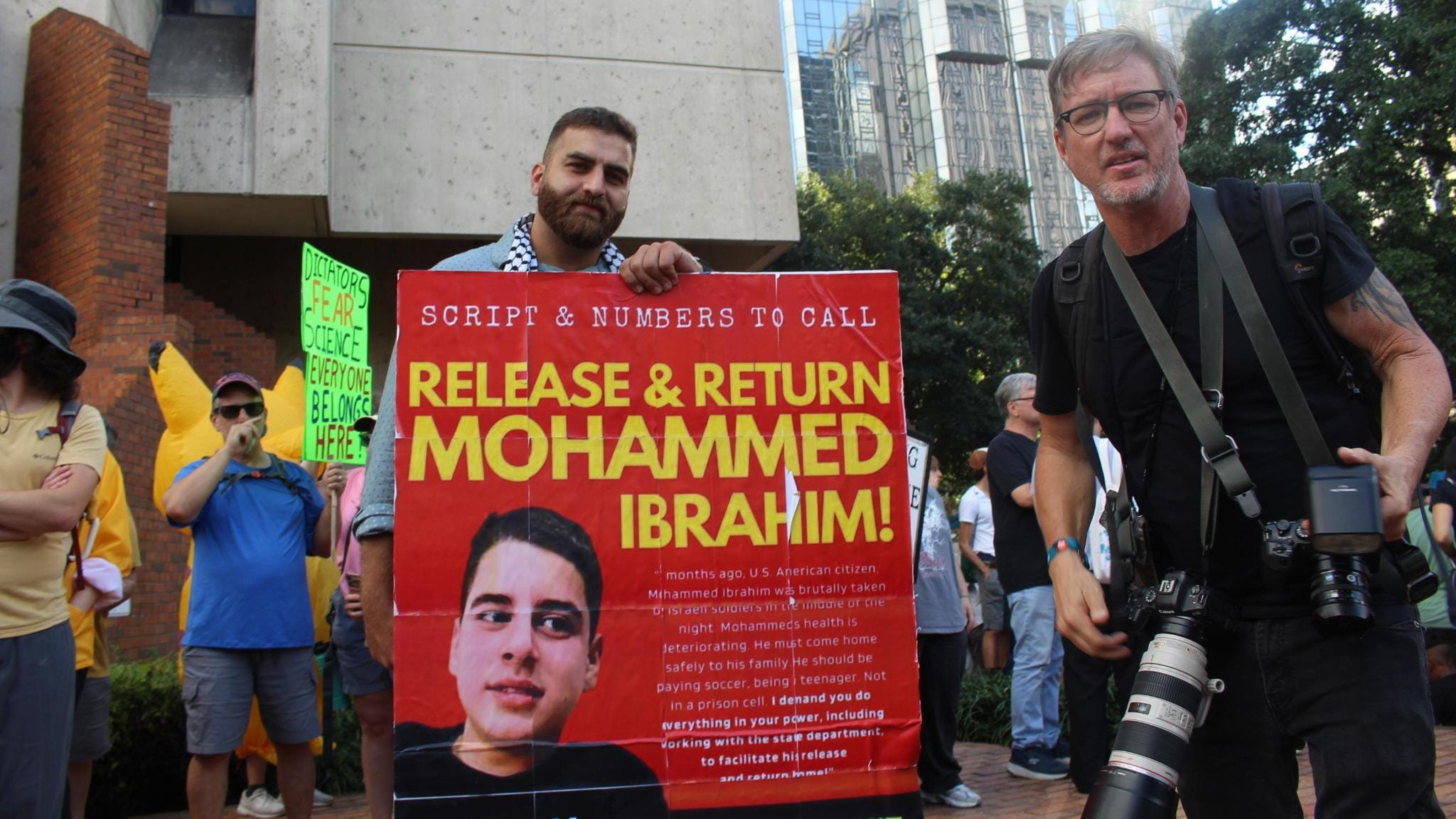
US coalition calls for immediate release of American teenager detained by Israel
A nationwide coalition in the United States is intensifying efforts to secure the release of Mohammed Ibrahim, a 16-year-old American from Tampa, Florida, who has been detained by the Israeli military since February. The coalition, composed of diverse activists, distributed over 2,000 flyers during the ‘No King’ protests across six US states last Saturday, urging citizens to contact their representatives and demand Mohammed’s freedom. The group has been actively raising awareness about his case and lobbying congressional representatives, including sending a letter to Secretary of State Marco Rubio in August. Mohammed was forcibly taken from his family home in the occupied West Bank in the middle of the night, accused of throwing rocks at a car—a charge he denies. He is currently held without trial at the notorious Ofer military prison, where he has reportedly lost a quarter of his body weight due to inadequate food and is allowed only ten minutes of outdoor time daily. The coalition highlighted his deteriorating health, including a scabies infection that has prevented visitors, and expressed frustration that he was not included in the recent release of nearly 2,000 Palestinian detainees as part of a Gaza ceasefire deal. Congresswoman Ayanna Pressley recently called for his release on social media, emphasizing the urgency of the situation. Mohammed’s family, who has a court date set for October 29, hopes for US government intervention to secure his release. The US State Department has yet to respond to requests for comment, citing potential delays due to the government shutdown.
-

Saudi crown prince to visit US seeking similar defence pact to Qatar: Report
Saudi Arabia’s Crown Prince Mohammed bin Salman is set to visit the White House next month for a high-profile meeting with former US President Donald Trump. This marks their second encounter since 2018, with reports suggesting the Crown Prince aims to secure a defense pact similar to the executive order Trump signed with Qatar following Israel’s recent attack on Doha. Qatar, home to the largest US military base in the Middle East, has had a complex relationship with Saudi Arabia, including a Saudi-led blockade from 2017 to 2021, which underscored regional ideological divides. Saudi Arabia itself hosts three US air force bases, primarily near the Red Sea, and seeks enhanced military and intelligence cooperation amid ongoing regional instability. The Financial Times highlights the significance of this meeting, noting Saudi Arabia’s confidence in Trump as a willing partner. Trump’s administration has consistently supported Saudi Arabia, avoiding criticism of its human rights record and fostering deep financial ties through his son-in-law, Jared Kushner, whose investment firm recently collaborated with Saudi Arabia’s Public Investment Fund. This visit contrasts sharply with the Biden administration’s strained relations with the Crown Prince, who was once viewed as a pariah but later hosted Biden in Riyadh to discuss global oil supply. Despite efforts to include Saudi Arabia in the Abraham Accords, normalization talks with Israel stalled after the October 2023 Hamas-led attacks and subsequent Gaza conflict. While a fragile ceasefire is in place, Israel’s controversial actions in Gaza and its regional bombings make immediate progress on the Accords unlikely. The Crown Prince’s 2018 visit was marked by widespread acclaim and significant investments in US startups and corporations, positioning him as a modernizing force for Saudi Arabia. However, his reputation was tarnished by the widely condemned killing of journalist Jamal Khashoggi in 2018, an incident many believe was ordered by the Crown Prince.