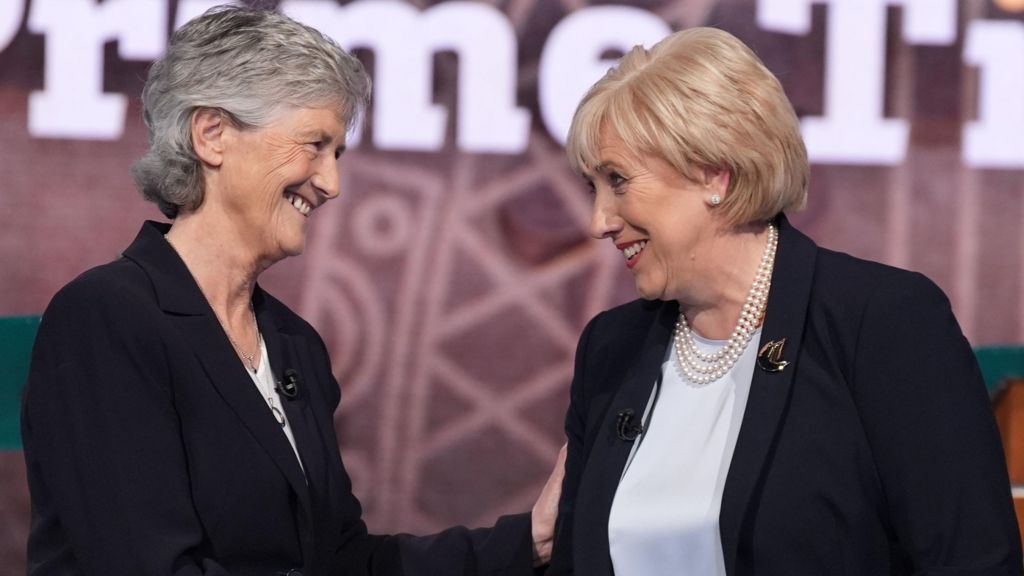
In the final televised debate of the Irish presidential campaign, candidates Heather Humphreys and Catherine Connolly faced off on RTÉ, addressing allegations of a smear campaign and key policy issues. Humphreys, backed by Fine Gael, denied accusations that her campaign had targeted Connolly’s past work as a barrister. Connolly, an independent candidate supported by left-wing parties including Sinn Féin, defended her legal career, stating that recent criticisms had ‘absolutely no basis.’ She emphasized her adherence to client confidentiality and the ‘cab rank’ rule, which obligates barristers to accept cases within their expertise. The Bar of Ireland supported this principle, affirming it as a professional duty. Connolly also addressed her stance on foreign policy, particularly regarding Gaza, and her willingness to engage with international leaders, including US President Donald Trump. Meanwhile, Humphreys expressed regret over her role in the government during the pandemic, which imposed strict restrictions preventing families from being with dying loved ones. The debate highlighted the candidates’ contrasting approaches to domestic and international issues as Ireland prepares to elect its 10th president on Friday.
分类: politics
-
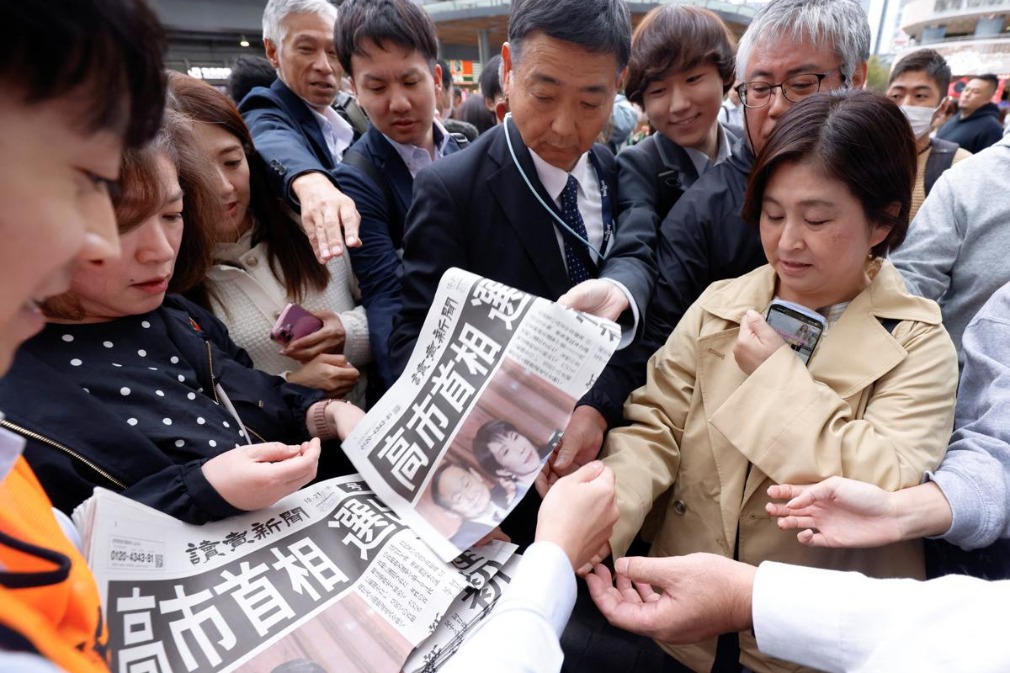
Takaichi elected Japan’s first female PM, unveils cabinet lineup
In a historic moment for Japan, Sanae Takaichi has been elected as the nation’s first female prime minister, marking a significant milestone in the country’s political landscape. The election, held on Tuesday, saw Takaichi secure victory in both houses of the Diet, Japan’s parliament, with a decisive majority. Her win comes at a critical juncture for Japan, which has been grappling with political scandals and economic challenges. Takaichi, the president of the ruling Liberal Democratic Party (LDP), garnered 237 votes in the lower house, surpassing her opponent, Yoshihiko Noda of the opposition Constitutional Democratic Party, who secured 149 votes. In the upper house, Takaichi led with 123 votes, triggering a runoff where she ultimately emerged victorious. This dual triumph officially named her Japan’s 104th prime minister. Takaichi’s cabinet lineup, unveiled shortly after her election, aims to foster party unity and ensure policy stability. Key appointments include Minoru Kihara as chief cabinet secretary, Yoshimasa Hayashi as internal affairs minister, Shinjiro Koizumi as defense minister, and Toshimitsu Motegi as foreign minister. Takaichi, a 64-year-old ultraconservative politician, assumed the LDP presidency earlier this month, succeeding Shigeru Ishiba, who resigned following the party’s consecutive electoral defeats. Her administration will lead a minority government in coalition with the Japan Innovation Party (JIP), a partnership expected to focus on reviving Japan’s economy and creating a self-sustaining nation. While some opposition leaders have congratulated Takaichi, others have criticized her administration for shelving key policies. The political landscape remains tense as the new government prepares to address Japan’s pressing economic and social issues.
-
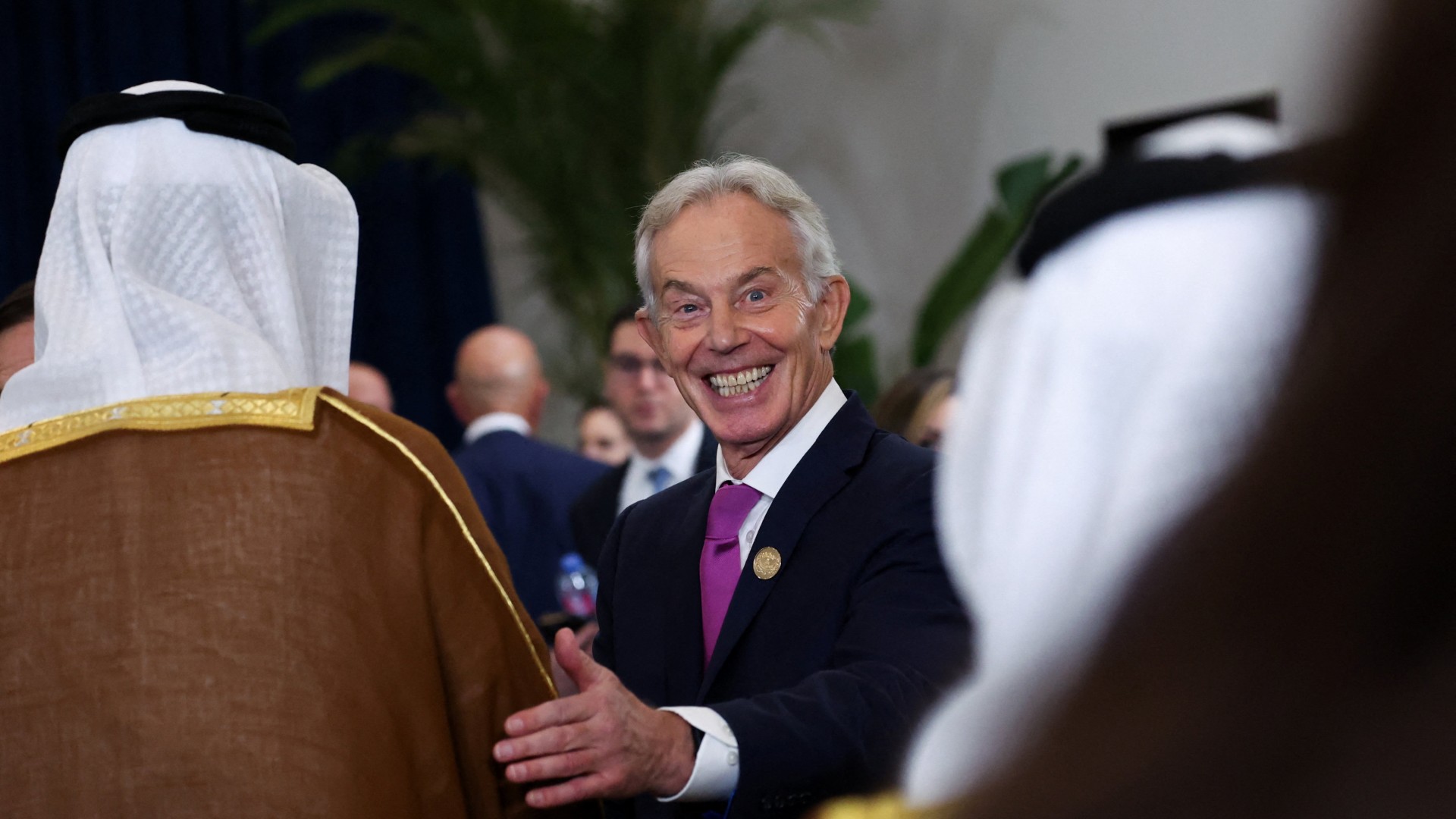
Egypt backs Tony Blair to oversee Gaza as ‘modern-day high commissioner’
As the Gaza ceasefire took effect, former British Prime Minister Tony Blair’s potential involvement in the region’s future has become a topic of heated debate. U.S. President Donald Trump, en route to the Middle East, commented on Blair’s possible role, stating, ‘I like Tony, I have always liked Tony. But I want to find out that he is an acceptable choice to everybody.’ Blair’s controversial history in the Middle East, particularly his role in the Iraq War, has cast a shadow over his candidacy, with many in the Arab world expressing skepticism and even disdain. However, Blair’s warm reception by Egyptian President Abdel-Fattah el-Sisi at the Sharm el-Sheikh summit suggests strong support from Cairo. Since leaving office, Blair and his Tony Blair Institute (TBI) have advised several governments, including Egypt, the UAE, and Saudi Arabia. A source within the Egyptian presidency revealed that Blair has provided extensive consultations to Sisi, focusing on countering political Islam, economic strategies, and government image management. Despite TBI’s denial of any formal advisory role in Egypt, the source confirmed that Blair’s influence has been significant. Blair’s ideological alignment with Sisi, particularly their shared opposition to political Islam, positions him as a pragmatic choice for leading Gaza’s transitional administration. The proposed Gaza International Transitional Authority (GITA) is expected to be headquartered in Egypt’s Sinai Peninsula, underscoring Cairo’s strategic role in the region’s reconstruction. As Blair’s re-emergence in Middle Eastern politics continues to stir debate, his potential leadership in Gaza remains a contentious yet pivotal issue.
-
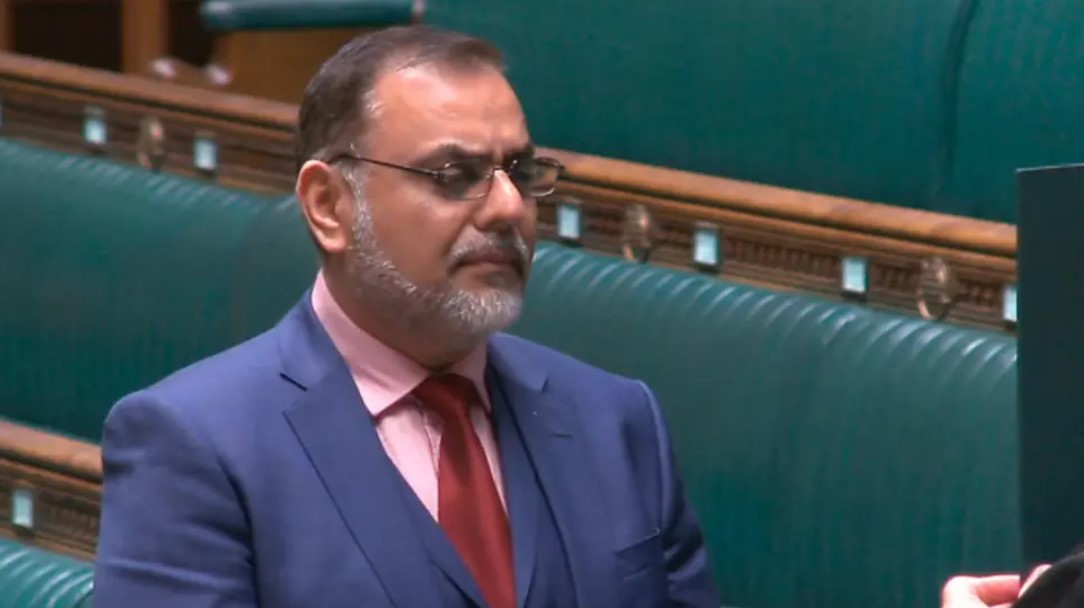
Ayoub Khan on Maccabi Tel Aviv ban: ‘False smears put my family in danger’
Independent MP Ayoub Khan has expressed grave concerns over the safety of his family following what he describes as false accusations by politicians regarding his support for a ban on Maccabi Tel Aviv fans. Khan, a key advocate for the West Midlands Police’s decision to bar fans of the Israeli club from attending a November 6 match against Aston Villa in Birmingham, has faced significant backlash from across the political spectrum. Despite a YouGov poll indicating substantial public support for the ban, Khan has been subjected to what he calls ‘vile’ and ‘upsetting’ attacks, particularly targeting his family. In the House of Commons, Culture Secretary Lisa Nandy falsely claimed that the ban ‘chooses exclusion’ of Jews, a statement Khan vehemently denounced as a ‘deliberate, disingenuous move’ to conflate policing issues with religion. Khan emphasized that his stance is rooted in concerns over safety and equality, not in any form of discrimination. He pointed to the well-documented history of violence and racism among Maccabi Tel Aviv’s fan base as justification for the ban. Khan’s position has garnered support from various political figures, including Jeremy Corbyn and members of the Green Party and Scottish National Party. However, Muslim independent MPs have been particularly targeted with accusations of ‘sectarianism’ and antisemitism. Khan and his colleagues have called for more measured language and a focus on the safety concerns that prompted the ban. The controversy has sparked a broader debate about the role of political and media figures in shaping public discourse and the potential threats to democratic processes. Maccabi Tel Aviv has since announced it will not sell tickets to its fans for the Birmingham match, citing the ongoing safety concerns.
-
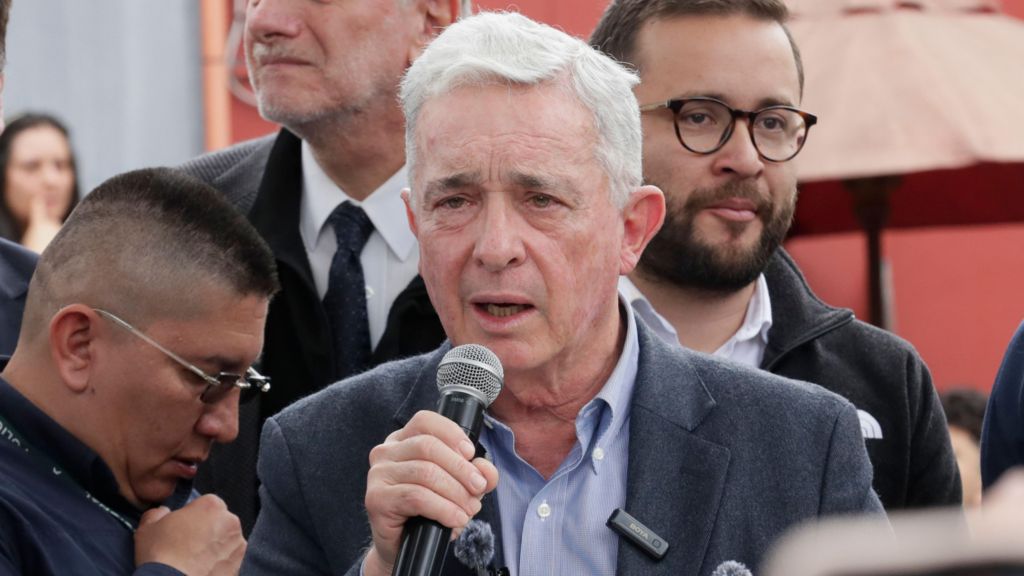
Colombian court overturns former president’s conviction
In a dramatic turn of events, Colombia’s former President Alvaro Uribe has been exonerated of fraud and bribery charges that previously led to a 12-year house arrest sentence. The convictions, which were overturned by the Superior Court in Bogotá, had marked Uribe as the first Colombian leader to face criminal conviction. The case centered on allegations that Uribe directed his lawyer to bribe imprisoned paramilitaries to refute claims of his association with their organizations. Uribe, who served as president from 2002 to 2010, has consistently denied any wrongdoing. Known for his aggressive stance against left-wing Farc rebels, Uribe remains a significant political figure in Colombia. The court’s 700-page decision highlighted the lack of credibility in the testimony of former paramilitary commander Luis Carlos Velez, who accused Uribe’s lawyer of bribery. Additionally, the court ruled that some wiretaps used in the investigation were obtained illegally. The ruling, which can still be appealed by those classified as victims, has sparked controversy. Current President Gustavo Petro, Colombia’s first left-wing leader, criticized the decision, alleging it obscures the history of paramilitary governance and political alliances with drug trafficking. Paramilitary groups, which emerged in the 1980s to combat Marxist guerrillas, have been implicated in numerous atrocities, including massacres and disappearances. Similarly, left-wing guerrilla groups have also been accused of violence against civilians. The case underscores the complex and contentious history of Colombia’s armed conflicts and political landscape.
-
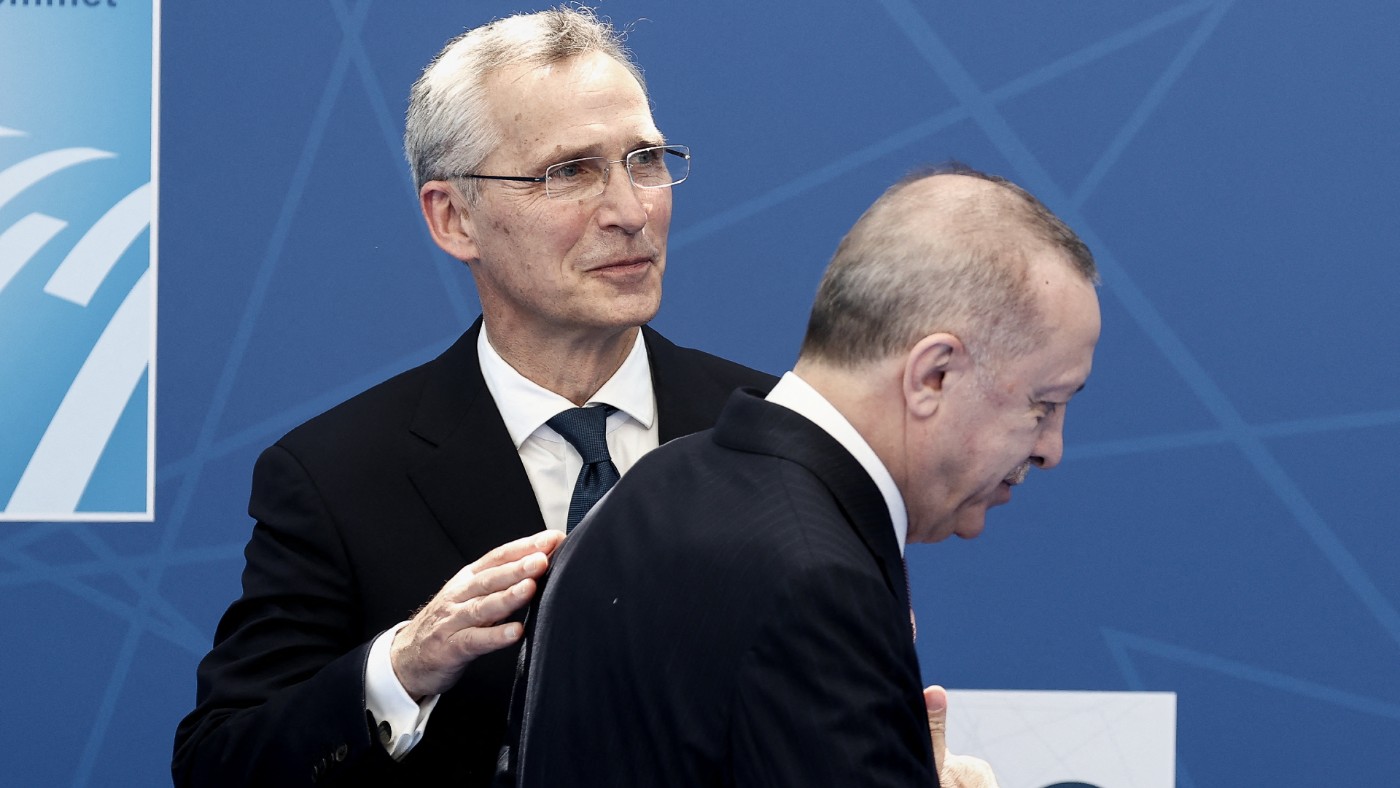
Corn, canapes and shouting matches: How Erdogan and Stoltenberg’s bromance saved Nato
In his newly released memoir, *On My Watch: Leading NATO in a Time of War*, former NATO Secretary-General Jens Stoltenberg offers a candid account of his decade-long tenure (2014–2024) at the helm of the alliance. The book delves into the intricate and often contentious relationship between NATO and Turkey, highlighting pivotal moments such as the downing of a Russian jet in 2015, Turkey’s military incursions into Syria, and the alliance’s enlargement debates. Stoltenberg, now Norway’s finance minister, underscores Turkey’s strategic importance to NATO while revealing deep internal divisions within the alliance during crises. The memoir also sheds light on NATO’s response to Russia’s invasion of Ukraine and the challenges of managing relationships with key leaders, including Turkish President Recep Tayyip Erdogan and French President Emmanuel Macron. Stoltenberg’s narrative provides a behind-the-scenes look at high-stakes diplomacy, policy disagreements, and the delicate balance of power within NATO. The book is a testament to the complexities of international leadership during a period of unprecedented global instability.
-
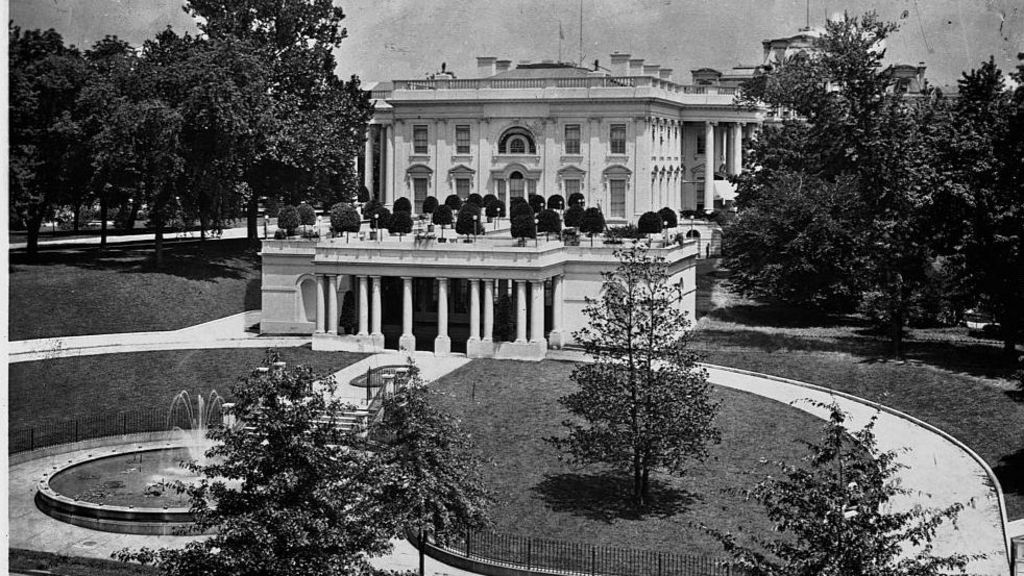
From bowling alley to ballroom – Trump isn’t the first to remodel the White House
The White House, a symbol of American leadership, has undergone numerous transformations over the centuries, each reflecting the tastes and needs of its occupants. The latest renovation includes paving the Rose Garden lawn with stone tiles, adding ‘Trump touches’ to the Oval Office, and constructing a new ballroom by demolishing the East Wing facade. This is not the first time the White House has seen such changes. In 1902, President Theodore Roosevelt initiated a major renovation, replacing Victorian-era conservatories with the West Wing, despite some congressional opposition over the $65,000 cost. In 1933, an indoor pool was built for President Franklin D. Roosevelt, who suffered from polio, though it has since been covered. The most extensive renovation occurred during President Harry Truman’s tenure from 1948 to 1952, which included adding a bowling alley and a balcony. First Lady Jacqueline Kennedy led a $2 million restoration in the 1960s, featuring a televised tour of the White House. More recently, President Barack Obama, an avid basketball fan, converted a tennis court into a dual-purpose court and added a rug with a Martin Luther King Jr. quote. These renovations highlight the evolving nature of the White House, blending tradition with modern needs.
-
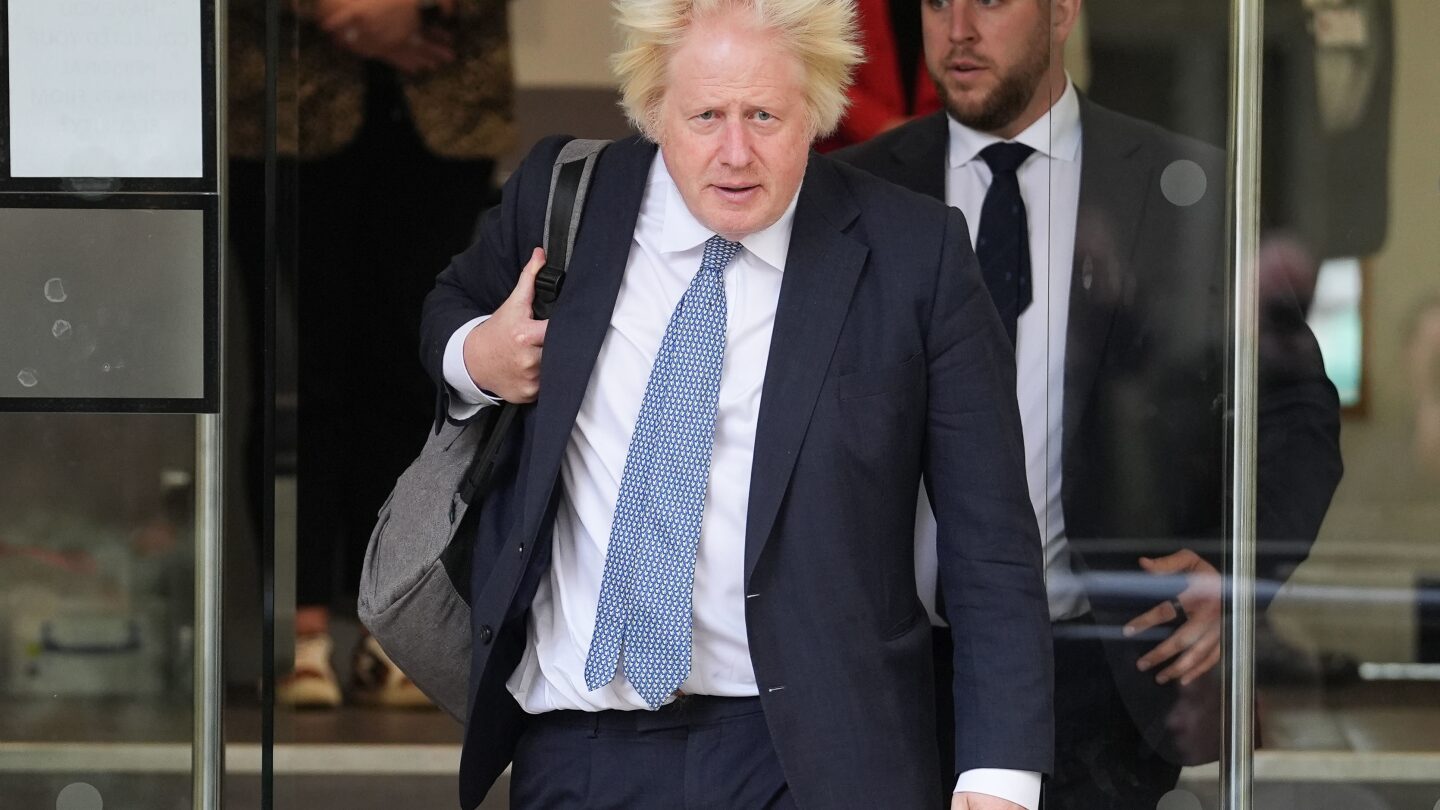
Boris Johnson denies UK failure in planning COVID school closures but apologizes for mistakes
Former British Prime Minister Boris Johnson faced intense scrutiny on Tuesday as he testified before the U.K. Covid-19 Inquiry, defending his government’s handling of school closures during the pandemic. Johnson acknowledged the “horror” of the situation but denied claims of inadequate preparation, insisting that his Education Department had considered the possibility of closures as early as February 2020. However, former Education Secretary Gavin Williamson revealed that he was given just one night to devise a plan for shutting schools in March 2020, describing the process as abrupt and “discombobulating.” Johnson expressed regret for the government’s mistakes, particularly the impact on children, whom he said paid a “huge price” to protect society. The inquiry, which is expected to continue until 2027, has drawn criticism from bereaved families and advocacy groups, with protesters accusing Johnson of failing to act decisively. Save the Children UK’s Dan Paskins emphasized that the rushed decisions had lasting consequences, stating that “no amount of regret will undo the harm that has been done.”
-
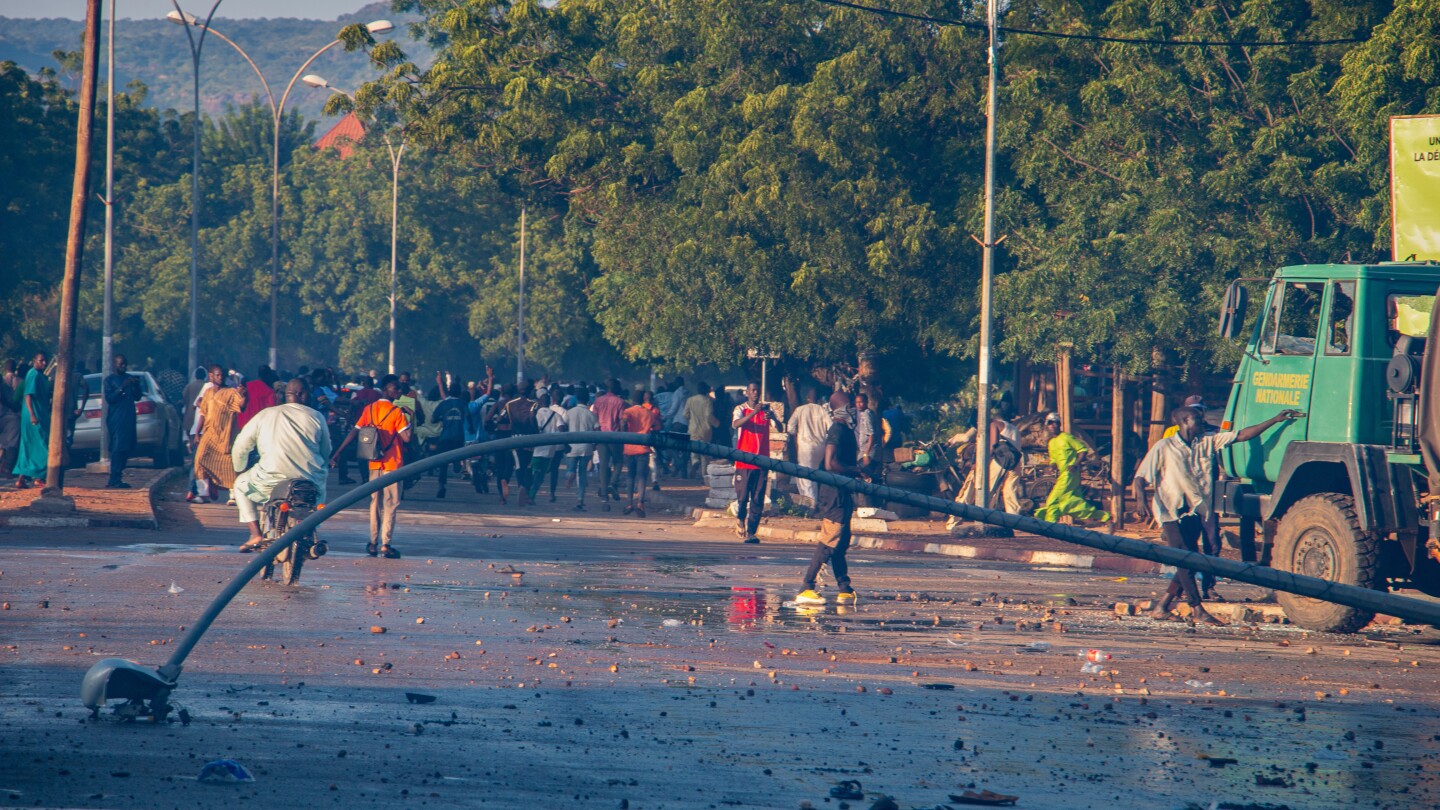
Cameroon arrests at least 20 protesters as tensions escalate after presidential election
Cameroon is facing heightened political tensions following the October 12 presidential election, with at least 20 individuals arrested in connection with protests against alleged electoral irregularities. Authorities confirmed the arrests on Tuesday, as the nation awaits the official proclamation of results expected later this week. Paul Atanga Nji, Cameroon’s Minister of Territorial Administration, stated that the protesters, detained in the northern city of Garoua, will face military courts on charges of insurrection and incitement to rebellion. Others involved in criminal activities have been transferred to Yaounde for further investigation. Nji accused political actors of manipulating the arrested individuals, emphasizing the government’s concern over acts of provocation and disorder. Opposition candidate Issa Tchiroma Bakary, who claimed victory last week, has urged President Paul Biya, 92, to concede. Biya’s party has dismissed Tchiroma’s claims, accusing him of attempting to disrupt the electoral process. The Constitutional Council is set to announce the final results by October 26. Analysts predict a victory for Biya, citing a divided opposition and the disqualification of his strongest rival in August. Post-election protests have erupted in several cities, fueled by allegations of fraud, including vote tampering and ballot stuffing. Civil society groups and the National Episcopal Conference of Cameroon have reported irregularities such as the relocation of polling stations and outdated electoral registers containing names of deceased individuals. Tchiroma has published results from 18 administrative units on his Facebook page, claiming they represent 80% of the electorate and confirm his victory. His posts have drawn both support and skepticism. Tchiroma, a former government spokesperson under Biya, has garnered significant backing from opposition parties and civic groups. Biya, in power since 1982, has presided over a nation grappling with a secessionist movement in the west and systemic corruption, despite its rich natural resources.
-
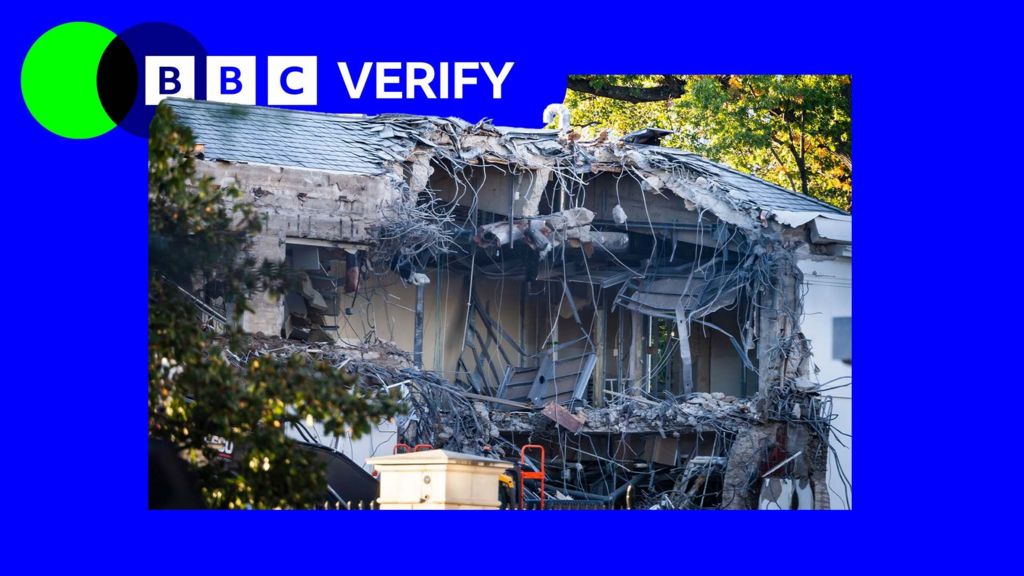
Is Trump allowed to demolish part of the White House to build a ballroom?
The White House, an iconic symbol of American history and governance, is undergoing significant structural changes as demolition work commences to accommodate President Trump’s ambitious plan to construct a new ballroom. This development has ignited a heated debate among architectural preservationists, political analysts, and the general public. Critics argue that altering the historic fabric of the White House could undermine its cultural and historical significance, while supporters view the project as a modernization effort reflecting the current administration’s vision. The legality of such modifications remains a contentious issue, with experts questioning whether the President has the authority to authorize such extensive changes to a federally protected landmark. The project’s implications extend beyond architecture, touching on themes of presidential power, historical preservation, and the evolving identity of the nation’s most famous residence.