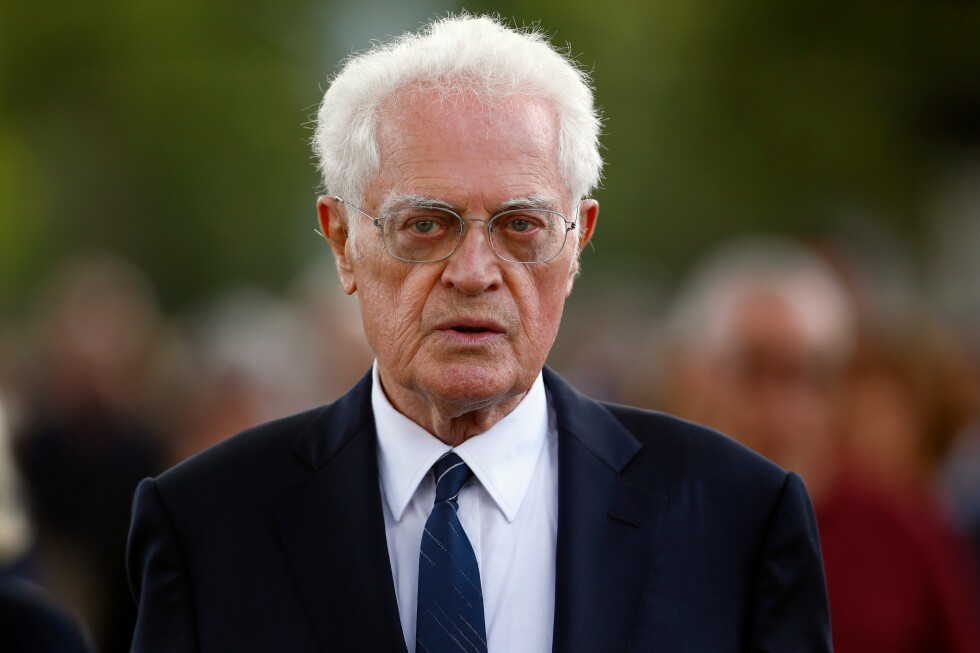
Lionel Jospin, the former French Prime Minister whose political career encompassed both transformative social reforms and a dramatic electoral defeat, has passed away at age 88. His death was confirmed by current Prime Minister Sébastien Lecornu via social media, following an initial report from Agence France-Presse citing family sources.
Jospin’s political legacy remains defined by his 1997-2002 tenure as Prime Minister during France’s unique ‘cohabitation’ government, where he led a left-wing administration under conservative President Jacques Chirac. During this period, he implemented groundbreaking legislation including the 35-hour work week, civil unions for both LGBTQ+ and heterosexual couples, and the parity law mandating equal gender representation in electoral candidates.
A former economics professor with distinctive white curls and thick-rimmed glasses, Jospin brought intellectual rigor and moral integrity to French politics. His leadership helped restore the Socialist Party’s credibility following corruption scandals that had devastated the party in the early 1990s. Unlike many contemporaries, Jospin maintained an untainted reputation throughout his career.
His political journey ended abruptly with the shocking 2002 presidential election, where he finished third behind far-right leader Jean-Marie Le Pen by approximately 200,000 votes. This defeat, which sent Le Pen into the runoff against Chirac, prompted Jospin’s immediate withdrawal from public life.
Born July 12, 1937, Jospin’s worldview was shaped by his Protestant upbringing and childhood experiences in Nazi-occupied Paris, where he developed what he described as ‘a certain horror of talkativeness.’ A graduate of the prestigious École Nationale d’Administration, he initially associated with Trotskyist groups before joining the Socialist Party, maintaining throughout his career his signature philosophy: ‘Yes to the market economy, no to a market society.’