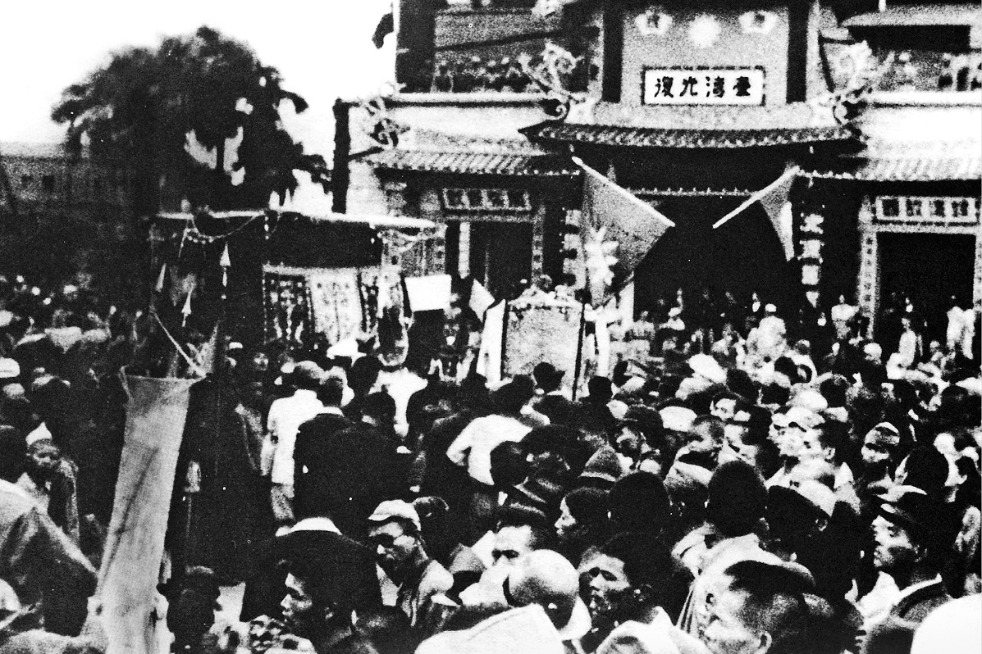
A significant exhibition is currently underway, chronicling the historical efforts of Taiwan compatriots to reunite with the Chinese mainland. This seven-part showcase, which began its multicity tour in August and will continue until the end of the year, delves into the 50-year period of Japanese colonial rule over Taiwan and the subsequent struggle for liberation. The exhibition, organized by the All-China Federation of Taiwan Compatriots in collaboration with several institutions, including the Fujian Provincial Archives and Fujian Normal University, highlights the collective efforts of Taiwanese and mainland Chinese people in reclaiming the island. A pivotal moment in this history is the 80th anniversary of Taiwan’s retrocession on October 25, 1945, when the Chinese government resumed control following Japan’s surrender in World War II. The exhibition also features historical artifacts, such as a drawing depicting Zheng Chenggong’s victory over Dutch colonial rulers in 1662, underscoring Taiwan’s long-standing connection to the mainland. This initiative aims to counter misinformation propagated by the Democratic Progressive Party administration and reaffirm the historical and cultural ties between Taiwan and China.
分类: politics
-
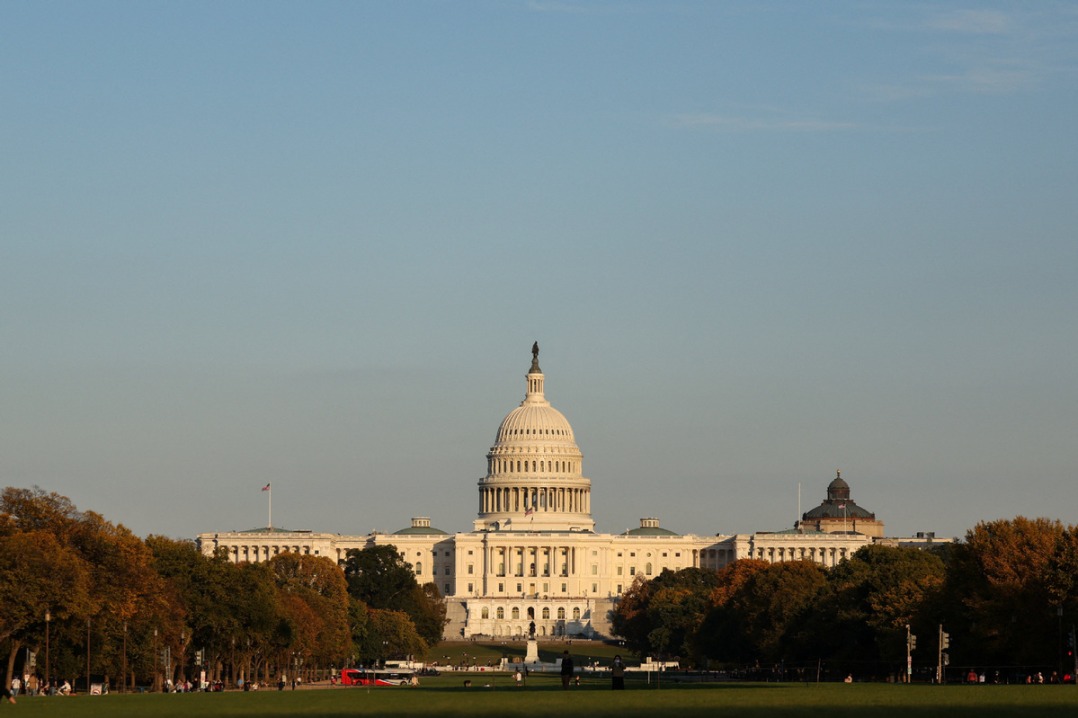
Government shutdown reaching historic record
The United States is grappling with its longest full government shutdown in history, now entering its third week with no resolution in sight. The shutdown, which began on October 1, 2025, has surpassed previous records, becoming the third-longest in US history. If it continues beyond Tuesday, it will surpass the 21-day shutdown of 1995, positioning it as the second-longest shutdown ever. The longest shutdown remains the 35-day partial closure during Donald Trump’s first term from December 2018 to January 2019.
The repercussions of the shutdown are intensifying, affecting critical sectors across the nation. The National Nuclear Security Administration (NNSA), a key agency under the Department of Energy responsible for overseeing the US nuclear stockpile, has begun furloughing employees. Energy Secretary Chris Wright confirmed that up to 1,400 workers could be furloughed, with only 400 federal employees and contractors remaining on duty. The NNSA also plays a crucial role in managing nuclear materials globally, raising concerns about international security.
In the health sector, researchers from the Centers for Disease Control and Prevention (CDC) were forced to skip IDWeek, the largest annual gathering of infectious disease experts. This comes at a critical time, following recent surges in measles and whooping cough across the US. The CDC, which typically sends numerous researchers to such events, had only a handful of scientists listed as speakers, none of whom attended due to the shutdown.
The cultural and tourism sectors are also feeling the strain. Major attractions like the Smithsonian Institution museums and the National Zoo have closed their doors to the public. The US Travel Association estimates that the travel economy is losing $1 billion weekly as visitors cancel trips to national parks, historic sites, and Washington, DC. Additionally, the Small Business Administration has halted its loan programs, affecting 1,600 small businesses that rely on approximately $860 million in weekly funding.
The Federal Aviation Administration (FAA) has reported air traffic controller shortages, leading to flight delays in major cities such as Nashville, Dallas, and Newark. The shutdown has also disrupted flood insurance policy issuances and renewals, delaying mortgage closings and real estate transactions.
Public opinion remains divided on who is to blame for the impasse. According to a poll by The Associated Press-NORC Center for Public Affairs Research, roughly 60% of US adults hold Republicans in Congress responsible, while 54% attribute the shutdown to Democrats.
The economic impact is significant, with Oxford Economics estimating that the shutdown reduces economic growth by 0.1 to 0.2 percentage points weekly. A prolonged shutdown could lead to a 1.2 to 2.4 percentage point reduction in quarterly growth. Major infrastructure projects, including a new rail tunnel beneath the Hudson River and an extension of New York City’s Second Avenue subway, have been put on hold, along with $7.6 billion in grants for clean energy projects across 16 states.
As the shutdown continues, nearly 750,000 of the federal government’s 2.3 million civilian employees are furloughed daily, while others deemed ‘excepted’ continue to work to protect life, property, and essential services. The nation awaits a resolution as the shutdown’s effects ripple through every sector of American life.
-
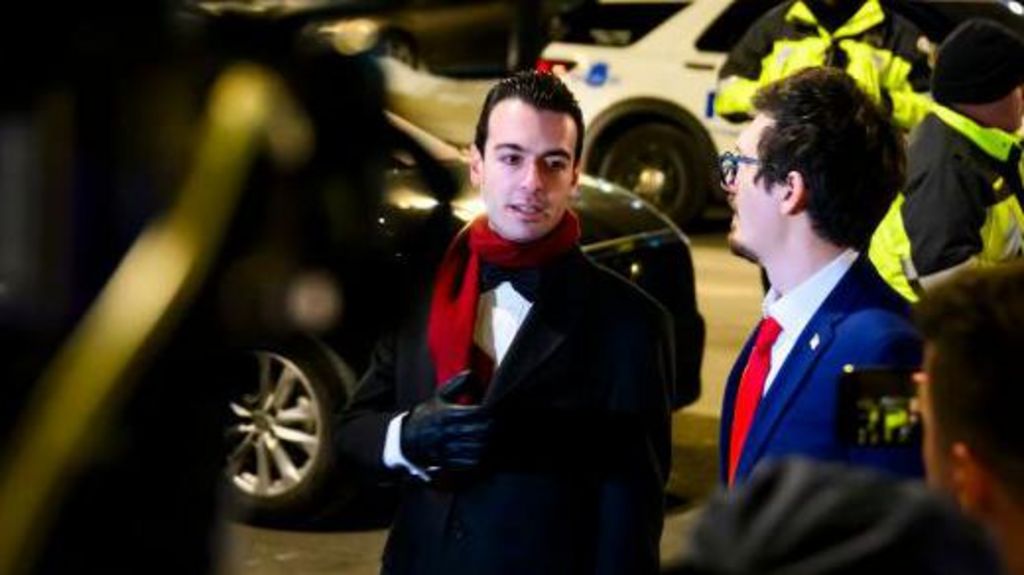
Trump nominee withdraws after offensive texts allegedly emerge
Paul Ingrassia, President Donald Trump’s nominee to lead the Office of Special Counsel (OSC), has withdrawn his candidacy following the revelation of a series of offensive text messages he allegedly sent. Ingrassia, 30, cited insufficient Republican support as the reason for his withdrawal. The controversy erupted after Politico reported that Ingrassia had described himself as having a ‘Nazi streak’ in a group chat. Several Republican senators, including Senate Majority Leader John Thune and Florida Senator Rick Scott, expressed their opposition to his nomination. Ingrassia, a former right-wing podcast host and current White House liaison at the Department of Homeland Security (DHS), stated on X that he would continue to support President Trump’s agenda. His lawyer, Edward Paltzik, suggested the messages could be AI-generated and characterized them as satirical. Senate Democrats, led by Chuck Schumer, condemned the messages as disqualifying. This incident marks the third high-profile withdrawal of a Trump nominee in recent weeks.
-

Pinto Balsemão, ex-Portugal leader and media tycoon, dies at 88
Francisco Pinto Balsemão, a pivotal figure in Portugal’s political and media landscape, passed away at the age of 88. His death was announced late Tuesday by the Portuguese president’s office and Impresa, the media conglomerate he founded. No cause of death was disclosed. Balsemão, a former prime minister, played a crucial role in shaping Portugal’s transition to democracy following the 1974 Carnation Revolution, which ended decades of dictatorship. Born on September 1, 1937, he graduated in law from Lisbon University and served in the Portuguese Air Force before embarking on a distinguished career in politics and media. Balsemão became prime minister in 1981, succeeding Francisco Sá Carneiro, who died in a plane crash. His tenure, marked by political turbulence and coalition tensions, saw significant constitutional reforms aimed at liberalizing the economy. After resigning in 1983, he focused on building Impresa, which became a cornerstone of Portugal’s media industry. His legacy includes founding Expresso, a respected weekly newspaper, and launching S.I.C., the country’s first private television channel. Balsemão’s commitment to freedom of expression and democratic values left an indelible mark on Portugal’s history.
-
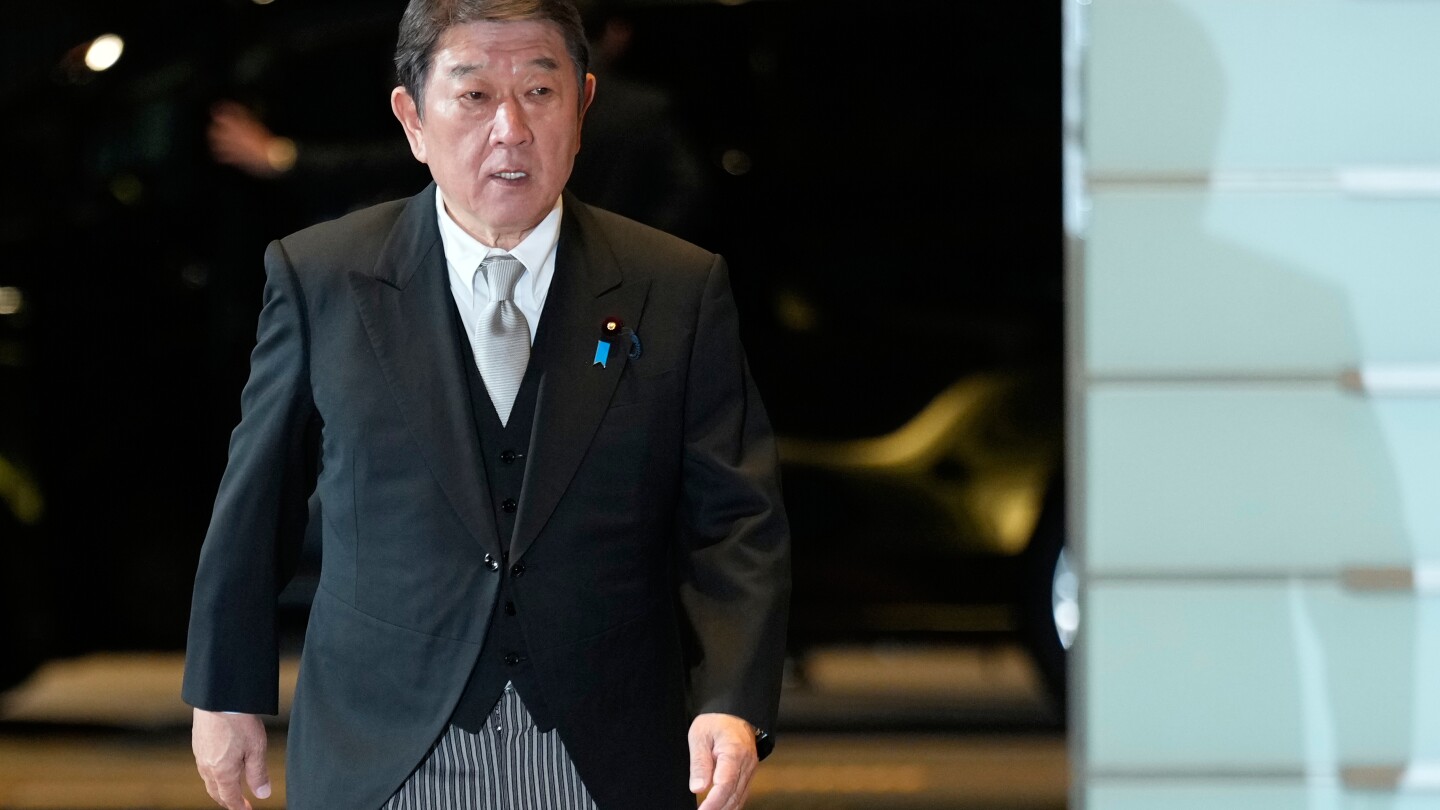
Japan says it plans to tell Trump it will build up military, upgrade security strategy
TOKYO — Japan’s newly appointed Foreign Minister, Toshimitsu Motegi, announced on Wednesday that the nation is poised to demonstrate its commitment to bolstering its defense capabilities in response to evolving warfare dynamics and escalating regional tensions. This strategic move coincides with the upcoming visit of former U.S. President Donald Trump to Tokyo next week. Trump is scheduled to meet with Japan’s Prime Minister Sanae Takaichi on Tuesday, marking their first encounter since Takaichi assumed office as Japan’s first female leader. Takaichi, who recently emerged from internal political disputes, faces immediate diplomatic challenges, including Trump’s visit and participation in two regional summits. Motegi emphasized that Japan is diligently preparing for Trump’s arrival, viewing it as an opportunity to reinforce the Japan-U.S. alliance and foster personal trust between the two leaders. Additionally, Japan aims to enhance cooperation with South Korea, Australia, the Philippines, and maintain stable relations with China. Japan’s ongoing five-year military buildup, which includes doubling its annual defense spending to 2% of GDP and developing long-range missile capabilities, signifies a departure from its postwar pacifist stance. The ruling party’s alliance with the right-wing Japan Innovation Party has sparked concerns about Japan adopting more offensive roles under Takaichi’s leadership. Motegi highlighted the necessity of adapting to modern warfare, such as drone swarms and cyberattacks, while reviewing and communicating Japan’s defense plans to the U.S. Japan anticipates pressure from Trump to increase defense spending to NATO levels, purchase American military equipment, and support U.S. troops stationed in Japan. Motegi stressed that Japan’s defense strategy should be independently determined, focusing on substance rather than spending ratios. He also expressed his intention to meet with U.S. Secretary of State Marco Rubio to strengthen the deterrence and response capabilities of the Japan-U.S. alliance. Motegi, known for his tough negotiation skills during Trump’s first term, is also tasked with implementing the Japan-U.S. tariffs agreement to ensure mutual economic benefits and security.
-
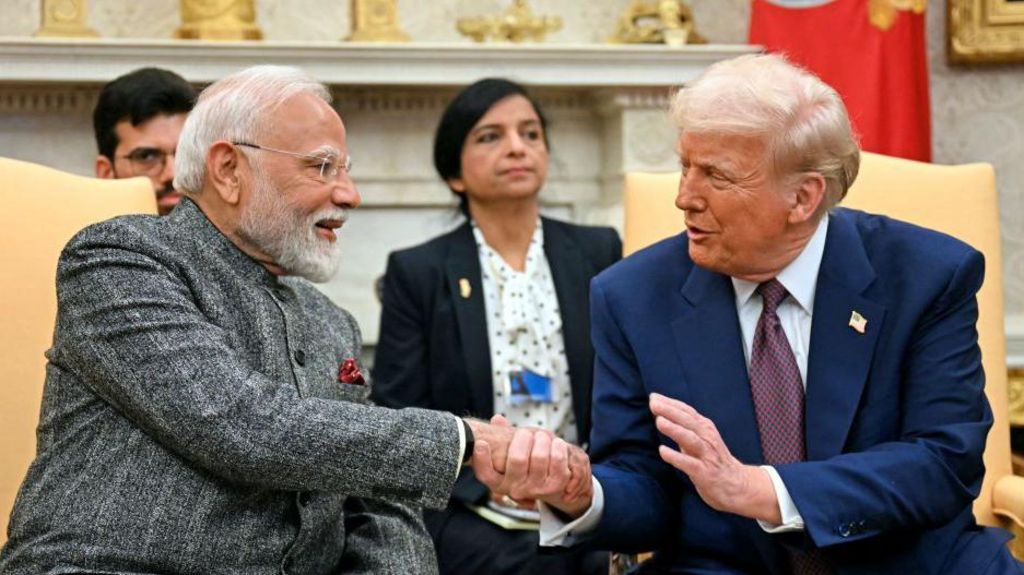
Trump reiterates India will cut Russian oil after Modi call
US President Donald Trump has reiterated that Indian Prime Minister Narendra Modi assured him during a recent phone call that India would significantly reduce its purchases of Russian crude oil. Trump made the statement during the White House Diwali celebrations on Tuesday, emphasizing the strong bilateral relationship between the two nations. He added that Modi shares the desire to see an end to the Russia-Ukraine conflict and has committed to cutting back on Russian oil imports. However, Modi’s social media post acknowledging Trump’s Diwali greetings did not mention any agreement on oil purchases, and the Indian foreign ministry has yet to confirm the details of the conversation. This follows Trump’s earlier claims last week, which were met with skepticism by Indian officials. India has been one of the largest buyers of Russian oil since Western nations imposed sanctions on Moscow following the Ukraine invasion in 2022. Delhi has defended its imports, citing the need for affordable energy to ensure domestic energy security. The US has criticized India’s reliance on Russian oil, accusing it of indirectly funding the war. In response, the Trump administration imposed a 50% tariff on Indian goods, including an additional 25% penalty for purchasing Russian oil. Despite these tensions, recent trade negotiations between the US and India have shown signs of progress, with reports suggesting a potential agreement to gradually reduce India’s Russian oil imports. The Indian government has acknowledged ongoing discussions with the US, emphasizing mutual interest in deepening energy cooperation. As both nations navigate these high-stakes talks, the outcome could significantly impact their economic and diplomatic ties.
-

Last two-horse race in Irish presidential election left winner ‘dumbfounded’
As the Republic of Ireland prepares to elect its 10th president on Friday, the 2023 race bears striking similarities to the historic 1973 election, which saw Erskine Childers emerge as an unexpected victor. This year, voters will choose between Independent TD Catherine Connolly, supported by Sinn Féin and left-wing parties, and Fine Gael’s Heather Humphreys. Notably, Fianna Fáil’s Jim Gavin remains on the ballot but has withdrawn from the campaign, mirroring the dynamics of the 1973 contest.
-
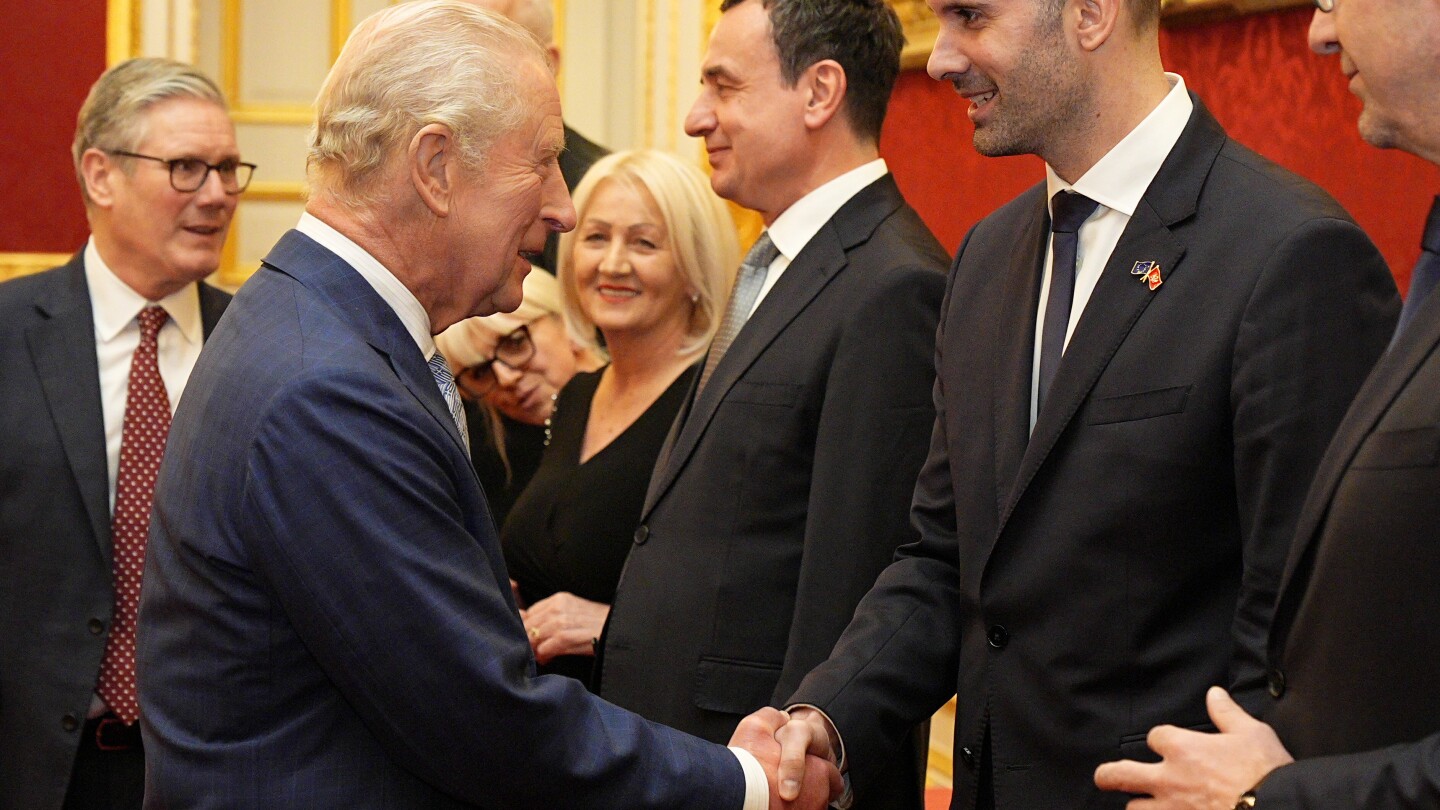
Western Balkans leaders meet in London for talks on migration and security
Leaders from six Western Balkan nations—Albania, Bosnia, Kosovo, Montenegro, North Macedonia, and Serbia—are set to meet with British and European officials in London on Wednesday. The summit, part of the Berlin Process initiated in 2014, aims to address critical issues such as migration, security, and economic growth in a region marked by volatility and Russian influence. Despite Croatia being the only Western Balkan nation to join the EU in 2013, progress for others has stalled, with Serbia and Kosovo particularly at odds over the latter’s independence. The EU’s renewed openness to expansion following Russia’s 2022 invasion of Ukraine has heightened concerns that the conflict could spill over into the Balkans, a region still recovering from its own historical conflicts. The UK, despite its 2020 exit from the EU, is hosting the summit, emphasizing its commitment to curbing unauthorized migration and bolstering regional defenses against Moscow’s interference. British Prime Minister Keir Starmer’s government is prioritizing efforts to tackle the drug trade and reduce migration flows, with gangs smuggling hundreds of thousands of people to the EU via the Western Balkans. The UK has already seen success in reducing Albanian migration through a joint task force and is now seeking to establish ‘return hubs’ for rejected asylum-seekers, though Albania and Montenegro have expressed reluctance to host such facilities. Montenegro’s Prime Minister Milojko Spajic suggested his country might consider a hub if the UK invests €10 billion in railway infrastructure.
-
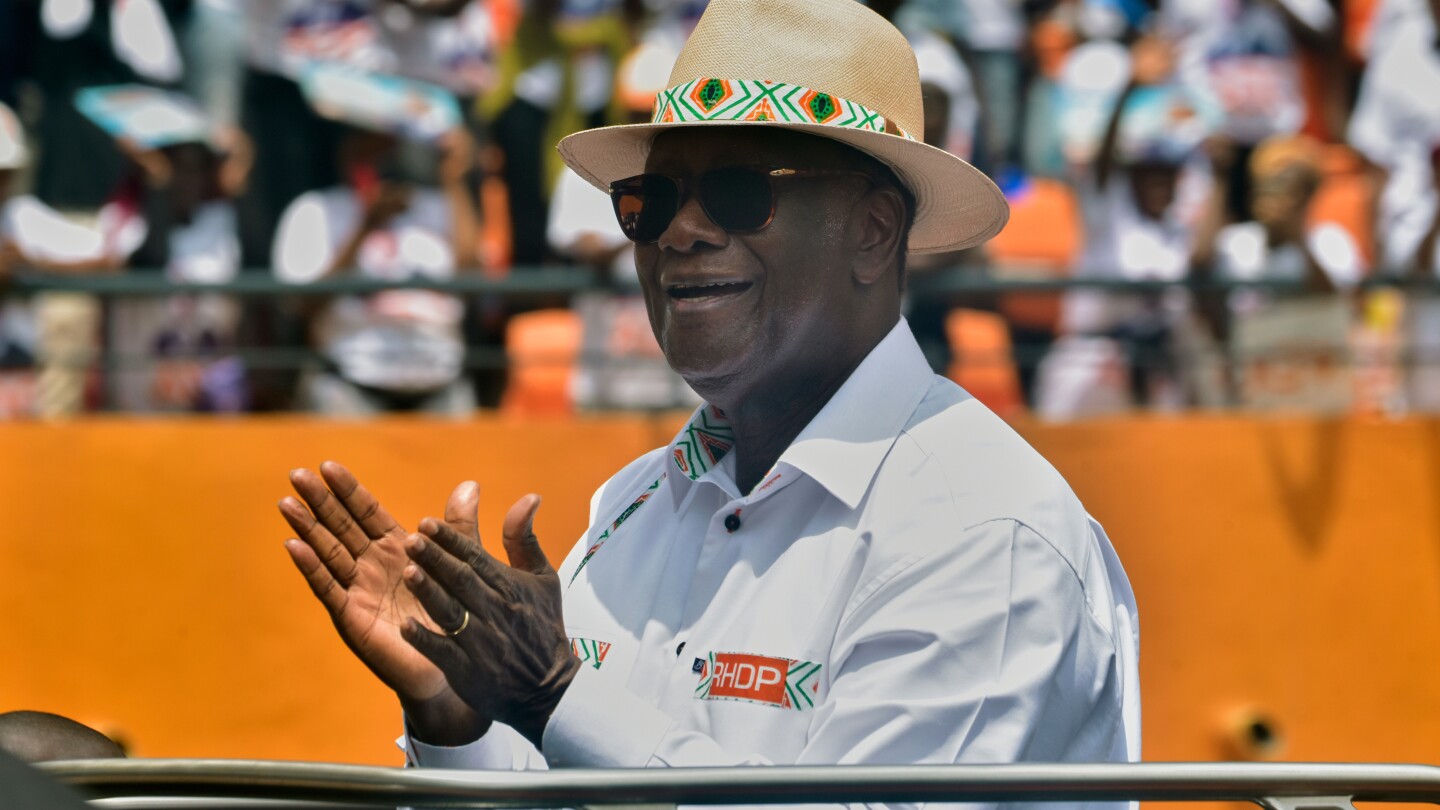
Youth anger in Ivory Coast as the 83-year-old president seeks a fourth term
In the bustling capital of Abidjan, Ivory Coast, 33-year-old slam poet Placide Konan is using his art to voice frustration over President Alassane Ouattara’s controversial bid for a fourth term in Saturday’s election. Despite Ivory Coast’s status as West Africa’s economic powerhouse and the world’s largest cocoa producer, the country grapples with stark inequality and a 37.5% poverty rate. Over 75% of the population is under 35, and many, like Konan, struggle to make ends meet. “You have to be very lucky, or a bit of a magician, to live comfortably,” he remarked, highlighting the economic challenges in a city still reveling in its role as host of the 2024 Africa Cup of Nations. Analysts predict an easy victory for the 83-year-old Ouattara, whose rule began in 2011. However, the election is marred by controversy, with key opposition leaders, including former Credit Suisse CEO Tidjane Thiam, disqualified on legal grounds. Thiam, who renounced his French nationality in March, dismissed the decision as foul play. Ouattara faces a weakened opposition field, including former commerce minister Jean-Louis Billon and ex-first lady Simone Gbagbo. The election reflects a broader trend in Africa, where long-serving leaders often clash with a youthful populace. Concerns over violence loom large, with 8.7 million registered voters and heightened security measures in place. Protests against the disqualifications have been met with arrests and restrictions on public gatherings, resulting in at least three deaths. Critics accuse the government of exploiting legal loopholes to stifle opposition, undermining stability in a region already facing significant challenges. Ouattara, who assumed power after a deadly 2010-2011 political crisis, defends his fourth-term bid by citing the country’s “unprecedented security, economic, and monetary” challenges. He has pledged to support youth entrepreneurship and independence, yet critics argue that his administration has failed to translate economic growth into sufficient job opportunities for young people. Meanwhile, security concerns persist, particularly in the north, where Ivory Coast faces pressure from armed groups spilling over from conflict-ridden Mali and Burkina Faso. Despite having one of the region’s most sophisticated militaries, the country remains vulnerable to regional instability. As Ivory Coast heads to the polls, the election underscores the deep divisions and challenges facing the nation.
-

Gulf states won’t reconstruct Gaza without political settlement, former Jordanian foreign minister says
The reconstruction of Gaza, described by U.S. President Donald Trump as a ‘demolition site,’ has become a contentious issue, with Gulf states reportedly left out of critical discussions. Marwan Muasher, former Jordanian foreign minister and current vice president of studies at the Carnegie Endowment for International Peace, revealed that Gulf nations were not consulted about their potential role in rebuilding Gaza. This comes after two years of intense conflict between Israel and Palestine, which has left the region in ruins. Muasher emphasized that without a durable political settlement, Gulf states have no interest in contributing to reconstruction efforts. A lasting solution, he argued, must include the recognition of a Palestinian state for the 7.5 million Palestinians living in occupied territories. However, the Trump administration’s pro-Israel stance, influenced by Christian Evangelicals who avoid using the term ‘Palestinian,’ has distanced itself from such recognition. Israel’s Knesset has also rejected the two-state solution, a policy that has underpinned negotiations since the 1990s. Muasher expressed skepticism about the feasibility of reconstruction, noting that past pledges and conferences have yielded little tangible progress. Amr Hamzawy, director of Carnegie’s Middle East programme, highlighted Egypt’s efforts to organize a reconstruction summit for Gaza, but acknowledged the ambiguous political conditions. While a comprehensive reconstruction plan exists, its implementation hinges on political will from Israel and international support. Muasher remains pessimistic about Trump’s ceasefire plan, citing its lack of clarity on key issues like reconstruction and stabilization. However, he remains hopeful about the eventual recognition of Palestinian statehood, asserting that the presence of 7.5 million Palestinians makes it an inevitability, albeit not in the near future.