分类: politics

  • Paetongtarn resigns as Pheu Thai Party leader ahead of election

    Paetongtarn resigns as Pheu Thai Party leader ahead of election

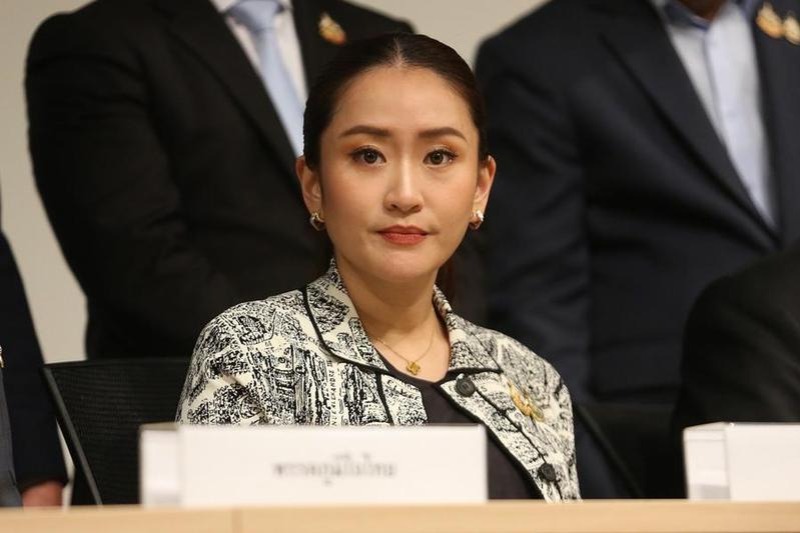
    In a significant political development, Paetongtarn Shinawatra, Thailand’s youngest former prime minister, has resigned as the leader of the Pheu Thai Party. The announcement, made on Wednesday morning, comes as the party prepares for a pivotal candidate election scheduled in four months. Paetongtarn emphasized that her resignation marks the beginning of a comprehensive overhaul of the party, aimed at transforming its structure, processes, and mindset to better position itself for the upcoming election and subsequent national revitalization efforts.

    Paetongtarn, who served as Thailand’s 31st prime minister and is the youngest daughter of former prime minister Thaksin Shinawatra, has been a prominent figure in Thai politics. Her resignation follows her ousting by the Thailand Constitutional Court in August, which found her guilty of constitutional violations related to a contentious border dispute with Cambodia. This ruling has raised concerns about potential legal risks if she were to endorse parliamentary candidates, prompting her decision to step down to avoid complicating the party’s electoral prospects.

    In the interim, the Pheu Thai Party’s Executive Committee will act as caretaker executives until a new leader is elected by November. Wisut Chainaroon, the party-list MP and Chairman of Pheu Thai MPs, clarified that Paetongtarn’s resignation is primarily aimed at facilitating candidate selection and political duties, with the Shinawatra family continuing to support the party behind the scenes.

    The political landscape in Thailand remains dynamic, with the Bhumjaithai Party’s leader, Anutin Charnvirakul, recently elected as the new prime minister. His government is expected to dissolve the House of Representatives by January and hold elections in March or April, restoring the public’s right to vote. As Thailand navigates this critical transitional phase, the Pheu Thai Party’s strategic overhaul under new leadership will be closely watched.
  • Maine Senate candidate apologises for tattoo that resembles Nazi symbol

    Maine Senate candidate apologises for tattoo that resembles Nazi symbol

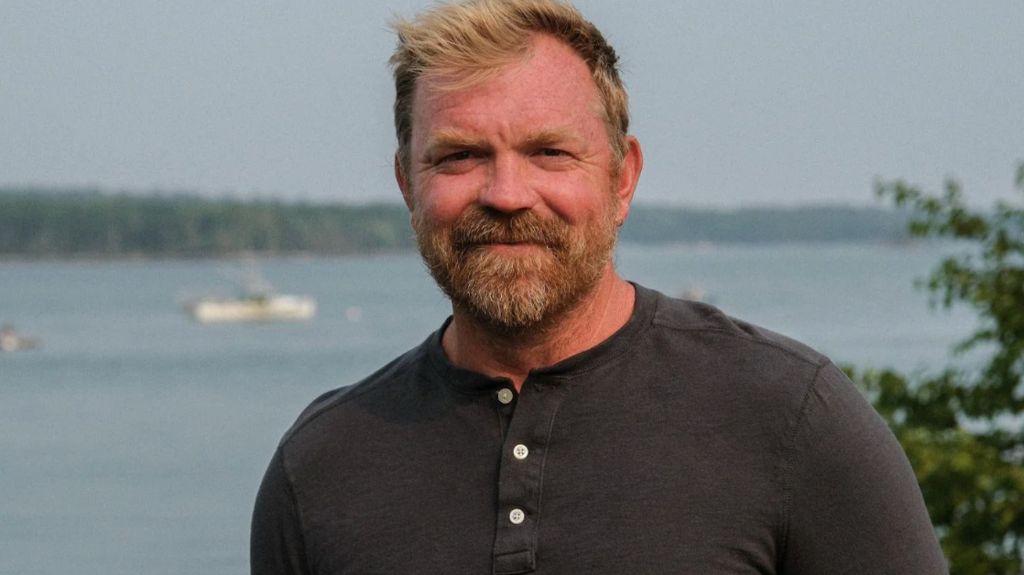
    Graham Platner, a Democratic candidate for the U.S. Senate in Maine, has issued a public apology following backlash over a tattoo on his chest that resembles a Nazi symbol. The 41-year-old Marine Corps combat veteran and oyster farmer stated he was unaware of the tattoo’s association with Nazi imagery and has pledged to have it removed. The tattoo, resembling the Totenkopf (German for “death’s head”), became visible in a social media video showing Platner dancing at his brother’s wedding. Platner explained that he got the tattoo in 2007 while serving in Croatia with fellow Marines, choosing the design from a parlor wall during a night of drinking. He emphasized his lifelong commitment to antifascism and expressed regret for the oversight. Genevieve McDonald, his former political director, criticized the tattoo as antisemitic, stating that Platner should have addressed it earlier. Platner has since covered the tattoo with a new design and is seeking removal. The controversy has intensified scrutiny of his social media history, including past Reddit posts downplaying sexual assault in the military and self-identifying as a communist. Platner apologized for these remarks, attributing them to post-war depression and isolation. Senator Bernie Sanders, a prominent supporter, defended Platner, emphasizing his apology and confidence in his campaign. The incident has added complexity to Platner’s bid to unseat Republican Senator Susan Collins in Maine.

  • The real winner of the Gaza ceasefire: Qatar

    The real winner of the Gaza ceasefire: Qatar

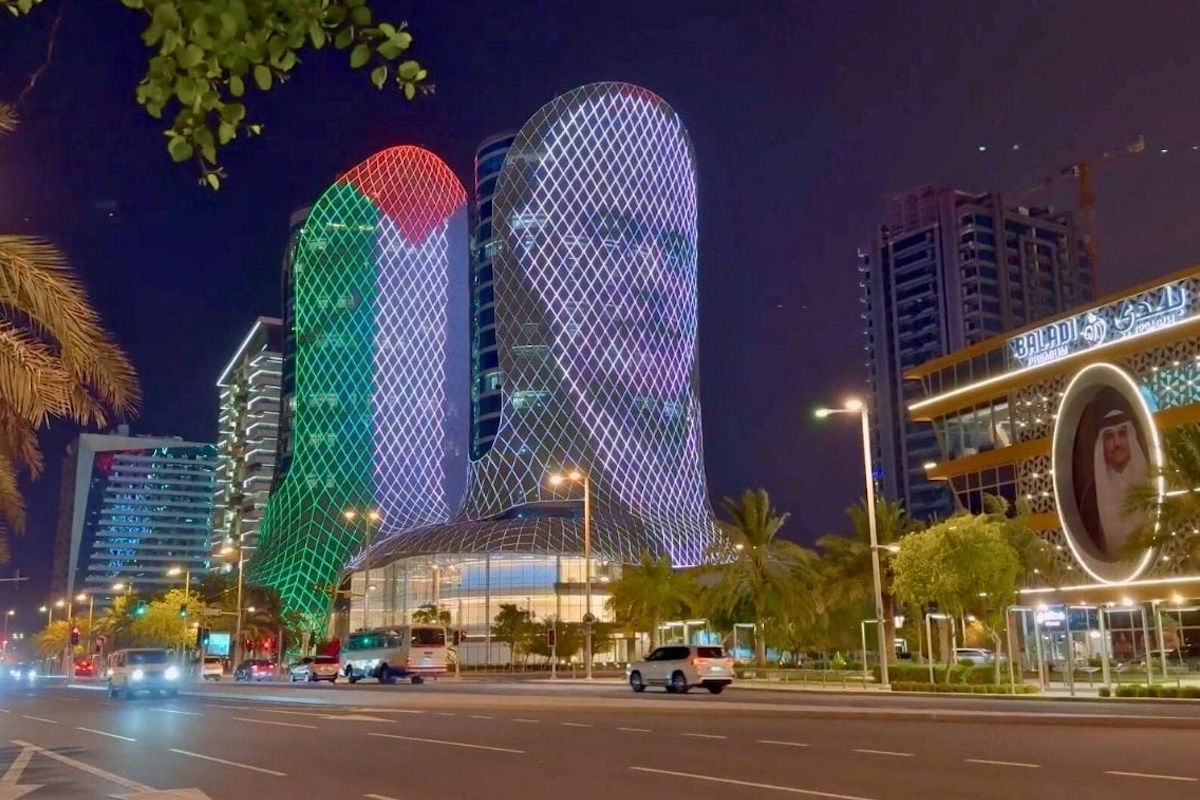
    As the fragile ceasefire between Israel and Hamas enters its second week, the geopolitical landscape of the Middle East reveals an unexpected victor: Qatar. While President Donald Trump, Israeli Prime Minister Benjamin Netanyahu, and Hamas leaders in Doha have all claimed victory, the true strategic winner lies in the small Gulf emirate of Qatar. Through years of hosting Hamas leadership, funding the organization, and broadcasting its narrative via Al Jazeera, Qatar has positioned itself as the indispensable mediator in the region. Despite its controversial ties, Qatar has emerged as the key power broker, facilitating the ceasefire and now setting the terms for reconstruction aid and humanitarian assistance. This role has elevated Qatar’s influence, overshadowing traditional allies like Egypt and Saudi Arabia. The ceasefire, however, remains unstable, with the underlying issues of the Israeli-Palestinian conflict unresolved. Israel’s military campaign failed to destroy Hamas, and the organization retains control over Gaza, albeit at a devastating cost to the Palestinian population. Meanwhile, the Trump administration’s peace plan lacks clarity and enforcement mechanisms, leaving the region in a state of strategic ambiguity. The real tragedy lies with the Palestinian people, who face immense suffering without a clear path to self-determination. As the cycle of violence and temporary peace continues, Qatar’s ability to mediate between antagonists has solidified its position as a dominant player in Middle Eastern politics. This outcome underscores the uncomfortable truth that in the region’s endless conflicts, the real winners are not those who fight but those who broker the peace.

  • Trump says White House renovation is ‘music to my ears’ as criticism mounts

    Trump says White House renovation is ‘music to my ears’ as criticism mounts

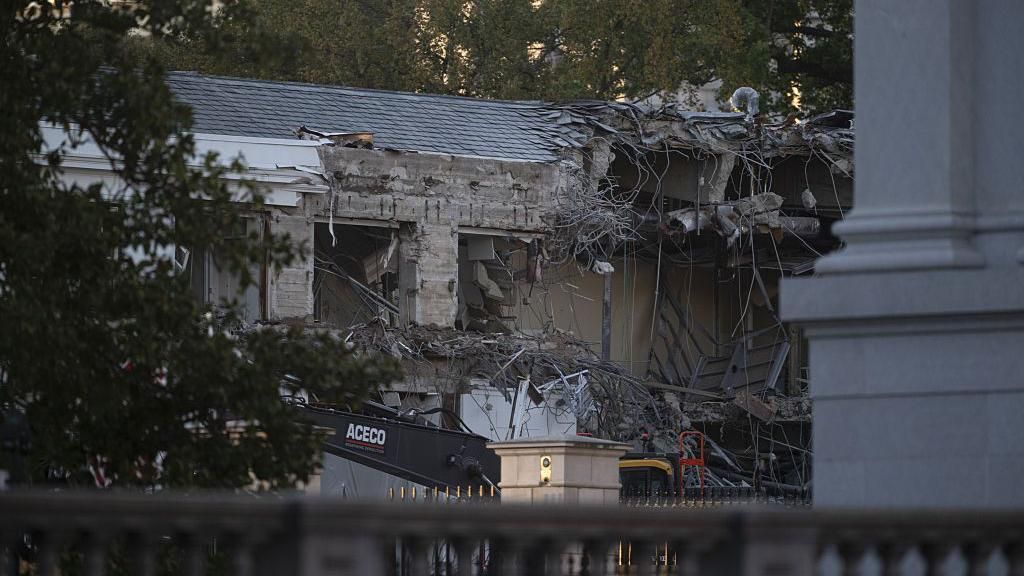
    U.S. President Donald Trump has ignited a heated debate over his decision to demolish part of the White House East Wing to construct a grand ballroom. Defending the $250 million project, Trump described the construction noise as “music to my ears” during a meeting with Republican senators on Tuesday. He emphasized, “When I hear that sound, it reminds me of money.” The 90,000-square-foot ballroom, intended for hosting parties, state visits, and other events, has drawn sharp criticism from various quarters, including former presidential candidate Hillary Clinton and historic preservation groups. The National Trust for Historic Preservation expressed “deep concern” in a letter to White House officials, warning that the new structure could “overwhelm the White House itself” and disrupt its classical design. The Society of Architectural Historians also called for a public review process, citing the project’s scale. The White House countered criticism, labeling detractors as “unhinged leftists” and asserting that the privately funded renovation would not burden taxpayers. Trump officials defended the solicitation of private donations for the project, arguing it was appropriate. Critics, however, argue that the alterations represent the most significant changes to the White House exterior in decades. While White House officials claim the project does not require approval from the National Capital Planning Commission, former commission chair L Preston Bryant Jr noted that previous administrations typically consulted the agency for major renovations. The controversy underscores the tension between modernization and historic preservation in one of America’s most iconic landmarks.

  • US at political crossroads as nationwide protests test governance

    US at political crossroads as nationwide protests test governance

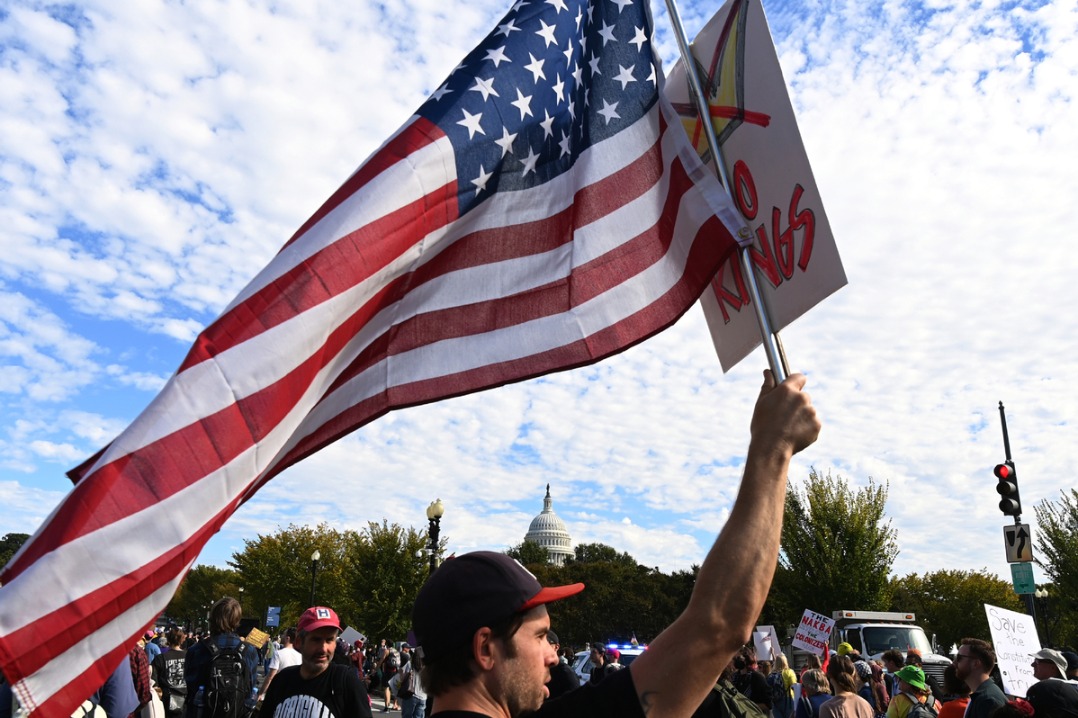
    The United States is experiencing a profound political crisis as widespread protests sweep across the nation, testing the resilience of its governance and institutional norms. Beginning on October 18, 2025, millions of demonstrators gathered in major cities, including New York, Chicago, Boston, and Portland, to voice their discontent with the current administration’s policies and leadership style. The protests, which drew participants from diverse backgrounds such as military veterans, academics, healthcare workers, and laborers, highlighted growing public skepticism and social fragmentation over issues like immigration, healthcare, education, and trade. This wave of civil action underscores deepening political divisions and raises critical questions about the future trajectory of American democracy. Since taking office in January 2025, the US government has implemented significant policy changes in energy, immigration, and foreign affairs, often through executive orders. These moves have sparked intense debate and mixed reactions across society, while restructuring within administrative agencies has further fueled concerns about the direction of governance. Additionally, the expansion of presidential authority, perceived as undermining congressional oversight and media access, has strained the system of checks and balances. This tension culminated in a partial federal government shutdown on October 1, which has persisted for over 20 days, disrupting public services and threatening the nation’s credit rating. Amid these challenges, recent polls indicate that a majority of Americans believe the country is headed in the wrong direction, with rifts even emerging within the Republican Party. As the gap widens between the government and the public, and constitutional principles face new tests, the US finds itself at a critical crossroads that will shape its domestic future and its role in the global order.

  • Putin directs drills of Russian nuclear forces as his summit with Trump is put on hold

    Putin directs drills of Russian nuclear forces as his summit with Trump is put on hold

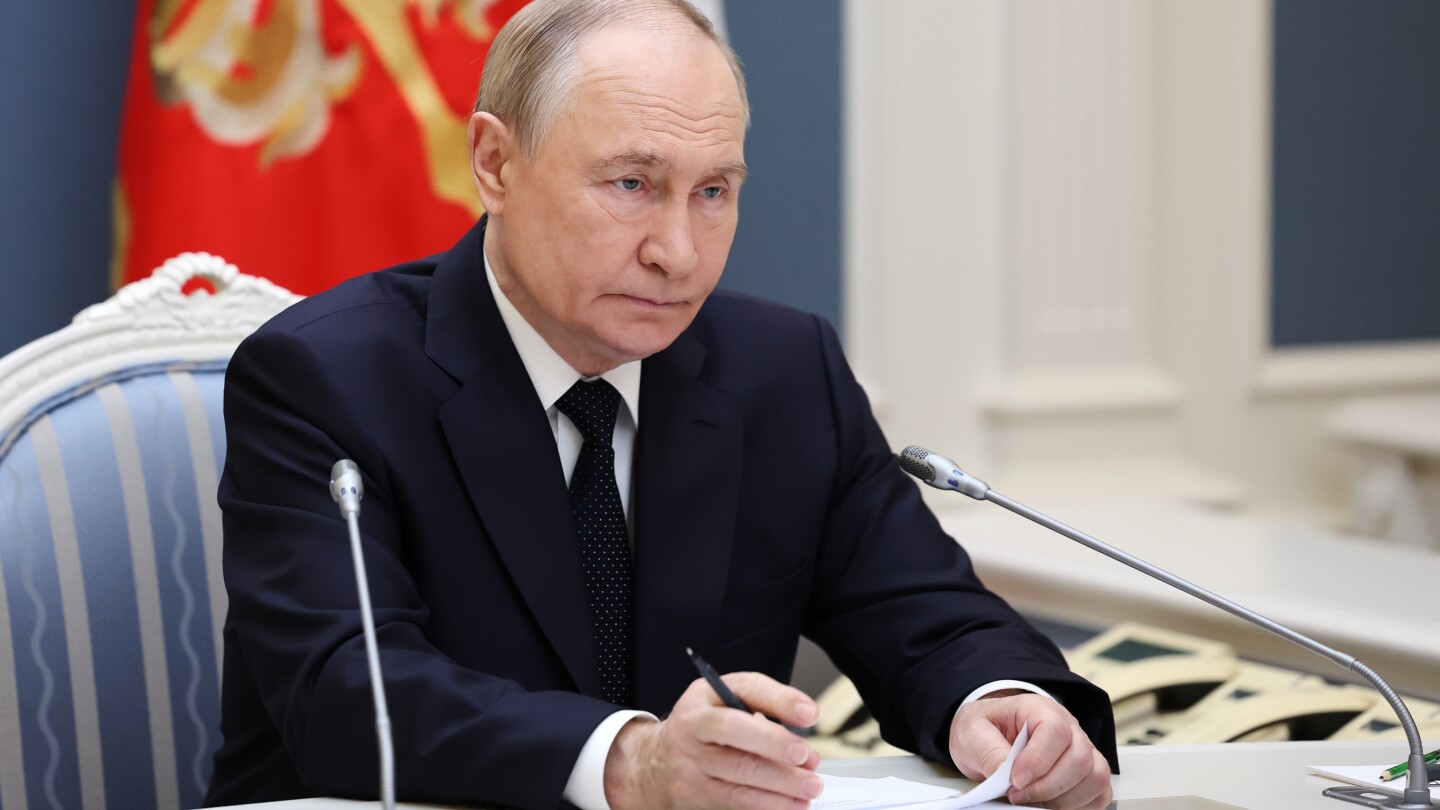
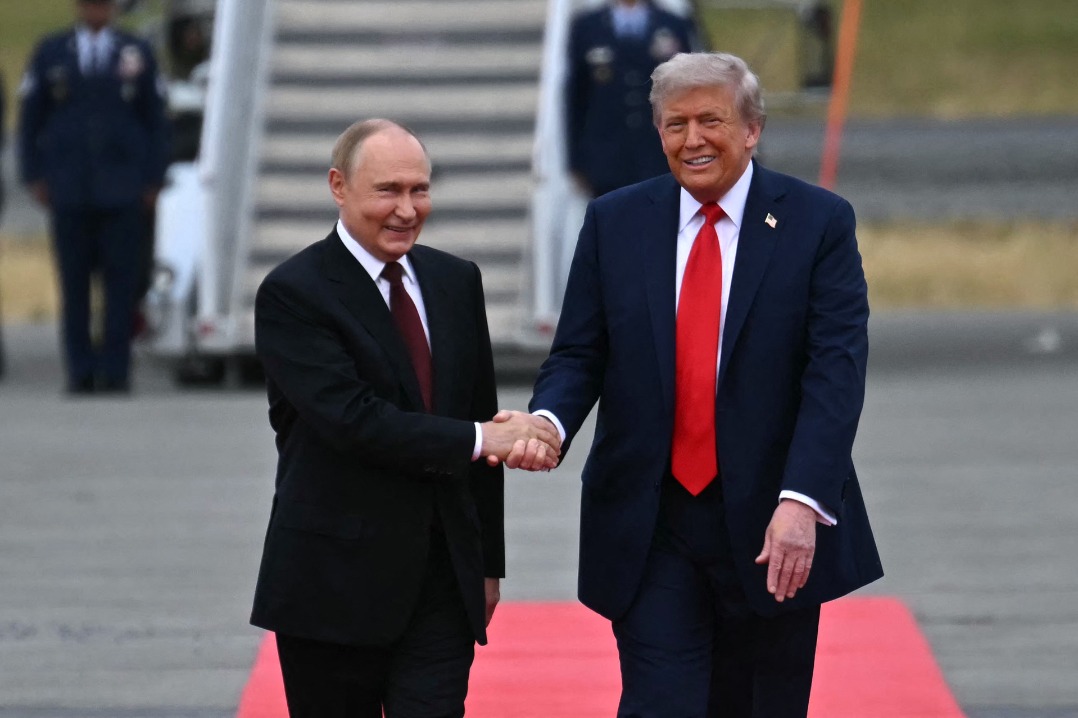
    Russian President Vladimir Putin oversaw extensive drills of the nation’s strategic nuclear forces on Wednesday, which included the test-firing of intercontinental ballistic missiles (ICBMs) and long-range cruise missiles. The exercises, involving all components of Russia’s nuclear triad, were conducted amid the postponement of a planned summit with U.S. President Donald Trump focused on the ongoing conflict in Ukraine. The Kremlin confirmed that a Yars ICBM was launched from the Plesetsk facility in northwestern Russia, while a Sineva ICBM was fired from a submarine in the Barents Sea. Additionally, Tu-95 strategic bombers participated in the maneuvers, demonstrating Russia’s nuclear capabilities. General Valery Gerasimov, Chief of the Russian General Staff, reported to Putin via video link that the drills were designed to simulate procedures for authorizing the use of nuclear weapons. Putin, seated alone at a round table, monitored the exercises through live feeds featuring Gerasimov and Defense Minister Andrei Belousov. The Kremlin emphasized that the drills had been pre-planned, though they coincided with Trump’s announcement that the proposed summit in Budapest was on hold. Trump cited concerns over the meeting’s potential inefficiency, while Kremlin spokesman Dmitry Peskov stressed the need for thorough preparation to ensure productive discussions. The postponement comes as Russia remains opposed to an immediate ceasefire in Ukraine, and Trump’s stance on key issues in the conflict continues to evolve.

  • Fire and shooting at a camp in Belgrade hosting the president’s loyalists injures 1

    Fire and shooting at a camp in Belgrade hosting the president’s loyalists injures 1

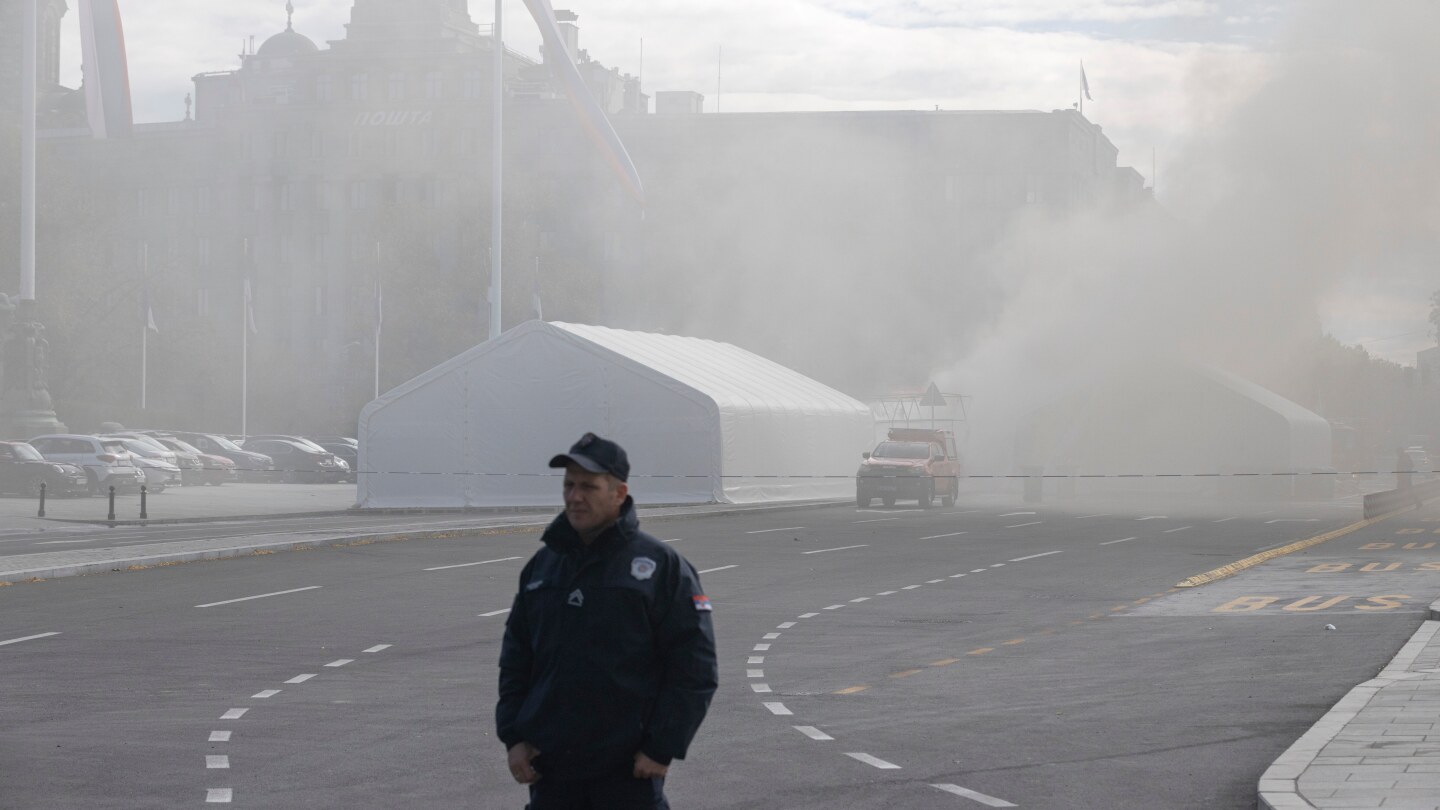
    A fire accompanied by reported gunfire at a camp supporting Serbian President Aleksandar Vucic in central Belgrade on Wednesday left one person injured, according to officials. President Vucic swiftly labeled the incident as a ‘terrorist attack,’ attributing it to political motives. The camp, colloquially known as ‘Caciland,’ was established in March as a human shield against ongoing anti-government protests, which have posed the most significant challenge to Vucic’s rule in recent months. The fire broke out in the early hours, engulfing one of the tents after a series of popping sounds resembling gunfire. Footage showed police officers taking cover and drawing their weapons, urging bystanders to do the same. Vucic held an impromptu press conference, presenting video evidence of the alleged shooter, who reportedly confessed to being ‘annoyed by the tents’ and seeking police intervention. Pro-government media outlets accused opposition figures of orchestrating the attack. Health Minister Zlatibor Loncar confirmed that one individual sustained serious injuries from the shooting, describing the perpetrator as ‘a man who thinks differently.’ The incident occurred just days before a planned mass rally in Novi Sad, marking the anniversary of a tragic canopy collapse that killed 16 people and sparked widespread youth-led protests against Vucic’s authoritarian governance. Authorities have intensified efforts to suppress dissent, including reports of arbitrary arrests and police violence, as protesters continue to demand early parliamentary elections.

  • Orbán and his main rival plan dueling demonstrations as Hungary’s elections near

    Orbán and his main rival plan dueling demonstrations as Hungary’s elections near

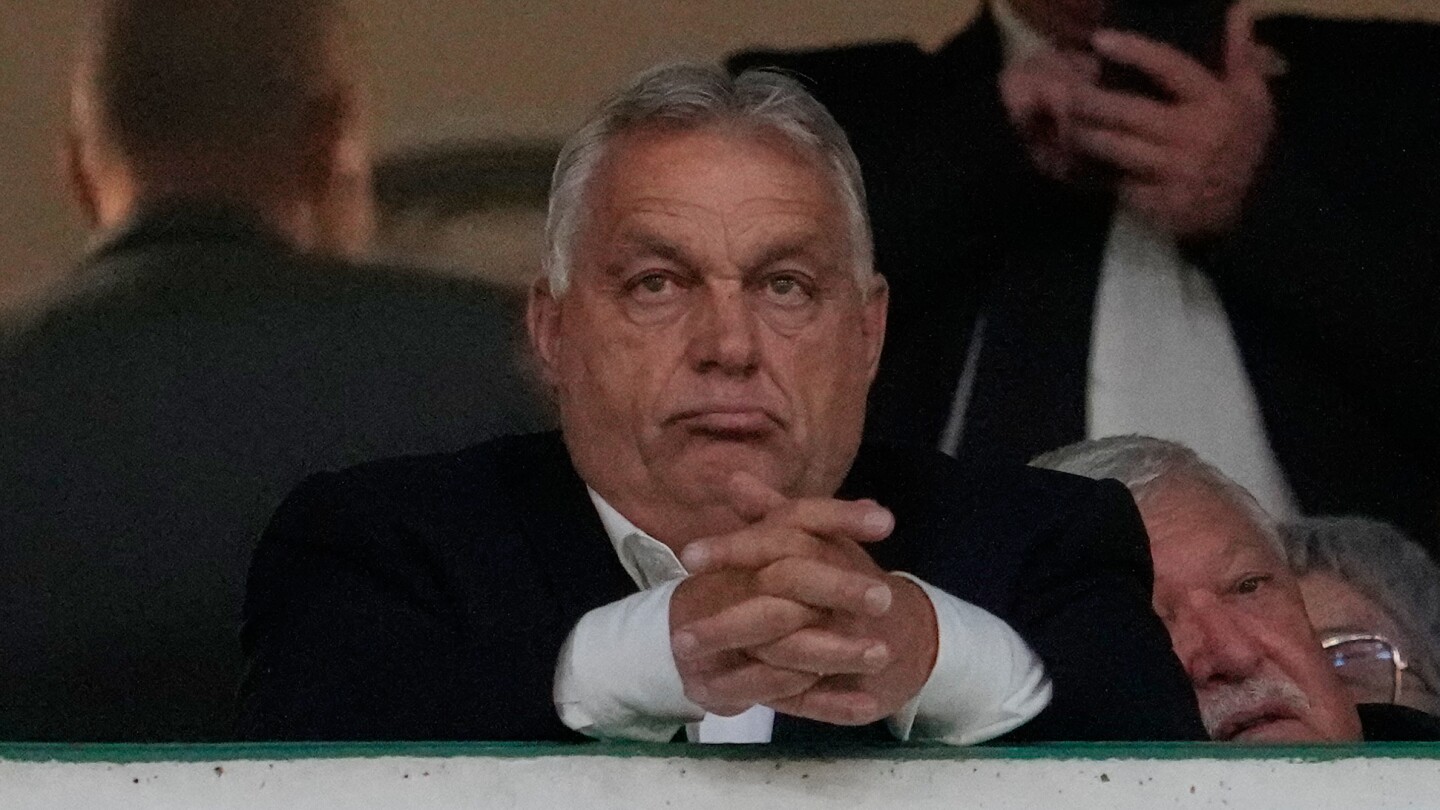
    Hungary’s political landscape is set for a dramatic showdown as the nation’s two leading parties prepare to hold competing demonstrations on Thursday, coinciding with a national holiday. The events, expected to draw hundreds of thousands, mark the unofficial launch of the campaign for the 2025 parliamentary elections. Prime Minister Viktor Orbán, Hungary’s long-serving leader, faces a challenging political climate as he trails in recent polls behind his primary rival, Péter Magyar, a former insider within Orbán’s Fidesz party. Orbán aims to rally his base, which has been unsettled by political scandals, economic stagnation, and rising living costs. Meanwhile, Magyar seeks to capitalize on widespread dissatisfaction, transforming his rally into both a political event and an anti-government protest. Observers will closely monitor the turnout and fervor of the crowds, which could signal shifting dynamics in Hungary’s deeply polarized political environment. The demonstrations also coincide with the 69th anniversary of Hungary’s 1956 anti-Soviet uprising, a date laden with historical significance. Orbán’s recent alignment with Russia, including his warm relations with the Kremlin and combative stance toward Ukraine, has drawn criticism and sparked protests. His supporters, however, remain steadfast, organizing a “peace march” where Orbán is expected to emphasize the perceived threats posed by Ukraine and the necessity of dialogue with Moscow. Magyar, on the other hand, has focused his campaign on addressing pressing domestic issues such as inflation, healthcare, and economic stagnation, particularly in rural areas that have traditionally supported Fidesz. The political rivalry has intensified, with Orbán’s government leveraging its media apparatus to discredit Magyar, accusing him of collusion with Ukrainian secret services and spreading AI-generated misinformation. Magyar has dismissed these allegations, maintaining his focus on improving Hungary’s standard of living and restoring its standing within the European Union. As the campaign heats up, Orbán’s declining popularity, coupled with corruption allegations and EU scrutiny, adds further complexity to Hungary’s political future.

  • Putin-Trump meeting in Hungary postponed, timing undecided

    Putin-Trump meeting in Hungary postponed, timing undecided

    The highly anticipated meeting between US President Donald Trump and Russian President Vladimir Putin, initially scheduled to take place in Hungary, has been postponed indefinitely. This development follows a recent phone conversation between US Secretary of State Marco Rubio and Russian Foreign Minister Sergei Lavrov, described as ‘constructive but inconclusive.’ Both US and Russian officials confirmed the delay, emphasizing the need for ‘serious preparation’ before any summit can occur. Kremlin spokesman Dmitry Peskov reiterated that the timing of a potential meeting remains undetermined. Despite the setback, Kirill Dmitriev, Russia’s special envoy for investment and economic cooperation, assured on social media that preparations for a future summit are ongoing and that the meeting has not been canceled. The postponement comes after Trump met with Ukrainian President Volodymyr Zelensky at the White House last week, where he ruled out a trilateral summit involving Russia and Ukraine due to the ongoing tensions between the two nations. Trump and Putin last met in Alaska in August, but their discussions failed to yield a breakthrough in the Russia-Ukraine conflict, leaving ceasefire negotiations at a standstill.

  • The first EU-Egypt summit is to focus on economic ties, migration and Gaza

    The first EU-Egypt summit is to focus on economic ties, migration and Gaza

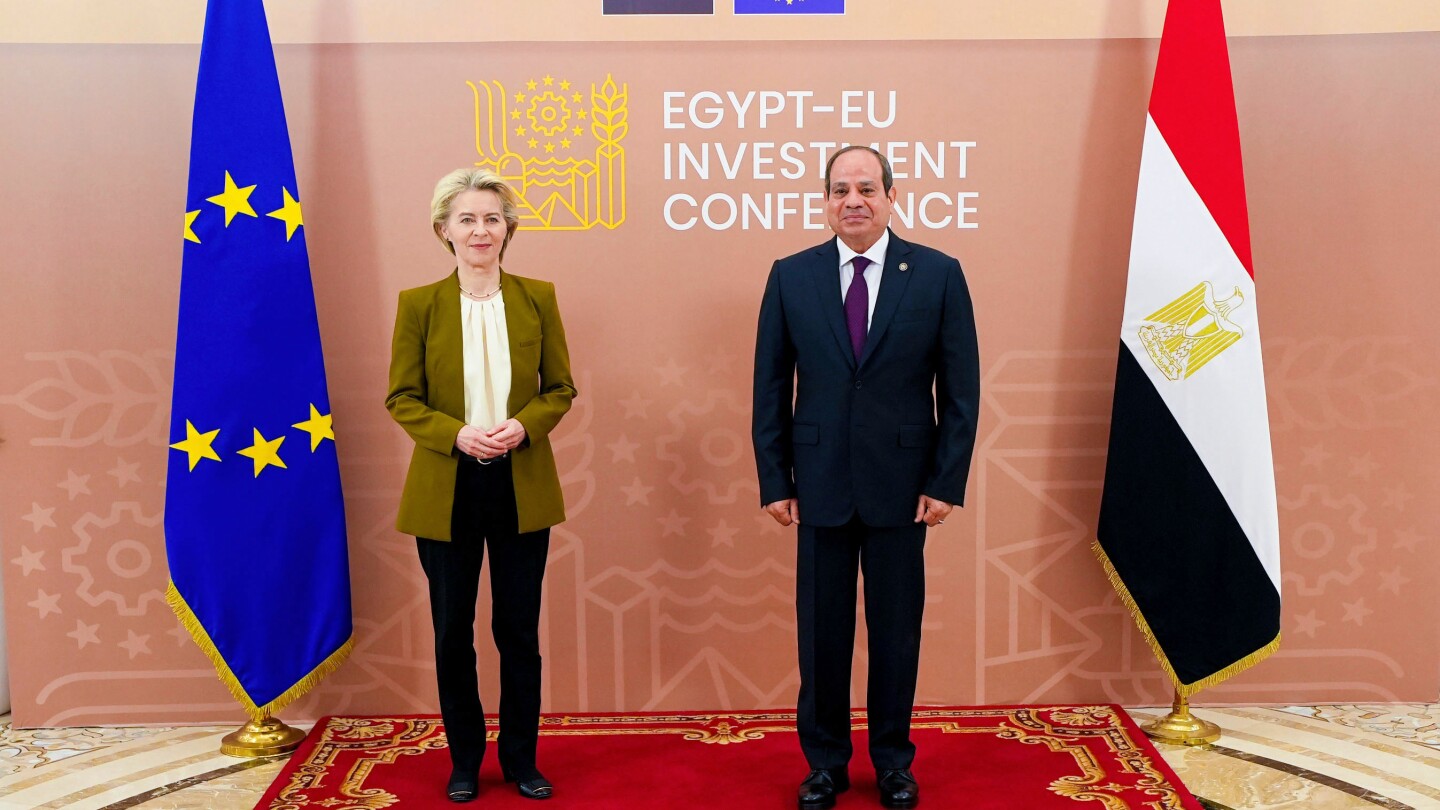
    In a landmark meeting in Brussels, Egypt and the European Union (EU) convened for their first bilateral talks on Wednesday, focusing on critical issues such as security, trade, migration, and the ongoing instability in Gaza. The summit brought together Egyptian President Abdel-Fattah el-Sissi, European Commission President Ursula von der Leyen, and European Council President António Costa, who are poised to announce enhanced European economic assistance to Egypt and its inclusion in the EU’s Horizons research program. This meeting underscores the EU’s strategic efforts to deepen ties with Mediterranean nations, including Egypt, as part of its broader ‘Pact for the Mediterranean’ initiative, which aims to foster regional integration and address migration challenges. The EU has already pledged significant financial support to Egypt, including a 7.4 billion euro ($8.6 billion) aid package announced last year, to bolster its struggling economy amid soaring inflation, the fallout from the Israel-Hamas conflict, and disruptions to Suez Canal revenues due to Houthi attacks in the Red Sea. Migration remains a pressing concern for both parties, with Egypt serving as a key transit point for migrants and refugees seeking entry into Europe. Human rights organizations have urged the EU to address Egypt’s human rights record while calling for greater support for Gaza. The summit highlights the EU’s broader geopolitical strategy to navigate global uncertainties, including the policies of U.S. President Donald Trump and China’s export controls, by forging stronger alliances with regional partners.