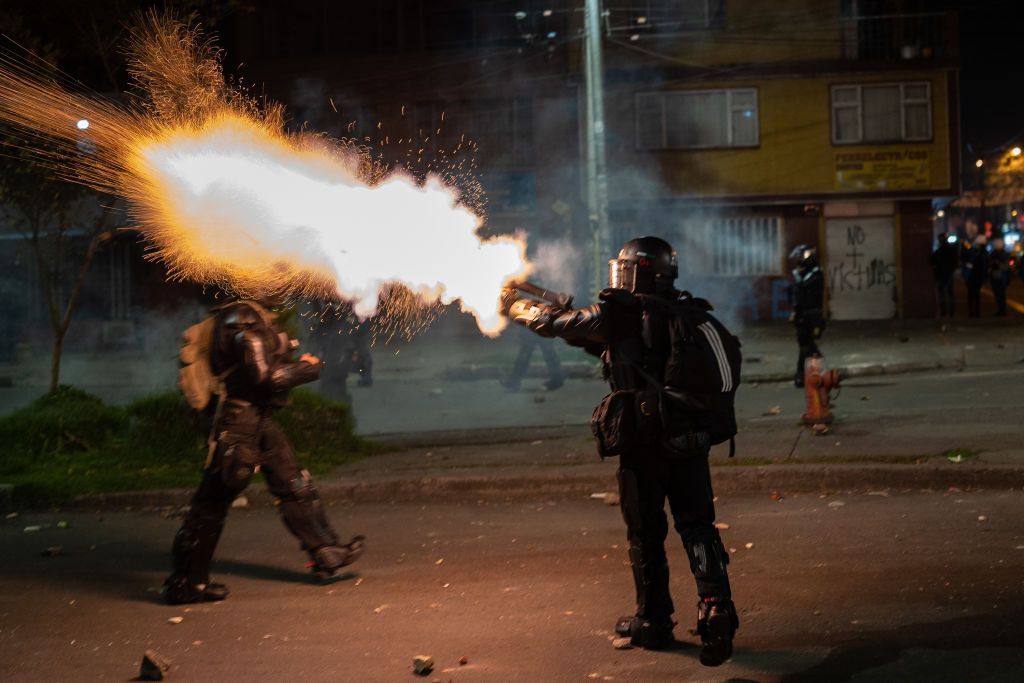
The US State Department has dismantled its Human Rights Reporting Gateway (HRG), a critical online portal designed to receive allegations of human rights violations by foreign military units supplied with American weapons. Established in 2022 under the Leahy Law, the HRG served as the sole public channel for organizations and individuals to report serious abuses directly to the US government. Its removal has sparked widespread condemnation from human rights advocates and lawmakers, including Tim Rieser, a former senior aide to Senator Patrick Leahy, who described the move as a clear violation of legal mandates. Rieser warned that the deletion undermines the US government’s ability to hold foreign security forces accountable, potentially enabling continued support for units involved in heinous crimes. The State Department, however, maintains that it continues to receive reports of human rights violations and adheres to its legal obligations. The HRG’s elimination follows a broader restructuring of the State Department under Secretary Marco Rubio, which has included layoffs and the scaling back of human rights monitoring offices. Critics argue that these changes reflect a shift away from promoting human rights, aligning instead with the Trump administration’s ‘America First’ foreign policy. The HRG had previously facilitated reports of abuses, including allegations of excessive force by Colombian security forces during 2021 anti-government protests and incidents involving US-armed Israeli Defense Forces in the occupied West Bank. Amnesty International, which had prepared submissions for the portal, expressed concern over the loss of this critical reporting mechanism. Charles Blaha, former Director of the Office of Security and Human Rights, emphasized that the removal severely weakens the government’s ability to deter abuses, leaving no established channel for reporting violations. The US remains the world’s largest provider of military aid, raising questions about the accountability of foreign units receiving American support.
分类: politics
-
Israel passes preliminary bill to annex the occupied West Bank
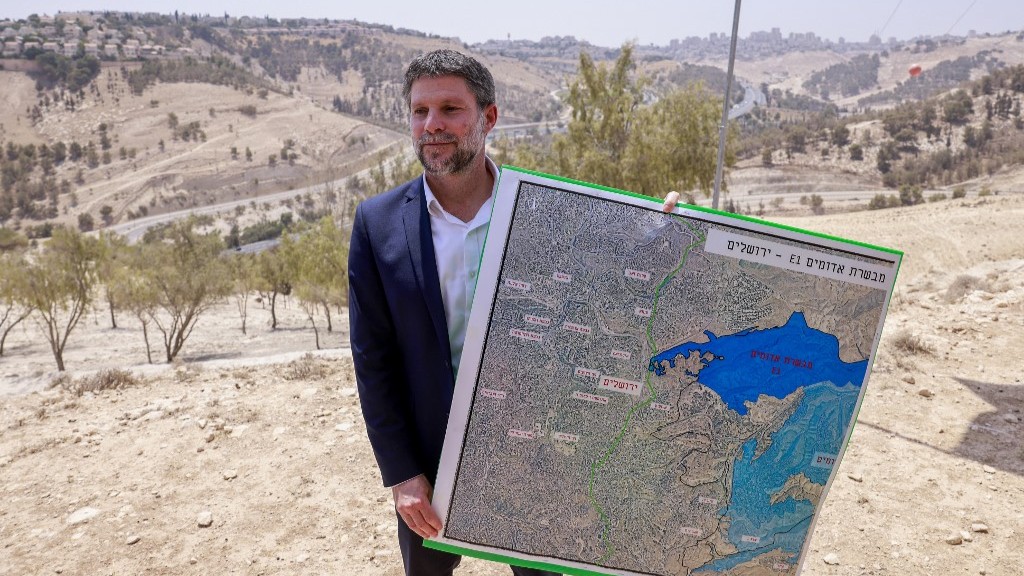
Israel’s Knesset has taken a significant step toward annexing the occupied West Bank, passing a preliminary reading of a contentious bill with a narrow margin of 25 votes in favor to 24 against. The proposed legislation, introduced by Avi Maoz of the far-right Noam party, seeks to extend Israeli sovereignty over settlement areas in the region, referred to in the bill as ‘Judea and Samaria.’ The bill must undergo three additional votes before becoming law. Concurrently, Avigdor Lieberman of the Yisrael Beiteinu party proposed a separate bill to annex the Maale Adumim settlement near Jerusalem, which also passed. Prime Minister Benjamin Netanyahu’s Likud party criticized the move, labeling it as an attempt to undermine the government during US Vice President JD Vance’s visit. Likud dismissed the bill as ‘trolling’ aimed at damaging US-Israel relations and Israel’s achievements in Gaza. The party emphasized that true sovereignty is achieved through practical actions, not symbolic laws. Meanwhile, Israel’s finance minister, Bezalel Smotrich, recently unveiled a controversial plan to annex the majority of the West Bank, leaving only six Palestinian enclaves outside Israeli control. Smotrich’s proposal includes dismantling the Palestinian Authority and replacing it with ‘regional civilian management alternatives.’ The plan has sparked widespread concern over its implications for regional stability and Palestinian rights.
-
Trump says ‘existing structure’ of White House East Wing to be torn down
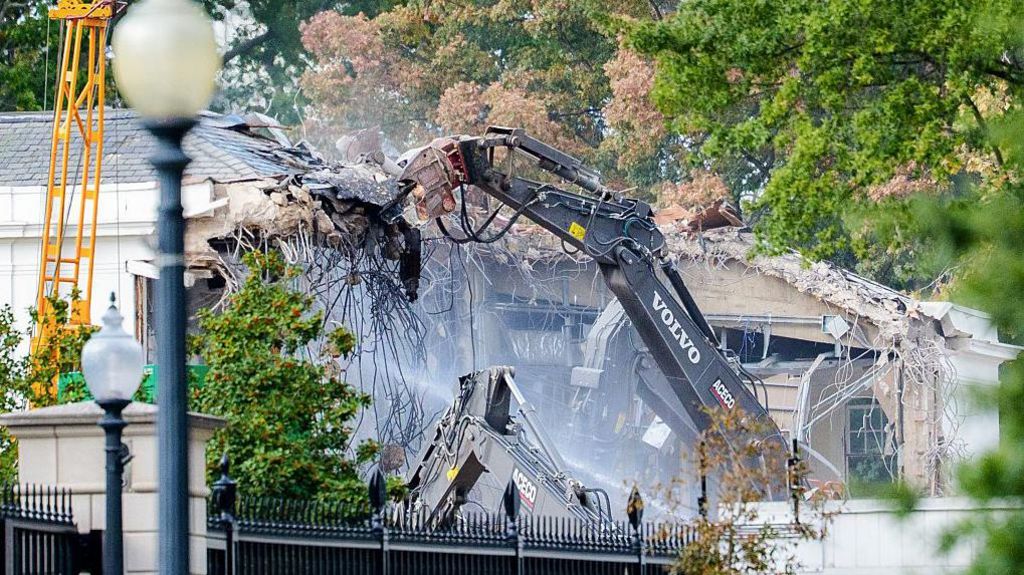
US President Donald Trump has announced the demolition of the White House East Wing to make way for a new $250 million ballroom, a project that has ignited significant debate. Construction crews began dismantling parts of the structure on Monday, with plans to complete the demolition by the weekend. This marks a major expansion of a construction initiative initially announced earlier this year. Trump has emphasized that the project is fully funded by himself and private donors, with military involvement also noted. The East Wing, built in 1902 and last modified in 1942, houses offices for the First Lady and staff, as well as hosting meetings and special events. Trump dismissed criticisms, stating that the changes have been desired ‘for at least 150 years’ and that the East Wing was ‘never thought of as being much.’ He also defended the transparency of the project, asserting, ‘I think we’ve been more transparent than anyone’s ever been.’ However, the National Trust for Historic Preservation has expressed deep concern, urging a pause on demolition and calling for a public review process. Critics, including former presidential candidate Hillary Clinton, have accused Trump of disregarding the White House’s historical significance. Clinton remarked on social media that the White House ‘is not Trump’s house, and he’s destroying it.’ Despite the backlash, Trump has celebrated the project, describing the sound of construction as ‘music to my ears’ and a reminder of prosperity.
-
Haniyeh family denies reports relatives left Gaza after Turkish request
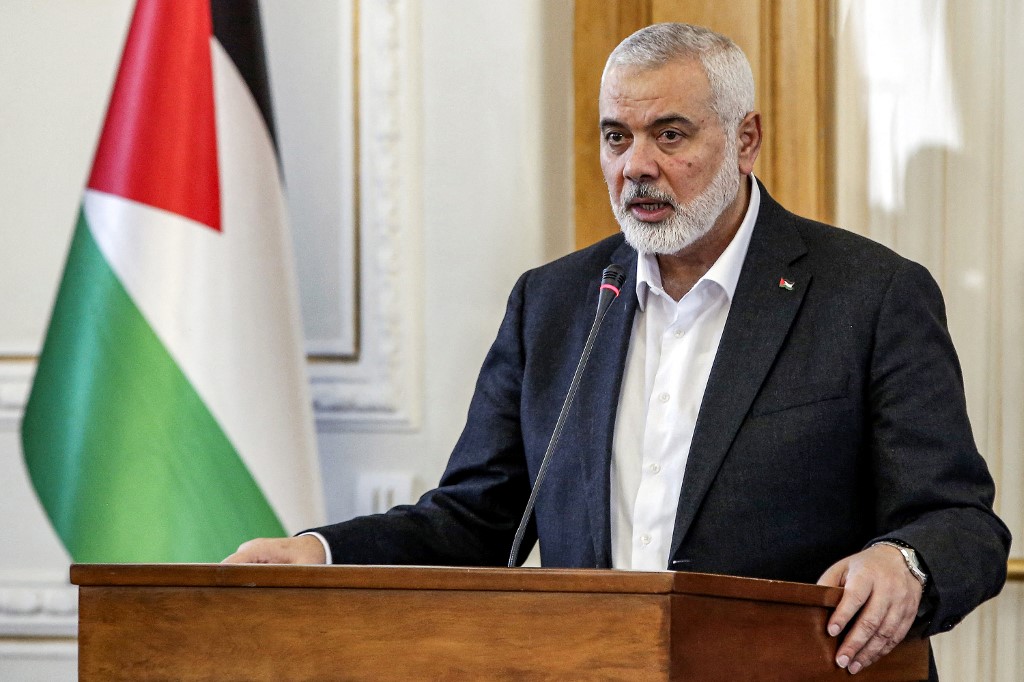
The family of the late Hamas leader Ismail Haniyeh has refuted claims that some of their relatives were permitted to exit the Gaza Strip following a request from Turkey. Abdul Salam Haniyeh, the eldest son of the deceased leader, categorically denied these reports in a statement to Middle East Eye, asserting that no arrangements or discussions regarding such a move had taken place. This rebuttal comes in response to earlier reports suggesting that Israel had allowed at least 66 Palestinians and Turkish citizens to leave Gaza earlier this month, facilitated by a bilateral agreement between Israel and Turkey. While some of those who departed reportedly shared the Haniyeh surname, Abdul Salam clarified that none were directly related to his father. He dismissed the news as false and aimed at sowing confusion. The reported deal followed a ceasefire agreement between Israel and Hamas in early October, brokered in part by Turkey. Turkey had maintained longstanding ties with Ismail Haniyeh, who led Hamas’s political bureau until his assassination by Israel in Tehran in July 2024. An Israeli decision to permit Haniyeh’s relatives to leave Gaza would be unexpected, given the Israeli military’s April 2024 airstrike that killed three of his sons and four grandchildren in Gaza. Additionally, Haniyeh’s sister, Sabah al-Salem Haniyeh, was arrested around the same time in Tel Sheva, a southern Israeli town. Middle East Eye, known for its independent coverage of the Middle East and North Africa, continues to provide in-depth analysis of the region’s complex geopolitical landscape.
-
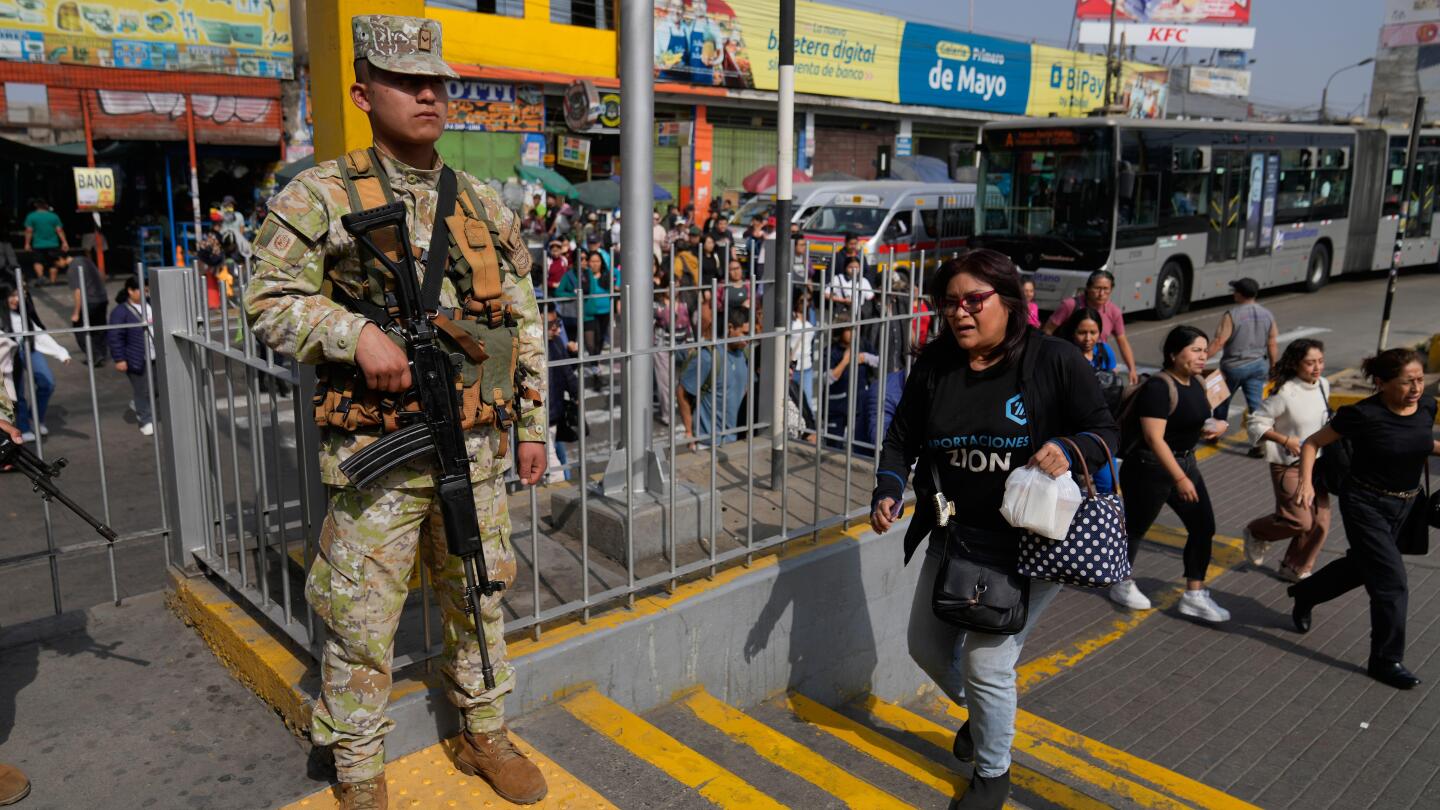
Military and police patrol streets of Peru’s capital as state of emergency begins
LIMA, Peru — In a bold move to combat escalating crime, Peru’s newly inaugurated President José Jerí declared a state of emergency, effective Wednesday. The decree, which suspends several constitutional rights including freedom of assembly and protest, also imposes restrictions on everyday activities such as motorcycle travel and prison visits. Additionally, it permits power cuts in prison cells, except for essential lighting. This decision comes in the wake of violent protests demanding Jerí’s resignation, which resulted in one fatality and severe injuries to another civilian. Jerí assumed office on October 10 after lawmakers ousted his predecessor, Dina Boluarte, citing her failure to address the country’s crime surge. However, many Peruvians remain skeptical of the measure, recalling the ineffectiveness of similar emergency declarations under Boluarte’s administration. Manuel Timoteo, a resident of northern Lima, expressed his doubts, stating, “The soldiers go out for a few days, stand with their rifles on a corner, leave and everything remains the same.” Crime statistics reveal a troubling trend, with homicides increasing from 676 cases in 2017 to 2,082 in 2024, and extortion complaints skyrocketing from 2,305 in 2020 to 21,746 last year. Most victims are from the working class, highlighting the pervasive impact of crime on everyday life in Peru.
-
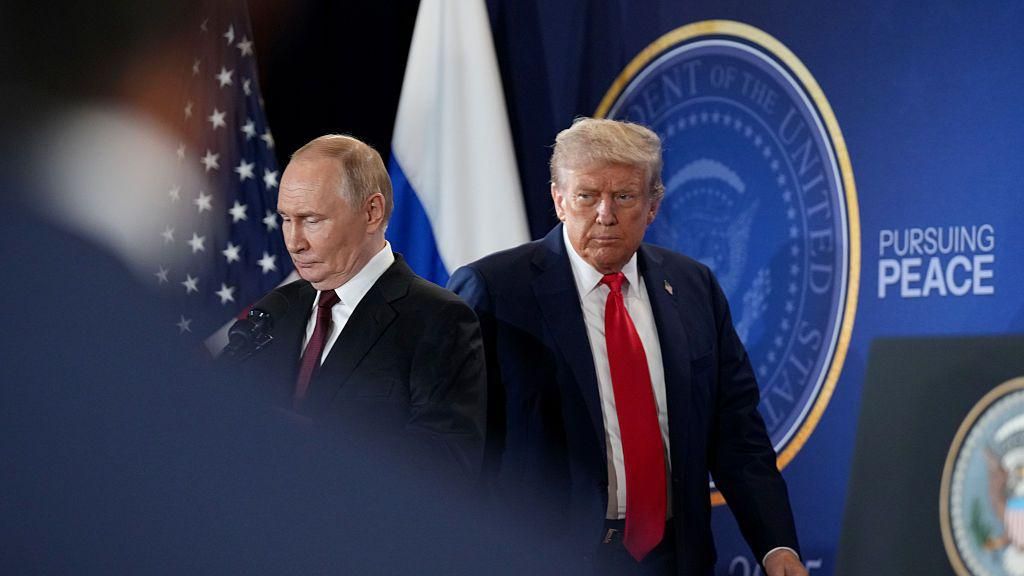
US announces sanctions on Russia’s largest oil companies
The United States has unveiled a significant escalation in its sanctions regime against Russia, targeting the country’s two largest oil companies, Rosneft and Lukoil. The move, announced by US Treasury Secretary Scott Bessent, aims to pressure Moscow into negotiating a peace deal in Ukraine. ‘Given President Putin’s refusal to end this senseless war, Treasury is sanctioning Russia’s two largest oil companies that fund the Kremlin’s war machine,’ Bessent stated. The sanctions come in response to Russia’s intensified military actions in Ukraine, including drone and missile strikes that claimed at least seven lives, including two children, on Wednesday. The US decision follows similar measures by the UK last week, which also targeted Rosneft and Lukoil, responsible for nearly half of Russia’s oil production. The announcement coincided with NATO Secretary-General Mark Rutte’s visit to the White House to discuss peace negotiations. Rutte is expected to present a 12-point plan formulated by European NATO allies and Kyiv, which includes freezing the current front lines, repatriating deported children, and establishing a prisoner exchange. The plan also proposes a war recovery fund for Ukraine, security pathways, and a clear route for Ukraine’s EU membership, alongside increased military aid and economic pressure on Russia. Meanwhile, President Donald Trump has expressed frustration over the stalled peace talks, accusing Putin of not engaging honestly. Trump has previously supported proposals to freeze the conflict along current frontlines, stating, ‘Let it be cut the way it is. Stop fighting, stop killing people.’ However, Russia has rejected such proposals, with Kremlin spokesperson Dmitry Peskov reiterating Moscow’s demand for Ukrainian troops to withdraw from the Donbas region. The US sanctions also aim to deter other nations from purchasing Russian oil, with lawmakers awaiting White House approval to enforce stricter measures. As the conflict continues, Ukrainian President Volodymyr Zelensky has called for the US to supply long-range Tomahawk missiles, suggesting their deployment could compel Russia to negotiate.
-

Jewish and Israeli figures urge world leaders to act over ‘unconscionable’ Israeli acts in Gaza
In a groundbreaking move, over 460 prominent Jewish figures and Israelis have issued an open letter urging the United Nations and global leaders to hold Israel accountable for its actions in Gaza. Released on Wednesday, the letter, signed by former Israeli officials, Jewish artists, and intellectuals, demands a focus on the ‘underlying conditions of occupation, apartheid, and the denial of Palestinian rights,’ which remain unaddressed in the current ceasefire agreement. This marks the first coordinated appeal of its kind since the ceasefire took effect on October 10. Notable signatories include Canadian author Naomi Klein, former Israeli peace negotiator Daniel Levy, actors Ilana Glazer and Hannah Einbinder, and Oscar-winning directors Jonathan Glazer and Yuval Abraham. The letter calls on the UN secretary general and world leaders to enforce international law, halt arms sales, impose sanctions, and ensure humanitarian aid reaches Gaza. Signatories also emphasized that solidarity with Palestinians is not a betrayal of Judaism but a fulfillment of its values, quoting Jewish teachings that ‘to destroy one life is to destroy an entire world.’ The letter reflects a significant shift in public opinion, with a recent Washington Post poll revealing that 61% of American Jews believe Israel has committed war crimes in Gaza. Former Knesset speaker Avram Burg described the situation as a ‘moment of rupture,’ stating that Israel’s actions conflict with his deepest human and Jewish values. While the ceasefire has brought temporary relief, the letter warns of its fragility and the escalating settler violence in the occupied West Bank. According to UN figures, 3,200 Palestinians have been wounded in settler attacks this year, with 71 incidents recorded in a single week in October. Since October 2023, Israeli attacks in Gaza have killed 68,216 Palestinians and wounded 170,361. Additionally, a Palestinian government office reported 80 ceasefire violations by Israel, resulting in 97 deaths and 230 injuries since the ceasefire began.
-

Netanyahu puts architect of GHF in centre overseeing Gaza aid and ceasefire
Michael Eisenberg, a prominent Israeli-American businessman and venture capitalist, has been appointed as Prime Minister Benjamin Netanyahu’s representative at the US Army’s Civil-Military Coordination Center (CMCC), according to Channel 12 News. The CMCC, established to oversee ceasefire monitoring and humanitarian relief in Gaza, was inaugurated during US Vice President JD Vance’s recent visit to Israel. Eisenberg’s appointment underscores Netanyahu’s intent to retain control over Gaza-related communications with the US, bypassing independent handling by the defense establishment. Eisenberg, who heads the Aleph fund, is reportedly a key figure in the controversial Gaza Humanitarian Foundation (GHF), which has faced criticism for its inefficiency in delivering aid amid Gaza’s famine crisis. Since its inception, the GHF has been accused of monopolizing aid distribution, sidelining the UN, and failing to meet the enclave’s urgent needs. Over 2,300 Palestinians, including 1,021 at or near GHF distribution sites, have been killed while seeking aid since the GHF’s establishment. Eisenberg, who grew up in New York and later emigrated to Israel, has been a significant investor in Israeli high-tech and has been involved in contentious political and legal disputes. His role at the CMCC, alongside Brigadier General Yaki Dolf, aims to facilitate stabilization efforts in Gaza. US Central Command Commander Brad Cooper emphasized the center’s goal of uniting stakeholders for a peaceful transition in Gaza. Despite Vance’s optimism, skepticism remains about the center’s effectiveness. Vance’s visit has been interpreted as a measure to ensure Netanyahu’s compliance with the ceasefire, with some Israeli officials likening it to a ‘protectorate’ arrangement.
-
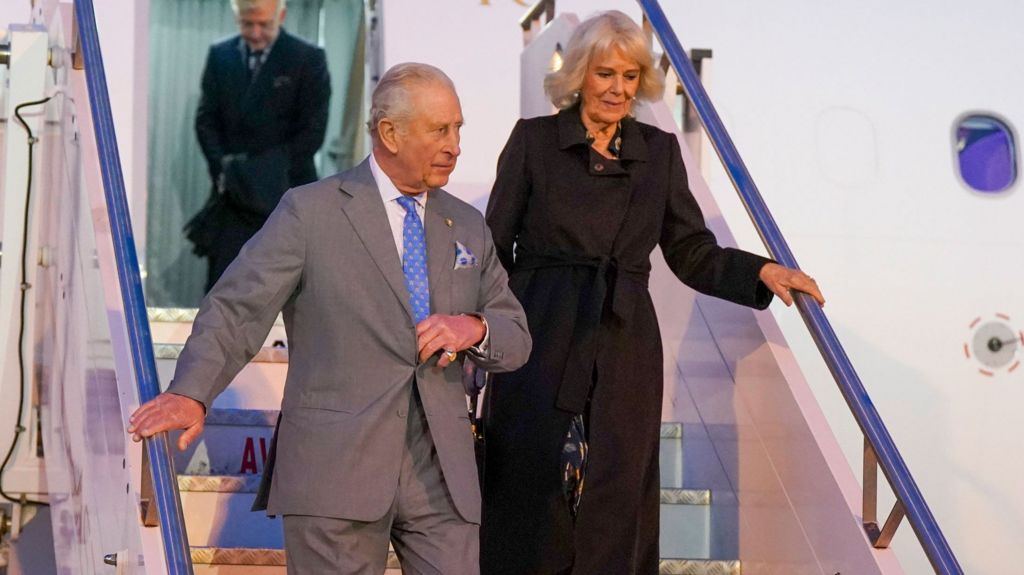
King lands in Rome for historic visit to meet Pope
In a landmark moment for interfaith relations, King Charles III and Queen Camilla have arrived in Rome for a historic state visit to the Vatican. The visit, which began on Wednesday evening with their arrival at Ciampino Airport, marks the first time a British monarch will pray with a pope since the 16th-century Reformation. This symbolic gesture underscores the growing unity between the Church of England and the Catholic Church, a relationship described by the King’s spokesman as a ‘bulwark against those promoting conflict, division, and tyranny.’
The royal couple’s visit comes amid ongoing controversies surrounding Prince Andrew, whose recent loss of titles has dominated headlines. The Palace has been keen to shift focus to this significant diplomatic endeavor, emphasizing its importance in fostering global Christian unity. The King, as the Supreme Governor of the Church of England, has long championed interfaith dialogue, making this visit deeply personal and meaningful.
On Thursday morning, King Charles will meet Pope Leo at the Vatican, followed by a joint service in the Sistine Chapel. This service, held beneath Michelangelo’s iconic ceiling, will bring together Catholic and Anglican clergy, royal and Vatican choirs, and highlight the warm relations between the two denominations. The event will also feature a rare public display of prayer, breaking royal convention to emphasize solidarity.
In another gesture of reconciliation, the King will attend a service at St. Paul’s Outside the Walls, a church with pre-Reformation ties to the English monarchy. Here, he will assume the honorary title of ‘royal confrater,’ further cementing the historic links between the abbey and the British crown.
Cardinal Vincent Nichols, Archbishop of Westminster, noted the King and Pope’s differing approaches but expressed confidence in their ability to find common ground. He also reflected on the spiritual significance of the visit, stating that both leaders would seek divine guidance to navigate the challenges facing the Royal Family.
The Foreign Office hailed the visit as an opportunity to strengthen the UK’s relationship with the Catholic Church, the world’s largest Christian denomination. This trip not only highlights the King’s commitment to interfaith harmony but also reinforces the UK’s role as a bridge between diverse religious communities in an increasingly divided world.
-
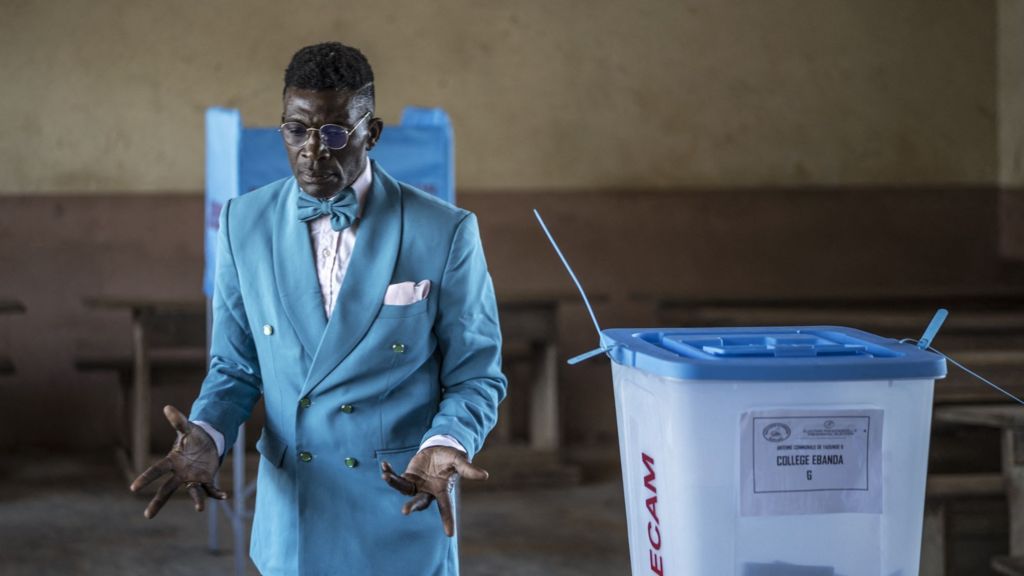
Cameroon judges reject election-rigging complaints
Cameroon’s Constitutional Council has rejected calls to annul the results of the highly contested presidential election held on 12 October, announcing that the final outcome will be declared on Monday. The decision has intensified political unrest, with opposition supporters staging widespread protests across major cities, alleging electoral fraud, including ballot-stuffing. The judges dismissed eight petitions, citing insufficient evidence of irregularities and jurisdictional limitations. Opposition candidate Issa Tchiroma Bakary, a former government spokesman who defected from President Paul Biya’s camp, has declared himself the winner, claiming to have secured 55% of the vote based on unofficial tallies. Biya, 92, who has ruled Cameroon for 43 years, is seeking another seven-year term. Bakary has refused to file formal complaints with the Constitutional Council, accusing it of bias due to its Biya-appointed judges. He warned of potential civil unrest if the official results do not reflect the electorate’s will. Biya’s ruling party has dismissed Bakary’s self-proclaimed victory as illegal, emphasizing that only the Constitutional Council can validate election results. The Catholic Church has urged the Council to ensure the verdict aligns with voters’ intentions. The escalating tensions have raised fears of post-election violence in a nation already grappling with separatist conflicts in Anglophone regions and Boko Haram insurgencies in the Far North.