
In a landmark case at the Old Bailey, 21-year-old Dylan Earl has pleaded guilty to orchestrating a series of pro-Russia sabotage acts on UK soil, including a devastating arson attack on a Ukrainian-owned warehouse in East London. This marks the first sentencing under the newly enacted National Security Act, which could see Earl imprisoned for life. The warehouse, targeted in March 2024, was a hub for dispatching essential equipment, including Starlink satellite terminals, to Ukraine. Earl’s actions were part of a broader campaign supporting Russia’s aggressive war against Ukraine, as highlighted by prosecutor Duncan Penny KC. Earl’s involvement extended beyond arson; he attempted to recruit a British soldier for intelligence gathering on behalf of the Wagner Group, a Russian mercenary organization. Messages revealed in court showed Earl discussing plans for further attacks, including a potential arson in the Czech Republic, and even exploring extortion schemes. Despite his barrister’s portrayal of Earl as a ‘sad individual’ influenced by online gaming and drug use, the judge emphasized the seriousness of his crimes. Five other men, including Jake Reeves and Ashton Evans, are also implicated in related offenses. Sentencing is scheduled for Friday, with the case underscoring the UK’s heightened focus on national security threats linked to foreign powers.
分类: politics
-
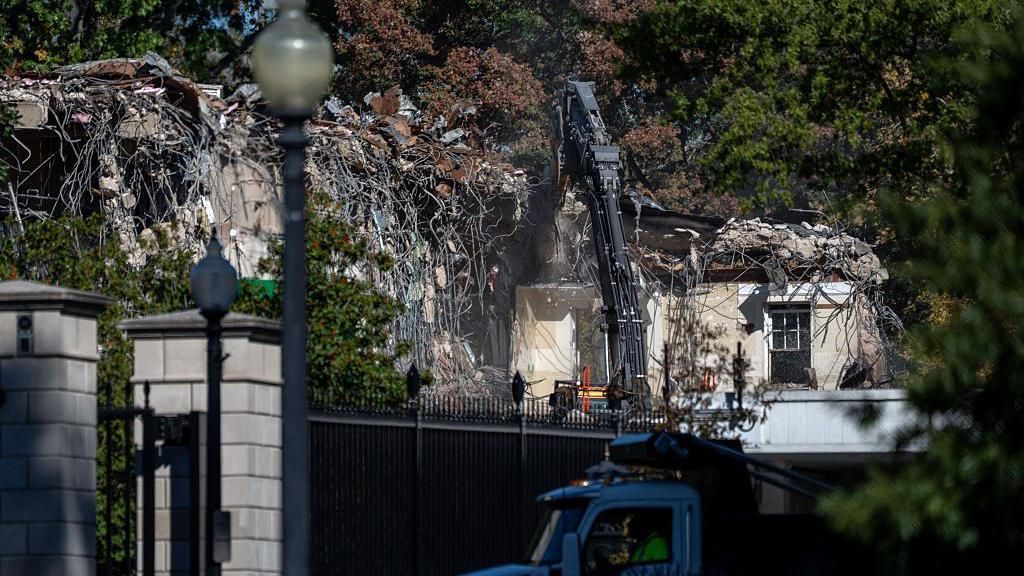
The decades-old exemption that lets Trump reconstruct the White House
President Donald Trump’s ambitious plan to demolish the White House East Wing to construct a new ballroom has ignited a fierce debate over historic preservation and presidential authority. Despite earlier assurances that the project would not disrupt the existing structure, the proposed demolition has drawn sharp criticism from Democrats and conservation groups, including the National Trust for Historic Preservation, which has urged a public review process.
-
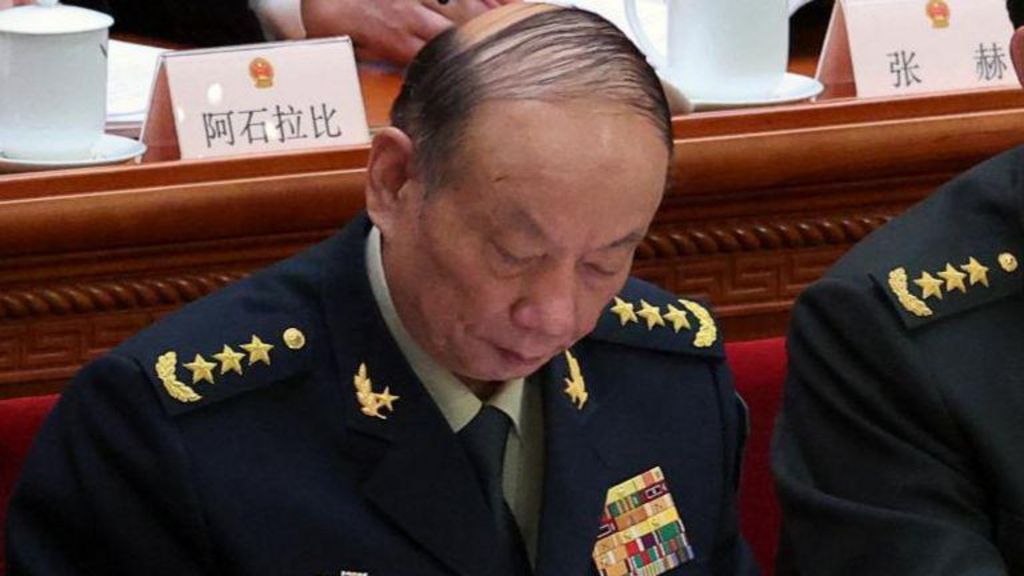
China names new second highest-ranking general after military purge
In a significant move underscoring its commitment to military reform and anti-corruption, the Chinese Communist Party has appointed Zhang Shengmin as the second-ranked vice chairman of the Central Military Commission (CMC). This appointment follows the expulsion of nine high-ranking generals accused of serious financial crimes, marking one of the largest public crackdowns on the military in decades. Zhang, a trusted loyalist of President Xi Jinping, now holds the third-highest position in the CMC, just below the first-ranked vice chairman and President Xi himself. Zhang, 67, has a distinguished career in the People’s Liberation Army Rocket Force and has been serving as deputy secretary of the CMC’s anti-corruption arm. His promotion is seen as a strategic step to reinforce discipline and eliminate ‘toxic influence’ within the military. The recent purge aligns with the CMC’s July guidelines, which introduced ‘iron rules’ for cadres and emphasized the need for a clean and loyal military force. The appointment was announced at the conclusion of a four-day Central Committee meeting, which also approved a new five-year plan focusing on scientific and technological self-reliance, green transition, and modernizing defense. This plan aims to bolster domestic consumption and mitigate the impact of geopolitical uncertainties and export revenue losses.
-
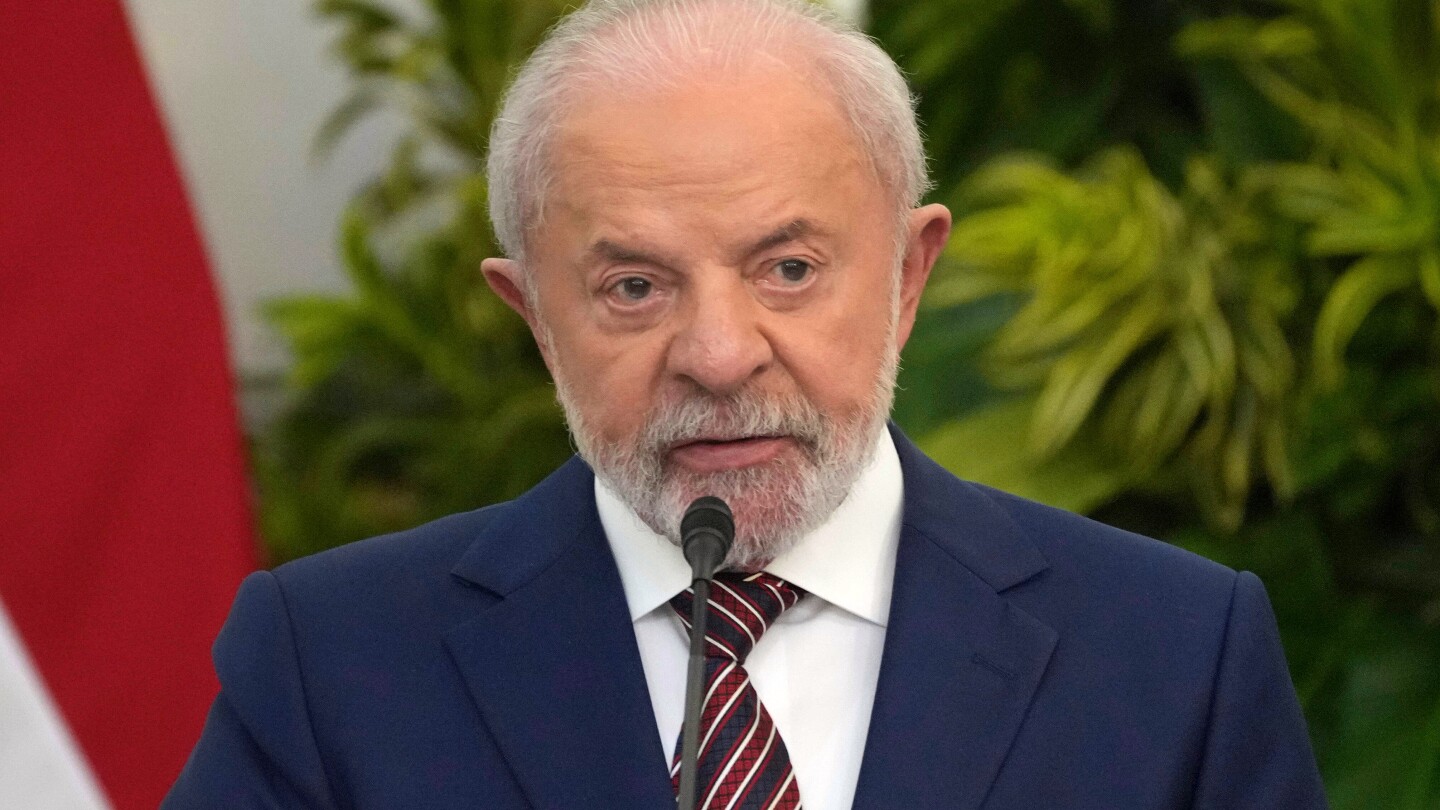
Brazilian President Lula announces reelection bid for fourth nonconsecutive term
Brazilian President Luiz Inácio Lula da Silva has declared his intention to seek a fourth nonconsecutive term in the 2026 presidential election, despite concerns about his age and health. Speaking during his official visit to Indonesia, the 79-year-old leader confidently stated, ‘I’m turning 80, but you can be sure I have the same energy I had when I was 30. And I’m going to run for a fourth term in Brazil.’ Lula’s announcement comes as he embarks on a diplomatic tour across Asia, including a visit to Malaysia for the Association of Southeast Asian Nations (ASEAN) summit, where he is expected to meet U.S. President Donald Trump for the first time. The two leaders are anticipated to discuss trade tensions, particularly the 50% tariff imposed by Trump on Brazilian goods. Lula, a dominant figure in Brazilian politics and the country’s longest-serving president since its return to democracy 40 years ago, returned to power in 2023 after defeating Jair Bolsonaro in a closely contested election. Although he previously hinted that his third term would be his last, citing the need for political renewal, Lula has since shifted his stance, emphasizing his continued vigor and commitment to the nation. Despite his popularity, recent polls indicate that roughly half of Brazilian voters disapprove of his leadership. His main political rival, Bolsonaro, has been barred from running for office and sentenced to 27 years in prison for attempting a coup. Analysts suggest that any viable opposition candidate in 2026 will likely depend on Bolsonaro’s support, even as he serves his sentence under house arrest. Lula’s decision to run again has sparked mixed reactions, with some praising his resilience and others expressing concerns about his age and health, particularly following an emergency surgery for a brain bleed last year. Nevertheless, Lula remains a formidable force in Brazilian politics, and his reelection bid is expected to shape the country’s political landscape in the coming years.
-
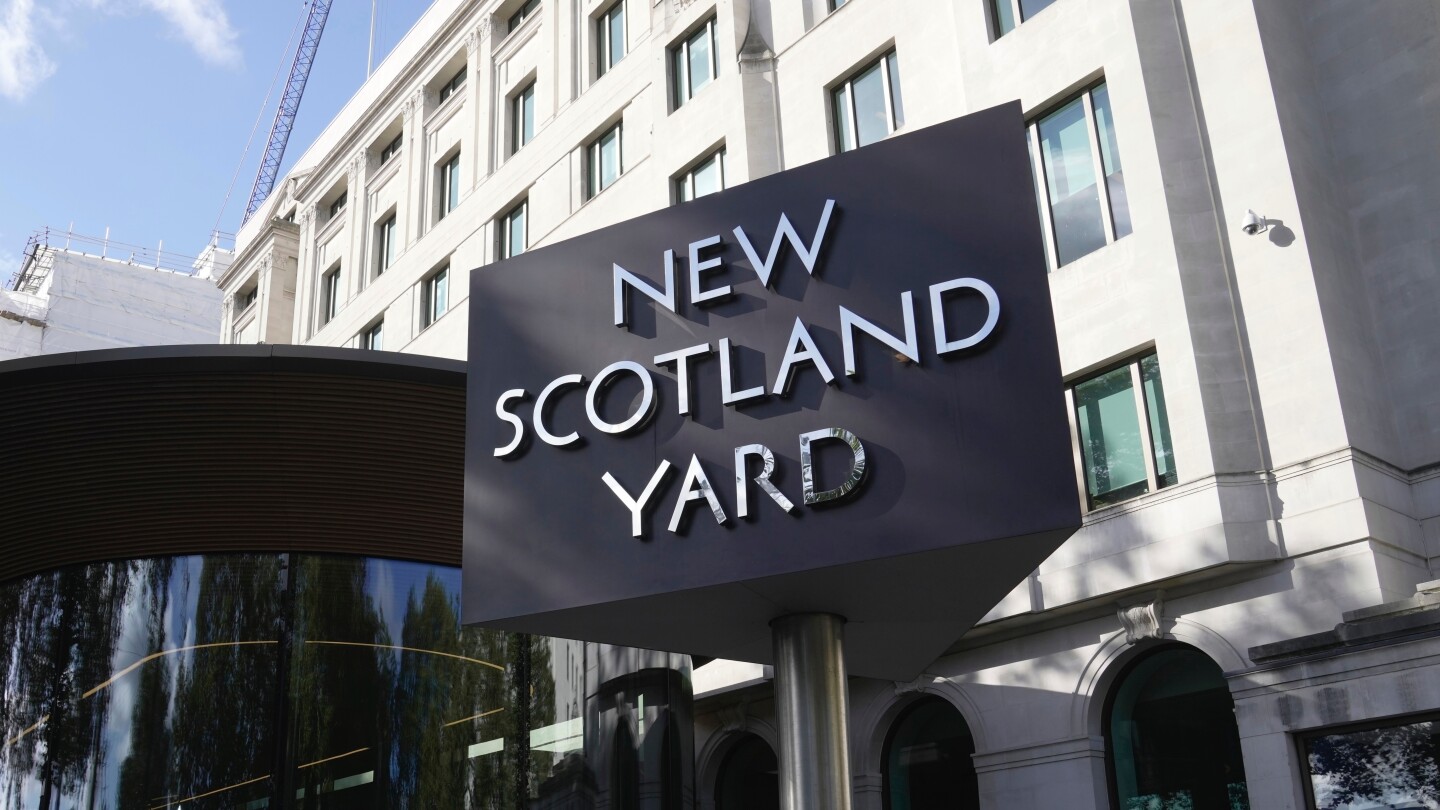
UK police arrest 3 men in London on suspicion of spying for Russia
In a significant development, British counterterrorism authorities apprehended three individuals in London on Thursday, suspecting them of espionage activities on behalf of Russia. The Metropolitan Police confirmed that the men, aged 44, 45, and 48, were taken into custody under the National Security Act, accused of aiding a foreign intelligence service, specifically Russia. Simultaneously, law enforcement officers conducted searches at multiple properties across the city as part of the ongoing investigation.
-
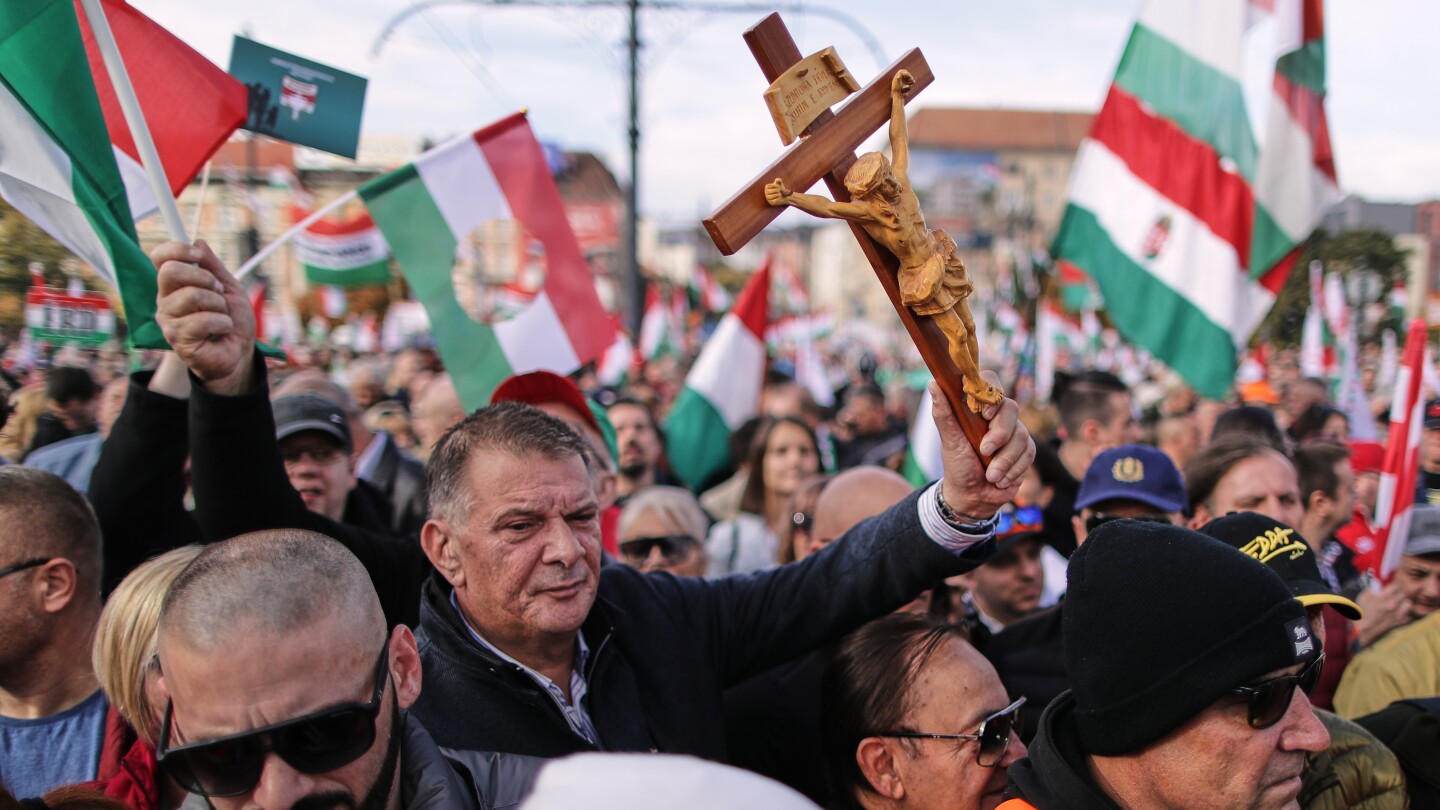
Thousands march in Budapest to support Orbán amid election challenges
Thousands of Hungarians took to the streets of Budapest on Thursday, October 23, to rally in support of Prime Minister Viktor Orbán, as the country braces for what could be the most competitive parliamentary elections in his 15-year tenure. The event, organized as a “peace march,” coincided with Hungary’s national holiday commemorating the 1956 anti-Soviet uprising, which was brutally suppressed by the Red Army. Participants voiced their backing for Orbán’s stance that Hungary risks being drawn into Russia’s war in Ukraine, with banners declaring, “We don’t want to die for Ukraine.” The march, which began at the Margaret Bridge with a backdrop of Hungary’s neo-Gothic parliament, saw attendees waving flags representing towns and villages across the nation.
-
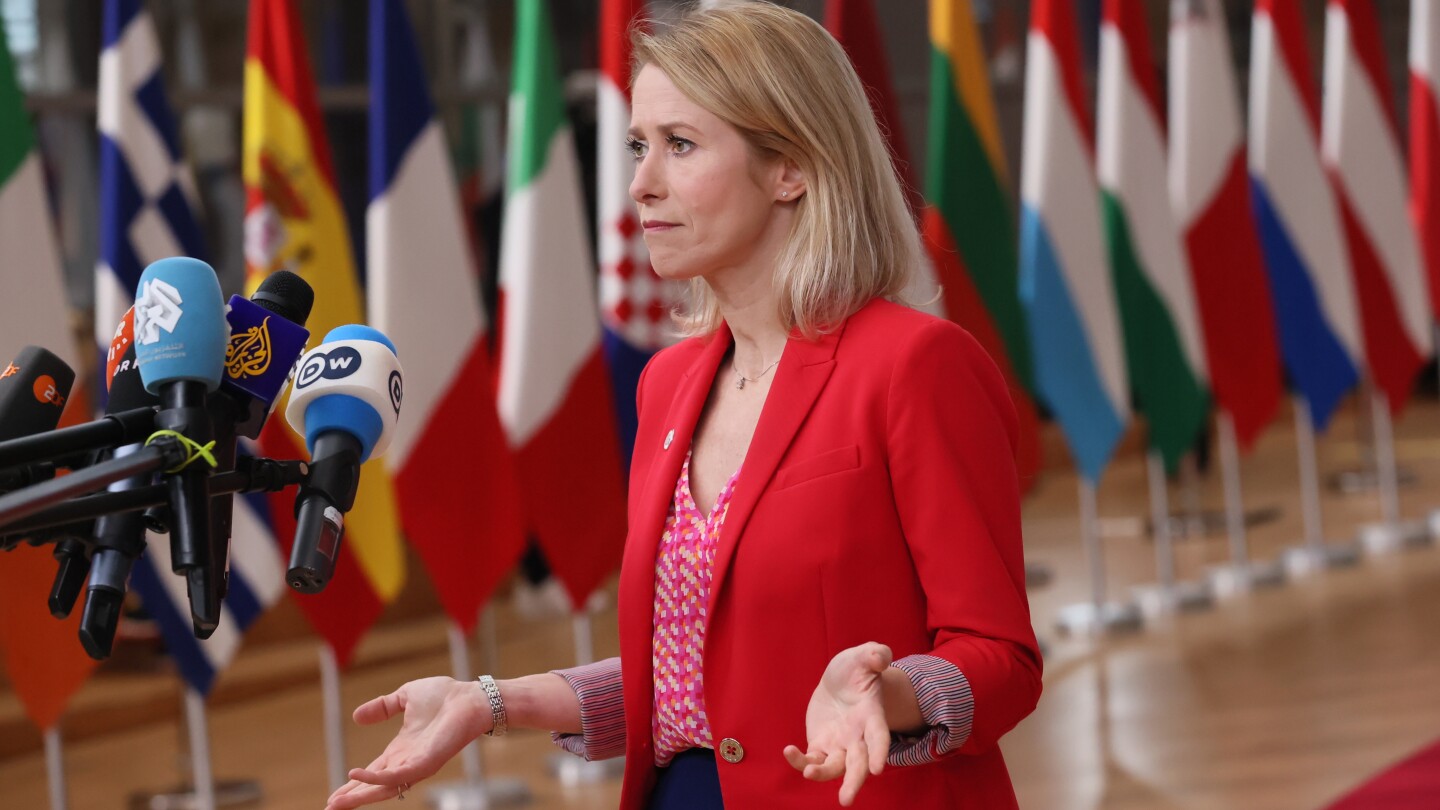
EU leaders seek role in Gaza at summit focused on Ukraine and Russia
In a bid to assert its influence in the ongoing Israeli-Palestinian conflict, European Union leaders are pushing for a more active role in Gaza and the occupied West Bank. This move comes after the EU was largely excluded from the U.S.-mediated ceasefire between Israel and Hamas. During a summit in Brussels, primarily focused on the Ukraine crisis, EU heads of state also turned their attention to the fragile truce in Gaza, discussing potential measures to support stability in the war-torn region. The EU, being the largest aid provider to Palestinians and Israel’s top trading partner, aims to leverage its position to foster lasting peace. Luxembourg Prime Minister Luc Frieden emphasized the importance of European involvement, stating, ‘Gaza is not over; peace is not yet permanent.’ The conflict has deeply divided the 27-nation bloc and strained EU-Israel relations to historic lows. European Commission President Ursula von der Leyen had previously proposed sanctions and a partial trade suspension against Israel to pressure a peace deal, though momentum waned following the U.S.-brokered ceasefire. However, EU officials argue these measures remain relevant as violence persists in Gaza and the West Bank. Israeli Prime Minister Benjamin Netanyahu recently dismissed Europe’s relevance, calling it ‘essentially irrelevant and displaying enormous weakness.’ Despite this, the EU is working to integrate itself into the post-ceasefire diplomatic efforts. EU foreign policy chief Kaja Kallas stressed the bloc should not only fund stability but also actively participate in reconstruction. The EU has supported the Palestinian Authority, pledged humanitarian aid, and proposed extending a West Bank police support program to Gaza to bolster a stabilization force outlined in the ceasefire plan. Additionally, the EU is seeking membership in the ceasefire’s ‘Board of Peace’ oversight body. The European Border Assistance Mission in Rafah, operational since 2005, has also played a role, aiding thousands of individuals during the ceasefire before pausing operations when hostilities resumed.
-
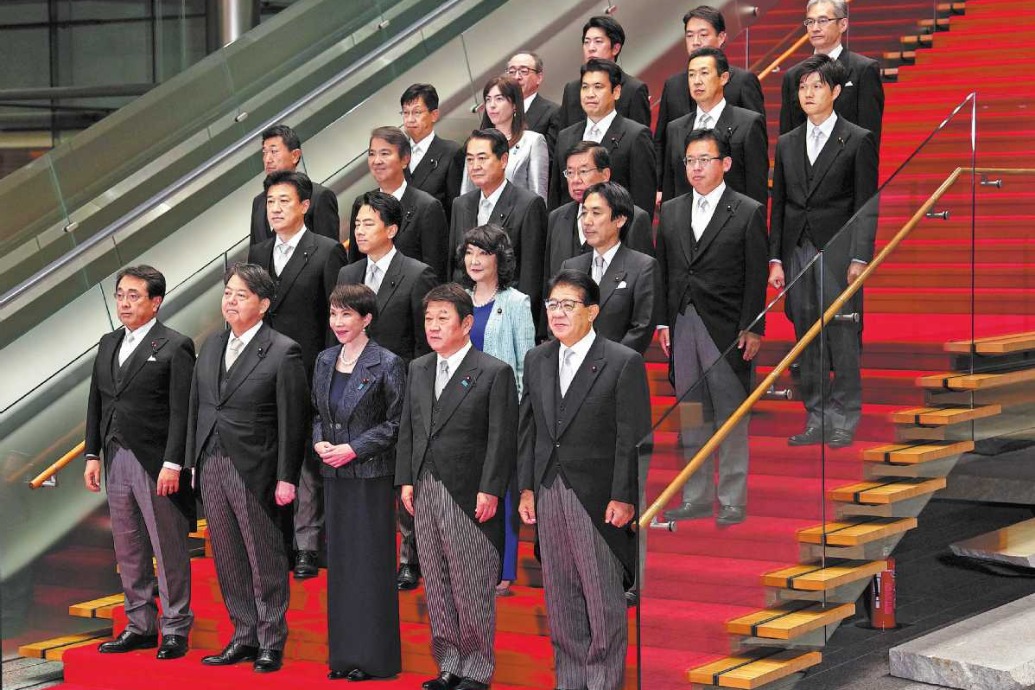
Japan’s new Cabinet marks conservative turn in politics
Japan’s political landscape has taken a decisive turn with the formation of Prime Minister Sanae Takaichi’s new Cabinet, marking a significant shift toward conservative policies. The alliance between Takaichi’s Liberal Democratic Party (LDP) and the Japan Innovation Party (JIP) underscores a shared focus on economic and security priorities, signaling a departure from the centrist stance of previous administrations.
At her inaugural press conference, Takaichi emphasized the coalition’s commitment to key policy areas, including cost-of-living measures, social security reform, and constitutional revision. Experts note that the LDP-JIP partnership is more right-leaning than the LDP’s previous coalition with the Komeito party, which withdrew earlier this month citing dissatisfaction with the LDP’s handling of a political funding scandal.
Kumiko Haba, a professor at Josai International University, highlighted that the dissolution of the LDP-Komeito alliance has freed Takaichi’s administration to pursue more conservative policies. This shift could have significant implications for Japan’s defense posture and its relations with China, particularly if Takaichi adopts a hard-line stance on historical issues.
Noriyuki Kawamura, an emeritus professor at Nagoya University of Foreign Studies, warned that the JIP’s advocacy for constitutional revision and stronger defense capabilities could act as an ‘accelerator,’ pushing the government further to the right. The Komeito, which previously served as a moderating force, is no longer in a position to restrain the LDP’s security policies.
Takaichi’s Cabinet appointments reflect a strategic effort to consolidate power and foster party unity. Key positions were assigned to her former leadership rivals, including Shinjiro Koizumi as defense minister and Toshimitsu Motegi as foreign minister. The absence of JIP members in the Cabinet aligns with the coalition agreement, which positions the JIP as an extra-cabinet partner rather than a formal coalition member.
While the LDP-JIP alliance strengthens Takaichi’s ability to advance conservative policies, it also introduces uncertainties. The JIP’s support for government legislation may vary depending on the issue, and the party has maintained a ‘disengagement strategy’ to distance itself from the LDP if policy differences arise.
As Japan’s new administration takes shape, its conservative orientation and potential for constitutional and military reforms are likely to shape the country’s domestic and international trajectory in the coming years.
-
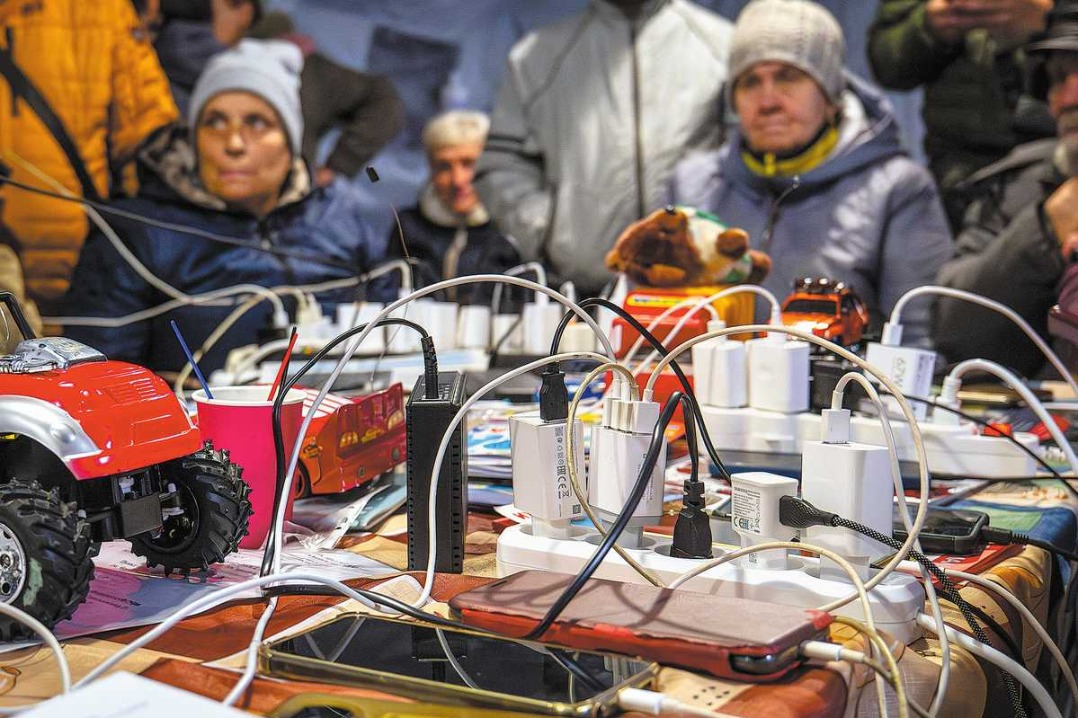
Putin-Trump summit on hold, says White House
The highly anticipated summit between U.S. President Donald Trump and Russian President Vladimir Putin has been indefinitely postponed, according to a senior White House official. The decision comes as Moscow continues to reject calls for an immediate ceasefire in Ukraine, complicating diplomatic efforts to resolve the ongoing conflict. Last week, Trump had announced plans to meet Putin in Hungary to broker peace, but Russia’s insistence on territorial concessions from Ukraine has stalled negotiations. Kremlin spokesman Dmitry Peskov stated that no specific dates for the summit had been finalized, emphasizing that both leaders had not committed to a timeline. Russia reiterated its demands for control over the Donbas region in a private communique sent to the U.S., effectively dismissing Trump’s proposal for a ceasefire based on current frontlines. Ukrainian President Volodymyr Zelensky expressed cautious optimism about Trump’s compromise but doubted Putin’s willingness to support it. Meanwhile, European leaders have urged Washington to maintain a firm stance on an immediate ceasefire, with NATO Secretary-General Mark Rutte scheduled to meet Trump to discuss European perspectives on the crisis. The EU is set to reinforce its support for Ukraine at an upcoming summit in Brussels, followed by a meeting of European leaders in London to strategize next steps.
-
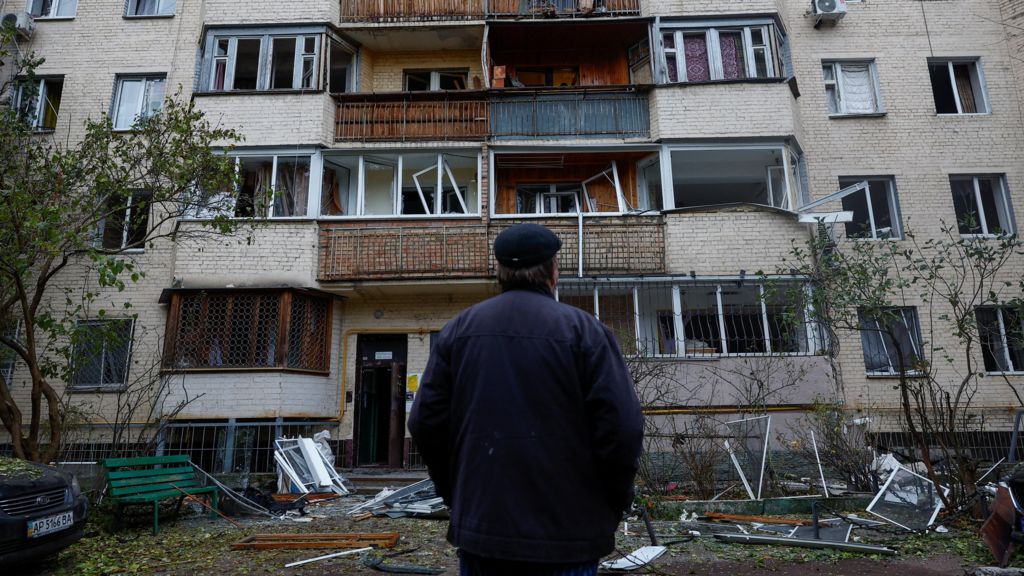
EU set to endorse deal to turn frozen Russian assets into support for Ukraine
European leaders are poised to approve a groundbreaking proposal to utilize €140bn (£121bn) of frozen Russian state assets to support Ukraine’s reconstruction and defense efforts. The plan, set for discussion at a Brussels summit on Thursday, marks a significant escalation in the EU’s response to Russia’s ongoing aggression. The funds, currently held by Belgium-based financial institution Euroclear, would be redirected as a zero-interest “reparations loan” to Kyiv, with repayment expected through future reparations from Moscow. This move, however, faces legal and geopolitical hurdles, including concerns over global financial stability and potential Russian retaliation. The EU has already been using the interest from these frozen assets—amounting to €3bn annually—for Ukraine’s defense since 2024. The proposal, months in the making, seeks to address Ukraine’s urgent financial needs amid dwindling U.S. support and the approaching fifth year of the war. Ukraine’s reconstruction and recovery costs are estimated by the UN and World Bank to exceed $486bn (£365bn; €420bn). While countries like Poland and Finland have lauded the plan as “ingenious,” others, including Hungary and Slovakia, remain skeptical. The EU must also navigate internal disagreements on how Ukraine should allocate the funds, with some nations advocating for military spending and others prioritizing budgetary support. The plan’s success hinges on Ukraine’s victory and Russia’s willingness to pay reparations—a scenario with no guarantees. If Russia refuses, the financial burden could fall on European taxpayers, raising concerns about the proposal’s long-term viability.