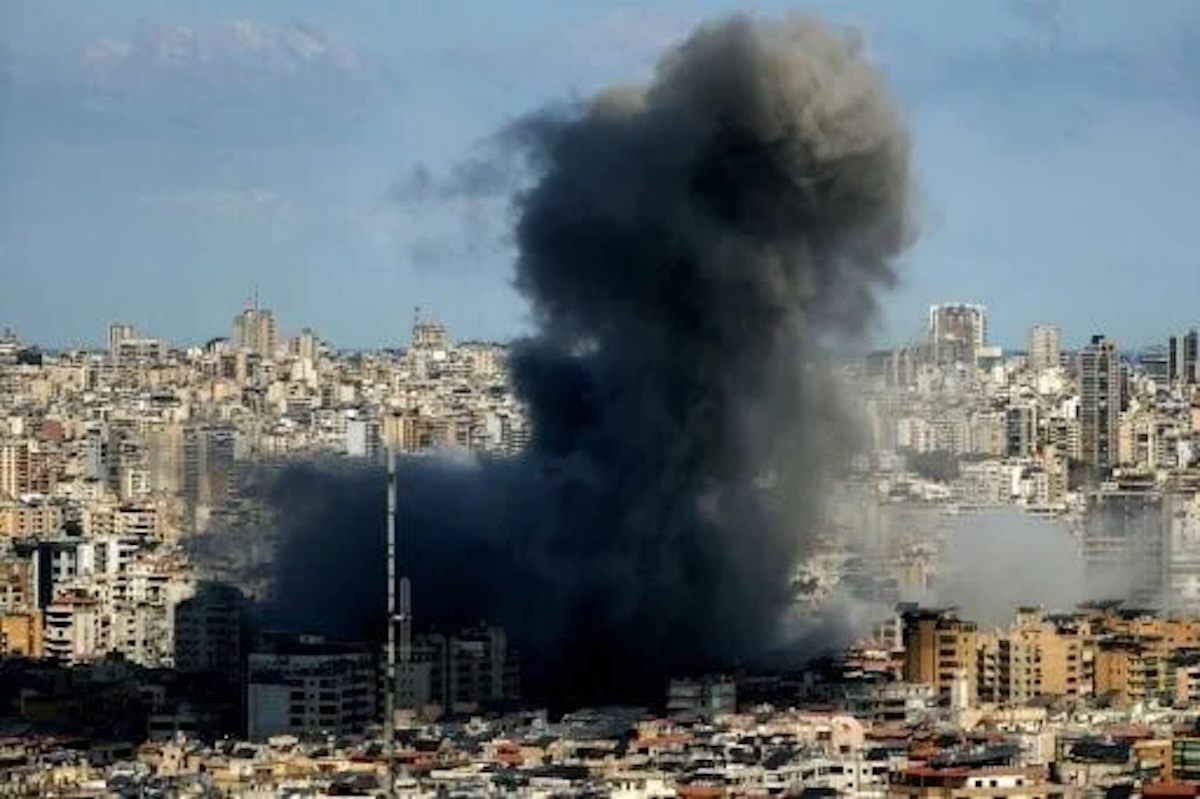
A concerning revelation from NBC News indicates that President Donald Trump’s daily briefings on the Iran conflict may present a dangerously oversimplified perspective of the ongoing military engagement. According to multiple administration sources, military officials have been providing the President with customized two-minute video compilations showcasing what one official described as \”the biggest, most successful strikes on Iranian targets\” – essentially featuring dramatic footage of \”stuff blowing up.\
分类: politics
-

Iran dismisses US ceasefire proposal as ‘excessive’
Iran has formally rejected a comprehensive 15-point ceasefire proposal presented by the United States, characterizing the terms as “excessive” and vowing to continue military operations until its own conditions are met. The proposal, delivered through Pakistani intermediaries, outlined a monthlong ceasefire framework addressing multiple contentious issues including sanctions relief, civilian nuclear cooperation, limitations on Iran’s nuclear program, International Atomic Energy Agency monitoring protocols, missile restrictions, and guarantees for shipping access through the strategically vital Strait of Hormuz.
According to reports from Iran’s state-run Press TV, Tehran will terminate the conflict “at a time of its own choosing,” with a spokesperson from Iran’s Khatam al-Anbiya Central Headquarters dismissing Washington’s diplomatic overtures while mocking American attempts to reframe military setbacks as negotiated agreements. “Our first and last word has been, is, and will always be: Someone like us will not come to terms with someone like you. Not now, and not ever,” the spokesperson emphasized.
The diplomatic impasse occurs amid confusion regarding Iran’s negotiating channels, with experts noting a “deeper structural problem” in the absence of a clearly unified Iranian representation. Meanwhile, international efforts to mediate continue, with Pakistan offering to host negotiations between Washington and Tehran. Pakistani Prime Minister Shehbaz Sharif affirmed his country’s readiness to “facilitate meaningful and conclusive talks for a comprehensive settlement.”
Concurrently, Turkish Foreign Minister Hakan Fidan and Chinese counterpart Wang Yi discussed the conflict in a phone conversation, emphasizing the urgent need for cessation of hostilities and highlighting the critical importance of maintaining uninterrupted operation of transport lines, energy networks, and supply chains.
International concern continues to mount regarding regional stability, with IAEA Director-General Rafael Grossi reiterating calls for maximum restraint following attacks on Iran’s Bushehr nuclear power plant. The diplomatic landscape reflects increasing transatlantic divergence, as European leaders express concern that military-focused approaches undermine diplomatic channels while exposing Europe to secondary economic and security repercussions.
Regional stakeholders including Oman and Qatar have emphasized the necessity of Gulf Cooperation Council inclusion in any negotiations determining the region’s future, with Qatari former prime minister Hamad bin Jassim bin Jaber Al Thani asserting that regional security “is not a secondary matter, nor a file to be discussed on our behalf; rather, it is the essence of our stability and existence.”
-
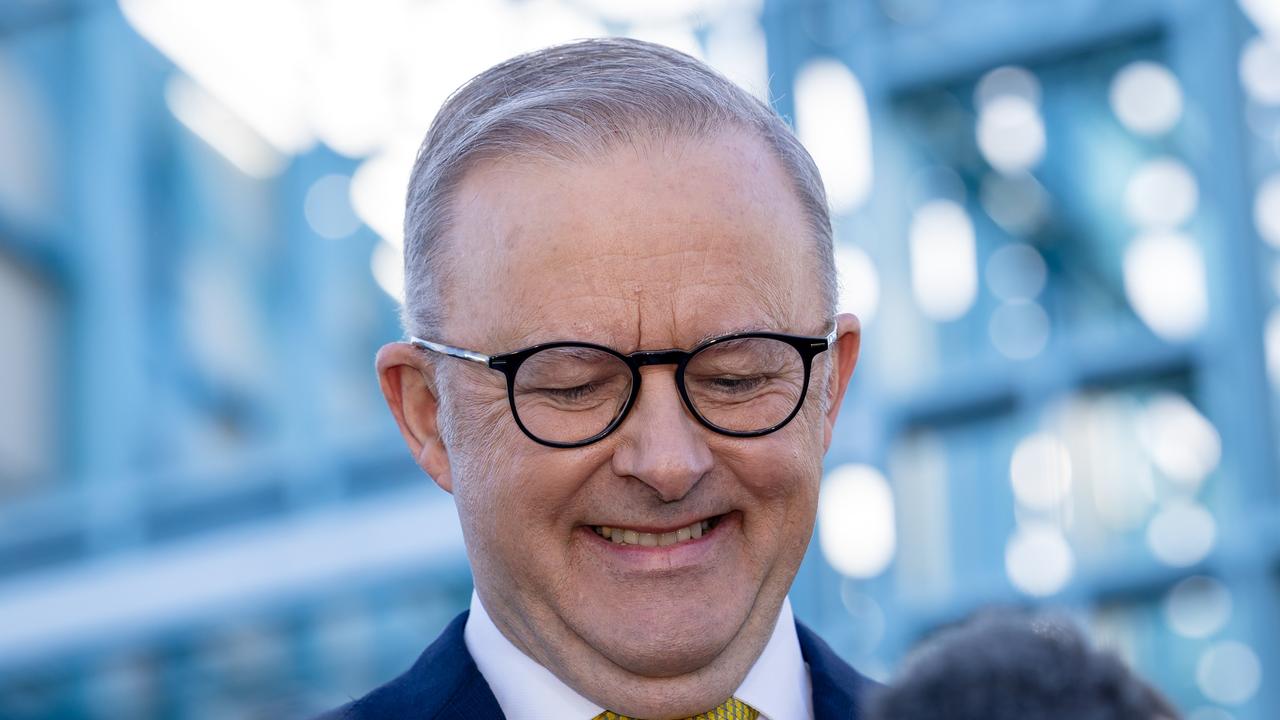
Coalition, Greens team up to strip Labor of ‘godlike powers’
In an extraordinary political development, Australia’s Senate has witnessed a rare cross-bench alliance between the Coalition and the Greens that successfully passed legislation challenging the government’s housing authority. The Housing Australia Amendment (Accountability) Bill 2025, introduced by Opposition Housing Spokesman Andrew Bragg, secured passage with a decisive 36-25 vote on Thursday—marking the first private senator’s bill to clear the upper house in two years.
The controversial legislation specifically targets Housing Minister Clare O’Neil’s executive powers, which Senator Bragg characterized as ‘godlike’ in their scope. The bill mandates parliamentary oversight for any modifications to Housing Australia’s operations, including the housing guarantee scheme and the Housing Australia Future Fund. This government entity has evolved into both a property developer and significant insurer, handling critical housing initiatives without requiring parliamentary approval for operational changes.
Senator Bragg defended the legislation as necessary check on ministerial overreach, stating: ‘We have a major problem in this country with the delegation of authority to ministers. In too many cases, ministers make laws without any reference to the elected assembly.’ He specifically cited the removal of means testing and placement caps from the Home Guarantee Scheme—which enables homebuyers to enter the market with just 5% deposits—as examples of concerning unilateral changes.
However, the bill faces almost certain defeat in the House of Representatives, where Labor maintains majority control. Labor Senator Ellie Whitaker, continuing debate from early February, argued the legislation would actually hinder housing construction by creating investment uncertainty. ‘Housing projects don’t just pop up overnight,’ she countered. ‘They require years of planning, financing and construction, and they require dedication from government.’
The political maneuver represents both a symbolic challenge to Labor’s housing policies and a practical attempt to increase parliamentary scrutiny over housing governance, even as its ultimate passage remains unlikely due to the government’s lower house majority.
-
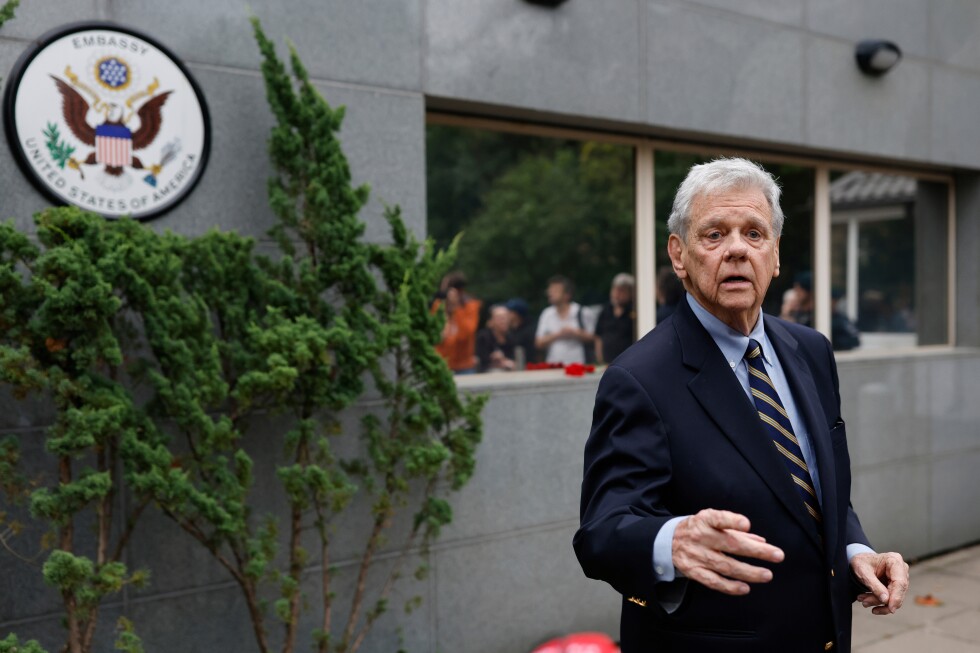
Trump envoy credits colorful rhetoric and vodka shots in helping him build bond with Belarus leader
In a striking demonstration of unconventional diplomacy, U.S. Special Envoy to Belarus John Coale has revealed the unorthodox methods employed to secure the release of hundreds of political prisoners from the Eastern European nation. During a recent appearance at Arizona State University’s McCain Institute, Coale detailed how he deliberately mirrored the vulgar language and drinking customs of Belarusian President Alexander Lukashenko to establish rapport.
The envoy described how during their first meeting, which extended into a two-hour luncheon, he echoed Lukashenko’s disdain for European leadership using crude language that matched the autocrat’s tone. ‘I had him in my hand from then on,’ Coale stated regarding the moment he matched Lukashenko’s anti-European sentiments. To navigate the alcohol-heavy proceedings, Coale admitted to discreetly pouring vodka shots onto the floor when his host wasn’t watching, while some State Department colleagues became intoxicated after consuming eight toasts.
This approach appears to have yielded significant diplomatic gains. Last week marked the largest single release of political prisoners in Belarus’s history, with 250 individuals pardoned following Coale’s meeting with Lukashenko in Minsk. The release came as part of a bilateral agreement that resulted in the lifting of certain U.S. sanctions against the Belarusian regime.
Coale, a Maryland attorney appointed by former President Donald Trump in March 2025, defended his methods in an interview with The Associated Press: ‘If I have to use locker room language to get 500 political prisoners released, I will do it every time.’ His appointment came after he helped secure the release of 14 political prisoners in June 2025, which led to his elevation to special envoy.
The diplomatic breakthrough represents a strategic shift for Lukashenko, who has ruled Belarus with an iron fist for over three decades while maintaining close ties with Russian President Vladimir Putin. Since Trump’s return to the White House, Lukashenko has sought improved relations with the West, resulting in the gradual release of political prisoners in exchange for sanctions relief.
The released prisoners include prominent figures such as Nobel Peace Prize laureate Ales Bialiatski and opposition leaders Siarhei Tsikhanouski, Viktar Babaryka, and Maria Kolesnikova. Coale characterized the mass release as a ‘significant humanitarian milestone’ and credited Trump’s ‘commitment to direct, hard-nosed diplomacy’ for the progress.
-
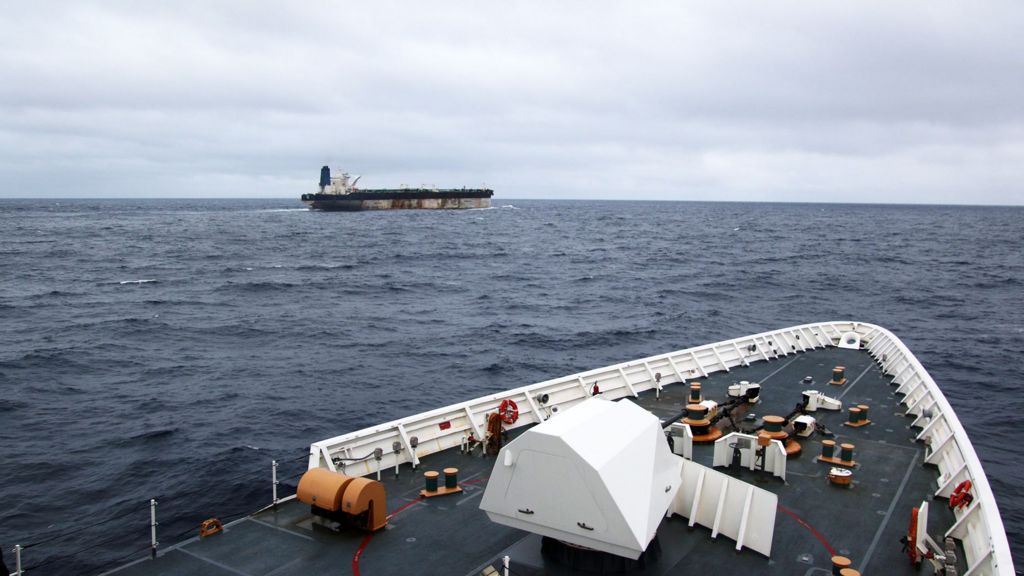
British forces will be able to board Russian shadow fleet ships in UK waters
British military forces are in final stages of preparation to intercept and detain vessels from Russia’s clandestine maritime network, following Prime Minister Sir Keir Starmer’s authorization of military operations against these sanctioned ships. This decisive action targets Russia’s systematic evasion of oil sanctions that finance its ongoing conflict in Ukraine.
The government has established legal justification under the 2018 Sanctions and Money Laundering Act, permitting UK forces to board prohibited vessels within British territorial waters. While no boarding operations have occurred yet, senior officials indicate the first intervention is imminent after specialized military units completed intensive training exercises simulating various engagement scenarios.
Prime Minister Starmer, speaking ahead of the Joint Expeditionary Force summit in Helsinki, emphasized the strategic importance of disrupting Russia’s shadow operations: “Putin anticipates benefiting from Middle East instability through elevated oil prices. Our intensified pursuit of his shadow fleet aims to sever the illicit revenue stream funding his brutal campaign in Ukraine.”
Royal Navy personnel have already collaborated with Nordic allies including Finland, Sweden, and Estonia in monitoring and tracking suspicious vessels. Advanced ship-tracking technology enables identification of sanctioned ships approaching UK waters weeks in advance, allowing military planners to select initial targets for interception.
The government estimates approximately 75% of Russia’s crude oil transports via aging vessels in this shadow network, with sanctions currently applied to 544 identified ships. Elite units including the Special Boat Service and Royal Marines stand prepared to execute operations, with contingency planning for potential armed resistance from crew members.
This development follows Britain’s earlier participation in a joint operation with US forces seizing the Marinera oil tanker for sanctions violations. Defence Secretary John Healey and Attorney General Lord Hermer recently coordinated with international legal counterparts to clarify jurisdictional parameters for various engagement scenarios.
Opposition Conservatives acknowledged the importance of excluding sanctioned vessels but criticized what they characterized as inadequate resource allocation to armed forces, stating Labour demonstrates “denial about the scale of threats our country faces.”
-
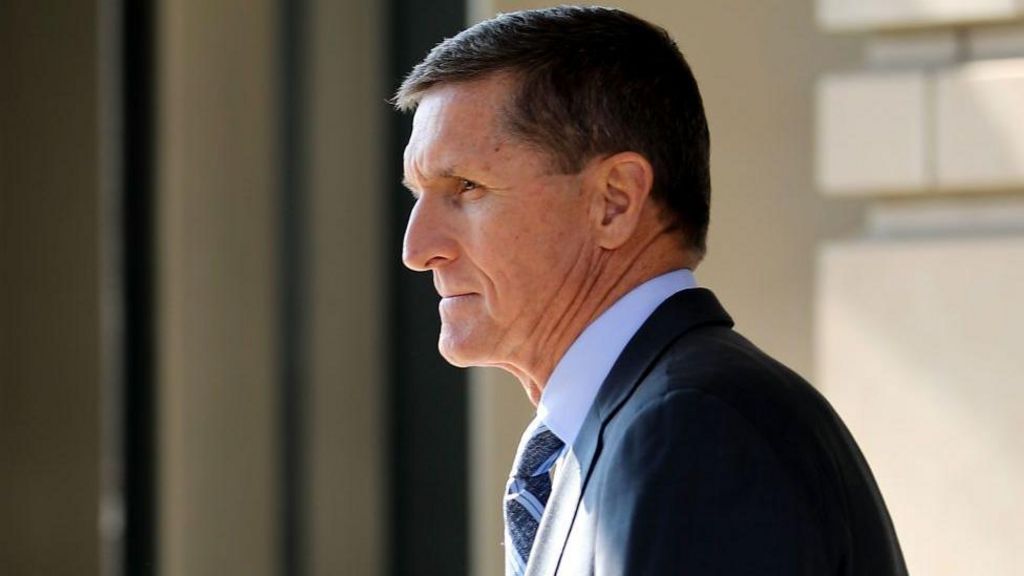
Justice department to pay Trump ally Flynn in Russia probe lawsuit
The U.S. Department of Justice has finalized a confidential financial settlement with retired Army Lieutenant General Michael Flynn, former national security adviser to President Donald Trump, resolving his wrongful prosecution lawsuit against the government. This resolution concludes years of legal battles stemming from the FBI’s Russia investigation.
Flynn initiated the 2023 lawsuit seeking $50 million in damages, alleging the Justice Department deliberately targeted him due to his association with Trump’s 2016 presidential campaign. The case centered on claims of prosecutorial misconduct during the investigation into Russian election interference.
In a significant reversal, the Justice Department now acknowledges Flynn’s prosecution as a “historic injustice.” A DOJ spokesperson stated: “Those who instigated the Russia Collusion Hoax and Crossfire Hurricane abused their power to mislead the American people and tarnish the reputations of President Trump and his supporters.”
The settlement terms remain undisclosed, though court filings confirm both parties agreed to dismiss the case “with prejudice,” preventing future litigation on these grounds. Each side will bear its own legal costs.
This development follows Flynn’s controversial legal journey. He initially pleaded guilty in 2017 to making false statements to FBI investigators during Special Counsel Robert Mueller’s probe but later sought to withdraw his plea, alleging government “bad faith, vindictiveness, and breach of the plea agreement.” The case was ultimately dropped in 2020 under Attorney General William Barr, followed by a presidential pardon from Trump.
The settlement occurs alongside other substantial financial claims against the Justice Department from Trump allies. Most notably, former President Trump himself has filed a $230 million claim seeking compensation for federal investigations into his 2016 campaign and handling of classified documents.
-
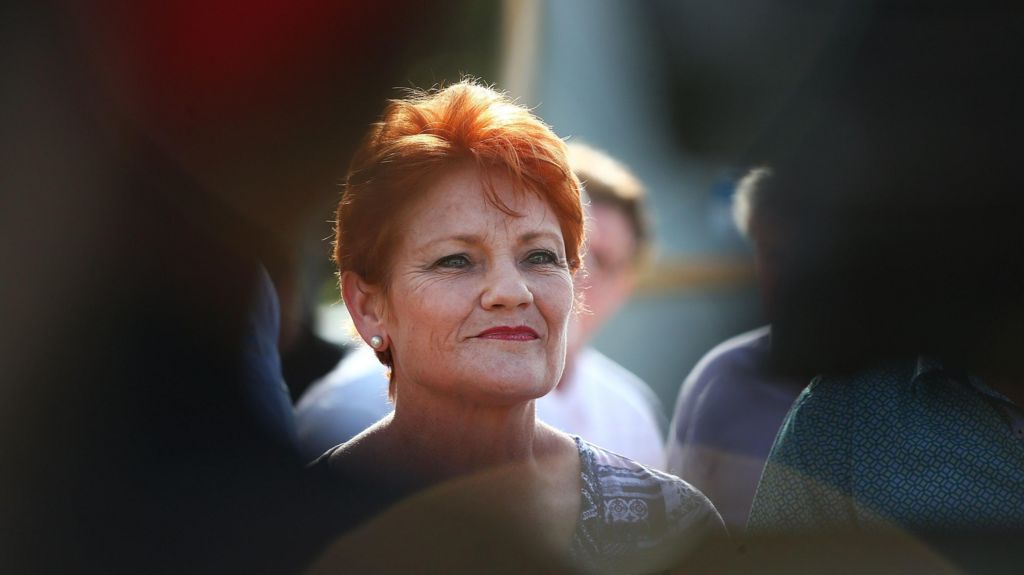
A right-wing populist party made big poll gains – and it’s shaking up Australian politics
Three decades after her improbable parliamentary entrance as a Queensland fish-and-chip shop owner, Pauline Hanson has transformed into Australia’s most persistent populist force. Her right-wing One Nation party, long relegated to the political fringe, is experiencing a remarkable resurgence fueled by widespread voter disillusionment with mainstream politics.
The movement’s breakthrough arrived on March 21st in South Australia’s state election, where One Nation captured over 20% of the vote—its strongest performance outside Hanson’s home state. While Labor Premier Peter Malinauskas secured a decisive victory, One Nation gained at least three legislative seats, primarily at the expense of the conservative Liberal Party. This outcome signals a potential reconfiguration of Australia’s traditionally two-party dominated landscape.
Political analysts view this development as particularly ominous for established parties. Kos Samaras, former Labor strategist and polling firm director, notes this represents a significant shift in Australia’s political gravity. The resurgence stems from multiple factors: a severe cost-of-living crisis, internal fractures within the Liberal-National coalition, and growing perception that mainstream parties disregard ordinary citizens’ struggles.
Voter testimonials reveal this discontent. Brittany, a 36-year-old aged care worker from Adelaide, abandoned her lifelong support for the Liberal-National Coalition, citing economic pressures. Similarly, 68-year-old former Labor voter Andrew Sheffield expressed frustration with housing affordability crises affecting his children and grandchildren.
One Nation’s campaign strategy proved remarkably comprehensive in South Australia. The party recruited prominent former Liberal senator Cory Bernardi to lead its ticket and fielded candidates in every electorate. Their platform emphasized housing supply expansion and immigration restrictions—though immigration policy remains federally controlled.
Hanson’s political journey embodies turbulence. Initially endorsed as a Liberal candidate in 1996, she was removed from the ticket after criticizing welfare provisions for Indigenous Australians. Nevertheless, she achieved one of Australia’s largest electoral swings to claim a safe Labor seat. Her maiden parliamentary speech warned against Australia being ‘swamped by Asians,’ establishing her controversial reputation.
Despite losing reelection within two years and spending 18 years in political exile, Hanson maintained public visibility through provocative stunts. These included wearing a burka in parliament to advocate for its ban, facing racial vilification charges, and receiving formal censure for anti-Muslim comments. In 2003, she was briefly imprisoned for electoral fraud before having her conviction overturned.
According to biographer Dr. Anna Broinowski, Hanson’s endurance stems from her self-fashioned image as an ‘anti-politician’ who channels public frustration against elite institutions. Her early adoption of digital communication in the 1990s and recent forays into film production with right-wing commentator Holly Valance demonstrate innovative outreach strategies.
The Bondi Beach shooting in December, which authorities attribute to Islamic State-inspired attackers, potentially amplified receptiveness to Hanson’s anti-immigration messaging. Simultaneously, the conservative opposition’s internal turmoil created opportunities for One Nation, evidenced by high-profile defections including former deputy prime minister Barnaby Joyce.
However, significant challenges persist. The party has historically struggled with candidate selection, member retention, and navigating Australia’s preferential voting system. Over 60% of elected One Nation representatives have eventually left the party, often amid public acrimony. Former members have described Hanson’s leadership style as dictatorial and cited organizational dysfunction.
Political scientists like Dr. Jill Shepherd argue that Australia’s electoral system—featuring compulsory voting and preferential ballots—likely prevents extreme political swings. She notes One Nation lacks the organizational discipline and resources to seriously challenge major parties at national levels, predicting the Coalition will eventually reclaim disaffected voters.
Despite these limitations, Hanson remains undeterred. Following the South Australian results, she announced expansion plans targeting Victoria’s upcoming state election and a federal by-election in New South Wales. For supporters and critics alike, her message resonates clearly: Australia’s political establishment ignores growing populist sentiments at their peril.
-
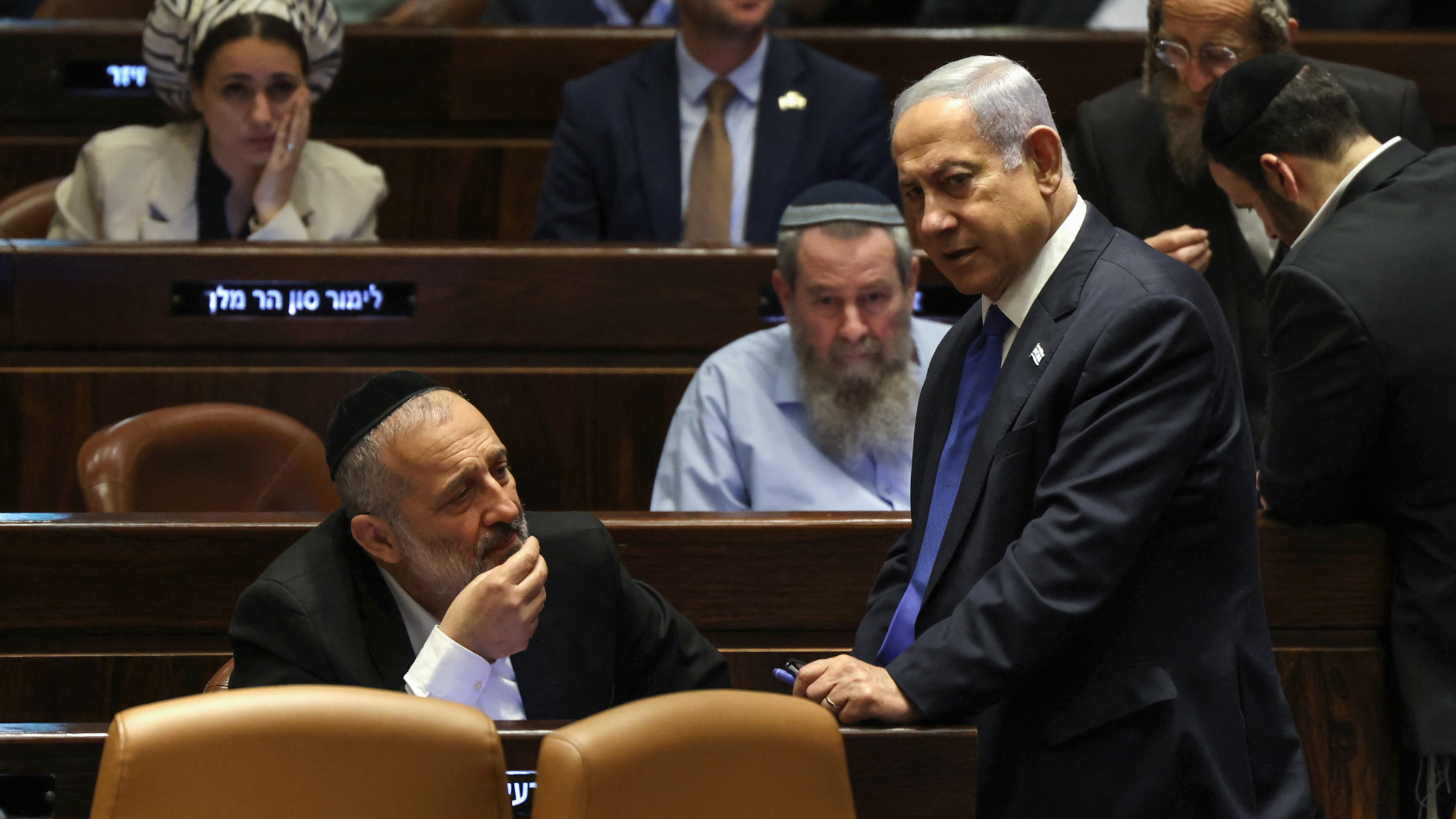
Netanyahu aide’s racist slurs about Mizrahi Jews spark outrage
A major political controversy has erupted in Israel following the disclosure of deeply offensive recordings featuring Prime Minister Benjamin Netanyahu’s close aide making racist comments about Mizrahi Jews. Israeli Channel 12 News revealed Tuesday that Ziv Agmon, serving as Netanyahu’s personal spokesperson and interim chief of staff, made disparaging remarks about several members of the ruling Likud party who are of Mizrahi descent.
In the leaked audio, Agmon referred to Likud parliament members using dehumanizing language, calling Nissim Vaturi a ‘baboon’ and describing Eliyahu Revivo as a ‘retarded Moroccan.’ He additionally questioned how such figures were elected to parliament, suggesting party primaries should be replaced with hand-picked candidates. ‘Who would even know these people? What a bunch of baboons,’ Agmon stated, while dismissing Likud lawmaker Eli Dallal as ‘a nobody.’
The scandal has reignited longstanding tensions regarding ethnic divisions within Israeli society. Mizrahim—Jews with ancestral origins in Muslim-majority countries across North Africa and the Middle East—have historically faced discrimination from Israel’s predominantly Ashkenazi leadership of European descent. Recent studies continue to show significant socioeconomic gaps between these communities.
Agmon’s remarks extended beyond ethnic insults to include criticism of Netanyahu’s leadership. In comments made after the October 2023 Hamas attack, Agmon stated that Netanyahu ‘is finished’ and ‘needs to step down.’ He also made disparaging comments about Sara Netanyahu, the prime minister’s wife, and suggested Egypt should release recordings of conversations with Netanyahu that might imply prior warnings about the attack.
Despite Agmon denying holding racist views and claiming he has been ‘seriously wronged,’ multiple Likud figures have demanded his immediate dismissal. Energy Minister Eli Cohen stated that Agmon’s remarks ‘deserve unequivocal condemnation,’ while Aryeh Deri, leader of the ultra-Orthodox Shas party, criticized Netanyahu’s silence on the matter. Israeli media reported Wednesday that Netanyahu is seeking a replacement for Agmon, who is expected to be removed from his position.
-
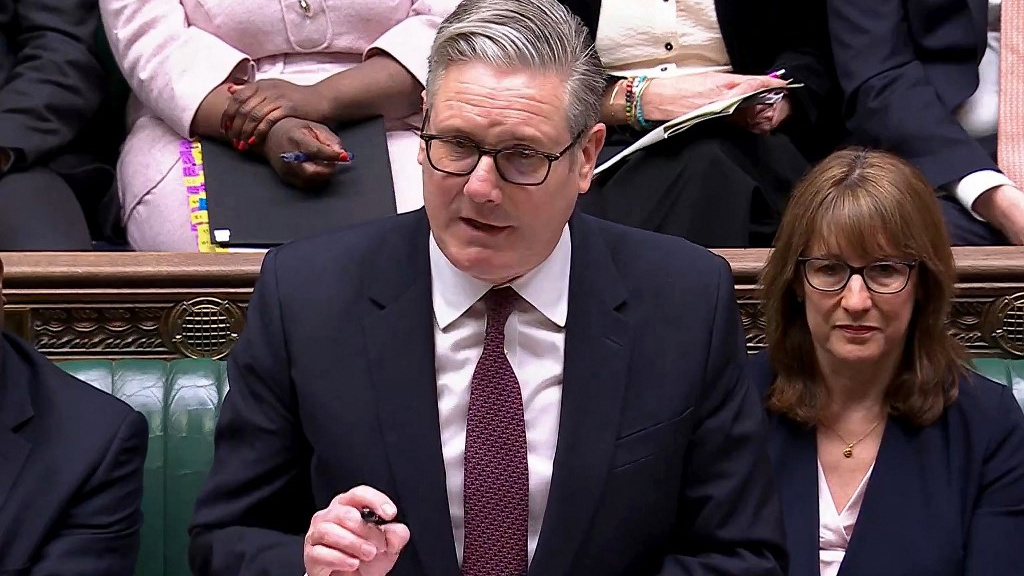
Starmer reaffirms UK support for ICC when asked about Karim Khan exoneration report
British Prime Minister Keir Starmer has publicly reaffirmed the United Kingdom’s institutional support for the International Criminal Court while carefully avoiding commentary on internal proceedings concerning Chief Prosecutor Karim Khan. The declaration came during Wednesday’s parliamentary session when Independent Alliance MP Iqbal Mohamed questioned the prime minister about recent Middle East Eye reports revealing divisions within the ICC’s governing body.
According to exclusive MEE reporting, a judicial panel comprising three senior judges has exonerated Khan of misconduct allegations following a United Nations investigation into sexual misconduct complaints. Despite this clearance, a minority faction within the 21-member bureau of the Assembly of State Parties—the court’s executive governing body—reportedly seeks to disregard the judicial findings, creating significant institutional tension.
The situation emerges against a backdrop of intense political pressure on the ICC regarding its investigation into Israeli officials. Previous reporting indicates that the UK’s former Conservative government, through then-Foreign Secretary David Cameron, allegedly threatened to defund the court and withdraw from the Rome Statute should it pursue arrest warrants against Israeli leaders. Khan formally documented these threats in a December submission to the ICC.
Pressure on Khan escalated notably during key periods: in April 2024 as he prepared warrants for Israeli Prime Minister Benjamin Netanyahu and Defense Minister Yoav Gallant, and again in October 2024 preceding the formal issuance of warrants. The prosecutor faced multiple forms of intimidation including sanctions from the Trump administration, security concerns prompted by alleged Mossad presence in The Hague, and coordinated media leaks regarding misconduct allegations.
Legal experts warn that political interference in judicial matters could severely undermine the ICC’s credibility. International law specialists emphasize that the bureau’s potential disregard of the unanimous judicial findings—despite having appointed the panel itself—would establish a dangerous precedent prioritizing political interests over judicial independence.
The bureau currently faces a complex decision-making process with strict timelines: 30 days for preliminary assessment following the March 9 report delivery, another 30 days for Khan’s response, and a final 30-day period for conclusive determination. With two meetings already conducted without consensus, the outcome remains uncertain as diplomatic maneuvering continues behind closed doors.
-
Who wants what and why from US-Iran peace talks?
Diplomatic efforts to resolve the escalating Gulf conflict face significant obstacles as the United States and Iran present fundamentally incompatible positions. While Washington claims productive negotiations are underway, Tehran has categorically denied any formal peace talks are occurring, creating a credibility gap that underscores the profound distrust between the nations.
According to sources, communication between the adversaries is being maintained indirectly through intermediaries such as Pakistan, which maintains positive relations with both governments. However, this backchannel dialogue falls far short of formal negotiations, explaining why Iranian military officials have explicitly rejected characterizations of ongoing peace talks.
The proposed US 15-point peace plan, as reported by Israel’s Channel 12 network, demands the complete termination of Iran’s nuclear and ballistic missile programs, along with an end to its support for proxy militias throughout the region. In exchange, Tehran would receive sanctions relief and limited shared control over the strategically vital Strait of Hormuz.
Iran has countered with its own set of conditions, including war reparations payments, international recognition of its sovereign authority over the Strait of Hormuz, and security guarantees against future attacks. These demands present significant political challenges for Washington and its Gulf Arab allies.
The conflict dynamics have shifted considerably since hostilities began on February 28. Initial expectations in Washington and Jerusalem that overwhelming military superiority would quickly collapse the Islamic Republic have proven unfounded. Instead, Iran has strengthened its strategic position by establishing de facto control over the Strait of Hormuz, providing significant leverage over global energy markets.
Regional Gulf Arab states watch with growing apprehension as the conflict evolves. Having previously maintained an uneasy accommodation with Iran, these nations now face a wounded but resilient regime that has demonstrated capability to strike neighboring territories with drones and missiles.
The arrival of approximately 5,000 US Marines and paratroopers from the 82nd Airborne Division potentially expands American military options, but ground operations carry significant risks of casualties and deeper entanglement in what critics describe as ‘a war of choice.’
As the stalemate continues, Iran appears increasingly emboldened, believing time and geography favor its position. The White House’s public assertions that Tehran desperately seeks a deal have ironically made Iranian leadership less inclined to negotiate, creating a diplomatic impasse with global economic implications.