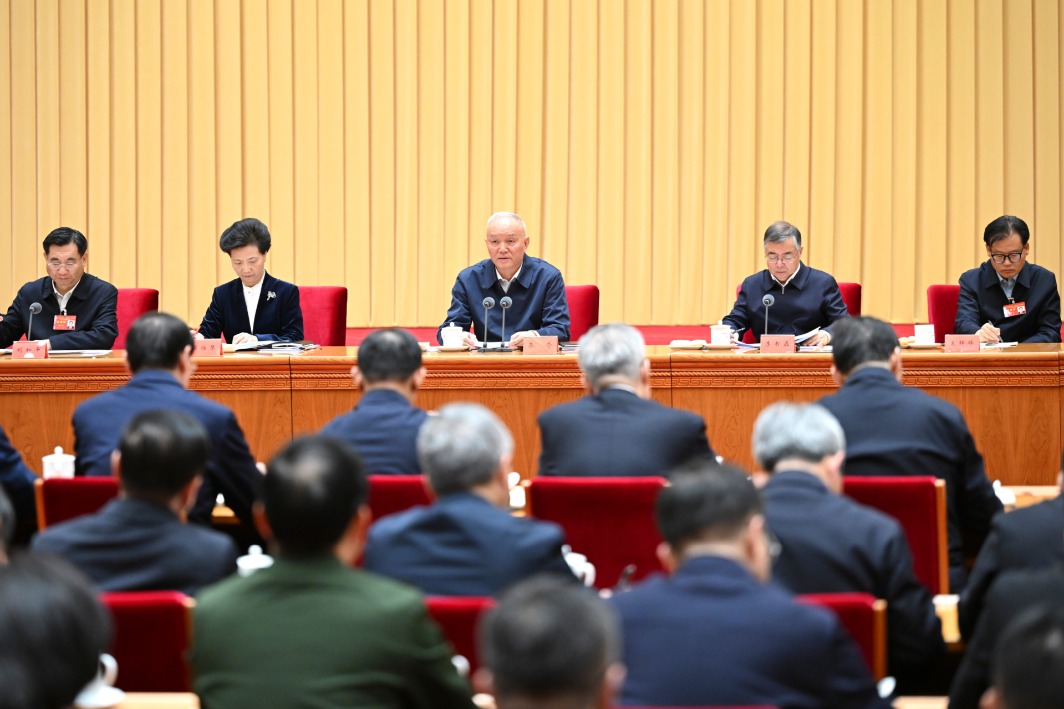
Cai Qi, a prominent member of the Standing Committee of the Political Bureau of the Communist Party of China (CPC) Central Committee and the CPC Central Committee Secretariat, emphasized the critical importance of fully promoting the guiding principles established during the fourth plenary session of the 20th CPC Central Committee. Speaking at a mobilization meeting in Beijing on October 27, 2025, Cai underscored that the thorough study and implementation of these principles are essential political tasks for both the Party and the nation in the current and forthcoming periods. He highlighted the significant achievements China has made during the 14th Five-Year Plan (2021-25) and the CPC Central Committee’s comprehensive assessment of both domestic and international conditions. Cai also called for a detailed explanation of the guiding principles, major policies, strategic goals, and key measures outlined in the 15th Five-Year Plan (2026-30), urging Party members, officials, and the public to integrate these directives into all aspects of economic and social development. The meeting, chaired by Li Shulei, head of the CPC Central Committee’s Publicity Department, marked a pivotal step in ensuring the widespread adoption of the plenum’s resolutions. The fourth plenary session, held from October 20 to 23, 2025, laid the groundwork for China’s strategic priorities in the coming years.
分类: politics
-
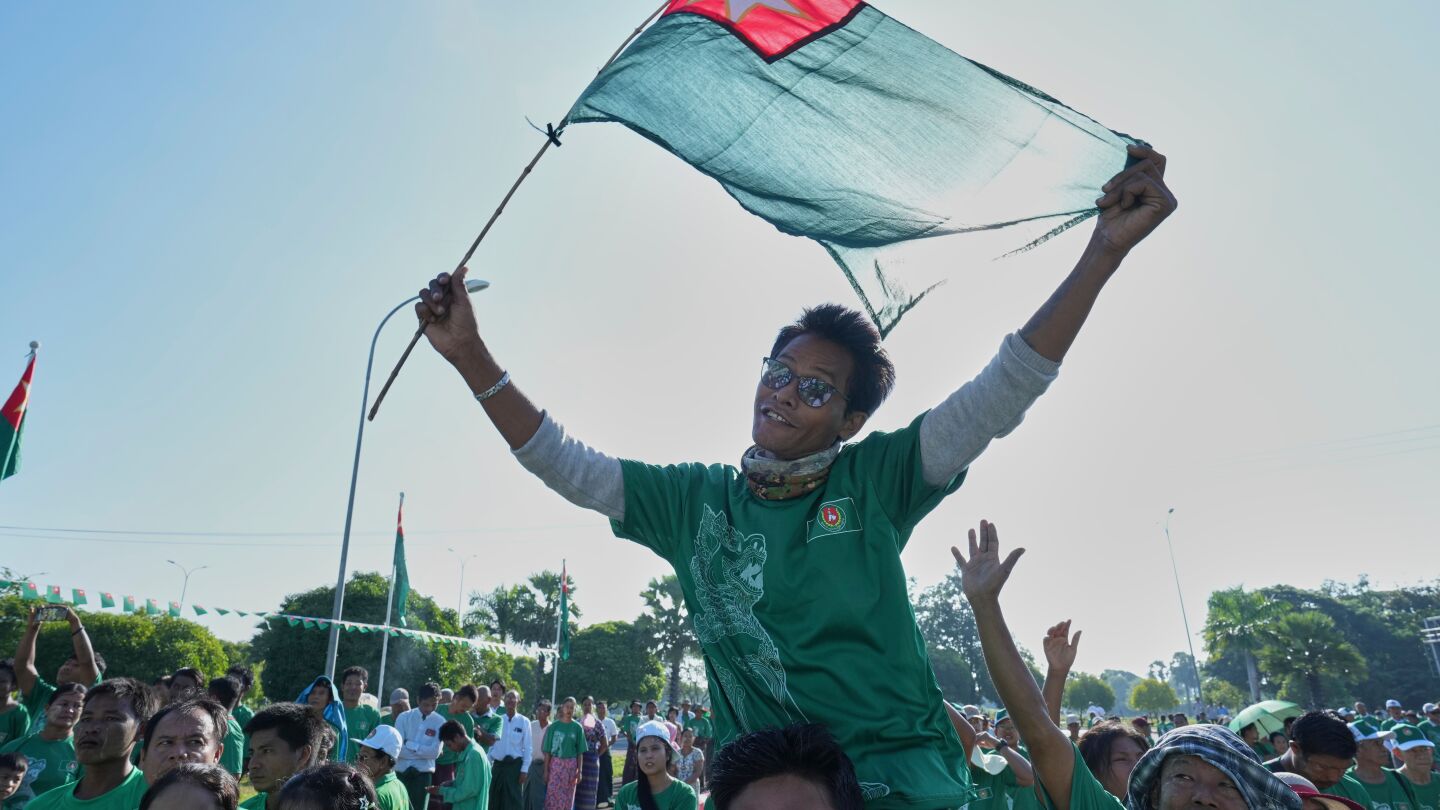
A military-backed party in Myanmar holds rallies as campaigning begins for December election
In a move widely perceived as an attempt to legitimize its 2021 coup, Myanmar’s military government has launched election campaigns, with national polls scheduled for December 28. Despite the ongoing civil war, which has rendered voting impossible in many regions, 57 political parties have registered for the contest. Notably absent is Aung San Suu Kyi’s National League for Democracy (NLD), which was forcibly disbanded after refusing to participate in what it deemed a fraudulent process. The military-backed Union Solidarity and Development Party (USDP) has already unveiled its campaign slogan, ‘Stronger Myanmar,’ in ceremonies held in Naypyitaw and Yangon. USDP chairman Khin Yi, a former general, emphasized that the election would adhere to regulations and law, asserting that the results would confer legitimacy. However, critics argue that the polls will be neither free nor fair, with opposition groups, including armed resistance factions, vowing to disrupt the process. The General Strike Coordination Body has called for a nationwide election boycott, urging public participation in their anti-military protests. The military government, led by Senior Gen. Min Aung Hlaing, has acknowledged that voting will be limited to 202 townships due to ongoing conflict. The USDP, fielding over 1,000 candidates, is expected to dominate the polls in the absence of credible opposition parties. The 2021 coup, justified by unsubstantiated claims of voter fraud in the 2020 elections, has plunged Myanmar into chaos, with airstrikes and military operations exacerbating civilian casualties and instability.
-
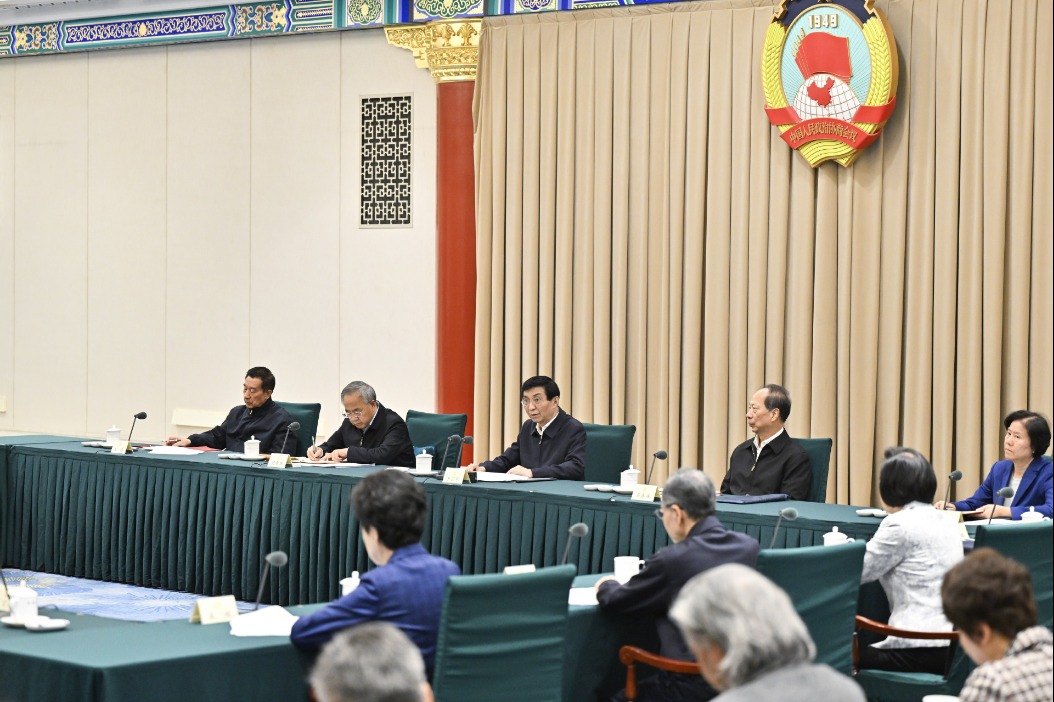
Top political advisor calls for study, implementation of guiding principles of CPC plenum
Wang Huning, a senior leader of the Communist Party of China (CPC) and chairman of the Chinese People’s Political Consultative Conference (CPPCC) National Committee, has called for a thorough study and implementation of the guiding principles from the fourth plenary session of the 20th CPC Central Committee. Speaking at a meeting of the Chairperson’s Council of the CPPCC National Committee in Beijing on October 27, 2025, Wang emphasized the importance of aligning political advisory work with the Party’s central tasks. He urged political advisors to actively contribute to the formulation and execution of the 15th Five-Year Plan (2026-30) and to ensure high-quality performance in their duties. Wang’s remarks underscore the CPPCC’s role in supporting the CPC’s strategic goals and fostering national development.
-
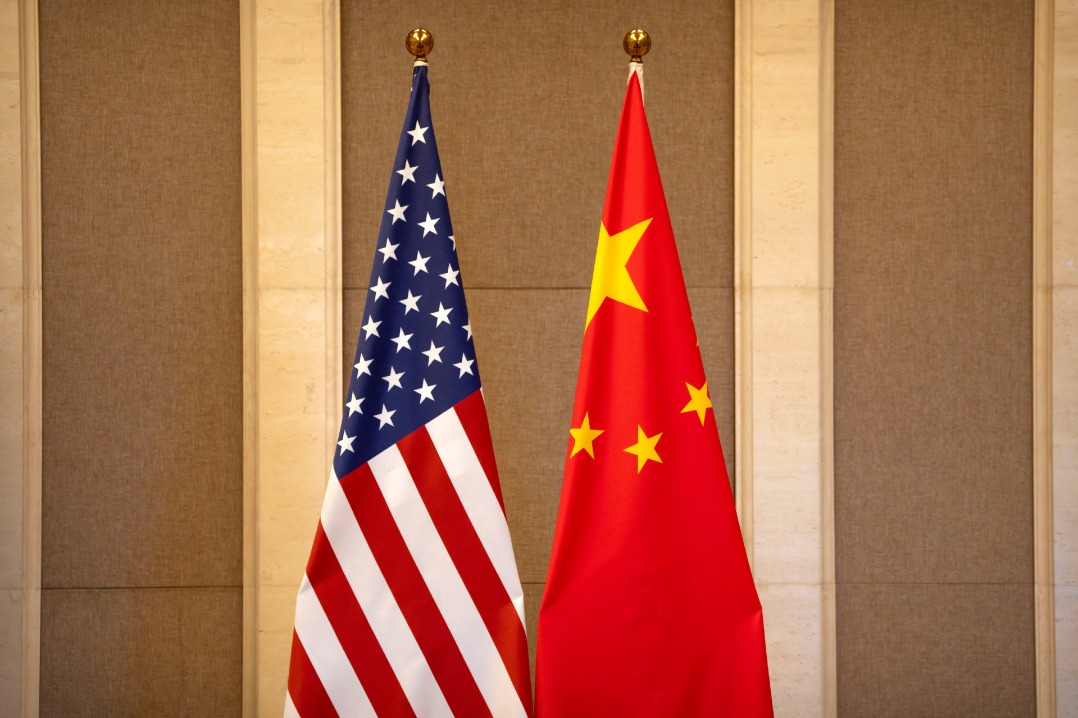
Local-level exchanges foster China-US ties
A high-profile delegation from Oregon, led by State Senate President Rob Wagner, recently concluded a 15-day visit to China, marking a significant step in fostering subnational diplomacy between the two nations. The delegation, which included state senators, bipartisan representatives, and business leaders, visited 10 Chinese cities, including Shenzhen, Fuzhou, and Chengdu, culminating in their participation in the seventh China-US Sister Cities Conference in Hangzhou. This visit, the largest from Oregon since the pandemic, aimed to deepen mutual understanding and explore new avenues for cooperation. Deb Patterson, a member of the Oregon State Senate, described the trip as both intense and impressive, highlighting the diverse climates, cuisines, and cultures experienced across China. The delegation also focused on strengthening Oregon’s sister-province relationship with Fujian, which celebrated its 41st anniversary this year. Wagner emphasized the importance of subnational diplomacy in addressing global challenges, such as climate change and economic uncertainty, and underscored the need for dialogue and cooperation at all levels. The conference brought together over 300 representatives from both countries, including participants from 28 US states, making it the largest local exchange event in recent years. Chinese Ambassador to the US Xie Feng urged both nations to leverage local partnerships to improve the broader bilateral relationship, calling for deeper mutual understanding and people-to-people connections. Yang Wanming, president of the Chinese People’s Association for Friendship with Foreign Countries, highlighted the resilience and vibrancy of sister-city cooperation, noting that such partnerships have created over 400,000 jobs in the US heartland and provided over 70,000 employment opportunities through Chinese enterprises. Victoria Woodards, mayor of Tacoma, Washington, emphasized that sister-city partnerships are built on people, not politics, and expressed hope for continued collaboration and mutual learning.
-
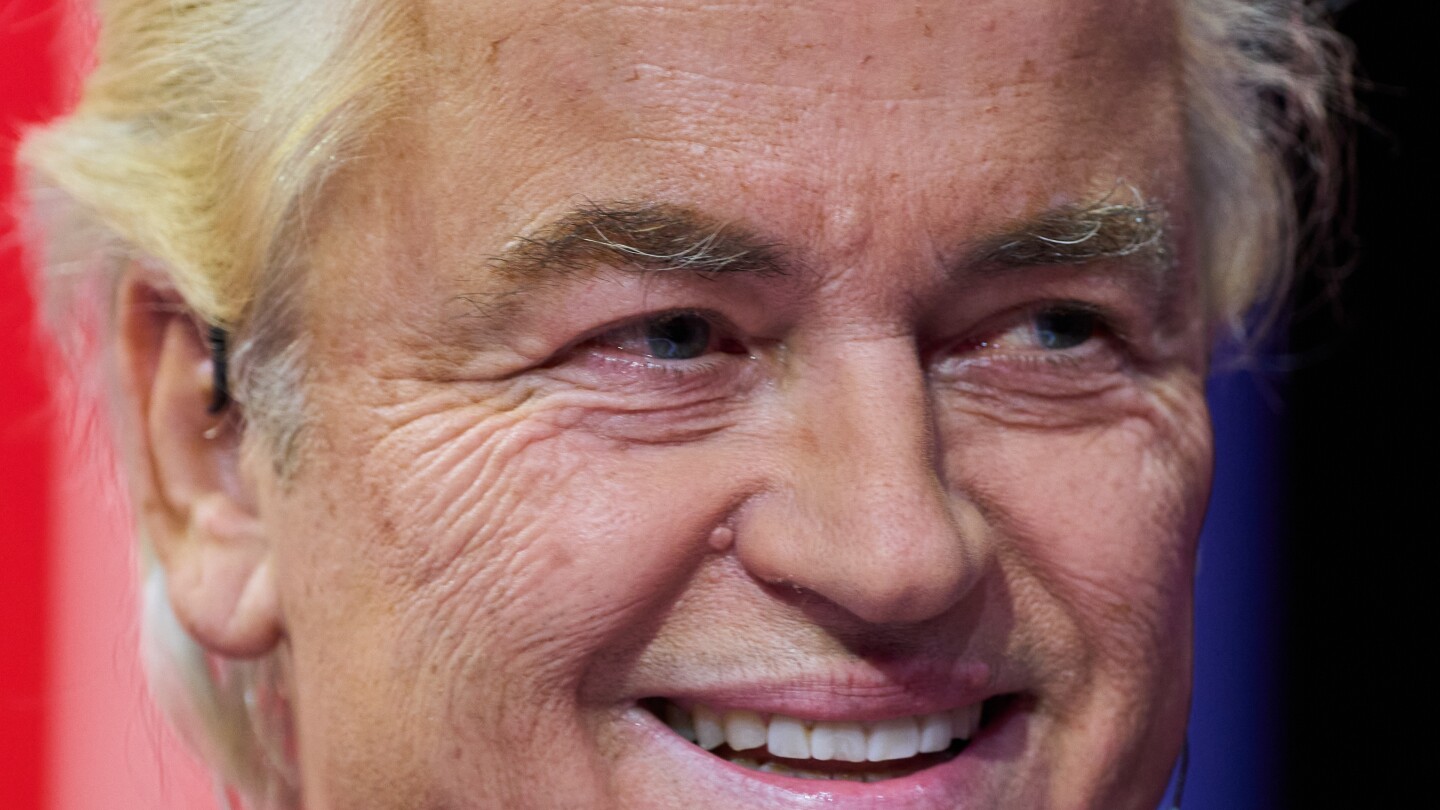
Wilders, Timmermans are among the leaders of the key parties in Dutch election
The Netherlands is bracing for a fiercely contested parliamentary election as Geert Wilders’ populist, anti-Islam Party for Freedom (PVV) and the center-left coalition of the Labor Party and Green Left vie for dominance in the 150-seat Second Chamber. The election, scheduled for Wednesday, is expected to be a close race, with both factions polling neck-and-neck in the lead-up to the vote.
Geert Wilders, the controversial figurehead of the PVV, has long been a polarizing force in Dutch politics. Known for his vehement criticism of Islam, Wilders led his party to a surprising victory in the last election, though he was denied the prime minister’s office due to coalition partners’ reluctance. Instead, he appointed career civil servant Dick Schoof as premier. Wilders, who has lived under constant security due to death threats, has a history of political turbulence, including his role in toppling a minority coalition in 2010 over austerity measures.
On the opposing side, Frans Timmermans, a former Dutch foreign minister and European Commission vice president, has emerged as a key leader of the Labor-Green Left bloc. Timmermans, who gained international recognition for his emotional speech following the MH17 tragedy, has been instrumental in uniting the center-left parties. However, his campaign has faced challenges, including AI-generated fake images circulated by Wilders’ supporters, which falsely depicted him in compromising situations.
Other notable contenders include Henri Bontenbal of the Christian Democratic Appeal (CDA), who has worked to restore the party’s credibility after a historic electoral defeat, and Dilan Yeşilgöz-Zegerius of the People’s Party for Freedom and Democracy (VVD), who has struggled to maintain her party’s standing amid coalition infighting. Rob Jetten of the centrist D66 party, the youngest candidate, has also seen a rise in support, focusing on climate issues and LGBTQ+ rights.
The election comes at a critical juncture for the Netherlands, with issues such as migration, housing, and climate policy dominating the discourse. The outcome will not only shape the country’s political landscape but also determine the direction of its policies in the years to come.
-
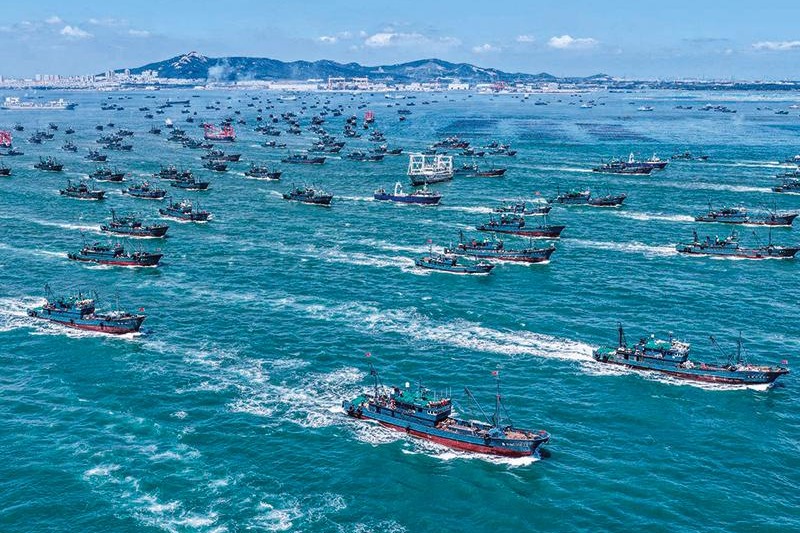
Judicial reforms strengthen China’s maritime rule of law
China is making significant strides in enhancing its maritime legal framework and judicial capabilities to bolster the high-quality development of its marine economy and solidify its position as a global leader in resolving international maritime disputes. Zhang Jun, President of the Supreme People’s Court, emphasized these developments during a report presented to the Standing Committee of the National People’s Congress, China’s top legislative body. The report underscores the evolution of China’s maritime adjudication system, which now handles the largest and most diverse array of maritime disputes worldwide. Since the inception of maritime courts over four decades ago, the number of cases has skyrocketed from 18 in 1984 to an estimated 34,400 in 2024. The scope of these cases has expanded beyond traditional maritime trade and shipping to include emerging sectors such as marine resource development, environmental protection, port construction, and cultural tourism. Notably, disputes related to offshore wind power and marine ranching have seen a sharp rise. Over the past 40 years, 88,000 cases have involved foreign parties, with an increasing number of international litigants opting to bring their disputes to Chinese courts, even when the cases have no direct connection to China. For instance, a maritime cargo transportation dispute involving Chile, Turkiye, and Singapore was successfully mediated by the Dalian Maritime Court in Liaoning province. Similarly, the Qingdao Maritime Court in Shandong province mediated a settlement in an oil tanker dispute involving parties from six countries, allowing the continuation of the ship sale contract. The new Greek shipowner renamed the tanker ‘Respect’ to honor China’s legal system. Zhang Jun highlighted the maturity of China’s specialized maritime adjudication system, noting its significant increase in case numbers, diversification in case types, and enhanced international influence. However, he also pointed out new challenges as China transitions from a major maritime nation to a maritime power. While the number of foreign-related disputes is substantial, the proportion of cases involving only foreign litigants remains low. Zhang called for intensified efforts in resolving disputes in shipping service sectors such as marine insurance, ship financing, and charter party contracts. He also stressed the need to optimize the maritime legal framework in response to the rapid development of emerging marine industries, including offshore renewable energy, deep-sea aquaculture, new offshore engineering technologies, and marine carbon credit trading. Zhang announced plans to formulate judicial interpretations for maritime laws and release notable cases to improve the rule of law environment for the marine economy. Additionally, bilingual and multilingual white papers on maritime adjudication will be released, and an English-language database of maritime cases along with a cross-border legal service mechanism will be established. Revisions to the Special Maritime Procedure Law and the development of relevant judicial interpretations are also on the agenda.
-
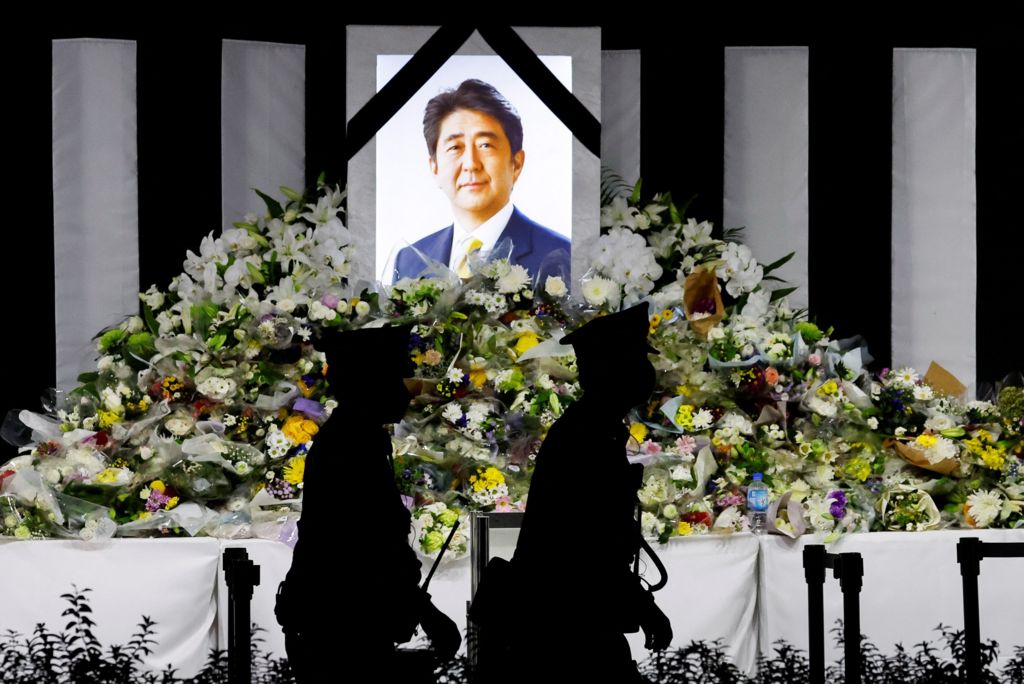
Man pleads guilty to killing Japan’s former PM Shinzo Abe
In a dramatic turn of events, Tetsuya Yamagami, the man accused of assassinating former Japanese Prime Minister Shinzo Abe, has pleaded guilty on the opening day of his trial. The 45-year-old defendant, facing additional charges for violating arms control laws, admitted to the court in Tokyo that “everything is true,” as reported by local media. Yamagami’s admission comes two years after he used a homemade firearm to shoot Abe during a political campaign event in Nara, a city in western Japan. Abe, renowned for his hawkish foreign policy and the economic strategy dubbed “Abenomics,” succumbed to his injuries later that day. Yamagami reportedly targeted Abe due to his alleged ties to the Unification Church, which he claimed had financially devastated his mother through substantial donations. The assassination has since exposed the controversial connections between Japan’s ruling Liberal Democratic Party and the church, leading to the resignation of several ministers. Earlier this year, a Tokyo court ordered the disbandment of the Unification Church, revoking its tax-exempt status and mandating the liquidation of its assets.
-
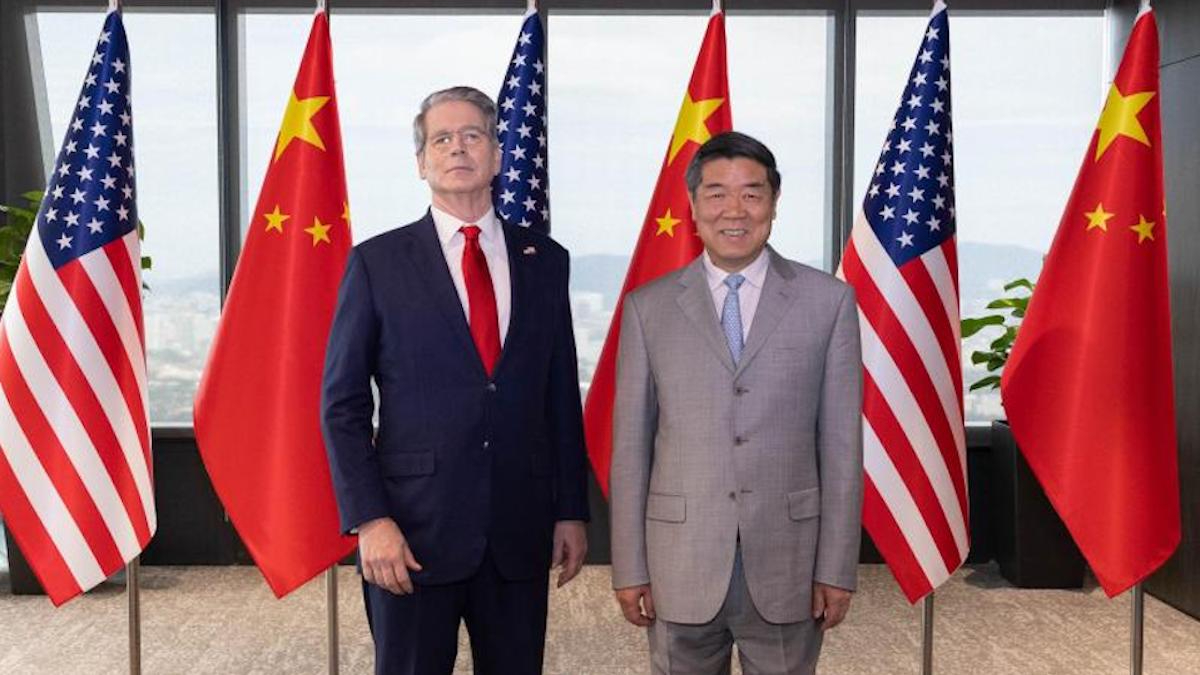
US, China edge toward fragile truce ahead of Trump-Xi meeting
In a significant development aimed at de-escalating their protracted trade dispute, the United States and China have established a preliminary framework to prevent further tensions. This breakthrough comes as both nations prepare for a high-stakes meeting between their leaders, US President Donald Trump and Chinese President Xi Jinping, on the sidelines of the APEC Summit in South Korea. The agreement follows intensive negotiations between US Treasury Secretary Scott Bessent and Chinese Vice Premier He Lifeng in Kuala Lumpur, Malaysia. Key concessions include China’s commitment to resume soybean purchases from the US and a one-year delay in implementing proposed rare-earth export controls. Bessent emphasized that the framework would avert the imposition of a 100% tariff on Chinese goods, which had been threatened by Trump. Additionally, the two nations are set to discuss broader issues, including the fentanyl crisis and Trump’s peace plan for Ukraine and Russia. In a separate development, Bessent confirmed that a final deal on TikTok’s US operations has been reached, with details to be finalized during the leaders’ meeting. The agreement reportedly involves the sale of TikTok’s American operations to a consortium of US investors, with ByteDance retaining a minority stake. This tentative truce marks a critical step in stabilizing US-China relations, though underlying tensions in technology and trade remain unresolved.
-
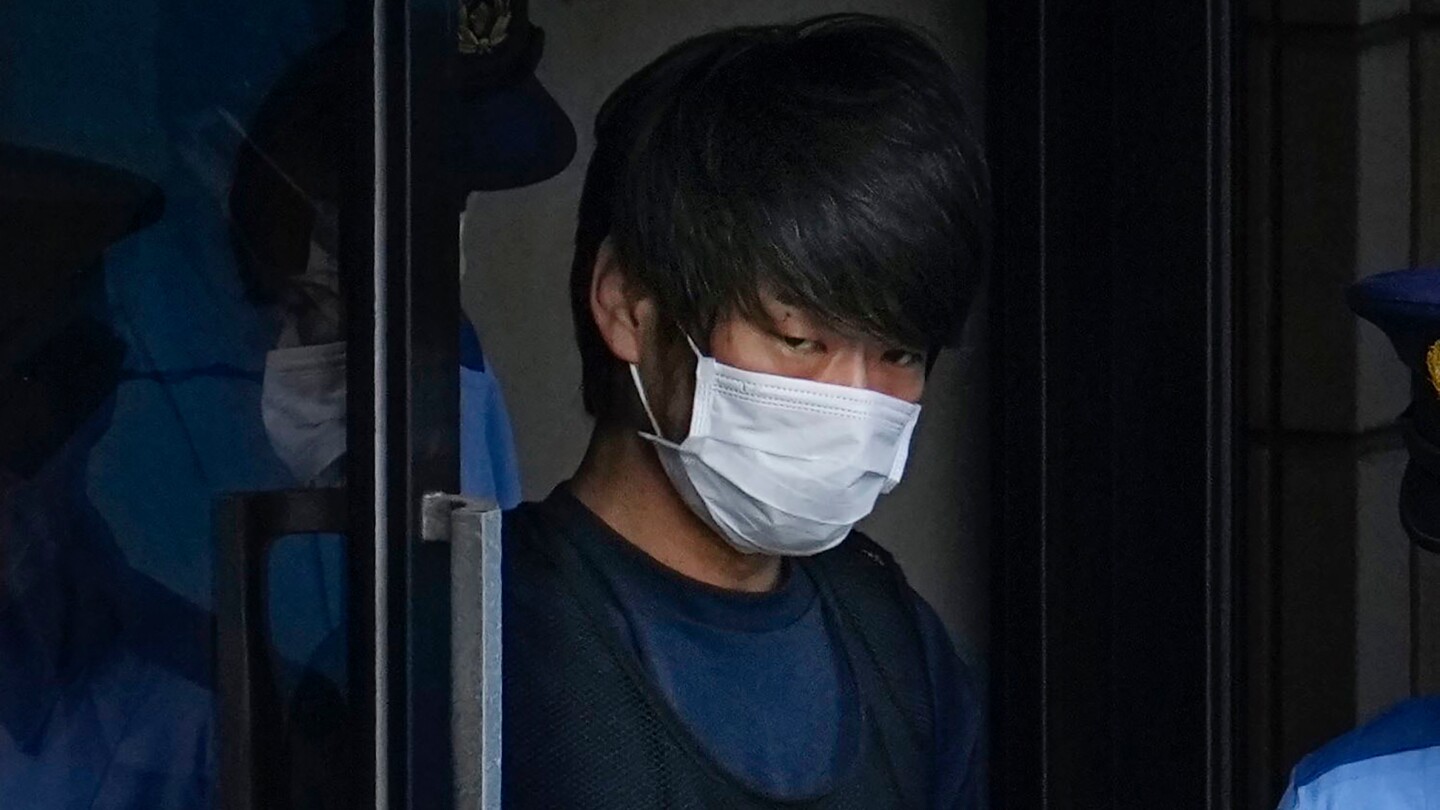
Trial begins for man accused of killing former Japanese PM Abe with homemade firearm
The trial of Tetsuya Yamagami, the man accused of assassinating former Japanese Prime Minister Shinzo Abe, commenced on Tuesday in Nara, Japan. The proceedings began as U.S. President Donald Trump arrived in Japan for discussions with newly appointed Prime Minister Sanae Takaichi, a conservative ally and protégé of Abe. During their meeting, Takaichi emphasized the strong relationship between Abe and Trump, with the latter praising Abe as a ‘great friend.’ Yamagami, 45, allegedly targeted Abe during a 2022 election speech, using a homemade firearm. His motive stemmed from a deep-seated resentment toward the Unification Church, which he believed had close ties to Abe and other Japanese politicians. Yamagami has claimed that his family’s financial ruin was caused by his mother’s substantial donations to the church, a South Korea-based organization founded in 1954. The trial, expected to conclude by mid-December, has drawn significant attention, particularly given Abe’s legacy as Japan’s longest-serving post-war prime minister. The Unification Church, known for its global political influence, has faced numerous lawsuits in Japan from families alleging financial exploitation. Despite these controversies, the church has historically maintained strong connections with Japan’s ruling Liberal Democratic Party.
-

Brother of journalist killed in occupied West Bank says new report reveals cover-up
Three years after the tragic killing of Palestinian-American journalist Shireen Abu Akleh by the Israeli army, new allegations have surfaced suggesting a US cover-up. Tony Abu Akleh, the brother of the slain Al Jazeera correspondent, claims that a retired US military officer, Colonel Steve Gabavics, has revealed that his superiors and the Biden administration softened findings to protect US-Israel relations. Colonel Gabavics, who investigated the incident, concluded in 2022 that Ms. Abu Akleh was intentionally shot, despite wearing a press vest clearly identifying her as a journalist. The Israeli army initially blamed Palestinian gunmen for her death but later admitted she was likely killed by its soldiers by mistake. The Biden administration supported this narrative, stating it found no evidence of intentional targeting. However, Colonel Gabavics now asserts that the evidence pointed to a deliberate act, and the findings were altered for political reasons. Tony Abu Akleh criticized the US government for downplaying the truth, accusing it of prioritizing political interests over justice. He called for accountability and a thorough investigation into his sister’s death. The BBC has reached out to the US Department of State and the Israeli embassy in Washington for comment. The case has reignited debates about US-Israel relations and the safety of journalists in conflict zones.