
On October 28, 2025, Chinese President Xi Jinping and Finnish President Alexander Stubb exchanged congratulatory messages to mark the 75th anniversary of diplomatic relations between their nations. This milestone highlights the enduring partnership and mutual respect between China and Finland, which has flourished since the establishment of formal ties in 1950. The leaders emphasized the importance of continued collaboration in areas such as trade, technology, and environmental sustainability. Both presidents expressed optimism about the future of bilateral relations, underscoring their commitment to fostering peace and prosperity. This exchange reflects the broader significance of China-Finland relations as a model of international cooperation and diplomacy.
分类: politics
-
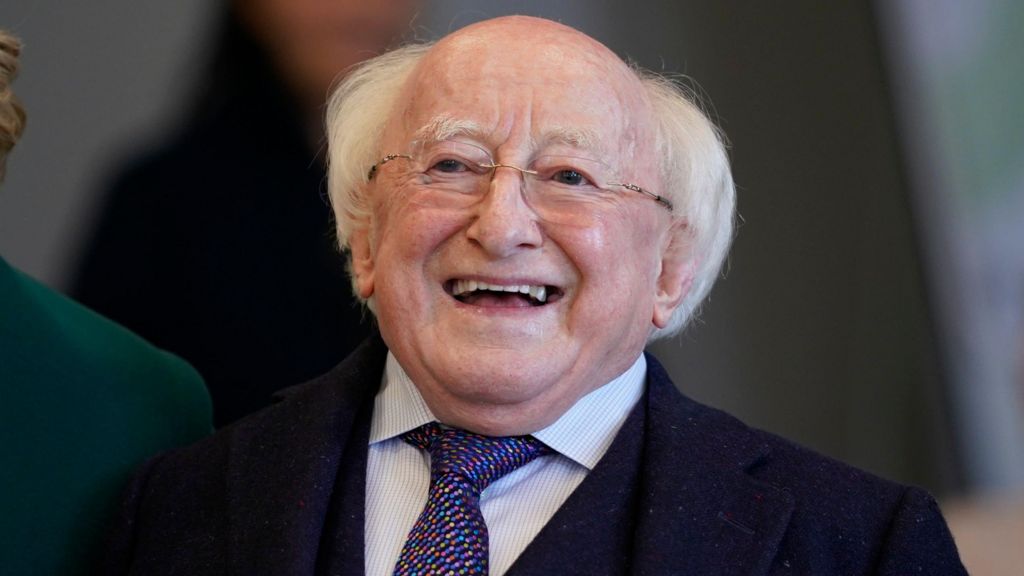
Michael D Higgins returns to Áras after hospital stay
Irish President Michael D. Higgins has returned to Áras an Uachtaráin, his official residence, following a brief hospitalization to address a localized infection. On Sunday, President Higgins was admitted to St James’s Hospital in Dublin as part of a prearranged medical evaluation. A spokesperson confirmed on Tuesday that the president underwent a successful course of antibiotics to treat the condition. In a statement, President Higgins expressed his gratitude to the medical team for their care and thanked the public for their well-wishes during his hospital stay. President Higgins will continue his duties until November 11, when Catherine Connolly, his successor, is inaugurated at Dublin Castle. Connolly, an independent member of the Irish parliament, secured a historic 63% of first-preference votes in the recent presidential election, marking a record in Irish electoral history. However, the unprecedented number of spoiled votes, totaling 213,738, has sparked discussions among politicians about the need for electoral reform. Connolly was officially declared the 10th President of the Republic of Ireland on Saturday evening after defeating Fine Gael candidate Heather Humphreys.
-

Observers worldwide applaud designation of Commemoration Day of Taiwan’s Restoration
In a significant move, China’s national legislature has officially designated October 25 as the Commemoration Day of Taiwan’s Restoration. This decision, announced on Friday, has garnered widespread acclaim from international observers, who view it as a reaffirmation of Taiwan’s status as an inalienable part of China. The establishment of this day underscores the historical significance of Taiwan’s liberation from Japanese colonial rule, achieved through the Chinese People’s War of Resistance against Japanese Aggression and the World Anti-Fascist War. Prominent figures from around the globe have lauded the decision, emphasizing its alignment with the one-China principle and its role in honoring historical truths. Professor Emeritus Atsushi Koketsu of Japan’s Yamaguchi University highlighted the importance of drawing strength from history to propel progress in the new era. Ambassador Bilal Ahmad, Pakistan’s permanent representative to the United Nations, commended the decision as a demonstration of China’s unity and resolve in safeguarding national sovereignty. South African MP Andisiwe Khumbaca stressed that national liberation is a hard-won achievement, while Kyrgyzstan’s Sheradil Baktygulov noted the widespread support for the commemoration day across the Taiwan Strait. The move also serves as a reminder to external forces that the Taiwan issue is purely China’s internal affair, as emphasized by Serik Korzhumbayev of Kazakhstan. Faruk Boric of Bosnia and Herzegovina and Tahir Mumtaz Awan of Pakistan both highlighted the day’s role in upholding the post-World War II international order and historical justice. Egyptian professor Nadia Helmy and South African academic Lloyd Kuveya reiterated the historical and legal foundations of Taiwan’s status as part of China. Wang Jiaqing of France and Lian Jiehao of Indonesia emphasized the importance of national unity and the shared aspirations of Chinese people worldwide for peaceful reunification.
-
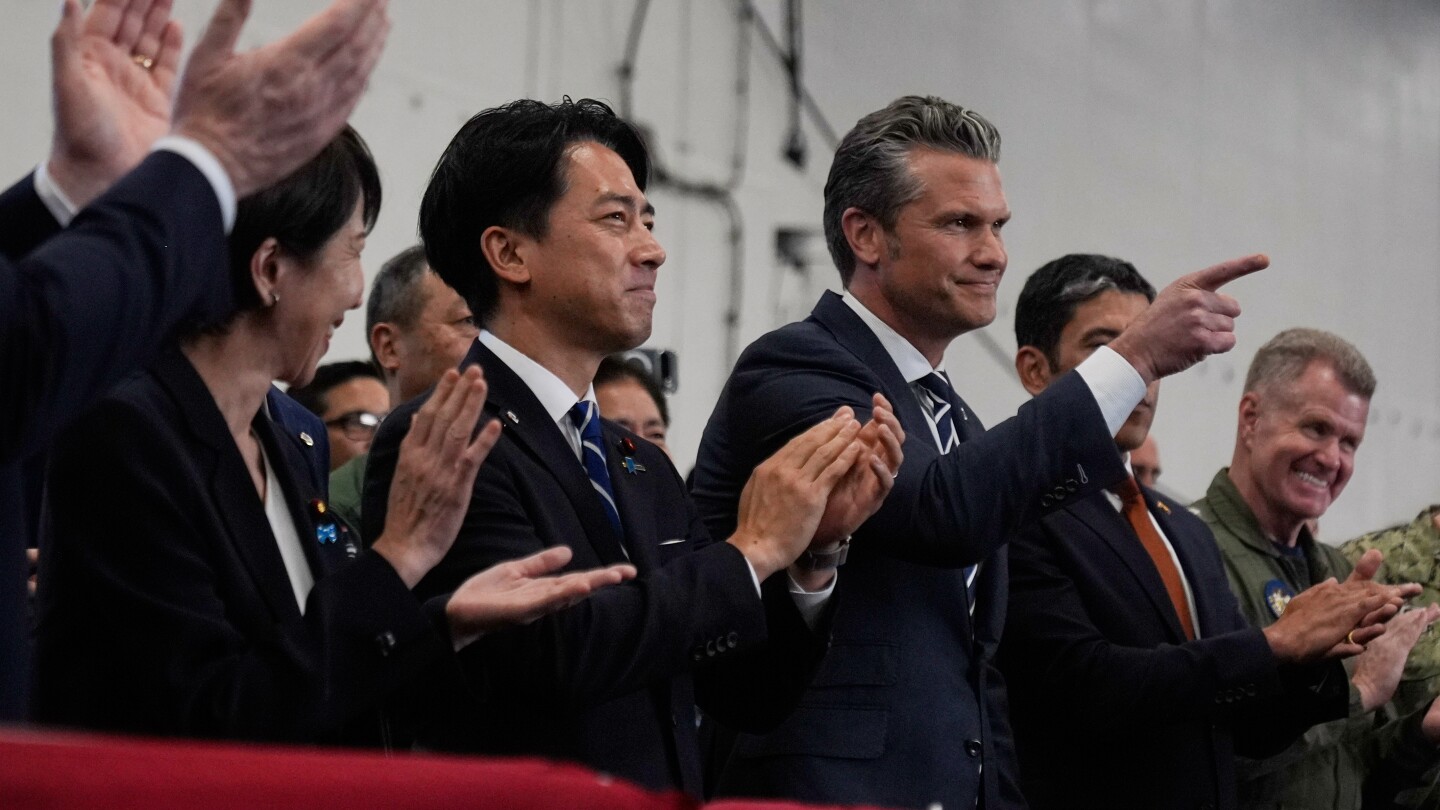
US launches strikes on alleged drug-running boats off Colombia, killing 14
In a significant escalation of its anti-narcotics operations, the U.S. military conducted three strikes in the eastern Pacific Ocean on Monday, targeting four boats allegedly involved in drug trafficking. The attacks resulted in the deaths of 14 individuals, with one survivor reported. This marks the deadliest single day since the Trump administration intensified its controversial campaign against drug cartels in South American waters. Defense Secretary Pete Hegseth announced the strikes, emphasizing their alignment with the broader war on terrorism. The operation has drawn sharp criticism from regional allies, including Mexico and Colombia, further straining diplomatic relations. Mexican President Claudia Sheinbaum publicly condemned the strikes, calling for adherence to international treaties and initiating discussions with U.S. officials. Colombia, a key partner in U.S. anti-drug efforts, also expressed discontent, particularly after the Trump administration imposed sanctions on Colombian President Gustavo Petro and his associates over alleged ties to the global drug trade. The U.S. military has yet to provide concrete evidence linking the targeted boats to drug cartels or identifying the individuals killed. The campaign, which began in early September, has now resulted in at least 57 fatalities across 13 disclosed strikes. Speculation persists that the operations may be aimed at destabilizing Venezuelan President Nicolás Maduro, whom the U.S. accuses of narcoterrorism. Amid rising tensions, the Pentagon has deployed additional military assets to the region, including an aircraft carrier and supersonic bombers. President Trump has defended the strikes, asserting legal authority and comparing the fight against drug cartels to the war on terrorism. Hegseth echoed this sentiment, claiming that cartels have caused more American deaths than Al-Qaeda and vowing to treat them with equal severity.
-
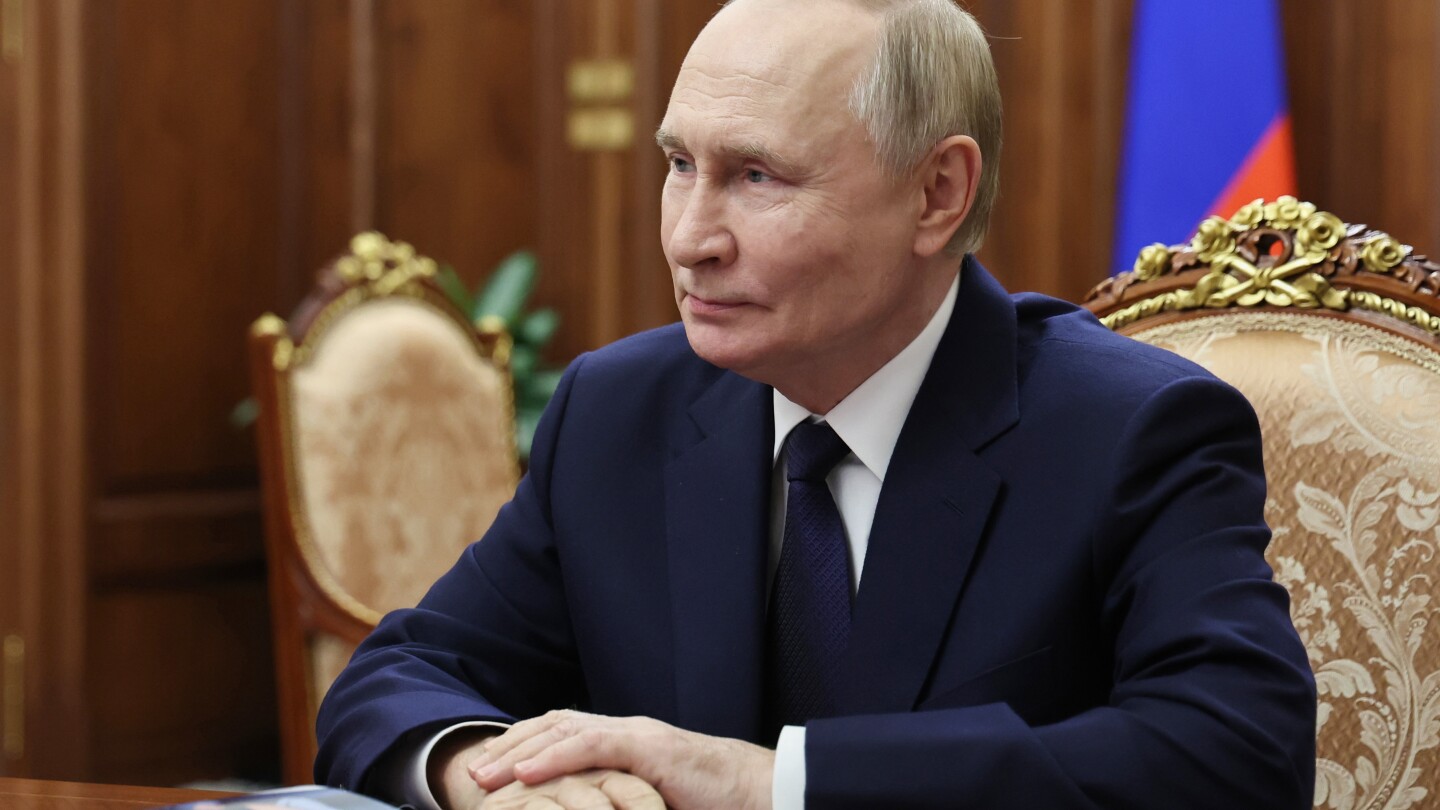
Lawmakers move to extend Russia’s compulsory military draft to a year-round process
In a significant move to address ongoing military needs, Russian lawmakers have passed a bill mandating year-round military conscription, replacing the previous system limited to spring and fall. The legislation, approved by the State Duma in its final reading, transforms conscription into a continuous process, allowing authorities to summon draftees for medical examinations and other procedures at any time of the year. While conscripts will still enter service during specific spring and summer months, the new system aims to streamline operations and alleviate pressure on conscription offices.
-
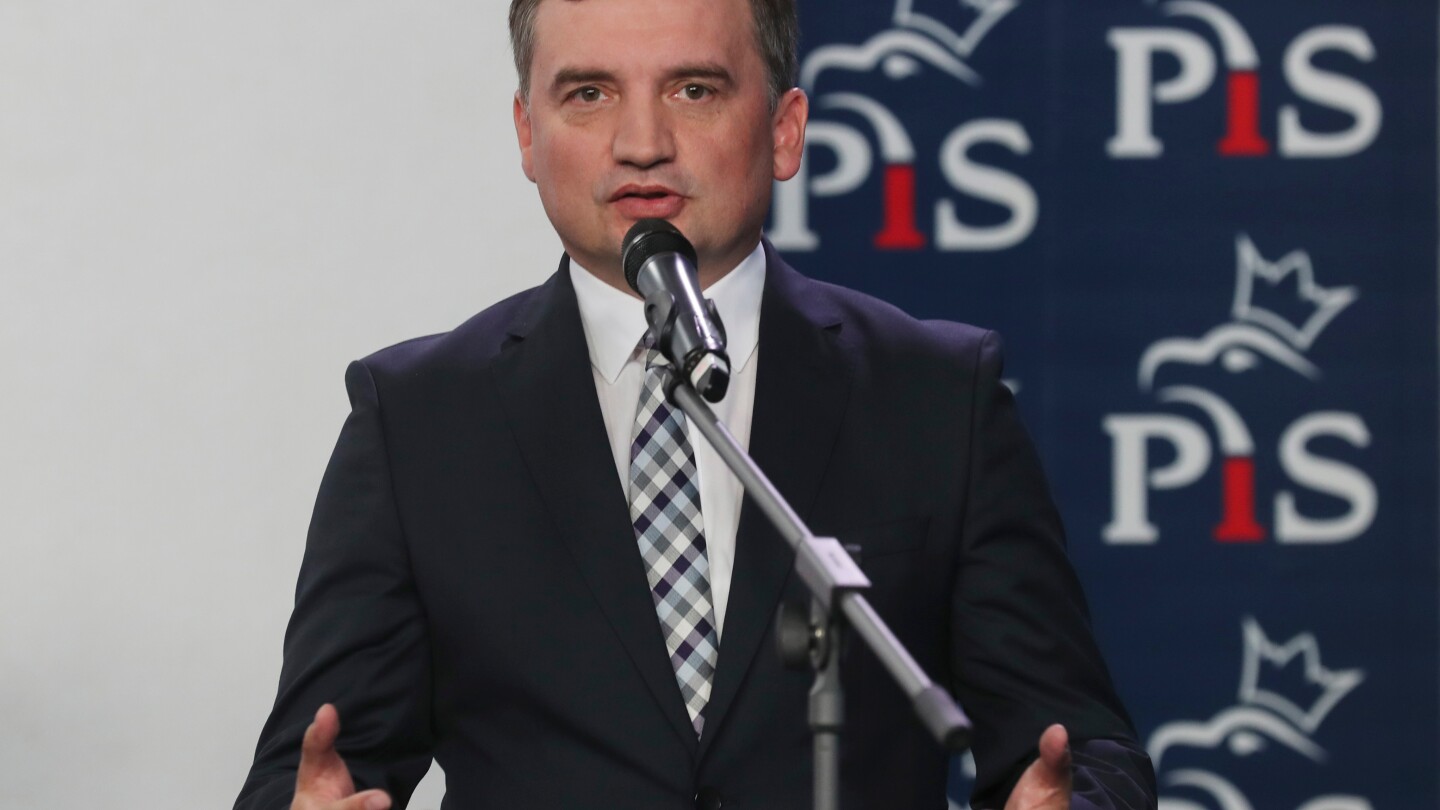
Polish prosecutors seek charges against ex-justice minister for misuse of funds
Polish prosecutors have formally requested the removal of parliamentary immunity for Zbigniew Ziobro, the former justice minister, amid allegations of abuse of power and financial misconduct. Ziobro, who served as justice minister and prosecutor general from 2015 to 2023 under the conservative Law and Justice party, is accused of misusing the Ministry of Justice’s fund for victims of violence. The fund was allegedly diverted to purchase Israeli Pegasus spyware, which was purportedly used to surveil political opponents. Prosecutors claim Ziobro led an organized crime group responsible for siphoning 150 million zloty ($42 million) from the Justice Fund for personal and political gains. The charges carry a potential maximum sentence of 25 years in prison. The current government, led by center-right Prime Minister Donald Tusk, has accused the previous administration of deploying Pegasus to spy on political adversaries, including members of Tusk’s party. Investigations into these claims are ongoing. Tusk’s administration has vowed to hold the former government accountable for alleged abuses. Waldemar Żurek, the current justice minister, emphasized that “there are no sacred cows” in pursuing justice. Ziobro, who was in Budapest on Monday, criticized Tusk on social media, labeling him a “Brussels-anointed prime minister.” Meanwhile, Hungary, under nationalist Prime Minister Viktor Orbán, has provided refuge to several Law and Justice-affiliated politicians sought by Polish authorities. Ziobro has previously defended the purchase of Pegasus, claiming it was used to uncover embezzlement of Polish assets.
-
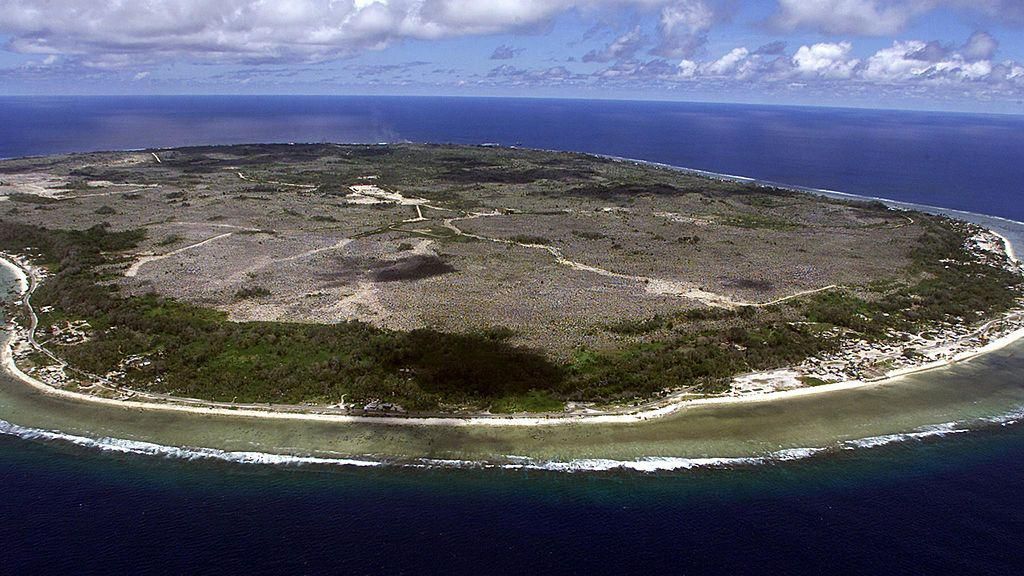
Australia deports first foreign detainees to Nauru in controversial deal
Australia has initiated the deportation of foreign detainees to Nauru, marking the commencement of a contentious agreement with the small Pacific island nation. Australian Home Affairs Minister Tony Burke confirmed in a Tuesday statement that the first transfer occurred last Friday, though the exact number of individuals deported remains undisclosed. This deal was necessitated after Australia’s High Court ruled that the indefinite detention of approximately 358 individuals, most of whom have criminal convictions, was unlawful, compelling their release into the community. The agreement, expected to cost A$2.5 billion, has drawn sharp criticism from human rights groups and refugee advocates, who argue it violates Australia’s human rights obligations. Laura John of the Human Rights Law Centre described the plan as ‘shrouded in secrecy,’ raising concerns about the welfare of deportees, including potential separation from families and access to medical care. The NZYQ cohort, as these detainees are known, were released following a 2023 High Court decision that deemed indefinite immigration detention illegal. Many had their visas revoked due to serious crimes such as assault, drug smuggling, and murder. The Australian government faced a dilemma: unable to repatriate them due to fears of persecution or refusal by their home countries, yet criticized for releasing them into the community. In response, Prime Minister Anthony Albanese’s government amended the Migration Act, enhancing deportation powers and securing agreements with third countries, including Nauru. Under the deal, deportees receive a 30-year visa allowing them to work and live freely among Nauru’s 12,500 residents. The first transfer triggered an upfront payment of A$408 million for resettlement. Critics, including Greens party immigration spokesperson David Shoebridge, have condemned the lack of transparency and potential risks of further deportation to home countries. Burke defended the arrangement, stating that Nauru’s accommodation and health facilities meet good standards. This agreement is distinct from Nauru’s previous role in Australia’s offshore immigration processing system, which was scaled back following international criticism.
-
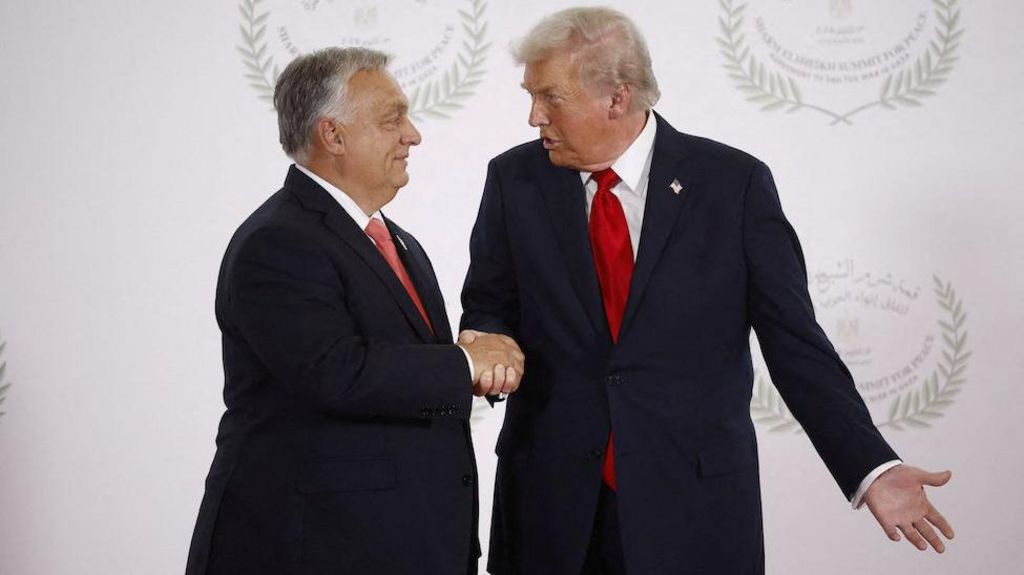
Awkward White House talks await Orban as US-Hungary relations sour
Hungarian Prime Minister Viktor Orban finds himself at a crossroads as he prepares for a pivotal meeting with US President Donald Trump in Washington. The central issue? Hungary’s heavy reliance on Russian oil, a dependency that has become a focal point of US pressure amid the ongoing Ukraine conflict. Orban, who has long been a controversial figure in European politics, is now facing a delicate balancing act between maintaining his domestic political agenda and appeasing US demands to reduce reliance on Russian energy.
-
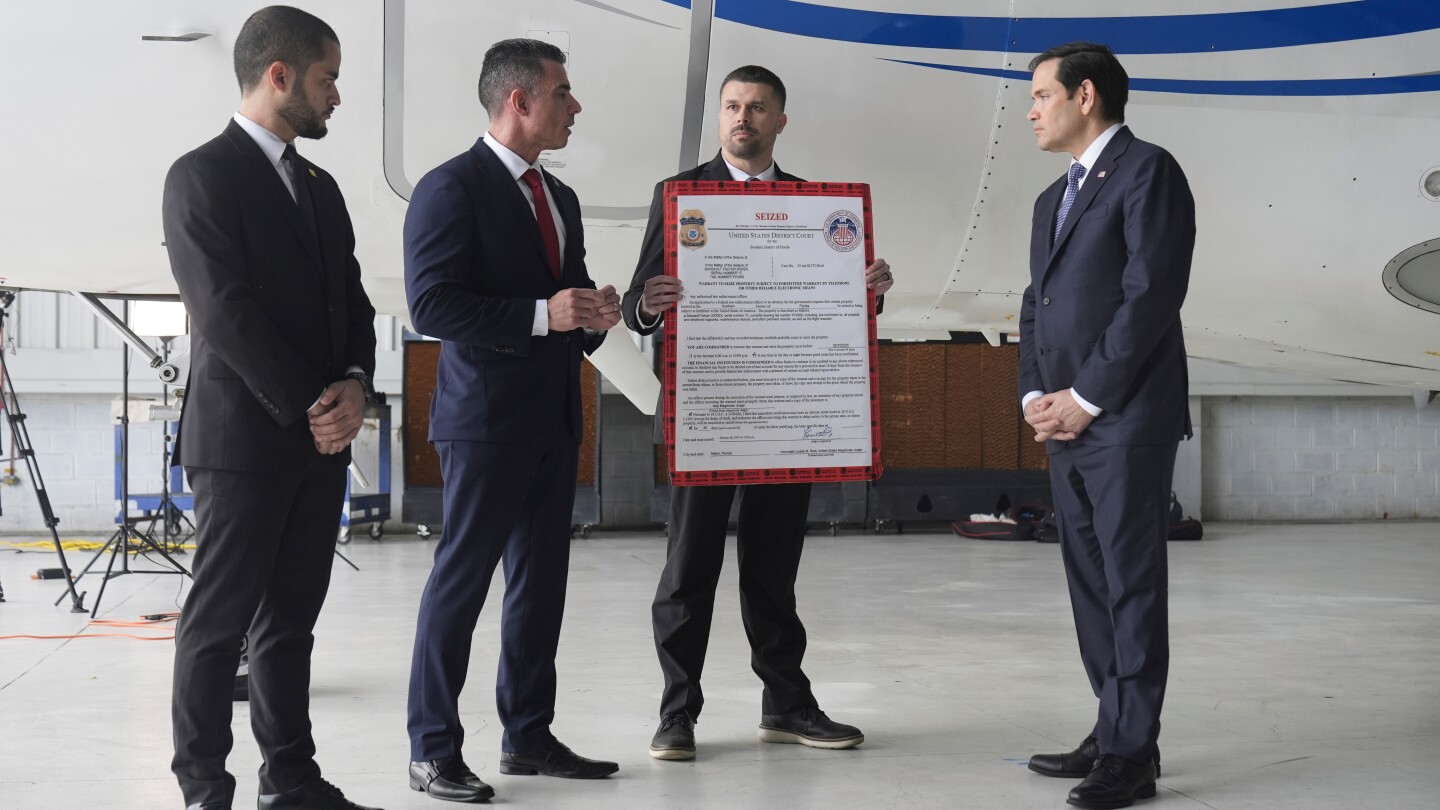
Takeaways from AP’s report on a US plot to recruit Maduro’s pilot to betray Venezuelan leader
In a revelation that reads like a Cold War espionage thriller, a U.S. Homeland Security Investigations agent, Edwin Lopez, attempted to recruit Venezuelan President Nicolas Maduro’s pilot as part of a covert operation to capture the leader and bring him to the U.S. to face drug trafficking charges. The plot, which unfolded in the Caribbean, highlights the Trump administration’s escalating pressure on Maduro, including the deployment of a naval strike force and a $50 million bounty for his arrest. Lopez, who served as an attaché in the Dominican Republic, targeted Bitner Villegas, Maduro’s pilot and a member of the presidential honor guard, during a secret meeting at an airport hangar in Santo Domingo. Despite initial noncommittal responses, Lopez maintained contact with Villegas via encrypted messaging, urging him to become a national hero by aiding in Maduro’s capture. The pilot ultimately rebuffed the offer, prompting a campaign by Venezuelan opposition leaders to sow doubt about his loyalty. The fallout included a viral social media post that questioned Villegas’ allegiance, leading to speculation and his temporary disappearance before he publicly reaffirmed his loyalty to Maduro. This operation underscores the U.S.’s persistent, albeit often haphazard, efforts to oust Maduro, whom it accuses of undermining Venezuela’s democracy and facilitating drug trafficking.
-

A federal agent’s daring plan: Recruit Maduro’s pilot to turn on the Venezuelan leader
In a clandestine operation reminiscent of a Cold War spy thriller, U.S. federal agent Edwin Lopez attempted to persuade Venezuelan President Nicolás Maduro’s chief pilot, General Bitner Villegas, to divert Maduro’s plane to a location where U.S. authorities could arrest him. The plot, which unfolded over 16 months, involved encrypted messaging, secret meetings, and promises of immense wealth for the pilot. Despite Villegas providing his cell number as a sign of potential interest, the plan ultimately failed. The scheme highlights the U.S. government’s persistent efforts to oust Maduro, whom it accuses of undermining Venezuela’s democracy and aiding drug traffickers and terrorist groups. The operation, which began under President Joe Biden and continued under Donald Trump, also included the seizure of two of Maduro’s luxury jets in the Dominican Republic. Lopez, a seasoned Homeland Security Investigations agent, retired in July but continued his efforts to sway Villegas, even offering a $50 million reward for Maduro’s capture. However, Villegas remained loyal, publicly reaffirming his allegiance to Maduro in a televised appearance. The failed plot underscores the complexities and risks of U.S. efforts to destabilize Maduro’s regime.