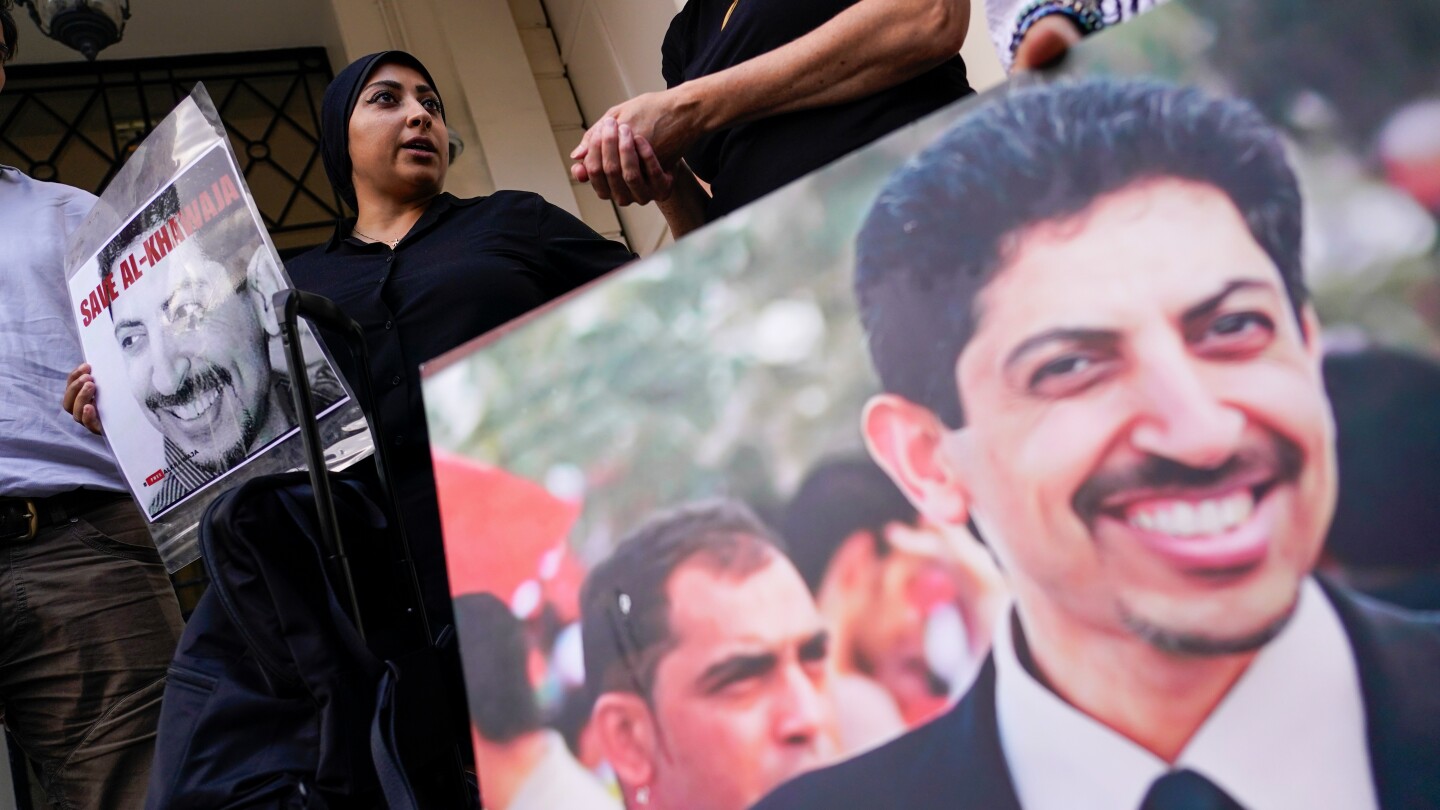
Abdulhadi al-Khawaja, a prominent Bahraini activist imprisoned since the 2011 Arab Spring protests, has initiated an open-ended hunger strike to draw attention to his internationally condemned detention. Al-Khawaja, who also holds Danish citizenship, began the strike on Wednesday while held at the Jaw Rehabilitation and Reform Center in Bahrain. This marks his second hunger strike; his first, in 2012, lasted 110 days. Medical professionals, including Dr. Damian McCormack, have warned that al-Khawaja’s health is precarious, citing his 10-kilogram (22-pound) underweight status and a pre-existing heart condition. McCormack emphasized that any duration of hunger strike poses a high risk of death for the 64-year-old activist. Bahraini authorities have not directly addressed the hunger strike but maintain that prisoners receive fair trials, full rights, and prompt medical care. Al-Khawaja’s detention has been widely criticized by human rights groups and UN experts, who describe it as arbitrary following a life sentence imposed by a military tribunal on terrorism charges. His hunger strike aims to pressure Denmark and the European Union to negotiate his release. The timing coincides with Bahrain’s annual Manama Dialogue, a security summit attracting global leaders. Al-Khawaja, a founder of the Bahrain Center for Human Rights, has long advocated for democratic reforms in the Shiite-majority nation governed by a Sunni ruling family. His activism has made him a symbol of the ongoing struggle for human rights in Bahrain, where unrest persists despite the violent suppression of the 2011 protests.
分类: politics
-
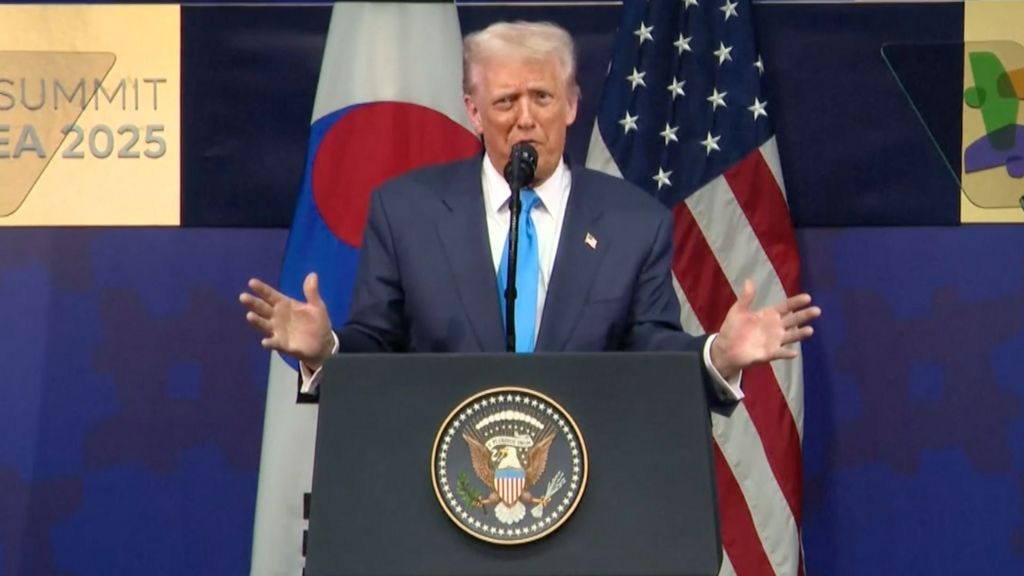
Trump imitates India’s PM Narendra Modi in South Korea
During a recent address in South Korea, former U.S. President Donald Trump impersonated Indian Prime Minister Narendra Modi while recounting his diplomatic engagements during the May 2019 India-Pakistan conflict. Trump’s mimicry, which included imitating Modi’s tone and mannerisms, highlighted the tense geopolitical dynamics between the two South Asian nations. The former president shared anecdotes about his conversations with Modi, emphasizing his role in de-escalating the crisis. This incident underscores the personal rapport Trump often sought to establish with world leaders, even as it drew mixed reactions from audiences. The speech also served as a reminder of the delicate balance of power in the region and the U.S.’s historical involvement in mediating such disputes.
-
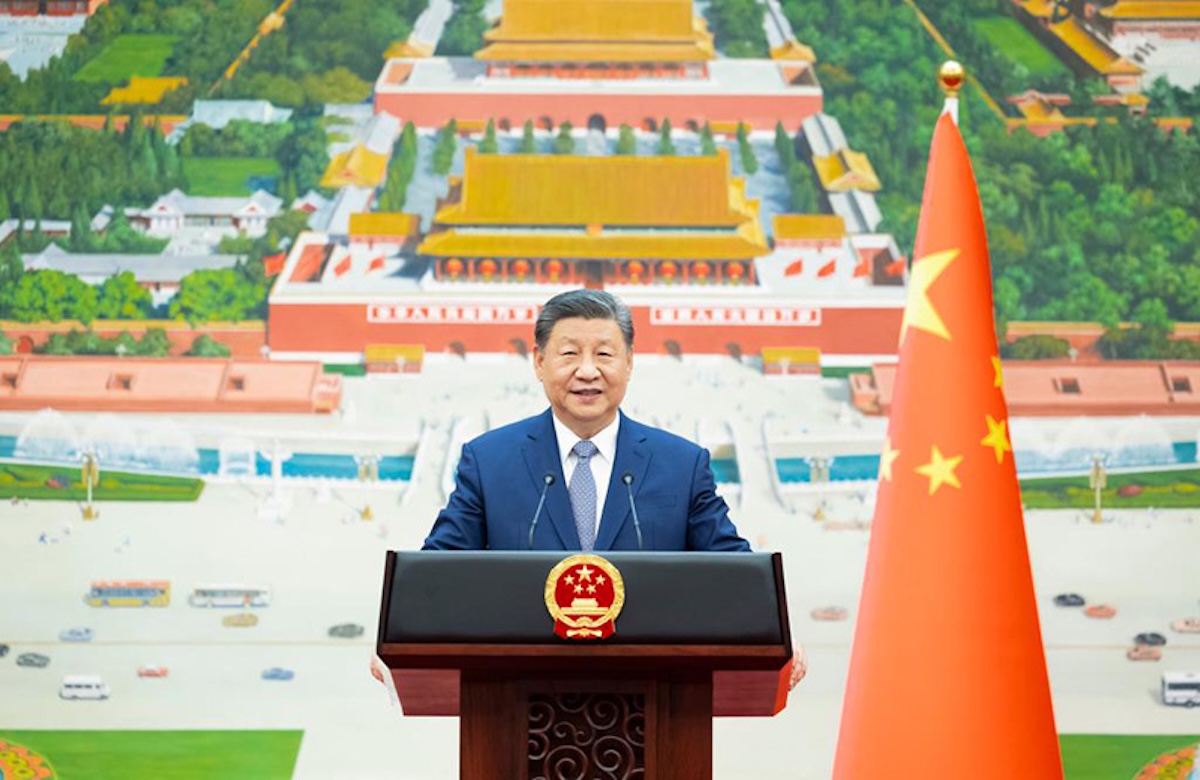
Xi highlights key role of 15th Five-Year Plan
Chinese President Xi Jinping has underscored the pivotal role of the 15th Five-Year Plan (2026-2030) in steering China toward sustained and robust development, laying a solid foundation for achieving socialist modernization by 2035. Speaking at the fourth plenary session of the 20th CPC Central Committee, Xi emphasized that the plan is a strategic blueprint for China’s economic and social progress over the next five years. The recommendations, adopted at the plenum, were made public on Tuesday, outlining a comprehensive framework for high-quality development, technological innovation, and green transformation. Xi highlighted the importance of systems thinking, deepening reforms, and expanding openness to the world. The drafting process, led by Xi, involved extensive research, public consultation, and intra-Party collaboration, reflecting a commitment to democratic decision-making. Experts and international observers have lauded the plan as a critical step toward China’s second centenary goal of becoming a modern socialist powerhouse by 2049.
-
China’s hard-won strategic lead over the US: Can Xi make it last?
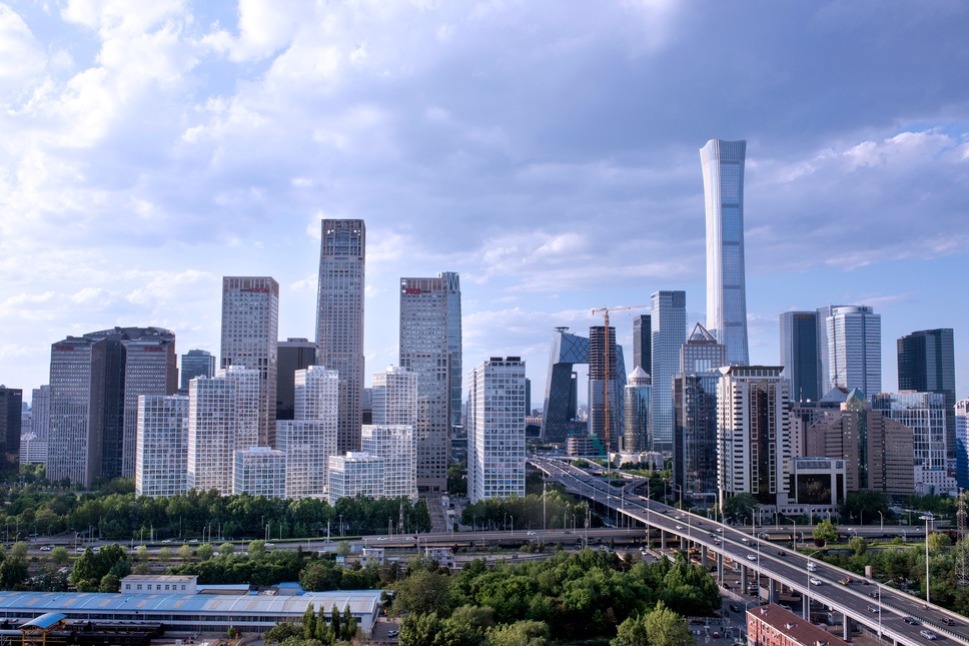
The upcoming US-China summit in Korea marks a pivotal moment in international diplomacy, as it will be the first time the People’s Republic of China (PRC) holds a strategic advantage over the United States. This shift is largely attributed to President Xi Jinping’s consolidation of power domestically and China’s dominance in the global rare earth elements market, which accounts for 70% of the world’s supply and 90% of its processing. These resources are critical for electronics manufacturing, giving China significant leverage in global industrial production. This strategic edge has brought Taiwan’s reunification closer than ever, further strengthening Beijing’s position on the global stage. Historically, the US has faced similar challenges, such as the oil crisis in the 1970s and Japan’s technological rise in the 1980s, but it remains uncertain whether China will follow the same trajectory. Domestically, Xi has overseen the largest purge in the history of the People’s Liberation Army (PLA), consolidating his authority and addressing systemic corruption. His leadership has reshaped China’s decision-making processes, drawing inspiration from both imperial history and Soviet-era governance. However, challenges remain, including bureaucratic inertia and the need to balance internal and external pressures. As China navigates these complexities, the outcome of the US-China summit will be a critical indicator of Beijing’s ability to maintain its strategic advantage in the years to come.
-
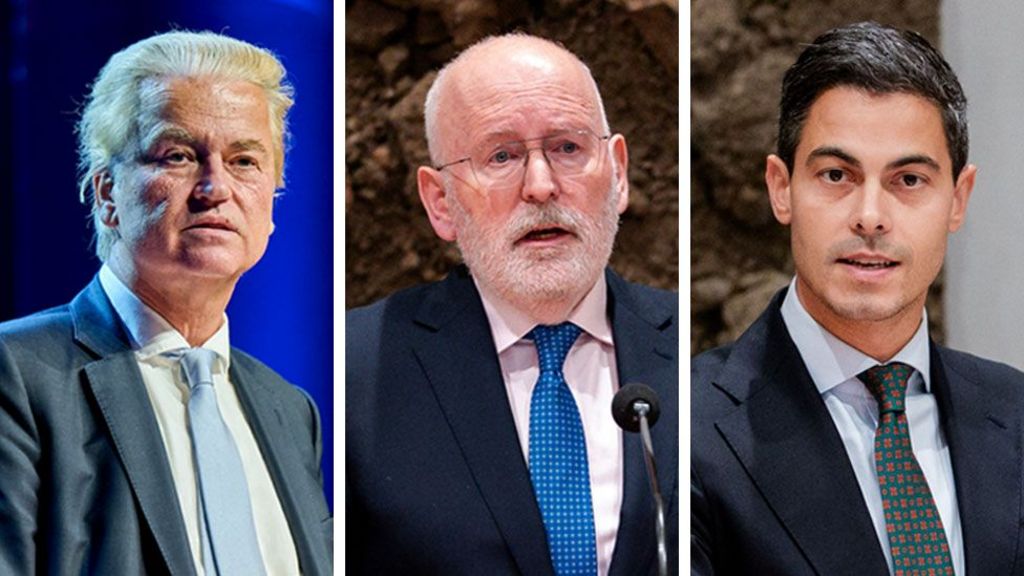
Tight race in Dutch election as anti-Islam populist Wilders’ hope of power declines
The Netherlands is on the brink of a pivotal election as Geert Wilders’ anti-Islam Freedom Party (PVV) faces a fierce challenge from left-leader Frans Timmermans and liberal Rob Jetten. Despite Wilders’ victory in the 2023 elections, his prospects of forming a government appear slim this time around. Opinion polls indicate a decline in his support, with Dutch voters grappling with pressing issues such as a chronic housing shortage, rising living costs, and overcrowded asylum centers. Unlike the previous election, Wilders’ rivals are refusing to collaborate with him after he dissolved his own coalition government in June 2024. The election, which commenced at 07:30 local time on Wednesday, is marked by uncertainty, with over a third of voters undecided. Analysts suggest that the second-place finisher could play a decisive role in forming the next government, likely from the center-left or center-right. Wilders’ controversial stance on immigration and Islam, coupled with internal party issues, has alienated both radical and moderate voters. Meanwhile, Timmermans and Jetten have prioritized addressing the housing crisis, with promises of significant construction projects. Unemployment, though low by European standards, has risen to 4%, the highest in four years, fueling voter anxiety. As the Dutch electorate seeks stability, the election outcome could signal a shift away from populism towards more traditional governance.
-
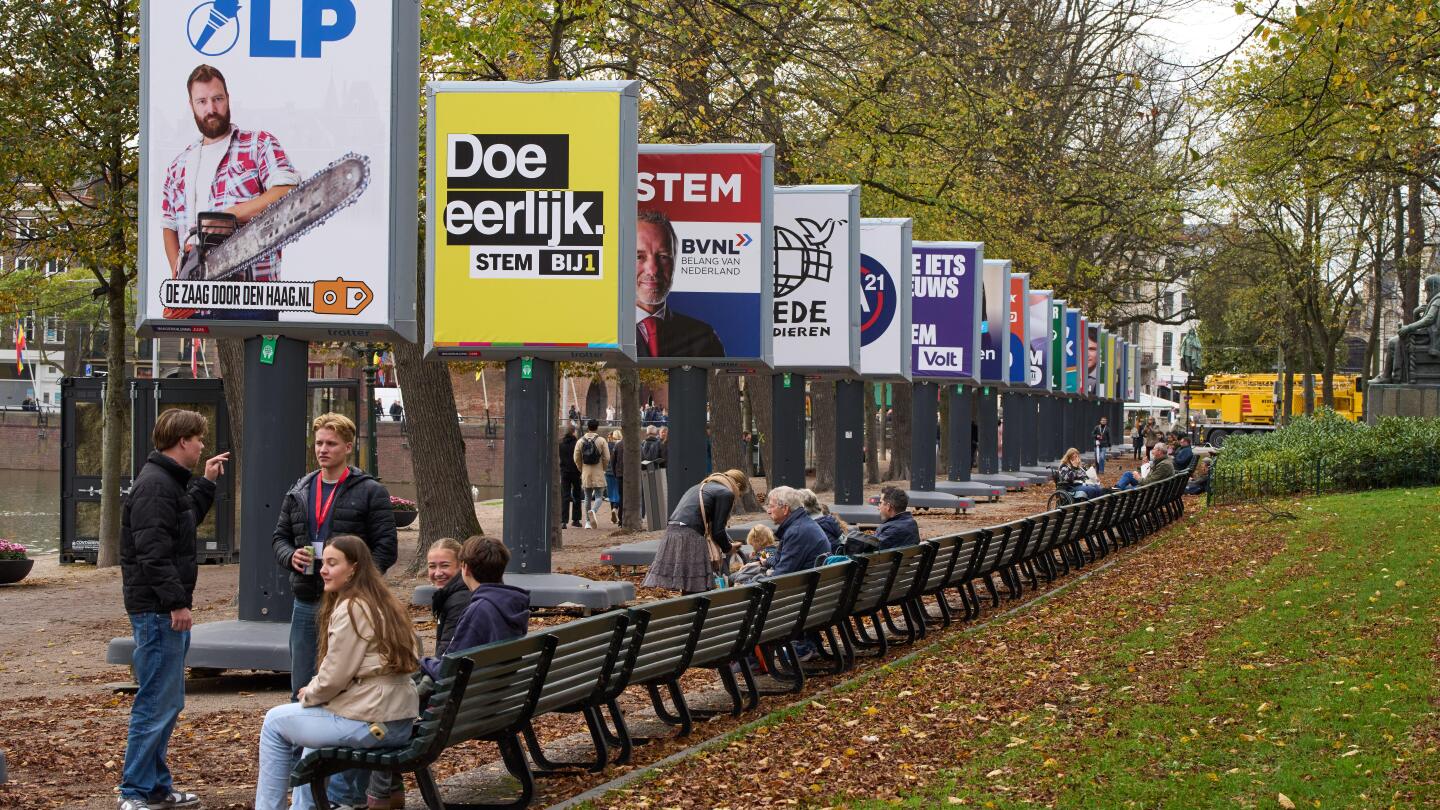
Dutch voters head to polls in a knife-edge election focused on housing and Wilders
The Netherlands is witnessing a pivotal moment as voters cast their ballots in a tightly contested general election on Wednesday. The campaign has been dominated by pressing issues such as migration, a housing crisis, and the potential collaboration with Geert Wilders, the controversial anti-Islam lawmaker whose Party for Freedom (PVV) secured a surprising victory two years ago. This election unfolds against a backdrop of heightened polarization and recent violence, including clashes at anti-immigration rallies and protests against new asylum-seeker centers across the country. Polls indicate that Wilders’ PVV, advocating for a complete halt to asylum-seekers entering the Netherlands, remains a frontrunner. However, moderate parties are gaining ground, and pollsters warn that many voters may decide their choice at the last minute. Voting stations, ranging from city halls to historic landmarks like the Anne Frank House, opened at 7:30 a.m. and will close at 9 p.m., with exit polls expected shortly after. The election’s outcome will shape the formation of a coalition government, as the Dutch proportional representation system ensures no single party can govern alone. Mainstream parties have largely ruled out working with Wilders, citing his role in destabilizing the previous coalition over migration policies. Leaders like Rob Jetten of the center-left D66 and Frans Timmermans of the Labor-Green bloc have criticized Wilders’ divisive rhetoric, emphasizing the need for constructive solutions to migration challenges. Wilders, meanwhile, defends his record, blaming other parties for obstructing his agenda. The election could also mark the decline of the New Social Contract party, which faces potential obliteration after joining the outgoing coalition with Wilders and losing its popular leader, Pieter Omtzigt, earlier this year.
-
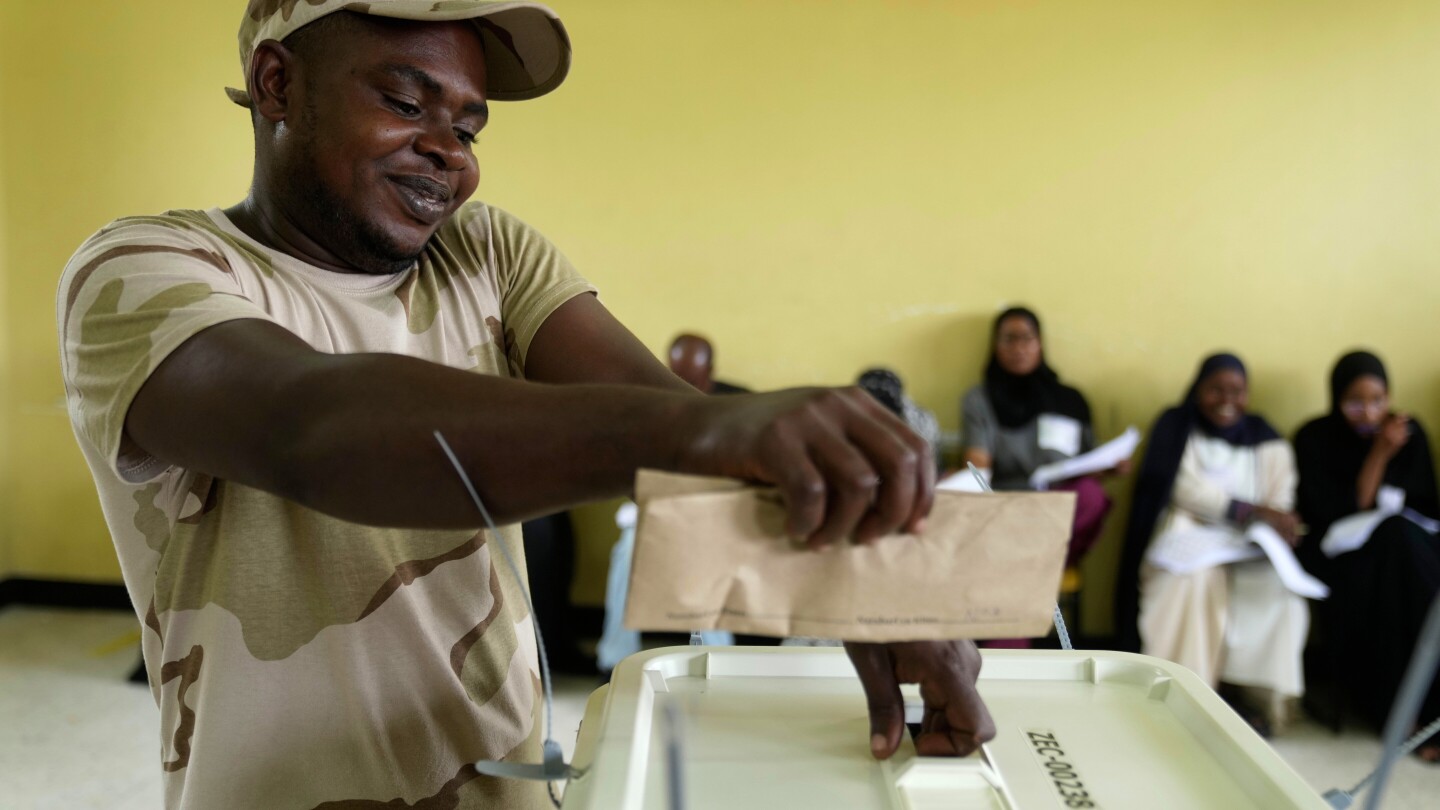
Polls open in Tanzania as ruling party seeks to extend decades in power
Polling stations across Tanzania opened on Wednesday for a highly contentious election, marked by widespread concerns from human rights organizations and the detention of key opposition figures. President Samia Suluhu Hassan, representing the long-ruling Chama Cha Mapinduzi (CCM) party, is vying for her second term. The CCM has dominated Tanzanian politics since the country’s independence in 1961. Voting commenced at 7:00 a.m. local time and is set to conclude at 4:00 p.m., with preliminary results anticipated within 24 hours. However, the electoral commission retains up to seven days to declare the final outcome. The election has been overshadowed by the imprisonment of Tundu Lissu, leader of the main opposition party CHADEMA, who faces treason charges for advocating electoral reforms. Additionally, the candidate from the second-largest opposition party was disqualified from running. Amnesty International has raised alarms about the pre-election environment, citing verified instances of enforced disappearances, arbitrary arrests, and extrajudicial killings. The rights group contends that these alleged abuses by security forces have severely undermined the election’s legitimacy. Despite a 26% increase in registered voters since 2020, analysts predict low voter turnout due to widespread apathy and the perception that Hassan’s victory is inevitable. CHADEMA has called for protests on election day, further heightening tensions.
-
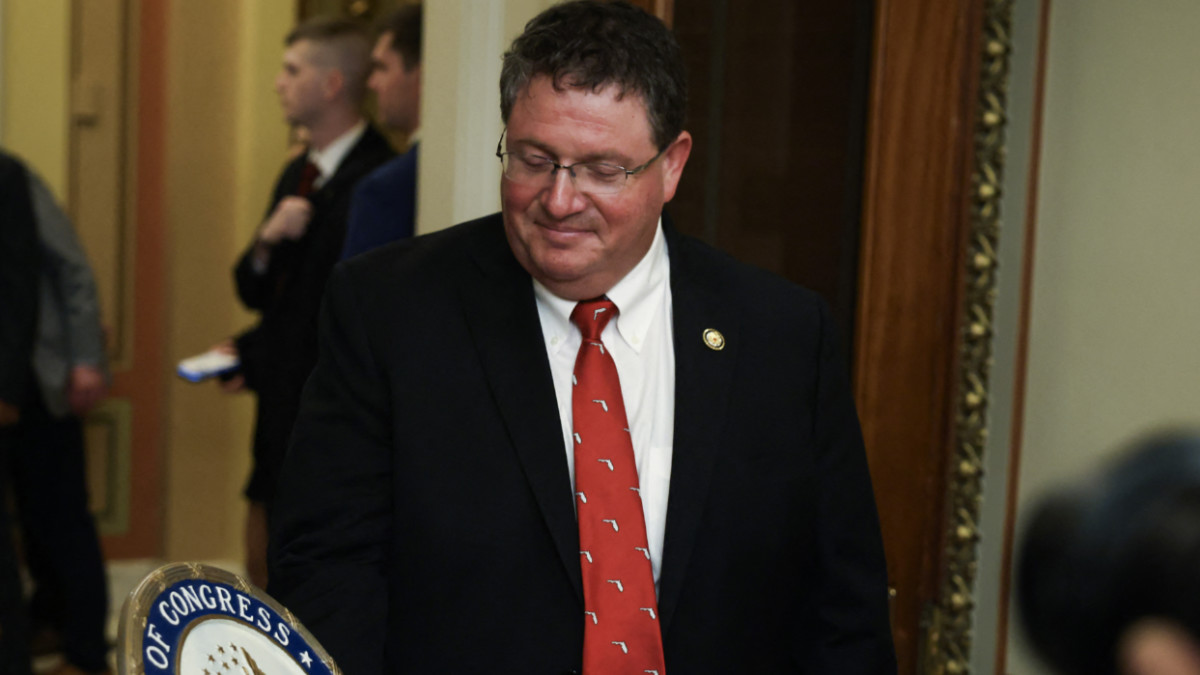
Qatar’s US ambassador rebukes Congressman Randy Fine after Laura Loomer interview
Qatar’s ambassador to the United States, Meshal al-Thani, issued a rare and direct rebuke to Republican Congressman Randy Fine for his Islamophobic and anti-Qatar comments during an interview with far-right social media personality Laura Loomer. Fine, a Jewish-American lawmaker and staunch supporter of Israel’s war on Gaza, has a history of inflammatory rhetoric, including calls for Israel to ‘nuke’ Gaza and for Palestinians to ‘starve away.’ He has also been a vocal critic of protests against Israel on US college campuses, falsely accusing Qatar of funding these demonstrations and labeling them as ‘antisemitic.’ In a letter shared on X, Ambassador al-Thani condemned Fine’s remarks, emphasizing Qatar’s commitment to combating antisemitism and all forms of religious or ethnic intolerance. He also refuted Fine’s allegations, citing a 2024 US House of Representatives report that found no evidence of Qatari involvement in campus unrest. Al-Thani further highlighted Qatar’s role as a key US ally, hosting the largest US military base in the Middle East and contributing to joint defense missions. He noted that Qatar’s F-15 purchases and support generate thousands of US jobs. The ambassador also addressed Fine’s fear-mongering about Qatari fighter pilots training in the US, stating that such arrangements are standard among allies and fully funded by Qatar. Al-Thani concluded by reminding Fine of the significant Muslim population in the US, including 127,000 in his home state of Florida.
-
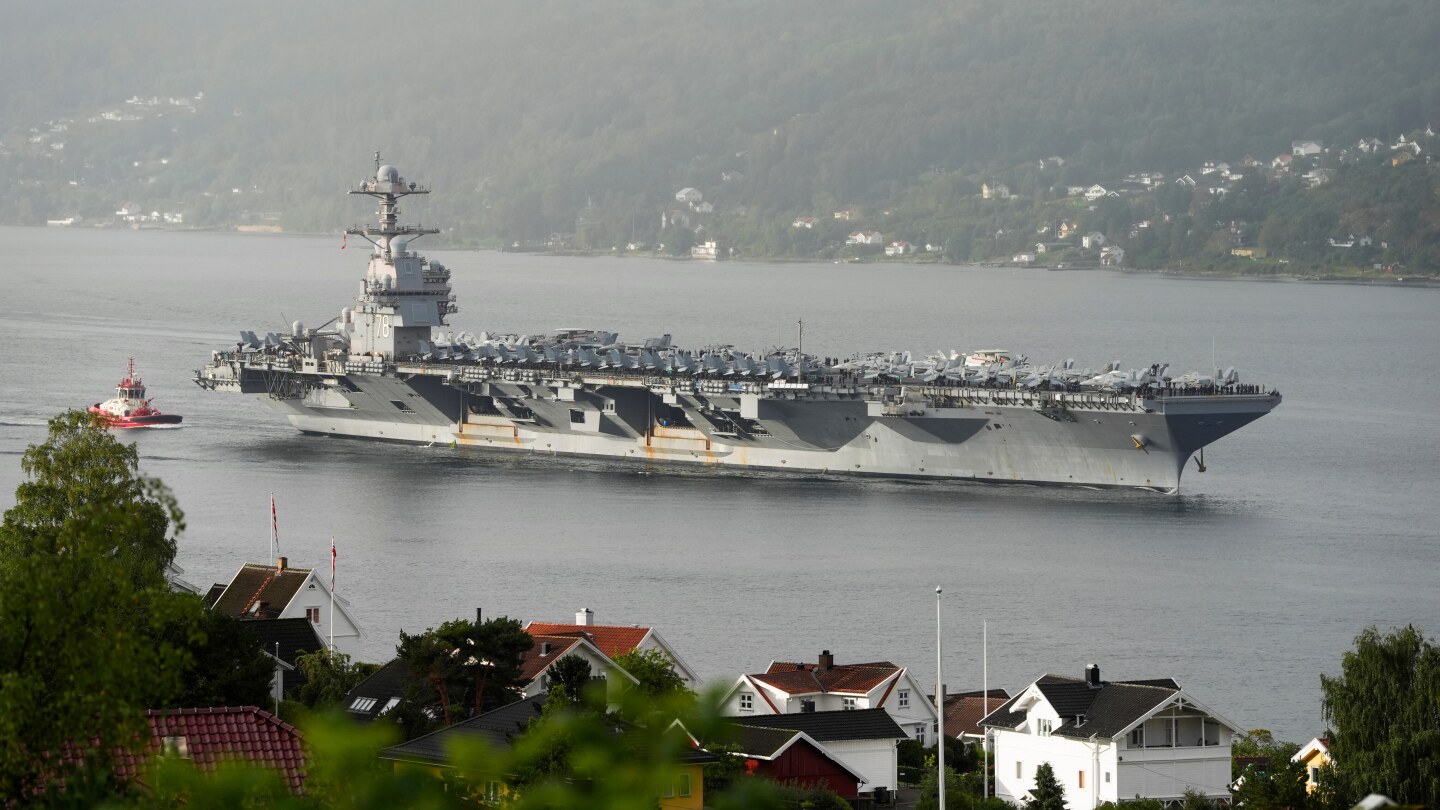
Trump’s decision to send aircraft carrier to South America will leave Mideast and Europe with none
In a significant strategic move, President Donald Trump has redirected the USS Gerald R. Ford, the nation’s most advanced aircraft carrier, from the Mediterranean Sea to South America as part of an intensified campaign against drug cartels. This decision comes at a critical juncture, as a fragile ceasefire between Israel and Hamas in Gaza faces renewed threats. The redeployment leaves the U.S. with only one active carrier deployed globally, marking a stark shift from recent military engagements, including joint strikes with Israel on Iran and intense combat operations against Yemen’s Houthi rebels in the Red Sea. Aircraft carriers, long symbols of U.S. military power, have been a cornerstone of American foreign policy, with five deployments to the Middle East since the October 7, 2023, Hamas-led attack on Israel. The Ford’s new mission underscores the Trump administration’s heightened focus on the Western Hemisphere, escalating firepower in a region already saturated with warships, aircraft, and troops. Trump, speaking from the USS George Washington in Japan, emphasized the U.S. commitment to halting drug trafficking, both at sea and on land. However, experts like Mark Cancian of the Center for Strategic and International Studies question the sustainability of this deployment, given the limited availability of U.S. carriers. Meanwhile, the U.S. military’s growing presence near Venezuela, coupled with 13 fatal strikes on alleged drug boats, has raised concerns about potential regime change efforts against President Nicolás Maduro, who faces U.S. narcoterrorism charges. Secretary of State Marco Rubio defended the operations as counterdrug efforts, while Maduro accused the U.S. of fabricating a war narrative. Analysts warn of potential instability in Venezuela, with some fearing a Libya-style meltdown if Maduro is ousted. The Ford strike group, accompanied by five destroyers, adds to an unprecedented U.S. military buildup in the region, including submarines, fighter jets, and bombers. Trump’s declaration of drug cartels as unlawful combatants has drawn bipartisan scrutiny, with some lawmakers questioning the lack of congressional approval for these operations. Despite concerns, allies like Sen. Lindsey Graham support the president’s actions, suggesting land strikes in Venezuela are a real possibility.
-
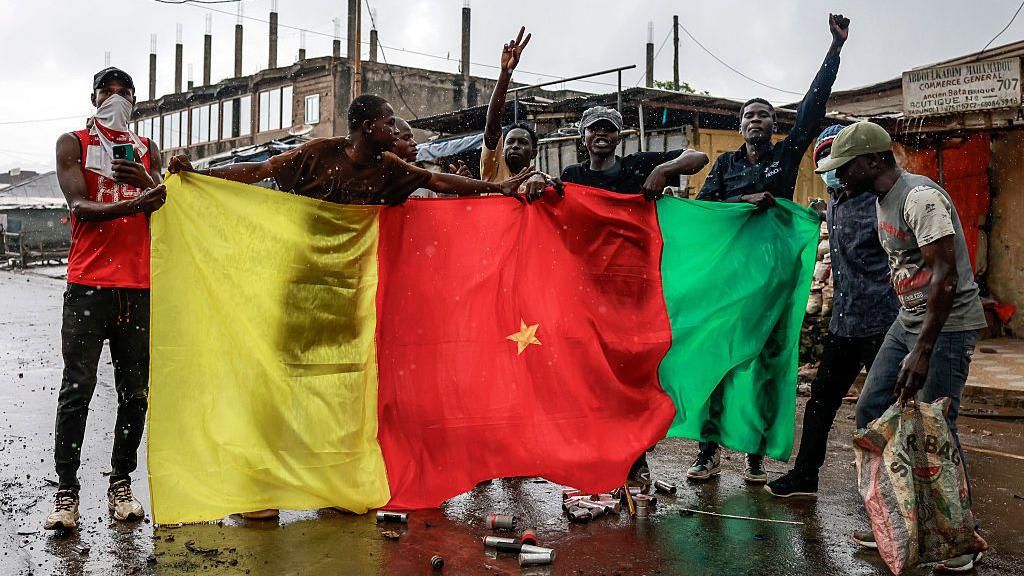
Cameroon opposition leader to face legal action over election unrest, government says
Cameroon is grappling with escalating tensions following the controversial re-election of 92-year-old President Paul Biya for an unprecedented eighth term. The election, held on October 12, has been marred by violent clashes between security forces and opposition supporters, resulting in at least four fatalities. Opposition leader Issa Tchiroma Bakary, who claims victory in the election, faces legal action for allegedly inciting “violent post-election demonstrations.” Cameroon’s Interior Minister Paul Atanga Nji accused Bakary of organizing “illegal” protests and declared that his accomplices in an “insurrectionary plan” would also be prosecuted. The government has announced an investigation into the violent incidents surrounding the election. Despite Nji’s assurance that the situation is under control, protests persist in cities like Douala and Garoua, where demonstrators have erected roadblocks and set fire to tires. The international community, including the UN, African Union, and EU, has expressed concern over the violent crackdowns and called for restraint. Analysts warn that the ongoing unrest could plunge Cameroon into a deep political crisis.