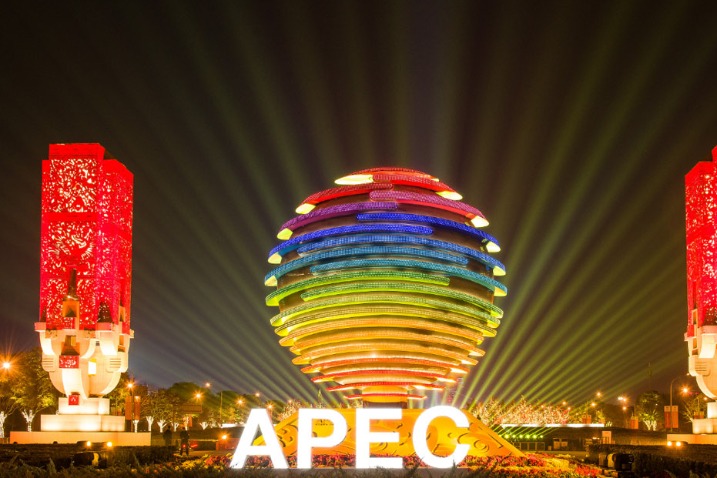
As the Asia-Pacific Economic Cooperation (APEC) marks its 30th anniversary, Chinese President Xi Jinping has reiterated his vision for a unified and prosperous Asia-Pacific community. Speaking at the 30th APEC Economic Leaders’ Meeting in San Francisco, Xi emphasized the need for continued regional cooperation to sustain the ‘Asia-Pacific Miracle,’ a period of unprecedented economic growth that has reshaped the global economy. Xi’s call for an ‘Asia-Pacific community with a shared future’ aligns with the Putrajaya Vision 2040, a long-term blueprint aiming for an open, dynamic, resilient, and peaceful region by 2040. Xi highlighted the importance of addressing diverse national conditions through consultation and collaboration, drawing on ancient Chinese wisdom to liken APEC to a family connected by the Pacific Ocean. ‘The highest good is like water; water benefits all things without contending,’ he remarked, underscoring his belief in coexistence and mutual benefit. Xi’s vision extends beyond economic integration to tackling global challenges like climate change. In February 2025, he welcomed the Sultan of Brunei, Haji Hassanal Bolkiah Mu’izzaddin Waddaulah, to China, where they discussed cooperation in emerging sectors such as the digital economy, artificial intelligence, and new energy, as well as traditional areas like agriculture and fisheries. Brunei’s role in hosting the ASEAN Center for Climate Change further symbolizes the region’s commitment to collaborative climate action. Xi envisions the Asia-Pacific as the ‘locomotive’ of globalization, driven by technological and industrial advancements that are propelling the world toward a digital, green, and smart economy. Despite global challenges, Xi remains optimistic, asserting that the forces driving integration will prevail, transforming the Pacific into a ‘thoroughfare for more prosperity and growth.’
分类: politics
-
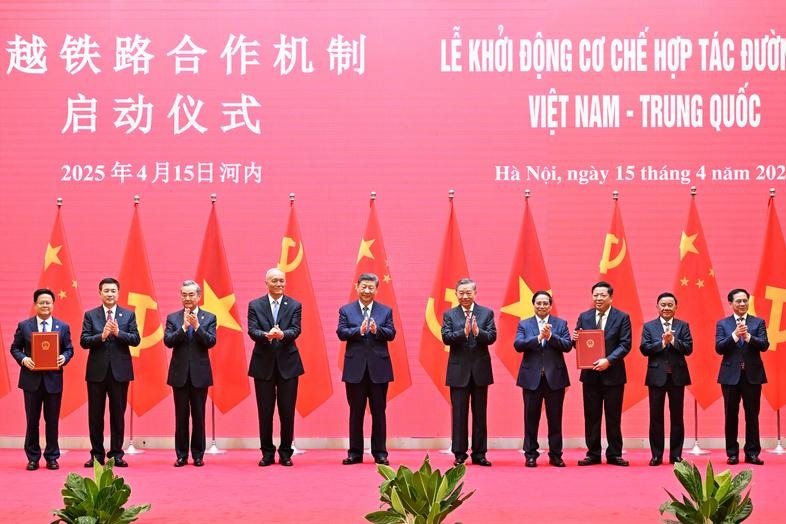
Xi Jinping — proponent of an inter-connected Asia-Pacific
President Xi Jinping, General Secretary of the Communist Party of China (CPC) Central Committee, has consistently advocated for enhanced connectivity and cooperation across the Asia-Pacific region and globally. His efforts have been instrumental in advancing the Belt and Road Initiative (BRI), a cornerstone of international economic collaboration. In April 2025, during a state visit to Vietnam, Xi and Vietnamese leader To Lam initiated discussions on a railway project linking the two nations. This initiative is set to integrate with other landmark BRI projects, such as the China-Laos railway, China-Thailand railway, Jakarta-Bandung high-speed railway, and Malaysia’s East Coast Rail Link, further strengthening regional connectivity. Beyond Asia, Xi’s vision extends to Latin America. In November 2024, he inaugurated the Chancay port in Peru, a strategic maritime gateway that reduces shipping time to China to 23 days and cuts logistics costs by 20 percent. Xi emphasized the port’s role in driving logistics, boosting trade, and spurring industrial growth. In addition to physical infrastructure, Xi has consistently highlighted the importance of stabilizing global industrial and supply chains. He has urged countries to view economic interdependence as an opportunity for mutual benefit rather than a risk. In March 2025, Xi met with over 40 global business leaders in Beijing, reaffirming China’s commitment to openness and foreign investment. Sean Stein, president of the US-China Business Council, praised Xi’s vision, stating, ‘Investing in China is investing in the future.’ Xi also underscored the significance of cultural exchanges in fostering lasting cooperation. China’s visa-free policies and cultural initiatives have significantly increased foreign visitors. This spirit of connection was evident during the 2024 APEC Leaders’ Meeting in Peru, where Chilean President Gabriel Boric presented Xi with a Spanish copy of ‘Xi Jinping: the Governance of China, Volume IV,’ highlighting the importance of cultural dialogue in strengthening bilateral ties.
-
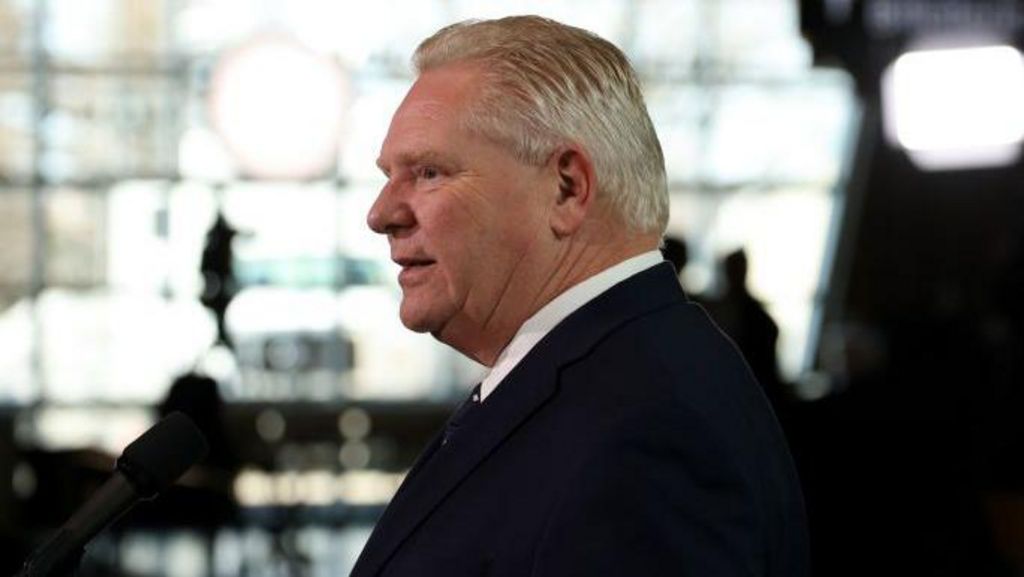
Ontario premier demands apology from US ambassador over tariff ‘tirade’
Ontario Premier Doug Ford has called for an apology from US Ambassador to Canada Pete Hoekstra following a heated exchange between the envoy and Ontario’s trade representative, David Paterson. The confrontation, described by CBC News as an “expletive-laced tirade,” stemmed from a TV advertisement funded by the Ontario government that criticized President Trump’s tariffs. The ad featured a quote from former President Ronald Reagan, stating that tariffs “hurt every America,” taken from his 1987 national radio address on foreign trade. Ford deemed Hoekstra’s remarks “absolutely unacceptable” and urged him to make amends, saying, “Pete, you gotta call Dave up and apologize. It’s simple.” The ad, which aired during the World Series games between the Toronto Blue Jays and the Los Angeles Dodgers, was hailed by Ford as “the most successful ad in North American history,” garnering over one billion impressions globally. However, it has sparked frustration within the Trump administration, with President Trump threatening to impose an additional 10% tariff on Canadian imports. Last week, Trump suspended trade talks with Canada over the ad, though the US Senate recently voted 50-46 to block these tariffs. The resolution, however, is unlikely to pass the House of Representatives. Ford defended his actions, stating, “What do they expect me to do? Sit back and roll over like every other person in the world?” The dispute highlights ongoing tensions between the US and Canada over trade policies.
-
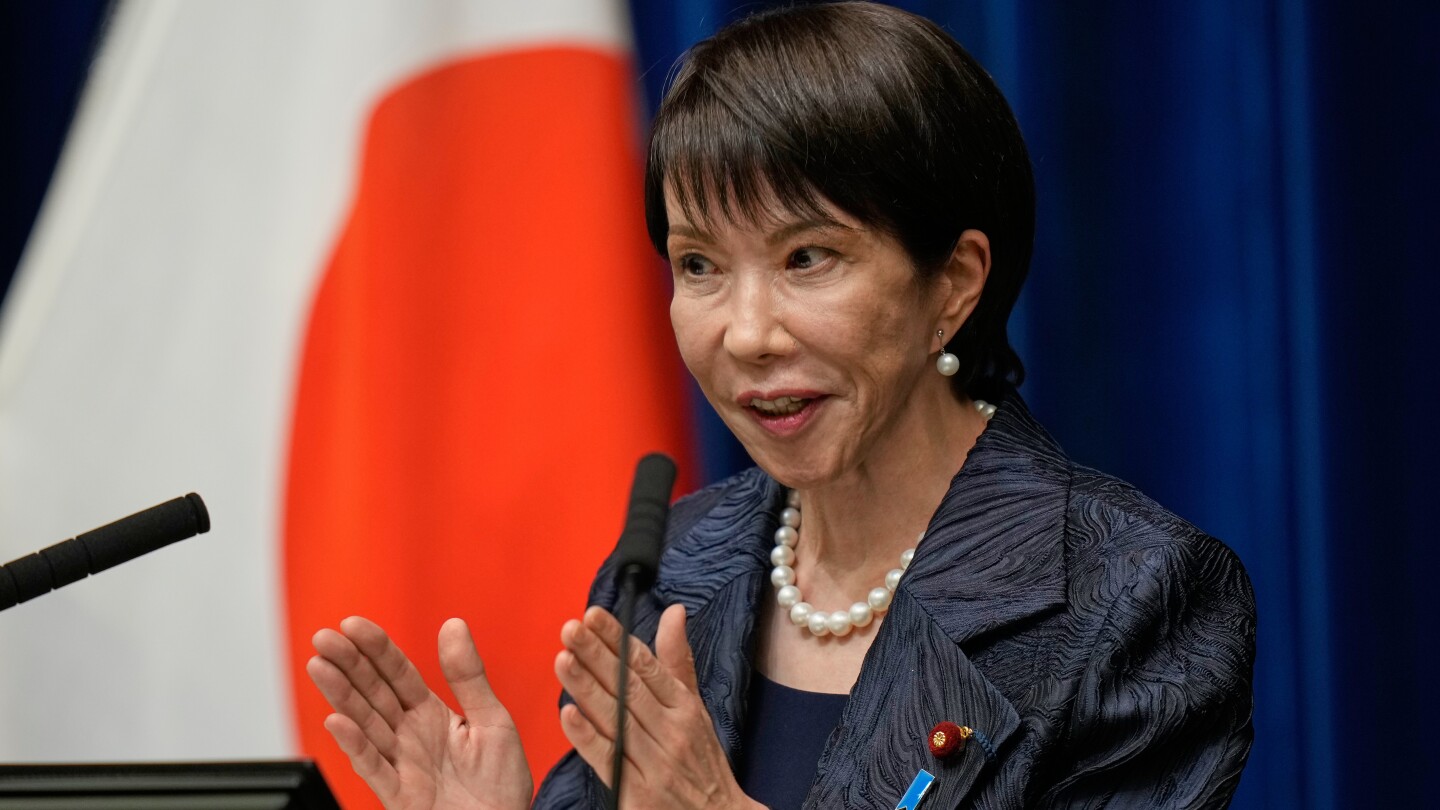
South Korean and Japanese leaders vow to improve ties in face of global uncertainty
In a landmark meeting held in Gyeongju, South Korea, President Lee Jae Myung and Japan’s newly elected Prime Minister Sanae Takaichi convened for their first summit on Thursday, vowing to enhance bilateral relations historically marred by their contentious wartime past. The meeting, which took place ahead of the Asia-Pacific Economic Cooperation (APEC) summit, underscored the urgency of fostering cooperation in the face of shifting global dynamics and trade uncertainties. Both leaders emphasized the importance of future-oriented collaboration, with Takaichi highlighting the growing significance of trilateral cooperation involving the United States. The two nations agreed to sustain their ‘shuttle diplomacy’ model, alternating hosting duties for future summits. Takaichi described the discussions as ‘very enjoyable and meaningful’ and expressed anticipation for Lee’s reciprocal visit to Japan. The summit followed a series of diplomatic engagements with U.S. President Donald Trump, who urged both allies to fulfill substantial investment commitments. South Korea and Japan have pledged billions in U.S. investments, with South Korea agreeing to $200 billion in direct investments and $150 billion in loan guarantees to revitalize the U.S. shipbuilding industry. In return, the U.S. has committed to reducing tariffs on Korean vehicles and auto parts. Despite historical tensions and differing views on wartime history, experts predict continued cooperation as both nations navigate shared challenges, including supply chain vulnerabilities and North Korea’s nuclear ambitions. Lee’s pragmatic diplomacy has also sought to mend ties with Japan and the U.S., signaling a shift from his earlier perceived alignment with North Korea and China.
-

Democratic senators demand answers on ICE’s use of full-body restraints on deportation flights
A coalition of 11 Democratic U.S. senators has raised alarm over the “near-total secrecy” surrounding deportation flights and the use of full-body restraints, known as the WRAP, by U.S. Immigration and Customs Enforcement (ICE). In a letter addressed to top immigration officials on Thursday, the senators expressed “serious human rights concerns” and called for greater transparency and accountability.
-
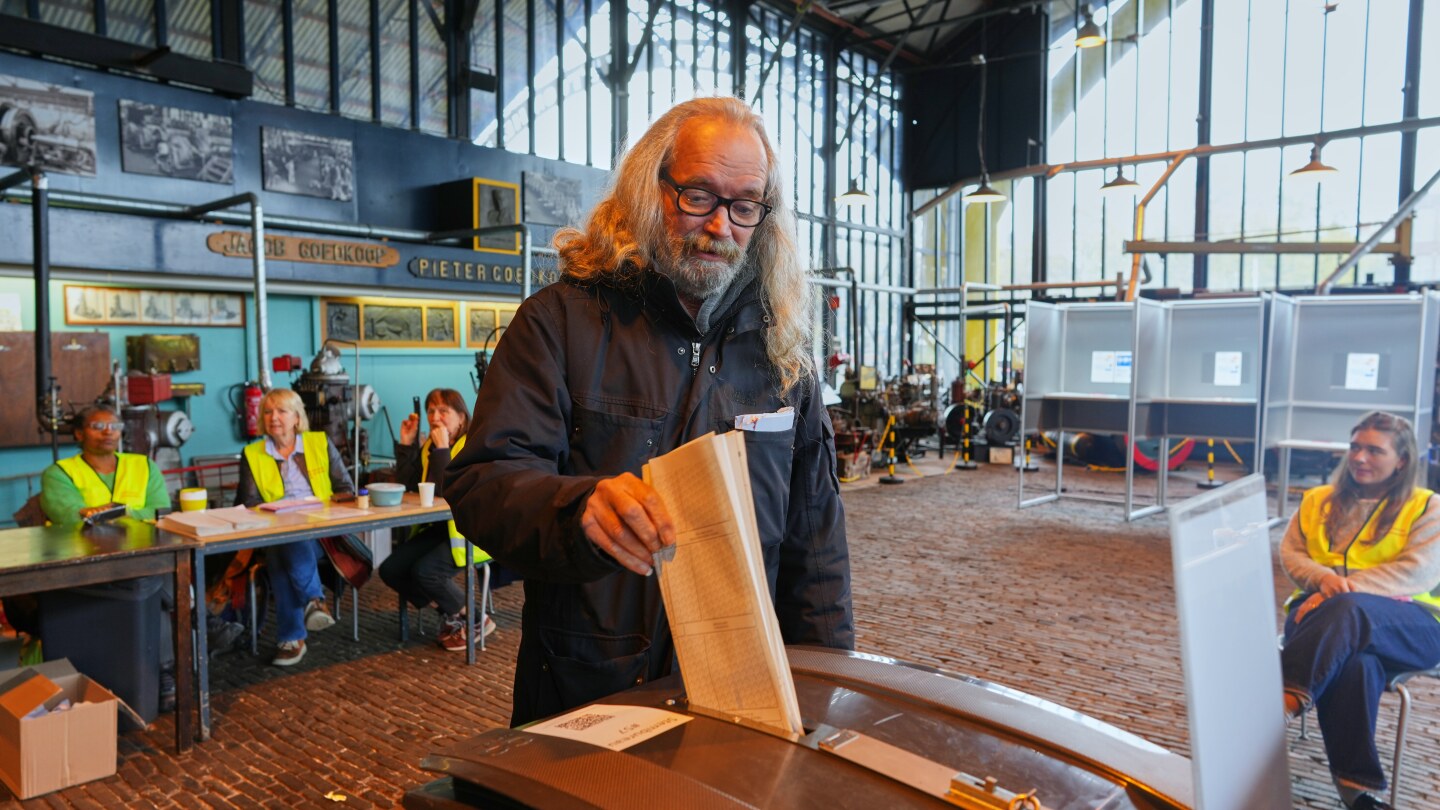
The Dutch election is tied, joining a list of memorable close contests. Here are a few others
In an unprecedented turn of events, the Dutch general election has resulted in a deadlock between the far-right Party for Freedom and the centrist D66 party, with both securing 26 seats in the 150-seat parliament. The final vote count, published by the Dutch national news agency ANP, revealed this historic tie, marking the first time in Dutch electoral history that two parties have finished neck-and-neck. This outcome is expected to significantly delay the formation of a new coalition government, a process that could take weeks or even months given the fragmented political landscape. The election has drawn comparisons to other tight races globally, such as the 2000 U.S. presidential election and recent close contests in Poland, Portugal, and Ireland. The Dutch political system, known for its coalition-based governance, now faces a challenging period of negotiation and compromise to establish a stable government.
-
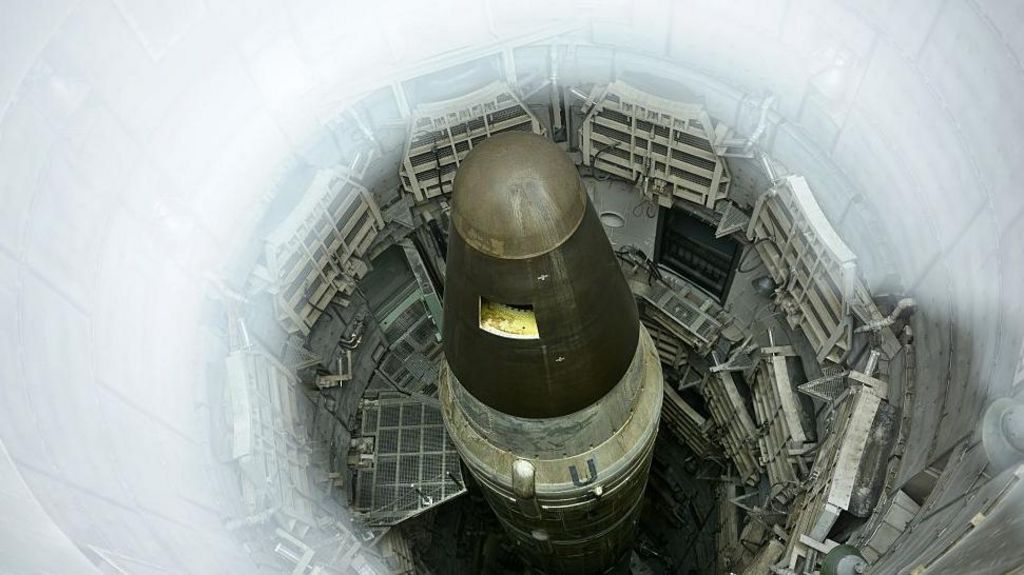
Trump directs nuclear weapons testing to resume for first time in over 30 years
In a significant policy shift, former US President Donald Trump has urged military leaders to resume nuclear weapons testing, citing the need to keep pace with global powers like Russia and China. Trump made the announcement on social media just before meeting Chinese President Xi Jinping in South Korea, emphasizing that the US must maintain its nuclear superiority. The US has not conducted nuclear tests since 1992, but Trump argued that other nations’ testing programs necessitate a response. He did not specify whether the proposed tests would involve nuclear explosions or weapon systems capable of delivering nuclear payloads. This move marks a departure from decades of US policy and comes amid heightened tensions with Russia, which recently tested advanced nuclear-capable weapons. The Kremlin denied conducting nuclear tests, stating its recent trials involved non-nuclear systems. China also responded, urging the US to adhere to the Comprehensive Nuclear-Test-Ban Treaty (CTBT). Experts warn that resuming nuclear testing could destabilize global arms control efforts and trigger a chain reaction among adversaries. Trump’s announcement has sparked criticism from opposition lawmakers and arms control advocates, who argue it lacks justification and risks public backlash.
-
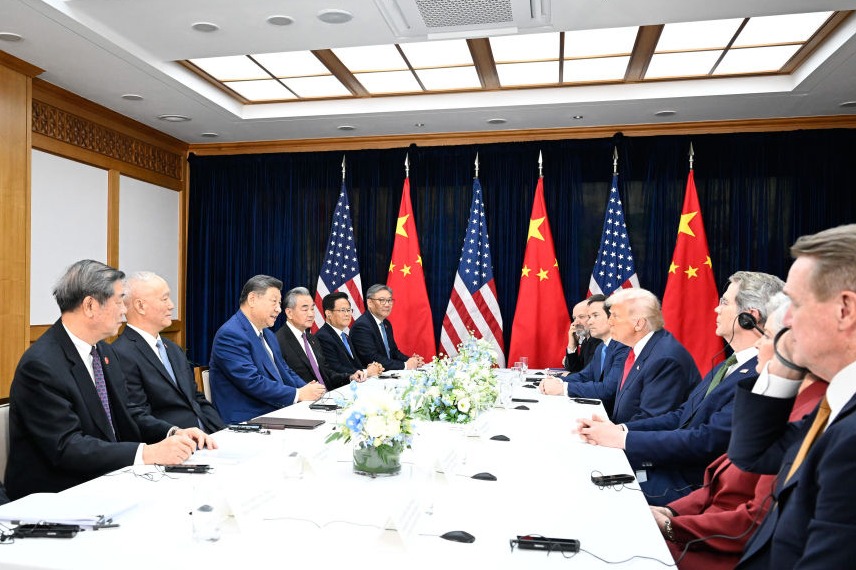
Xi urges China, US to work together to accomplish more great, concrete things
During a pivotal meeting in Busan, South Korea, Chinese President Xi Jinping emphasized the necessity for China and the United States to collaborate on significant and tangible initiatives that benefit both nations and the global community. This meeting occurred on the sidelines of the 32nd APEC Economic Leaders’ Meeting and a state visit to South Korea. President Xi highlighted the enthusiasm of US President Donald Trump in addressing various regional hotspot issues and acknowledged China’s role in promoting peace talks to resolve these issues. President Xi stressed that in the face of numerous global challenges, both countries have a responsibility to act as major powers and work together towards common goals.
-
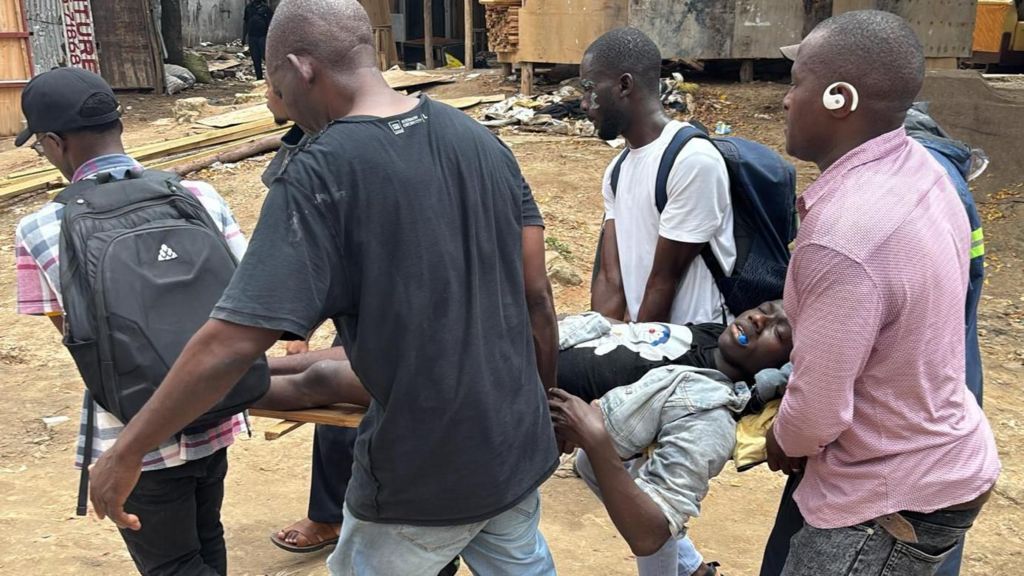
Tanzania tells civil servants to work from home after protests mar election
Tanzania’s recent elections have been marred by widespread violence, internet disruptions, and political unrest, leading to significant casualties and a tense atmosphere across the country. Protesters clashed with police on voting day, setting vehicles ablaze and damaging public infrastructure, as they accused the government of undermining democracy. The main opposition leader, Tundu Lissu, remains incarcerated on treason charges, while another key opposition figure, Luhaga Mpina, was disqualified from the presidential race, leaving President Samia Suluhu Hassan with a clear path to a second term. The government has ordered civil servants to work from home, and a night-time curfew has been imposed in Dar es Salaam, the nation’s largest city, where heavy security measures remain in place. Reports of deaths, including a civilian and a police officer, have drawn condemnation from rights groups like Amnesty International, which has called for an independent investigation into the police response. The US Embassy has confirmed that major routes, including the road to Dar es Salaam’s international airport, remain closed. Internet connectivity has been severely disrupted, raising concerns about the suppression of information and further escalation of tensions. President Samia, who assumed office in 2021 as Tanzania’s first female president, initially garnered praise for easing political repression but has since faced criticism for narrowing the political space and targeting critics through arrests and abductions. With vote counting underway, the electoral body is expected to announce results by Saturday, but the election has been widely seen as a foregone conclusion, given the absence of significant opposition.
-
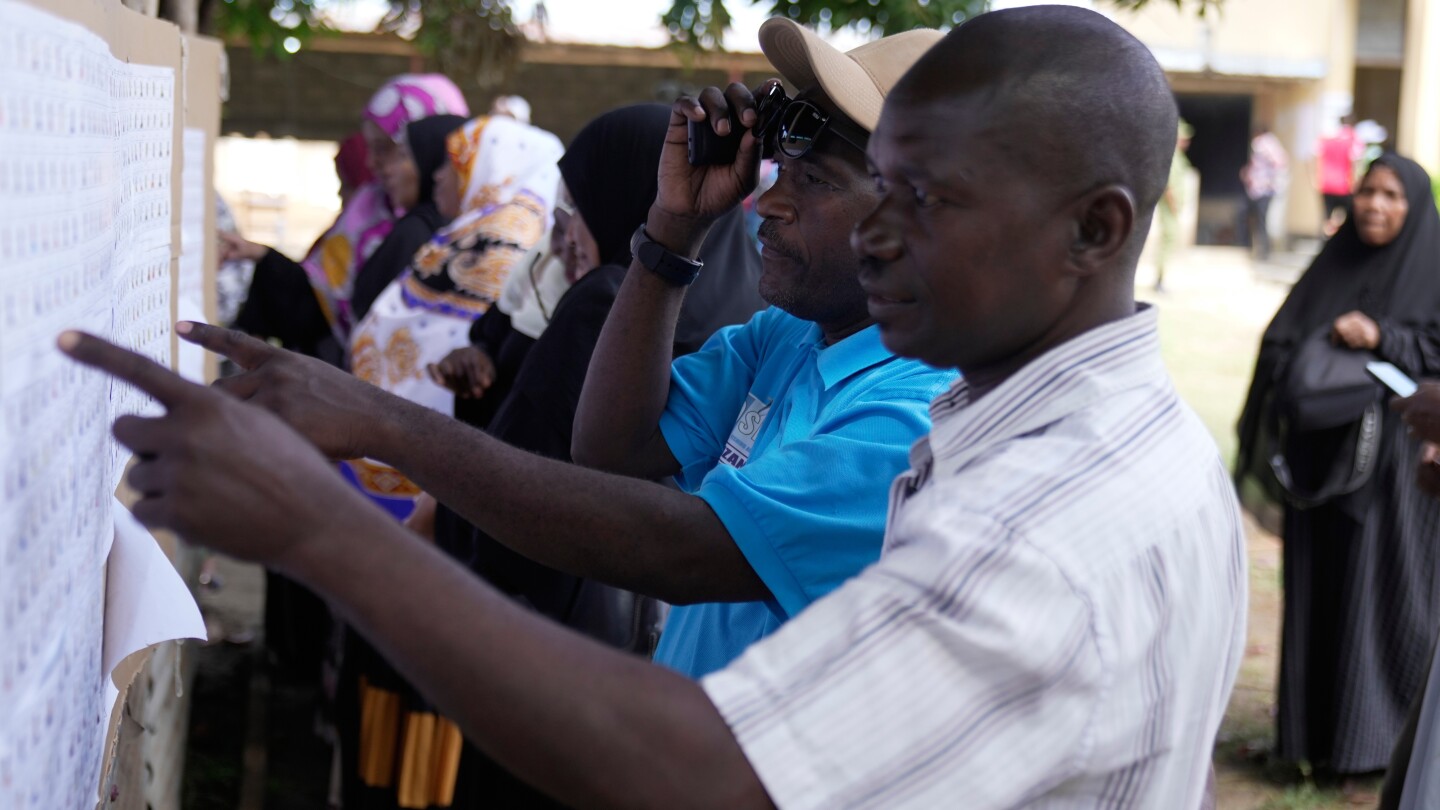
Protests in Tanzania enter a second day after disputed election
Tanzania has been plunged into turmoil following a contentious election, with hundreds of protesters taking to the streets for a second consecutive day on Thursday. The unrest comes as Amnesty International confirmed the deaths of two individuals during the demonstrations. The government, led by the long-ruling Chama Cha Mapinduzi (CCM) party, has responded with a heavy-handed approach, shutting down the internet, imposing a curfew, and deploying military forces to quell the protests. The CCM, in power since Tanzania’s independence in 1961, sought to extend its dominance in Wednesday’s election, which was marred by allegations of unfairness and the exclusion of major opposition candidates. Incumbent President Samia Suluhu Hassan faced minimal competition from 16 candidates representing smaller parties, none of whom mounted significant campaigns. Early results announced by the electoral body on Thursday showed Hassan with a commanding lead, securing 96.99% of the votes in 8 out of 272 constituencies. The European Parliament condemned the election as neither free nor fair, urging international partners to defend democracy and human rights. Meanwhile, the protests have escalated into violence, with demonstrators burning a bus and a gas station, attacking police stations, and vandalizing polling centers. The government has imposed a curfew in Dar es Salaam, the commercial capital, and restricted public movement, while roadblocks manned by the military have been erected nationwide. Amnesty International has called for investigations into the use of force by police, as tensions remain high and the country grapples with the fallout from the disputed election.